
System for calculating the anticipated outcome of an immediately following defibrillator shock
a technology of anticipating outcome and defibrillator, which is applied in the field of anticipating outcome of an immediate following defibrillator shock, can solve the problems of no cpr, further aggravated situation of vital organs, brain damage, etc., and achieve the effect of improving algorithms
Patent Information
- Authority / Receiving Office
- US · United States
- Current Assignee / Owner
- Publication Date
- 2006-09-28
- Estimated Expiration
- Not applicable · inactive patent
Smart Images
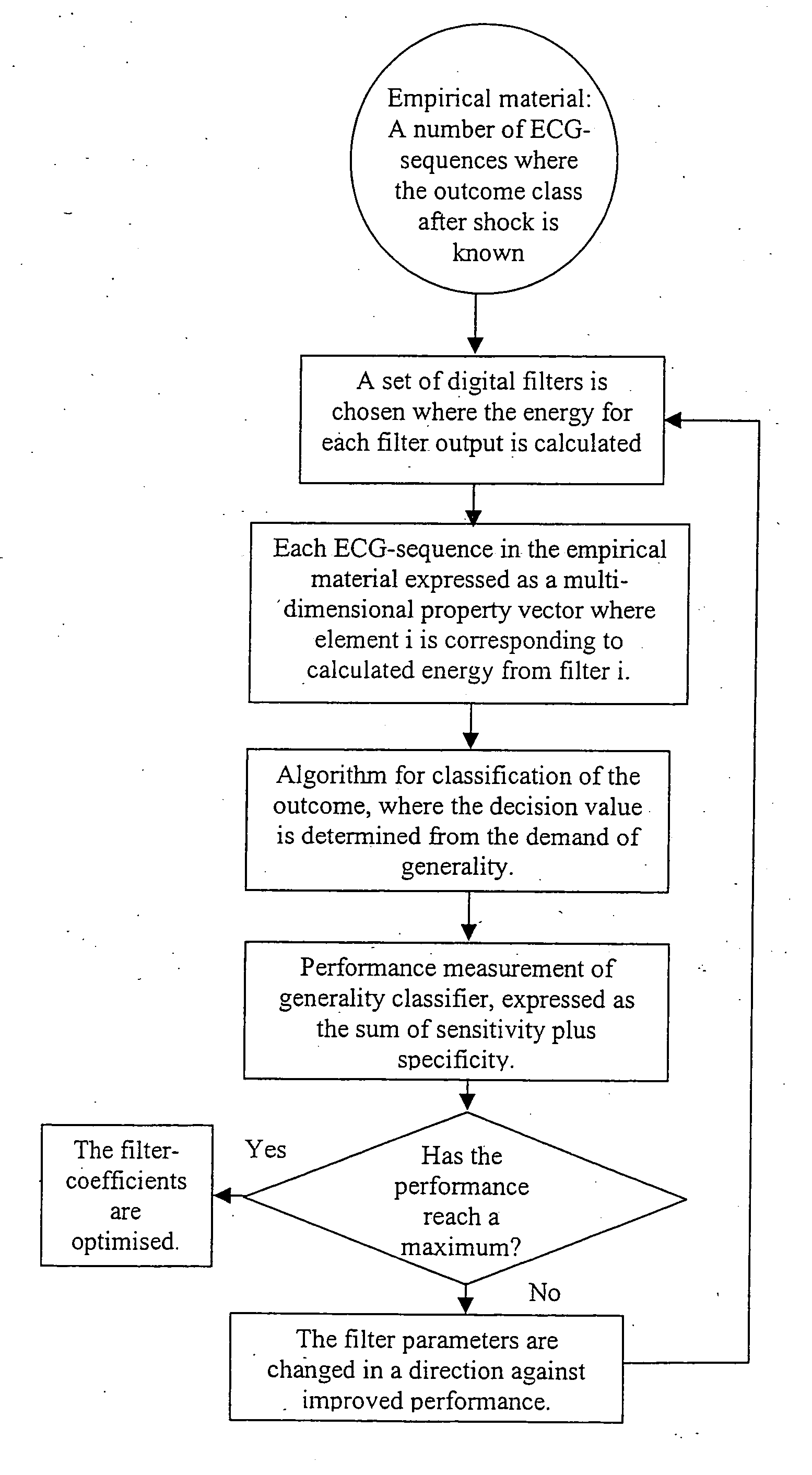
Figure 1 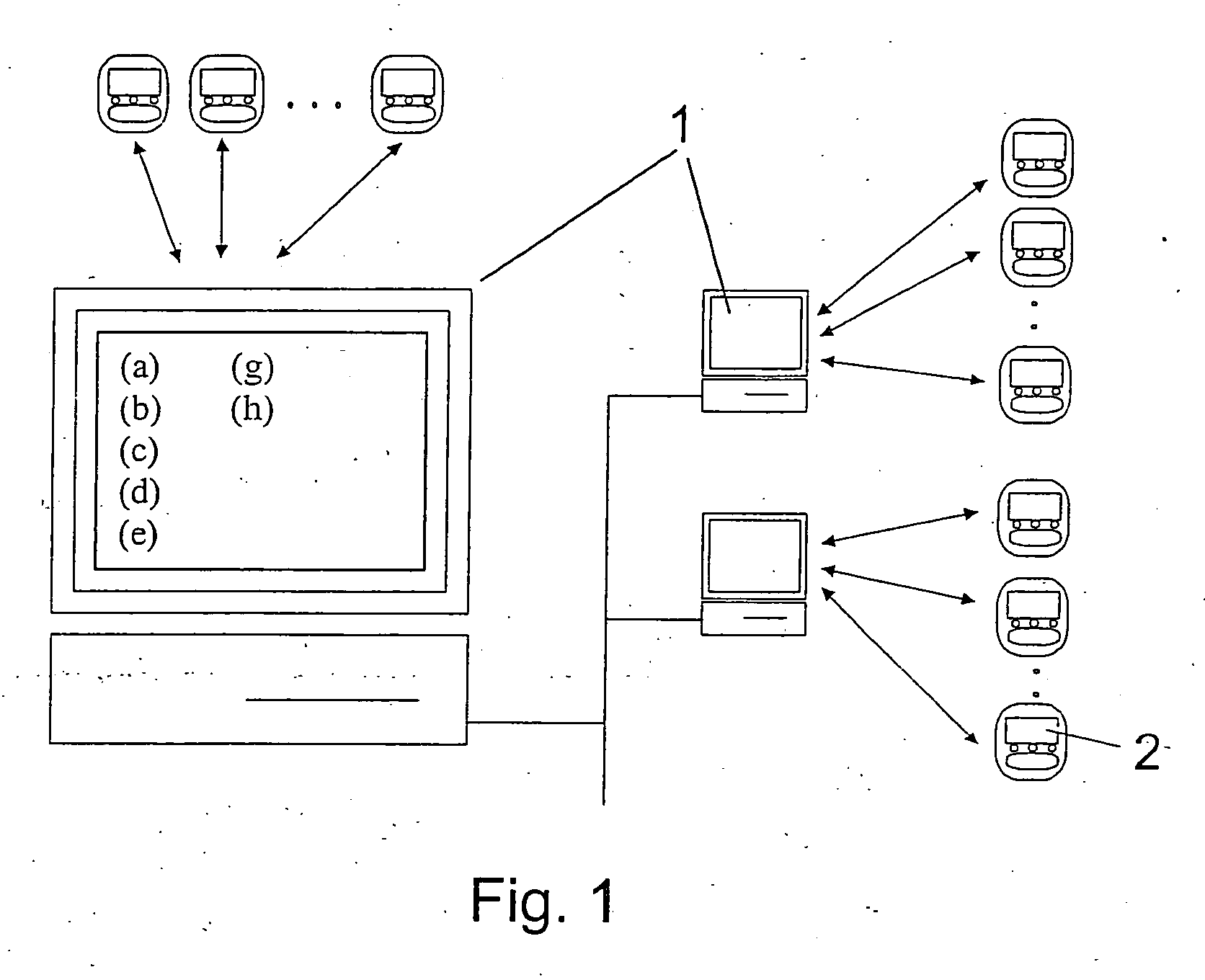
Figure 2 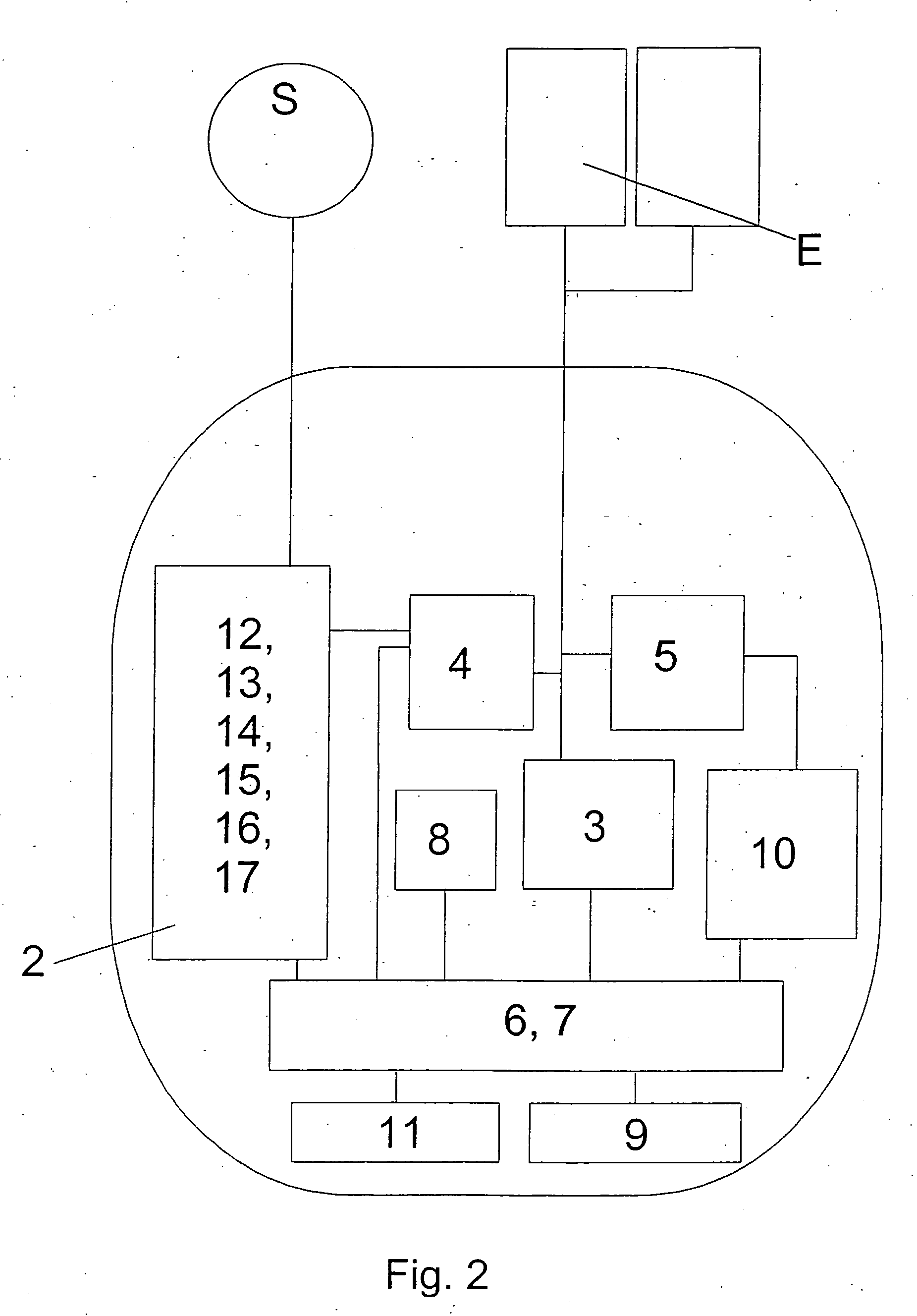
Figure 3
Abstract
Description
CROSS REFERENCE TO RELATED APPLICATIONS
[0001] This application is a continuation of U.S. application Ser. No. 10 / 070,545, filed Jun. 4, 2002, which was the US national phase of international application PCT / NO00 / 00289 filed 6 Sep. 2000, which designated the US, the disclosures of which are incorporated herein by this reference.BACKGROUND OF THE INVENTION
[0002] 1. Field of the Invention
[0003] The present invention relates to a system for calculating and using a probability indicator for the anticipated outcome of an immediately following defibrillator shock on the basis of ECG, patient information and treatment characteristics measured during sudden cardiac arrest and resuscitation.
[0004] 2. Description of Related Art
[0005] Nearly 40% of all those who suffer sudden cardiac arrest could have a chance of survival if they receive good, lifesaving treatment immediately. When treatment is delayed, the chances of survival decrease, cf. the article by Holmberg S, Holmberg M: “National ...
Examples
Embodiment Construction
[0043] The system consists of one, alternatively several, computer(s) 1 in a network that can communicate with a number of positioned analysis units 2. These may either be integrated into equipment (U1, U2 . . . ) such as defibrillators or ECG monitors, or they may occur in or as a support product used during the resuscitation attempt. The analysis units 2 generally operate independently of the computers 1, however after use, the analysis units could deliver field data to the computer 1, and could also receive adjusted algorithms for calculation of property vector and / or PROSC
[0044] The analysis unit 2 is normally connected to other subsystems, cf. FIG. 2:
[0045] Some of these subsystems are standard in equipment such as defibrillators and ECG monitors, and these are as follows:
[0046] Electrodes E, which provide input on ECG and impedance as well as means for providing defibrillator energy to the heart, are connected to: An ECG measurement system 3, an impedance measurement system...