
Positive electrode and non-aqueous electrolyte secondary battery including the positive electrode
a technology of non-aqueous electrolyte and secondary batteries, applied in the field of positive electrodes, can solve the problems of insufficient suppression of charged and discharged, capacity deterioration, etc., and achieve the effect of excellent resistance to capacity deterioration
Patent Information
- Authority / Receiving Office
- US · United States
- Current Assignee / Owner
- Publication Date
- 2022-09-15
Smart Images
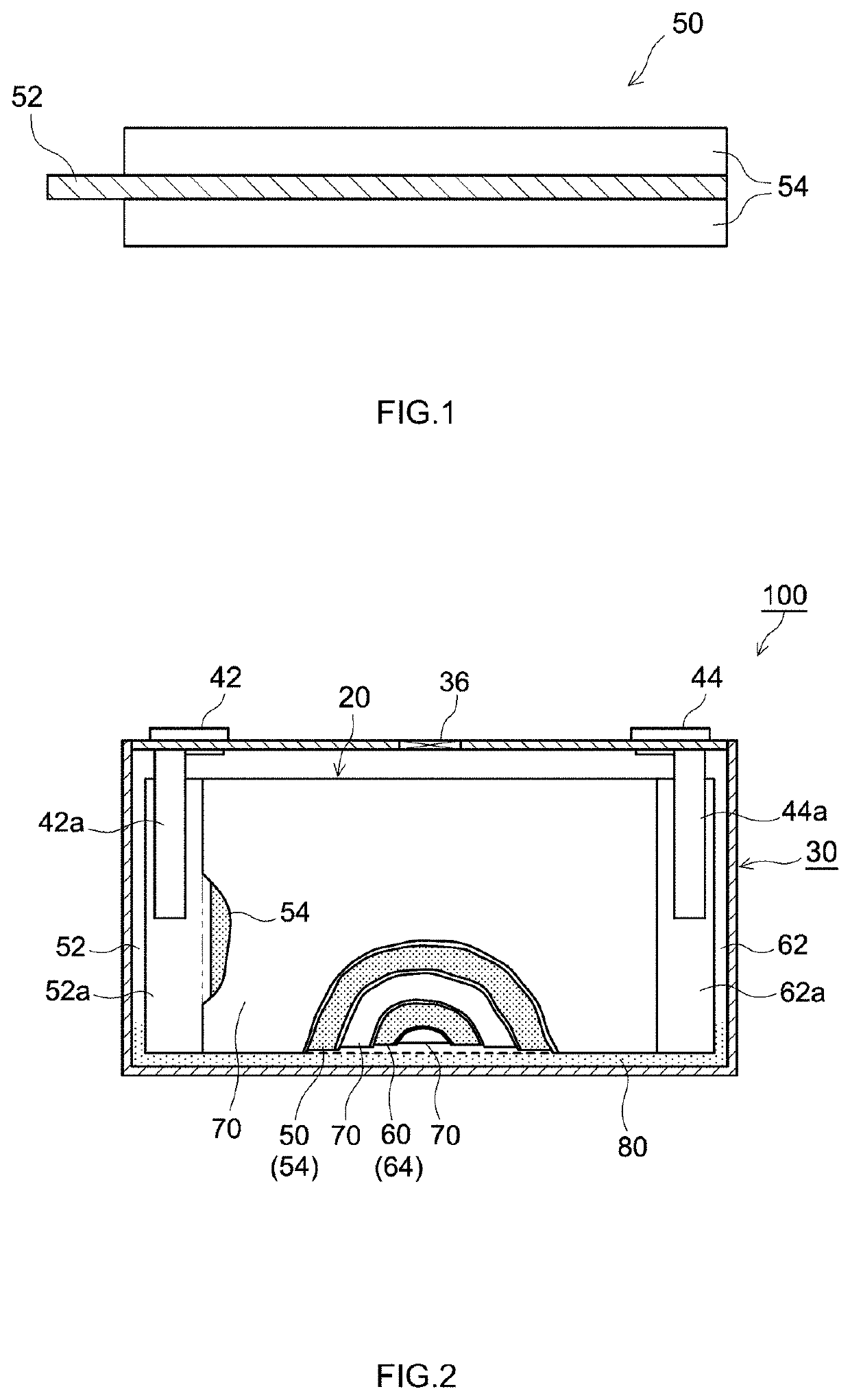
Figure 1 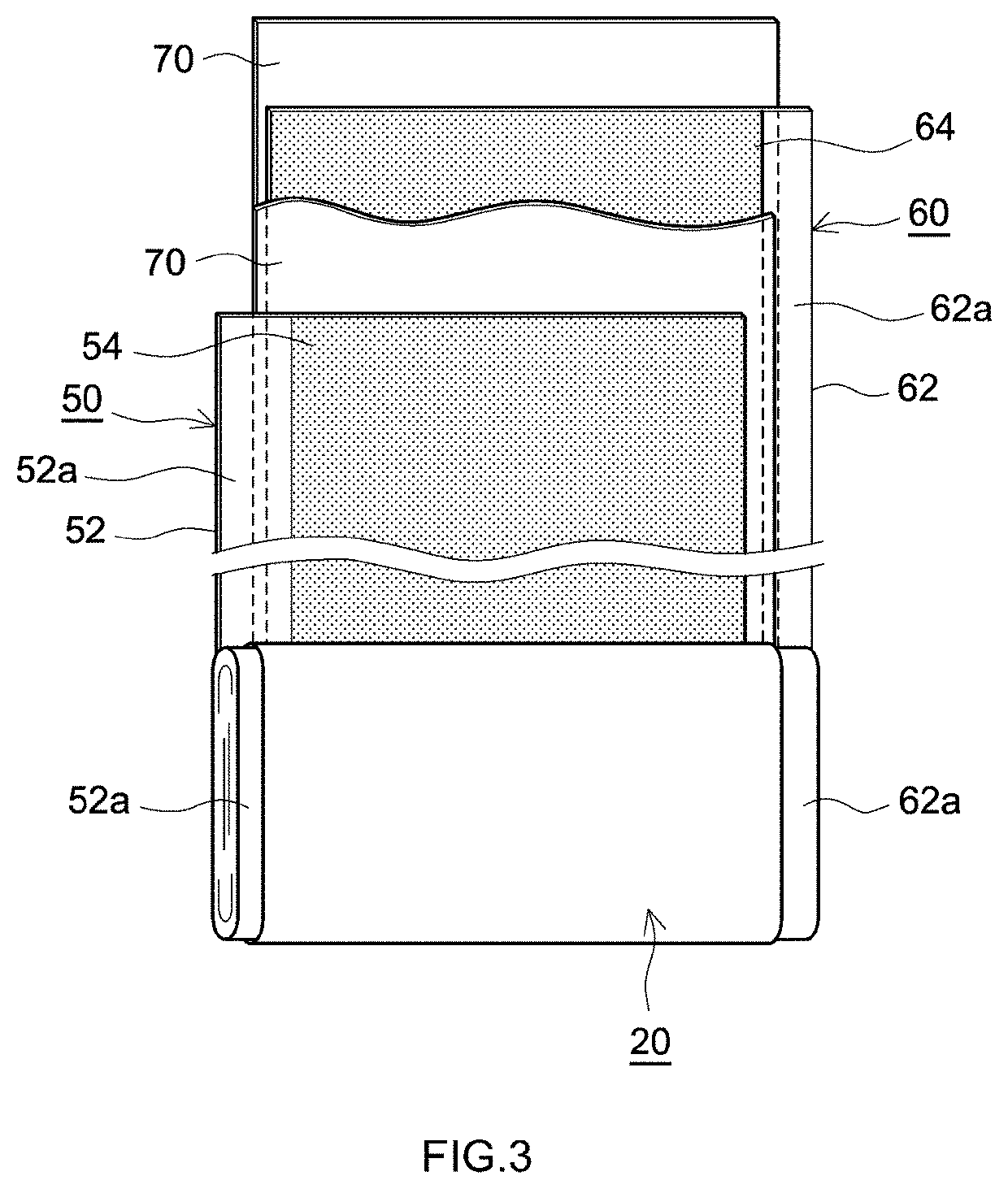
Figure 2
Abstract
Description
BACKGROUND OF THE INVENTION1. Field of the Invention
[0001] The present disclosure relates to a positive electrode. The present disclosure also relates to a non-aqueous electrolyte secondary battery including the positive electrode. This application claims priority based on Japanese Patent Application No. 2021-041418 filed on Mar. 15, 2021, the entire contents of which are incorporated herein by reference.2. Description of the Related Art
[0002] In recent years, non-aqueous electrolyte secondary batteries such as lithium ion secondary batteries have been suitably used for portable power sources for personal computers, mobile terminals, and the like, and for power supplies for driving vehicles such as battery electric vehicles (BEV), hybrid electric vehicles (HEV), plug-in hybrid electric vehicles (PHEV), and the like.
[0003] In a non-aqueous electrolyte secondary battery, an active material capable of occluding and releasing ions, which serve as charge carriers, is generally used. A lithi...