Active Alignment in Automation: Output Quality Improvement
APR 15, 20269 MIN READ
Generate Your Research Report Instantly with AI Agent
PatSnap Eureka helps you evaluate technical feasibility & market potential.
Active Alignment Automation Background and Objectives
Active alignment in automation represents a paradigm shift from traditional passive quality control methods to dynamic, real-time adjustment systems that continuously optimize manufacturing processes. This technology emerged from the growing demand for precision manufacturing in industries such as semiconductor fabrication, optical systems, automotive assembly, and aerospace components, where even microscopic deviations can result in significant quality degradation and costly rework.
The evolution of active alignment systems traces back to the early 2000s when manufacturers began recognizing the limitations of static alignment approaches. Traditional methods relied on pre-calibrated fixtures and periodic manual adjustments, which proved inadequate for maintaining consistent quality standards in high-volume production environments. The integration of advanced sensor technologies, machine learning algorithms, and closed-loop control systems has enabled the development of sophisticated active alignment solutions that can detect and correct misalignments in real-time.
Current market drivers for active alignment technology include increasing consumer expectations for product quality, stringent regulatory requirements in critical industries, and the economic pressure to reduce waste and rework costs. The technology has gained particular prominence in optical device manufacturing, where precise component alignment is crucial for performance, and in automotive production lines where safety-critical assemblies demand exceptional accuracy.
The primary technical objective of active alignment automation is to achieve consistent output quality through continuous monitoring and dynamic correction of alignment parameters. This involves implementing feedback control systems that can detect deviations from optimal positioning within microsecond timeframes and execute corrective actions without interrupting production flow. The technology aims to minimize variation in key quality metrics while maximizing throughput efficiency.
Secondary objectives include reducing dependency on skilled operators for alignment tasks, enabling lights-out manufacturing capabilities, and providing comprehensive data analytics for process optimization. The ultimate goal is to establish self-correcting production systems that maintain quality standards autonomously while adapting to changing environmental conditions and component variations.
Modern active alignment systems target sub-micron positioning accuracy with response times measured in milliseconds, representing a significant advancement over conventional alignment methodologies that typically operate at much coarser tolerances and longer correction cycles.
The evolution of active alignment systems traces back to the early 2000s when manufacturers began recognizing the limitations of static alignment approaches. Traditional methods relied on pre-calibrated fixtures and periodic manual adjustments, which proved inadequate for maintaining consistent quality standards in high-volume production environments. The integration of advanced sensor technologies, machine learning algorithms, and closed-loop control systems has enabled the development of sophisticated active alignment solutions that can detect and correct misalignments in real-time.
Current market drivers for active alignment technology include increasing consumer expectations for product quality, stringent regulatory requirements in critical industries, and the economic pressure to reduce waste and rework costs. The technology has gained particular prominence in optical device manufacturing, where precise component alignment is crucial for performance, and in automotive production lines where safety-critical assemblies demand exceptional accuracy.
The primary technical objective of active alignment automation is to achieve consistent output quality through continuous monitoring and dynamic correction of alignment parameters. This involves implementing feedback control systems that can detect deviations from optimal positioning within microsecond timeframes and execute corrective actions without interrupting production flow. The technology aims to minimize variation in key quality metrics while maximizing throughput efficiency.
Secondary objectives include reducing dependency on skilled operators for alignment tasks, enabling lights-out manufacturing capabilities, and providing comprehensive data analytics for process optimization. The ultimate goal is to establish self-correcting production systems that maintain quality standards autonomously while adapting to changing environmental conditions and component variations.
Modern active alignment systems target sub-micron positioning accuracy with response times measured in milliseconds, representing a significant advancement over conventional alignment methodologies that typically operate at much coarser tolerances and longer correction cycles.
Market Demand for High-Precision Automated Alignment Systems
The global market for high-precision automated alignment systems is experiencing unprecedented growth driven by the increasing demand for miniaturization and enhanced performance across multiple industries. Consumer electronics manufacturers require precise component positioning for smartphones, tablets, and wearable devices, where even microscopic misalignments can result in product failures or performance degradation. The automotive sector's transition toward electric vehicles and autonomous driving technologies has created substantial demand for precise sensor alignment, camera calibration, and LiDAR positioning systems.
Semiconductor manufacturing represents one of the most demanding applications for automated alignment technology. Advanced chip fabrication processes require nanometer-level precision for lithography, wafer bonding, and packaging operations. The proliferation of artificial intelligence chips, 5G infrastructure components, and Internet of Things devices has intensified the need for sophisticated alignment solutions that can maintain accuracy while operating at high throughput rates.
Optical communications infrastructure development has emerged as another significant market driver. Data centers, telecommunications networks, and fiber optic installations require precise alignment of optical components to minimize signal loss and maximize transmission efficiency. The growing demand for higher bandwidth and lower latency communications has pushed alignment precision requirements to new levels.
Medical device manufacturing presents unique alignment challenges where precision directly impacts patient safety and treatment efficacy. Surgical instruments, diagnostic equipment, and implantable devices require alignment systems capable of meeting stringent regulatory standards while maintaining consistent quality across production volumes.
The aerospace and defense sectors demand alignment systems that can operate reliably under extreme environmental conditions while maintaining exceptional precision. Satellite components, guidance systems, and optical instruments require alignment solutions that can withstand vibration, temperature variations, and electromagnetic interference without compromising performance.
Market growth is further accelerated by Industry 4.0 initiatives emphasizing automation, quality control, and real-time monitoring capabilities. Manufacturing facilities are increasingly adopting integrated alignment systems that provide continuous feedback, predictive maintenance capabilities, and seamless integration with existing production workflows. This trend toward smart manufacturing has created demand for alignment systems that combine mechanical precision with advanced software analytics and machine learning capabilities.
Semiconductor manufacturing represents one of the most demanding applications for automated alignment technology. Advanced chip fabrication processes require nanometer-level precision for lithography, wafer bonding, and packaging operations. The proliferation of artificial intelligence chips, 5G infrastructure components, and Internet of Things devices has intensified the need for sophisticated alignment solutions that can maintain accuracy while operating at high throughput rates.
Optical communications infrastructure development has emerged as another significant market driver. Data centers, telecommunications networks, and fiber optic installations require precise alignment of optical components to minimize signal loss and maximize transmission efficiency. The growing demand for higher bandwidth and lower latency communications has pushed alignment precision requirements to new levels.
Medical device manufacturing presents unique alignment challenges where precision directly impacts patient safety and treatment efficacy. Surgical instruments, diagnostic equipment, and implantable devices require alignment systems capable of meeting stringent regulatory standards while maintaining consistent quality across production volumes.
The aerospace and defense sectors demand alignment systems that can operate reliably under extreme environmental conditions while maintaining exceptional precision. Satellite components, guidance systems, and optical instruments require alignment solutions that can withstand vibration, temperature variations, and electromagnetic interference without compromising performance.
Market growth is further accelerated by Industry 4.0 initiatives emphasizing automation, quality control, and real-time monitoring capabilities. Manufacturing facilities are increasingly adopting integrated alignment systems that provide continuous feedback, predictive maintenance capabilities, and seamless integration with existing production workflows. This trend toward smart manufacturing has created demand for alignment systems that combine mechanical precision with advanced software analytics and machine learning capabilities.
Current State and Challenges in Active Alignment Technologies
Active alignment technologies in automation have reached a mature stage in traditional applications, yet significant challenges persist in achieving optimal output quality across diverse industrial scenarios. Current implementations primarily rely on vision-based feedback systems, laser interferometry, and piezoelectric actuators to achieve precise positioning and orientation control. These systems demonstrate exceptional performance in controlled laboratory environments, typically achieving sub-micron accuracy levels.
However, real-world manufacturing environments present substantial obstacles that limit the effectiveness of existing active alignment solutions. Temperature fluctuations, mechanical vibrations, and electromagnetic interference significantly impact system stability and repeatability. Many current systems struggle to maintain consistent performance when operating conditions deviate from their designed parameters, leading to quality variations that affect overall production yield.
The geographical distribution of active alignment technology development shows concentrated expertise in regions with advanced semiconductor and photonics industries. Japan, South Korea, Germany, and certain areas of the United States lead in precision alignment system development, while emerging markets face technology transfer barriers and limited access to critical components. This uneven distribution creates supply chain vulnerabilities and limits global adoption of advanced alignment technologies.
Existing active alignment systems face fundamental limitations in processing speed and throughput optimization. Traditional feedback control loops often require multiple iteration cycles to achieve target alignment specifications, creating bottlenecks in high-volume manufacturing environments. The trade-off between alignment precision and processing time remains a critical constraint that affects overall equipment effectiveness and production economics.
Integration complexity represents another significant challenge, particularly when incorporating active alignment systems into existing automation frameworks. Legacy manufacturing equipment often lacks the necessary interfaces and control protocols required for seamless integration with modern alignment technologies. This compatibility gap necessitates costly system modifications and extended implementation timelines.
Current sensor technologies, while highly accurate, demonstrate sensitivity to environmental conditions that can compromise measurement reliability. Optical sensors may be affected by dust, humidity, or lighting variations, while mechanical sensors can introduce unwanted disturbances to delicate alignment processes. The development of more robust sensing solutions remains a critical technical challenge.
Cost considerations continue to limit widespread adoption of advanced active alignment technologies, particularly in price-sensitive manufacturing sectors. The high initial investment required for precision alignment systems, combined with ongoing maintenance and calibration requirements, creates barriers for smaller manufacturers seeking to improve their output quality through automation upgrades.
However, real-world manufacturing environments present substantial obstacles that limit the effectiveness of existing active alignment solutions. Temperature fluctuations, mechanical vibrations, and electromagnetic interference significantly impact system stability and repeatability. Many current systems struggle to maintain consistent performance when operating conditions deviate from their designed parameters, leading to quality variations that affect overall production yield.
The geographical distribution of active alignment technology development shows concentrated expertise in regions with advanced semiconductor and photonics industries. Japan, South Korea, Germany, and certain areas of the United States lead in precision alignment system development, while emerging markets face technology transfer barriers and limited access to critical components. This uneven distribution creates supply chain vulnerabilities and limits global adoption of advanced alignment technologies.
Existing active alignment systems face fundamental limitations in processing speed and throughput optimization. Traditional feedback control loops often require multiple iteration cycles to achieve target alignment specifications, creating bottlenecks in high-volume manufacturing environments. The trade-off between alignment precision and processing time remains a critical constraint that affects overall equipment effectiveness and production economics.
Integration complexity represents another significant challenge, particularly when incorporating active alignment systems into existing automation frameworks. Legacy manufacturing equipment often lacks the necessary interfaces and control protocols required for seamless integration with modern alignment technologies. This compatibility gap necessitates costly system modifications and extended implementation timelines.
Current sensor technologies, while highly accurate, demonstrate sensitivity to environmental conditions that can compromise measurement reliability. Optical sensors may be affected by dust, humidity, or lighting variations, while mechanical sensors can introduce unwanted disturbances to delicate alignment processes. The development of more robust sensing solutions remains a critical technical challenge.
Cost considerations continue to limit widespread adoption of advanced active alignment technologies, particularly in price-sensitive manufacturing sectors. The high initial investment required for precision alignment systems, combined with ongoing maintenance and calibration requirements, creates barriers for smaller manufacturers seeking to improve their output quality through automation upgrades.
Existing Solutions for Active Alignment Output Quality Enhancement
01 Vision-based alignment systems for automated assembly
Vision-based alignment systems utilize cameras and image processing algorithms to detect and correct positional deviations during automated assembly processes. These systems capture real-time images of components and workpieces, analyze their positions, and provide feedback for precise alignment adjustments. The technology enables high-precision positioning through pattern recognition, edge detection, and coordinate transformation methods, significantly improving assembly accuracy and reducing defects in automated production lines.- Vision-based alignment systems for automated assembly: Vision-based alignment systems utilize cameras and image processing algorithms to detect and correct positional deviations during automated assembly processes. These systems capture real-time images of components and workpieces, analyze their positions, and provide feedback to adjustment mechanisms. The technology enables high-precision alignment by identifying reference marks, edges, or features on components, calculating offset values, and executing corrective movements to achieve optimal positioning accuracy in automated production lines.
- Optical component active alignment in manufacturing: Active alignment techniques for optical components involve real-time adjustment and optimization during the assembly process to maximize optical performance. This approach measures optical output parameters such as light intensity, coupling efficiency, or signal quality while making incremental positional adjustments. The process continues iteratively until optimal alignment is achieved, ensuring maximum light transmission or signal strength. This method is particularly critical for fiber optic assemblies, laser diode packaging, and lens systems where precise alignment directly impacts output quality.
- Automated feedback control systems for alignment precision: Feedback control systems integrate sensors, actuators, and control algorithms to maintain alignment precision throughout automated manufacturing processes. These systems continuously monitor alignment parameters and automatically compensate for deviations caused by thermal expansion, mechanical vibrations, or component tolerances. The control loop processes sensor data in real-time and commands precision actuators to make micro-adjustments, ensuring consistent output quality. Advanced implementations incorporate adaptive algorithms that learn from previous alignment operations to improve efficiency and accuracy over time.
- Multi-axis positioning systems for complex alignment tasks: Multi-axis positioning systems provide coordinated movement control across multiple degrees of freedom to achieve complex alignment requirements in automated production. These systems combine linear and rotational motion capabilities with high-resolution encoders and precision drive mechanisms. The technology enables simultaneous adjustment of position, angle, and orientation to meet stringent alignment specifications. Sophisticated motion control algorithms coordinate multiple axes to optimize alignment paths, reduce cycle time, and improve repeatability in high-volume manufacturing environments.
- Quality monitoring and verification systems for alignment processes: Quality monitoring systems provide comprehensive verification and documentation of alignment accuracy in automated production. These systems employ multiple measurement techniques including optical inspection, laser interferometry, and coordinate measurement to validate alignment results against specifications. Real-time monitoring capabilities detect alignment drift or process variations, triggering corrective actions or alerts. Data logging and statistical analysis functions enable process optimization, traceability, and continuous improvement of alignment procedures to maintain consistent output quality across production runs.
02 Active feedback control mechanisms for alignment correction
Active feedback control systems continuously monitor alignment parameters during automated processes and make real-time adjustments to maintain optimal positioning. These mechanisms employ sensors to detect misalignment and use actuators or servo systems to correct deviations dynamically. The control algorithms process sensor data and generate corrective commands to ensure consistent output quality throughout the production cycle, minimizing variations caused by thermal expansion, mechanical wear, or material inconsistencies.Expand Specific Solutions03 Precision positioning stages and motion control systems
Precision positioning stages provide multi-axis motion control with sub-micron accuracy for active alignment applications. These systems integrate linear and rotary actuators with high-resolution encoders to achieve precise component placement. Advanced motion control algorithms coordinate multiple axes simultaneously, enabling complex alignment sequences while maintaining repeatability and throughput requirements in automated manufacturing environments.Expand Specific Solutions04 Optical alignment methods for photonic and optoelectronic devices
Optical alignment techniques are specifically designed for assembling photonic components and optoelectronic devices where precise optical coupling is critical. These methods measure optical power transmission, beam profiles, or interference patterns to optimize alignment between optical elements such as fibers, lenses, and laser diodes. The alignment process maximizes coupling efficiency through iterative adjustments guided by optical performance metrics, ensuring high-quality output in telecommunications and sensing applications.Expand Specific Solutions05 Machine learning and AI-driven alignment optimization
Machine learning algorithms and artificial intelligence techniques are increasingly applied to optimize alignment processes in automated systems. These approaches analyze historical alignment data, identify patterns, and predict optimal alignment parameters for different product variants or operating conditions. AI-driven systems can adapt to process variations, reduce setup times, and improve overall equipment effectiveness by learning from previous alignment operations and continuously refining alignment strategies.Expand Specific Solutions
Key Players in Active Alignment and Automation Industry
The active alignment automation market for output quality improvement is experiencing rapid growth, driven by increasing demand for precision in optical device manufacturing, particularly in smartphone cameras and automotive sensors. The industry is in an expansion phase with significant market potential, as evidenced by the diverse player ecosystem spanning established technology giants like Siemens AG, Nikon Corp., and Intel Corp., alongside specialized automation companies such as Automation Engineering Inc. and emerging Chinese firms like Ningbo Sunny Opotech and Suzhou RS Technology. Technology maturity varies considerably across segments, with companies like ASML Netherlands and Mitsubishi Electric demonstrating advanced capabilities in precision alignment systems, while newer entrants focus on cost-effective solutions. The competitive landscape reflects a mix of mature multinational corporations leveraging decades of optical and automation expertise, and agile regional players developing innovative approaches to active alignment challenges.
Nikon Corp.
Technical Solution: Nikon's active alignment technology centers on their precision optical systems and advanced metrology solutions for semiconductor lithography and inspection equipment. Their approach combines ultra-high precision positioning stages with real-time interferometric measurement systems to achieve nanometer-level alignment accuracy. The technology incorporates sophisticated vibration isolation, thermal compensation, and environmental control systems to maintain stable alignment performance. Their proprietary control algorithms utilize predictive modeling to anticipate and compensate for system disturbances before they affect output quality.
Strengths: World-class optical precision technology, extensive experience in high-precision applications, strong IP portfolio. Weaknesses: High cost of implementation, specialized application focus.
Siemens AG
Technical Solution: Siemens implements comprehensive active alignment solutions through their Digital Industries portfolio, featuring advanced motion control systems with real-time feedback mechanisms and adaptive control algorithms. Their technology integrates AI-driven predictive analytics with precision servo motors and high-resolution encoders to achieve sub-micron positioning accuracy. The system continuously monitors process parameters and automatically adjusts alignment parameters to compensate for thermal drift, mechanical wear, and environmental variations. Their SIMATIC automation platform provides seamless integration with existing manufacturing systems while offering advanced diagnostic capabilities for proactive maintenance and quality optimization.
Strengths: Market-leading precision control technology, comprehensive automation ecosystem, strong industrial heritage. Weaknesses: High implementation costs, complex system integration requirements.
Core Innovations in Precision Active Alignment Systems
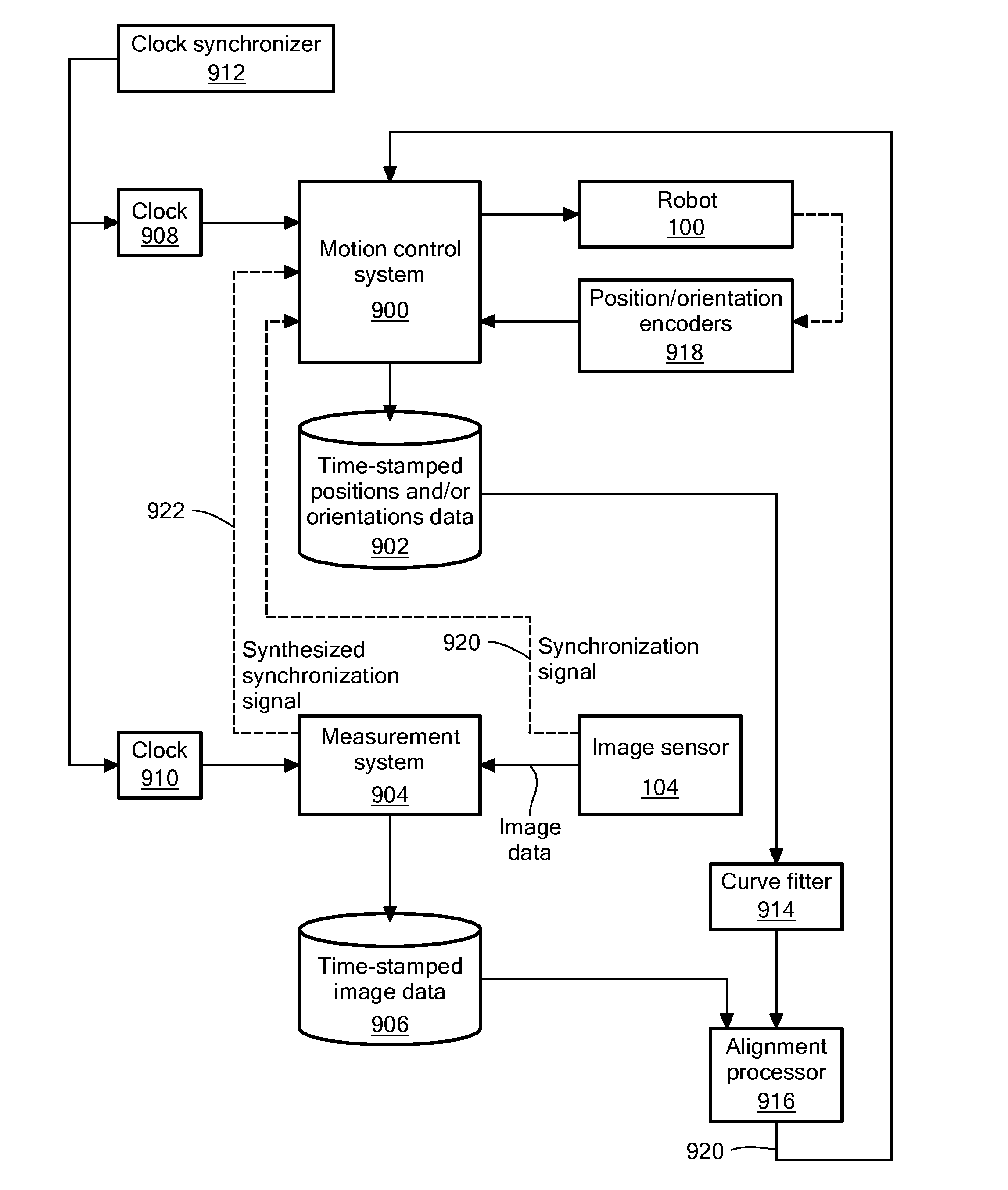
Active alignment using continuous motion sweeps and temporal interpolation
PatentActiveEP2836869A1
Innovation
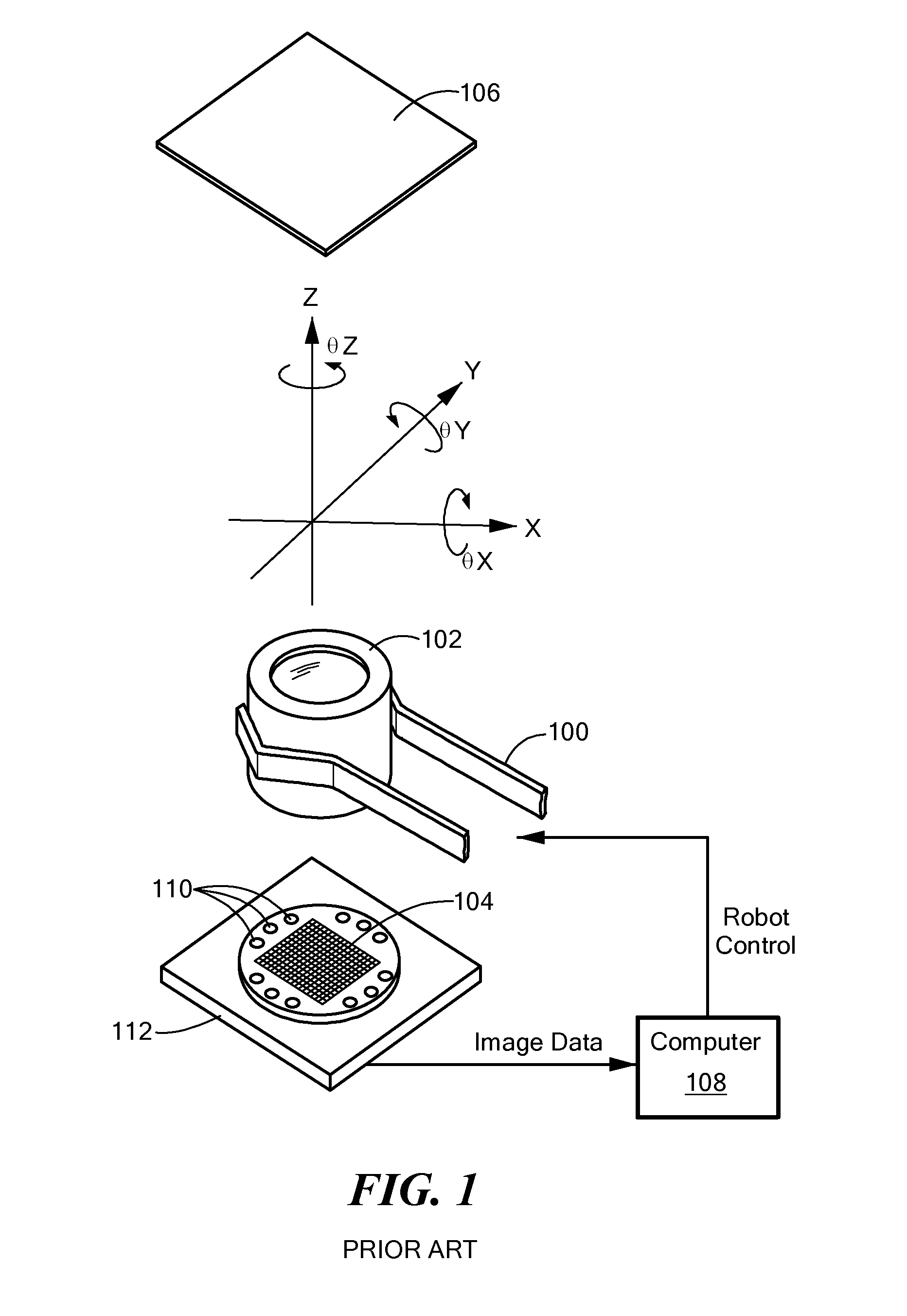
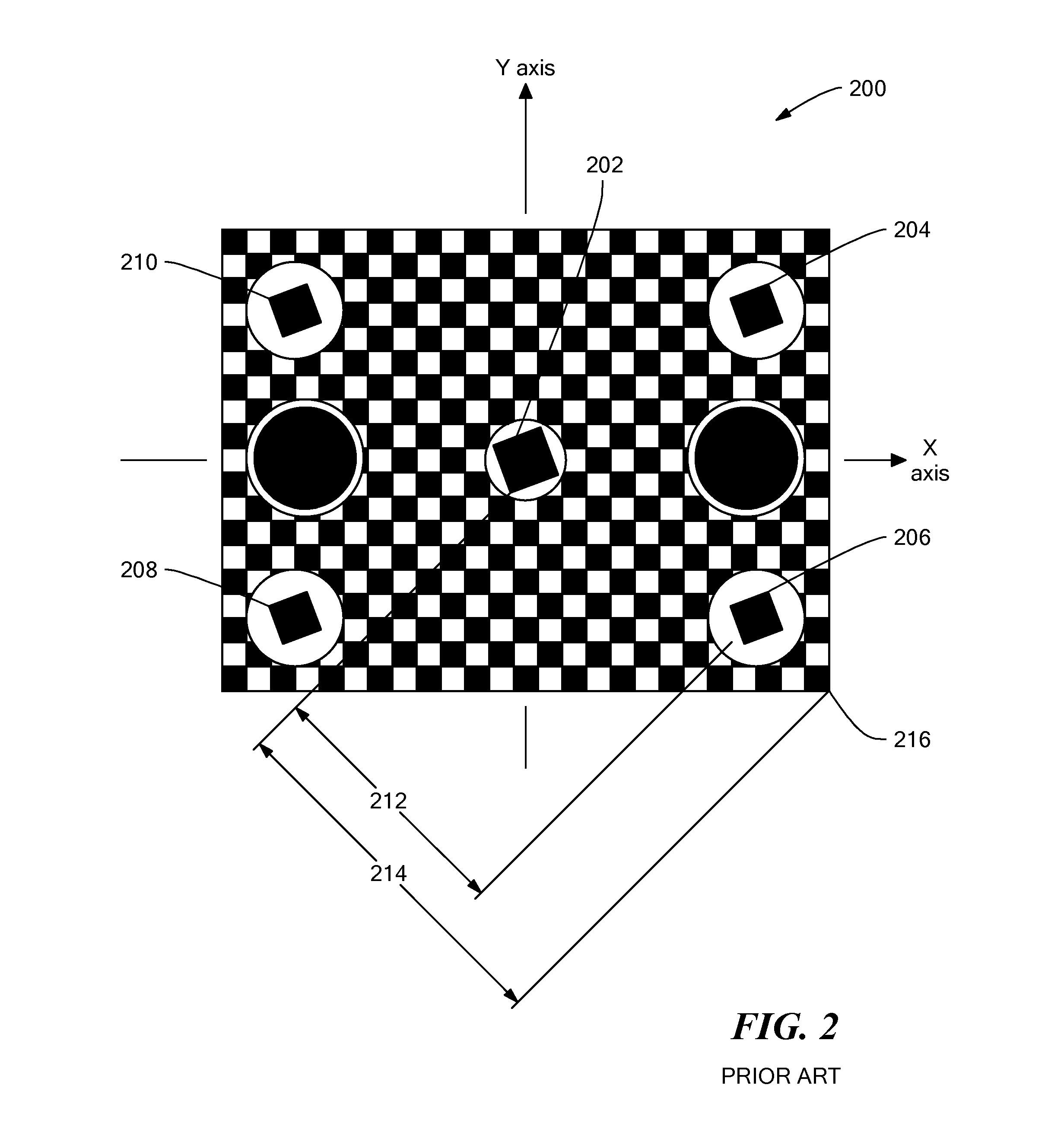
- A computer-implemented method using continuous motion sweeps and temporal interpolation to actively align optical elements by scanning along trajectories, acquiring alignment data, and estimating the desired alignment position based on collected data, allowing for precise positioning and orientation adjustments.
Active Alignment Using Continuous Motion Sweeps and Temporal Interpolation
PatentActiveUS20130274923A1
Innovation
- A computer-implemented method involving continuous motion sweeps of optical elements to collect and analyze alignment data, using a robot to estimate and adjust the position of optical elements based on optical signals and image data from a digital image sensor, allowing for precise alignment across multiple degrees of freedom.

Quality Standards and Certification for Alignment Systems
The establishment of comprehensive quality standards for active alignment systems represents a critical foundation for ensuring consistent performance and reliability across automated manufacturing environments. Current industry standards primarily focus on traditional static alignment methods, creating a significant gap in addressing the dynamic nature of active alignment technologies. The development of specialized standards must encompass precision metrics, response time requirements, environmental stability parameters, and long-term reliability benchmarks that reflect the unique operational characteristics of active alignment systems.
International standardization bodies including ISO, IEC, and ANSI are beginning to recognize the need for dedicated frameworks addressing active alignment technologies. The ISO 10110 series for optical elements and systems provides a foundational reference, though modifications are necessary to accommodate real-time adjustment capabilities and feedback loop performance criteria. Similarly, the IEC 61300 series for fiber optic interconnecting devices requires expansion to include active alignment-specific testing protocols and performance validation methods.
Certification processes for active alignment systems must address both hardware and software components, establishing verification protocols for sensor accuracy, actuator precision, and control algorithm effectiveness. Third-party testing laboratories are developing specialized equipment and methodologies to evaluate system performance under various operational conditions, including temperature fluctuations, vibration exposure, and electromagnetic interference scenarios that commonly occur in industrial environments.
The automotive and telecommunications industries are driving the development of sector-specific certification requirements, particularly for applications involving high-volume production and critical safety considerations. These standards emphasize statistical process control, failure mode analysis, and predictive maintenance capabilities that ensure consistent output quality throughout extended operational periods.
Emerging certification frameworks are incorporating artificial intelligence and machine learning validation protocols, recognizing the increasing integration of adaptive algorithms in modern active alignment systems. These protocols address algorithm transparency, decision-making consistency, and performance degradation detection capabilities that are essential for maintaining quality standards in autonomous manufacturing environments.
International standardization bodies including ISO, IEC, and ANSI are beginning to recognize the need for dedicated frameworks addressing active alignment technologies. The ISO 10110 series for optical elements and systems provides a foundational reference, though modifications are necessary to accommodate real-time adjustment capabilities and feedback loop performance criteria. Similarly, the IEC 61300 series for fiber optic interconnecting devices requires expansion to include active alignment-specific testing protocols and performance validation methods.
Certification processes for active alignment systems must address both hardware and software components, establishing verification protocols for sensor accuracy, actuator precision, and control algorithm effectiveness. Third-party testing laboratories are developing specialized equipment and methodologies to evaluate system performance under various operational conditions, including temperature fluctuations, vibration exposure, and electromagnetic interference scenarios that commonly occur in industrial environments.
The automotive and telecommunications industries are driving the development of sector-specific certification requirements, particularly for applications involving high-volume production and critical safety considerations. These standards emphasize statistical process control, failure mode analysis, and predictive maintenance capabilities that ensure consistent output quality throughout extended operational periods.
Emerging certification frameworks are incorporating artificial intelligence and machine learning validation protocols, recognizing the increasing integration of adaptive algorithms in modern active alignment systems. These protocols address algorithm transparency, decision-making consistency, and performance degradation detection capabilities that are essential for maintaining quality standards in autonomous manufacturing environments.
Cost-Benefit Analysis of Active Alignment Automation
The implementation of active alignment automation systems requires substantial upfront capital investment, encompassing advanced sensor technologies, precision actuators, control systems, and integration infrastructure. Initial costs typically range from $500,000 to $2 million per production line, depending on complexity and precision requirements. However, these investments demonstrate compelling returns through multiple value streams that justify the expenditure over operational lifecycles.
Direct cost savings emerge primarily through waste reduction and rework elimination. Traditional passive alignment systems often achieve yields between 70-85%, while active alignment technologies consistently deliver yields exceeding 95%. This improvement translates to immediate material cost savings of 10-25% in high-volume manufacturing environments. Additionally, reduced manual intervention requirements decrease labor costs by approximately 30-40%, as automated systems minimize the need for skilled technicians to perform alignment corrections.
Quality improvements generate significant indirect benefits through enhanced customer satisfaction and reduced warranty claims. Active alignment systems typically improve product performance metrics by 15-30%, leading to premium pricing opportunities and market differentiation. The consistent quality output reduces field failures by up to 60%, substantially lowering warranty costs and protecting brand reputation. These quality enhancements often enable manufacturers to access higher-tier market segments with improved profit margins.
Operational efficiency gains contribute substantially to the overall value proposition. Active alignment automation reduces cycle times by 20-35% compared to manual processes, increasing throughput capacity without proportional increases in operational expenses. The systems also demonstrate superior scalability, allowing manufacturers to respond rapidly to demand fluctuations without compromising quality standards or requiring extensive workforce adjustments.
Return on investment calculations typically show payback periods of 18-36 months, with net present value becoming positive within the second operational year. Long-term analysis reveals that active alignment automation systems generate cumulative cost savings of 200-400% of initial investment over five-year periods, making them financially attractive for medium to high-volume manufacturing applications where quality consistency directly impacts profitability and market competitiveness.
Direct cost savings emerge primarily through waste reduction and rework elimination. Traditional passive alignment systems often achieve yields between 70-85%, while active alignment technologies consistently deliver yields exceeding 95%. This improvement translates to immediate material cost savings of 10-25% in high-volume manufacturing environments. Additionally, reduced manual intervention requirements decrease labor costs by approximately 30-40%, as automated systems minimize the need for skilled technicians to perform alignment corrections.
Quality improvements generate significant indirect benefits through enhanced customer satisfaction and reduced warranty claims. Active alignment systems typically improve product performance metrics by 15-30%, leading to premium pricing opportunities and market differentiation. The consistent quality output reduces field failures by up to 60%, substantially lowering warranty costs and protecting brand reputation. These quality enhancements often enable manufacturers to access higher-tier market segments with improved profit margins.
Operational efficiency gains contribute substantially to the overall value proposition. Active alignment automation reduces cycle times by 20-35% compared to manual processes, increasing throughput capacity without proportional increases in operational expenses. The systems also demonstrate superior scalability, allowing manufacturers to respond rapidly to demand fluctuations without compromising quality standards or requiring extensive workforce adjustments.
Return on investment calculations typically show payback periods of 18-36 months, with net present value becoming positive within the second operational year. Long-term analysis reveals that active alignment automation systems generate cumulative cost savings of 200-400% of initial investment over five-year periods, making them financially attractive for medium to high-volume manufacturing applications where quality consistency directly impacts profitability and market competitiveness.
Unlock deeper insights with PatSnap Eureka Quick Research — get a full tech report to explore trends and direct your research. Try now!
Generate Your Research Report Instantly with AI Agent
Supercharge your innovation with PatSnap Eureka AI Agent Platform!