How to Advance Sensor Networks with Active Alignment Technology
APR 15, 20269 MIN READ
Generate Your Research Report Instantly with AI Agent
PatSnap Eureka helps you evaluate technical feasibility & market potential.
Active Alignment Technology Background and Objectives
Active alignment technology represents a paradigm shift from traditional passive alignment methods in optical and sensor systems. Historically, sensor networks have relied on static positioning and manual calibration processes that often result in suboptimal performance and limited adaptability to environmental changes. The evolution from passive to active alignment systems began in the telecommunications industry during the 1990s, where precise optical component positioning became critical for fiber-optic communications.
The fundamental principle of active alignment involves real-time adjustment of sensor positions and orientations based on continuous feedback mechanisms. This technology utilizes sophisticated control systems, precision actuators, and advanced algorithms to maintain optimal sensor positioning dynamically. Unlike passive systems that depend on mechanical fixtures and one-time calibration, active alignment continuously monitors performance metrics and automatically corrects misalignments.
In sensor network applications, active alignment technology addresses several critical challenges including thermal drift, mechanical vibrations, and environmental disturbances that can degrade system performance over time. The technology encompasses multiple disciplines including precision mechanics, control theory, signal processing, and machine learning algorithms that work together to achieve and maintain optimal sensor positioning.
The primary objective of implementing active alignment technology in sensor networks is to achieve unprecedented levels of accuracy and reliability while reducing maintenance requirements. This technology aims to enable self-calibrating sensor systems that can adapt to changing environmental conditions without human intervention. Key performance targets include achieving sub-micron positioning accuracy, reducing signal degradation by up to 90%, and extending operational lifespans of sensor networks.
Another crucial objective involves enhancing the scalability of sensor networks by eliminating the need for individual manual calibration of each sensor node. Active alignment systems are designed to support distributed networks where hundreds or thousands of sensors can be automatically aligned and maintained through centralized or distributed control algorithms.
The technology also targets improved cost-effectiveness by reducing installation time, minimizing maintenance interventions, and extending equipment operational life. Long-term objectives include developing fully autonomous sensor networks capable of self-optimization and predictive maintenance, ultimately leading to more robust and efficient sensing systems across various industrial applications.
The fundamental principle of active alignment involves real-time adjustment of sensor positions and orientations based on continuous feedback mechanisms. This technology utilizes sophisticated control systems, precision actuators, and advanced algorithms to maintain optimal sensor positioning dynamically. Unlike passive systems that depend on mechanical fixtures and one-time calibration, active alignment continuously monitors performance metrics and automatically corrects misalignments.
In sensor network applications, active alignment technology addresses several critical challenges including thermal drift, mechanical vibrations, and environmental disturbances that can degrade system performance over time. The technology encompasses multiple disciplines including precision mechanics, control theory, signal processing, and machine learning algorithms that work together to achieve and maintain optimal sensor positioning.
The primary objective of implementing active alignment technology in sensor networks is to achieve unprecedented levels of accuracy and reliability while reducing maintenance requirements. This technology aims to enable self-calibrating sensor systems that can adapt to changing environmental conditions without human intervention. Key performance targets include achieving sub-micron positioning accuracy, reducing signal degradation by up to 90%, and extending operational lifespans of sensor networks.
Another crucial objective involves enhancing the scalability of sensor networks by eliminating the need for individual manual calibration of each sensor node. Active alignment systems are designed to support distributed networks where hundreds or thousands of sensors can be automatically aligned and maintained through centralized or distributed control algorithms.
The technology also targets improved cost-effectiveness by reducing installation time, minimizing maintenance interventions, and extending equipment operational life. Long-term objectives include developing fully autonomous sensor networks capable of self-optimization and predictive maintenance, ultimately leading to more robust and efficient sensing systems across various industrial applications.
Market Demand for Advanced Sensor Network Solutions
The global sensor network market is experiencing unprecedented growth driven by the proliferation of Internet of Things applications across multiple industries. Smart cities, industrial automation, environmental monitoring, and healthcare sectors are increasingly demanding sophisticated sensor network solutions that can deliver precise, real-time data collection and analysis capabilities.
Industrial automation represents one of the most significant demand drivers, where manufacturing facilities require sensor networks capable of monitoring equipment performance, environmental conditions, and production quality with exceptional accuracy. The need for predictive maintenance and operational efficiency optimization has created substantial market opportunities for advanced sensor network technologies that can maintain precise alignment and calibration over extended periods.
Smart city initiatives worldwide are generating substantial demand for large-scale sensor network deployments. These applications require robust systems capable of monitoring traffic patterns, air quality, noise levels, and infrastructure health across vast urban areas. The challenge lies in maintaining sensor accuracy and network reliability despite environmental factors such as vibration, temperature fluctuations, and physical disturbances that can affect sensor alignment.
Environmental monitoring applications present another critical market segment, particularly in climate research, agricultural optimization, and natural disaster prevention. These deployments often occur in harsh, remote environments where manual recalibration is impractical or impossible. The demand for self-correcting sensor networks with active alignment capabilities is particularly acute in these scenarios.
Healthcare and biomedical applications are driving demand for ultra-precise sensor networks capable of continuous patient monitoring and medical device integration. These applications require exceptional reliability and accuracy, as sensor misalignment could potentially compromise patient safety or treatment effectiveness.
The automotive industry's transition toward autonomous vehicles has created substantial demand for advanced sensor network solutions. Vehicle-mounted sensor arrays must maintain precise alignment despite constant motion, vibration, and varying environmental conditions. Active alignment technology addresses critical safety requirements by ensuring consistent sensor performance throughout vehicle operation.
Market research indicates that traditional sensor networks suffer from significant limitations related to drift, misalignment, and calibration maintenance costs. Organizations are increasingly seeking solutions that can automatically compensate for these issues, reducing operational expenses while improving data quality and system reliability.
Industrial automation represents one of the most significant demand drivers, where manufacturing facilities require sensor networks capable of monitoring equipment performance, environmental conditions, and production quality with exceptional accuracy. The need for predictive maintenance and operational efficiency optimization has created substantial market opportunities for advanced sensor network technologies that can maintain precise alignment and calibration over extended periods.
Smart city initiatives worldwide are generating substantial demand for large-scale sensor network deployments. These applications require robust systems capable of monitoring traffic patterns, air quality, noise levels, and infrastructure health across vast urban areas. The challenge lies in maintaining sensor accuracy and network reliability despite environmental factors such as vibration, temperature fluctuations, and physical disturbances that can affect sensor alignment.
Environmental monitoring applications present another critical market segment, particularly in climate research, agricultural optimization, and natural disaster prevention. These deployments often occur in harsh, remote environments where manual recalibration is impractical or impossible. The demand for self-correcting sensor networks with active alignment capabilities is particularly acute in these scenarios.
Healthcare and biomedical applications are driving demand for ultra-precise sensor networks capable of continuous patient monitoring and medical device integration. These applications require exceptional reliability and accuracy, as sensor misalignment could potentially compromise patient safety or treatment effectiveness.
The automotive industry's transition toward autonomous vehicles has created substantial demand for advanced sensor network solutions. Vehicle-mounted sensor arrays must maintain precise alignment despite constant motion, vibration, and varying environmental conditions. Active alignment technology addresses critical safety requirements by ensuring consistent sensor performance throughout vehicle operation.
Market research indicates that traditional sensor networks suffer from significant limitations related to drift, misalignment, and calibration maintenance costs. Organizations are increasingly seeking solutions that can automatically compensate for these issues, reducing operational expenses while improving data quality and system reliability.
Current State and Challenges of Sensor Network Alignment
Sensor network alignment represents a critical foundation for achieving optimal network performance, yet current implementations face significant technological and operational constraints. Traditional alignment approaches rely heavily on passive calibration methods, which often prove inadequate for dynamic environments where sensor positions and orientations change frequently. These static alignment techniques typically require manual intervention and extensive calibration periods, limiting their effectiveness in real-world deployments.
The geographical distribution of sensor network alignment technology reveals a concentration of advanced research and development in North America, Europe, and East Asia. Leading research institutions in the United States and Germany have pioneered sophisticated alignment algorithms, while Asian markets, particularly Japan and South Korea, have focused on miniaturization and energy-efficient alignment solutions. However, widespread adoption remains limited due to implementation complexity and cost considerations.
Current sensor networks struggle with several fundamental alignment challenges that significantly impact overall system performance. Temporal drift represents a persistent issue, as environmental factors cause gradual misalignment over time, requiring frequent recalibration cycles. Multi-hop networks face compounding alignment errors that propagate through the network topology, creating cumulative positioning inaccuracies that can render entire network segments unreliable.
Environmental interference poses another substantial obstacle to effective sensor alignment. Temperature variations, electromagnetic interference, and physical vibrations can disrupt alignment stability, particularly in industrial and outdoor deployment scenarios. These factors necessitate robust alignment mechanisms capable of maintaining accuracy under adverse conditions while minimizing power consumption and computational overhead.
The heterogeneity of sensor types within modern networks introduces additional complexity to alignment processes. Different sensor modalities require distinct calibration approaches, and achieving synchronized alignment across diverse sensor arrays remains technically challenging. Legacy systems often lack the computational resources necessary for advanced alignment algorithms, creating compatibility gaps that hinder network-wide alignment optimization.
Scalability constraints represent perhaps the most significant limitation in current sensor network alignment technology. As network size increases, traditional alignment methods become computationally prohibitive and operationally impractical. The lack of distributed alignment protocols capable of handling thousands of nodes simultaneously limits the deployment of large-scale sensor networks in applications such as smart cities and industrial IoT systems.
The geographical distribution of sensor network alignment technology reveals a concentration of advanced research and development in North America, Europe, and East Asia. Leading research institutions in the United States and Germany have pioneered sophisticated alignment algorithms, while Asian markets, particularly Japan and South Korea, have focused on miniaturization and energy-efficient alignment solutions. However, widespread adoption remains limited due to implementation complexity and cost considerations.
Current sensor networks struggle with several fundamental alignment challenges that significantly impact overall system performance. Temporal drift represents a persistent issue, as environmental factors cause gradual misalignment over time, requiring frequent recalibration cycles. Multi-hop networks face compounding alignment errors that propagate through the network topology, creating cumulative positioning inaccuracies that can render entire network segments unreliable.
Environmental interference poses another substantial obstacle to effective sensor alignment. Temperature variations, electromagnetic interference, and physical vibrations can disrupt alignment stability, particularly in industrial and outdoor deployment scenarios. These factors necessitate robust alignment mechanisms capable of maintaining accuracy under adverse conditions while minimizing power consumption and computational overhead.
The heterogeneity of sensor types within modern networks introduces additional complexity to alignment processes. Different sensor modalities require distinct calibration approaches, and achieving synchronized alignment across diverse sensor arrays remains technically challenging. Legacy systems often lack the computational resources necessary for advanced alignment algorithms, creating compatibility gaps that hinder network-wide alignment optimization.
Scalability constraints represent perhaps the most significant limitation in current sensor network alignment technology. As network size increases, traditional alignment methods become computationally prohibitive and operationally impractical. The lack of distributed alignment protocols capable of handling thousands of nodes simultaneously limits the deployment of large-scale sensor networks in applications such as smart cities and industrial IoT systems.
Current Active Alignment Solutions for Sensor Networks
01 Optical alignment systems for sensor networks
Active alignment techniques are employed in optical systems to precisely position sensors and optical components. These methods utilize feedback mechanisms and adjustment systems to achieve optimal alignment between light sources, lenses, and image sensors. The alignment process involves real-time monitoring of optical performance parameters and making micro-adjustments to maximize signal quality and minimize optical aberrations.- Optical alignment systems for sensor networks: Active alignment techniques are employed in optical systems to precisely position sensors and optical components. These methods utilize feedback mechanisms and adjustment systems to achieve optimal alignment between light sources, lenses, and image sensors. The alignment process involves real-time monitoring of optical performance parameters and making micro-adjustments to maximize signal quality and minimize optical aberrations.
- Automated alignment mechanisms using actuators: Automated alignment systems incorporate piezoelectric actuators, stepper motors, or other precision positioning devices to perform active alignment in sensor networks. These mechanisms enable fine-tuning of component positions in multiple degrees of freedom, allowing for dynamic adjustment during manufacturing or operation. The automation reduces manual intervention and improves alignment accuracy and repeatability.
- Image-based feedback for alignment optimization: Image processing and analysis techniques are utilized to provide feedback during the active alignment process. Cameras or image sensors capture alignment status, and algorithms analyze image quality metrics such as sharpness, contrast, or intensity distribution. This feedback guides the adjustment process to achieve optimal alignment by iteratively refining component positions based on real-time image data.
- Multi-sensor coordination and synchronization: In sensor network applications, active alignment extends to coordinating multiple sensors to work in harmony. This involves synchronizing the timing, orientation, and calibration of distributed sensors to ensure consistent data collection across the network. Techniques include establishing common reference frames, compensating for positional variations, and maintaining alignment stability under environmental changes.
- Alignment verification and quality control methods: Quality control processes are implemented to verify and validate the alignment accuracy of sensor networks. These methods include measurement systems that assess alignment parameters, testing protocols that evaluate performance under various conditions, and calibration procedures that ensure long-term alignment stability. Verification techniques may involve interferometry, autocollimation, or other precision measurement approaches to confirm that alignment specifications are met.
02 Automated alignment mechanisms using actuators
Automated alignment systems incorporate precision actuators and motors to perform active alignment of sensor components. These systems use piezoelectric actuators, stepper motors, or voice coil motors to provide fine positioning control in multiple axes. The automation enables high-throughput manufacturing processes while maintaining alignment accuracy through closed-loop control systems that continuously monitor and adjust component positions.Expand Specific Solutions03 Vision-based alignment detection and correction
Vision-based systems utilize image processing algorithms and pattern recognition to detect misalignment in sensor networks. These methods capture alignment reference marks or optical patterns and analyze them to determine positional errors. The detected deviations are then used to guide correction mechanisms, enabling precise alignment through iterative adjustment processes that converge on optimal positioning.Expand Specific Solutions04 Multi-sensor coordination and synchronization
Active alignment in multi-sensor networks requires coordination between multiple sensing elements to ensure proper spatial relationships and timing synchronization. These systems implement communication protocols and calibration procedures that enable sensors to work cooperatively. The alignment process accounts for relative positioning, orientation, and temporal synchronization to create a cohesive sensor network with enhanced coverage and accuracy.Expand Specific Solutions05 Calibration and compensation techniques
Calibration methods are integrated into active alignment systems to compensate for manufacturing tolerances, thermal drift, and environmental variations. These techniques involve measuring alignment parameters under various conditions and applying correction factors or physical adjustments. Advanced calibration algorithms store reference data and use mathematical models to maintain alignment accuracy over time and across different operating conditions.Expand Specific Solutions
Key Players in Sensor Networks and Alignment Technology
The sensor networks with active alignment technology sector represents an emerging market in the early growth stage, driven by increasing demand for precision optical systems in automotive, consumer electronics, and industrial applications. The market demonstrates significant expansion potential as autonomous vehicles and advanced imaging systems require higher accuracy sensor positioning. Technology maturity varies considerably across market participants, with established semiconductor giants like QUALCOMM, Samsung Electronics, and ASML Holding leading in foundational technologies, while specialized companies such as Automation Engineering, isMedia, and Ningbo Sunny Automotive Opotech focus on dedicated active alignment solutions. Traditional electronics manufacturers including Canon, Kyocera, and TDK Corp. leverage their optical expertise to develop integrated sensor alignment systems. The competitive landscape shows a mix of mature multinational corporations with extensive R&D capabilities and emerging specialized firms, indicating a technology transition phase where established players compete with innovative newcomers to capture market share in this rapidly evolving field.
QUALCOMM, Inc.
Technical Solution: Qualcomm develops advanced sensor fusion platforms that integrate multiple sensor types including cameras, LiDAR, and radar with active alignment capabilities. Their Snapdragon Ride platform incorporates real-time sensor calibration algorithms that continuously adjust sensor positioning and orientation based on environmental feedback. The system utilizes machine learning models to predict optimal sensor configurations and automatically compensates for mechanical drift or vibration-induced misalignment. Their active alignment technology enables dynamic recalibration during operation, ensuring consistent sensor network performance across varying conditions.
Strengths: Industry-leading mobile processing expertise, comprehensive sensor fusion capabilities, real-time processing power. Weaknesses: Higher power consumption, complex integration requirements for specialized applications.
Samsung Electronics Co., Ltd.
Technical Solution: Samsung implements active alignment technology in their advanced sensor networks through proprietary MEMS-based actuators and AI-driven calibration systems. Their solution features micro-electromechanical systems that provide precise positioning control with nanometer-level accuracy for optical and imaging sensors. The technology incorporates adaptive algorithms that monitor sensor performance metrics and automatically adjust alignment parameters to maintain optimal signal quality. Samsung's approach includes predictive maintenance capabilities that anticipate alignment drift and proactively correct positioning before performance degradation occurs, particularly valuable in mobile devices and automotive applications.
Strengths: Strong manufacturing capabilities, integrated hardware-software solutions, cost-effective mass production. Weaknesses: Limited specialization in industrial sensor networks, focus primarily on consumer applications.
Core Patents in Active Sensor Alignment Innovation
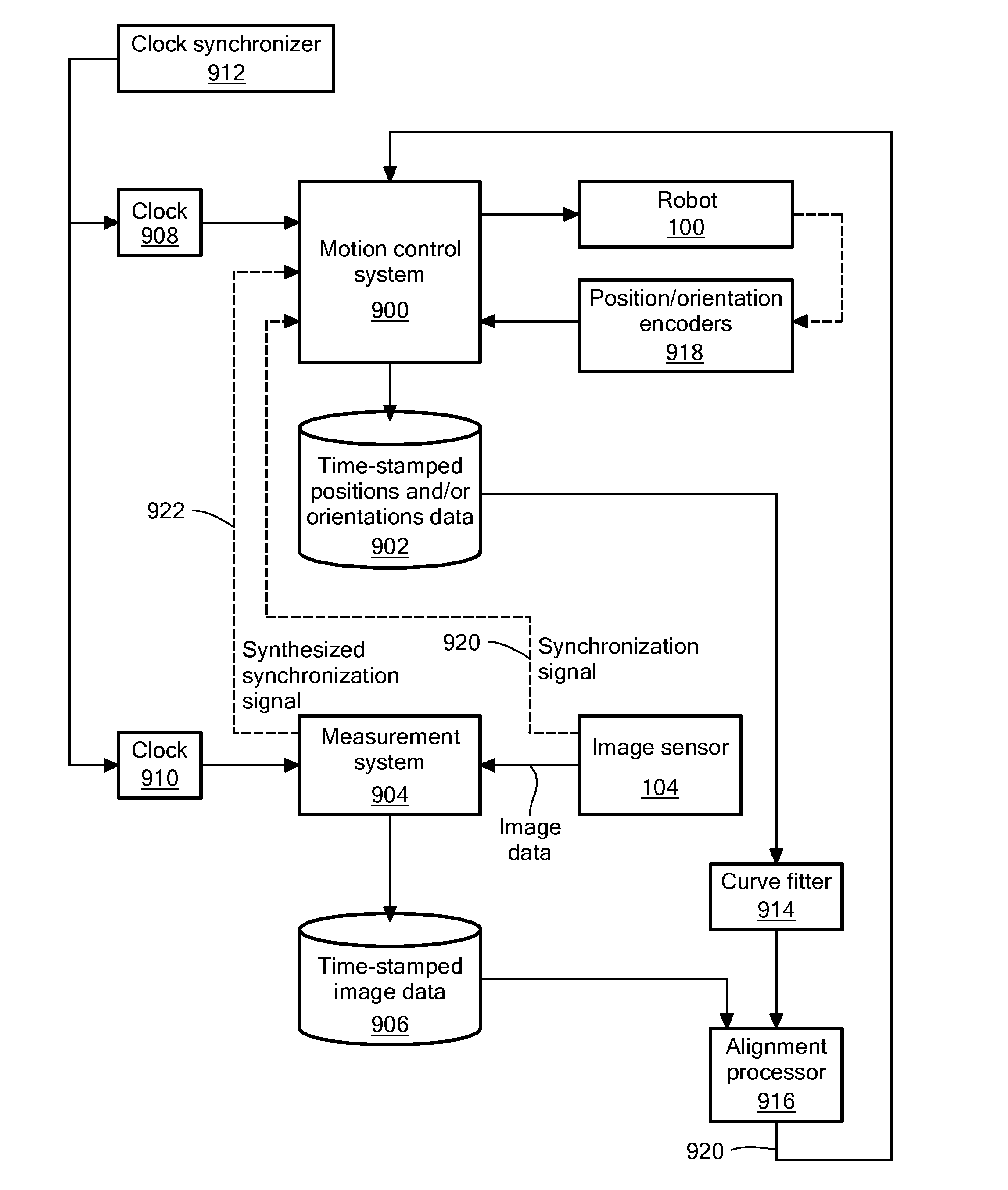
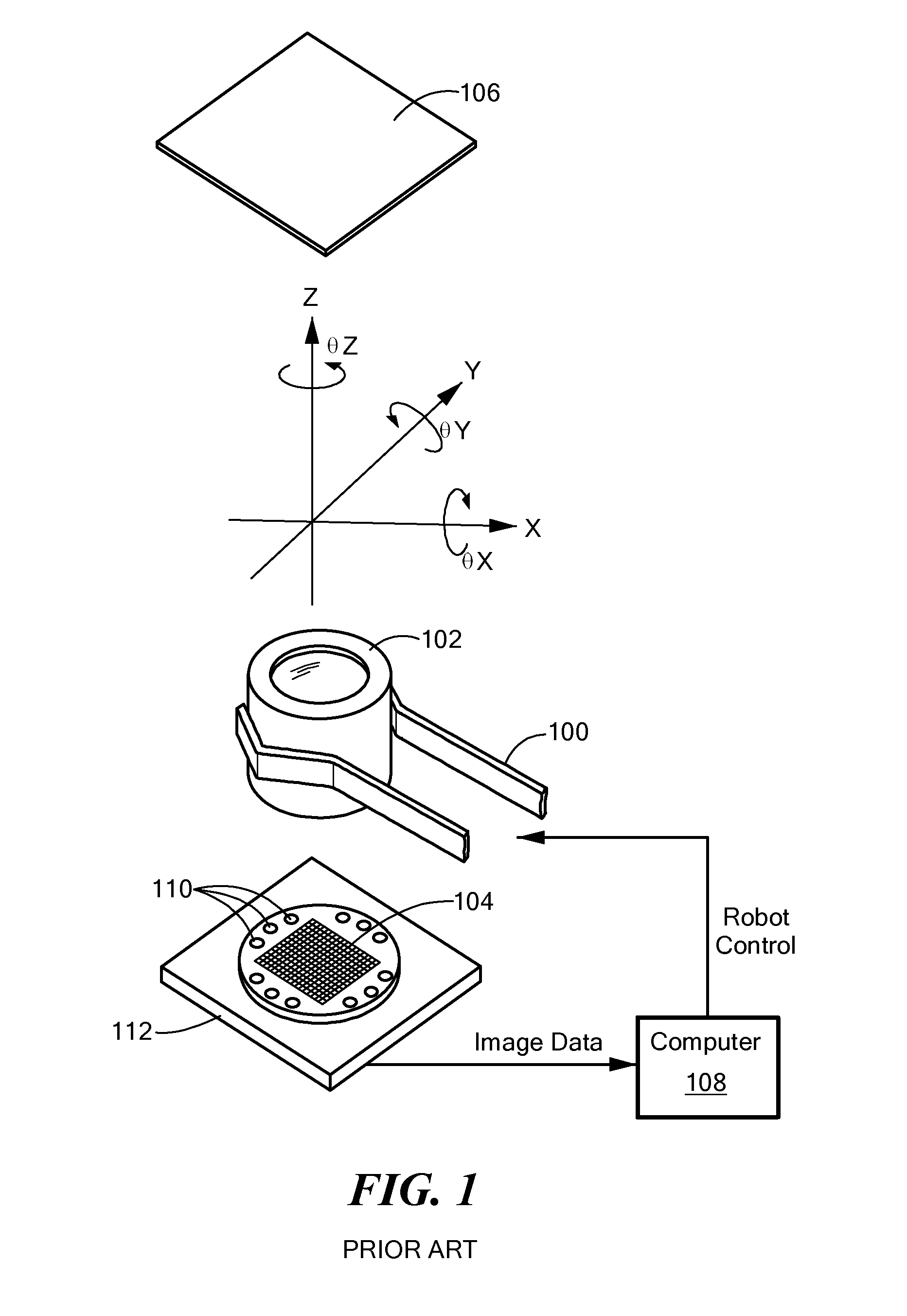
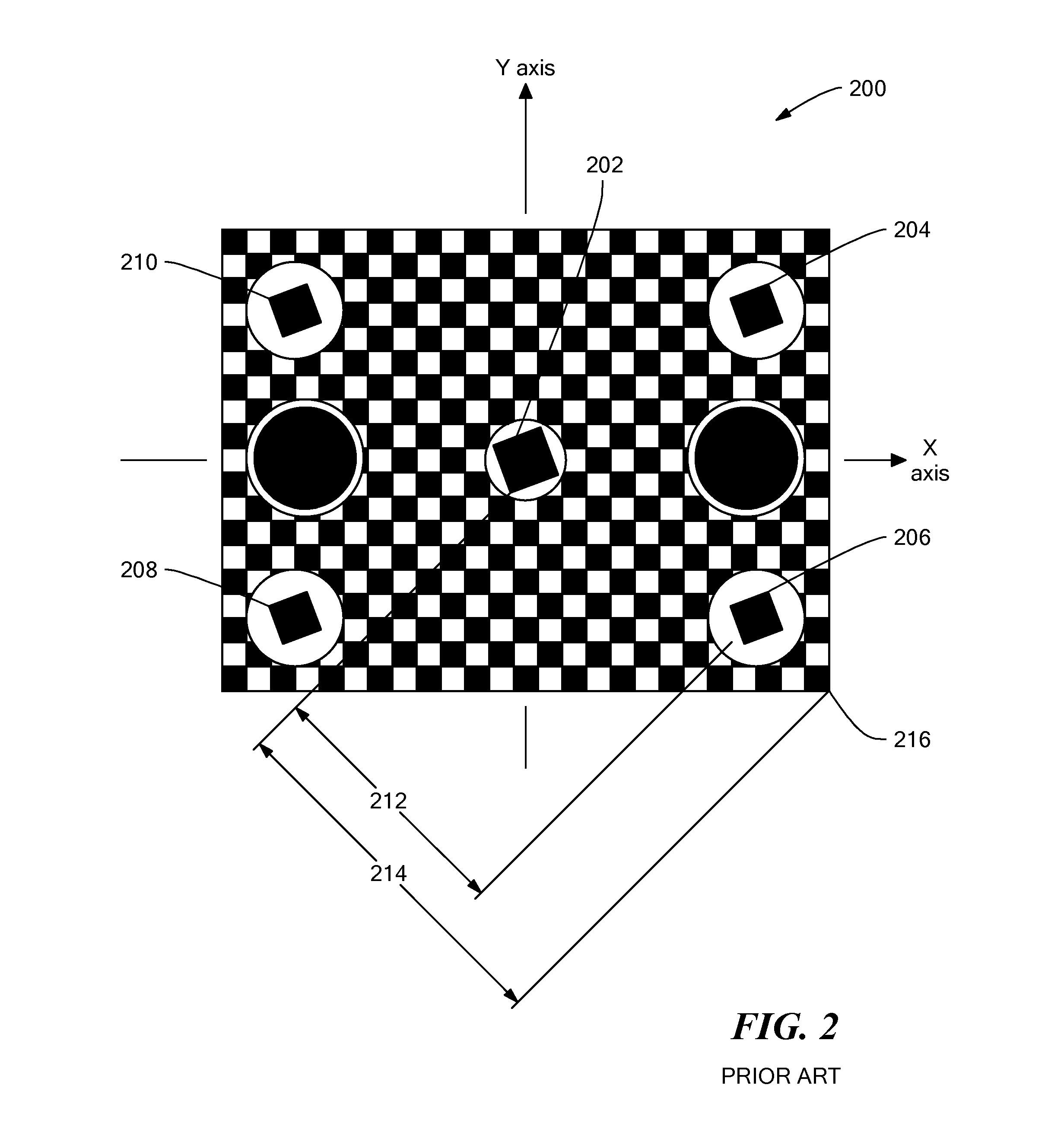
Active Alignment Using Continuous Motion Sweeps and Temporal Interpolation
PatentActiveUS20130274923A1
Innovation
- A computer-implemented method involving continuous motion sweeps of optical elements to collect and analyze alignment data, using a robot to estimate and adjust the position of optical elements based on optical signals and image data from a digital image sensor, allowing for precise alignment across multiple degrees of freedom.

Alignment apparatus and method for multi-sensor system
PatentInactiveKR1020180096103A
Innovation
- A multi-sensor alignment device comprising a target center tracker, driver, and control unit that calculates and adjusts the alignment of multiple sensors to a common target center, using motors and actuators to compensate for directional discrepancies.


Standardization Framework for Sensor Network Protocols
The development of standardized frameworks for sensor network protocols represents a critical foundation for advancing active alignment technology implementation across diverse sensing environments. Current standardization efforts focus on establishing unified communication protocols that can accommodate the dynamic reconfiguration requirements inherent in active alignment systems. These frameworks must address the unique challenges posed by sensors that continuously adjust their positioning and orientation based on real-time environmental feedback.
Existing protocol standards such as IEEE 802.15.4 and ZigBee provide baseline communication structures, but they require significant extensions to support active alignment functionalities. The standardization framework must incorporate provisions for real-time coordinate system updates, dynamic network topology changes, and synchronized alignment operations across multiple sensor nodes. This necessitates the development of new protocol layers specifically designed to handle alignment-related metadata and control signals.
The framework architecture emphasizes modular protocol design, enabling seamless integration of active alignment capabilities without disrupting existing sensor network infrastructures. Key components include standardized message formats for alignment commands, unified coordinate reference systems, and interoperable calibration procedures. These elements ensure that sensors from different manufacturers can participate in coordinated alignment operations while maintaining network stability and performance.
Quality of service parameters within the standardization framework address the stringent timing requirements of active alignment systems. The protocols must guarantee low-latency communication for alignment corrections while maintaining energy efficiency across battery-powered sensor nodes. This balance requires sophisticated priority-based message handling and adaptive transmission power management integrated into the standard specifications.
Security considerations form an integral part of the standardization framework, particularly given the potential vulnerabilities introduced by dynamic sensor repositioning. The protocols incorporate authentication mechanisms for alignment commands and encrypted communication channels to prevent malicious interference with sensor positioning. These security measures ensure network integrity while supporting the flexibility required for active alignment operations.
The standardization process involves collaboration between industry consortiums, academic institutions, and regulatory bodies to establish comprehensive testing methodologies and certification procedures. This collaborative approach ensures that the resulting framework addresses real-world deployment challenges while maintaining compatibility with emerging sensor technologies and alignment algorithms.
Existing protocol standards such as IEEE 802.15.4 and ZigBee provide baseline communication structures, but they require significant extensions to support active alignment functionalities. The standardization framework must incorporate provisions for real-time coordinate system updates, dynamic network topology changes, and synchronized alignment operations across multiple sensor nodes. This necessitates the development of new protocol layers specifically designed to handle alignment-related metadata and control signals.
The framework architecture emphasizes modular protocol design, enabling seamless integration of active alignment capabilities without disrupting existing sensor network infrastructures. Key components include standardized message formats for alignment commands, unified coordinate reference systems, and interoperable calibration procedures. These elements ensure that sensors from different manufacturers can participate in coordinated alignment operations while maintaining network stability and performance.
Quality of service parameters within the standardization framework address the stringent timing requirements of active alignment systems. The protocols must guarantee low-latency communication for alignment corrections while maintaining energy efficiency across battery-powered sensor nodes. This balance requires sophisticated priority-based message handling and adaptive transmission power management integrated into the standard specifications.
Security considerations form an integral part of the standardization framework, particularly given the potential vulnerabilities introduced by dynamic sensor repositioning. The protocols incorporate authentication mechanisms for alignment commands and encrypted communication channels to prevent malicious interference with sensor positioning. These security measures ensure network integrity while supporting the flexibility required for active alignment operations.
The standardization process involves collaboration between industry consortiums, academic institutions, and regulatory bodies to establish comprehensive testing methodologies and certification procedures. This collaborative approach ensures that the resulting framework addresses real-world deployment challenges while maintaining compatibility with emerging sensor technologies and alignment algorithms.
Energy Efficiency Considerations in Active Sensor Systems
Energy efficiency represents a critical design consideration in active sensor systems, particularly when implementing active alignment technology for enhanced network performance. The dynamic nature of active alignment mechanisms introduces additional power consumption challenges that must be carefully balanced against the operational benefits they provide.
Active alignment systems typically consume energy through multiple pathways, including mechanical actuators for physical positioning, continuous monitoring sensors for alignment feedback, and computational processing for real-time adjustment algorithms. The power requirements for these components can vary significantly based on environmental conditions, with harsh weather or high-vibration scenarios demanding more frequent alignment corrections and consequently higher energy expenditure.
Power management strategies in active sensor networks must account for the intermittent but potentially intensive energy demands of alignment operations. Adaptive duty cycling approaches can optimize energy consumption by scheduling alignment activities during periods of low network traffic or when environmental conditions are most stable. This temporal optimization reduces unnecessary power drain while maintaining system performance standards.
Battery life considerations become particularly complex in active alignment systems due to the unpredictable nature of alignment requirements. Traditional static sensor networks benefit from predictable power consumption patterns, whereas active systems must reserve energy capacity for sudden alignment needs triggered by environmental disturbances or network topology changes.
Energy harvesting technologies offer promising solutions for sustaining active alignment operations in remote deployments. Solar panels, vibration harvesters, and thermal gradient generators can supplement battery power, though their integration must account for the additional weight and complexity they introduce to sensor nodes.
The trade-off between alignment precision and energy consumption requires careful calibration based on application requirements. High-precision alignment may improve signal quality and network throughput but at the cost of increased power consumption. Implementing adaptive precision algorithms that adjust alignment accuracy based on current network demands and available energy reserves can optimize this balance dynamically.
Energy-efficient communication protocols specifically designed for active sensor networks can minimize the overhead associated with alignment coordination messages. Compressed status updates and predictive alignment scheduling can reduce the communication burden while maintaining network synchronization and performance standards.
Active alignment systems typically consume energy through multiple pathways, including mechanical actuators for physical positioning, continuous monitoring sensors for alignment feedback, and computational processing for real-time adjustment algorithms. The power requirements for these components can vary significantly based on environmental conditions, with harsh weather or high-vibration scenarios demanding more frequent alignment corrections and consequently higher energy expenditure.
Power management strategies in active sensor networks must account for the intermittent but potentially intensive energy demands of alignment operations. Adaptive duty cycling approaches can optimize energy consumption by scheduling alignment activities during periods of low network traffic or when environmental conditions are most stable. This temporal optimization reduces unnecessary power drain while maintaining system performance standards.
Battery life considerations become particularly complex in active alignment systems due to the unpredictable nature of alignment requirements. Traditional static sensor networks benefit from predictable power consumption patterns, whereas active systems must reserve energy capacity for sudden alignment needs triggered by environmental disturbances or network topology changes.
Energy harvesting technologies offer promising solutions for sustaining active alignment operations in remote deployments. Solar panels, vibration harvesters, and thermal gradient generators can supplement battery power, though their integration must account for the additional weight and complexity they introduce to sensor nodes.
The trade-off between alignment precision and energy consumption requires careful calibration based on application requirements. High-precision alignment may improve signal quality and network throughput but at the cost of increased power consumption. Implementing adaptive precision algorithms that adjust alignment accuracy based on current network demands and available energy reserves can optimize this balance dynamically.
Energy-efficient communication protocols specifically designed for active sensor networks can minimize the overhead associated with alignment coordination messages. Compressed status updates and predictive alignment scheduling can reduce the communication burden while maintaining network synchronization and performance standards.
Unlock deeper insights with PatSnap Eureka Quick Research — get a full tech report to explore trends and direct your research. Try now!
Generate Your Research Report Instantly with AI Agent
Supercharge your innovation with PatSnap Eureka AI Agent Platform!