Enhancing Component Longevity with Active Alignment Solutions
APR 15, 20269 MIN READ
Generate Your Research Report Instantly with AI Agent
PatSnap Eureka helps you evaluate technical feasibility & market potential.
Active Alignment Technology Background and Objectives
Active alignment technology has emerged as a critical solution in precision manufacturing and optical systems, where maintaining optimal component positioning throughout operational lifecycles directly impacts system performance and longevity. This technology addresses the fundamental challenge of mechanical drift, thermal expansion, and environmental disturbances that gradually degrade the precise positioning of critical components in high-performance systems.
The evolution of active alignment solutions traces back to early aerospace and defense applications in the 1980s, where mission-critical optical systems required unprecedented stability and precision. Initial implementations relied on basic feedback mechanisms and manual adjustment protocols. The technology gained significant momentum during the telecommunications boom of the 1990s, as fiber optic systems demanded sub-micron alignment accuracy for optimal signal transmission.
Modern active alignment systems have expanded beyond traditional optical applications to encompass semiconductor manufacturing, medical devices, automotive sensors, and consumer electronics. The integration of advanced sensor technologies, machine learning algorithms, and real-time feedback control has transformed these systems from reactive maintenance tools into proactive longevity enhancement solutions.
Current technological trends indicate a shift toward intelligent, self-correcting alignment systems that can predict and compensate for component drift before performance degradation occurs. The incorporation of MEMS-based actuators, high-resolution position sensors, and sophisticated control algorithms enables continuous micro-adjustments that maintain optimal component positioning throughout extended operational periods.
The primary objective of contemporary active alignment technology centers on maximizing component operational lifespan while maintaining peak performance parameters. This involves developing systems capable of real-time monitoring, predictive analysis, and autonomous correction of alignment deviations. Secondary objectives include reducing maintenance costs, minimizing system downtime, and enabling deployment in harsh environmental conditions where manual realignment is impractical or impossible.
Future development goals focus on achieving fully autonomous alignment systems with self-learning capabilities, enhanced environmental resilience, and integration with broader system health monitoring frameworks. The ultimate vision encompasses creating alignment solutions that not only maintain component longevity but actively optimize system performance through continuous adaptive positioning strategies.
The evolution of active alignment solutions traces back to early aerospace and defense applications in the 1980s, where mission-critical optical systems required unprecedented stability and precision. Initial implementations relied on basic feedback mechanisms and manual adjustment protocols. The technology gained significant momentum during the telecommunications boom of the 1990s, as fiber optic systems demanded sub-micron alignment accuracy for optimal signal transmission.
Modern active alignment systems have expanded beyond traditional optical applications to encompass semiconductor manufacturing, medical devices, automotive sensors, and consumer electronics. The integration of advanced sensor technologies, machine learning algorithms, and real-time feedback control has transformed these systems from reactive maintenance tools into proactive longevity enhancement solutions.
Current technological trends indicate a shift toward intelligent, self-correcting alignment systems that can predict and compensate for component drift before performance degradation occurs. The incorporation of MEMS-based actuators, high-resolution position sensors, and sophisticated control algorithms enables continuous micro-adjustments that maintain optimal component positioning throughout extended operational periods.
The primary objective of contemporary active alignment technology centers on maximizing component operational lifespan while maintaining peak performance parameters. This involves developing systems capable of real-time monitoring, predictive analysis, and autonomous correction of alignment deviations. Secondary objectives include reducing maintenance costs, minimizing system downtime, and enabling deployment in harsh environmental conditions where manual realignment is impractical or impossible.
Future development goals focus on achieving fully autonomous alignment systems with self-learning capabilities, enhanced environmental resilience, and integration with broader system health monitoring frameworks. The ultimate vision encompasses creating alignment solutions that not only maintain component longevity but actively optimize system performance through continuous adaptive positioning strategies.
Market Demand for Enhanced Component Longevity Solutions
The global market for enhanced component longevity solutions is experiencing unprecedented growth driven by multiple converging factors across various industrial sectors. Manufacturing industries are increasingly recognizing that extending component operational life directly translates to reduced maintenance costs, minimized downtime, and improved overall equipment effectiveness. This recognition has created substantial demand for active alignment technologies that can proactively maintain optimal component positioning and performance throughout operational lifecycles.
Aerospace and defense sectors represent particularly lucrative market segments for active alignment solutions. These industries face stringent reliability requirements where component failure can result in catastrophic consequences and enormous financial losses. The demand is further amplified by the increasing complexity of modern aircraft systems and satellite technologies, where precise component alignment is critical for mission success and safety compliance.
The semiconductor manufacturing industry has emerged as another major demand driver for enhanced component longevity solutions. As chip fabrication processes become increasingly sophisticated and expensive, manufacturers require ultra-precise alignment systems that can maintain nanometer-level accuracy over extended periods. The cost of production line shutdowns in semiconductor facilities creates strong economic incentives for investing in advanced longevity enhancement technologies.
Renewable energy infrastructure, particularly wind and solar installations, presents rapidly expanding market opportunities. These systems operate in harsh environmental conditions for decades, making component longevity a critical factor in project economics. Active alignment solutions that can compensate for thermal expansion, mechanical wear, and environmental degradation are becoming essential for maintaining energy generation efficiency over system lifespans.
Industrial automation and robotics sectors are driving demand through the need for consistent precision in manufacturing processes. As production volumes increase and quality tolerances tighten, manufacturers require alignment solutions that can maintain accuracy despite continuous operation and mechanical stress. The growing adoption of Industry 4.0 principles further emphasizes the importance of predictive maintenance and proactive component management.
The telecommunications infrastructure market, including 5G network deployments and data center expansions, requires highly reliable component alignment for optical systems and antenna arrays. Network operators face increasing pressure to maintain service quality while minimizing maintenance interventions, creating strong demand for self-correcting alignment technologies that can extend component operational life without manual intervention.
Aerospace and defense sectors represent particularly lucrative market segments for active alignment solutions. These industries face stringent reliability requirements where component failure can result in catastrophic consequences and enormous financial losses. The demand is further amplified by the increasing complexity of modern aircraft systems and satellite technologies, where precise component alignment is critical for mission success and safety compliance.
The semiconductor manufacturing industry has emerged as another major demand driver for enhanced component longevity solutions. As chip fabrication processes become increasingly sophisticated and expensive, manufacturers require ultra-precise alignment systems that can maintain nanometer-level accuracy over extended periods. The cost of production line shutdowns in semiconductor facilities creates strong economic incentives for investing in advanced longevity enhancement technologies.
Renewable energy infrastructure, particularly wind and solar installations, presents rapidly expanding market opportunities. These systems operate in harsh environmental conditions for decades, making component longevity a critical factor in project economics. Active alignment solutions that can compensate for thermal expansion, mechanical wear, and environmental degradation are becoming essential for maintaining energy generation efficiency over system lifespans.
Industrial automation and robotics sectors are driving demand through the need for consistent precision in manufacturing processes. As production volumes increase and quality tolerances tighten, manufacturers require alignment solutions that can maintain accuracy despite continuous operation and mechanical stress. The growing adoption of Industry 4.0 principles further emphasizes the importance of predictive maintenance and proactive component management.
The telecommunications infrastructure market, including 5G network deployments and data center expansions, requires highly reliable component alignment for optical systems and antenna arrays. Network operators face increasing pressure to maintain service quality while minimizing maintenance interventions, creating strong demand for self-correcting alignment technologies that can extend component operational life without manual intervention.
Current State and Challenges in Active Alignment Systems
Active alignment systems have emerged as critical technologies across multiple industries, particularly in optical communications, semiconductor manufacturing, and precision instrumentation. These systems dynamically adjust component positioning to maintain optimal performance throughout operational lifecycles. Current implementations primarily rely on piezoelectric actuators, voice coil motors, and MEMS-based positioning mechanisms to achieve sub-micron precision alignment.
The telecommunications sector represents the largest deployment of active alignment solutions, where fiber-optic transceivers require continuous positioning adjustments to compensate for thermal drift and mechanical stress. Modern systems achieve alignment accuracies within 0.1 micrometers, enabling sustained high-speed data transmission rates exceeding 400 Gbps. Similarly, semiconductor lithography equipment employs sophisticated active alignment to maintain wafer positioning accuracy during chip fabrication processes.
Despite technological advances, several fundamental challenges persist in active alignment implementations. Thermal stability remains a primary concern, as temperature fluctuations cause differential expansion in system components, leading to misalignment drift over time. Current compensation algorithms struggle with non-linear thermal responses, particularly in multi-material assemblies where different expansion coefficients create complex deformation patterns.
Power consumption presents another significant limitation, especially in battery-powered applications. Continuous servo control systems typically consume 2-5 watts per axis, making them unsuitable for portable devices or remote installations. Additionally, electromagnetic interference from control circuits can affect sensitive optical or electronic components, requiring extensive shielding that increases system complexity and cost.
Mechanical wear in actuator components poses long-term reliability challenges. Piezoelectric actuators suffer from hysteresis and creep effects, while traditional motor-based systems experience bearing degradation after extended operation cycles. These issues necessitate frequent recalibration procedures and eventual component replacement, increasing maintenance costs and system downtime.
Control system complexity represents a growing challenge as alignment requirements become more stringent. Multi-axis systems require sophisticated feedback algorithms to prevent cross-coupling effects, where adjustment in one axis inadvertently affects others. Current control architectures often struggle with real-time processing demands, particularly when integrating multiple sensor inputs for comprehensive position monitoring.
Environmental factors further complicate active alignment system performance. Vibration isolation becomes critical in industrial settings, while humidity and contamination can degrade sensor accuracy over time. These environmental sensitivities limit deployment options and require additional protective measures that increase overall system cost and complexity.
The telecommunications sector represents the largest deployment of active alignment solutions, where fiber-optic transceivers require continuous positioning adjustments to compensate for thermal drift and mechanical stress. Modern systems achieve alignment accuracies within 0.1 micrometers, enabling sustained high-speed data transmission rates exceeding 400 Gbps. Similarly, semiconductor lithography equipment employs sophisticated active alignment to maintain wafer positioning accuracy during chip fabrication processes.
Despite technological advances, several fundamental challenges persist in active alignment implementations. Thermal stability remains a primary concern, as temperature fluctuations cause differential expansion in system components, leading to misalignment drift over time. Current compensation algorithms struggle with non-linear thermal responses, particularly in multi-material assemblies where different expansion coefficients create complex deformation patterns.
Power consumption presents another significant limitation, especially in battery-powered applications. Continuous servo control systems typically consume 2-5 watts per axis, making them unsuitable for portable devices or remote installations. Additionally, electromagnetic interference from control circuits can affect sensitive optical or electronic components, requiring extensive shielding that increases system complexity and cost.
Mechanical wear in actuator components poses long-term reliability challenges. Piezoelectric actuators suffer from hysteresis and creep effects, while traditional motor-based systems experience bearing degradation after extended operation cycles. These issues necessitate frequent recalibration procedures and eventual component replacement, increasing maintenance costs and system downtime.
Control system complexity represents a growing challenge as alignment requirements become more stringent. Multi-axis systems require sophisticated feedback algorithms to prevent cross-coupling effects, where adjustment in one axis inadvertently affects others. Current control architectures often struggle with real-time processing demands, particularly when integrating multiple sensor inputs for comprehensive position monitoring.
Environmental factors further complicate active alignment system performance. Vibration isolation becomes critical in industrial settings, while humidity and contamination can degrade sensor accuracy over time. These environmental sensitivities limit deployment options and require additional protective measures that increase overall system cost and complexity.
Current Active Alignment Solutions for Component Durability
01 Advanced optical alignment mechanisms for extended component lifespan
Active alignment solutions incorporate precision optical alignment mechanisms that utilize feedback control systems and real-time adjustment capabilities to maintain optimal positioning throughout the component lifecycle. These mechanisms employ servo motors, piezoelectric actuators, and automated calibration systems to compensate for thermal drift, mechanical stress, and aging effects, thereby significantly extending the operational longevity of optical and photonic components.- Advanced optical alignment mechanisms for extended component lifespan: Active alignment solutions incorporate precision optical alignment mechanisms that utilize feedback control systems and real-time adjustment capabilities to maintain optimal positioning throughout the component lifecycle. These mechanisms employ sensors and actuators to continuously monitor and correct alignment deviations, reducing mechanical stress and wear on optical components. The implementation of such systems significantly extends component longevity by minimizing misalignment-induced degradation and maintaining performance specifications over extended operational periods.
- Thermal management and environmental protection systems: Component longevity in active alignment solutions is enhanced through integrated thermal management systems that regulate operating temperatures and protect sensitive components from environmental stressors. These systems incorporate heat dissipation structures, temperature monitoring, and protective enclosures that shield components from moisture, contaminants, and thermal cycling effects. The implementation of robust environmental protection measures prevents premature degradation and ensures stable performance across varying operational conditions.
- Material selection and coating technologies for durability enhancement: The longevity of active alignment components is improved through strategic material selection and application of specialized coatings that resist wear, corrosion, and optical degradation. Advanced materials with superior mechanical properties and chemical resistance are employed in critical components, while protective coatings provide additional barriers against environmental damage. These material innovations reduce friction, prevent surface degradation, and maintain optical clarity throughout extended service life.
- Adaptive control algorithms and predictive maintenance systems: Active alignment solutions incorporate intelligent control algorithms that optimize component operation and predict maintenance needs to maximize longevity. These systems utilize machine learning and data analytics to monitor component health, detect early signs of degradation, and adjust operational parameters to minimize stress on critical elements. Predictive maintenance capabilities enable proactive intervention before failures occur, significantly extending overall system lifespan and reducing downtime.
- Modular design and component redundancy strategies: Component longevity is enhanced through modular design architectures that facilitate easy replacement and incorporate redundancy for critical elements. These designs allow for selective component upgrades without complete system replacement and include backup systems that activate when primary components show signs of degradation. The modular approach reduces maintenance complexity, extends overall system operational life, and provides flexibility for technology upgrades while maintaining alignment precision.
02 Material selection and coating technologies for durability enhancement
Component longevity in active alignment systems is improved through strategic selection of materials with superior thermal stability, mechanical strength, and resistance to environmental degradation. Advanced coating technologies including anti-reflective coatings, protective layers, and hermetic sealing methods are employed to shield critical components from moisture, contamination, and oxidation, ensuring sustained performance over extended operational periods.Expand Specific Solutions03 Thermal management systems for component stability
Integrated thermal management solutions are implemented to control temperature fluctuations that can degrade component performance and reduce lifespan. These systems include heat sinks, thermoelectric coolers, temperature sensors, and active cooling mechanisms that maintain optimal operating temperatures, preventing thermal-induced misalignment and material degradation in active alignment assemblies.Expand Specific Solutions04 Self-diagnostic and predictive maintenance capabilities
Modern active alignment solutions incorporate intelligent monitoring systems with self-diagnostic capabilities that continuously assess component health and predict potential failures before they occur. These systems utilize sensors, data analytics, and machine learning algorithms to track performance metrics, detect anomalies, and trigger preventive maintenance actions, thereby maximizing component longevity and minimizing unexpected downtime.Expand Specific Solutions05 Modular design and replaceable component architecture
Active alignment systems employ modular design principles that facilitate easy replacement and upgrading of individual components without requiring complete system overhaul. This architecture includes standardized interfaces, quick-connect mechanisms, and hot-swappable modules that enable maintenance personnel to replace worn or degraded components efficiently, extending the overall system lifespan while reducing maintenance costs and downtime.Expand Specific Solutions
Key Players in Active Alignment and Precision Manufacturing
The active alignment solutions market for enhancing component longevity represents a mature, multi-billion-dollar industry spanning automotive, semiconductor, and precision manufacturing sectors. Major automotive players like BMW, Hyundai, Kia, and GM Global Technology Operations drive significant demand through advanced driver assistance systems and electric vehicle components requiring precise calibration. Technology leaders including Infineon Technologies, Robert Bosch, and IBM provide sophisticated semiconductor and software solutions enabling real-time alignment corrections. Specialized manufacturers such as Ningbo Sunny Opotech and Canon Tokki deliver precision optical and manufacturing equipment. The market demonstrates high technical maturity with established players like ZF Friedrichshafen and Rolls-Royce Deutschland integrating active alignment into critical aerospace and automotive applications, while emerging applications in medical devices through companies like Cardiac Pacemakers continue expanding market opportunities across diverse industrial segments.
Infineon Technologies AG
Technical Solution: Infineon specializes in semiconductor-based active alignment solutions, developing smart sensor chips with built-in compensation mechanisms. Their technology focuses on temperature-induced drift compensation and mechanical stress mitigation through integrated microelectromechanical systems (MEMS). The company's solutions include adaptive calibration algorithms embedded directly into semiconductor devices, enabling real-time adjustment of component parameters to maintain optimal performance. Their approach particularly targets power electronics and automotive semiconductor applications where thermal cycling and mechanical stress significantly impact component longevity.
Strengths: Deep semiconductor expertise and integrated hardware-software solutions. Weaknesses: Limited to semiconductor applications and requires specialized manufacturing processes.
Robert Bosch GmbH
Technical Solution: Bosch has developed comprehensive active alignment solutions for automotive components, particularly focusing on camera and sensor systems. Their technology employs real-time feedback mechanisms and precision actuators to maintain optimal component positioning throughout the vehicle's lifecycle. The system utilizes advanced algorithms to predict component drift and proactively adjust alignment parameters, significantly extending the operational life of critical safety systems like ADAS cameras and LiDAR sensors. Bosch's approach integrates machine learning capabilities to adapt to environmental conditions and component aging patterns, ensuring consistent performance over extended periods.
Strengths: Market-leading expertise in automotive sensors and established manufacturing infrastructure. Weaknesses: High implementation costs and complexity in integration with existing systems.
Core Patents in Active Alignment for Longevity Enhancement
Active optical component alignment system and method
PatentInactiveUS6897464B2
Innovation
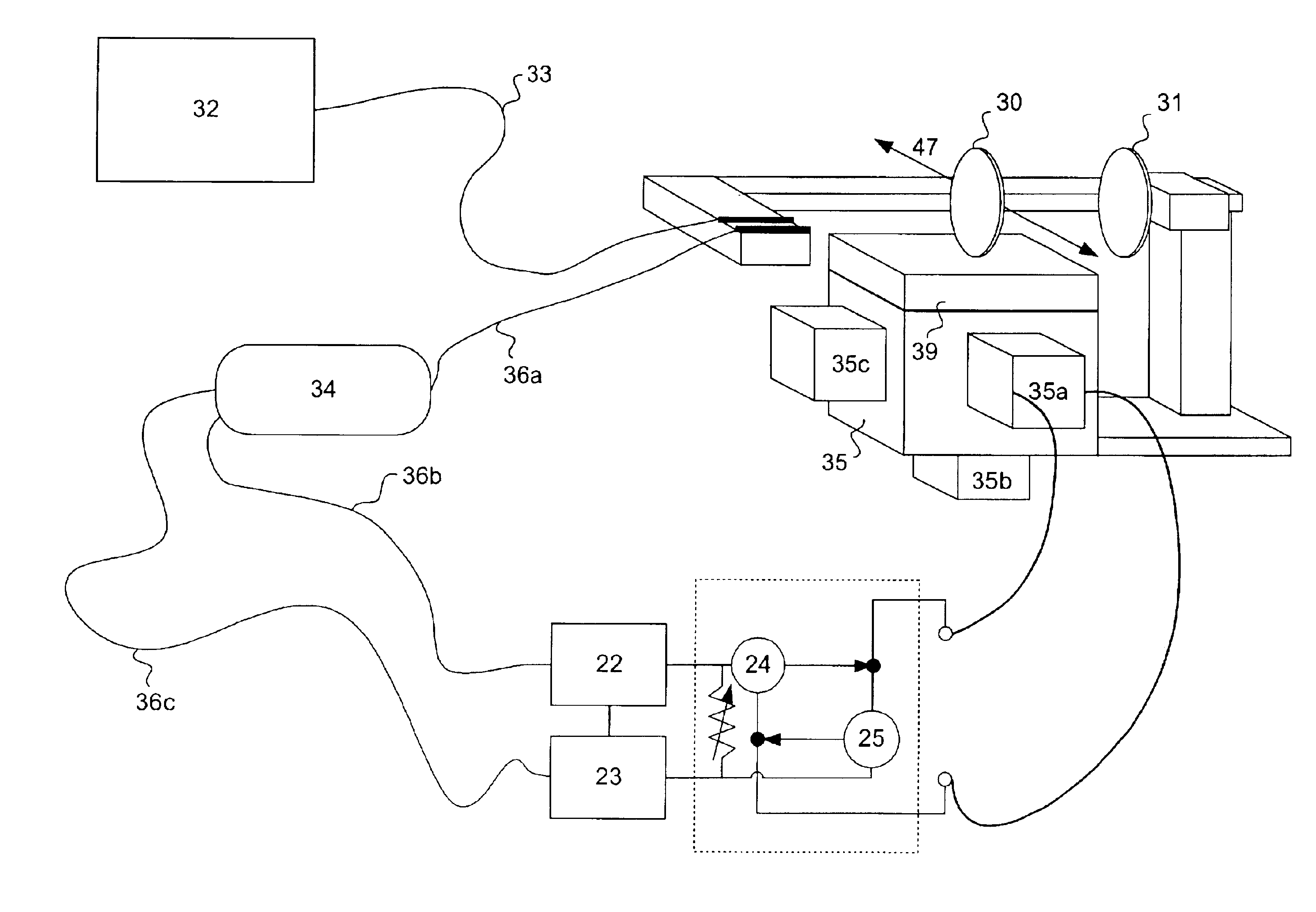
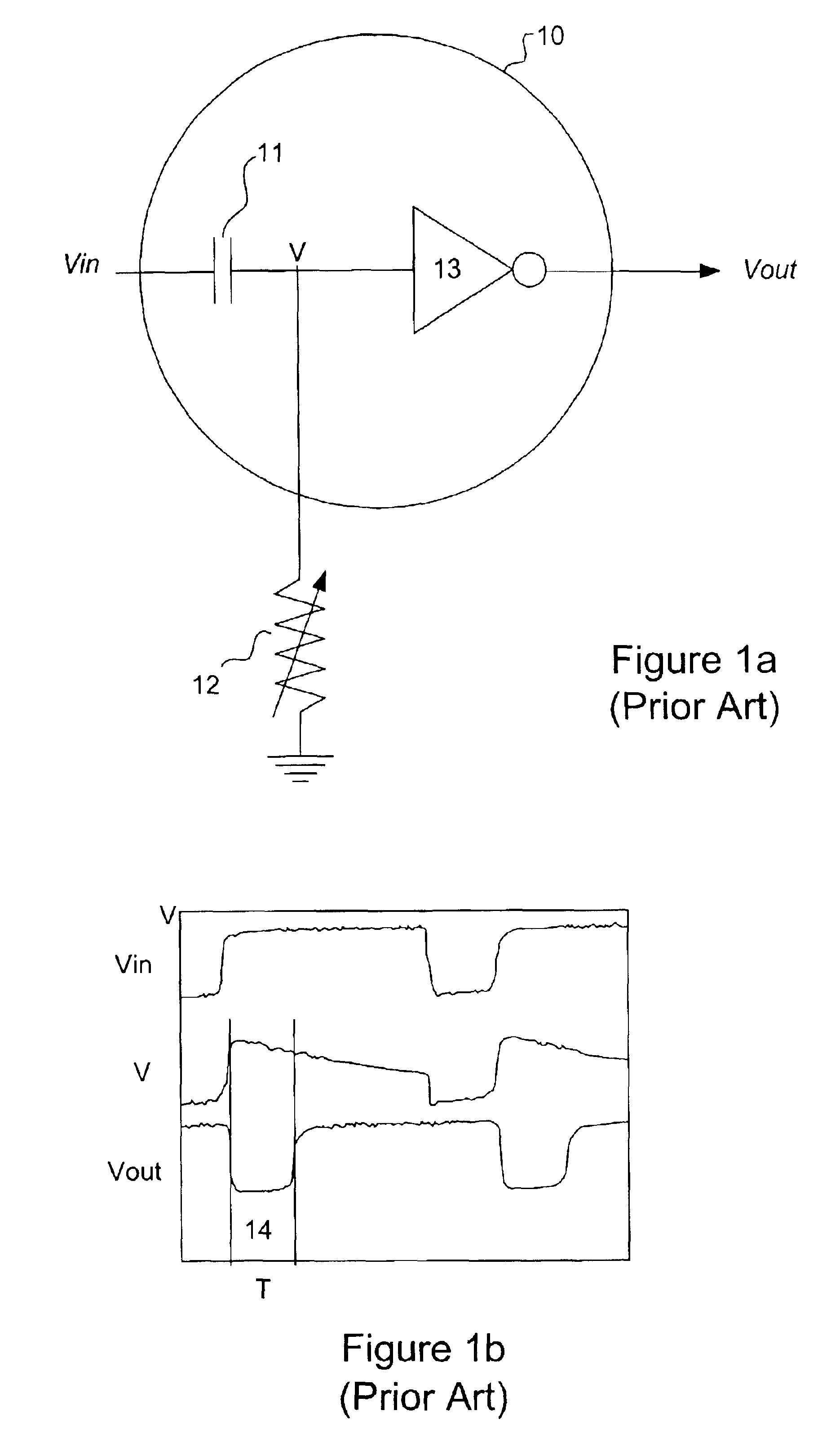
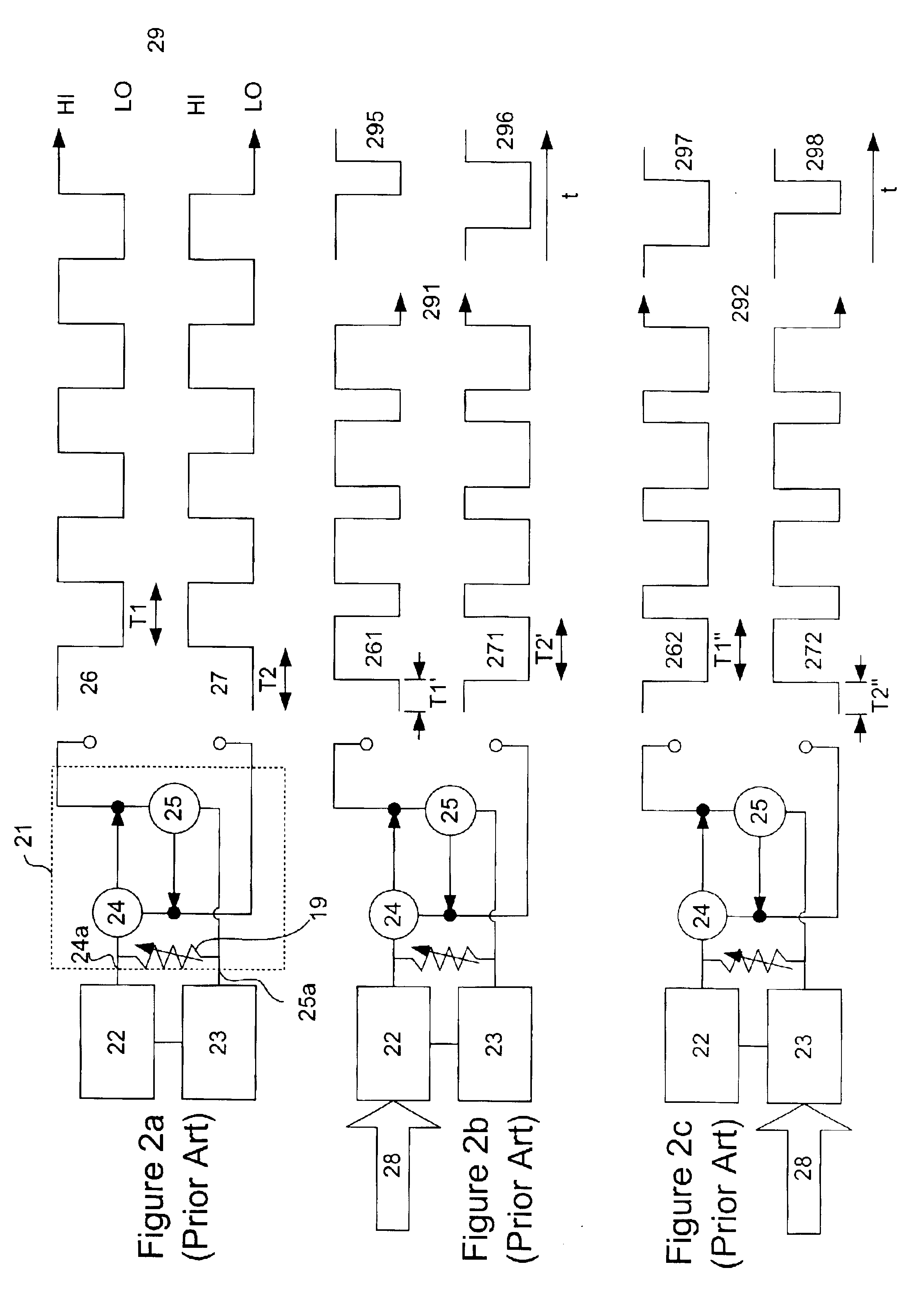
- An automated alignment system using a neural controller circuit coupled with a photodetector and actuator mechanism, which provides optical intensity-based feedback to optimize component positioning in parallel, allowing for high-frequency displacement and reduced optical loss.

Architecture and method for passive-active optical alignment of photonic integrated circuit (PIC) and fiber array unit (FAU)
PatentPendingUS20250004219A1
Innovation
- A passive-active optical alignment architecture using a sliding joint with V-grooves and features on the PIC die and FAU connector, allowing for initial passive alignment followed by active adjustment for optimal optical power, reducing cycle time and improving coupling efficiency.


Quality Standards and Certification Requirements
The implementation of active alignment solutions for component longevity enhancement must adhere to stringent quality standards and certification requirements across multiple regulatory frameworks. International standards such as ISO 9001:2015 for quality management systems provide the foundational framework for ensuring consistent manufacturing processes and continuous improvement in active alignment technologies. Additionally, ISO/IEC 17025 certification becomes crucial for testing laboratories involved in validating alignment precision and component durability metrics.
Industry-specific standards play a pivotal role in defining acceptable performance parameters. For optical and photonic applications, IEC 61300 series standards establish requirements for fiber optic interconnecting devices, while IEEE 802.3 standards govern Ethernet applications where active alignment solutions are increasingly deployed. The telecommunications sector requires compliance with Telcordia GR-326-CORE standards for optical fiber cables and ITU-T recommendations for optical transport networks.
Automotive applications demand adherence to ISO/TS 16949 automotive quality management standards, particularly for LiDAR and camera alignment systems. The AEC-Q qualification standards, including AEC-Q100 for integrated circuits and AEC-Q200 for passive components, establish reliability requirements under automotive environmental conditions. These standards mandate extensive testing protocols including thermal cycling, vibration resistance, and electromagnetic compatibility assessments.
Medical device applications require FDA 21 CFR Part 820 compliance in the United States and ISO 13485 certification internationally. Active alignment solutions used in surgical robotics, diagnostic imaging, and therapeutic laser systems must undergo rigorous validation processes including biocompatibility testing and clinical performance evaluation. The IEC 60601 series provides safety and performance standards specifically for medical electrical equipment incorporating precision alignment mechanisms.
Environmental and safety certifications encompass RoHS compliance for hazardous substance restrictions and REACH regulation adherence for chemical safety. IP rating certifications define ingress protection levels, while UL and CE marking ensure electrical safety compliance across different markets. These certifications collectively establish the regulatory foundation necessary for successful commercialization of active alignment solutions in longevity-critical applications.
Industry-specific standards play a pivotal role in defining acceptable performance parameters. For optical and photonic applications, IEC 61300 series standards establish requirements for fiber optic interconnecting devices, while IEEE 802.3 standards govern Ethernet applications where active alignment solutions are increasingly deployed. The telecommunications sector requires compliance with Telcordia GR-326-CORE standards for optical fiber cables and ITU-T recommendations for optical transport networks.
Automotive applications demand adherence to ISO/TS 16949 automotive quality management standards, particularly for LiDAR and camera alignment systems. The AEC-Q qualification standards, including AEC-Q100 for integrated circuits and AEC-Q200 for passive components, establish reliability requirements under automotive environmental conditions. These standards mandate extensive testing protocols including thermal cycling, vibration resistance, and electromagnetic compatibility assessments.
Medical device applications require FDA 21 CFR Part 820 compliance in the United States and ISO 13485 certification internationally. Active alignment solutions used in surgical robotics, diagnostic imaging, and therapeutic laser systems must undergo rigorous validation processes including biocompatibility testing and clinical performance evaluation. The IEC 60601 series provides safety and performance standards specifically for medical electrical equipment incorporating precision alignment mechanisms.
Environmental and safety certifications encompass RoHS compliance for hazardous substance restrictions and REACH regulation adherence for chemical safety. IP rating certifications define ingress protection levels, while UL and CE marking ensure electrical safety compliance across different markets. These certifications collectively establish the regulatory foundation necessary for successful commercialization of active alignment solutions in longevity-critical applications.
Cost-Benefit Analysis of Active Alignment Implementation
The implementation of active alignment solutions for enhancing component longevity presents a compelling economic proposition when evaluated through comprehensive cost-benefit analysis. Initial capital expenditure typically ranges from $50,000 to $500,000 per production line, depending on system complexity and precision requirements. However, this upfront investment is offset by substantial operational savings achieved through reduced component replacement cycles and minimized production downtime.
Manufacturing organizations implementing active alignment technologies report average component lifespan extensions of 40-60%, translating to direct cost savings of $200,000 to $800,000 annually per production facility. These savings stem primarily from reduced material procurement costs, decreased maintenance labor requirements, and elimination of unplanned production interruptions caused by component failures.
The return on investment timeline for active alignment implementation typically spans 18-36 months, with faster payback periods observed in high-volume manufacturing environments. Critical factors influencing ROI include production throughput rates, component replacement frequency under traditional alignment methods, and labor costs associated with maintenance activities.
Operational efficiency gains extend beyond direct cost savings to encompass quality improvements and yield optimization. Active alignment systems reduce product defect rates by 25-40%, minimizing waste and rework expenses while enhancing overall production quality metrics. These quality improvements often justify premium pricing strategies, generating additional revenue streams that accelerate investment recovery.
Long-term financial benefits include reduced inventory carrying costs for replacement components, lower insurance premiums due to improved reliability records, and enhanced competitive positioning through superior product quality. Organizations also benefit from predictable maintenance scheduling, enabling better resource allocation and workforce planning.
Risk mitigation represents another significant economic advantage, as active alignment solutions reduce exposure to supply chain disruptions and component availability issues. The technology's ability to extend component operational life provides buffer time for strategic sourcing decisions and reduces dependency on emergency procurement at premium pricing.
Manufacturing organizations implementing active alignment technologies report average component lifespan extensions of 40-60%, translating to direct cost savings of $200,000 to $800,000 annually per production facility. These savings stem primarily from reduced material procurement costs, decreased maintenance labor requirements, and elimination of unplanned production interruptions caused by component failures.
The return on investment timeline for active alignment implementation typically spans 18-36 months, with faster payback periods observed in high-volume manufacturing environments. Critical factors influencing ROI include production throughput rates, component replacement frequency under traditional alignment methods, and labor costs associated with maintenance activities.
Operational efficiency gains extend beyond direct cost savings to encompass quality improvements and yield optimization. Active alignment systems reduce product defect rates by 25-40%, minimizing waste and rework expenses while enhancing overall production quality metrics. These quality improvements often justify premium pricing strategies, generating additional revenue streams that accelerate investment recovery.
Long-term financial benefits include reduced inventory carrying costs for replacement components, lower insurance premiums due to improved reliability records, and enhanced competitive positioning through superior product quality. Organizations also benefit from predictable maintenance scheduling, enabling better resource allocation and workforce planning.
Risk mitigation represents another significant economic advantage, as active alignment solutions reduce exposure to supply chain disruptions and component availability issues. The technology's ability to extend component operational life provides buffer time for strategic sourcing decisions and reduces dependency on emergency procurement at premium pricing.
Unlock deeper insights with PatSnap Eureka Quick Research — get a full tech report to explore trends and direct your research. Try now!
Generate Your Research Report Instantly with AI Agent
Supercharge your innovation with PatSnap Eureka AI Agent Platform!