

Active Alignment in Logistics: Process Streamlining
APR 15, 20269 MIN READ
Generate Your Research Report Instantly with AI Agent
PatSnap Eureka helps you evaluate technical feasibility & market potential.
Active Alignment Logistics Background and Objectives
Active alignment in logistics represents a paradigm shift from traditional reactive supply chain management to proactive, synchronized operations that anticipate and respond to dynamic market conditions. This concept emerged from the growing complexity of global supply chains and the increasing demand for real-time responsiveness in logistics operations. The evolution from passive inventory management to active coordination mechanisms has been driven by technological advances in IoT, artificial intelligence, and data analytics platforms.
The historical development of logistics alignment can be traced through several distinct phases. Initially, logistics operated in silos with minimal cross-functional coordination. The introduction of Enterprise Resource Planning systems in the 1990s marked the first significant step toward integrated operations. Subsequently, the rise of e-commerce and omnichannel retail created unprecedented demands for supply chain agility, leading to the development of more sophisticated alignment methodologies.
Current market pressures have intensified the need for active alignment solutions. Consumer expectations for faster delivery times, coupled with supply chain disruptions witnessed during global events, have highlighted the critical importance of synchronized logistics operations. Organizations are increasingly recognizing that traditional sequential planning approaches are insufficient for managing modern supply chain complexities.
The technological foundation supporting active alignment has evolved significantly over the past decade. Advanced analytics, machine learning algorithms, and real-time data processing capabilities now enable logistics systems to automatically adjust operations based on changing conditions. These technologies facilitate continuous optimization of inventory levels, transportation routes, and warehouse operations through dynamic coordination mechanisms.
The primary objective of implementing active alignment in logistics is to achieve seamless integration across all supply chain touchpoints while maintaining operational efficiency and cost-effectiveness. This involves establishing real-time communication channels between suppliers, manufacturers, distributors, and retailers to enable coordinated decision-making. The goal extends beyond simple information sharing to create adaptive systems that can automatically reconfigure operations based on demand fluctuations, capacity constraints, and external disruptions.
Strategic objectives include reducing inventory holding costs while improving service levels, minimizing transportation inefficiencies through coordinated scheduling, and enhancing overall supply chain resilience. Organizations pursuing active alignment seek to transform their logistics operations from cost centers into competitive advantages through improved responsiveness and operational excellence.
The historical development of logistics alignment can be traced through several distinct phases. Initially, logistics operated in silos with minimal cross-functional coordination. The introduction of Enterprise Resource Planning systems in the 1990s marked the first significant step toward integrated operations. Subsequently, the rise of e-commerce and omnichannel retail created unprecedented demands for supply chain agility, leading to the development of more sophisticated alignment methodologies.
Current market pressures have intensified the need for active alignment solutions. Consumer expectations for faster delivery times, coupled with supply chain disruptions witnessed during global events, have highlighted the critical importance of synchronized logistics operations. Organizations are increasingly recognizing that traditional sequential planning approaches are insufficient for managing modern supply chain complexities.
The technological foundation supporting active alignment has evolved significantly over the past decade. Advanced analytics, machine learning algorithms, and real-time data processing capabilities now enable logistics systems to automatically adjust operations based on changing conditions. These technologies facilitate continuous optimization of inventory levels, transportation routes, and warehouse operations through dynamic coordination mechanisms.
The primary objective of implementing active alignment in logistics is to achieve seamless integration across all supply chain touchpoints while maintaining operational efficiency and cost-effectiveness. This involves establishing real-time communication channels between suppliers, manufacturers, distributors, and retailers to enable coordinated decision-making. The goal extends beyond simple information sharing to create adaptive systems that can automatically reconfigure operations based on demand fluctuations, capacity constraints, and external disruptions.
Strategic objectives include reducing inventory holding costs while improving service levels, minimizing transportation inefficiencies through coordinated scheduling, and enhancing overall supply chain resilience. Organizations pursuing active alignment seek to transform their logistics operations from cost centers into competitive advantages through improved responsiveness and operational excellence.
Market Demand for Streamlined Logistics Processes
The global logistics industry is experiencing unprecedented pressure to optimize operational efficiency as supply chain complexities continue to escalate. Traditional logistics processes, characterized by fragmented workflows and manual coordination, are increasingly inadequate for meeting modern business demands. Organizations across industries are recognizing that streamlined logistics processes represent a critical competitive advantage in today's fast-paced commercial environment.
E-commerce growth has fundamentally transformed logistics requirements, with consumers expecting faster delivery times and real-time visibility into shipment status. This shift has created substantial demand for active alignment technologies that can synchronize multiple logistics components simultaneously. Companies are seeking solutions that eliminate process bottlenecks and reduce the time between order placement and fulfillment.
Manufacturing sectors are driving significant demand for process streamlining solutions as they implement just-in-time production models. These manufacturers require precise coordination between suppliers, production facilities, and distribution networks to minimize inventory costs while maintaining service levels. The automotive and electronics industries particularly emphasize the need for logistics processes that can adapt dynamically to production schedule changes.
Third-party logistics providers represent another major demand driver, as they manage increasingly complex multi-client operations. These providers require sophisticated alignment systems to optimize resource utilization across diverse customer requirements while maintaining service quality standards. The ability to streamline processes across multiple clients simultaneously has become a key differentiator in the competitive logistics services market.
Regulatory compliance requirements are intensifying demand for streamlined logistics processes, particularly in pharmaceutical and food industries. Companies need systems that can maintain compliance documentation while optimizing operational efficiency. The integration of compliance monitoring with process optimization has become essential for maintaining market access.
Supply chain resilience concerns, heightened by recent global disruptions, are accelerating adoption of active alignment technologies. Organizations are investing in systems that can rapidly reconfigure logistics processes in response to unexpected events while maintaining operational continuity. This resilience requirement is driving demand for flexible, adaptive process streamlining solutions that can handle multiple contingency scenarios.
E-commerce growth has fundamentally transformed logistics requirements, with consumers expecting faster delivery times and real-time visibility into shipment status. This shift has created substantial demand for active alignment technologies that can synchronize multiple logistics components simultaneously. Companies are seeking solutions that eliminate process bottlenecks and reduce the time between order placement and fulfillment.
Manufacturing sectors are driving significant demand for process streamlining solutions as they implement just-in-time production models. These manufacturers require precise coordination between suppliers, production facilities, and distribution networks to minimize inventory costs while maintaining service levels. The automotive and electronics industries particularly emphasize the need for logistics processes that can adapt dynamically to production schedule changes.
Third-party logistics providers represent another major demand driver, as they manage increasingly complex multi-client operations. These providers require sophisticated alignment systems to optimize resource utilization across diverse customer requirements while maintaining service quality standards. The ability to streamline processes across multiple clients simultaneously has become a key differentiator in the competitive logistics services market.
Regulatory compliance requirements are intensifying demand for streamlined logistics processes, particularly in pharmaceutical and food industries. Companies need systems that can maintain compliance documentation while optimizing operational efficiency. The integration of compliance monitoring with process optimization has become essential for maintaining market access.
Supply chain resilience concerns, heightened by recent global disruptions, are accelerating adoption of active alignment technologies. Organizations are investing in systems that can rapidly reconfigure logistics processes in response to unexpected events while maintaining operational continuity. This resilience requirement is driving demand for flexible, adaptive process streamlining solutions that can handle multiple contingency scenarios.
Current State and Challenges in Logistics Alignment
The current state of logistics alignment reveals a complex landscape where organizations struggle to achieve seamless coordination across their supply chain operations. Traditional logistics systems operate in silos, with limited real-time visibility and communication between different stakeholders including suppliers, manufacturers, distributors, and retailers. This fragmented approach results in suboptimal resource utilization, increased operational costs, and reduced customer satisfaction levels.
Modern logistics networks face unprecedented complexity due to globalization, e-commerce growth, and evolving customer expectations. Supply chains now span multiple continents, involve numerous intermediaries, and must accommodate diverse delivery requirements ranging from same-day delivery to specialized handling of sensitive goods. The lack of standardized processes and communication protocols across different organizations creates significant alignment challenges.
Technology adoption remains inconsistent across the logistics ecosystem. While some large enterprises have invested heavily in advanced warehouse management systems, transportation management platforms, and IoT-enabled tracking solutions, many smaller players still rely on legacy systems and manual processes. This technological disparity creates integration bottlenecks and limits the effectiveness of end-to-end process optimization initiatives.
Data fragmentation represents another critical challenge in achieving logistics alignment. Information about inventory levels, shipment status, capacity availability, and demand forecasts often exists in isolated systems that cannot communicate effectively with each other. The absence of unified data standards and real-time information sharing mechanisms prevents organizations from making informed decisions and responding quickly to disruptions.
Regulatory compliance adds another layer of complexity to logistics alignment efforts. Different regions impose varying requirements for documentation, safety standards, environmental regulations, and customs procedures. Organizations must navigate these diverse regulatory landscapes while maintaining operational efficiency and cost-effectiveness.
The COVID-19 pandemic has further highlighted the vulnerability of misaligned logistics systems. Supply chain disruptions exposed the limitations of traditional planning approaches and emphasized the need for more resilient, adaptive, and collaborative logistics networks. Organizations that lacked proper alignment mechanisms experienced severe operational disruptions and struggled to maintain service levels during peak demand periods.
Human resource challenges also impede logistics alignment progress. The industry faces a shortage of skilled professionals who understand both traditional logistics operations and emerging digital technologies. Training existing workforce and attracting new talent with the necessary technical competencies remains a significant obstacle for many organizations seeking to implement advanced alignment solutions.
Modern logistics networks face unprecedented complexity due to globalization, e-commerce growth, and evolving customer expectations. Supply chains now span multiple continents, involve numerous intermediaries, and must accommodate diverse delivery requirements ranging from same-day delivery to specialized handling of sensitive goods. The lack of standardized processes and communication protocols across different organizations creates significant alignment challenges.
Technology adoption remains inconsistent across the logistics ecosystem. While some large enterprises have invested heavily in advanced warehouse management systems, transportation management platforms, and IoT-enabled tracking solutions, many smaller players still rely on legacy systems and manual processes. This technological disparity creates integration bottlenecks and limits the effectiveness of end-to-end process optimization initiatives.
Data fragmentation represents another critical challenge in achieving logistics alignment. Information about inventory levels, shipment status, capacity availability, and demand forecasts often exists in isolated systems that cannot communicate effectively with each other. The absence of unified data standards and real-time information sharing mechanisms prevents organizations from making informed decisions and responding quickly to disruptions.
Regulatory compliance adds another layer of complexity to logistics alignment efforts. Different regions impose varying requirements for documentation, safety standards, environmental regulations, and customs procedures. Organizations must navigate these diverse regulatory landscapes while maintaining operational efficiency and cost-effectiveness.
The COVID-19 pandemic has further highlighted the vulnerability of misaligned logistics systems. Supply chain disruptions exposed the limitations of traditional planning approaches and emphasized the need for more resilient, adaptive, and collaborative logistics networks. Organizations that lacked proper alignment mechanisms experienced severe operational disruptions and struggled to maintain service levels during peak demand periods.
Human resource challenges also impede logistics alignment progress. The industry faces a shortage of skilled professionals who understand both traditional logistics operations and emerging digital technologies. Training existing workforce and attracting new talent with the necessary technical competencies remains a significant obstacle for many organizations seeking to implement advanced alignment solutions.
Existing Active Alignment Solutions for Logistics
01 Automated vision-based alignment systems
Implementation of automated vision systems and image processing techniques to detect and correct misalignment in real-time during manufacturing processes. These systems utilize cameras, sensors, and pattern recognition algorithms to achieve precise positioning without manual intervention, significantly reducing alignment time and improving accuracy in assembly operations.- Automated optical alignment systems for component positioning: Active alignment processes can be streamlined through the use of automated optical systems that precisely position components by detecting and optimizing optical signals in real-time. These systems utilize feedback mechanisms to adjust component positions until optimal alignment is achieved, reducing manual intervention and improving throughput. The automation includes motorized stages, image processing algorithms, and closed-loop control systems that enable rapid and accurate alignment.
- Multi-axis simultaneous alignment techniques: Streamlining can be achieved by implementing multi-axis alignment capabilities that allow simultaneous adjustment of multiple degrees of freedom. This approach reduces the sequential nature of traditional alignment processes by enabling parallel optimization of position, tilt, and rotation parameters. Advanced control algorithms coordinate movements across multiple axes to achieve optimal alignment more efficiently than single-axis sequential methods.
- Machine vision and pattern recognition for alignment: Integration of machine vision systems with pattern recognition capabilities enables faster and more reliable alignment processes. These systems can automatically identify alignment features, calculate positional offsets, and guide correction movements without human intervention. Advanced image processing techniques and artificial intelligence algorithms improve recognition accuracy and speed, particularly for complex alignment tasks involving multiple components or fine-pitch features.
- Fixture and tooling optimization for reduced setup time: Process streamlining can be accomplished through specialized fixtures and tooling designs that minimize setup and changeover times. These solutions include modular fixturing systems, quick-release mechanisms, and pre-aligned reference surfaces that reduce the initial positioning requirements. The optimized tooling enables faster loading and unloading of components while maintaining alignment accuracy throughout the process.
- Integrated measurement and feedback control systems: Streamlined active alignment incorporates integrated measurement systems that provide continuous feedback during the alignment process. These systems combine sensors, metrology tools, and control algorithms to monitor alignment status in real-time and make dynamic adjustments. The integration of measurement and control reduces cycle time by eliminating separate verification steps and enabling immediate correction of alignment deviations during the process.
02 Multi-axis motion control and positioning mechanisms
Advanced motion control systems incorporating multiple degrees of freedom for precise component positioning. These mechanisms enable simultaneous adjustment along multiple axes, utilizing servo motors, piezoelectric actuators, and feedback control systems to achieve sub-micron level alignment accuracy while reducing overall process time.Expand Specific Solutions03 Parallel processing and simultaneous alignment techniques
Methods for performing multiple alignment operations concurrently rather than sequentially, utilizing parallel processing architectures and multi-station alignment platforms. This approach significantly reduces total cycle time by aligning multiple components or performing multiple alignment steps simultaneously within a single process stage.Expand Specific Solutions04 Adaptive alignment algorithms and machine learning optimization
Integration of adaptive algorithms and machine learning techniques to optimize alignment parameters based on historical data and real-time feedback. These intelligent systems learn from previous alignment operations to predict optimal settings, automatically adjust process parameters, and compensate for variations, thereby streamlining the overall alignment workflow.Expand Specific Solutions05 Modular fixture design and quick-change tooling systems
Development of modular alignment fixtures and quick-change tooling systems that enable rapid setup and changeover between different product configurations. These systems incorporate standardized interfaces, pre-calibrated reference points, and automated clamping mechanisms to minimize downtime and setup time while maintaining alignment precision across different production runs.Expand Specific Solutions
Key Players in Logistics Process Optimization Industry
The active alignment in logistics process streamlining sector represents a rapidly evolving market driven by increasing demand for automated supply chain optimization and real-time operational efficiency. The industry is experiencing significant growth as companies seek to reduce costs and improve delivery performance through intelligent coordination systems. Technology maturity varies considerably across market participants, with established players like UPS, Siemens AG, and Toyota Motor demonstrating advanced integrated solutions, while emerging companies such as Changsha Xingshen Intelligent Technology and Colosseum Corp showcase cutting-edge AI-powered platforms. Automation specialists including Brooks Automation, Jungheinrich AG, and Gree Intelligent Equipment are advancing robotic integration capabilities. The competitive landscape spans from traditional logistics giants implementing digital transformation to specialized technology providers developing autonomous systems, indicating a market transitioning from conventional operations toward fully integrated, intelligent logistics ecosystems with substantial growth potential.
United Parcel Service, Inc.
Technical Solution: UPS has developed an integrated logistics optimization platform that leverages machine learning algorithms and real-time data analytics to achieve active alignment across their global network. Their ORION (On-Road Integrated Optimization and Navigation) system processes over 200,000 optimization calculations per second to dynamically adjust delivery routes and warehouse operations. The platform integrates IoT sensors, predictive analytics, and automated sorting systems to create seamless process flows. Their smart logistics hubs utilize computer vision and robotic systems for package sorting and routing, while their network planning system continuously optimizes capacity allocation and resource deployment across distribution centers. This comprehensive approach enables real-time process synchronization and reduces operational inefficiencies through predictive maintenance and dynamic load balancing.
Strengths: Extensive global network infrastructure and proven scalability in high-volume operations. Weaknesses: High implementation costs and complexity in legacy system integration.
Beijing Jingdong Zhenshi Information Technology Co Ltd
Technical Solution: JD.com has implemented an advanced active alignment system through their intelligent logistics network that combines AI-driven demand forecasting with automated warehouse management systems. Their approach utilizes digital twin technology to create virtual replicas of their logistics operations, enabling real-time process optimization and predictive adjustments. The system integrates autonomous mobile robots (AMRs), automated guided vehicles (AGVs), and smart conveyor systems that dynamically adjust workflows based on order patterns and inventory levels. Their cloud-based logistics brain processes millions of data points to coordinate between procurement, warehousing, transportation, and last-mile delivery. The platform employs reinforcement learning algorithms to continuously optimize routing decisions and inventory positioning, while their blockchain-based tracking system ensures transparency and alignment across all stakeholders in the supply chain.
Strengths: Strong integration of AI and automation technologies with rapid deployment capabilities. Weaknesses: Limited global presence compared to established international logistics providers.
Core Technologies in Logistics Process Streamlining
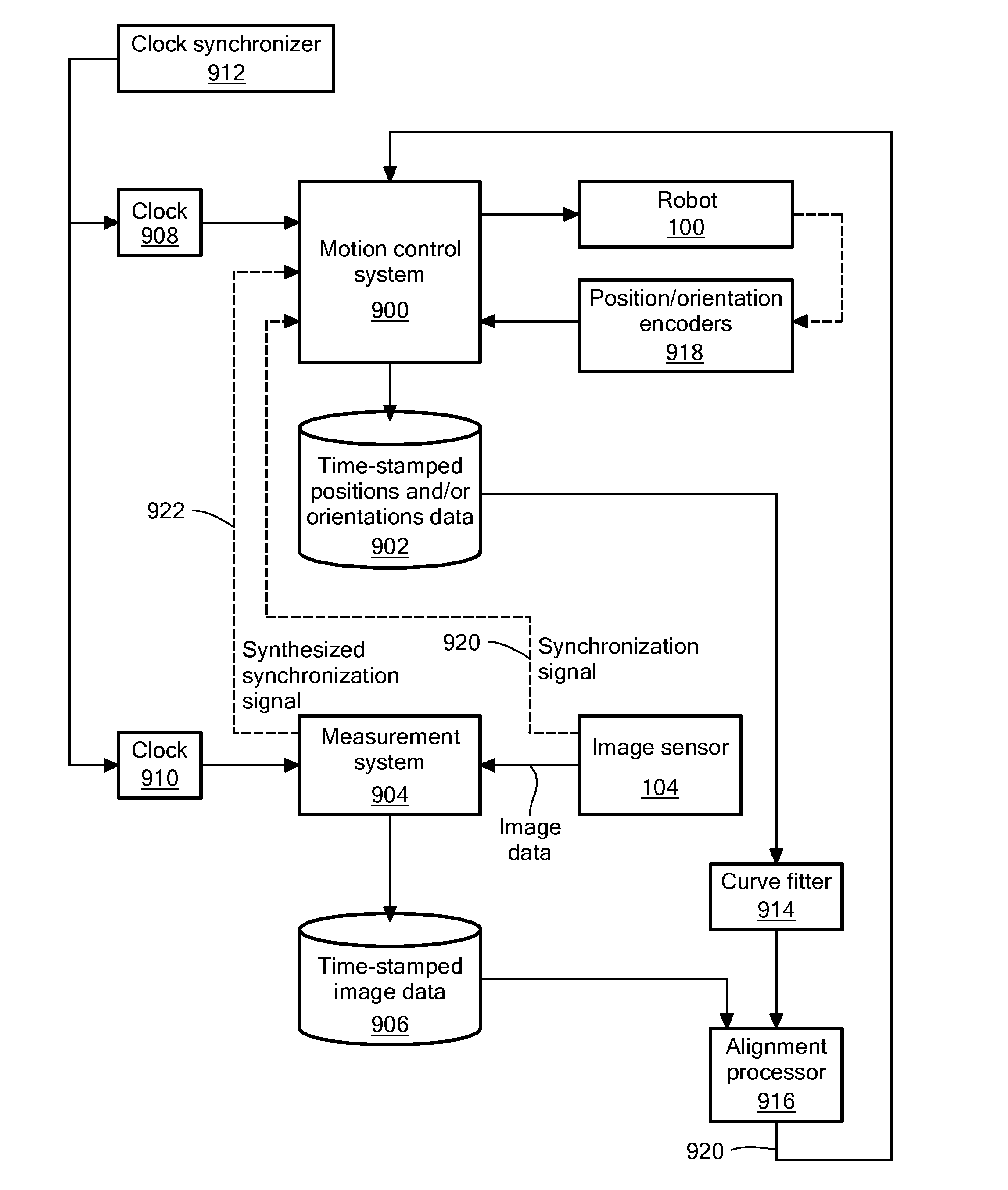
Active Alignment Using Continuous Motion Sweeps and Temporal Interpolation
PatentActiveUS20130274923A1
Innovation
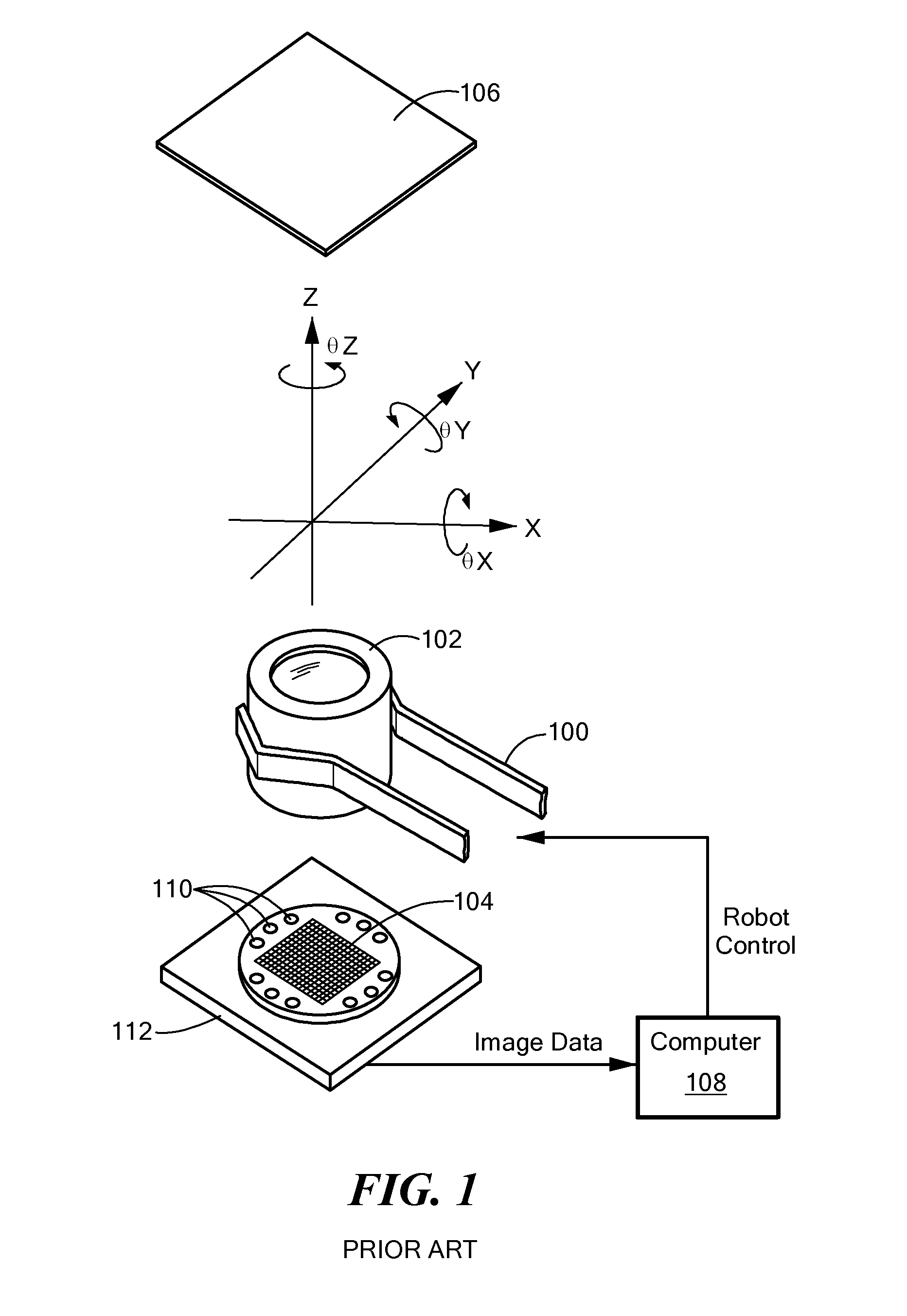
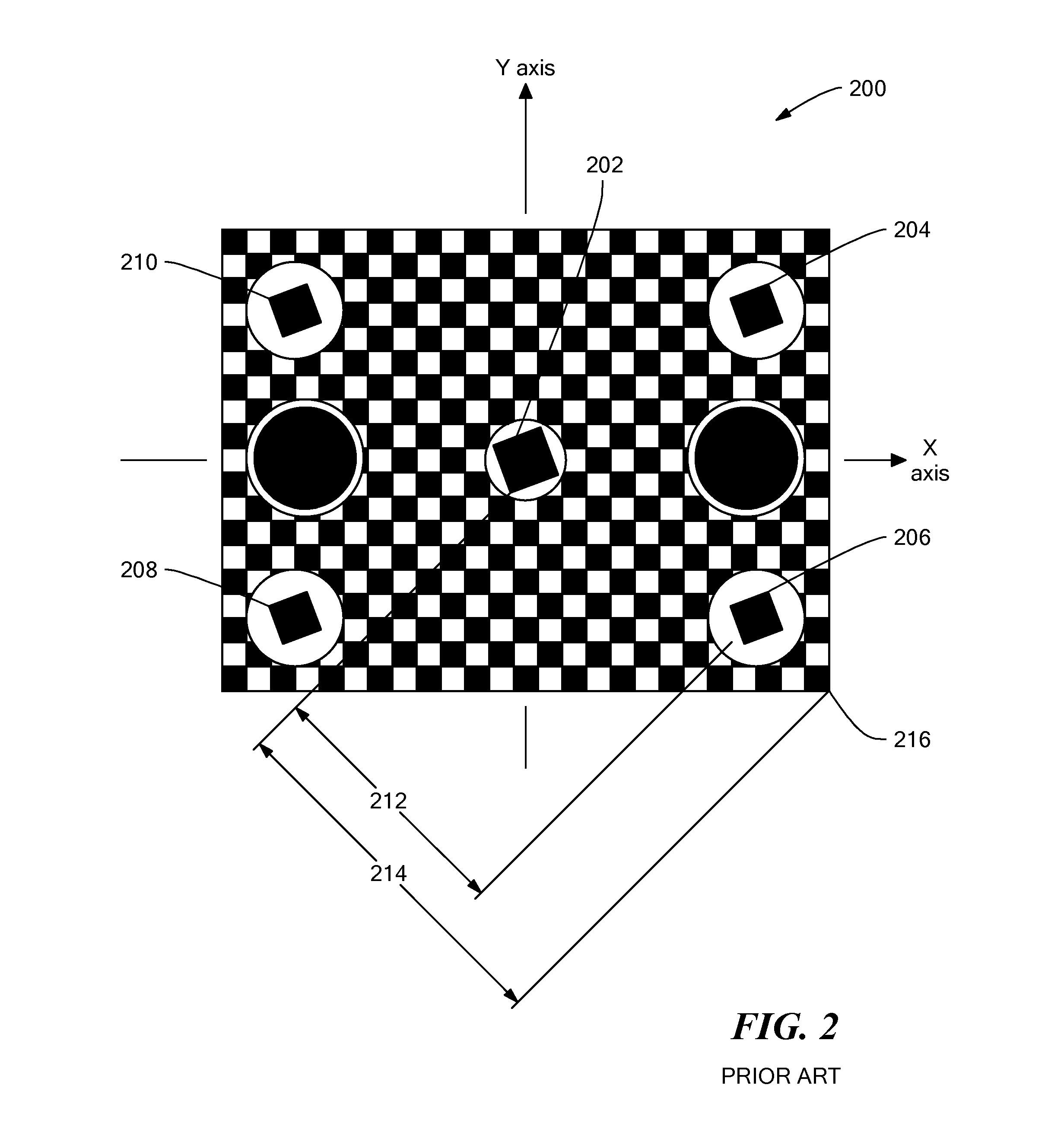
- A computer-implemented method involving continuous motion sweeps of optical elements to collect and analyze alignment data, using a robot to estimate and adjust the position of optical elements based on optical signals and image data from a digital image sensor, allowing for precise alignment across multiple degrees of freedom.

Optical component installation and train alignment process utilizing metrology and plastic deformation
PatentInactiveUS7124928B2
Innovation
- A micro-optical train manufacturing process that involves characterizing the positions of optical components using metrology systems for passive alignment, reducing the need for or shortening the time required for active alignment, by using compatible bonding processes like solder bonding and ultrasonic wire bonding, and employing metrology data to align components with respect to each other and the optical bench.


Supply Chain Integration Standards and Protocols
Supply chain integration standards and protocols serve as the foundational framework for achieving active alignment in logistics operations. These standardized approaches enable seamless communication, data exchange, and process coordination across multiple stakeholders within complex supply networks. The establishment of unified protocols ensures that different systems, platforms, and organizational entities can interact efficiently while maintaining data integrity and operational consistency.
The evolution of supply chain integration has been driven by the need for real-time visibility and coordinated decision-making across distributed networks. Modern integration standards encompass various layers, including data formatting protocols, communication interfaces, security frameworks, and process orchestration guidelines. These standards facilitate the creation of interconnected ecosystems where suppliers, manufacturers, distributors, and logistics providers can operate as a cohesive unit rather than isolated entities.
Contemporary integration protocols leverage advanced technologies such as API-based architectures, blockchain networks, and IoT connectivity standards. These technological foundations enable the implementation of event-driven architectures where supply chain participants can respond dynamically to changes in demand, supply disruptions, or operational constraints. The protocols define standardized message formats, authentication mechanisms, and data validation procedures that ensure reliable information flow across organizational boundaries.
Industry-specific standards have emerged to address unique requirements within different sectors. For instance, automotive supply chains utilize EDIFACT and ANSI X12 standards for electronic data interchange, while retail networks often implement GS1 standards for product identification and traceability. These sector-specific protocols complement broader integration frameworks such as Supply Chain Operations Reference models and collaborative planning standards.
The implementation of robust integration standards directly impacts process streamlining by eliminating manual interventions, reducing data inconsistencies, and enabling automated decision-making capabilities. Organizations that adopt comprehensive integration protocols typically experience significant improvements in order accuracy, inventory optimization, and delivery performance. Furthermore, these standards provide the necessary infrastructure for implementing advanced analytics and artificial intelligence solutions that can enhance predictive capabilities and operational efficiency across the entire supply chain network.
The evolution of supply chain integration has been driven by the need for real-time visibility and coordinated decision-making across distributed networks. Modern integration standards encompass various layers, including data formatting protocols, communication interfaces, security frameworks, and process orchestration guidelines. These standards facilitate the creation of interconnected ecosystems where suppliers, manufacturers, distributors, and logistics providers can operate as a cohesive unit rather than isolated entities.
Contemporary integration protocols leverage advanced technologies such as API-based architectures, blockchain networks, and IoT connectivity standards. These technological foundations enable the implementation of event-driven architectures where supply chain participants can respond dynamically to changes in demand, supply disruptions, or operational constraints. The protocols define standardized message formats, authentication mechanisms, and data validation procedures that ensure reliable information flow across organizational boundaries.
Industry-specific standards have emerged to address unique requirements within different sectors. For instance, automotive supply chains utilize EDIFACT and ANSI X12 standards for electronic data interchange, while retail networks often implement GS1 standards for product identification and traceability. These sector-specific protocols complement broader integration frameworks such as Supply Chain Operations Reference models and collaborative planning standards.
The implementation of robust integration standards directly impacts process streamlining by eliminating manual interventions, reducing data inconsistencies, and enabling automated decision-making capabilities. Organizations that adopt comprehensive integration protocols typically experience significant improvements in order accuracy, inventory optimization, and delivery performance. Furthermore, these standards provide the necessary infrastructure for implementing advanced analytics and artificial intelligence solutions that can enhance predictive capabilities and operational efficiency across the entire supply chain network.
Sustainability Impact of Streamlined Logistics Processes
The implementation of active alignment strategies in logistics operations generates substantial positive environmental impacts through systematic process optimization and resource efficiency improvements. Streamlined logistics processes fundamentally reduce carbon footprints by minimizing transportation distances, optimizing route planning, and eliminating redundant operational steps that contribute to unnecessary fuel consumption and emissions.
Energy consumption reduction represents a primary sustainability benefit of streamlined logistics processes. Advanced alignment technologies enable real-time optimization of warehouse operations, reducing electricity usage through intelligent lighting systems, automated climate control, and optimized equipment utilization patterns. These improvements typically result in 15-25% energy savings compared to traditional logistics operations, directly translating to reduced greenhouse gas emissions and operational costs.
Waste reduction emerges as another critical sustainability dimension through enhanced process alignment. Streamlined operations minimize packaging waste through optimized container utilization, reduce product damage during transportation, and eliminate excess inventory that often leads to disposal of expired or obsolete goods. Digital documentation systems further reduce paper consumption while improving traceability and compliance monitoring capabilities.
Resource optimization through active alignment significantly impacts water usage, material consumption, and land utilization efficiency. Consolidated distribution centers and optimized transportation networks reduce the overall infrastructure footprint required for logistics operations. Smart inventory management systems minimize overproduction and reduce the environmental burden associated with manufacturing excess goods that may never reach consumers.
The circular economy benefits of streamlined logistics processes extend beyond immediate operational improvements. Enhanced tracking capabilities enable better reverse logistics management, facilitating product returns, recycling programs, and refurbishment initiatives. This comprehensive approach to resource management creates closed-loop systems that maximize material utilization while minimizing environmental impact.
Long-term sustainability impacts include reduced urban congestion through optimized delivery scheduling, decreased noise pollution from more efficient transportation routes, and improved air quality in metropolitan areas. These cumulative effects contribute to broader environmental goals while supporting regulatory compliance and corporate sustainability commitments across the logistics industry.
Energy consumption reduction represents a primary sustainability benefit of streamlined logistics processes. Advanced alignment technologies enable real-time optimization of warehouse operations, reducing electricity usage through intelligent lighting systems, automated climate control, and optimized equipment utilization patterns. These improvements typically result in 15-25% energy savings compared to traditional logistics operations, directly translating to reduced greenhouse gas emissions and operational costs.
Waste reduction emerges as another critical sustainability dimension through enhanced process alignment. Streamlined operations minimize packaging waste through optimized container utilization, reduce product damage during transportation, and eliminate excess inventory that often leads to disposal of expired or obsolete goods. Digital documentation systems further reduce paper consumption while improving traceability and compliance monitoring capabilities.
Resource optimization through active alignment significantly impacts water usage, material consumption, and land utilization efficiency. Consolidated distribution centers and optimized transportation networks reduce the overall infrastructure footprint required for logistics operations. Smart inventory management systems minimize overproduction and reduce the environmental burden associated with manufacturing excess goods that may never reach consumers.
The circular economy benefits of streamlined logistics processes extend beyond immediate operational improvements. Enhanced tracking capabilities enable better reverse logistics management, facilitating product returns, recycling programs, and refurbishment initiatives. This comprehensive approach to resource management creates closed-loop systems that maximize material utilization while minimizing environmental impact.
Long-term sustainability impacts include reduced urban congestion through optimized delivery scheduling, decreased noise pollution from more efficient transportation routes, and improved air quality in metropolitan areas. These cumulative effects contribute to broader environmental goals while supporting regulatory compliance and corporate sustainability commitments across the logistics industry.
Unlock deeper insights with PatSnap Eureka Quick Research — get a full tech report to explore trends and direct your research. Try now!
Generate Your Research Report Instantly with AI Agent
Supercharge your innovation with PatSnap Eureka AI Agent Platform!