

Active Alignment in Supply Chain Systems: Efficiency Improvements
APR 15, 20269 MIN READ
Generate Your Research Report Instantly with AI Agent
PatSnap Eureka helps you evaluate technical feasibility & market potential.
Active Alignment Technology Background and Supply Chain Goals
Active alignment in supply chain systems represents a paradigm shift from traditional reactive supply chain management to proactive, intelligent coordination mechanisms. This technology emerged from the convergence of digital transformation, artificial intelligence, and systems theory, addressing the fundamental challenge of synchronizing multiple stakeholders, processes, and resources across complex supply networks. The evolution began with basic supply chain visibility solutions in the early 2000s, progressed through collaborative planning platforms in the 2010s, and has now advanced to autonomous alignment systems powered by machine learning and real-time data analytics.
The historical development of supply chain alignment can be traced through several distinct phases. Initially, supply chains operated in silos with limited information sharing, leading to the bullwhip effect and significant inefficiencies. The introduction of Enterprise Resource Planning (ERP) systems provided internal integration, while Electronic Data Interchange (EDI) enabled basic inter-company communication. The advent of cloud computing and IoT technologies created opportunities for real-time visibility and collaborative decision-making across supply networks.
Current technological trends driving active alignment include artificial intelligence for predictive analytics, blockchain for trust and transparency, Internet of Things for real-time monitoring, and advanced optimization algorithms for dynamic resource allocation. These technologies enable supply chains to move beyond traditional push-pull models toward intelligent, self-adjusting networks that can anticipate and respond to disruptions before they cascade through the system.
The primary technical objectives of active alignment technology center on achieving real-time synchronization of supply and demand signals across all network participants. This involves developing intelligent algorithms that can process vast amounts of data from multiple sources, identify patterns and anomalies, and automatically trigger corrective actions. The technology aims to minimize information latency, reduce forecast errors, and optimize inventory positioning throughout the network.
Key performance targets include reducing supply chain variability by 30-50%, improving forecast accuracy to above 85%, and achieving end-to-end visibility with sub-hour data refresh rates. The ultimate goal is creating autonomous supply networks capable of self-optimization, where alignment decisions are made continuously based on real-time conditions rather than periodic planning cycles. This represents a fundamental shift toward supply chain systems that can adapt and evolve independently while maintaining optimal performance across multiple objectives including cost, service, and sustainability metrics.
The historical development of supply chain alignment can be traced through several distinct phases. Initially, supply chains operated in silos with limited information sharing, leading to the bullwhip effect and significant inefficiencies. The introduction of Enterprise Resource Planning (ERP) systems provided internal integration, while Electronic Data Interchange (EDI) enabled basic inter-company communication. The advent of cloud computing and IoT technologies created opportunities for real-time visibility and collaborative decision-making across supply networks.
Current technological trends driving active alignment include artificial intelligence for predictive analytics, blockchain for trust and transparency, Internet of Things for real-time monitoring, and advanced optimization algorithms for dynamic resource allocation. These technologies enable supply chains to move beyond traditional push-pull models toward intelligent, self-adjusting networks that can anticipate and respond to disruptions before they cascade through the system.
The primary technical objectives of active alignment technology center on achieving real-time synchronization of supply and demand signals across all network participants. This involves developing intelligent algorithms that can process vast amounts of data from multiple sources, identify patterns and anomalies, and automatically trigger corrective actions. The technology aims to minimize information latency, reduce forecast errors, and optimize inventory positioning throughout the network.
Key performance targets include reducing supply chain variability by 30-50%, improving forecast accuracy to above 85%, and achieving end-to-end visibility with sub-hour data refresh rates. The ultimate goal is creating autonomous supply networks capable of self-optimization, where alignment decisions are made continuously based on real-time conditions rather than periodic planning cycles. This represents a fundamental shift toward supply chain systems that can adapt and evolve independently while maintaining optimal performance across multiple objectives including cost, service, and sustainability metrics.
Market Demand for Intelligent Supply Chain Optimization
The global supply chain optimization market has experienced unprecedented growth driven by increasing complexity in modern logistics networks and rising customer expectations for faster, more reliable delivery services. Organizations across industries are recognizing that traditional supply chain management approaches are insufficient to handle the dynamic nature of contemporary business environments, creating substantial demand for intelligent optimization solutions.
E-commerce expansion has fundamentally transformed supply chain requirements, with companies needing to manage multi-channel distribution networks that can adapt to fluctuating demand patterns in real-time. The COVID-19 pandemic further accelerated this trend, exposing vulnerabilities in rigid supply chain structures and highlighting the critical importance of agile, responsive systems capable of maintaining operational continuity during disruptions.
Manufacturing sectors, particularly automotive, electronics, and consumer goods, are driving significant demand for active alignment technologies that can synchronize production schedules with supplier capabilities and market demand. These industries face increasing pressure to reduce inventory costs while maintaining high service levels, creating a compelling business case for intelligent optimization platforms that can balance these competing objectives.
Retail and distribution companies represent another major demand driver, seeking solutions that can optimize inventory positioning across multiple locations while minimizing carrying costs and stockout risks. The rise of omnichannel retail strategies has created complex fulfillment requirements that traditional planning systems struggle to address effectively.
Geographic demand patterns show strong growth in North American and European markets, where established supply chain infrastructures are being modernized with intelligent technologies. Asian markets, particularly China and Southeast Asia, demonstrate rapidly expanding adoption driven by manufacturing growth and e-commerce proliferation.
Small and medium enterprises are emerging as a significant market segment, seeking cloud-based optimization solutions that provide enterprise-level capabilities without requiring substantial capital investments. This democratization of advanced supply chain technologies is expanding the total addressable market considerably.
The increasing focus on sustainability and environmental responsibility is creating additional demand for optimization solutions that can minimize carbon footprints while maintaining operational efficiency. Companies are actively seeking technologies that can optimize transportation routes, reduce waste, and improve resource utilization as part of their corporate sustainability initiatives.
E-commerce expansion has fundamentally transformed supply chain requirements, with companies needing to manage multi-channel distribution networks that can adapt to fluctuating demand patterns in real-time. The COVID-19 pandemic further accelerated this trend, exposing vulnerabilities in rigid supply chain structures and highlighting the critical importance of agile, responsive systems capable of maintaining operational continuity during disruptions.
Manufacturing sectors, particularly automotive, electronics, and consumer goods, are driving significant demand for active alignment technologies that can synchronize production schedules with supplier capabilities and market demand. These industries face increasing pressure to reduce inventory costs while maintaining high service levels, creating a compelling business case for intelligent optimization platforms that can balance these competing objectives.
Retail and distribution companies represent another major demand driver, seeking solutions that can optimize inventory positioning across multiple locations while minimizing carrying costs and stockout risks. The rise of omnichannel retail strategies has created complex fulfillment requirements that traditional planning systems struggle to address effectively.
Geographic demand patterns show strong growth in North American and European markets, where established supply chain infrastructures are being modernized with intelligent technologies. Asian markets, particularly China and Southeast Asia, demonstrate rapidly expanding adoption driven by manufacturing growth and e-commerce proliferation.
Small and medium enterprises are emerging as a significant market segment, seeking cloud-based optimization solutions that provide enterprise-level capabilities without requiring substantial capital investments. This democratization of advanced supply chain technologies is expanding the total addressable market considerably.
The increasing focus on sustainability and environmental responsibility is creating additional demand for optimization solutions that can minimize carbon footprints while maintaining operational efficiency. Companies are actively seeking technologies that can optimize transportation routes, reduce waste, and improve resource utilization as part of their corporate sustainability initiatives.
Current State and Challenges of Active Alignment Systems
Active alignment systems in supply chain management represent a paradigm shift from traditional reactive approaches to proactive, real-time coordination mechanisms. Currently, most supply chain systems operate with limited visibility and delayed response capabilities, relying heavily on historical data and periodic updates. The existing infrastructure predominantly consists of fragmented information systems that struggle to provide comprehensive, real-time insights across multiple supply chain tiers.
The technological foundation of current active alignment systems varies significantly across industries and organizations. Leading companies have implemented advanced Enterprise Resource Planning (ERP) systems integrated with Internet of Things (IoT) sensors, blockchain technology, and artificial intelligence algorithms. However, the majority of supply chain participants still operate with legacy systems that lack interoperability and real-time data processing capabilities. This technological disparity creates significant barriers to achieving true active alignment across entire supply networks.
Data integration remains one of the most persistent challenges facing active alignment implementation. Supply chains typically involve multiple stakeholders with disparate data formats, communication protocols, and information sharing policies. The lack of standardized data exchange mechanisms results in information silos that prevent comprehensive visibility and coordinated decision-making. Additionally, data quality issues, including inconsistent formatting, incomplete records, and delayed updates, further complicate alignment efforts.
Organizational resistance presents another substantial obstacle to active alignment adoption. Traditional supply chain management practices are deeply embedded in corporate cultures, with established workflows and decision-making hierarchies that resist change. Many organizations struggle with the cultural transformation required to embrace collaborative, transparent, and data-driven approaches. The shift from departmental optimization to system-wide coordination often conflicts with existing performance metrics and incentive structures.
Technical scalability challenges emerge as organizations attempt to expand active alignment systems across complex, multi-tier supply networks. Current solutions often perform well in controlled environments or limited pilot programs but face significant performance degradation when scaled to handle thousands of suppliers, multiple product lines, and diverse geographical regions. Network latency, computational limitations, and bandwidth constraints become critical bottlenecks that impede real-time coordination capabilities.
Security and privacy concerns represent growing challenges as active alignment systems require extensive data sharing among supply chain partners. Organizations must balance transparency requirements with competitive sensitivity and regulatory compliance obligations. The increased connectivity and data exchange create expanded attack surfaces for cybersecurity threats, requiring sophisticated security frameworks that many organizations lack the expertise to implement effectively.
The technological foundation of current active alignment systems varies significantly across industries and organizations. Leading companies have implemented advanced Enterprise Resource Planning (ERP) systems integrated with Internet of Things (IoT) sensors, blockchain technology, and artificial intelligence algorithms. However, the majority of supply chain participants still operate with legacy systems that lack interoperability and real-time data processing capabilities. This technological disparity creates significant barriers to achieving true active alignment across entire supply networks.
Data integration remains one of the most persistent challenges facing active alignment implementation. Supply chains typically involve multiple stakeholders with disparate data formats, communication protocols, and information sharing policies. The lack of standardized data exchange mechanisms results in information silos that prevent comprehensive visibility and coordinated decision-making. Additionally, data quality issues, including inconsistent formatting, incomplete records, and delayed updates, further complicate alignment efforts.
Organizational resistance presents another substantial obstacle to active alignment adoption. Traditional supply chain management practices are deeply embedded in corporate cultures, with established workflows and decision-making hierarchies that resist change. Many organizations struggle with the cultural transformation required to embrace collaborative, transparent, and data-driven approaches. The shift from departmental optimization to system-wide coordination often conflicts with existing performance metrics and incentive structures.
Technical scalability challenges emerge as organizations attempt to expand active alignment systems across complex, multi-tier supply networks. Current solutions often perform well in controlled environments or limited pilot programs but face significant performance degradation when scaled to handle thousands of suppliers, multiple product lines, and diverse geographical regions. Network latency, computational limitations, and bandwidth constraints become critical bottlenecks that impede real-time coordination capabilities.
Security and privacy concerns represent growing challenges as active alignment systems require extensive data sharing among supply chain partners. Organizations must balance transparency requirements with competitive sensitivity and regulatory compliance obligations. The increased connectivity and data exchange create expanded attack surfaces for cybersecurity threats, requiring sophisticated security frameworks that many organizations lack the expertise to implement effectively.
Existing Active Alignment Solutions for Supply Chains
01 Optical alignment systems with automated positioning
Active alignment efficiency can be improved through automated optical alignment systems that utilize precision positioning mechanisms and feedback control. These systems employ sensors and actuators to dynamically adjust the position of optical components during assembly, ensuring optimal alignment. The automation reduces manual intervention and increases throughput while maintaining high alignment accuracy.- Optical alignment systems with automated positioning: Active alignment efficiency can be improved through automated optical alignment systems that utilize precision positioning mechanisms and feedback control. These systems employ sensors and actuators to dynamically adjust component positions during assembly, achieving optimal optical coupling. The automation reduces manual intervention and increases throughput while maintaining high alignment accuracy.
- Multi-axis alignment mechanisms for optical components: Enhanced alignment efficiency is achieved through multi-axis positioning systems that allow simultaneous adjustment in multiple degrees of freedom. These mechanisms enable precise control of translational and rotational movements, facilitating faster convergence to optimal alignment positions. The systems often incorporate fine-tuning capabilities for sub-micron level accuracy.
- Real-time monitoring and feedback systems: Active alignment processes benefit from real-time monitoring systems that continuously measure alignment quality during the positioning process. These systems use optical power measurements, image analysis, or other sensing techniques to provide immediate feedback, enabling rapid adjustments and reducing alignment time. The feedback loop ensures consistent quality and minimizes alignment errors.
- Adhesive curing methods during active alignment: Alignment efficiency is maintained through controlled adhesive curing techniques that fix components in their optimal positions. These methods include UV curing, thermal curing, or dual-cure systems that allow sufficient time for alignment verification before permanent bonding. The curing process is designed to minimize positional drift and maintain alignment accuracy achieved during the active positioning phase.
- Machine vision and pattern recognition for alignment: Advanced machine vision systems enhance active alignment efficiency by automatically detecting alignment features and calculating optimal positions. Pattern recognition algorithms process images from cameras to identify reference marks, edges, or optical patterns, enabling rapid and accurate positioning. These systems reduce operator dependency and improve repeatability across multiple alignment operations.
02 Real-time monitoring and measurement techniques
Implementation of real-time monitoring systems during the active alignment process enables continuous measurement of alignment parameters. These techniques utilize optical sensors, cameras, or interferometric methods to provide immediate feedback on alignment quality. The real-time data allows for rapid adjustments and optimization, significantly improving the efficiency of the alignment process and reducing cycle time.Expand Specific Solutions03 Multi-axis alignment control mechanisms
Advanced multi-axis control systems enable simultaneous adjustment of multiple degrees of freedom during active alignment. These mechanisms incorporate precision stages and coordinated motion control to optimize alignment in multiple dimensions concurrently. The parallel processing capability of multi-axis systems substantially reduces alignment time compared to sequential single-axis approaches.Expand Specific Solutions04 Machine learning and optimization algorithms
Integration of machine learning algorithms and optimization techniques enhances active alignment efficiency by predicting optimal alignment parameters and reducing search time. These intelligent systems learn from previous alignment operations to improve speed and accuracy. Adaptive algorithms can compensate for variations in components and environmental conditions, leading to more robust and efficient alignment processes.Expand Specific Solutions05 Fixture design and component handling systems
Specialized fixture designs and automated component handling systems contribute to improved active alignment efficiency by ensuring stable positioning and rapid component exchange. These systems minimize mechanical drift and vibration during alignment while facilitating high-throughput processing. Ergonomic fixture designs also reduce setup time and enable consistent repeatability across multiple alignment operations.Expand Specific Solutions
Key Players in Active Alignment and Supply Chain Industry
The active alignment technology in supply chain systems represents a rapidly evolving market driven by increasing demand for operational efficiency and real-time optimization. The industry is transitioning from traditional reactive approaches to proactive, AI-driven solutions, with market growth accelerated by digital transformation initiatives across sectors. Technology maturity varies significantly among key players: established enterprise software leaders like SAP SE and IBM offer comprehensive but complex solutions, while specialized companies like Oii Inc. and Blue Yonder Group focus on AI-powered optimization platforms. Manufacturing giants including Hon Hai Precision, TSMC, and FedEx bring operational expertise and implementation capabilities. Emerging players like Changsha Xingshen demonstrate innovation in autonomous systems integration. The competitive landscape shows convergence between traditional ERP providers, logistics specialists, and technology innovators, indicating a maturing ecosystem where active alignment capabilities are becoming essential for supply chain competitiveness.
SAP SE
Technical Solution: SAP provides comprehensive supply chain management solutions through SAP Integrated Business Planning (IBP) and SAP Ariba Network, enabling real-time visibility and active alignment across supply chain partners. Their platform utilizes machine learning algorithms to optimize demand forecasting, inventory management, and supplier collaboration. The system integrates procurement, manufacturing, and logistics data to create synchronized supply chain operations with automated exception management and predictive analytics for proactive decision-making.
Strengths: Market-leading ERP integration, extensive partner ecosystem, advanced analytics capabilities. Weaknesses: High implementation complexity, significant cost investment, requires substantial organizational change management.
Telefonaktiebolaget LM Ericsson
Technical Solution: Ericsson provides IoT-enabled supply chain solutions through their Connected Vehicle Cloud and Industrial IoT platforms. Their technology enables active alignment by connecting supply chain assets with 5G networks for real-time monitoring and control. The system offers predictive maintenance, automated inventory tracking, and dynamic logistics optimization that improves supply chain responsiveness and reduces operational costs through enhanced connectivity and data-driven insights across manufacturing and distribution networks.
Strengths: Leading 5G and IoT connectivity expertise, strong industrial automation capabilities, global telecommunications infrastructure. Weaknesses: Limited supply chain software experience, primarily technology enabler rather than complete solution provider, requires integration with specialized SCM platforms.
Core Innovations in Real-time Supply Chain Alignment
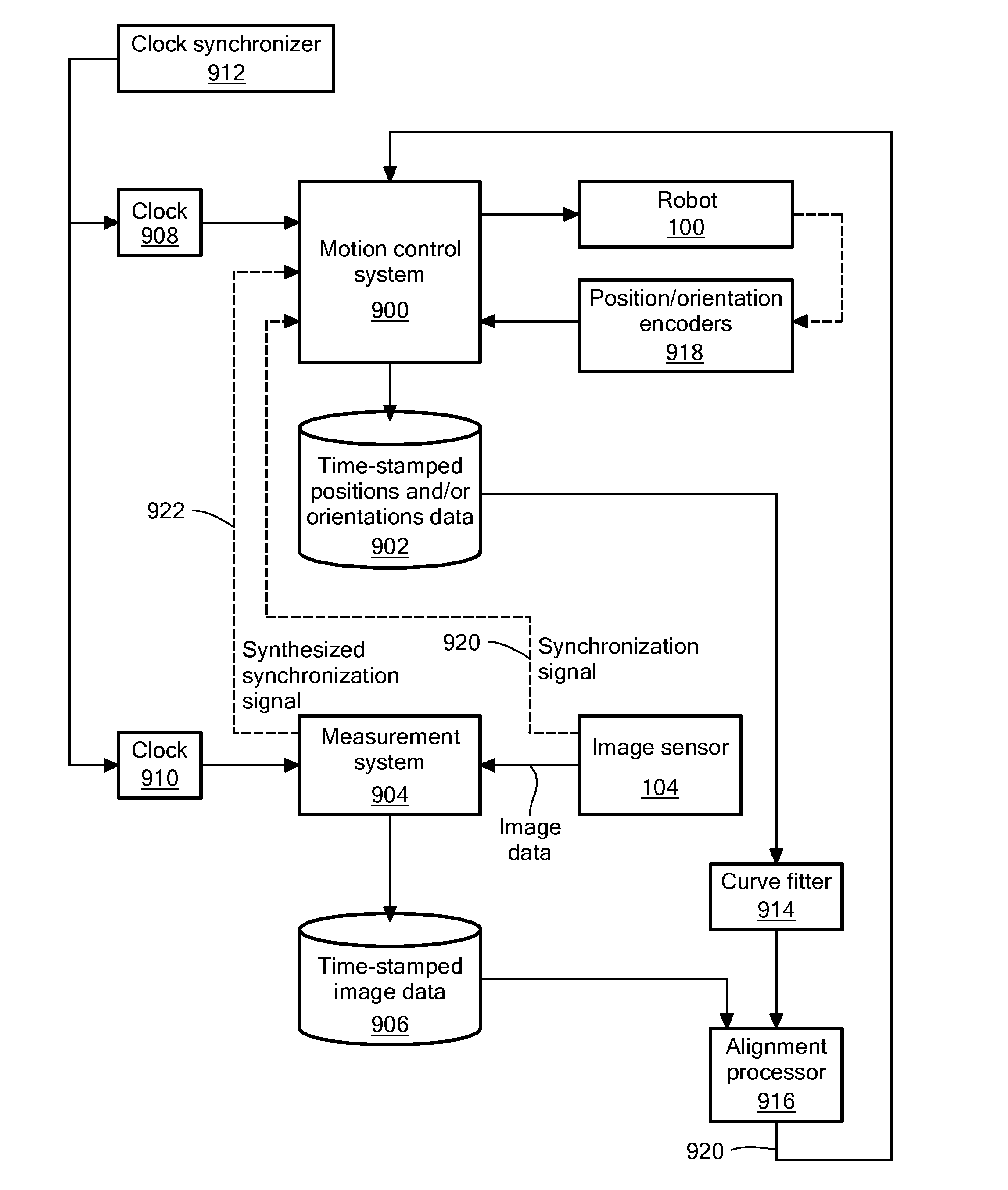
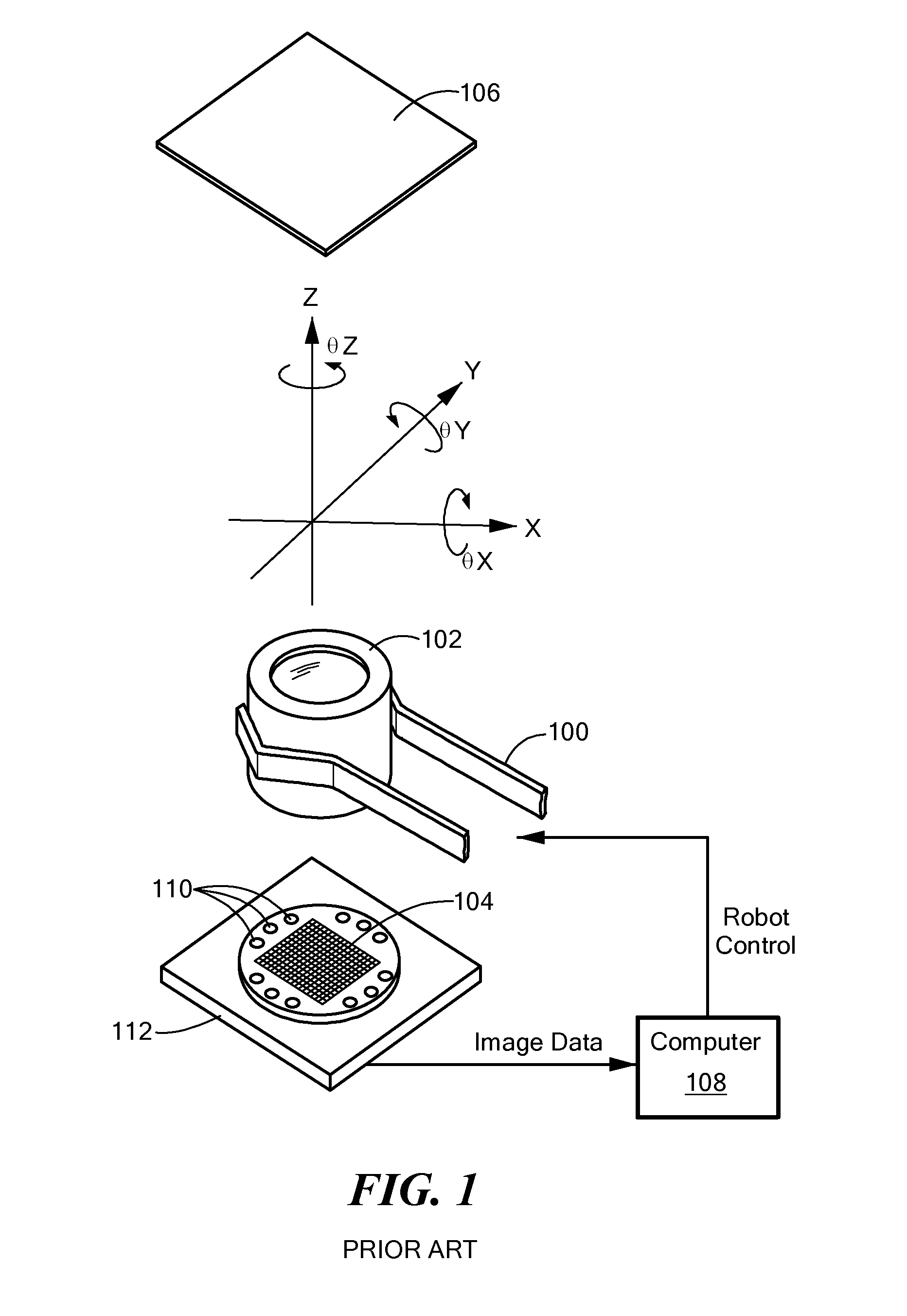
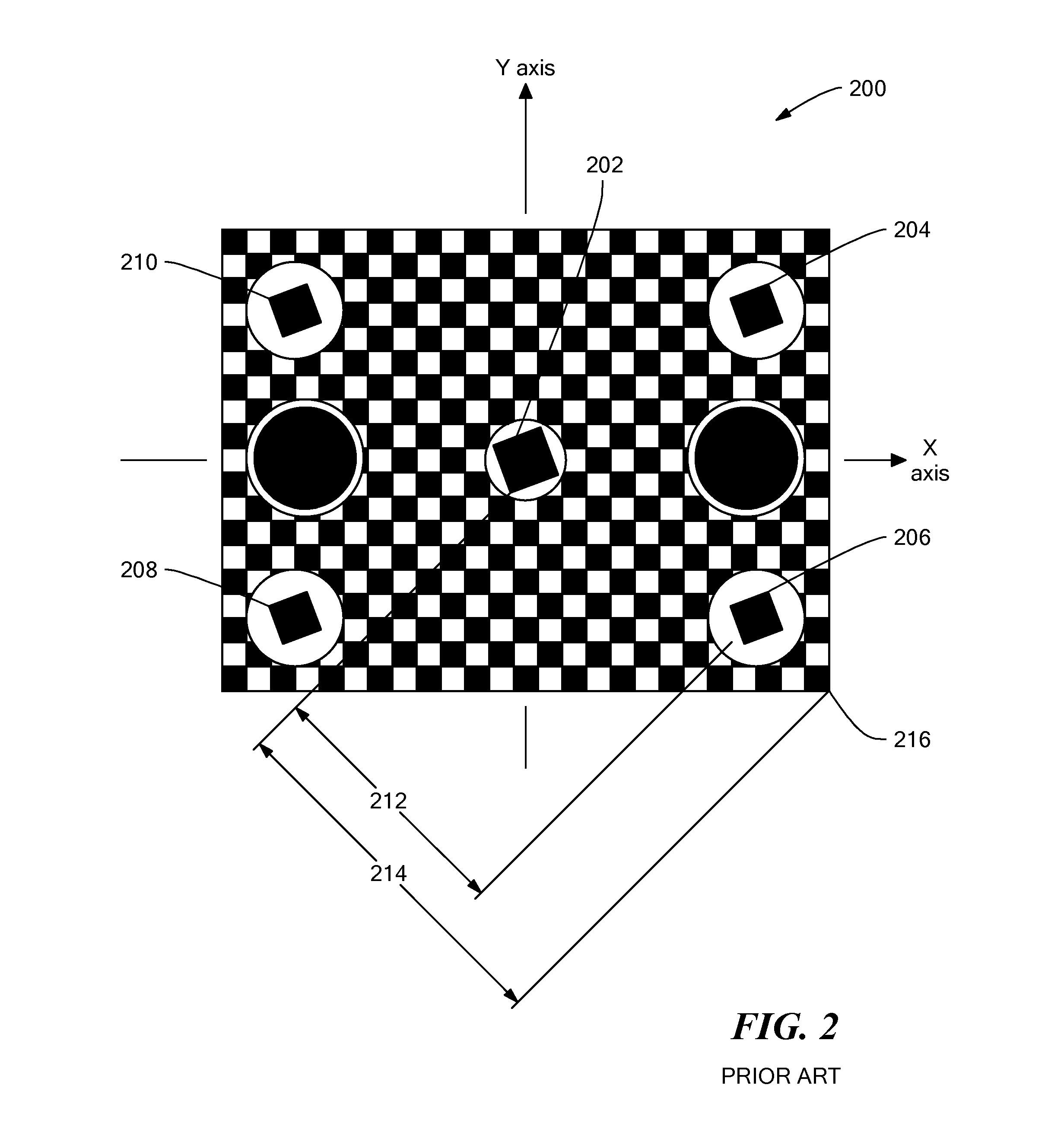
Active alignment using continuous motion sweeps and temporal interpolation
PatentActiveEP2836869A1
Innovation
- A computer-implemented method using continuous motion sweeps and temporal interpolation to actively align optical elements by scanning along trajectories, acquiring alignment data, and estimating the desired alignment position based on collected data, allowing for precise positioning and orientation adjustments.
Active Alignment Using Continuous Motion Sweeps and Temporal Interpolation
PatentActiveUS20130274923A1
Innovation
- A computer-implemented method involving continuous motion sweeps of optical elements to collect and analyze alignment data, using a robot to estimate and adjust the position of optical elements based on optical signals and image data from a digital image sensor, allowing for precise alignment across multiple degrees of freedom.

Digital Supply Chain Standards and Compliance Framework
The establishment of comprehensive digital supply chain standards represents a critical foundation for achieving active alignment across interconnected supply networks. Current industry frameworks primarily focus on data exchange protocols, with emerging standards like GS1 Digital Link and EPCIS 2.0 providing structured approaches to product identification and event sharing. These standards enable real-time visibility into supply chain operations, facilitating the coordination mechanisms essential for active alignment strategies.
Compliance frameworks within digital supply chains encompass multiple regulatory dimensions, including data privacy regulations such as GDPR, industry-specific requirements like FDA's Drug Supply Chain Security Act, and emerging sustainability reporting mandates. The integration of these compliance requirements into digital platforms creates standardized pathways for monitoring and reporting supply chain activities, directly supporting alignment objectives through consistent performance metrics and accountability structures.
Interoperability standards play a pivotal role in enabling seamless communication between diverse supply chain stakeholders. The adoption of API-first architectures, combined with standardized data models like the Open Applications Group Integration Specification (OAGIS), allows for dynamic coordination between suppliers, manufacturers, and distributors. These technical standards reduce integration complexity while enabling the rapid information flows necessary for responsive supply chain alignment.
Blockchain-based compliance frameworks are emerging as powerful tools for ensuring transparency and traceability in supply chain operations. Standards such as the Hyperledger Supply Chain Special Interest Group specifications provide decentralized verification mechanisms that support trust-building between partners while maintaining compliance with regulatory requirements. This technological approach enhances the reliability of alignment mechanisms by creating immutable records of supply chain transactions and performance data.
The convergence of IoT standards, including protocols like MQTT and CoAP, with supply chain management systems enables granular monitoring of physical assets and processes. These standards facilitate the collection of real-time operational data that feeds into alignment algorithms, supporting predictive analytics and automated decision-making processes that optimize supply chain efficiency while maintaining compliance with established operational and regulatory standards.
Compliance frameworks within digital supply chains encompass multiple regulatory dimensions, including data privacy regulations such as GDPR, industry-specific requirements like FDA's Drug Supply Chain Security Act, and emerging sustainability reporting mandates. The integration of these compliance requirements into digital platforms creates standardized pathways for monitoring and reporting supply chain activities, directly supporting alignment objectives through consistent performance metrics and accountability structures.
Interoperability standards play a pivotal role in enabling seamless communication between diverse supply chain stakeholders. The adoption of API-first architectures, combined with standardized data models like the Open Applications Group Integration Specification (OAGIS), allows for dynamic coordination between suppliers, manufacturers, and distributors. These technical standards reduce integration complexity while enabling the rapid information flows necessary for responsive supply chain alignment.
Blockchain-based compliance frameworks are emerging as powerful tools for ensuring transparency and traceability in supply chain operations. Standards such as the Hyperledger Supply Chain Special Interest Group specifications provide decentralized verification mechanisms that support trust-building between partners while maintaining compliance with regulatory requirements. This technological approach enhances the reliability of alignment mechanisms by creating immutable records of supply chain transactions and performance data.
The convergence of IoT standards, including protocols like MQTT and CoAP, with supply chain management systems enables granular monitoring of physical assets and processes. These standards facilitate the collection of real-time operational data that feeds into alignment algorithms, supporting predictive analytics and automated decision-making processes that optimize supply chain efficiency while maintaining compliance with established operational and regulatory standards.
Sustainability Impact of Active Alignment Technologies
Active alignment technologies in supply chain systems represent a paradigm shift toward environmentally conscious operations, fundamentally transforming how organizations approach sustainability challenges. These technologies enable real-time coordination and optimization across supply chain networks, resulting in substantial reductions in carbon emissions, waste generation, and resource consumption. By implementing intelligent synchronization mechanisms, companies can minimize transportation inefficiencies, reduce inventory redundancies, and optimize energy usage throughout their operational networks.
The environmental benefits of active alignment extend beyond immediate operational improvements to encompass broader ecological impact reduction. Advanced predictive analytics and machine learning algorithms enable supply chains to anticipate demand fluctuations more accurately, thereby reducing overproduction and associated waste streams. This technological capability directly contributes to circular economy principles by optimizing resource utilization and minimizing material waste across production cycles.
Carbon footprint reduction emerges as a primary sustainability outcome of active alignment implementation. Through dynamic route optimization and load consolidation algorithms, transportation-related emissions can be reduced by 15-30% compared to traditional supply chain management approaches. Additionally, energy-efficient warehouse operations and automated inventory management systems contribute to overall greenhouse gas emission reductions across the supply chain ecosystem.
Resource conservation represents another critical sustainability dimension enhanced by active alignment technologies. Smart inventory management systems reduce raw material waste through precise demand forecasting and just-in-time delivery mechanisms. Water usage optimization in manufacturing processes, enabled by real-time monitoring and adjustment capabilities, can achieve 20-40% reduction in water consumption across industrial operations.
The long-term sustainability impact extends to supply chain resilience and adaptability. Active alignment technologies enable organizations to respond more effectively to environmental disruptions while maintaining operational efficiency. This adaptive capacity supports sustainable business practices by reducing the need for emergency interventions that often result in increased environmental impact.
Furthermore, these technologies facilitate compliance with evolving environmental regulations and sustainability reporting requirements. Automated data collection and analysis capabilities provide comprehensive visibility into environmental performance metrics, enabling organizations to demonstrate measurable progress toward sustainability goals and regulatory compliance objectives.
The environmental benefits of active alignment extend beyond immediate operational improvements to encompass broader ecological impact reduction. Advanced predictive analytics and machine learning algorithms enable supply chains to anticipate demand fluctuations more accurately, thereby reducing overproduction and associated waste streams. This technological capability directly contributes to circular economy principles by optimizing resource utilization and minimizing material waste across production cycles.
Carbon footprint reduction emerges as a primary sustainability outcome of active alignment implementation. Through dynamic route optimization and load consolidation algorithms, transportation-related emissions can be reduced by 15-30% compared to traditional supply chain management approaches. Additionally, energy-efficient warehouse operations and automated inventory management systems contribute to overall greenhouse gas emission reductions across the supply chain ecosystem.
Resource conservation represents another critical sustainability dimension enhanced by active alignment technologies. Smart inventory management systems reduce raw material waste through precise demand forecasting and just-in-time delivery mechanisms. Water usage optimization in manufacturing processes, enabled by real-time monitoring and adjustment capabilities, can achieve 20-40% reduction in water consumption across industrial operations.
The long-term sustainability impact extends to supply chain resilience and adaptability. Active alignment technologies enable organizations to respond more effectively to environmental disruptions while maintaining operational efficiency. This adaptive capacity supports sustainable business practices by reducing the need for emergency interventions that often result in increased environmental impact.
Furthermore, these technologies facilitate compliance with evolving environmental regulations and sustainability reporting requirements. Automated data collection and analysis capabilities provide comprehensive visibility into environmental performance metrics, enabling organizations to demonstrate measurable progress toward sustainability goals and regulatory compliance objectives.
Unlock deeper insights with PatSnap Eureka Quick Research — get a full tech report to explore trends and direct your research. Try now!
Generate Your Research Report Instantly with AI Agent
Supercharge your innovation with PatSnap Eureka AI Agent Platform!