
Adaptive Network Control in Maritime Communications: Coverage
MAR 18, 20269 MIN READ
Generate Your Research Report Instantly with AI Agent
Patsnap Eureka helps you evaluate technical feasibility & market potential.
Maritime Network Control Background and Objectives
Maritime communications have undergone significant transformation over the past decades, evolving from basic radio frequency systems to sophisticated satellite-based networks. The maritime industry's increasing reliance on digital connectivity for navigation, safety, cargo management, and crew welfare has created unprecedented demands for reliable and comprehensive network coverage across vast oceanic territories.
Traditional maritime communication systems face inherent limitations due to the challenging marine environment, including signal attenuation over long distances, interference from weather conditions, and the dynamic nature of vessel movements. These constraints have historically resulted in communication dead zones and inconsistent service quality, particularly in remote oceanic regions where terrestrial infrastructure is unavailable.
The emergence of adaptive network control represents a paradigm shift in addressing maritime communication challenges. This technology leverages intelligent algorithms and dynamic resource allocation to optimize network performance in real-time, responding to changing environmental conditions and traffic demands. The integration of multiple communication technologies, including satellite constellations, high-frequency radio, and emerging 5G maritime networks, creates opportunities for seamless coverage enhancement.
Current maritime operations demand continuous connectivity for critical applications such as vessel traffic management systems, emergency response coordination, weather monitoring, and commercial logistics. The International Maritime Organization's regulations increasingly emphasize the importance of reliable communication systems for safety and environmental protection, driving the need for advanced network control solutions.
The primary objective of adaptive network control in maritime communications is to achieve ubiquitous coverage that maintains consistent service quality regardless of geographical location or environmental conditions. This involves developing intelligent switching mechanisms between different communication channels, optimizing bandwidth allocation based on priority traffic, and implementing predictive algorithms that anticipate coverage gaps before they occur.
Secondary objectives include reducing operational costs through efficient resource utilization, enhancing network resilience against equipment failures or adverse weather conditions, and supporting the growing bandwidth requirements of modern maritime applications. The technology aims to create self-healing networks that can automatically reconfigure themselves to maintain optimal performance while minimizing human intervention requirements.
Future maritime communication networks must also accommodate the integration of autonomous vessels, Internet of Things sensors, and advanced navigation systems, necessitating scalable and flexible network architectures that can adapt to evolving technological requirements and regulatory frameworks.
Traditional maritime communication systems face inherent limitations due to the challenging marine environment, including signal attenuation over long distances, interference from weather conditions, and the dynamic nature of vessel movements. These constraints have historically resulted in communication dead zones and inconsistent service quality, particularly in remote oceanic regions where terrestrial infrastructure is unavailable.
The emergence of adaptive network control represents a paradigm shift in addressing maritime communication challenges. This technology leverages intelligent algorithms and dynamic resource allocation to optimize network performance in real-time, responding to changing environmental conditions and traffic demands. The integration of multiple communication technologies, including satellite constellations, high-frequency radio, and emerging 5G maritime networks, creates opportunities for seamless coverage enhancement.
Current maritime operations demand continuous connectivity for critical applications such as vessel traffic management systems, emergency response coordination, weather monitoring, and commercial logistics. The International Maritime Organization's regulations increasingly emphasize the importance of reliable communication systems for safety and environmental protection, driving the need for advanced network control solutions.
The primary objective of adaptive network control in maritime communications is to achieve ubiquitous coverage that maintains consistent service quality regardless of geographical location or environmental conditions. This involves developing intelligent switching mechanisms between different communication channels, optimizing bandwidth allocation based on priority traffic, and implementing predictive algorithms that anticipate coverage gaps before they occur.
Secondary objectives include reducing operational costs through efficient resource utilization, enhancing network resilience against equipment failures or adverse weather conditions, and supporting the growing bandwidth requirements of modern maritime applications. The technology aims to create self-healing networks that can automatically reconfigure themselves to maintain optimal performance while minimizing human intervention requirements.
Future maritime communication networks must also accommodate the integration of autonomous vessels, Internet of Things sensors, and advanced navigation systems, necessitating scalable and flexible network architectures that can adapt to evolving technological requirements and regulatory frameworks.
Market Demand for Adaptive Maritime Communication Systems
The maritime communications market is experiencing unprecedented growth driven by the digital transformation of shipping operations and increasing regulatory requirements for vessel connectivity. Traditional maritime communication systems face significant limitations in providing consistent coverage across vast ocean territories, creating substantial demand for adaptive solutions that can dynamically adjust to varying environmental conditions and operational requirements.
Commercial shipping represents the largest segment driving demand for adaptive maritime communication systems. Global trade volumes continue to expand, with shipping companies requiring reliable real-time communication for cargo tracking, route optimization, and operational efficiency. The need for continuous connectivity has intensified as supply chain visibility becomes critical for just-in-time delivery models and customer satisfaction.
The offshore energy sector constitutes another major demand driver, particularly with the expansion of offshore wind farms and deep-water oil exploration activities. These operations require robust communication networks that can maintain coverage across distributed assets in challenging maritime environments. Adaptive network control becomes essential for coordinating complex offshore operations and ensuring worker safety in remote locations.
Regulatory compliance requirements are significantly influencing market demand. International Maritime Organization mandates for vessel tracking, environmental monitoring, and safety reporting necessitate reliable communication systems. The Global Maritime Distress and Safety System requirements further emphasize the need for adaptive coverage solutions that can maintain connectivity during emergency situations.
Fishing industry modernization is creating additional market opportunities. Commercial fishing fleets increasingly rely on real-time data for catch reporting, weather updates, and vessel monitoring systems. Adaptive communication networks enable fishing operations to maintain connectivity while operating in remote fishing grounds where traditional coverage may be intermittent.
The cruise and passenger ferry sectors demand high-quality communication services to meet passenger expectations for internet connectivity and entertainment services. These applications require adaptive systems capable of managing varying bandwidth demands while maintaining consistent coverage across popular maritime routes.
Military and coast guard applications represent a specialized but significant market segment. Naval operations require secure, reliable communication networks that can adapt to tactical requirements and maintain coverage across diverse operational theaters. Border patrol and maritime security operations similarly depend on adaptive communication systems for coordinating surveillance and response activities.
Emerging applications in autonomous shipping and remote vessel operations are creating new demand patterns. Unmanned surface vehicles and autonomous cargo ships require sophisticated communication systems with adaptive coverage capabilities to ensure safe navigation and remote monitoring. These applications demand ultra-reliable connectivity with minimal latency requirements.
Commercial shipping represents the largest segment driving demand for adaptive maritime communication systems. Global trade volumes continue to expand, with shipping companies requiring reliable real-time communication for cargo tracking, route optimization, and operational efficiency. The need for continuous connectivity has intensified as supply chain visibility becomes critical for just-in-time delivery models and customer satisfaction.
The offshore energy sector constitutes another major demand driver, particularly with the expansion of offshore wind farms and deep-water oil exploration activities. These operations require robust communication networks that can maintain coverage across distributed assets in challenging maritime environments. Adaptive network control becomes essential for coordinating complex offshore operations and ensuring worker safety in remote locations.
Regulatory compliance requirements are significantly influencing market demand. International Maritime Organization mandates for vessel tracking, environmental monitoring, and safety reporting necessitate reliable communication systems. The Global Maritime Distress and Safety System requirements further emphasize the need for adaptive coverage solutions that can maintain connectivity during emergency situations.
Fishing industry modernization is creating additional market opportunities. Commercial fishing fleets increasingly rely on real-time data for catch reporting, weather updates, and vessel monitoring systems. Adaptive communication networks enable fishing operations to maintain connectivity while operating in remote fishing grounds where traditional coverage may be intermittent.
The cruise and passenger ferry sectors demand high-quality communication services to meet passenger expectations for internet connectivity and entertainment services. These applications require adaptive systems capable of managing varying bandwidth demands while maintaining consistent coverage across popular maritime routes.
Military and coast guard applications represent a specialized but significant market segment. Naval operations require secure, reliable communication networks that can adapt to tactical requirements and maintain coverage across diverse operational theaters. Border patrol and maritime security operations similarly depend on adaptive communication systems for coordinating surveillance and response activities.
Emerging applications in autonomous shipping and remote vessel operations are creating new demand patterns. Unmanned surface vehicles and autonomous cargo ships require sophisticated communication systems with adaptive coverage capabilities to ensure safe navigation and remote monitoring. These applications demand ultra-reliable connectivity with minimal latency requirements.
Current Maritime Network Coverage Challenges and Constraints
Maritime communication networks face unprecedented challenges in providing reliable and comprehensive coverage across vast oceanic territories. The fundamental constraint stems from the inherent limitations of terrestrial infrastructure, which cannot extend beyond coastal regions, leaving extensive maritime areas dependent on satellite-based solutions or sparse shore-based systems with limited range capabilities.
Satellite communication systems, while offering global reach, present significant technical and economic constraints. High latency issues, typically ranging from 500-600 milliseconds for geostationary satellites, severely impact real-time communication requirements essential for navigation safety and emergency response. Additionally, the substantial costs associated with satellite bandwidth allocation create economic barriers for widespread adoption, particularly affecting smaller maritime operators and fishing fleets.
Geographic coverage gaps represent another critical challenge, especially in polar regions and remote oceanic areas where satellite footprints may be inadequate or entirely absent. These coverage voids create dangerous communication blackouts that compromise vessel safety and operational efficiency. The problem is exacerbated by atmospheric interference, weather-related signal degradation, and the dynamic nature of maritime environments.
Traditional Very High Frequency (VHF) radio systems, while reliable for short-range communications, are fundamentally limited by line-of-sight propagation characteristics. This constraint restricts effective communication range to approximately 20-30 nautical miles under optimal conditions, creating significant coverage gaps in open ocean scenarios where vessels operate hundreds of miles from shore stations.
The heterogeneous nature of maritime communication infrastructure presents interoperability challenges. Different systems operating across various frequency bands, protocols, and standards create fragmented networks that struggle to provide seamless coverage transitions. This fragmentation is particularly problematic when vessels move between different maritime zones or when emergency situations require coordinated multi-system responses.
Power consumption constraints aboard vessels further complicate network coverage solutions. Maritime communication equipment must balance transmission power requirements with onboard energy limitations, often resulting in reduced transmission ranges or intermittent connectivity to preserve critical ship systems.
Regulatory complexities across international waters and different national jurisdictions create additional constraints on network deployment and operation. Varying spectrum allocation policies, licensing requirements, and technical standards across maritime zones limit the implementation of unified coverage solutions, forcing operators to navigate complex regulatory frameworks that can impede optimal network performance.
Satellite communication systems, while offering global reach, present significant technical and economic constraints. High latency issues, typically ranging from 500-600 milliseconds for geostationary satellites, severely impact real-time communication requirements essential for navigation safety and emergency response. Additionally, the substantial costs associated with satellite bandwidth allocation create economic barriers for widespread adoption, particularly affecting smaller maritime operators and fishing fleets.
Geographic coverage gaps represent another critical challenge, especially in polar regions and remote oceanic areas where satellite footprints may be inadequate or entirely absent. These coverage voids create dangerous communication blackouts that compromise vessel safety and operational efficiency. The problem is exacerbated by atmospheric interference, weather-related signal degradation, and the dynamic nature of maritime environments.
Traditional Very High Frequency (VHF) radio systems, while reliable for short-range communications, are fundamentally limited by line-of-sight propagation characteristics. This constraint restricts effective communication range to approximately 20-30 nautical miles under optimal conditions, creating significant coverage gaps in open ocean scenarios where vessels operate hundreds of miles from shore stations.
The heterogeneous nature of maritime communication infrastructure presents interoperability challenges. Different systems operating across various frequency bands, protocols, and standards create fragmented networks that struggle to provide seamless coverage transitions. This fragmentation is particularly problematic when vessels move between different maritime zones or when emergency situations require coordinated multi-system responses.
Power consumption constraints aboard vessels further complicate network coverage solutions. Maritime communication equipment must balance transmission power requirements with onboard energy limitations, often resulting in reduced transmission ranges or intermittent connectivity to preserve critical ship systems.
Regulatory complexities across international waters and different national jurisdictions create additional constraints on network deployment and operation. Varying spectrum allocation policies, licensing requirements, and technical standards across maritime zones limit the implementation of unified coverage solutions, forcing operators to navigate complex regulatory frameworks that can impede optimal network performance.
Existing Adaptive Network Control Solutions for Maritime
01 Dynamic coverage adjustment based on network conditions
Adaptive network control systems can dynamically adjust coverage areas based on real-time network conditions such as traffic load, user density, and signal quality. The system monitors network parameters and automatically modifies cell coverage patterns, transmission power levels, or antenna configurations to optimize network performance. This approach enables efficient resource utilization and maintains quality of service across varying network demands.- Dynamic coverage adjustment based on network conditions: Adaptive network control systems can dynamically adjust coverage areas based on real-time network conditions such as traffic load, user density, and signal quality. The system monitors network parameters and automatically modifies cell coverage patterns, transmission power levels, or antenna configurations to optimize service delivery. This approach enables efficient resource utilization and maintains quality of service across varying network demands.
- Self-organizing network mechanisms for coverage optimization: Self-organizing network technologies enable automatic configuration and optimization of coverage parameters without manual intervention. These mechanisms utilize algorithms that analyze network topology, interference patterns, and performance metrics to autonomously adjust coverage settings. The system can detect coverage gaps or overlaps and implement corrective actions to ensure seamless connectivity across the network infrastructure.
- Multi-layer heterogeneous network coverage coordination: Coordination between multiple network layers including macro cells, small cells, and distributed antenna systems provides adaptive coverage control. The system manages interference between different network tiers and allocates resources across heterogeneous network elements to extend coverage and enhance capacity. This hierarchical approach allows flexible coverage adaptation based on spatial and temporal traffic variations.
- Beamforming and antenna array control for adaptive coverage: Advanced antenna technologies including beamforming and massive antenna arrays enable precise control of coverage patterns. The system can electronically steer beams toward specific users or areas, creating adaptive coverage zones that respond to user distribution and mobility patterns. This technique improves signal strength in targeted areas while reducing interference in others, enhancing overall network performance.
- Machine learning-based predictive coverage management: Machine learning algorithms analyze historical and real-time data to predict coverage requirements and proactively adjust network parameters. The system learns from traffic patterns, user behavior, and environmental factors to anticipate coverage needs before degradation occurs. Predictive models enable preemptive optimization of coverage configurations, reducing service disruptions and improving user experience.
02 Self-organizing network mechanisms for coverage optimization
Self-organizing network technologies enable automatic configuration and optimization of coverage parameters without manual intervention. These mechanisms utilize algorithms that analyze network topology, interference patterns, and performance metrics to autonomously adjust coverage settings. The system can detect coverage gaps or overlaps and implement corrective actions to ensure seamless connectivity and optimal coverage distribution across the network.Expand Specific Solutions03 Machine learning-based coverage prediction and control
Advanced machine learning algorithms are employed to predict coverage requirements and control network parameters adaptively. These systems analyze historical data, user behavior patterns, and environmental factors to forecast coverage needs and proactively adjust network configurations. The predictive models enable anticipatory coverage management, reducing service disruptions and improving overall network efficiency.Expand Specific Solutions04 Multi-layer heterogeneous network coverage coordination
Adaptive control mechanisms coordinate coverage across multiple network layers including macro cells, small cells, and distributed antenna systems. The system manages interference, load balancing, and handover procedures between different network tiers to provide seamless coverage. This hierarchical approach optimizes coverage by leveraging the strengths of different network elements and adapting to spatial and temporal variations in demand.Expand Specific Solutions05 Energy-efficient adaptive coverage control
Energy-aware adaptive coverage systems optimize network coverage while minimizing power consumption. These solutions implement intelligent sleep modes, dynamic power adjustment, and coverage area reduction during low-traffic periods. The system balances coverage requirements with energy efficiency objectives, automatically scaling network resources based on actual demand patterns to reduce operational costs while maintaining service quality.Expand Specific Solutions
Key Players in Maritime Communication and Network Industry
The adaptive network control in maritime communications coverage sector represents an emerging technology domain characterized by moderate market growth and evolving technical maturity. The industry is transitioning from traditional fixed communication systems to dynamic, adaptive networks capable of handling maritime mobility challenges. Key players demonstrate varying levels of technological advancement, with telecommunications giants like Huawei Technologies, Samsung Electronics, Nokia Technologies, and NTT Docomo leading commercial implementation alongside specialized maritime communication providers such as ViaSat and Aalyria Technologies. Academic institutions including Dalian Maritime University, Shanghai Maritime University, and Ocean University of China contribute foundational research, while established technology companies like Fujitsu and Motorola Solutions provide infrastructure solutions. The competitive landscape shows a convergence of traditional telecom operators, satellite communication specialists, and research institutions working toward comprehensive maritime coverage solutions, indicating the technology is approaching commercial viability but still requires significant development for widespread deployment.
Nokia Technologies Oy
Technical Solution: Nokia's adaptive maritime network control leverages their advanced 5G and satellite integration platform, providing seamless coverage through intelligent handover mechanisms between terrestrial and satellite networks. Their solution employs sophisticated algorithms for dynamic resource allocation, automatically adjusting bandwidth, power levels, and antenna configurations based on real-time maritime conditions. The system features predictive analytics that anticipate coverage requirements based on vessel routes, weather patterns, and traffic density. Nokia's maritime communication platform includes edge computing capabilities that enable local processing of adaptive control decisions, reducing latency and improving response times for critical maritime operations while maintaining robust connectivity across vast oceanic areas.
Strengths: Strong 5G expertise and established maritime partnerships with proven scalability. Weaknesses: Higher implementation costs compared to traditional solutions and complex integration requirements.
Samsung Electronics Co., Ltd.
Technical Solution: Samsung's adaptive maritime network control solution integrates their 5G network slicing technology with intelligent coverage optimization algorithms specifically designed for maritime environments. Their system employs advanced beamforming techniques and dynamic spectrum management to adapt to changing sea conditions and vessel mobility patterns. The platform utilizes machine learning algorithms to predict coverage requirements and automatically configure network parameters including transmission power, modulation schemes, and antenna patterns. Samsung's solution features seamless integration between terrestrial base stations and satellite links, providing continuous connectivity through intelligent handover mechanisms that maintain service quality during transitions between different network segments in maritime communication scenarios.
Strengths: Advanced 5G technology integration with strong R&D capabilities and comprehensive device ecosystem. Weaknesses: Limited maritime-specific deployment experience compared to specialized maritime communication providers.
Core Innovations in Maritime Network Coverage Optimization
Device for user coverage in marine communications and method
PatentActiveCN106792756A
Innovation
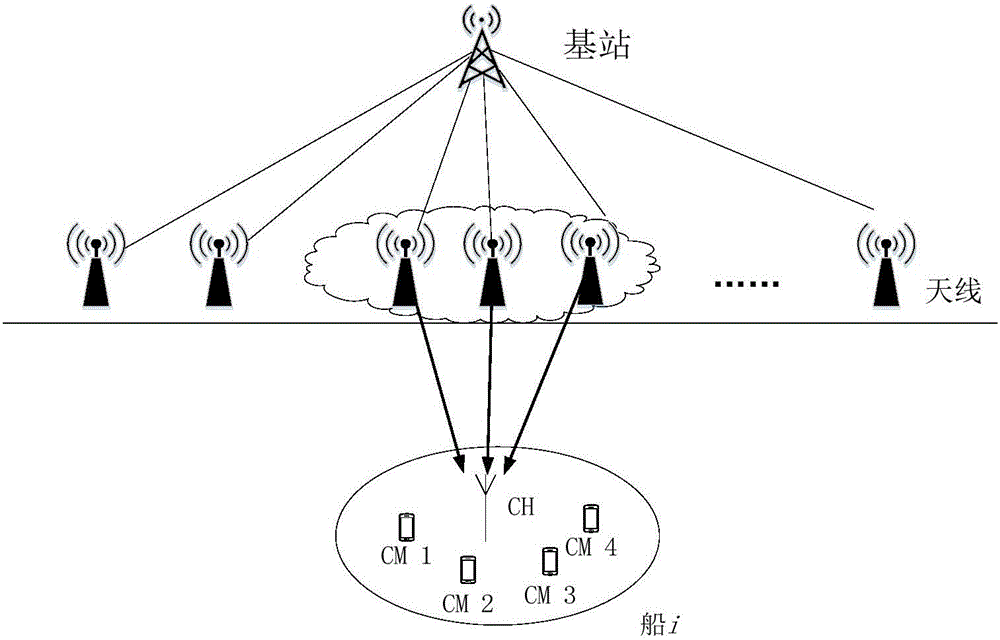
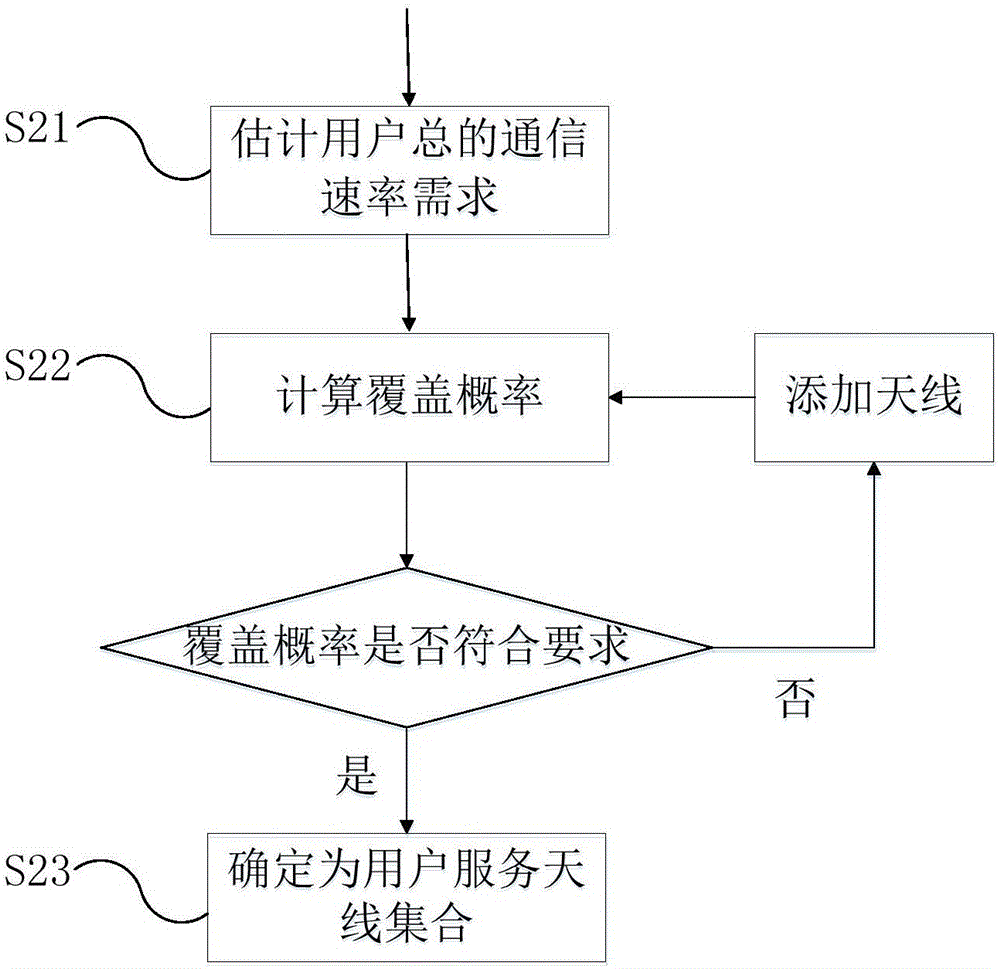
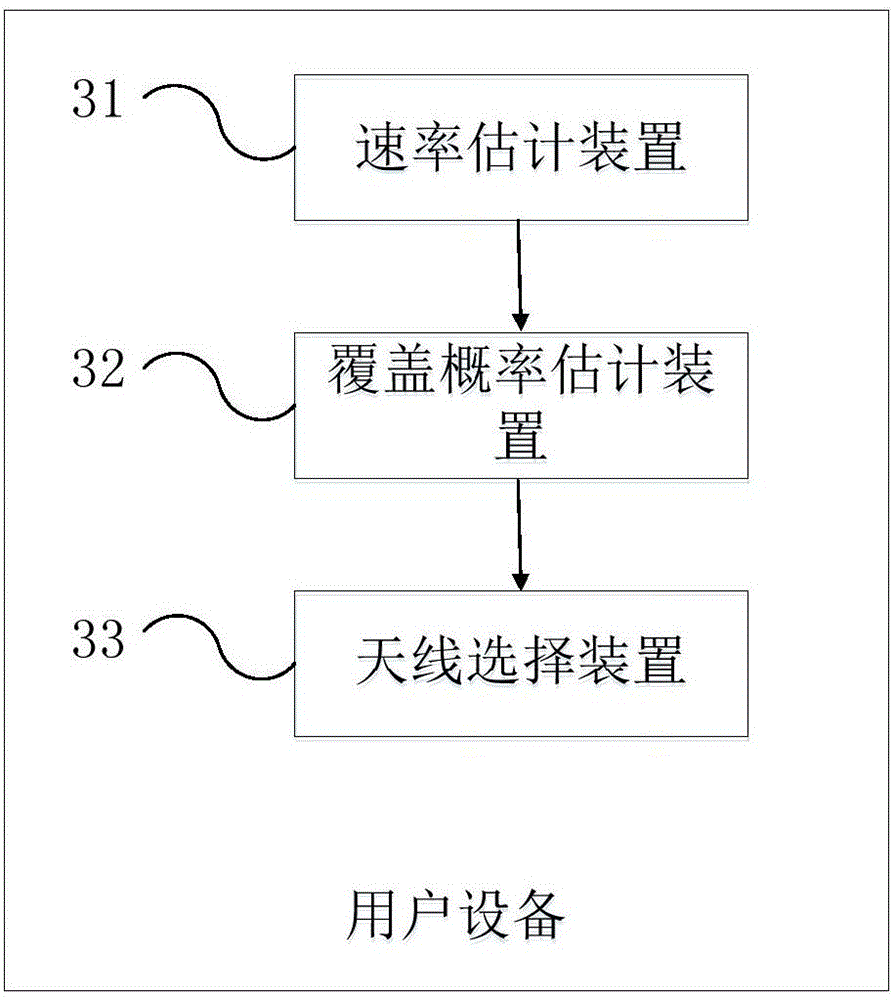
- By estimating the total communication rate requirements of users on board, calculate the coverage probability of distributed antennas, determine the necessary number of antennas to provide effective communication coverage, and use information forwarding and delivery equipment between multiple antennas and marine user equipment, including information reception and A sending device, a coverage probability estimating device and a determining device.

Temporospatial, software-defined maritime network using high-altitude platforms
PatentActiveUS20240323702A1
Innovation
- A method and system for configuring a maritime network that utilizes a network controller to determine and adjust links between aerospace, maritime, and terrestrial nodes based on client information and location data, forming optimal routing paths and additional node locations to maintain connectivity, even when vehicles are outside terrestrial node range, by using free-space optical communication systems and steerable transceivers.


International Maritime Communication Regulatory Framework
The international maritime communication regulatory framework forms the foundational governance structure that shapes adaptive network control systems for maritime coverage. This framework operates through a multi-layered approach involving global, regional, and national regulatory bodies, each contributing specific standards and requirements that directly impact network design and implementation strategies.
The International Maritime Organization (IMO) serves as the primary global regulatory authority, establishing fundamental communication requirements through conventions such as SOLAS (Safety of Life at Sea) and the Global Maritime Distress and Safety System (GMDSS). These regulations mandate specific coverage requirements and communication capabilities that adaptive networks must maintain, including emergency communication protocols, vessel tracking systems, and distress alerting mechanisms.
The International Telecommunication Union (ITU) provides the technical regulatory foundation through radio frequency allocation and spectrum management policies. ITU-R recommendations define frequency bands available for maritime communications, power limitations, and interference mitigation requirements. These specifications directly influence adaptive network algorithms, particularly in dynamic spectrum allocation and interference management protocols.
Regional regulatory bodies, including the European Maritime Safety Agency (EMSA) and the United States Coast Guard, implement additional coverage requirements and operational standards. These organizations often mandate enhanced communication capabilities in specific maritime zones, requiring adaptive networks to maintain higher service levels in coastal waters, shipping lanes, and environmentally sensitive areas.
National maritime authorities establish country-specific regulations that affect territorial waters and port approaches. These regulations frequently include mandatory vessel reporting systems, port state control requirements, and environmental monitoring communications. Adaptive network systems must accommodate these varying national requirements while maintaining seamless coverage transitions across jurisdictional boundaries.
Emerging regulatory trends focus on cybersecurity requirements, data protection standards, and environmental impact assessments. New frameworks are being developed to address autonomous vessel communications, satellite constellation coordination, and cross-border data sharing protocols. These evolving regulations will significantly influence future adaptive network architectures and coverage optimization strategies.
The regulatory framework also encompasses type approval processes for communication equipment, certification requirements for network operators, and compliance monitoring mechanisms. These administrative aspects directly affect the deployment timeline and operational parameters of adaptive maritime communication networks.
The International Maritime Organization (IMO) serves as the primary global regulatory authority, establishing fundamental communication requirements through conventions such as SOLAS (Safety of Life at Sea) and the Global Maritime Distress and Safety System (GMDSS). These regulations mandate specific coverage requirements and communication capabilities that adaptive networks must maintain, including emergency communication protocols, vessel tracking systems, and distress alerting mechanisms.
The International Telecommunication Union (ITU) provides the technical regulatory foundation through radio frequency allocation and spectrum management policies. ITU-R recommendations define frequency bands available for maritime communications, power limitations, and interference mitigation requirements. These specifications directly influence adaptive network algorithms, particularly in dynamic spectrum allocation and interference management protocols.
Regional regulatory bodies, including the European Maritime Safety Agency (EMSA) and the United States Coast Guard, implement additional coverage requirements and operational standards. These organizations often mandate enhanced communication capabilities in specific maritime zones, requiring adaptive networks to maintain higher service levels in coastal waters, shipping lanes, and environmentally sensitive areas.
National maritime authorities establish country-specific regulations that affect territorial waters and port approaches. These regulations frequently include mandatory vessel reporting systems, port state control requirements, and environmental monitoring communications. Adaptive network systems must accommodate these varying national requirements while maintaining seamless coverage transitions across jurisdictional boundaries.
Emerging regulatory trends focus on cybersecurity requirements, data protection standards, and environmental impact assessments. New frameworks are being developed to address autonomous vessel communications, satellite constellation coordination, and cross-border data sharing protocols. These evolving regulations will significantly influence future adaptive network architectures and coverage optimization strategies.
The regulatory framework also encompasses type approval processes for communication equipment, certification requirements for network operators, and compliance monitoring mechanisms. These administrative aspects directly affect the deployment timeline and operational parameters of adaptive maritime communication networks.
Satellite-Terrestrial Integration for Maritime Coverage
The integration of satellite and terrestrial networks represents a paradigmatic shift in maritime communications infrastructure, addressing the fundamental challenge of providing seamless coverage across vast oceanic regions. This hybrid approach leverages the complementary strengths of both communication paradigms to overcome the inherent limitations of single-network deployments in maritime environments.
Satellite networks provide the essential foundation for global maritime coverage, offering ubiquitous connectivity across international waters where terrestrial infrastructure is physically impossible. Modern satellite constellations, including geostationary and low Earth orbit systems, enable continuous communication links for vessels operating in remote oceanic regions. However, satellite communications face constraints including latency issues, bandwidth limitations, and weather-dependent signal degradation.
Terrestrial networks complement satellite coverage by providing high-capacity, low-latency communications in coastal waters and port areas. These networks utilize advanced technologies such as LTE-Maritime, 5G coastal extensions, and dedicated maritime radio systems to deliver enhanced data rates and reduced communication delays. The terrestrial component becomes particularly crucial for high-density maritime traffic areas and mission-critical operations requiring real-time responsiveness.
The integration architecture employs intelligent handover mechanisms that seamlessly transition communications between satellite and terrestrial networks based on vessel location, network availability, and service requirements. Advanced algorithms continuously monitor signal quality, bandwidth availability, and latency characteristics to optimize network selection and maintain service continuity during transitions.
Network convergence protocols enable unified addressing and routing across heterogeneous network infrastructures, ensuring transparent connectivity regardless of the underlying transport mechanism. Software-defined networking principles facilitate dynamic resource allocation and traffic management across the integrated platform.
Quality of service management becomes essential in satellite-terrestrial integration, with differentiated service levels allocated based on application criticality and user requirements. Emergency communications receive priority routing, while routine data transfers utilize available bandwidth efficiently across both network types.
Satellite networks provide the essential foundation for global maritime coverage, offering ubiquitous connectivity across international waters where terrestrial infrastructure is physically impossible. Modern satellite constellations, including geostationary and low Earth orbit systems, enable continuous communication links for vessels operating in remote oceanic regions. However, satellite communications face constraints including latency issues, bandwidth limitations, and weather-dependent signal degradation.
Terrestrial networks complement satellite coverage by providing high-capacity, low-latency communications in coastal waters and port areas. These networks utilize advanced technologies such as LTE-Maritime, 5G coastal extensions, and dedicated maritime radio systems to deliver enhanced data rates and reduced communication delays. The terrestrial component becomes particularly crucial for high-density maritime traffic areas and mission-critical operations requiring real-time responsiveness.
The integration architecture employs intelligent handover mechanisms that seamlessly transition communications between satellite and terrestrial networks based on vessel location, network availability, and service requirements. Advanced algorithms continuously monitor signal quality, bandwidth availability, and latency characteristics to optimize network selection and maintain service continuity during transitions.
Network convergence protocols enable unified addressing and routing across heterogeneous network infrastructures, ensuring transparent connectivity regardless of the underlying transport mechanism. Software-defined networking principles facilitate dynamic resource allocation and traffic management across the integrated platform.
Quality of service management becomes essential in satellite-terrestrial integration, with differentiated service levels allocated based on application criticality and user requirements. Emergency communications receive priority routing, while routine data transfers utilize available bandwidth efficiently across both network types.
Unlock deeper insights with Patsnap Eureka Quick Research — get a full tech report to explore trends and direct your research. Try now!
Generate Your Research Report Instantly with AI Agent
Supercharge your innovation with Patsnap Eureka AI Agent Platform!