
Network Load Optimization using Adaptive Control Strategies
MAR 18, 20269 MIN READ
Generate Your Research Report Instantly with AI Agent
Patsnap Eureka helps you evaluate technical feasibility & market potential.
Network Load Control Background and Objectives
Network load optimization has emerged as a critical challenge in modern computing and telecommunications infrastructure, driven by the exponential growth of data traffic, cloud computing adoption, and the proliferation of Internet of Things devices. Traditional static load balancing approaches have proven inadequate in addressing the dynamic and unpredictable nature of contemporary network environments, where traffic patterns fluctuate rapidly and resource demands vary significantly across different time periods and geographical locations.
The evolution of network architectures from centralized to distributed systems has fundamentally transformed how load management strategies must be conceived and implemented. Legacy systems relied heavily on predetermined routing algorithms and fixed resource allocation schemes, which often resulted in suboptimal performance during peak usage periods or unexpected traffic surges. The increasing complexity of multi-tier applications, microservices architectures, and edge computing deployments has further amplified the need for more sophisticated load optimization mechanisms.
Adaptive control strategies represent a paradigm shift in network load management, leveraging real-time monitoring, machine learning algorithms, and dynamic resource allocation to respond intelligently to changing network conditions. These approaches incorporate feedback mechanisms that continuously assess system performance metrics, including latency, throughput, resource utilization, and quality of service parameters, enabling proactive adjustments to maintain optimal network performance.
The primary objective of implementing adaptive control strategies in network load optimization is to achieve dynamic equilibrium between resource availability and demand while minimizing response times and maximizing system throughput. This involves developing intelligent algorithms capable of predicting traffic patterns, identifying potential bottlenecks before they occur, and automatically redistributing workloads across available network resources to prevent performance degradation.
Furthermore, these strategies aim to enhance system resilience and fault tolerance by implementing self-healing mechanisms that can detect and respond to network failures or performance anomalies without human intervention. The ultimate goal is to create autonomous network management systems that can adapt to varying operational conditions while maintaining consistent service quality and optimal resource utilization across diverse network topologies and application scenarios.
The evolution of network architectures from centralized to distributed systems has fundamentally transformed how load management strategies must be conceived and implemented. Legacy systems relied heavily on predetermined routing algorithms and fixed resource allocation schemes, which often resulted in suboptimal performance during peak usage periods or unexpected traffic surges. The increasing complexity of multi-tier applications, microservices architectures, and edge computing deployments has further amplified the need for more sophisticated load optimization mechanisms.
Adaptive control strategies represent a paradigm shift in network load management, leveraging real-time monitoring, machine learning algorithms, and dynamic resource allocation to respond intelligently to changing network conditions. These approaches incorporate feedback mechanisms that continuously assess system performance metrics, including latency, throughput, resource utilization, and quality of service parameters, enabling proactive adjustments to maintain optimal network performance.
The primary objective of implementing adaptive control strategies in network load optimization is to achieve dynamic equilibrium between resource availability and demand while minimizing response times and maximizing system throughput. This involves developing intelligent algorithms capable of predicting traffic patterns, identifying potential bottlenecks before they occur, and automatically redistributing workloads across available network resources to prevent performance degradation.
Furthermore, these strategies aim to enhance system resilience and fault tolerance by implementing self-healing mechanisms that can detect and respond to network failures or performance anomalies without human intervention. The ultimate goal is to create autonomous network management systems that can adapt to varying operational conditions while maintaining consistent service quality and optimal resource utilization across diverse network topologies and application scenarios.
Market Demand for Adaptive Network Optimization
The global demand for adaptive network optimization solutions has experienced unprecedented growth driven by the exponential increase in data traffic and the proliferation of connected devices across enterprise and consumer segments. Organizations worldwide are grappling with network performance challenges as traditional static load balancing approaches prove inadequate for handling dynamic traffic patterns and varying application requirements.
Enterprise networks face mounting pressure to deliver consistent performance while managing increasingly complex workloads. Cloud migration initiatives, remote work adoption, and digital transformation projects have fundamentally altered network traffic characteristics, creating demand for intelligent systems capable of real-time adaptation. Financial services, healthcare, manufacturing, and telecommunications sectors represent the most significant market segments seeking advanced network optimization capabilities.
The emergence of edge computing and Internet of Things deployments has intensified the need for distributed network optimization solutions. These environments require adaptive control mechanisms that can respond to localized traffic variations while maintaining global network efficiency. Service providers are particularly focused on solutions that can optimize resource utilization across geographically distributed infrastructure while ensuring quality of service commitments.
Content delivery networks and streaming services constitute another major demand driver, as these platforms require sophisticated load distribution mechanisms to handle peak traffic events and maintain user experience quality. The gaming industry, video conferencing platforms, and social media networks are actively seeking adaptive optimization technologies to manage unpredictable traffic surges and minimize latency.
Regulatory compliance requirements in various industries are also fueling demand for network optimization solutions that can provide detailed performance monitoring and automated response capabilities. Organizations need systems that can demonstrate network reliability and performance consistency to meet industry standards and audit requirements.
The market demand extends beyond performance optimization to include cost reduction objectives. Organizations are seeking adaptive control strategies that can minimize infrastructure costs through intelligent resource allocation and dynamic capacity management. This economic driver has become particularly relevant as cloud computing costs continue to rise and organizations seek to optimize their network infrastructure investments.
Enterprise networks face mounting pressure to deliver consistent performance while managing increasingly complex workloads. Cloud migration initiatives, remote work adoption, and digital transformation projects have fundamentally altered network traffic characteristics, creating demand for intelligent systems capable of real-time adaptation. Financial services, healthcare, manufacturing, and telecommunications sectors represent the most significant market segments seeking advanced network optimization capabilities.
The emergence of edge computing and Internet of Things deployments has intensified the need for distributed network optimization solutions. These environments require adaptive control mechanisms that can respond to localized traffic variations while maintaining global network efficiency. Service providers are particularly focused on solutions that can optimize resource utilization across geographically distributed infrastructure while ensuring quality of service commitments.
Content delivery networks and streaming services constitute another major demand driver, as these platforms require sophisticated load distribution mechanisms to handle peak traffic events and maintain user experience quality. The gaming industry, video conferencing platforms, and social media networks are actively seeking adaptive optimization technologies to manage unpredictable traffic surges and minimize latency.
Regulatory compliance requirements in various industries are also fueling demand for network optimization solutions that can provide detailed performance monitoring and automated response capabilities. Organizations need systems that can demonstrate network reliability and performance consistency to meet industry standards and audit requirements.
The market demand extends beyond performance optimization to include cost reduction objectives. Organizations are seeking adaptive control strategies that can minimize infrastructure costs through intelligent resource allocation and dynamic capacity management. This economic driver has become particularly relevant as cloud computing costs continue to rise and organizations seek to optimize their network infrastructure investments.
Current Network Load Challenges and Bottlenecks
Modern network infrastructures face unprecedented challenges in managing traffic loads efficiently, with traditional static load balancing mechanisms proving inadequate for today's dynamic and heterogeneous environments. The exponential growth in data traffic, driven by cloud computing, IoT devices, and real-time applications, has created complex bottlenecks that significantly impact network performance and user experience.
One of the primary challenges lies in the unpredictable nature of traffic patterns. Network loads exhibit high variability across different time periods, geographical locations, and application types. Peak traffic surges can overwhelm specific network segments while leaving others underutilized, creating imbalanced resource allocation. This temporal and spatial variability makes it difficult for conventional load distribution methods to maintain optimal performance consistently.
Latency-sensitive applications present another critical bottleneck. Real-time services such as video conferencing, online gaming, and financial trading systems require ultra-low latency and consistent response times. Current network architectures often struggle to guarantee these requirements during high-load periods, leading to service degradation and poor user satisfaction. The challenge is compounded by the need to simultaneously handle both latency-critical and bandwidth-intensive applications on the same infrastructure.
Resource contention at critical network nodes represents a significant constraint. Core routers, switches, and gateway devices frequently become performance bottlenecks when multiple high-bandwidth flows converge. These chokepoints can cascade failures throughout the network, causing widespread performance degradation. The situation is exacerbated by the limited scalability of hardware-based solutions and the complexity of upgrading critical infrastructure components.
Network heterogeneity introduces additional complexity, as modern networks comprise diverse technologies including wired, wireless, and software-defined networking components. Each technology has distinct characteristics, capabilities, and limitations, making unified load optimization extremely challenging. The integration of legacy systems with modern infrastructure further complicates load management strategies.
Quality of Service requirements vary dramatically across different applications and user classes, creating conflicting optimization objectives. While some applications prioritize throughput maximization, others require guaranteed bandwidth or minimal jitter. Balancing these competing demands while maintaining overall network efficiency remains a persistent challenge that current static approaches cannot adequately address.
One of the primary challenges lies in the unpredictable nature of traffic patterns. Network loads exhibit high variability across different time periods, geographical locations, and application types. Peak traffic surges can overwhelm specific network segments while leaving others underutilized, creating imbalanced resource allocation. This temporal and spatial variability makes it difficult for conventional load distribution methods to maintain optimal performance consistently.
Latency-sensitive applications present another critical bottleneck. Real-time services such as video conferencing, online gaming, and financial trading systems require ultra-low latency and consistent response times. Current network architectures often struggle to guarantee these requirements during high-load periods, leading to service degradation and poor user satisfaction. The challenge is compounded by the need to simultaneously handle both latency-critical and bandwidth-intensive applications on the same infrastructure.
Resource contention at critical network nodes represents a significant constraint. Core routers, switches, and gateway devices frequently become performance bottlenecks when multiple high-bandwidth flows converge. These chokepoints can cascade failures throughout the network, causing widespread performance degradation. The situation is exacerbated by the limited scalability of hardware-based solutions and the complexity of upgrading critical infrastructure components.
Network heterogeneity introduces additional complexity, as modern networks comprise diverse technologies including wired, wireless, and software-defined networking components. Each technology has distinct characteristics, capabilities, and limitations, making unified load optimization extremely challenging. The integration of legacy systems with modern infrastructure further complicates load management strategies.
Quality of Service requirements vary dramatically across different applications and user classes, creating conflicting optimization objectives. While some applications prioritize throughput maximization, others require guaranteed bandwidth or minimal jitter. Balancing these competing demands while maintaining overall network efficiency remains a persistent challenge that current static approaches cannot adequately address.
Existing Adaptive Load Balancing Solutions
01 Dynamic load balancing algorithms for network traffic distribution
Advanced algorithms are employed to dynamically distribute network traffic across multiple servers or network paths. These methods monitor real-time network conditions, server capacity, and response times to intelligently route requests. The algorithms can adapt to changing network conditions and automatically redirect traffic to optimize resource utilization and minimize latency. Machine learning techniques may be incorporated to predict traffic patterns and proactively adjust load distribution strategies.- Dynamic load balancing algorithms for network traffic distribution: Advanced algorithms are employed to dynamically distribute network traffic across multiple servers or network paths. These methods monitor real-time network conditions, server capacity, and response times to intelligently route requests. The algorithms can adapt to changing network conditions by continuously analyzing performance metrics and redistributing loads to prevent bottlenecks. Machine learning techniques may be incorporated to predict traffic patterns and proactively adjust load distribution strategies.
- Resource scheduling and allocation optimization in distributed systems: Techniques for optimizing resource allocation in distributed computing environments focus on efficient scheduling of computational tasks across available resources. These methods consider factors such as processing capacity, memory availability, network bandwidth, and energy consumption. Priority-based scheduling mechanisms ensure critical tasks receive necessary resources while maintaining overall system efficiency. The approaches include predictive models that forecast resource demands and preemptively allocate capacity to prevent performance degradation.
- Network traffic monitoring and congestion control mechanisms: Systems for monitoring network traffic patterns and implementing congestion control strategies to maintain optimal network performance. These solutions collect and analyze data from various network nodes to identify congestion points and traffic anomalies. Adaptive throttling mechanisms adjust data transmission rates based on network conditions. Quality of service parameters are maintained through intelligent packet prioritization and buffer management techniques that prevent network overload while ensuring critical data delivery.
- Cloud computing workload optimization and auto-scaling: Methods for optimizing workload distribution in cloud computing environments with automatic scaling capabilities. These systems monitor application performance metrics and user demand patterns to dynamically adjust computing resources. Containerization and virtualization technologies enable rapid deployment and scaling of services. Predictive analytics help anticipate demand spikes and provision resources accordingly. Cost optimization algorithms balance performance requirements with resource utilization to minimize operational expenses while maintaining service level agreements.
- Edge computing and distributed caching for load reduction: Strategies leveraging edge computing nodes and distributed caching systems to reduce load on central servers and improve response times. Content is strategically cached at edge locations closer to end users, reducing latency and bandwidth consumption on core network infrastructure. Intelligent cache invalidation and update mechanisms ensure data consistency across distributed nodes. These approaches offload processing tasks from centralized data centers to edge devices, distributing computational load and improving overall system scalability and resilience.
02 Network resource scheduling and allocation optimization
Techniques for optimizing the scheduling and allocation of network resources to improve overall system performance. These methods involve analyzing network topology, bandwidth availability, and service requirements to determine optimal resource allocation strategies. Priority-based scheduling mechanisms can be implemented to ensure critical services receive adequate resources while maintaining efficient utilization of network infrastructure. The approach includes monitoring resource consumption patterns and adjusting allocation policies accordingly.Expand Specific Solutions03 Intelligent traffic prediction and preemptive load management
Systems that utilize predictive analytics and artificial intelligence to forecast network load patterns and implement preemptive management strategies. These solutions analyze historical traffic data, user behavior patterns, and temporal trends to anticipate peak usage periods. Based on predictions, the system can proactively scale resources, adjust routing policies, or trigger load redistribution before congestion occurs. This approach minimizes service disruptions and maintains optimal performance during high-demand periods.Expand Specific Solutions04 Distributed computing and edge load optimization
Architectures that leverage distributed computing and edge computing paradigms to optimize network load. These systems distribute computational tasks and data processing across multiple edge nodes closer to end users, reducing the burden on central servers and backbone networks. Content caching strategies and localized data processing minimize long-distance data transmission. The approach includes coordination mechanisms between edge nodes and central infrastructure to maintain consistency while optimizing overall network performance.Expand Specific Solutions05 Adaptive bandwidth management and quality of service control
Methods for dynamically managing bandwidth allocation and implementing quality of service controls to optimize network load. These techniques involve real-time monitoring of network congestion levels and application requirements to adjust bandwidth distribution. Traffic shaping and throttling mechanisms can be applied to lower-priority services during peak periods while ensuring critical applications maintain required performance levels. The system includes feedback mechanisms to continuously refine bandwidth allocation policies based on actual network conditions and service level agreements.Expand Specific Solutions
Key Players in Network Optimization Industry
The network load optimization using adaptive control strategies field represents a mature technology sector experiencing rapid evolution driven by 5G deployment and edge computing demands. The market demonstrates substantial scale with established telecommunications infrastructure providers like Nokia Solutions & Networks, Cisco Technology, Telefonaktiebolaget LM Ericsson, and ZTE Corp leading traditional network equipment segments. Technology maturity varies significantly across the competitive landscape, with semiconductor leaders such as QUALCOMM, MediaTek, and Samsung Electronics driving advanced chipset innovations, while established system integrators including IBM, Siemens AG, and NEC Corp focus on enterprise-grade adaptive control solutions. Emerging players like Ofinno Technologies and Vay Technology represent next-generation approaches, particularly in 5G/6G wireless optimization and autonomous systems integration, indicating the field's transition toward AI-driven adaptive mechanisms and real-time network intelligence capabilities.
Cisco Technology, Inc.
Technical Solution: Cisco implements adaptive control strategies through their Intent-Based Networking (IBN) architecture, utilizing machine learning algorithms to automatically adjust network parameters based on real-time traffic patterns and application requirements. Their solution incorporates predictive analytics to anticipate network congestion and proactively redistribute loads across multiple paths. The system employs dynamic Quality of Service (QoS) policies that adapt to changing network conditions, ensuring optimal performance for critical applications while maintaining overall network efficiency through intelligent traffic engineering and automated load balancing mechanisms.
Strengths: Market-leading network infrastructure expertise, comprehensive adaptive control algorithms, strong enterprise integration capabilities. Weaknesses: High implementation costs, complexity in deployment for smaller organizations, vendor lock-in concerns.
Telefonaktiebolaget LM Ericsson
Technical Solution: Ericsson's network load optimization leverages their AI-powered Network Intelligence platform, which implements adaptive control through real-time analytics and automated decision-making processes. Their solution utilizes reinforcement learning algorithms to continuously optimize network resource allocation, dynamically adjusting parameters such as bandwidth allocation, routing protocols, and traffic prioritization based on current network conditions. The system incorporates predictive modeling to forecast traffic patterns and automatically scales network resources accordingly, while maintaining service quality through intelligent load distribution across network elements and self-healing capabilities that adapt to network failures or congestion scenarios.
Strengths: Strong telecommunications expertise, advanced AI-driven optimization, global deployment experience in carrier networks. Weaknesses: Primarily focused on telecom operators, limited applicability to enterprise networks, requires significant technical expertise for optimization.
Core Innovations in Adaptive Control Algorithms
Systems and methods for providing constrained optimization using adaptive regulatory control
PatentInactiveUS7346401B2
Innovation
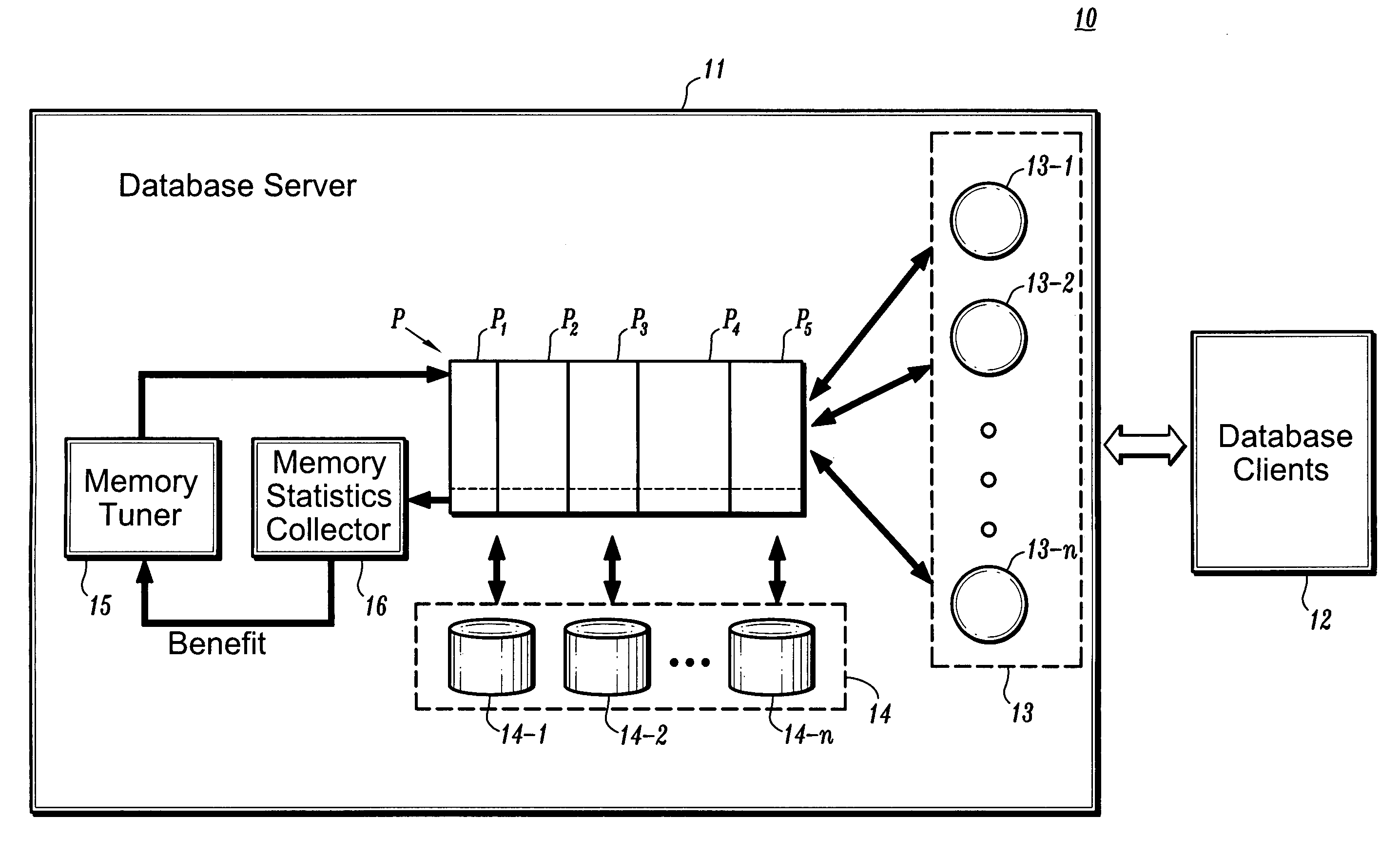
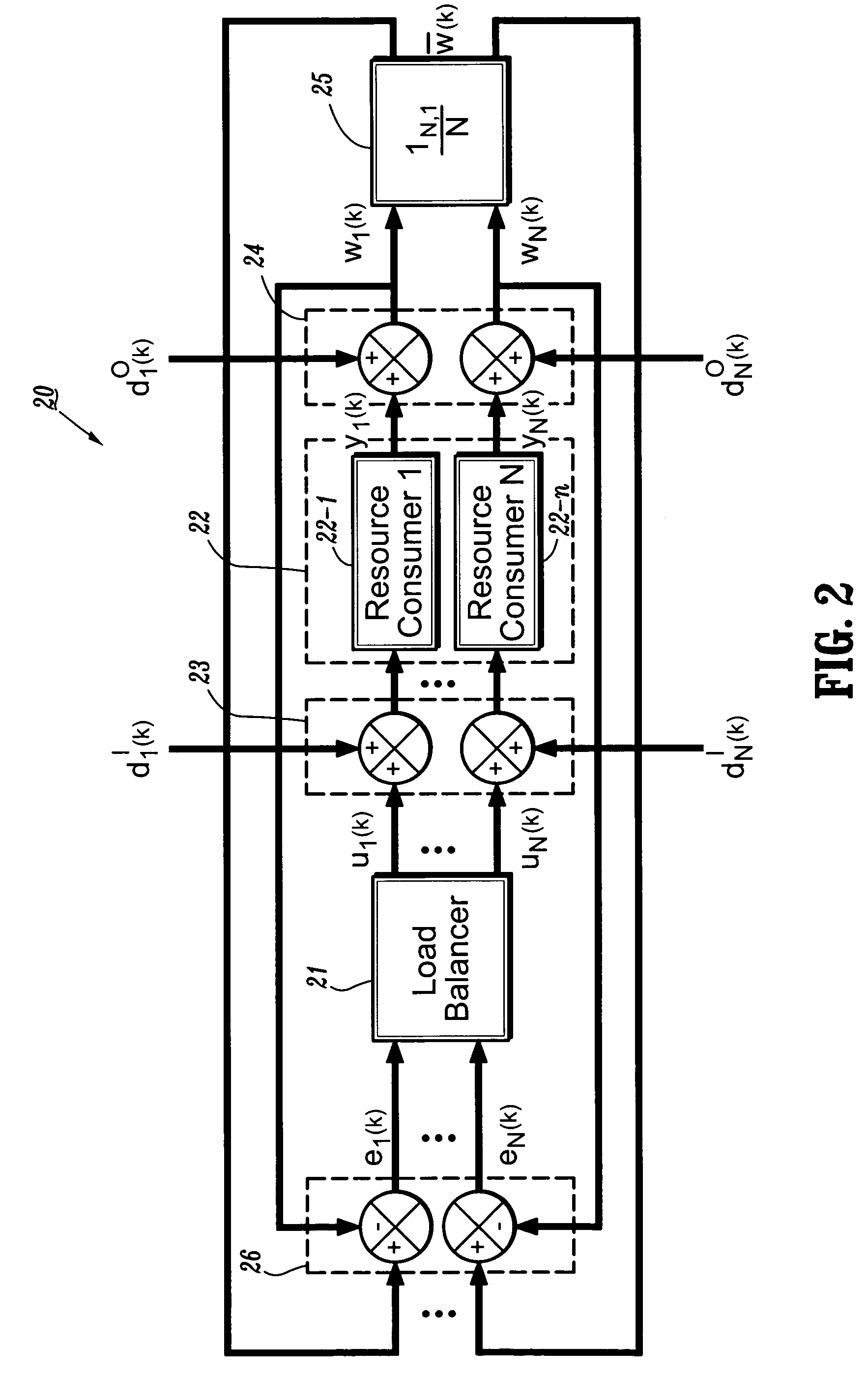
- Implementing model-based adaptive regulatory control schemes that take into account control costs and system dynamics, using a MIMO controller with LQR design to optimize resource allocations in dynamic computing environments, such as database management systems, by equalizing performance metrics across resource consumers while minimizing total resource allocation changes.

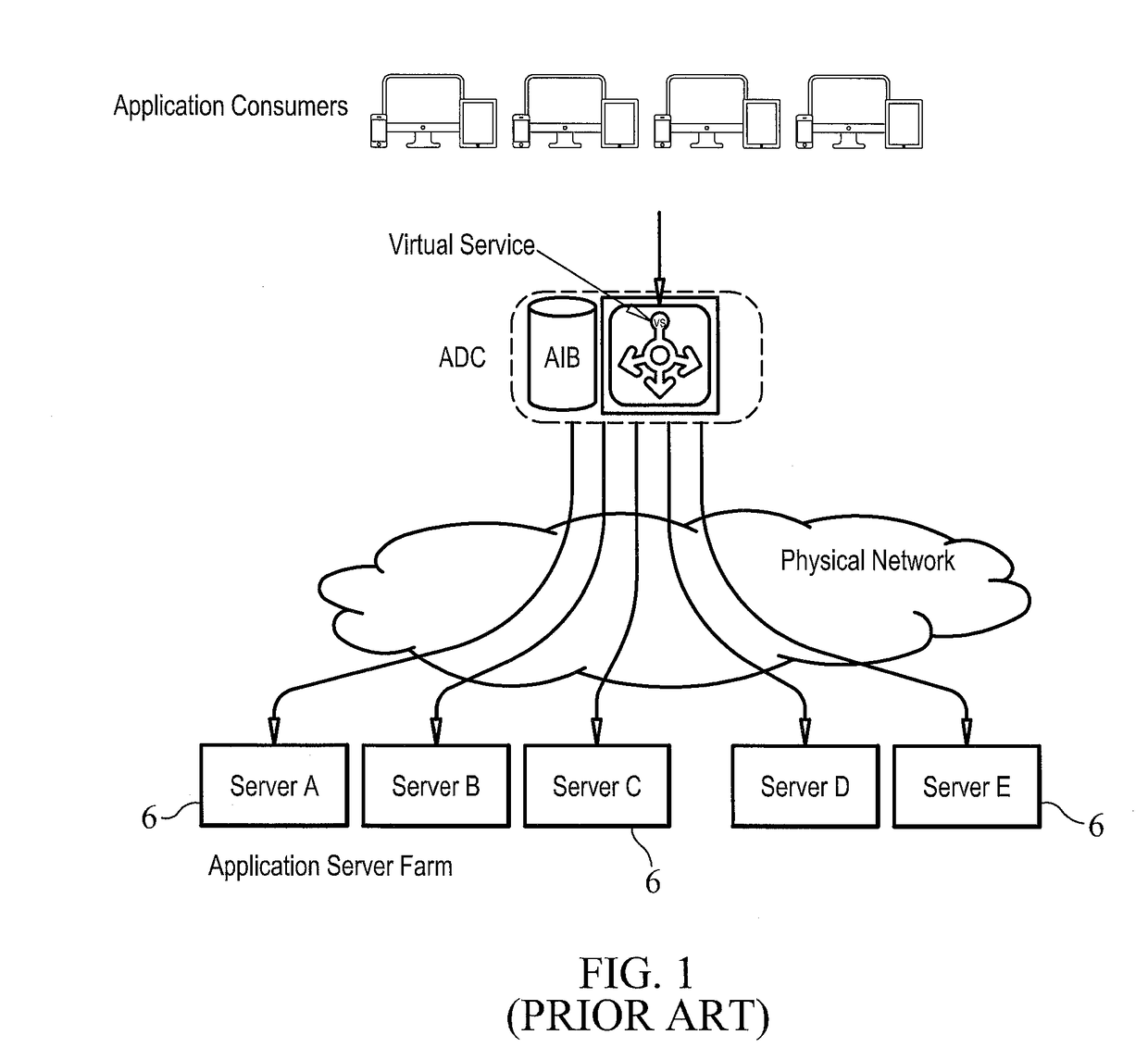
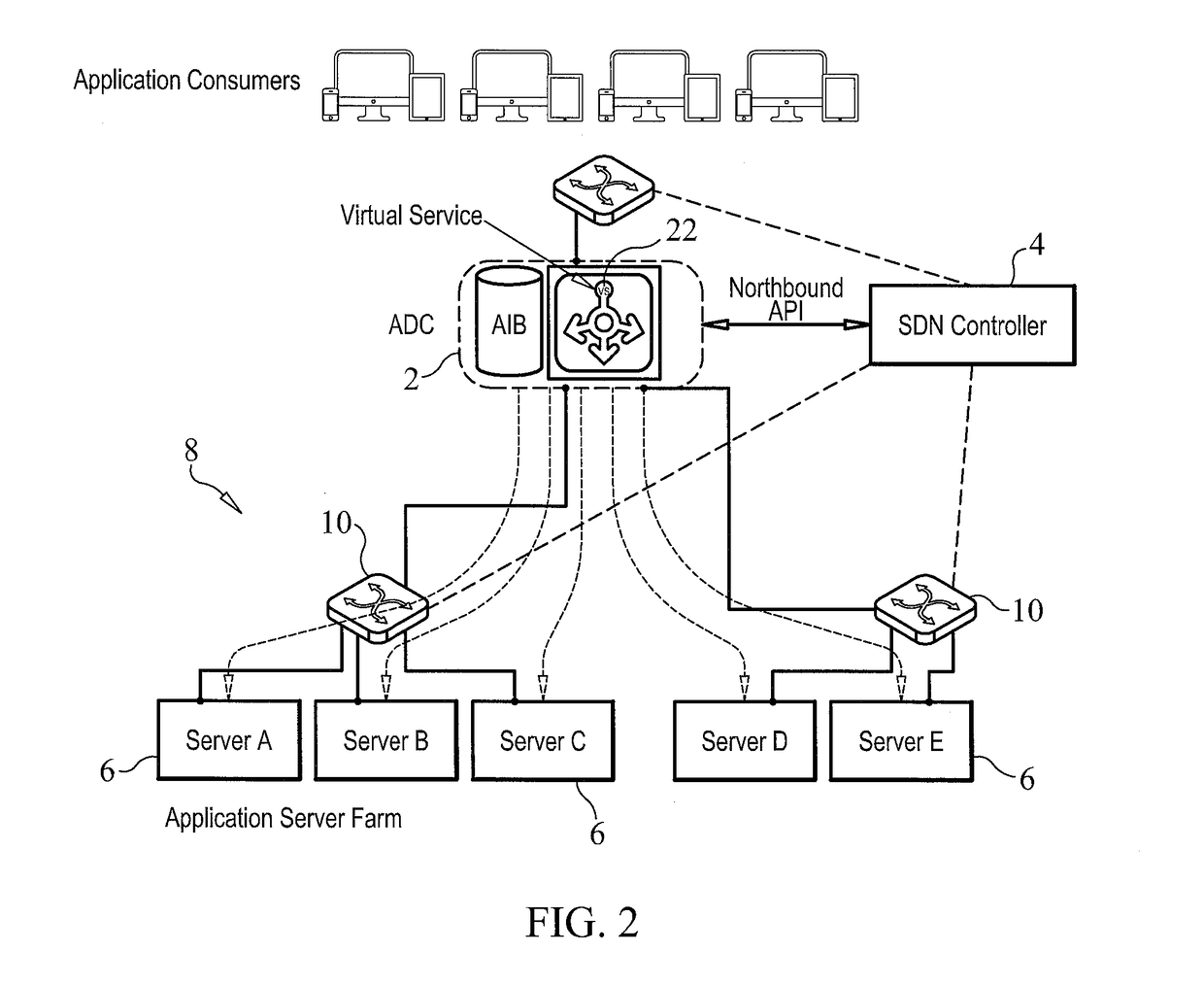
Adaptive load balancer and methods for intelligent data traffic steering
PatentActiveUS9866487B2
Innovation
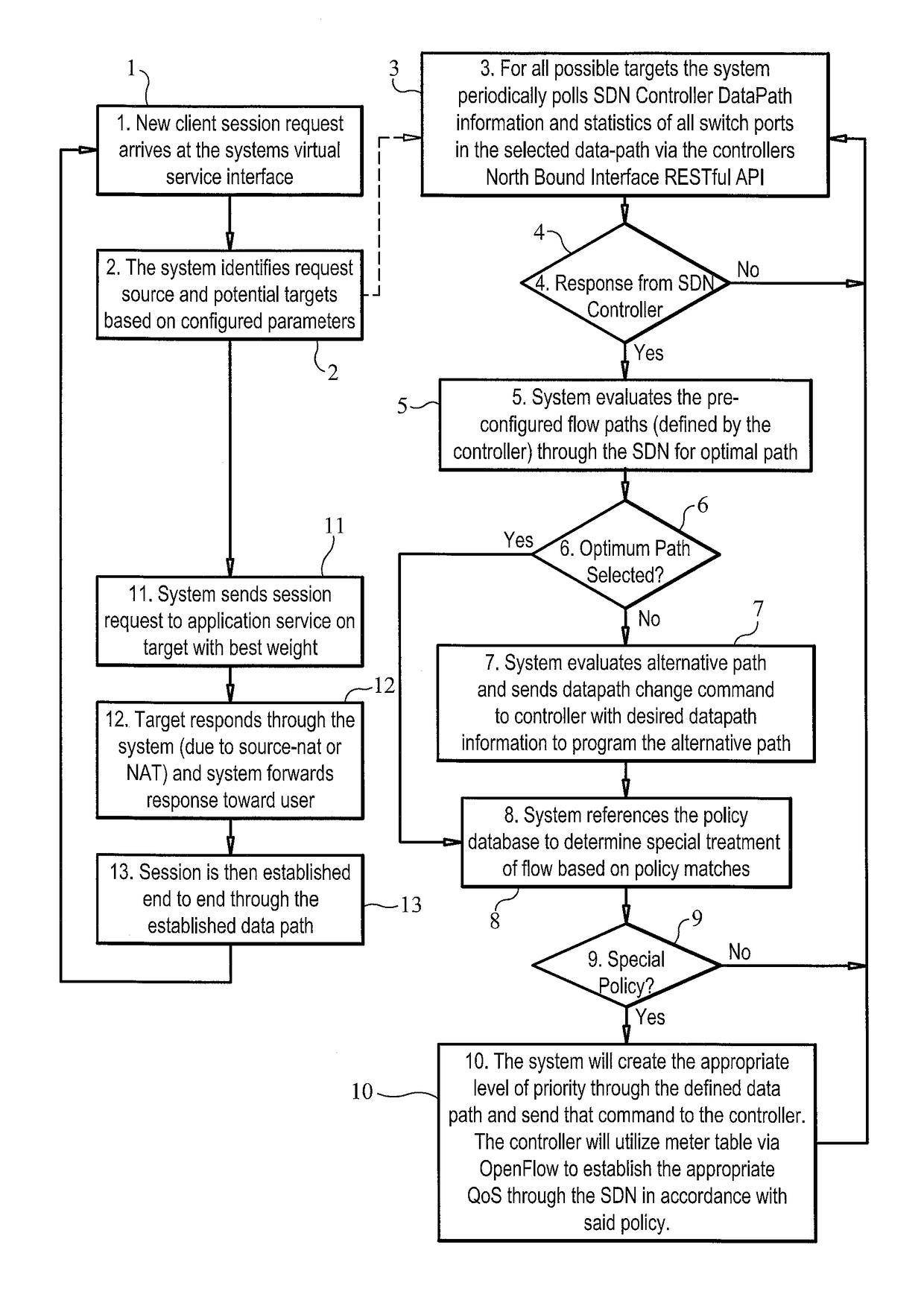
- An adaptive load balancer integrated with an SDN controller that uses statistical information to dynamically adjust traffic routing, employing a weighted round robin scheduler to optimize traffic distribution across servers and network paths, operating in passive, active, and QoS overlay modes.

Security Implications of Adaptive Network Control
The implementation of adaptive control strategies in network load optimization introduces significant security vulnerabilities that require comprehensive evaluation and mitigation approaches. Traditional static network configurations, while potentially less efficient, offer predictable security boundaries that can be thoroughly analyzed and protected. In contrast, adaptive systems continuously modify their operational parameters, creating dynamic attack surfaces that evolve in real-time and challenge conventional security frameworks.
Adaptive network control systems are particularly susceptible to adversarial manipulation attacks, where malicious actors inject false traffic patterns or system state information to deceive the control algorithms. These attacks can cause the adaptive system to make suboptimal or harmful decisions, potentially leading to network congestion, service degradation, or complete system failure. The dynamic nature of these systems makes it difficult to establish baseline security metrics and detect anomalous behavior patterns.
The distributed architecture commonly employed in adaptive network control creates additional security challenges through increased communication overhead and expanded attack vectors. Control messages exchanged between network nodes can be intercepted, modified, or replayed by attackers, compromising the integrity of the optimization process. Furthermore, the real-time requirements of adaptive systems often necessitate reduced encryption overhead, creating potential trade-offs between performance optimization and data protection.
Machine learning components integral to many adaptive control strategies introduce unique security concerns, including model poisoning attacks during training phases and adversarial examples designed to exploit algorithmic vulnerabilities. These AI-driven systems can be manipulated through carefully crafted input data that appears legitimate but causes the control system to behave unpredictably or maliciously.
Privacy implications emerge from the extensive data collection required for effective adaptive control, as these systems must continuously monitor network traffic patterns, user behavior, and system performance metrics. This comprehensive visibility creates valuable targets for data breaches and raises concerns about user privacy protection and regulatory compliance.
Mitigation strategies must encompass robust authentication mechanisms for control communications, anomaly detection systems capable of identifying manipulation attempts, and secure multi-party computation techniques that enable collaborative optimization without exposing sensitive network information to potential adversaries.
Adaptive network control systems are particularly susceptible to adversarial manipulation attacks, where malicious actors inject false traffic patterns or system state information to deceive the control algorithms. These attacks can cause the adaptive system to make suboptimal or harmful decisions, potentially leading to network congestion, service degradation, or complete system failure. The dynamic nature of these systems makes it difficult to establish baseline security metrics and detect anomalous behavior patterns.
The distributed architecture commonly employed in adaptive network control creates additional security challenges through increased communication overhead and expanded attack vectors. Control messages exchanged between network nodes can be intercepted, modified, or replayed by attackers, compromising the integrity of the optimization process. Furthermore, the real-time requirements of adaptive systems often necessitate reduced encryption overhead, creating potential trade-offs between performance optimization and data protection.
Machine learning components integral to many adaptive control strategies introduce unique security concerns, including model poisoning attacks during training phases and adversarial examples designed to exploit algorithmic vulnerabilities. These AI-driven systems can be manipulated through carefully crafted input data that appears legitimate but causes the control system to behave unpredictably or maliciously.
Privacy implications emerge from the extensive data collection required for effective adaptive control, as these systems must continuously monitor network traffic patterns, user behavior, and system performance metrics. This comprehensive visibility creates valuable targets for data breaches and raises concerns about user privacy protection and regulatory compliance.
Mitigation strategies must encompass robust authentication mechanisms for control communications, anomaly detection systems capable of identifying manipulation attempts, and secure multi-party computation techniques that enable collaborative optimization without exposing sensitive network information to potential adversaries.
Energy Efficiency in Adaptive Network Systems
Energy efficiency has emerged as a critical performance metric in adaptive network systems, driven by the exponential growth of data traffic and the increasing deployment of network infrastructure worldwide. The integration of adaptive control strategies for network load optimization presents significant opportunities to reduce energy consumption while maintaining service quality. Modern network systems consume substantial amounts of electrical power, with data centers alone accounting for approximately 1% of global electricity usage, making energy optimization a paramount concern for both economic and environmental sustainability.
The relationship between network load optimization and energy efficiency is fundamentally interconnected through dynamic resource allocation mechanisms. Adaptive control strategies enable networks to intelligently adjust their operational parameters based on real-time traffic patterns, allowing for the selective activation and deactivation of network components during periods of varying demand. This dynamic approach contrasts sharply with traditional static provisioning methods that maintain constant power consumption regardless of actual utilization levels.
Power consumption in network systems exhibits non-linear characteristics, where energy usage does not scale proportionally with traffic load. Network equipment typically consumes a baseline amount of power even when idle, with additional consumption increasing as utilization rises. Adaptive control strategies can exploit this relationship by consolidating traffic onto fewer active components during low-demand periods, effectively putting unused equipment into sleep or low-power states. This consolidation approach can achieve energy savings of 20-40% in typical enterprise network environments.
The implementation of energy-efficient adaptive control requires sophisticated algorithms that balance multiple objectives simultaneously. These algorithms must consider not only immediate energy savings but also the long-term implications of frequent state transitions, which can introduce latency and potentially impact network reliability. Advanced predictive models are increasingly being employed to anticipate traffic patterns and proactively adjust network configurations, minimizing the energy overhead associated with reactive control mechanisms.
Machine learning techniques are playing an increasingly important role in optimizing energy efficiency within adaptive network systems. Deep reinforcement learning algorithms can learn optimal control policies that minimize energy consumption while satisfying quality of service constraints. These approaches have demonstrated the ability to achieve near-optimal energy efficiency in complex network topologies where traditional optimization methods struggle to find effective solutions.
The emergence of software-defined networking and network function virtualization technologies has created new opportunities for energy-efficient adaptive control. These technologies enable fine-grained control over network resources and support the dynamic migration of network functions to optimize energy consumption across distributed infrastructure. The ability to virtualize network functions allows for more flexible resource allocation strategies that can significantly improve overall system energy efficiency.
The relationship between network load optimization and energy efficiency is fundamentally interconnected through dynamic resource allocation mechanisms. Adaptive control strategies enable networks to intelligently adjust their operational parameters based on real-time traffic patterns, allowing for the selective activation and deactivation of network components during periods of varying demand. This dynamic approach contrasts sharply with traditional static provisioning methods that maintain constant power consumption regardless of actual utilization levels.
Power consumption in network systems exhibits non-linear characteristics, where energy usage does not scale proportionally with traffic load. Network equipment typically consumes a baseline amount of power even when idle, with additional consumption increasing as utilization rises. Adaptive control strategies can exploit this relationship by consolidating traffic onto fewer active components during low-demand periods, effectively putting unused equipment into sleep or low-power states. This consolidation approach can achieve energy savings of 20-40% in typical enterprise network environments.
The implementation of energy-efficient adaptive control requires sophisticated algorithms that balance multiple objectives simultaneously. These algorithms must consider not only immediate energy savings but also the long-term implications of frequent state transitions, which can introduce latency and potentially impact network reliability. Advanced predictive models are increasingly being employed to anticipate traffic patterns and proactively adjust network configurations, minimizing the energy overhead associated with reactive control mechanisms.
Machine learning techniques are playing an increasingly important role in optimizing energy efficiency within adaptive network systems. Deep reinforcement learning algorithms can learn optimal control policies that minimize energy consumption while satisfying quality of service constraints. These approaches have demonstrated the ability to achieve near-optimal energy efficiency in complex network topologies where traditional optimization methods struggle to find effective solutions.
The emergence of software-defined networking and network function virtualization technologies has created new opportunities for energy-efficient adaptive control. These technologies enable fine-grained control over network resources and support the dynamic migration of network functions to optimize energy consumption across distributed infrastructure. The ability to virtualize network functions allows for more flexible resource allocation strategies that can significantly improve overall system energy efficiency.
Unlock deeper insights with Patsnap Eureka Quick Research — get a full tech report to explore trends and direct your research. Try now!
Generate Your Research Report Instantly with AI Agent
Supercharge your innovation with Patsnap Eureka AI Agent Platform!