
Streamlining Network Diagnostics with Adaptive Control Systems
MAR 18, 20269 MIN READ
Generate Your Research Report Instantly with AI Agent
Patsnap Eureka helps you evaluate technical feasibility & market potential.
Adaptive Network Diagnostics Background and Objectives
Network diagnostics has evolved from simple ping and traceroute utilities in the 1980s to sophisticated monitoring systems capable of analyzing complex multi-layered network architectures. The exponential growth of network complexity, driven by cloud computing, IoT proliferation, and distributed architectures, has created unprecedented challenges for traditional diagnostic approaches. Modern networks generate terabytes of diagnostic data daily, making manual analysis increasingly impractical and error-prone.
The integration of adaptive control systems represents a paradigm shift from reactive to proactive network management. Traditional diagnostic tools operate on predefined rules and thresholds, often failing to adapt to dynamic network conditions or emerging anomaly patterns. This limitation becomes particularly pronounced in environments with fluctuating traffic loads, diverse application requirements, and evolving security threats.
Adaptive control systems leverage machine learning algorithms, real-time feedback mechanisms, and autonomous decision-making capabilities to continuously optimize diagnostic processes. These systems can dynamically adjust monitoring parameters, prioritize critical network segments, and automatically correlate seemingly unrelated events across distributed network components. The evolution toward adaptive diagnostics reflects the industry's recognition that static monitoring approaches cannot adequately address the complexity of contemporary network infrastructures.
The primary objective of streamlining network diagnostics through adaptive control systems is to achieve autonomous, intelligent network health management that minimizes human intervention while maximizing diagnostic accuracy and response speed. This involves developing self-learning algorithms capable of identifying normal network behavior patterns and detecting deviations with minimal false positives.
Key technical goals include reducing mean time to detection (MTTD) for network anomalies from hours to minutes, implementing predictive maintenance capabilities that identify potential failures before they impact service availability, and establishing adaptive threshold management that automatically adjusts monitoring parameters based on historical data and current network conditions.
The strategic objective encompasses creating a unified diagnostic framework that seamlessly integrates with existing network infrastructure while providing scalable solutions for future network expansion. This framework should demonstrate measurable improvements in network uptime, reduced operational costs through automation, and enhanced security posture through continuous monitoring and rapid threat detection capabilities.
The integration of adaptive control systems represents a paradigm shift from reactive to proactive network management. Traditional diagnostic tools operate on predefined rules and thresholds, often failing to adapt to dynamic network conditions or emerging anomaly patterns. This limitation becomes particularly pronounced in environments with fluctuating traffic loads, diverse application requirements, and evolving security threats.
Adaptive control systems leverage machine learning algorithms, real-time feedback mechanisms, and autonomous decision-making capabilities to continuously optimize diagnostic processes. These systems can dynamically adjust monitoring parameters, prioritize critical network segments, and automatically correlate seemingly unrelated events across distributed network components. The evolution toward adaptive diagnostics reflects the industry's recognition that static monitoring approaches cannot adequately address the complexity of contemporary network infrastructures.
The primary objective of streamlining network diagnostics through adaptive control systems is to achieve autonomous, intelligent network health management that minimizes human intervention while maximizing diagnostic accuracy and response speed. This involves developing self-learning algorithms capable of identifying normal network behavior patterns and detecting deviations with minimal false positives.
Key technical goals include reducing mean time to detection (MTTD) for network anomalies from hours to minutes, implementing predictive maintenance capabilities that identify potential failures before they impact service availability, and establishing adaptive threshold management that automatically adjusts monitoring parameters based on historical data and current network conditions.
The strategic objective encompasses creating a unified diagnostic framework that seamlessly integrates with existing network infrastructure while providing scalable solutions for future network expansion. This framework should demonstrate measurable improvements in network uptime, reduced operational costs through automation, and enhanced security posture through continuous monitoring and rapid threat detection capabilities.
Market Demand for Intelligent Network Management Solutions
The global network management market is experiencing unprecedented growth driven by the exponential increase in network complexity and the critical need for real-time visibility across distributed infrastructures. Organizations worldwide are grappling with hybrid cloud environments, edge computing deployments, and IoT device proliferation, creating an urgent demand for intelligent solutions that can autonomously diagnose and resolve network issues before they impact business operations.
Enterprise IT departments are increasingly seeking adaptive control systems that can replace traditional reactive troubleshooting approaches with proactive, AI-driven diagnostics. The shift toward remote work models and digital transformation initiatives has amplified the importance of network reliability, making intelligent network management solutions essential rather than optional for maintaining competitive advantage.
Financial services, healthcare, manufacturing, and telecommunications sectors represent the primary demand drivers for streamlined network diagnostics solutions. These industries require zero-tolerance approaches to network downtime, where even brief interruptions can result in significant revenue losses, regulatory compliance issues, or safety concerns. The growing complexity of multi-vendor network environments further intensifies the need for unified diagnostic platforms capable of correlating data across diverse infrastructure components.
Cloud service providers and managed service providers are emerging as significant market segments, requiring scalable diagnostic solutions that can handle massive network infrastructures while providing granular visibility into performance metrics. The demand extends beyond traditional network monitoring to encompass predictive analytics, automated remediation capabilities, and intelligent resource optimization.
Small and medium enterprises are increasingly recognizing the value proposition of intelligent network management solutions as these technologies become more accessible and cost-effective. The democratization of advanced network diagnostics through cloud-based delivery models is expanding the addressable market beyond large enterprises to include organizations with limited IT resources.
The integration requirements for existing network infrastructure create additional market opportunities, as organizations seek solutions that can seamlessly incorporate with legacy systems while providing modern diagnostic capabilities. This compatibility demand is driving innovation in adaptive control systems that can bridge traditional network management approaches with next-generation intelligent automation.
Enterprise IT departments are increasingly seeking adaptive control systems that can replace traditional reactive troubleshooting approaches with proactive, AI-driven diagnostics. The shift toward remote work models and digital transformation initiatives has amplified the importance of network reliability, making intelligent network management solutions essential rather than optional for maintaining competitive advantage.
Financial services, healthcare, manufacturing, and telecommunications sectors represent the primary demand drivers for streamlined network diagnostics solutions. These industries require zero-tolerance approaches to network downtime, where even brief interruptions can result in significant revenue losses, regulatory compliance issues, or safety concerns. The growing complexity of multi-vendor network environments further intensifies the need for unified diagnostic platforms capable of correlating data across diverse infrastructure components.
Cloud service providers and managed service providers are emerging as significant market segments, requiring scalable diagnostic solutions that can handle massive network infrastructures while providing granular visibility into performance metrics. The demand extends beyond traditional network monitoring to encompass predictive analytics, automated remediation capabilities, and intelligent resource optimization.
Small and medium enterprises are increasingly recognizing the value proposition of intelligent network management solutions as these technologies become more accessible and cost-effective. The democratization of advanced network diagnostics through cloud-based delivery models is expanding the addressable market beyond large enterprises to include organizations with limited IT resources.
The integration requirements for existing network infrastructure create additional market opportunities, as organizations seek solutions that can seamlessly incorporate with legacy systems while providing modern diagnostic capabilities. This compatibility demand is driving innovation in adaptive control systems that can bridge traditional network management approaches with next-generation intelligent automation.
Current State and Challenges of Network Diagnostic Systems
Network diagnostic systems have evolved significantly over the past decade, transitioning from reactive troubleshooting tools to proactive monitoring platforms. Traditional diagnostic approaches relied heavily on manual intervention and static rule-based systems that could identify known network issues but struggled with dynamic environments. Modern network infrastructures demand real-time visibility across distributed architectures, including cloud-native applications, microservices, and hybrid multi-cloud deployments.
Current diagnostic systems predominantly utilize agent-based monitoring, synthetic transaction testing, and log aggregation technologies. Leading platforms integrate machine learning algorithms for anomaly detection and predictive analytics, enabling organizations to identify potential issues before they impact end-users. However, these systems often operate in silos, creating fragmented visibility across the network stack and limiting comprehensive root cause analysis capabilities.
The complexity of contemporary network environments presents substantial challenges for diagnostic systems. Ephemeral infrastructure components, such as containers and serverless functions, create monitoring blind spots due to their transient nature. Network topologies change dynamically through auto-scaling and load balancing, making it difficult to maintain accurate dependency mapping and performance baselines.
Scalability remains a critical constraint as network traffic volumes continue to grow exponentially. Traditional diagnostic tools struggle to process and analyze massive data streams in real-time without introducing significant overhead or latency. The proliferation of encrypted traffic further complicates deep packet inspection and application-layer analysis, forcing diagnostic systems to rely on metadata and behavioral patterns rather than content examination.
Integration complexity poses another significant hurdle, as organizations typically deploy multiple monitoring tools across different network layers and domains. This fragmentation leads to alert fatigue, inconsistent data correlation, and delayed incident response times. Additionally, the shortage of skilled network engineers capable of interpreting complex diagnostic data and implementing effective remediation strategies continues to challenge operational efficiency.
Geographically, advanced network diagnostic capabilities are concentrated in North America and Europe, where major technology vendors and cloud providers have established comprehensive monitoring ecosystems. Asia-Pacific regions are rapidly adopting these technologies, while emerging markets face infrastructure and expertise gaps that limit sophisticated diagnostic implementations.
Current diagnostic systems predominantly utilize agent-based monitoring, synthetic transaction testing, and log aggregation technologies. Leading platforms integrate machine learning algorithms for anomaly detection and predictive analytics, enabling organizations to identify potential issues before they impact end-users. However, these systems often operate in silos, creating fragmented visibility across the network stack and limiting comprehensive root cause analysis capabilities.
The complexity of contemporary network environments presents substantial challenges for diagnostic systems. Ephemeral infrastructure components, such as containers and serverless functions, create monitoring blind spots due to their transient nature. Network topologies change dynamically through auto-scaling and load balancing, making it difficult to maintain accurate dependency mapping and performance baselines.
Scalability remains a critical constraint as network traffic volumes continue to grow exponentially. Traditional diagnostic tools struggle to process and analyze massive data streams in real-time without introducing significant overhead or latency. The proliferation of encrypted traffic further complicates deep packet inspection and application-layer analysis, forcing diagnostic systems to rely on metadata and behavioral patterns rather than content examination.
Integration complexity poses another significant hurdle, as organizations typically deploy multiple monitoring tools across different network layers and domains. This fragmentation leads to alert fatigue, inconsistent data correlation, and delayed incident response times. Additionally, the shortage of skilled network engineers capable of interpreting complex diagnostic data and implementing effective remediation strategies continues to challenge operational efficiency.
Geographically, advanced network diagnostic capabilities are concentrated in North America and Europe, where major technology vendors and cloud providers have established comprehensive monitoring ecosystems. Asia-Pacific regions are rapidly adopting these technologies, while emerging markets face infrastructure and expertise gaps that limit sophisticated diagnostic implementations.
Existing Adaptive Network Diagnostic Solutions
01 Adaptive control mechanisms for network performance optimization
Systems and methods that implement adaptive control algorithms to dynamically adjust network parameters based on real-time performance metrics. These mechanisms monitor network conditions and automatically modify control parameters to optimize throughput, latency, and resource utilization. The adaptive control systems use feedback loops and predictive models to continuously tune network behavior in response to changing traffic patterns and environmental conditions.- Adaptive network monitoring and fault detection systems: Systems that continuously monitor network performance and automatically detect faults or anomalies in network operations. These systems employ adaptive algorithms to identify deviations from normal network behavior, enabling proactive detection of issues before they impact service quality. The monitoring mechanisms can track various network parameters and adjust detection thresholds based on historical patterns and current network conditions.
- Self-learning diagnostic systems with machine learning capabilities: Diagnostic systems that utilize machine learning and artificial intelligence to improve network troubleshooting over time. These systems can learn from past network incidents and automatically adapt their diagnostic approaches based on accumulated knowledge. The self-learning capability enables the system to recognize patterns in network failures and predict potential issues, improving diagnostic accuracy and reducing resolution time.
- Dynamic control parameter adjustment mechanisms: Mechanisms that automatically adjust control parameters in response to changing network conditions. These systems can modify configuration settings, routing protocols, and resource allocation dynamically to maintain optimal network performance. The adaptive control approach allows the network to respond to varying traffic loads, topology changes, and environmental factors without manual intervention.
- Distributed diagnostic architectures for network analysis: Architectures that distribute diagnostic functions across multiple network nodes or components to enable comprehensive network analysis. These systems coordinate diagnostic activities among various network elements to provide a holistic view of network health. The distributed approach enhances scalability and reduces single points of failure while enabling parallel processing of diagnostic data from different network segments.
- Real-time adaptive response and remediation systems: Systems that provide automated real-time responses to diagnosed network issues through adaptive remediation strategies. These systems can execute corrective actions automatically based on diagnostic results, including rerouting traffic, adjusting bandwidth allocation, or isolating problematic network segments. The adaptive response capability ensures minimal service disruption and maintains network stability through intelligent automated interventions.
02 Network diagnostic tools with automated fault detection
Diagnostic systems that automatically identify and isolate network faults through continuous monitoring and analysis. These tools employ pattern recognition, anomaly detection algorithms, and historical data comparison to pinpoint issues such as connectivity failures, performance degradation, and configuration errors. The systems provide real-time alerts and diagnostic reports to facilitate rapid troubleshooting and resolution of network problems.Expand Specific Solutions03 Machine learning-based network behavior analysis
Advanced diagnostic systems that utilize machine learning and artificial intelligence techniques to analyze network behavior patterns and predict potential issues. These systems learn from historical network data to establish baseline performance metrics and identify deviations that may indicate problems. The intelligent analysis enables proactive maintenance and predictive diagnostics to prevent network failures before they occur.Expand Specific Solutions04 Distributed network monitoring and control architecture
Architectures that implement distributed monitoring agents and control nodes across network infrastructure to provide comprehensive visibility and management capabilities. These systems coordinate multiple diagnostic components to collect data from various network segments, aggregate information, and execute control decisions in a coordinated manner. The distributed approach enables scalable monitoring of large-scale networks and reduces single points of failure.Expand Specific Solutions05 Self-healing network systems with automatic remediation
Network systems capable of automatically detecting, diagnosing, and resolving issues without human intervention. These self-healing mechanisms combine diagnostic capabilities with automated remediation actions such as rerouting traffic, adjusting configurations, or activating backup resources. The systems maintain service continuity by rapidly responding to detected problems and implementing corrective measures based on predefined policies and learned behaviors.Expand Specific Solutions
Key Players in Network Diagnostics and Control Systems
The network diagnostics with adaptive control systems market represents a mature technological landscape experiencing rapid evolution driven by increasing network complexity and automation demands. The industry is in a growth consolidation phase, with established infrastructure giants like Siemens AG, NEC Corp., and Hewlett Packard Enterprise leading traditional diagnostic solutions, while telecommunications leaders including Ericsson, Nokia Technologies, and MediaTek drive adaptive control innovations. Chinese state enterprises such as State Grid Corp. and NARI Technology dominate power grid diagnostics, leveraging decades of SCADA and automation expertise. Technology maturity varies significantly across segments, with companies like Robert Bosch and emerging players like Vay Technology pushing autonomous adaptive systems, while traditional players focus on proven SCADA-based approaches. The competitive landscape shows geographic clustering, particularly strong Chinese presence in power systems and European/American leadership in telecommunications infrastructure, indicating a fragmented but rapidly converging market seeking standardized adaptive diagnostic protocols.
Siemens AG
Technical Solution: Siemens has developed comprehensive adaptive control systems for network diagnostics through their SINEC network management platform, which integrates AI-driven anomaly detection with real-time network monitoring capabilities. Their solution employs machine learning algorithms to automatically identify network bottlenecks, predict potential failures, and dynamically adjust network parameters to optimize performance. The system features automated root cause analysis, intelligent traffic routing, and self-healing network capabilities that can respond to network issues within milliseconds. Siemens' approach combines edge computing with centralized management, enabling distributed diagnostic processing while maintaining unified control and visibility across complex industrial networks.
Strengths: Strong industrial automation expertise, proven scalability in complex environments, comprehensive integration capabilities. Weaknesses: Higher implementation costs, complexity may require specialized expertise for deployment and maintenance.
Nokia Technologies Oy
Technical Solution: Nokia has developed the Nokia NetGuard platform that combines adaptive control systems with advanced network diagnostics capabilities. Their solution employs AI-driven network analytics, automated threat detection, and intelligent response mechanisms to streamline network management. The system features real-time network monitoring, predictive maintenance capabilities, and automated policy enforcement that adapts to network behavior patterns. Nokia's approach integrates machine learning algorithms for anomaly detection, automated root cause analysis, and dynamic network optimization. The platform supports multi-vendor network environments and provides centralized management with distributed processing capabilities for enhanced scalability and performance.
Strengths: Strong telecommunications background, multi-vendor compatibility, robust security features. Weaknesses: May require significant integration effort, solutions primarily optimized for telecommunications infrastructure.
Core Innovations in Self-Adaptive Network Control
Diagnostic device using adaptive diagnostic models, for use in a communication network
PatentInactiveUS20060064283A1
Innovation
- A diagnostic device with adaptive diagnostic models that use data from a management system to analyze and generate instructions for updating models, including the option to create new models, modify existing ones, or reconfigure them based on network equipment modifications, using reference models stored in memory.


System and method facilitating network diagnostics and self-healing
PatentInactiveUS7313613B1
Innovation
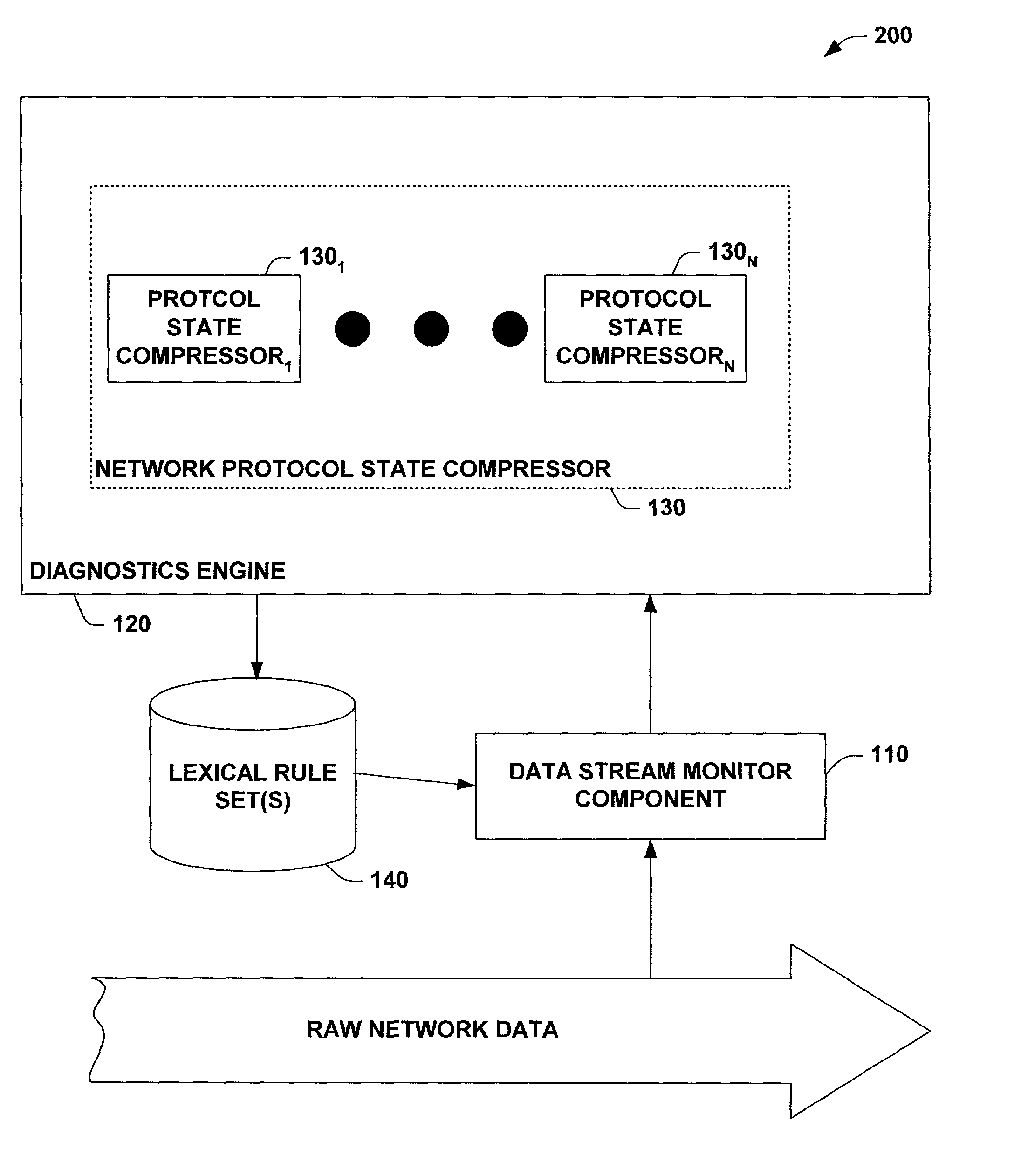
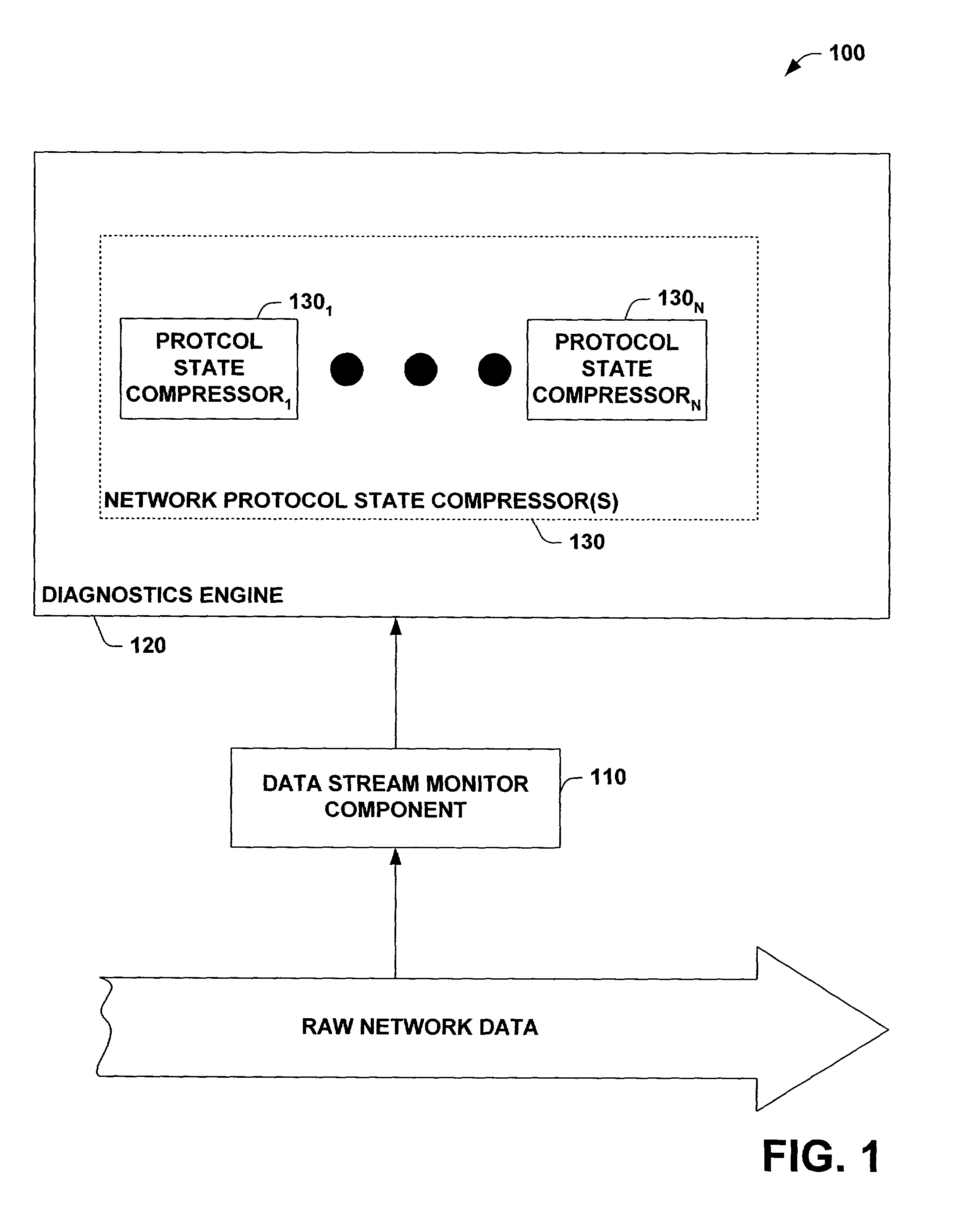
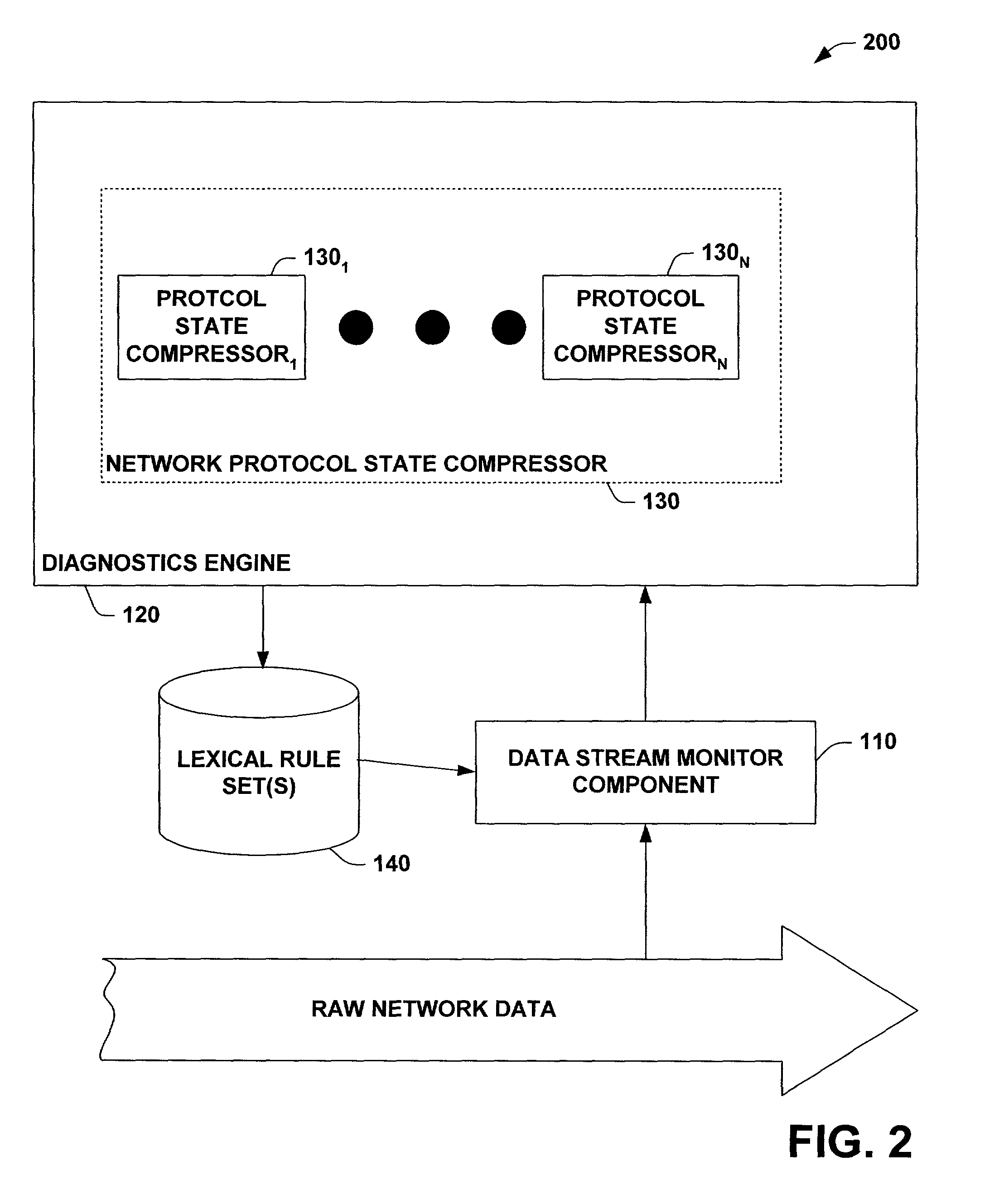
- A protocol diagnostic system comprising a data stream monitor and a diagnostics engine that selectively copies raw network data, analyzes it using protocol-specific compressors, and utilizes an event correlator/inference engine to diagnose issues and initiate corrective actions, facilitating self-healing capabilities.

Network Security Implications of Adaptive Systems
The integration of adaptive control systems into network diagnostics introduces significant security considerations that organizations must carefully evaluate. These systems, while offering enhanced automation and responsiveness, create new attack vectors and expand the potential impact of security breaches. The dynamic nature of adaptive systems means that traditional static security models may prove insufficient for comprehensive protection.
Adaptive control systems inherently require elevated privileges to modify network configurations, adjust diagnostic parameters, and implement corrective actions autonomously. This privileged access creates attractive targets for malicious actors seeking to compromise network infrastructure. Successful exploitation could enable attackers to manipulate diagnostic results, disable monitoring capabilities, or redirect network traffic for unauthorized purposes.
The machine learning components within adaptive diagnostic systems present unique vulnerabilities through adversarial attacks. Attackers may attempt to poison training data or manipulate input parameters to cause misclassification of network conditions. Such attacks could lead to inappropriate responses, false positive alerts, or failure to detect genuine security incidents. The complexity of these AI-driven systems also makes it challenging to predict all possible failure modes or malicious exploitation scenarios.
Data integrity becomes paramount when adaptive systems make autonomous decisions based on collected network metrics. Compromised sensors or tampered diagnostic data could trigger cascading failures or inappropriate system responses. The interconnected nature of modern networks means that erroneous adaptive actions in one segment could propagate issues across the entire infrastructure.
Authentication and authorization frameworks must evolve to accommodate the dynamic nature of adaptive systems while maintaining strict access controls. Traditional role-based access models may require enhancement with context-aware security mechanisms that can evaluate the appropriateness of adaptive actions based on current network conditions and threat landscapes.
The audit trail and forensic capabilities become more complex when adaptive systems continuously modify network configurations. Security teams must ensure comprehensive logging of all adaptive actions while maintaining the ability to correlate automated changes with network events for effective incident response and compliance reporting.
Adaptive control systems inherently require elevated privileges to modify network configurations, adjust diagnostic parameters, and implement corrective actions autonomously. This privileged access creates attractive targets for malicious actors seeking to compromise network infrastructure. Successful exploitation could enable attackers to manipulate diagnostic results, disable monitoring capabilities, or redirect network traffic for unauthorized purposes.
The machine learning components within adaptive diagnostic systems present unique vulnerabilities through adversarial attacks. Attackers may attempt to poison training data or manipulate input parameters to cause misclassification of network conditions. Such attacks could lead to inappropriate responses, false positive alerts, or failure to detect genuine security incidents. The complexity of these AI-driven systems also makes it challenging to predict all possible failure modes or malicious exploitation scenarios.
Data integrity becomes paramount when adaptive systems make autonomous decisions based on collected network metrics. Compromised sensors or tampered diagnostic data could trigger cascading failures or inappropriate system responses. The interconnected nature of modern networks means that erroneous adaptive actions in one segment could propagate issues across the entire infrastructure.
Authentication and authorization frameworks must evolve to accommodate the dynamic nature of adaptive systems while maintaining strict access controls. Traditional role-based access models may require enhancement with context-aware security mechanisms that can evaluate the appropriateness of adaptive actions based on current network conditions and threat landscapes.
The audit trail and forensic capabilities become more complex when adaptive systems continuously modify network configurations. Security teams must ensure comprehensive logging of all adaptive actions while maintaining the ability to correlate automated changes with network events for effective incident response and compliance reporting.
AI-Driven Network Optimization Standards and Protocols
The integration of artificial intelligence into network optimization has necessitated the development of comprehensive standards and protocols that govern how adaptive control systems operate within diagnostic frameworks. Current standardization efforts focus on establishing unified communication protocols between AI agents and network infrastructure components, ensuring interoperability across diverse vendor ecosystems. The IEEE 802.1 working group has been actively developing extensions to existing network management protocols to accommodate AI-driven decision-making processes.
Machine learning model deployment standards have emerged as critical components, with organizations like the Open Network Foundation proposing frameworks for consistent AI model versioning, validation, and deployment across network diagnostic systems. These standards address the need for reproducible AI behavior in network environments where reliability and predictability are paramount. The standardization process emphasizes the importance of explainable AI mechanisms that allow network administrators to understand and validate automated diagnostic decisions.
Protocol development has concentrated on creating lightweight communication mechanisms that enable real-time data exchange between distributed AI agents performing network analysis. The emerging Network AI Protocol Suite incorporates adaptive bandwidth allocation, priority-based message queuing, and fault-tolerant communication channels specifically designed for AI-driven diagnostic workflows. These protocols ensure that diagnostic AI systems can maintain operational effectiveness even under network stress conditions.
Regulatory compliance frameworks are being established to address data privacy, security, and operational transparency requirements for AI-powered network diagnostic systems. Industry consortiums are developing certification processes that validate AI system behavior against established network performance benchmarks and security standards. These frameworks provide guidelines for audit trails, decision logging, and human oversight mechanisms that ensure AI-driven network optimization remains accountable and controllable.
The standardization landscape also encompasses API specifications that enable seamless integration between legacy network management systems and modern AI-driven diagnostic platforms, facilitating gradual adoption while maintaining operational continuity.
Machine learning model deployment standards have emerged as critical components, with organizations like the Open Network Foundation proposing frameworks for consistent AI model versioning, validation, and deployment across network diagnostic systems. These standards address the need for reproducible AI behavior in network environments where reliability and predictability are paramount. The standardization process emphasizes the importance of explainable AI mechanisms that allow network administrators to understand and validate automated diagnostic decisions.
Protocol development has concentrated on creating lightweight communication mechanisms that enable real-time data exchange between distributed AI agents performing network analysis. The emerging Network AI Protocol Suite incorporates adaptive bandwidth allocation, priority-based message queuing, and fault-tolerant communication channels specifically designed for AI-driven diagnostic workflows. These protocols ensure that diagnostic AI systems can maintain operational effectiveness even under network stress conditions.
Regulatory compliance frameworks are being established to address data privacy, security, and operational transparency requirements for AI-powered network diagnostic systems. Industry consortiums are developing certification processes that validate AI system behavior against established network performance benchmarks and security standards. These frameworks provide guidelines for audit trails, decision logging, and human oversight mechanisms that ensure AI-driven network optimization remains accountable and controllable.
The standardization landscape also encompasses API specifications that enable seamless integration between legacy network management systems and modern AI-driven diagnostic platforms, facilitating gradual adoption while maintaining operational continuity.
Unlock deeper insights with Patsnap Eureka Quick Research — get a full tech report to explore trends and direct your research. Try now!
Generate Your Research Report Instantly with AI Agent
Supercharge your innovation with Patsnap Eureka AI Agent Platform!