
Analyze Temperature Effects on Reciprocating Compressor Output
MAR 20, 20269 MIN READ
Generate Your Research Report Instantly with AI Agent
Patsnap Eureka helps you evaluate technical feasibility & market potential.
Temperature Impact on Compressor Performance Background and Goals
Reciprocating compressors have served as fundamental components in industrial applications for over a century, with their performance characteristics being extensively studied since the early 1900s. The relationship between operating temperature and compressor output has emerged as a critical factor influencing system efficiency, reliability, and operational costs across diverse industries including petrochemical processing, natural gas transmission, and refrigeration systems.
The evolution of compressor technology has consistently highlighted temperature as a primary variable affecting volumetric efficiency, power consumption, and mechanical integrity. Early research focused primarily on basic thermodynamic relationships, while modern investigations encompass complex interactions between thermal effects, material properties, and advanced control systems. This progression reflects the industry's growing demand for optimized performance under varying environmental conditions.
Contemporary industrial environments present increasingly challenging thermal operating conditions, driven by factors such as climate change, process intensification, and energy efficiency mandates. Compressor systems must now operate reliably across broader temperature ranges while maintaining consistent output performance. This operational reality has intensified the need for comprehensive understanding of temperature-dependent performance characteristics.
The primary objective of analyzing temperature effects on reciprocating compressor output centers on developing predictive models that accurately forecast performance variations under different thermal conditions. This includes establishing quantitative relationships between ambient temperature, internal component temperatures, and resulting volumetric flow rates, pressure ratios, and power requirements.
Secondary objectives encompass identifying optimal operating temperature ranges that maximize efficiency while minimizing mechanical stress and wear. Understanding these relationships enables development of adaptive control strategies that automatically adjust operational parameters based on real-time temperature measurements, thereby maintaining consistent output performance regardless of environmental variations.
Long-term strategic goals include advancing compressor design methodologies to incorporate temperature-resilient features from the initial development phase. This involves creating comprehensive thermal management systems, selecting materials with superior temperature stability, and implementing predictive maintenance protocols based on temperature-performance correlations. These advancements will ultimately enhance system reliability, reduce operational costs, and extend equipment service life across diverse industrial applications.
The evolution of compressor technology has consistently highlighted temperature as a primary variable affecting volumetric efficiency, power consumption, and mechanical integrity. Early research focused primarily on basic thermodynamic relationships, while modern investigations encompass complex interactions between thermal effects, material properties, and advanced control systems. This progression reflects the industry's growing demand for optimized performance under varying environmental conditions.
Contemporary industrial environments present increasingly challenging thermal operating conditions, driven by factors such as climate change, process intensification, and energy efficiency mandates. Compressor systems must now operate reliably across broader temperature ranges while maintaining consistent output performance. This operational reality has intensified the need for comprehensive understanding of temperature-dependent performance characteristics.
The primary objective of analyzing temperature effects on reciprocating compressor output centers on developing predictive models that accurately forecast performance variations under different thermal conditions. This includes establishing quantitative relationships between ambient temperature, internal component temperatures, and resulting volumetric flow rates, pressure ratios, and power requirements.
Secondary objectives encompass identifying optimal operating temperature ranges that maximize efficiency while minimizing mechanical stress and wear. Understanding these relationships enables development of adaptive control strategies that automatically adjust operational parameters based on real-time temperature measurements, thereby maintaining consistent output performance regardless of environmental variations.
Long-term strategic goals include advancing compressor design methodologies to incorporate temperature-resilient features from the initial development phase. This involves creating comprehensive thermal management systems, selecting materials with superior temperature stability, and implementing predictive maintenance protocols based on temperature-performance correlations. These advancements will ultimately enhance system reliability, reduce operational costs, and extend equipment service life across diverse industrial applications.
Market Demand for Temperature-Optimized Reciprocating Compressors
The global reciprocating compressor market is experiencing significant transformation driven by increasing demand for temperature-optimized solutions across multiple industrial sectors. Manufacturing industries, particularly those involved in chemical processing, petrochemicals, and refrigeration, are actively seeking compressor systems that maintain consistent performance across varying ambient temperature conditions. This demand stems from the critical need to ensure operational reliability and energy efficiency in facilities located in diverse climatic regions.
Industrial gas processing facilities represent a substantial market segment requiring temperature-optimized reciprocating compressors. These facilities often operate in extreme temperature environments, from arctic conditions in northern oil fields to desert climates in Middle Eastern processing plants. The ability to maintain optimal compression ratios and volumetric efficiency regardless of ambient temperature variations has become a key procurement criterion for these operations.
The refrigeration and HVAC industry demonstrates particularly strong demand for temperature-adaptive compressor technologies. Commercial refrigeration systems in retail chains, food processing facilities, and cold storage warehouses require compressors that can automatically adjust their operational parameters based on seasonal temperature fluctuations. This market segment values solutions that minimize energy consumption while maintaining precise temperature control across varying load conditions.
Power generation facilities utilizing gas turbines and combined cycle systems increasingly prioritize compressors with advanced temperature compensation capabilities. These installations require consistent air compression performance to maintain optimal combustion efficiency and power output, regardless of seasonal temperature variations that can significantly impact air density and compressor inlet conditions.
The pharmaceutical and biotechnology sectors present emerging market opportunities for temperature-optimized compressor systems. These industries require precise environmental control for manufacturing processes and storage facilities, where temperature variations can directly impact product quality and regulatory compliance. Clean room applications and sterile manufacturing environments particularly benefit from compressor systems that maintain stable performance across temperature ranges.
Market growth is further accelerated by increasing environmental regulations and energy efficiency standards. Organizations are actively seeking compressor solutions that reduce energy consumption through intelligent temperature-based optimization, contributing to sustainability goals while reducing operational costs. This regulatory environment creates sustained demand for advanced temperature-compensation technologies in reciprocating compressor systems.
Industrial gas processing facilities represent a substantial market segment requiring temperature-optimized reciprocating compressors. These facilities often operate in extreme temperature environments, from arctic conditions in northern oil fields to desert climates in Middle Eastern processing plants. The ability to maintain optimal compression ratios and volumetric efficiency regardless of ambient temperature variations has become a key procurement criterion for these operations.
The refrigeration and HVAC industry demonstrates particularly strong demand for temperature-adaptive compressor technologies. Commercial refrigeration systems in retail chains, food processing facilities, and cold storage warehouses require compressors that can automatically adjust their operational parameters based on seasonal temperature fluctuations. This market segment values solutions that minimize energy consumption while maintaining precise temperature control across varying load conditions.
Power generation facilities utilizing gas turbines and combined cycle systems increasingly prioritize compressors with advanced temperature compensation capabilities. These installations require consistent air compression performance to maintain optimal combustion efficiency and power output, regardless of seasonal temperature variations that can significantly impact air density and compressor inlet conditions.
The pharmaceutical and biotechnology sectors present emerging market opportunities for temperature-optimized compressor systems. These industries require precise environmental control for manufacturing processes and storage facilities, where temperature variations can directly impact product quality and regulatory compliance. Clean room applications and sterile manufacturing environments particularly benefit from compressor systems that maintain stable performance across temperature ranges.
Market growth is further accelerated by increasing environmental regulations and energy efficiency standards. Organizations are actively seeking compressor solutions that reduce energy consumption through intelligent temperature-based optimization, contributing to sustainability goals while reducing operational costs. This regulatory environment creates sustained demand for advanced temperature-compensation technologies in reciprocating compressor systems.
Current Thermal Challenges in Reciprocating Compressor Systems
Reciprocating compressor systems face significant thermal challenges that directly impact their operational efficiency and reliability. The primary thermal constraint stems from heat generation during compression cycles, where gas compression inherently produces substantial thermal energy. This heat accumulation affects multiple system components, including cylinders, pistons, valves, and cooling systems, creating cascading effects throughout the entire compression process.
Cylinder overheating represents one of the most critical thermal challenges in reciprocating compressors. Excessive temperatures in compression chambers lead to reduced volumetric efficiency as heated gas expands, decreasing the effective compression ratio. High cylinder temperatures also accelerate wear on piston rings and cylinder walls, resulting in increased maintenance requirements and reduced equipment lifespan. The thermal stress on metallic components can cause dimensional changes, affecting clearance tolerances and potentially leading to mechanical failures.
Valve thermal degradation poses another significant challenge, particularly for suction and discharge valves exposed to rapid temperature fluctuations. Temperature variations cause thermal cycling stress, leading to valve seat distortion and reduced sealing effectiveness. Hot gas temperatures can exceed material limits for valve components, causing premature failure and compromising system integrity. The thermal expansion mismatch between different valve materials further exacerbates these issues.
Cooling system inadequacy emerges as a fundamental challenge when existing thermal management solutions cannot effectively dissipate generated heat. Traditional air-cooled and water-cooled systems often struggle with varying ambient conditions and heat load fluctuations. Insufficient cooling capacity results in elevated operating temperatures, reduced gas density, and decreased compressor output. The challenge intensifies in high-temperature environments or applications requiring continuous operation under heavy loads.
Intercooling inefficiencies in multi-stage reciprocating compressors present additional thermal management complexities. Inadequate heat removal between compression stages reduces overall system efficiency and increases power consumption. Poor intercooling performance leads to higher discharge temperatures in subsequent stages, creating cumulative thermal stress throughout the compression train.
Thermal barrier limitations in current compressor designs restrict effective heat isolation between hot and cold sections. Insufficient thermal barriers allow heat transfer from compression chambers to suction areas, preheating incoming gas and reducing volumetric efficiency. This thermal crossover effect becomes particularly problematic in compact compressor designs where space constraints limit thermal isolation options.
Heat exchanger fouling and scaling represent operational thermal challenges that progressively degrade cooling performance. Contaminant buildup on heat transfer surfaces reduces cooling effectiveness, leading to gradual temperature increases and performance deterioration. These issues require regular maintenance interventions and can cause unexpected thermal-related failures if not properly managed.
Cylinder overheating represents one of the most critical thermal challenges in reciprocating compressors. Excessive temperatures in compression chambers lead to reduced volumetric efficiency as heated gas expands, decreasing the effective compression ratio. High cylinder temperatures also accelerate wear on piston rings and cylinder walls, resulting in increased maintenance requirements and reduced equipment lifespan. The thermal stress on metallic components can cause dimensional changes, affecting clearance tolerances and potentially leading to mechanical failures.
Valve thermal degradation poses another significant challenge, particularly for suction and discharge valves exposed to rapid temperature fluctuations. Temperature variations cause thermal cycling stress, leading to valve seat distortion and reduced sealing effectiveness. Hot gas temperatures can exceed material limits for valve components, causing premature failure and compromising system integrity. The thermal expansion mismatch between different valve materials further exacerbates these issues.
Cooling system inadequacy emerges as a fundamental challenge when existing thermal management solutions cannot effectively dissipate generated heat. Traditional air-cooled and water-cooled systems often struggle with varying ambient conditions and heat load fluctuations. Insufficient cooling capacity results in elevated operating temperatures, reduced gas density, and decreased compressor output. The challenge intensifies in high-temperature environments or applications requiring continuous operation under heavy loads.
Intercooling inefficiencies in multi-stage reciprocating compressors present additional thermal management complexities. Inadequate heat removal between compression stages reduces overall system efficiency and increases power consumption. Poor intercooling performance leads to higher discharge temperatures in subsequent stages, creating cumulative thermal stress throughout the compression train.
Thermal barrier limitations in current compressor designs restrict effective heat isolation between hot and cold sections. Insufficient thermal barriers allow heat transfer from compression chambers to suction areas, preheating incoming gas and reducing volumetric efficiency. This thermal crossover effect becomes particularly problematic in compact compressor designs where space constraints limit thermal isolation options.
Heat exchanger fouling and scaling represent operational thermal challenges that progressively degrade cooling performance. Contaminant buildup on heat transfer surfaces reduces cooling effectiveness, leading to gradual temperature increases and performance deterioration. These issues require regular maintenance interventions and can cause unexpected thermal-related failures if not properly managed.
Existing Temperature Compensation Solutions for Compressor Output
01 Variable speed control mechanisms for reciprocating compressors
Reciprocating compressor output can be controlled through variable speed drive systems that adjust the motor speed based on demand. These systems utilize electronic controllers and inverters to modulate the compressor's operating frequency, allowing for precise output regulation. The variable speed control enables energy savings by matching the compressor output to actual system requirements, reducing unnecessary cycling and improving overall efficiency.- Variable speed control mechanisms for reciprocating compressors: Reciprocating compressor output can be controlled through variable speed drive systems that adjust the motor speed to match demand requirements. These systems utilize electronic controllers and inverters to modulate the compressor's operational speed, allowing for precise output regulation. By varying the rotational speed of the crankshaft, the compression cycles per unit time can be adjusted, directly affecting the volumetric output. This approach provides energy efficiency benefits and reduces mechanical stress during partial load operations.
- Capacity control through valve unloading systems: Output regulation can be achieved through valve unloading mechanisms that selectively disable one or more cylinders during operation. These systems employ hydraulic or pneumatic actuators to hold suction or discharge valves open, preventing compression in specific cylinders. The unloading mechanism allows stepwise capacity reduction while maintaining constant speed operation. This method is particularly effective for multi-cylinder configurations where partial capacity operation is required without speed variation.
- Clearance volume adjustment mechanisms: Compressor output can be modulated by adjusting the clearance volume within the compression chamber. Variable clearance pockets or adjustable cylinder heads allow modification of the dead space volume, which affects the volumetric efficiency and consequently the mass flow rate. By increasing clearance volume, the re-expansion of trapped gas reduces the effective intake volume per stroke. This continuous capacity control method enables smooth output adjustment without mechanical cycling of components.
- Multi-stage compression configurations: Enhanced output performance can be achieved through multi-stage reciprocating compressor designs where gas is compressed sequentially through multiple cylinders. Intercooling between stages reduces the gas temperature, improving volumetric efficiency and reducing power consumption. The staged approach allows for higher pressure ratios while maintaining acceptable discharge temperatures. Configuration options include tandem arrangements on a single crankshaft or separate compressor units with intermediate cooling and separation systems.
- Discharge pressure regulation and bypass control: Output control can be implemented through discharge pressure regulation systems that incorporate bypass valves and pressure sensing mechanisms. These systems monitor discharge pressure and redirect compressed gas back to the suction side when output exceeds demand. Proportional control valves enable continuous capacity modulation by varying the bypass flow rate. This approach maintains constant compressor speed while adjusting effective output, providing rapid response to load changes and preventing excessive pressure buildup in the discharge system.
02 Capacity control through valve mechanisms
The output of reciprocating compressors can be regulated using specialized valve systems including unloaders, bypass valves, and suction valve lifters. These mechanisms allow selective deactivation of one or more cylinders or modification of the effective compression stroke. By controlling which cylinders are active during operation, the compressor output can be adjusted in steps to match varying load requirements without changing the rotational speed.Expand Specific Solutions03 Multi-stage compression configurations
Reciprocating compressors can achieve higher output pressures and improved efficiency through multi-stage compression arrangements. These configurations utilize multiple cylinders operating in series, with intercooling between stages to reduce the temperature of compressed gas. The staged approach allows for better control of discharge pressure and temperature while distributing the compression work across multiple stages, resulting in more efficient operation and extended equipment life.Expand Specific Solutions04 Pulsation dampening and output stabilization systems
To ensure stable and consistent output from reciprocating compressors, pulsation dampeners and buffer vessels are employed to smooth the inherently pulsating discharge flow. These systems absorb pressure fluctuations caused by the reciprocating motion of pistons, providing a more uniform output stream. The dampening mechanisms help protect downstream equipment, reduce vibration, and improve the overall quality of the compressed gas delivery.Expand Specific Solutions05 Smart monitoring and output optimization systems
Modern reciprocating compressors incorporate intelligent monitoring systems that continuously track performance parameters such as pressure, temperature, flow rate, and power consumption. These systems use sensors and control algorithms to optimize compressor output in real-time, adjusting operational parameters to maintain efficiency while meeting demand. Advanced diagnostics capabilities enable predictive maintenance and automatic adjustment of output characteristics based on operating conditions.Expand Specific Solutions
Key Players in Reciprocating Compressor and Thermal Control Industry
The reciprocating compressor market for temperature analysis applications represents a mature industry in the growth-to-consolidation phase, with significant market presence across HVAC, refrigeration, and industrial sectors. Market leaders like Daikin Industries, Mitsubishi Electric, Samsung Electronics, and LG Electronics demonstrate advanced technological capabilities in thermal management and compressor optimization. Established players including Copeland LP, Emerson Climate Technologies, and Sanden Corp. showcase deep expertise in compression technology and temperature control systems. The technology maturity is evidenced by companies like Midea Group, Haier Smart Home, and Fujitsu General integrating sophisticated temperature compensation algorithms into their compressor designs. Asian manufacturers dominate the competitive landscape, while specialized firms like Kobe Steel and IHI Power Systems contribute advanced materials and precision engineering solutions for temperature-sensitive applications.
Copeland LP
Technical Solution: Copeland has developed advanced temperature compensation algorithms for reciprocating compressors that automatically adjust operating parameters based on ambient and suction temperatures. Their digital scroll and reciprocating compressor systems incorporate real-time temperature monitoring with feedback control loops that optimize compression ratios and valve timing. The technology includes predictive thermal modeling that anticipates temperature-related performance degradation and proactively adjusts system parameters to maintain consistent output across temperature ranges from -40°F to 130°F ambient conditions.
Strengths: Industry-leading temperature compensation technology with proven reliability in HVAC applications. Weaknesses: Higher initial cost compared to basic compressor systems without advanced temperature control features.
Emerson Climate Technologies, Inc.
Technical Solution: Emerson has developed comprehensive thermal management solutions for reciprocating compressors including variable speed drive technology that adjusts compressor output based on temperature conditions. Their Copeland Scroll compressors feature enhanced vapor injection technology that maintains efficiency across wide temperature ranges. The system incorporates advanced refrigerant management and thermal protection algorithms that monitor discharge temperatures, suction superheat, and ambient conditions to optimize compressor performance and prevent thermal damage while maintaining consistent cooling capacity.
Strengths: Integrated thermal protection systems with excellent reliability and energy efficiency optimization. Weaknesses: Complex control systems require specialized maintenance expertise and higher upfront investment costs.
Core Thermal Analysis Patents for Reciprocating Compressor Design
Method and apparatus for continuously monitoring parameters of reciprocating compressor cylinders
PatentInactiveUS6292757B1
Innovation
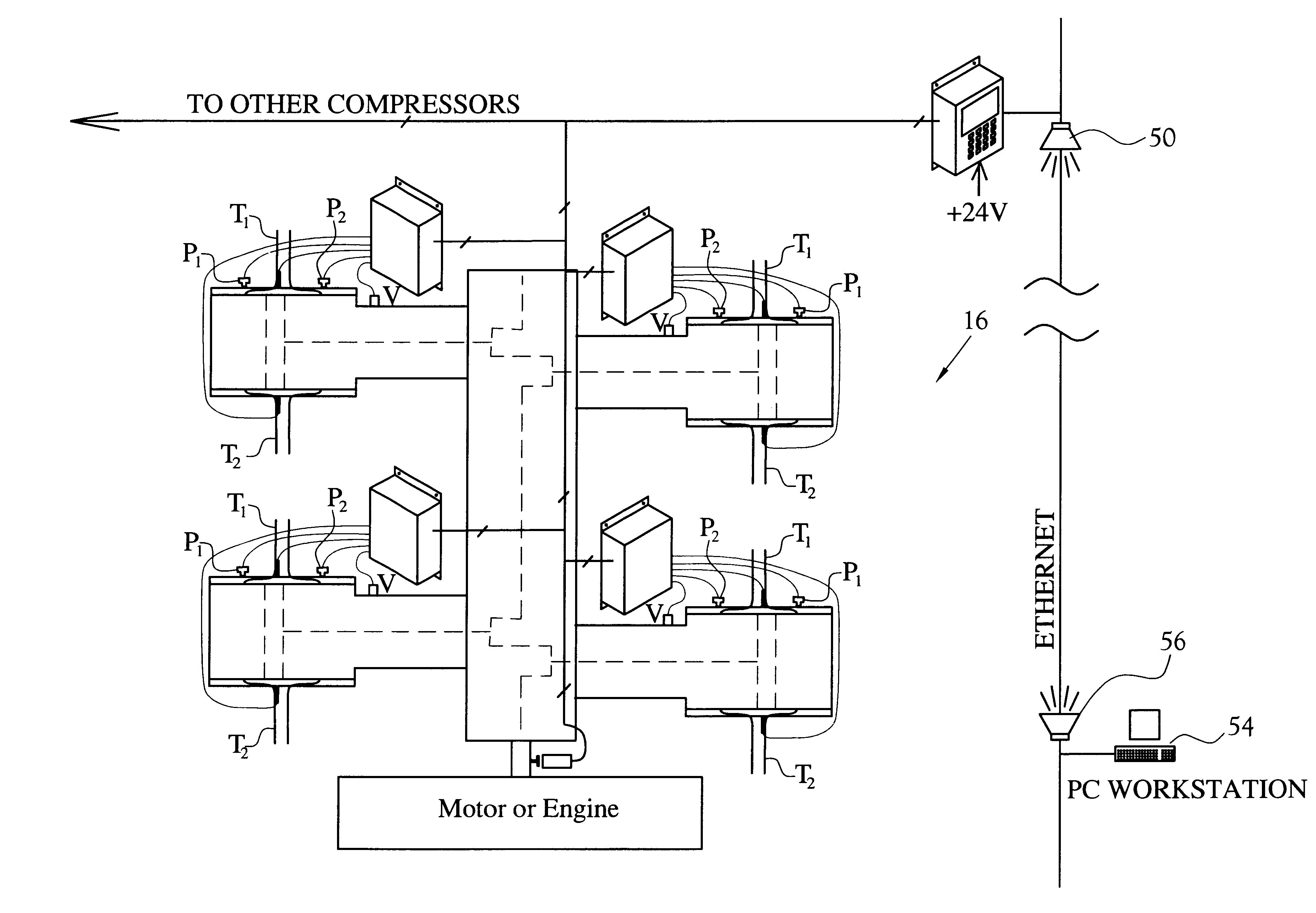
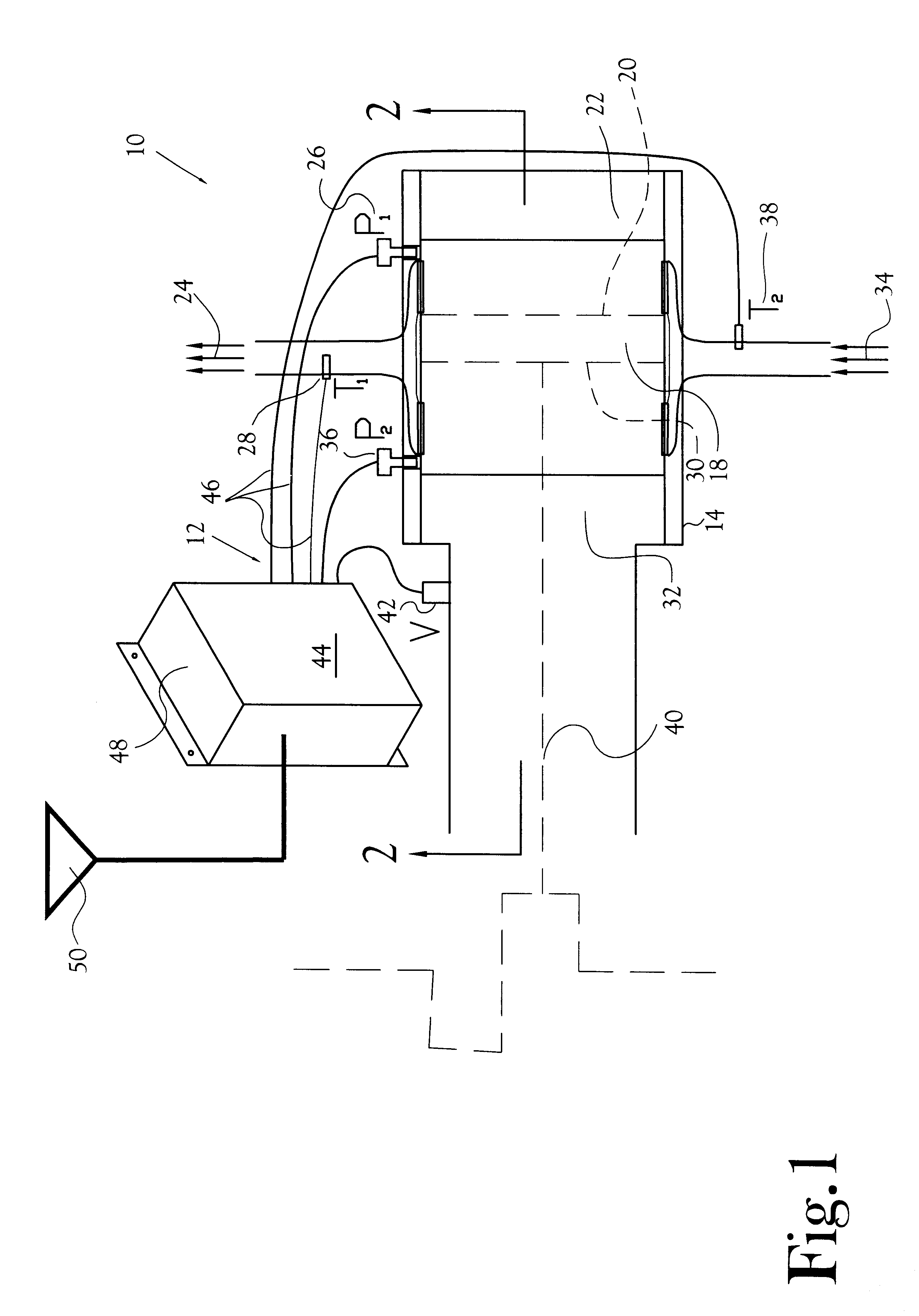
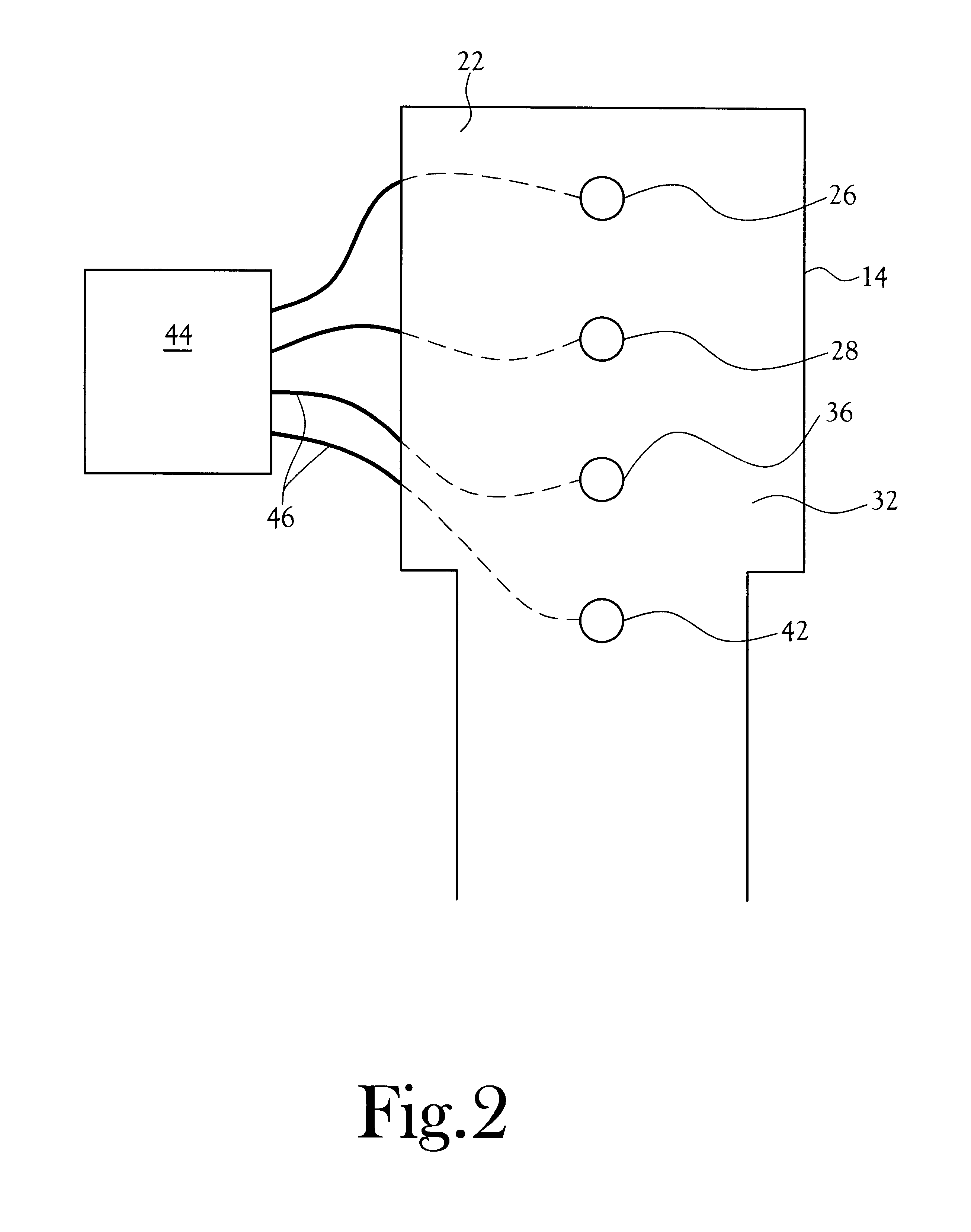
- A continuous diagnostic monitoring apparatus with sensors for pressure, temperature, and vibration on both sides of the piston, connected to a calculator and transmitter that sends data to a remote computer for real-time analysis and alert generation, enabling continuous monitoring and analysis of multiple compressor cylinders without operator intervention.

Reciprocating compressor and control method therefor
PatentWO2018105068A1
Innovation
- The compressor incorporates a control method that adjusts the restart and stop pressures based on temperature readings from installed sensors, lowering pressures when temperatures deviate from the normal range to prevent wear and maintain performance, and uses existing temperature detection means to predict cylinder temperature for adaptive pressure control.


Energy Efficiency Standards for Industrial Compressor Systems
Energy efficiency standards for industrial compressor systems have evolved significantly in response to growing environmental concerns and rising energy costs. These standards establish minimum performance requirements that manufacturers must meet, driving innovation in compressor design and operation. The regulatory framework varies across regions, with the European Union's EcoDesign Directive, the United States Department of Energy regulations, and ISO 1217 international standards serving as primary benchmarks for compressor efficiency metrics.
Current efficiency standards typically focus on specific energy consumption measured in kilowatt-hours per cubic meter of compressed air delivered. The standards categorize compressors by capacity ranges and establish minimum efficiency thresholds that progressively tighten over time. For reciprocating compressors, these requirements particularly emphasize volumetric efficiency and power consumption under standardized operating conditions, including specific temperature and pressure parameters.
Temperature considerations play a crucial role in efficiency standard compliance, as ambient temperature variations directly impact compressor performance metrics. Standards typically specify reference conditions at 20°C ambient temperature, but real-world applications often deviate from these conditions. This creates challenges for manufacturers in ensuring consistent compliance across diverse operating environments and seasonal temperature fluctuations.
The implementation of efficiency standards has accelerated the adoption of advanced control systems and variable speed drives in reciprocating compressor designs. These technologies enable dynamic adjustment to temperature variations while maintaining efficiency compliance. Additionally, standards increasingly incorporate requirements for thermal management systems, including intercooling and aftercooling technologies that optimize performance across temperature ranges.
Future regulatory trends indicate stricter efficiency requirements and expanded scope to include lifecycle energy consumption assessments. Emerging standards are beginning to address temperature-dependent performance curves, requiring manufacturers to provide efficiency data across broader temperature ranges rather than single-point measurements. This evolution reflects the industry's recognition that temperature effects significantly influence real-world energy consumption patterns in industrial compressor applications.
Current efficiency standards typically focus on specific energy consumption measured in kilowatt-hours per cubic meter of compressed air delivered. The standards categorize compressors by capacity ranges and establish minimum efficiency thresholds that progressively tighten over time. For reciprocating compressors, these requirements particularly emphasize volumetric efficiency and power consumption under standardized operating conditions, including specific temperature and pressure parameters.
Temperature considerations play a crucial role in efficiency standard compliance, as ambient temperature variations directly impact compressor performance metrics. Standards typically specify reference conditions at 20°C ambient temperature, but real-world applications often deviate from these conditions. This creates challenges for manufacturers in ensuring consistent compliance across diverse operating environments and seasonal temperature fluctuations.
The implementation of efficiency standards has accelerated the adoption of advanced control systems and variable speed drives in reciprocating compressor designs. These technologies enable dynamic adjustment to temperature variations while maintaining efficiency compliance. Additionally, standards increasingly incorporate requirements for thermal management systems, including intercooling and aftercooling technologies that optimize performance across temperature ranges.
Future regulatory trends indicate stricter efficiency requirements and expanded scope to include lifecycle energy consumption assessments. Emerging standards are beginning to address temperature-dependent performance curves, requiring manufacturers to provide efficiency data across broader temperature ranges rather than single-point measurements. This evolution reflects the industry's recognition that temperature effects significantly influence real-world energy consumption patterns in industrial compressor applications.
Environmental Impact Assessment of Compressor Thermal Management
The environmental implications of thermal management in reciprocating compressors extend far beyond operational efficiency, encompassing significant ecological and sustainability considerations. Temperature variations directly influence energy consumption patterns, with elevated operating temperatures typically requiring increased cooling capacity and auxiliary power systems. This cascading effect results in higher overall energy demand, contributing to increased carbon emissions and environmental footprint.
Thermal inefficiencies in compressor systems manifest as waste heat generation, which requires proper dissipation to prevent environmental thermal pollution. Inadequate thermal management can lead to localized temperature increases in industrial facilities, affecting surrounding ecosystems and potentially disrupting natural thermal equilibrium in nearby water bodies or soil systems. The heat rejection systems commonly employed, such as cooling towers and air-cooled condensers, consume substantial water resources and may introduce thermal discharge into environmental systems.
The relationship between compressor thermal performance and refrigerant selection presents critical environmental trade-offs. Higher operating temperatures may necessitate refrigerants with greater global warming potential or ozone depletion characteristics to maintain system efficiency. Additionally, thermal stress on system components accelerates degradation rates, leading to increased maintenance frequency, component replacement cycles, and associated material waste generation.
Energy efficiency degradation due to poor thermal management directly correlates with increased fossil fuel consumption in power generation, amplifying greenhouse gas emissions. Studies indicate that every degree of temperature increase beyond optimal operating conditions can result in 2-4% efficiency reduction, translating to proportional increases in environmental impact. The cumulative effect across industrial installations represents substantial environmental burden.
Sustainable thermal management strategies, including waste heat recovery systems and advanced cooling technologies, offer pathways to minimize environmental impact while maintaining operational performance. Implementation of these solutions requires comprehensive assessment of lifecycle environmental costs versus operational benefits, considering factors such as manufacturing impact, operational efficiency gains, and end-of-life disposal considerations.
Thermal inefficiencies in compressor systems manifest as waste heat generation, which requires proper dissipation to prevent environmental thermal pollution. Inadequate thermal management can lead to localized temperature increases in industrial facilities, affecting surrounding ecosystems and potentially disrupting natural thermal equilibrium in nearby water bodies or soil systems. The heat rejection systems commonly employed, such as cooling towers and air-cooled condensers, consume substantial water resources and may introduce thermal discharge into environmental systems.
The relationship between compressor thermal performance and refrigerant selection presents critical environmental trade-offs. Higher operating temperatures may necessitate refrigerants with greater global warming potential or ozone depletion characteristics to maintain system efficiency. Additionally, thermal stress on system components accelerates degradation rates, leading to increased maintenance frequency, component replacement cycles, and associated material waste generation.
Energy efficiency degradation due to poor thermal management directly correlates with increased fossil fuel consumption in power generation, amplifying greenhouse gas emissions. Studies indicate that every degree of temperature increase beyond optimal operating conditions can result in 2-4% efficiency reduction, translating to proportional increases in environmental impact. The cumulative effect across industrial installations represents substantial environmental burden.
Sustainable thermal management strategies, including waste heat recovery systems and advanced cooling technologies, offer pathways to minimize environmental impact while maintaining operational performance. Implementation of these solutions requires comprehensive assessment of lifecycle environmental costs versus operational benefits, considering factors such as manufacturing impact, operational efficiency gains, and end-of-life disposal considerations.
Unlock deeper insights with Patsnap Eureka Quick Research — get a full tech report to explore trends and direct your research. Try now!
Generate Your Research Report Instantly with AI Agent
Supercharge your innovation with Patsnap Eureka AI Agent Platform!