
How to Prevent Reciprocating Compressor Piston Failures
MAR 20, 20269 MIN READ
Generate Your Research Report Instantly with AI Agent
Patsnap Eureka helps you evaluate technical feasibility & market potential.
Reciprocating Compressor Piston Failure Background and Objectives
Reciprocating compressors have served as the backbone of industrial compression systems for over a century, with their robust design and reliable performance making them indispensable across petroleum refining, chemical processing, natural gas transmission, and manufacturing industries. These machines operate through the fundamental principle of positive displacement, where pistons move within cylinders to compress gases through repetitive mechanical motion. However, this very mechanism that provides their strength also represents their primary vulnerability.
The evolution of reciprocating compressor technology has been marked by continuous improvements in materials science, precision manufacturing, and system design. Early compressors suffered from frequent mechanical failures due to limited metallurgical knowledge and crude manufacturing processes. The introduction of advanced alloys, precision machining techniques, and sophisticated lubrication systems has significantly enhanced reliability, yet piston failures remain a persistent challenge that can result in catastrophic operational disruptions.
Piston failures in reciprocating compressors manifest through various mechanisms including thermal fatigue, mechanical wear, material degradation, and structural fractures. These failures typically stem from complex interactions between operating conditions, material properties, design parameters, and maintenance practices. The consequences extend far beyond component replacement costs, encompassing production downtime, safety risks, environmental concerns, and substantial economic losses that can reach millions of dollars for critical industrial processes.
Current industry data indicates that piston-related failures account for approximately 25-30% of all reciprocating compressor maintenance issues, with failure rates varying significantly based on application severity, operating conditions, and maintenance protocols. The increasing demand for higher compression ratios, extended operating cycles, and reduced maintenance windows has intensified the technical challenges associated with piston durability and reliability.
The primary objective of this technical investigation is to establish a comprehensive understanding of piston failure mechanisms and develop effective prevention strategies that can significantly reduce failure rates while extending operational life cycles. This research aims to identify critical design parameters, optimal material selections, and advanced monitoring techniques that can predict and prevent failures before they occur.
Secondary objectives include evaluating emerging technologies such as advanced coatings, smart materials, and predictive analytics that could revolutionize piston design and maintenance approaches. The ultimate goal is to provide actionable recommendations that enable industrial operators to achieve superior reliability, reduced maintenance costs, and enhanced operational safety in their reciprocating compressor systems.
The evolution of reciprocating compressor technology has been marked by continuous improvements in materials science, precision manufacturing, and system design. Early compressors suffered from frequent mechanical failures due to limited metallurgical knowledge and crude manufacturing processes. The introduction of advanced alloys, precision machining techniques, and sophisticated lubrication systems has significantly enhanced reliability, yet piston failures remain a persistent challenge that can result in catastrophic operational disruptions.
Piston failures in reciprocating compressors manifest through various mechanisms including thermal fatigue, mechanical wear, material degradation, and structural fractures. These failures typically stem from complex interactions between operating conditions, material properties, design parameters, and maintenance practices. The consequences extend far beyond component replacement costs, encompassing production downtime, safety risks, environmental concerns, and substantial economic losses that can reach millions of dollars for critical industrial processes.
Current industry data indicates that piston-related failures account for approximately 25-30% of all reciprocating compressor maintenance issues, with failure rates varying significantly based on application severity, operating conditions, and maintenance protocols. The increasing demand for higher compression ratios, extended operating cycles, and reduced maintenance windows has intensified the technical challenges associated with piston durability and reliability.
The primary objective of this technical investigation is to establish a comprehensive understanding of piston failure mechanisms and develop effective prevention strategies that can significantly reduce failure rates while extending operational life cycles. This research aims to identify critical design parameters, optimal material selections, and advanced monitoring techniques that can predict and prevent failures before they occur.
Secondary objectives include evaluating emerging technologies such as advanced coatings, smart materials, and predictive analytics that could revolutionize piston design and maintenance approaches. The ultimate goal is to provide actionable recommendations that enable industrial operators to achieve superior reliability, reduced maintenance costs, and enhanced operational safety in their reciprocating compressor systems.
Market Demand for Reliable Compressor Systems
The global reciprocating compressor market demonstrates substantial demand driven by critical industrial applications where system reliability directly impacts operational continuity and safety. Industries such as oil and gas, petrochemicals, manufacturing, and power generation rely heavily on reciprocating compressors for essential processes including gas compression, refrigeration, and pneumatic systems. These sectors cannot afford unexpected equipment failures, as downtime can result in significant production losses, safety hazards, and regulatory compliance issues.
Market demand for reliable compressor systems has intensified due to the growing complexity of industrial operations and stricter environmental regulations. Companies are increasingly seeking compressor solutions that offer extended operational lifespans, reduced maintenance requirements, and improved energy efficiency. The emphasis on predictive maintenance and condition monitoring technologies reflects the industry's shift toward proactive reliability management rather than reactive repair strategies.
The oil and gas sector represents a particularly demanding market segment, where compressors operate in harsh environments with extreme temperatures, corrosive substances, and high-pressure conditions. Offshore drilling platforms, refineries, and pipeline operations require compressor systems that can maintain consistent performance under these challenging circumstances. Any piston failure in these applications can trigger cascading operational disruptions and substantial financial losses.
Manufacturing industries, including automotive, food processing, and pharmaceuticals, drive demand for reliable compressed air systems that support production line operations. These sectors require consistent air quality and pressure levels to maintain product quality standards and meet regulatory requirements. Piston failures in these applications can compromise product integrity and halt entire production processes.
The growing adoption of natural gas as a cleaner energy source has expanded market demand for reciprocating compressors in gas processing and distribution networks. These applications require highly reliable systems capable of handling varying gas compositions and operating conditions while maintaining strict safety standards.
Emerging markets in developing economies are contributing to increased demand as industrialization accelerates and infrastructure development expands. These regions seek cost-effective yet reliable compressor solutions that can support their growing industrial base while minimizing operational risks and maintenance costs.
Market demand for reliable compressor systems has intensified due to the growing complexity of industrial operations and stricter environmental regulations. Companies are increasingly seeking compressor solutions that offer extended operational lifespans, reduced maintenance requirements, and improved energy efficiency. The emphasis on predictive maintenance and condition monitoring technologies reflects the industry's shift toward proactive reliability management rather than reactive repair strategies.
The oil and gas sector represents a particularly demanding market segment, where compressors operate in harsh environments with extreme temperatures, corrosive substances, and high-pressure conditions. Offshore drilling platforms, refineries, and pipeline operations require compressor systems that can maintain consistent performance under these challenging circumstances. Any piston failure in these applications can trigger cascading operational disruptions and substantial financial losses.
Manufacturing industries, including automotive, food processing, and pharmaceuticals, drive demand for reliable compressed air systems that support production line operations. These sectors require consistent air quality and pressure levels to maintain product quality standards and meet regulatory requirements. Piston failures in these applications can compromise product integrity and halt entire production processes.
The growing adoption of natural gas as a cleaner energy source has expanded market demand for reciprocating compressors in gas processing and distribution networks. These applications require highly reliable systems capable of handling varying gas compositions and operating conditions while maintaining strict safety standards.
Emerging markets in developing economies are contributing to increased demand as industrialization accelerates and infrastructure development expands. These regions seek cost-effective yet reliable compressor solutions that can support their growing industrial base while minimizing operational risks and maintenance costs.
Current Piston Failure Issues and Technical Challenges
Reciprocating compressor piston failures represent one of the most critical operational challenges in industrial compression systems, significantly impacting equipment reliability and operational costs. Current failure patterns predominantly manifest through several interconnected mechanisms that continue to challenge maintenance teams and design engineers worldwide.
Thermal-induced failures constitute a primary concern, where excessive heat generation leads to piston material degradation, thermal expansion mismatches, and subsequent mechanical stress concentrations. These thermal issues often result from inadequate cooling systems, improper lubrication, or operating conditions exceeding design parameters. The cyclical nature of compression operations exacerbates thermal stress, creating fatigue crack initiation points that propagate over time.
Mechanical wear represents another fundamental challenge, particularly in high-pressure applications where piston rings experience accelerated deterioration. Abrasive particles in the gas stream, combined with inadequate filtration systems, accelerate wear rates beyond acceptable maintenance intervals. This mechanical degradation compromises sealing effectiveness, leading to reduced compression efficiency and increased power consumption.
Lubrication-related failures continue to plague reciprocating compressor operations, despite advances in lubricant technology. Insufficient lubrication film thickness, contaminated lubricants, or improper viscosity selection creates boundary lubrication conditions that accelerate component wear. Oil carbonization at elevated temperatures further compounds these issues by creating abrasive deposits that damage precision-machined surfaces.
Material compatibility challenges emerge particularly in specialized gas applications, where chemical interactions between process gases and piston materials lead to corrosion, embrittlement, or chemical degradation. Hydrogen service applications exemplify these challenges, where hydrogen embrittlement can cause catastrophic material failures without visible warning signs.
Dynamic loading conditions present complex engineering challenges, as reciprocating motion creates alternating stress patterns that traditional static analysis methods cannot adequately predict. Resonance phenomena, unbalanced forces, and harmonic vibrations contribute to premature fatigue failures that often occur well below theoretical design life expectations.
Current diagnostic capabilities remain limited in providing early warning indicators for impending piston failures. Traditional vibration monitoring and temperature measurement techniques often detect problems only after significant damage has occurred, limiting preventive maintenance effectiveness and increasing unplanned downtime risks.
Thermal-induced failures constitute a primary concern, where excessive heat generation leads to piston material degradation, thermal expansion mismatches, and subsequent mechanical stress concentrations. These thermal issues often result from inadequate cooling systems, improper lubrication, or operating conditions exceeding design parameters. The cyclical nature of compression operations exacerbates thermal stress, creating fatigue crack initiation points that propagate over time.
Mechanical wear represents another fundamental challenge, particularly in high-pressure applications where piston rings experience accelerated deterioration. Abrasive particles in the gas stream, combined with inadequate filtration systems, accelerate wear rates beyond acceptable maintenance intervals. This mechanical degradation compromises sealing effectiveness, leading to reduced compression efficiency and increased power consumption.
Lubrication-related failures continue to plague reciprocating compressor operations, despite advances in lubricant technology. Insufficient lubrication film thickness, contaminated lubricants, or improper viscosity selection creates boundary lubrication conditions that accelerate component wear. Oil carbonization at elevated temperatures further compounds these issues by creating abrasive deposits that damage precision-machined surfaces.
Material compatibility challenges emerge particularly in specialized gas applications, where chemical interactions between process gases and piston materials lead to corrosion, embrittlement, or chemical degradation. Hydrogen service applications exemplify these challenges, where hydrogen embrittlement can cause catastrophic material failures without visible warning signs.
Dynamic loading conditions present complex engineering challenges, as reciprocating motion creates alternating stress patterns that traditional static analysis methods cannot adequately predict. Resonance phenomena, unbalanced forces, and harmonic vibrations contribute to premature fatigue failures that often occur well below theoretical design life expectations.
Current diagnostic capabilities remain limited in providing early warning indicators for impending piston failures. Traditional vibration monitoring and temperature measurement techniques often detect problems only after significant damage has occurred, limiting preventive maintenance effectiveness and increasing unplanned downtime risks.
Existing Piston Failure Prevention Solutions
01 Piston ring design and configuration improvements
Failures in reciprocating compressor pistons can be mitigated through improved piston ring designs. Enhanced ring configurations, including optimized ring groove geometries, multi-piece ring assemblies, and specialized ring materials, help reduce wear and prevent ring breakage. These designs improve sealing performance, reduce friction, and distribute loads more evenly across the piston surface, thereby extending piston life and reducing failure rates.- Piston ring design and materials to prevent failure: Improvements in piston ring design and material selection can significantly reduce piston failures in reciprocating compressors. Enhanced ring geometries, wear-resistant coatings, and advanced materials such as composite materials or specialized alloys help minimize friction, reduce wear, and improve sealing performance. These design modifications address common failure modes including ring breakage, excessive wear, and loss of sealing capability.
- Lubrication systems and methods to reduce piston wear: Proper lubrication is critical for preventing piston failures in reciprocating compressors. Advanced lubrication systems including oil injection mechanisms, improved oil distribution channels, and optimized lubricant formulations help reduce friction between piston components and cylinder walls. Enhanced lubrication methods prevent excessive heat generation, minimize wear, and extend component life by maintaining adequate oil film thickness during operation.
- Piston structural reinforcement and stress reduction: Structural modifications to piston design help prevent mechanical failures caused by stress concentration and fatigue. Reinforced piston bodies, optimized geometry to distribute loads more evenly, and the use of lightweight yet strong materials reduce stress points that commonly lead to cracking or fracture. Design features such as modified crown shapes, ribbing patterns, and skirt configurations improve structural integrity under high-pressure cyclic loading conditions.
- Thermal management and cooling systems for pistons: Effective thermal management prevents piston failures caused by excessive heat buildup during compression cycles. Cooling systems incorporating oil cooling passages, heat dissipation features, and thermal barrier coatings help maintain optimal operating temperatures. Proper thermal control prevents thermal expansion issues, reduces material degradation, and minimizes the risk of seizure between piston and cylinder wall.
- Monitoring and diagnostic systems for early failure detection: Implementation of monitoring and diagnostic systems enables early detection of piston degradation before catastrophic failure occurs. Sensors and monitoring technologies track parameters such as vibration, temperature, pressure variations, and acoustic emissions to identify abnormal operating conditions. Predictive maintenance approaches based on real-time data analysis allow for timely intervention and component replacement, preventing unexpected failures and reducing downtime.
02 Piston material selection and coating technologies
The selection of appropriate piston materials and application of protective coatings are critical for preventing piston failures. Advanced materials with improved wear resistance, thermal stability, and fatigue strength can withstand harsh operating conditions. Surface treatments and coatings provide additional protection against corrosion, erosion, and thermal degradation, significantly reducing the likelihood of premature piston failure.Expand Specific Solutions03 Lubrication system optimization
Inadequate lubrication is a major cause of piston failures in reciprocating compressors. Optimized lubrication systems ensure proper oil distribution to critical piston surfaces, reducing friction and wear. Improvements include enhanced oil delivery mechanisms, optimized lubricant formulations, and monitoring systems that maintain appropriate lubrication levels under varying operating conditions, thereby preventing seizure and excessive wear.Expand Specific Solutions04 Piston-cylinder clearance control and thermal management
Proper control of piston-cylinder clearances and effective thermal management are essential for preventing piston failures. Excessive clearances lead to blow-by and reduced efficiency, while insufficient clearances cause seizure. Thermal expansion management through appropriate clearance design, cooling systems, and materials with compatible thermal expansion coefficients helps maintain optimal clearances across operating temperature ranges, reducing failure risks.Expand Specific Solutions05 Structural reinforcement and stress distribution optimization
Piston failures often result from mechanical stress concentrations and structural weaknesses. Reinforced piston designs with optimized geometries distribute operational stresses more uniformly, reducing the likelihood of crack initiation and propagation. Features such as ribbed structures, optimized skirt designs, and improved crown configurations enhance structural integrity and fatigue resistance, particularly under high-pressure and high-cycle operating conditions.Expand Specific Solutions
Major Compressor Manufacturers and Industry Leaders
The reciprocating compressor piston failure prevention market is in a mature development stage, driven by the critical need for reliability in industrial applications across refrigeration, HVAC, and automotive sectors. The market demonstrates substantial scale, particularly in Asia-Pacific regions where major manufacturers are concentrated. Technology maturity varies significantly among key players, with established giants like Samsung Electronics, LG Electronics, Panasonic Holdings, and Hitachi Ltd. leading through advanced materials science and predictive maintenance solutions. Specialized compressor manufacturers such as BITZER Kühlmaschinenbau and Sanden Corp. focus on precision engineering and failure-resistant designs. Automotive sector players including Mercedes-Benz Group, Robert Bosch, and Continental contribute advanced monitoring systems and smart diagnostics. Chinese companies like Gree Electric and PetroChina represent emerging technological capabilities, while academic institutions such as Beijing Jiaotong University and Xi'an Jiaotong University drive research innovation in materials and predictive analytics for enhanced piston durability and failure prevention.
Hitachi Ltd.
Technical Solution: Hitachi's approach to preventing reciprocating compressor piston failures focuses on intelligent monitoring and advanced metallurgy. Their compressors utilize high-strength aluminum alloy pistons with optimized ring designs to minimize blow-by and reduce thermal stress. The company integrates IoT sensors for real-time monitoring of cylinder pressure, temperature, and vibration patterns to predict potential failures before they occur. Hitachi employs variable speed drive technology to reduce mechanical stress during startup and operation, significantly extending piston life. Their maintenance protocols include automated oil quality monitoring and scheduled replacement of wear components based on operating hours and conditions.
Strengths: Strong integration of digital monitoring technologies and proven industrial compressor experience. Weaknesses: Complex systems may require specialized maintenance expertise.
Gree Electric Appliances, Inc. of Zhuhai
Technical Solution: Gree focuses on preventing piston failures through optimized design and quality manufacturing processes. Their reciprocating compressors incorporate precision-machined pistons with improved clearance tolerances to reduce mechanical stress and wear. The company employs advanced surface treatment technologies including plasma nitriding to enhance piston durability and resistance to corrosion. Gree implements comprehensive quality control measures including 100% testing of critical components and accelerated life testing to identify potential failure modes. Their compressors feature enhanced lubrication systems with oil separators and return mechanisms to ensure adequate lubrication under all operating conditions.
Strengths: Cost-effective solutions with strong manufacturing capabilities and quality control processes. Weaknesses: Limited presence in industrial applications outside HVAC market.
Core Technologies in Piston Durability Enhancement
Reciprocating compressor having anti-collision means
PatentInactiveUS7108490B2
Innovation
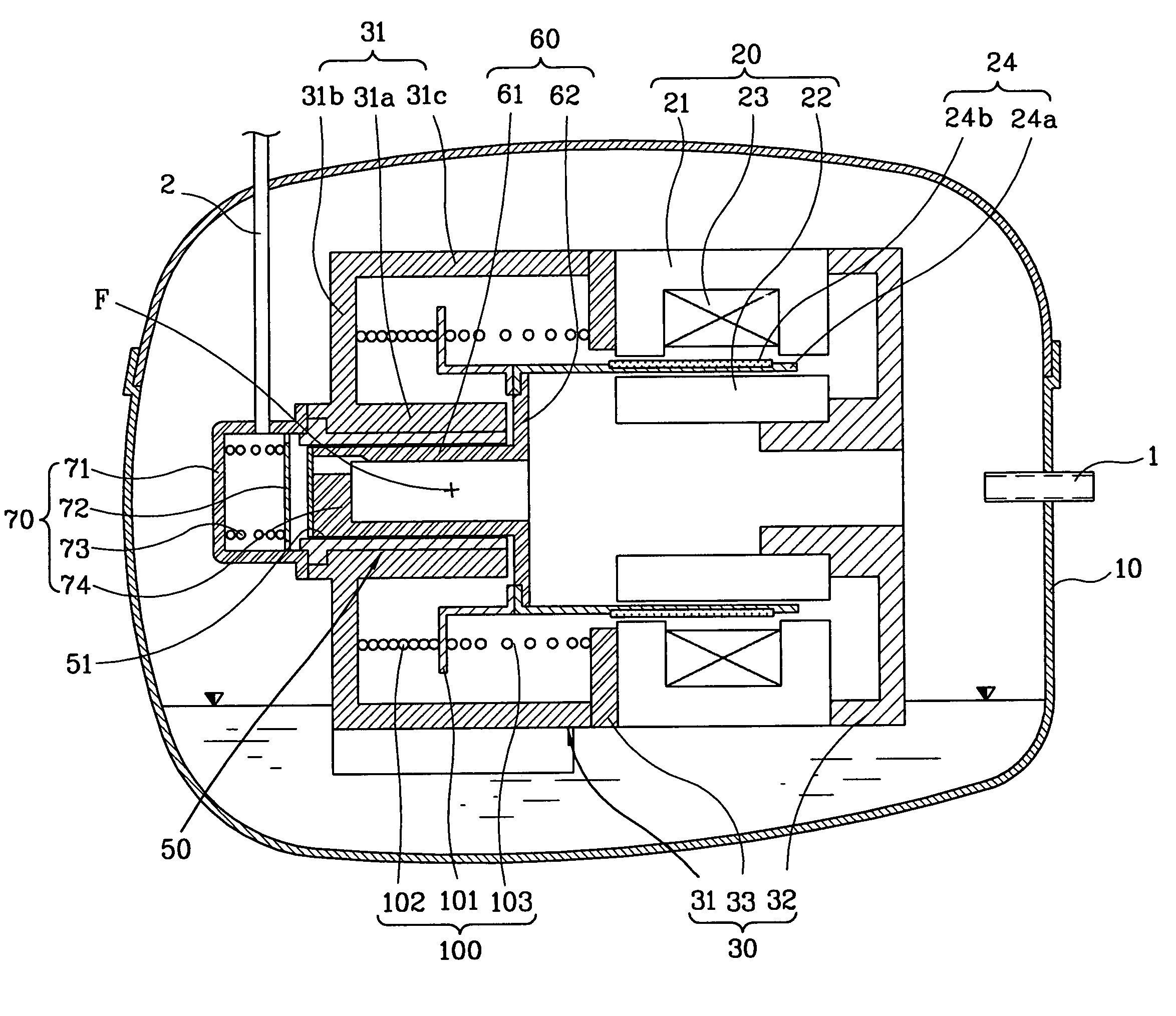
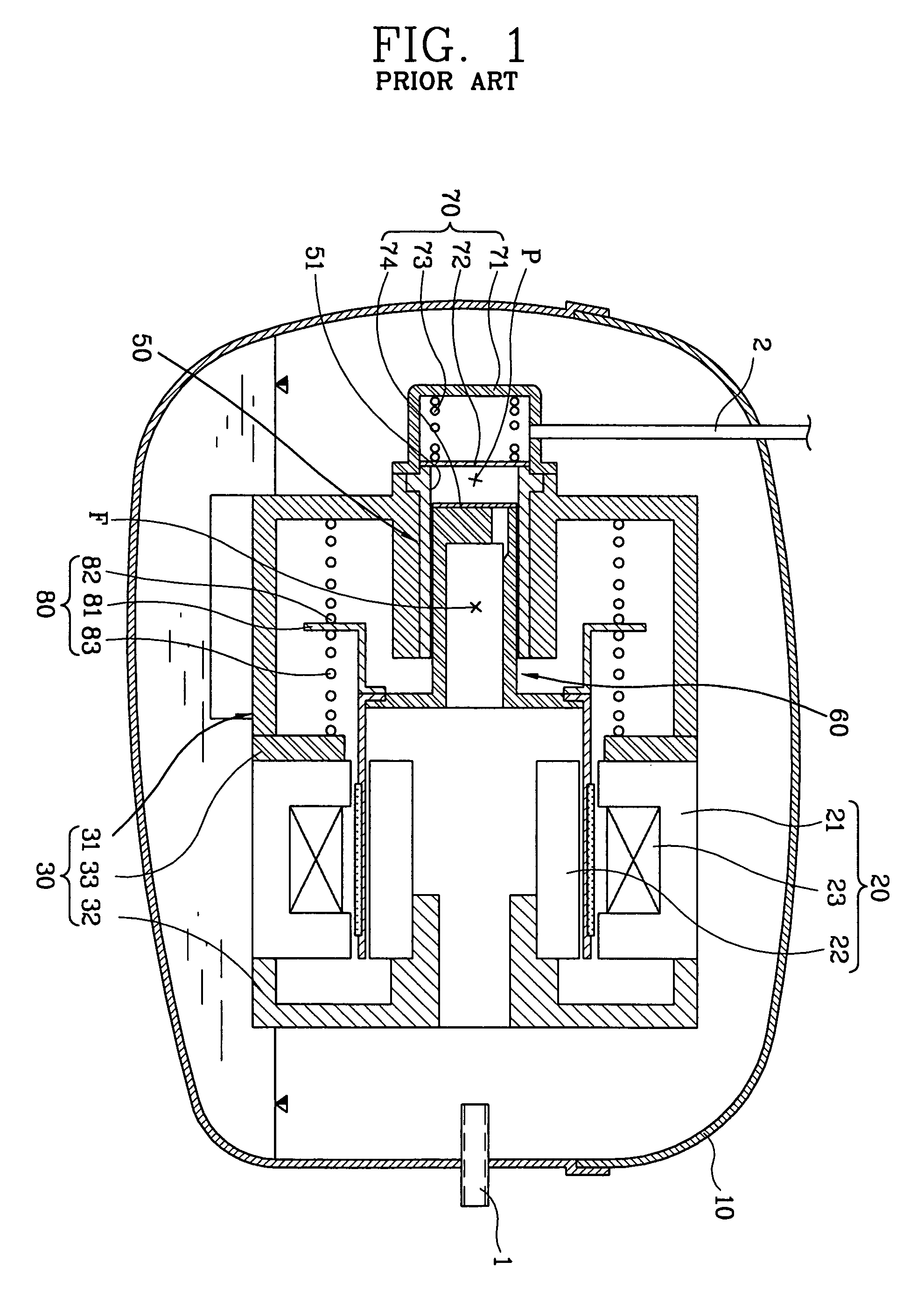
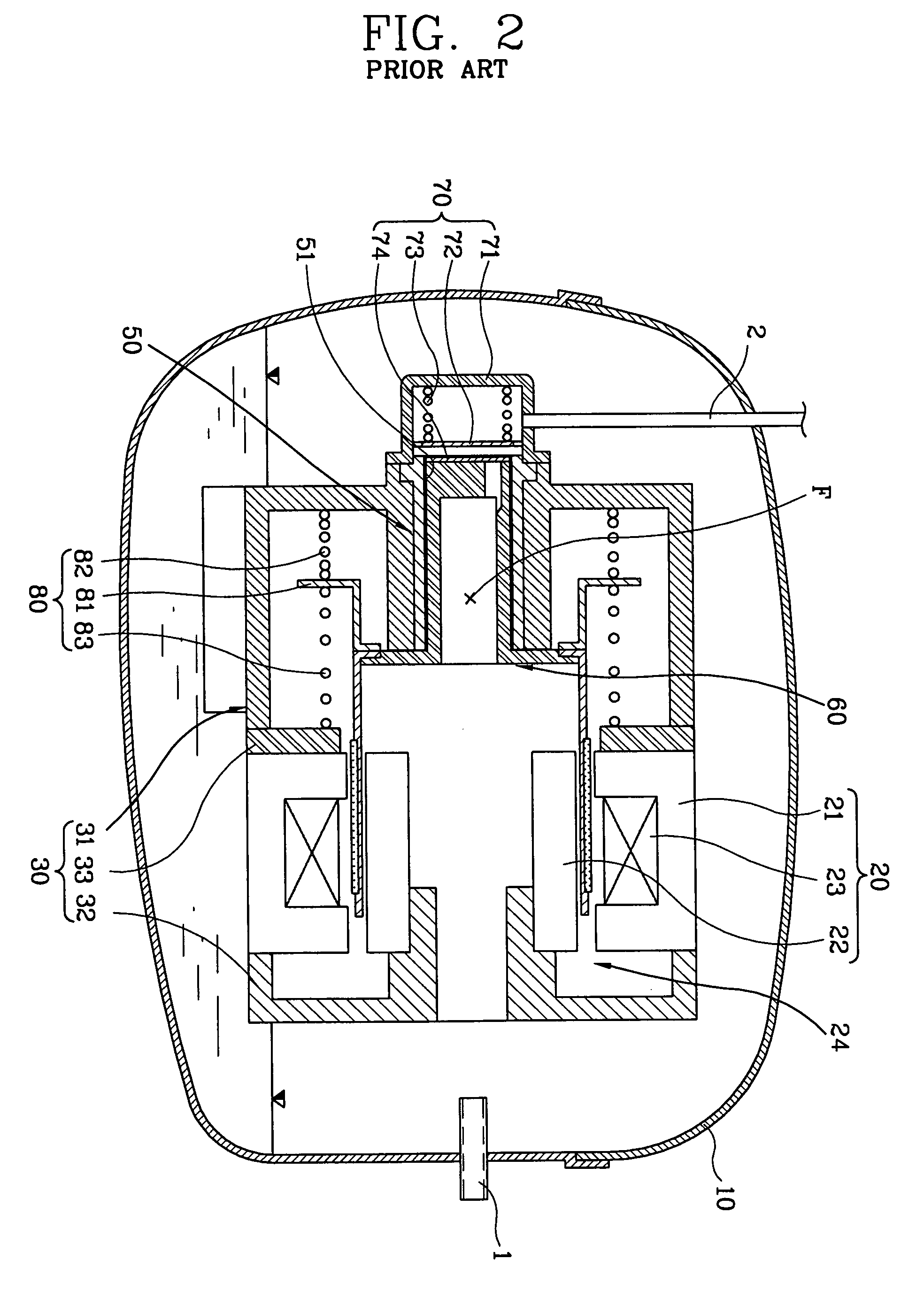
- The implementation of front and rear elastic members, specifically coil springs, to support the piston's linear reciprocating motion and limit its stroke distance, preventing collisions with other parts by compressing fully at the top and bottom dead center positions.

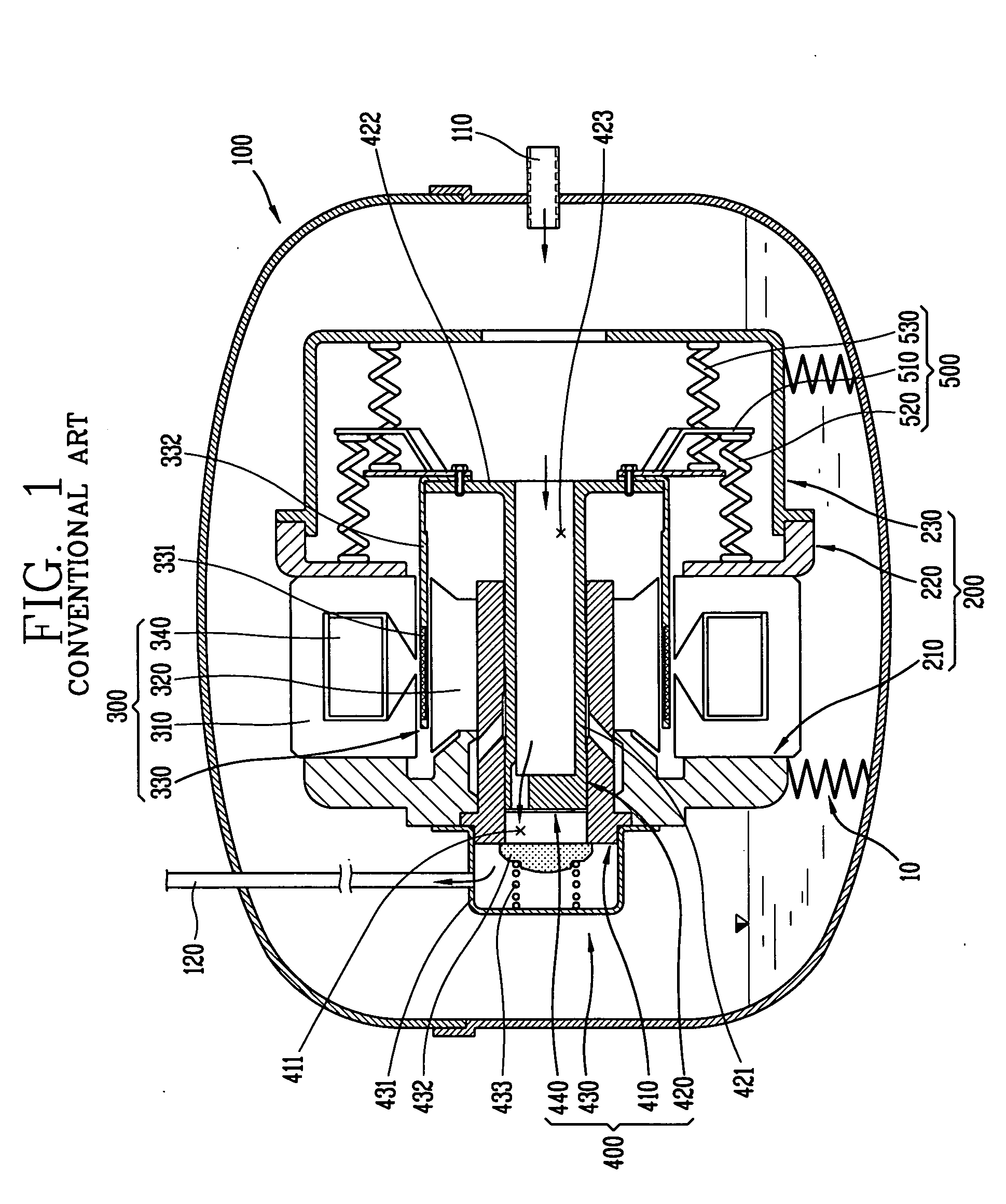
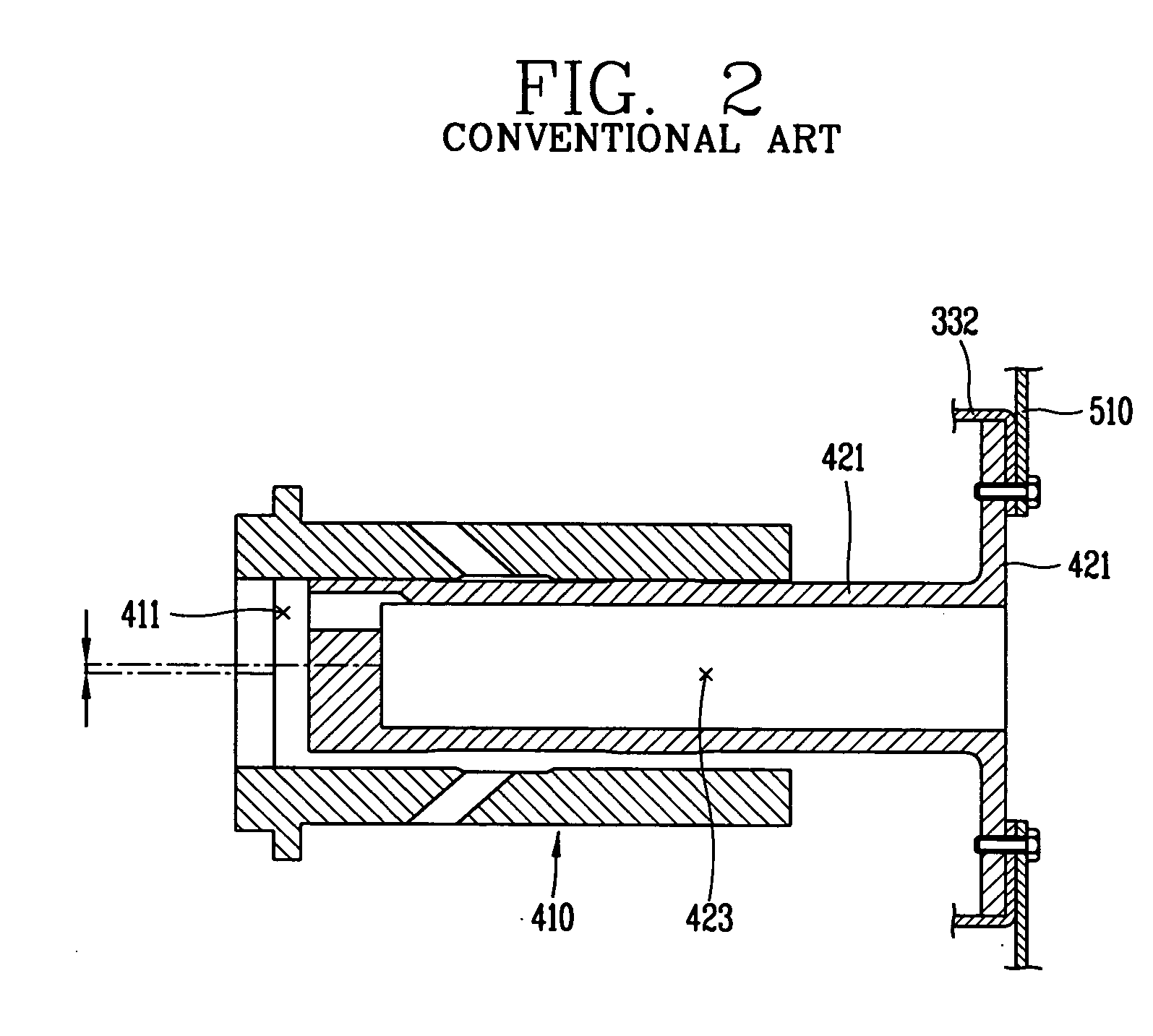
Apparatus for preventing abrasion in reciprocal compressor
PatentInactiveUS20050142007A1
Innovation
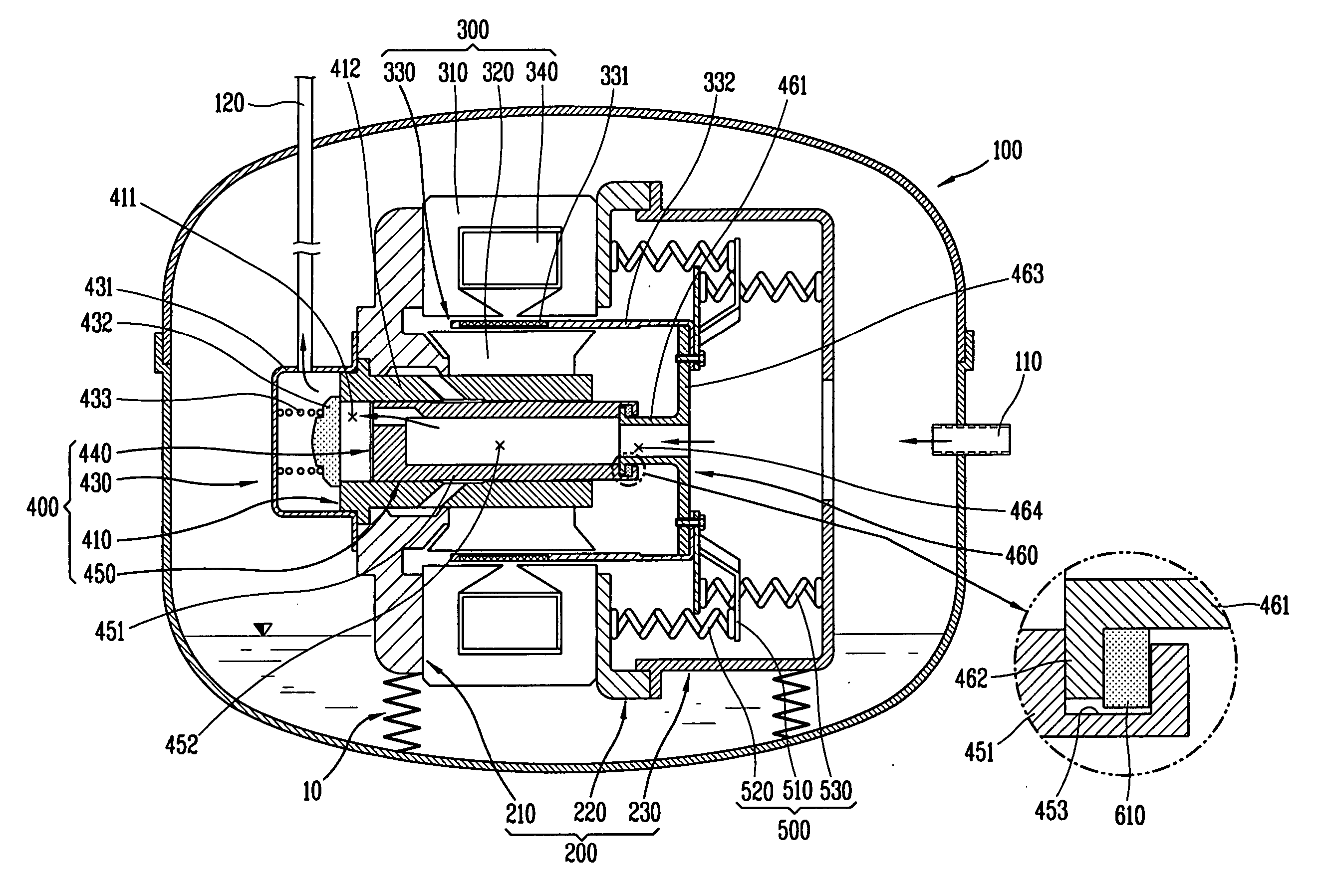
- The introduction of a concentricity control means, such as a ring-shaped elastic body, magnet, or compression coil spring, coupled between the piston and piston rod, allows axial fixation and radial motion, compensating for assembly errors and maintaining concentricity between the cylinder and piston.

Predictive Maintenance and Condition Monitoring Systems
Predictive maintenance and condition monitoring systems represent a paradigm shift from traditional reactive maintenance approaches to proactive failure prevention strategies for reciprocating compressor pistons. These systems leverage advanced sensor technologies, data analytics, and machine learning algorithms to continuously assess the health status of critical piston components and predict potential failures before they occur.
Modern condition monitoring systems employ multiple sensing modalities to capture comprehensive operational data from reciprocating compressors. Vibration sensors detect abnormal mechanical oscillations that may indicate piston ring wear, connecting rod bearing deterioration, or cylinder liner damage. Temperature sensors monitor thermal patterns across cylinder heads, piston crowns, and cooling systems to identify overheating conditions that could lead to piston seizure or thermal fatigue. Pressure transducers track cylinder pressure profiles throughout compression cycles, revealing irregularities that suggest valve leakage, piston ring blow-by, or combustion anomalies.
Advanced acoustic emission monitoring systems capture high-frequency sound waves generated by microscopic crack propagation, material deformation, and friction phenomena within piston assemblies. These systems can detect early-stage failure mechanisms such as piston ring fractures, gudgeon pin wear, and cylinder bore scoring before they manifest as visible damage or performance degradation.
Oil analysis integration within predictive maintenance frameworks provides critical insights into piston health through contamination monitoring, wear particle analysis, and chemical property assessment. Spectrometric analysis identifies metallic wear particles from specific piston components, while ferrography techniques characterize particle morphology to determine wear mechanisms and severity levels.
Machine learning algorithms process multi-dimensional sensor data streams to establish baseline operational signatures and identify deviations indicative of developing failure modes. These systems continuously refine their predictive accuracy through historical failure data correlation and real-time performance feedback, enabling increasingly precise failure timing predictions and maintenance scheduling optimization.
Cloud-based analytics platforms facilitate remote monitoring capabilities, allowing maintenance teams to track multiple compressor installations simultaneously and benchmark performance across fleet operations. Integration with enterprise asset management systems enables automated work order generation, spare parts procurement, and maintenance resource allocation based on predicted failure timelines and criticality assessments.
Modern condition monitoring systems employ multiple sensing modalities to capture comprehensive operational data from reciprocating compressors. Vibration sensors detect abnormal mechanical oscillations that may indicate piston ring wear, connecting rod bearing deterioration, or cylinder liner damage. Temperature sensors monitor thermal patterns across cylinder heads, piston crowns, and cooling systems to identify overheating conditions that could lead to piston seizure or thermal fatigue. Pressure transducers track cylinder pressure profiles throughout compression cycles, revealing irregularities that suggest valve leakage, piston ring blow-by, or combustion anomalies.
Advanced acoustic emission monitoring systems capture high-frequency sound waves generated by microscopic crack propagation, material deformation, and friction phenomena within piston assemblies. These systems can detect early-stage failure mechanisms such as piston ring fractures, gudgeon pin wear, and cylinder bore scoring before they manifest as visible damage or performance degradation.
Oil analysis integration within predictive maintenance frameworks provides critical insights into piston health through contamination monitoring, wear particle analysis, and chemical property assessment. Spectrometric analysis identifies metallic wear particles from specific piston components, while ferrography techniques characterize particle morphology to determine wear mechanisms and severity levels.
Machine learning algorithms process multi-dimensional sensor data streams to establish baseline operational signatures and identify deviations indicative of developing failure modes. These systems continuously refine their predictive accuracy through historical failure data correlation and real-time performance feedback, enabling increasingly precise failure timing predictions and maintenance scheduling optimization.
Cloud-based analytics platforms facilitate remote monitoring capabilities, allowing maintenance teams to track multiple compressor installations simultaneously and benchmark performance across fleet operations. Integration with enterprise asset management systems enables automated work order generation, spare parts procurement, and maintenance resource allocation based on predicted failure timelines and criticality assessments.
Environmental Impact and Sustainability Considerations
The environmental implications of reciprocating compressor piston failures extend far beyond immediate operational concerns, creating cascading effects that impact both ecological systems and corporate sustainability objectives. When piston failures occur, they typically result in refrigerant leaks, lubricant contamination, and increased energy consumption, all of which contribute to environmental degradation. Refrigerant emissions, particularly those containing hydrofluorocarbons (HFCs) or other greenhouse gases, can have global warming potentials thousands of times greater than carbon dioxide, making failure prevention a critical environmental imperative.
Energy efficiency deterioration represents another significant environmental consequence of piston failures. Compromised piston performance leads to increased power consumption as compressors work harder to maintain required pressure levels. This elevated energy demand translates directly into higher carbon emissions from power generation facilities, particularly in regions heavily dependent on fossil fuel-based electricity. Studies indicate that even minor piston wear can increase energy consumption by 15-25%, substantially amplifying the carbon footprint of industrial operations.
The manufacturing and disposal aspects of piston replacement create additional environmental burdens. Production of new pistons requires raw material extraction, energy-intensive manufacturing processes, and transportation logistics, each contributing to cumulative environmental impact. Failed pistons often contain materials that require specialized disposal methods, and improper handling can lead to soil and groundwater contamination from residual lubricants and metallic components.
Sustainable prevention strategies increasingly focus on predictive maintenance technologies that minimize environmental impact while extending component lifecycles. Advanced monitoring systems utilizing IoT sensors and machine learning algorithms enable early detection of piston degradation, allowing for targeted interventions before catastrophic failures occur. These approaches reduce waste generation, minimize emergency repairs that often involve environmentally harmful quick fixes, and optimize maintenance scheduling to reduce transportation-related emissions.
The integration of environmentally conscious materials and design philosophies represents a growing trend in piston failure prevention. Bio-based lubricants, recyclable piston materials, and designs optimized for repairability rather than replacement are gaining traction among environmentally responsible manufacturers. These innovations align with circular economy principles while maintaining operational reliability and performance standards essential for industrial applications.
Energy efficiency deterioration represents another significant environmental consequence of piston failures. Compromised piston performance leads to increased power consumption as compressors work harder to maintain required pressure levels. This elevated energy demand translates directly into higher carbon emissions from power generation facilities, particularly in regions heavily dependent on fossil fuel-based electricity. Studies indicate that even minor piston wear can increase energy consumption by 15-25%, substantially amplifying the carbon footprint of industrial operations.
The manufacturing and disposal aspects of piston replacement create additional environmental burdens. Production of new pistons requires raw material extraction, energy-intensive manufacturing processes, and transportation logistics, each contributing to cumulative environmental impact. Failed pistons often contain materials that require specialized disposal methods, and improper handling can lead to soil and groundwater contamination from residual lubricants and metallic components.
Sustainable prevention strategies increasingly focus on predictive maintenance technologies that minimize environmental impact while extending component lifecycles. Advanced monitoring systems utilizing IoT sensors and machine learning algorithms enable early detection of piston degradation, allowing for targeted interventions before catastrophic failures occur. These approaches reduce waste generation, minimize emergency repairs that often involve environmentally harmful quick fixes, and optimize maintenance scheduling to reduce transportation-related emissions.
The integration of environmentally conscious materials and design philosophies represents a growing trend in piston failure prevention. Bio-based lubricants, recyclable piston materials, and designs optimized for repairability rather than replacement are gaining traction among environmentally responsible manufacturers. These innovations align with circular economy principles while maintaining operational reliability and performance standards essential for industrial applications.
Unlock deeper insights with Patsnap Eureka Quick Research — get a full tech report to explore trends and direct your research. Try now!
Generate Your Research Report Instantly with AI Agent
Supercharge your innovation with Patsnap Eureka AI Agent Platform!