

Analyzing Spin Torque Transfer in Spintronics for Device Stability
APR 16, 20269 MIN READ
Generate Your Research Report Instantly with AI Agent
Patsnap Eureka helps you evaluate technical feasibility & market potential.
Spin Torque Transfer Background and Device Stability Goals
Spin torque transfer (STT) represents a fundamental quantum mechanical phenomenon that has emerged as a cornerstone technology in modern spintronics applications. This effect occurs when spin-polarized electrons transfer their angular momentum to magnetic moments in ferromagnetic materials, enabling electrical manipulation of magnetization without external magnetic fields. The discovery of STT in the late 1990s revolutionized magnetic device design by providing a pathway for current-controlled magnetic switching, fundamentally changing how magnetic memory and logic devices operate.
The historical development of STT technology traces back to theoretical predictions by Slonczewski and Berger, who independently proposed that spin-polarized currents could exert torques on magnetic layers. Initial experimental validation came through studies of magnetic multilayers and spin valves, where researchers observed current-induced magnetization switching at relatively high current densities. These early demonstrations established the scientific foundation for STT-based devices but highlighted significant challenges in achieving practical current thresholds and operational stability.
The evolution of STT technology has been driven by the semiconductor industry's relentless pursuit of non-volatile memory solutions that combine high speed, low power consumption, and excellent endurance characteristics. Traditional magnetic random access memory (MRAM) relied on external magnetic fields for writing operations, limiting scalability and integration density. STT-MRAM emerged as a transformative solution, enabling field-free writing through direct current injection while maintaining the inherent advantages of magnetic storage technologies.
Current technological objectives in STT research focus on achieving optimal device stability through precise control of switching dynamics and thermal fluctuation resistance. Device stability encompasses multiple dimensions including write error rates, data retention capabilities, and operational reliability across varying environmental conditions. The primary goal involves reducing critical switching currents while maintaining sufficient thermal stability barriers to prevent unintended magnetization reversals during device operation.
Advanced STT device architectures now target sub-nanosecond switching speeds with current densities below 10^6 A/cm², representing significant improvements over early demonstrations that required current densities exceeding 10^7 A/cm². These improvements directly translate to enhanced device stability through reduced joule heating effects and improved write margin characteristics. The integration of perpendicular magnetic anisotropy materials has further enhanced thermal stability factors, enabling reliable operation at elevated temperatures while maintaining compact device geometries essential for high-density memory applications.
The historical development of STT technology traces back to theoretical predictions by Slonczewski and Berger, who independently proposed that spin-polarized currents could exert torques on magnetic layers. Initial experimental validation came through studies of magnetic multilayers and spin valves, where researchers observed current-induced magnetization switching at relatively high current densities. These early demonstrations established the scientific foundation for STT-based devices but highlighted significant challenges in achieving practical current thresholds and operational stability.
The evolution of STT technology has been driven by the semiconductor industry's relentless pursuit of non-volatile memory solutions that combine high speed, low power consumption, and excellent endurance characteristics. Traditional magnetic random access memory (MRAM) relied on external magnetic fields for writing operations, limiting scalability and integration density. STT-MRAM emerged as a transformative solution, enabling field-free writing through direct current injection while maintaining the inherent advantages of magnetic storage technologies.
Current technological objectives in STT research focus on achieving optimal device stability through precise control of switching dynamics and thermal fluctuation resistance. Device stability encompasses multiple dimensions including write error rates, data retention capabilities, and operational reliability across varying environmental conditions. The primary goal involves reducing critical switching currents while maintaining sufficient thermal stability barriers to prevent unintended magnetization reversals during device operation.
Advanced STT device architectures now target sub-nanosecond switching speeds with current densities below 10^6 A/cm², representing significant improvements over early demonstrations that required current densities exceeding 10^7 A/cm². These improvements directly translate to enhanced device stability through reduced joule heating effects and improved write margin characteristics. The integration of perpendicular magnetic anisotropy materials has further enhanced thermal stability factors, enabling reliable operation at elevated temperatures while maintaining compact device geometries essential for high-density memory applications.
Market Demand for Spintronic Device Applications
The global spintronic device market is experiencing unprecedented growth driven by the increasing demand for energy-efficient computing solutions and advanced data storage technologies. Traditional semiconductor devices face fundamental limitations in power consumption and processing speed, creating substantial market opportunities for spintronic alternatives that leverage electron spin properties alongside charge characteristics.
Memory applications represent the largest market segment for spintronic devices, particularly in magnetic random-access memory (MRAM) technologies. Enterprise data centers and cloud computing infrastructure providers are actively seeking non-volatile memory solutions that offer faster access times, lower power consumption, and enhanced endurance compared to conventional flash memory. The proliferation of artificial intelligence and machine learning workloads has intensified this demand, as these applications require rapid data processing capabilities with minimal energy overhead.
The automotive industry presents another significant growth driver for spintronic device adoption. Advanced driver assistance systems, autonomous vehicle platforms, and electric vehicle control systems require robust, radiation-resistant memory and processing components that can operate reliably under extreme environmental conditions. Spintronic devices offer superior temperature stability and radiation tolerance compared to traditional semiconductor solutions, making them particularly attractive for automotive applications.
Consumer electronics manufacturers are increasingly incorporating spintronic components into smartphones, tablets, and wearable devices to extend battery life and improve performance. The growing Internet of Things ecosystem further amplifies this demand, as connected devices require ultra-low-power memory and sensing capabilities for extended operational periods without frequent battery replacement or recharging.
Industrial automation and edge computing applications are driving demand for spintronic sensors and processing units that can perform real-time data analysis with minimal power consumption. Manufacturing facilities, smart grid infrastructure, and industrial monitoring systems benefit from the enhanced reliability and reduced maintenance requirements offered by spintronic technologies.
The quantum computing sector represents an emerging market opportunity for specialized spintronic components. Research institutions and technology companies developing quantum processors require precise spin manipulation capabilities and ultra-sensitive magnetic field detection, applications where spintronic devices demonstrate unique advantages over conventional alternatives.
Geographic market distribution shows concentrated demand in regions with advanced semiconductor manufacturing capabilities and significant research investments in emerging technologies. The convergence of artificial intelligence, edge computing, and sustainable technology initiatives continues to expand market opportunities across diverse application domains.
Memory applications represent the largest market segment for spintronic devices, particularly in magnetic random-access memory (MRAM) technologies. Enterprise data centers and cloud computing infrastructure providers are actively seeking non-volatile memory solutions that offer faster access times, lower power consumption, and enhanced endurance compared to conventional flash memory. The proliferation of artificial intelligence and machine learning workloads has intensified this demand, as these applications require rapid data processing capabilities with minimal energy overhead.
The automotive industry presents another significant growth driver for spintronic device adoption. Advanced driver assistance systems, autonomous vehicle platforms, and electric vehicle control systems require robust, radiation-resistant memory and processing components that can operate reliably under extreme environmental conditions. Spintronic devices offer superior temperature stability and radiation tolerance compared to traditional semiconductor solutions, making them particularly attractive for automotive applications.
Consumer electronics manufacturers are increasingly incorporating spintronic components into smartphones, tablets, and wearable devices to extend battery life and improve performance. The growing Internet of Things ecosystem further amplifies this demand, as connected devices require ultra-low-power memory and sensing capabilities for extended operational periods without frequent battery replacement or recharging.
Industrial automation and edge computing applications are driving demand for spintronic sensors and processing units that can perform real-time data analysis with minimal power consumption. Manufacturing facilities, smart grid infrastructure, and industrial monitoring systems benefit from the enhanced reliability and reduced maintenance requirements offered by spintronic technologies.
The quantum computing sector represents an emerging market opportunity for specialized spintronic components. Research institutions and technology companies developing quantum processors require precise spin manipulation capabilities and ultra-sensitive magnetic field detection, applications where spintronic devices demonstrate unique advantages over conventional alternatives.
Geographic market distribution shows concentrated demand in regions with advanced semiconductor manufacturing capabilities and significant research investments in emerging technologies. The convergence of artificial intelligence, edge computing, and sustainable technology initiatives continues to expand market opportunities across diverse application domains.
Current STT Challenges and Stability Limitations
Spin torque transfer (STT) technology faces several critical challenges that significantly impact device stability and commercial viability. The primary limitation stems from the high critical current density required to switch magnetic states, typically ranging from 10^6 to 10^7 A/cm². This excessive current demand not only increases power consumption but also generates substantial Joule heating, leading to thermal instability and potential device degradation over extended operation periods.
Write endurance represents another fundamental challenge in STT-based devices. Repeated switching operations cause gradual deterioration of the magnetic tunnel junction (MTJ) structure, particularly at the oxide barrier interface. This degradation manifests as increased resistance drift, reduced tunnel magnetoresistance ratio, and eventual breakdown of the insulating barrier. Current STT-MRAM devices typically achieve 10^12 to 10^15 write cycles, which falls short of requirements for certain high-frequency applications.
Thermal stability poses a significant constraint on device scalability and reliability. As device dimensions shrink below 20 nanometers, the energy barrier separating stable magnetic states decreases proportionally, making devices more susceptible to thermal fluctuations. This thermal instability can cause spontaneous magnetization switching, leading to data retention failures and reduced device lifetime. The challenge intensifies at elevated operating temperatures common in automotive and industrial applications.
Process variation and manufacturing tolerances create substantial stability issues across device arrays. Variations in MTJ dimensions, barrier thickness, and magnetic anisotropy result in non-uniform switching characteristics and threshold voltages. These variations become more pronounced as device scaling continues, leading to increased bit error rates and reduced yield in large-scale memory arrays.
Stochastic switching behavior inherent to STT mechanisms introduces additional stability concerns. The probabilistic nature of magnetization switching creates timing uncertainties and requires complex write verification schemes. This stochasticity becomes more pronounced at reduced write currents, creating a trade-off between power efficiency and switching reliability that limits optimal device operation.
Interface quality and material degradation represent ongoing challenges for long-term stability. The CoFeB/MgO interface, critical for maintaining high spin polarization, is susceptible to interdiffusion and oxidation over time. These material changes alter the electronic and magnetic properties, leading to gradual performance degradation and reduced device reliability in practical applications.
Write endurance represents another fundamental challenge in STT-based devices. Repeated switching operations cause gradual deterioration of the magnetic tunnel junction (MTJ) structure, particularly at the oxide barrier interface. This degradation manifests as increased resistance drift, reduced tunnel magnetoresistance ratio, and eventual breakdown of the insulating barrier. Current STT-MRAM devices typically achieve 10^12 to 10^15 write cycles, which falls short of requirements for certain high-frequency applications.
Thermal stability poses a significant constraint on device scalability and reliability. As device dimensions shrink below 20 nanometers, the energy barrier separating stable magnetic states decreases proportionally, making devices more susceptible to thermal fluctuations. This thermal instability can cause spontaneous magnetization switching, leading to data retention failures and reduced device lifetime. The challenge intensifies at elevated operating temperatures common in automotive and industrial applications.
Process variation and manufacturing tolerances create substantial stability issues across device arrays. Variations in MTJ dimensions, barrier thickness, and magnetic anisotropy result in non-uniform switching characteristics and threshold voltages. These variations become more pronounced as device scaling continues, leading to increased bit error rates and reduced yield in large-scale memory arrays.
Stochastic switching behavior inherent to STT mechanisms introduces additional stability concerns. The probabilistic nature of magnetization switching creates timing uncertainties and requires complex write verification schemes. This stochasticity becomes more pronounced at reduced write currents, creating a trade-off between power efficiency and switching reliability that limits optimal device operation.
Interface quality and material degradation represent ongoing challenges for long-term stability. The CoFeB/MgO interface, critical for maintaining high spin polarization, is susceptible to interdiffusion and oxidation over time. These material changes alter the electronic and magnetic properties, leading to gradual performance degradation and reduced device reliability in practical applications.
Existing STT Analysis and Stability Enhancement Solutions
01 Material composition optimization for enhanced thermal stability
Spin torque transfer devices can achieve improved stability through careful selection and optimization of magnetic layer materials. This includes using specific alloys, composite materials, or multilayer structures that exhibit enhanced thermal stability and reduced susceptibility to temperature-induced fluctuations. The material composition directly affects the energy barrier and retention characteristics of the magnetic states, thereby improving overall device stability and reliability.- Material composition optimization for enhanced thermal stability: Spin torque transfer devices can achieve improved stability through careful selection and optimization of magnetic layer materials. This includes using specific alloys, composite materials, or multilayer structures that exhibit enhanced thermal stability and reduced susceptibility to temperature-induced fluctuations. The material composition directly affects the energy barrier and retention characteristics of the magnetic states, thereby improving overall device stability and reliability during operation.
- Magnetic anisotropy enhancement through structural design: Device stability can be significantly improved by engineering the magnetic anisotropy through structural modifications. This involves optimizing the shape, dimensions, and crystallographic orientation of magnetic layers to increase the energy barrier between magnetic states. Enhanced perpendicular magnetic anisotropy is particularly effective in preventing unwanted switching due to thermal fluctuations or external disturbances, leading to more stable data retention and reduced error rates.
- Interface engineering and coupling control: The stability of spin torque transfer devices can be enhanced through precise control of interfacial properties between different layers. This includes optimizing the thickness, roughness, and chemical composition of interfaces to achieve desired exchange coupling strengths and spin transparency. Proper interface engineering reduces unwanted magnetic interactions and improves the predictability of switching behavior, contributing to more stable and reliable device operation.
- Current density and pulse optimization for stable switching: Achieving stable operation requires optimization of the write current characteristics, including current density, pulse duration, and waveform shape. By carefully controlling these parameters, the switching process can be made more deterministic and less susceptible to variations. This approach minimizes the probability of incomplete switching or unintended state changes, thereby enhancing the overall stability and endurance of the device during repeated write operations.
- Temperature compensation and thermal management: Device stability across varying operating temperatures can be achieved through implementation of temperature compensation mechanisms and effective thermal management strategies. This includes designing structures that maintain consistent magnetic properties over a wide temperature range, incorporating materials with complementary temperature coefficients, and implementing circuit-level compensation techniques. Such approaches ensure reliable operation and data retention under different thermal conditions encountered in practical applications.
02 Geometric structure and shape anisotropy design
Device stability can be significantly enhanced through optimization of the magnetic element geometry and shape anisotropy. This involves designing specific aspect ratios, cross-sectional shapes, or three-dimensional configurations that increase the energy barrier between magnetic states. The geometric design creates additional anisotropy contributions that resist unwanted switching and improve data retention while maintaining acceptable switching currents.Expand Specific Solutions03 Interface engineering and perpendicular magnetic anisotropy enhancement
Stability improvements can be achieved through careful engineering of interfaces between magnetic and non-magnetic layers to enhance perpendicular magnetic anisotropy. This approach involves controlling interfacial properties, surface treatments, or insertion of specific buffer layers that strengthen the perpendicular anisotropy contribution. Enhanced perpendicular anisotropy increases the thermal stability factor while enabling scalability to smaller device dimensions.Expand Specific Solutions04 Dual or multi-reference layer configurations
Device stability can be enhanced using dual or multiple reference layer structures that provide increased effective magnetic field and improved switching characteristics. These configurations may include synthetic antiferromagnetic structures or multiple pinned layers that create stronger exchange coupling and more stable reference magnetization. This architecture reduces susceptibility to external field disturbances and improves write error rates.Expand Specific Solutions05 Current pulse shaping and write optimization techniques
Stability and reliability can be improved through optimized current pulse characteristics and write operation schemes. This includes controlling pulse duration, amplitude, rise and fall times, or implementing pre-conditioning pulses that enhance switching probability while minimizing write errors. Advanced write schemes can also incorporate feedback mechanisms or adaptive algorithms that adjust parameters based on device characteristics to ensure stable and reliable operation across varying conditions.Expand Specific Solutions
Key Players in Spintronics and STT Device Industry
The spintronics field focusing on spin torque transfer for device stability is experiencing rapid growth, driven by increasing demand for next-generation memory and computing technologies. The market demonstrates significant potential as companies seek alternatives to traditional CMOS scaling limitations. Technology maturity varies considerably across players, with established semiconductor giants like Intel Corp., Taiwan Semiconductor Manufacturing Co., and IBM leading in manufacturing capabilities and integration expertise. Research institutions including MIT, Chinese Academy of Sciences Institute of Physics, and CNRS contribute fundamental breakthroughs, while companies like Hitachi Ltd. and Toshiba Corp. advance practical applications. The competitive landscape spans from early-stage research at universities like Peking University and National University of Singapore to commercial development by industry leaders, indicating a technology transitioning from laboratory demonstrations toward market-ready solutions with varying degrees of technical readiness across different applications.
Intel Corp.
Technical Solution: Intel has developed advanced spin torque transfer (STT) technologies focusing on STT-MRAM (Magnetoresistive Random Access Memory) devices for next-generation memory solutions. Their approach involves optimizing the critical switching current density to below 10^6 A/cm² while maintaining thermal stability factors above 60kT for reliable data retention. Intel's STT implementation utilizes perpendicular magnetic anisotropy (PMA) materials and engineered magnetic tunnel junctions (MTJs) with CoFeB/MgO interfaces to achieve fast switching speeds under 10ns and high endurance exceeding 10^12 cycles. The company has integrated voltage-controlled magnetic anisotropy (VCMA) effects to reduce switching energy consumption by up to 100x compared to conventional STT mechanisms.
Strengths: Industry-leading manufacturing capabilities, extensive R&D resources, strong integration with existing semiconductor processes. Weaknesses: High development costs, complex manufacturing requirements for maintaining uniformity across large wafers.
Hitachi Ltd.
Technical Solution: Hitachi has developed STT technologies primarily focused on industrial and storage applications, emphasizing long-term reliability and data integrity. Their approach involves advanced magnetic domain engineering and spin current optimization to minimize device-to-device variations and improve yield in large arrays. Hitachi's STT implementation includes proprietary magnetic annealing processes and interface treatments that enhance the spin polarization efficiency, achieving torque effectiveness ratios above 0.8. The company has developed hybrid STT-SOT switching mechanisms that combine the benefits of both torque types for improved switching reliability and reduced energy consumption. Their research includes advanced characterization techniques for understanding STT dynamics and developing predictive reliability models for industrial deployment scenarios requiring 25+ year operational lifetimes.
Strengths: Strong industrial application focus, excellent reliability engineering capabilities, comprehensive testing and validation processes. Weaknesses: Limited presence in consumer electronics markets, slower adoption of cutting-edge process technologies compared to pure semiconductor companies.
Core Innovations in Spin Torque Transfer Mechanisms
Spin torque transfer MRAM design with low switching current
PatentInactiveUS20100315869A1
Innovation
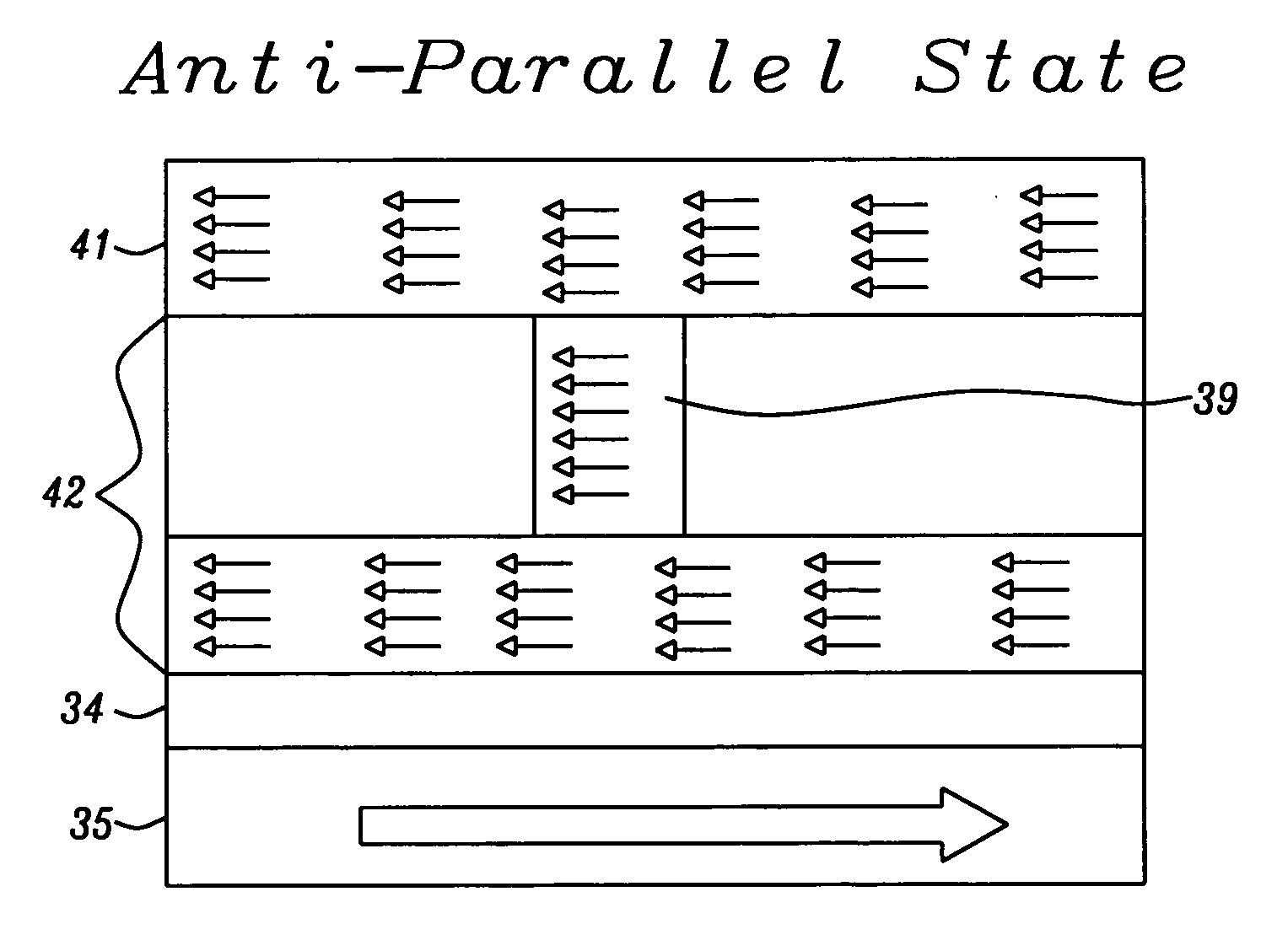
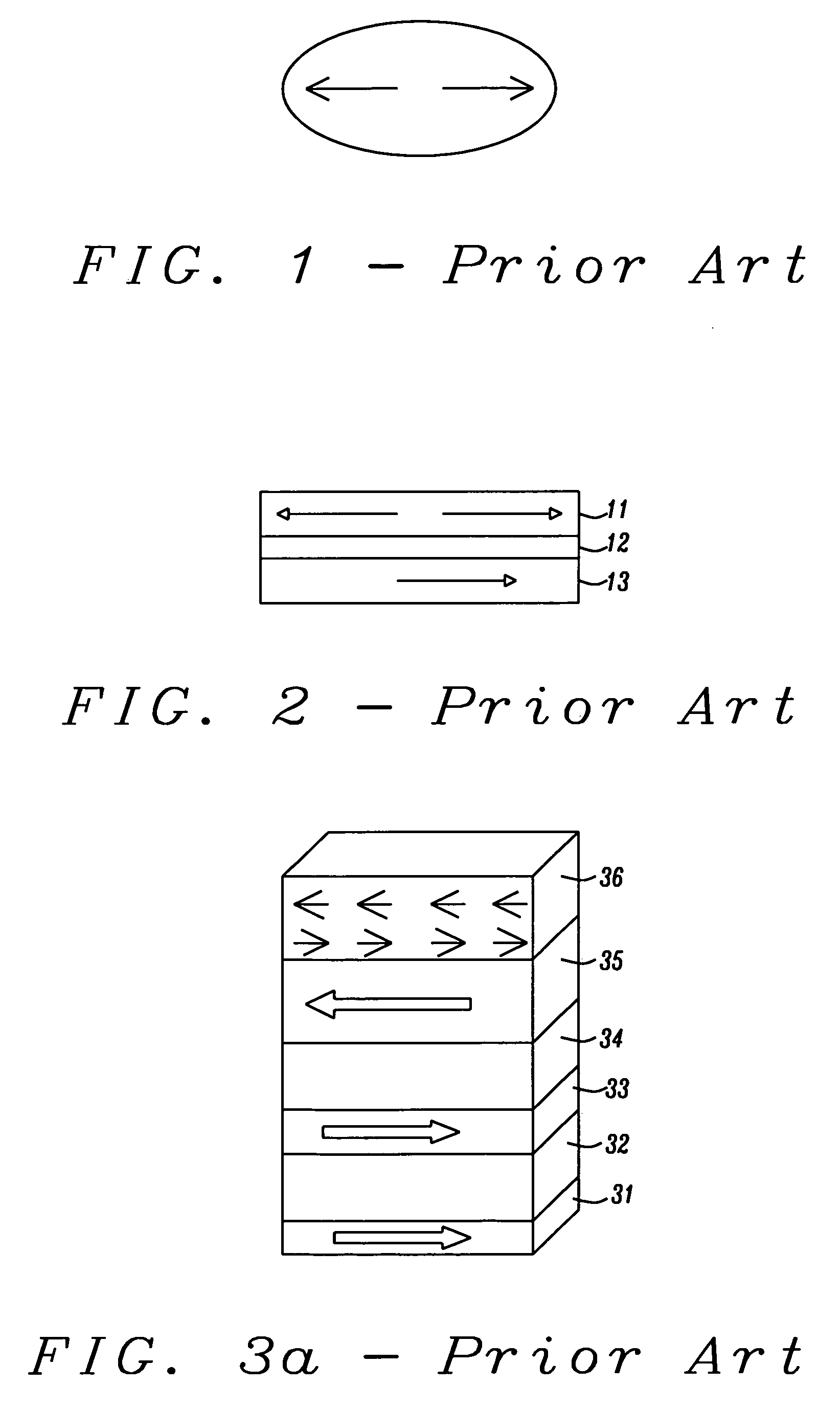
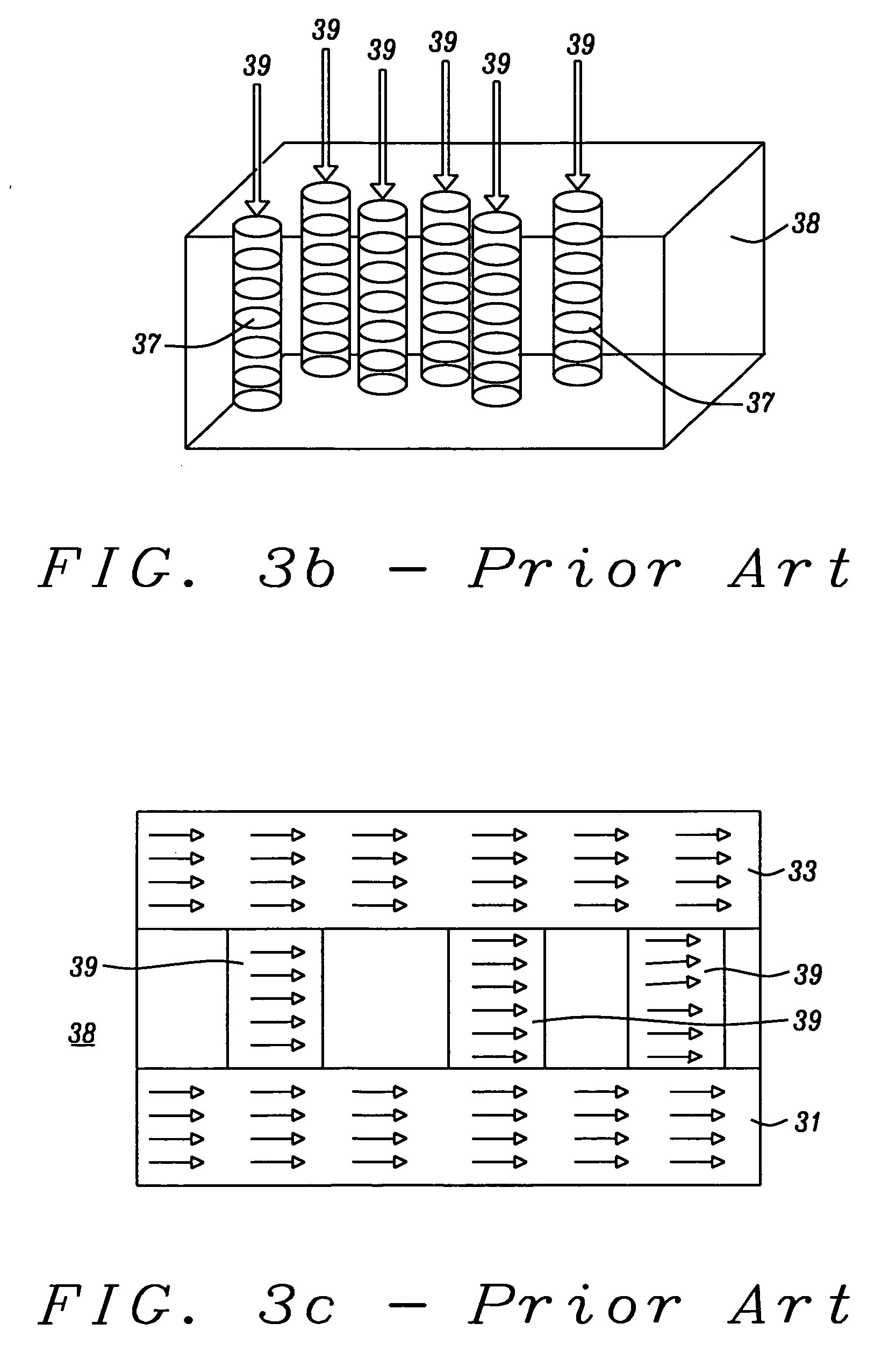
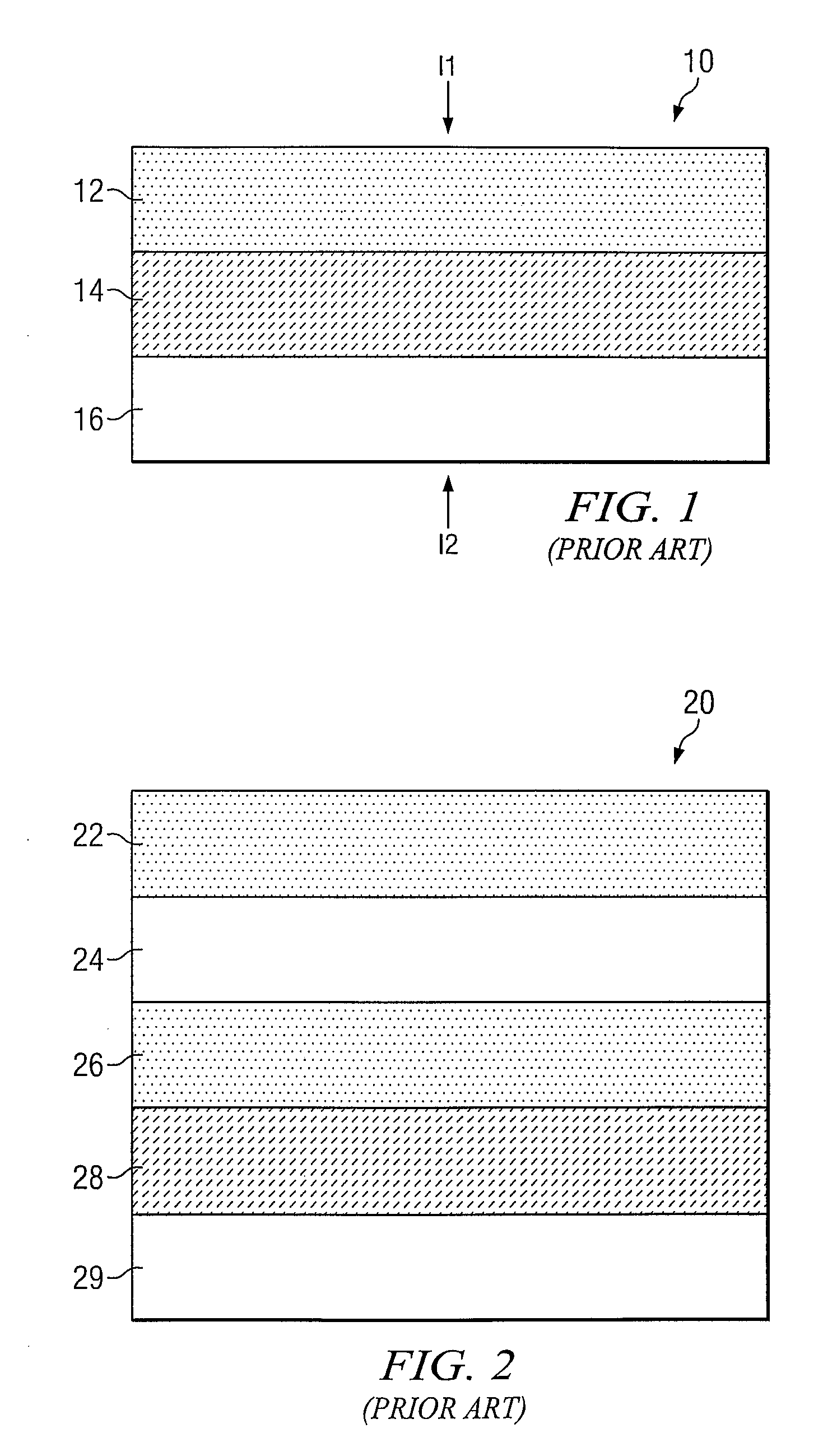
- The introduction of a spin filtering layer (SFL) and a nano-current channel (NCC) structure, where the SFL has a preferred magnetization direction opposite to the pinned layer and is not switched by the spin current, and the NCC confines current locally to maximize density, optimizing coupling strength between layers to reduce the critical switching current.

Spin Torque Transfer MTJ Devices with High Thermal Stability and Low Write Currents
PatentInactiveUS20090303779A1
Innovation
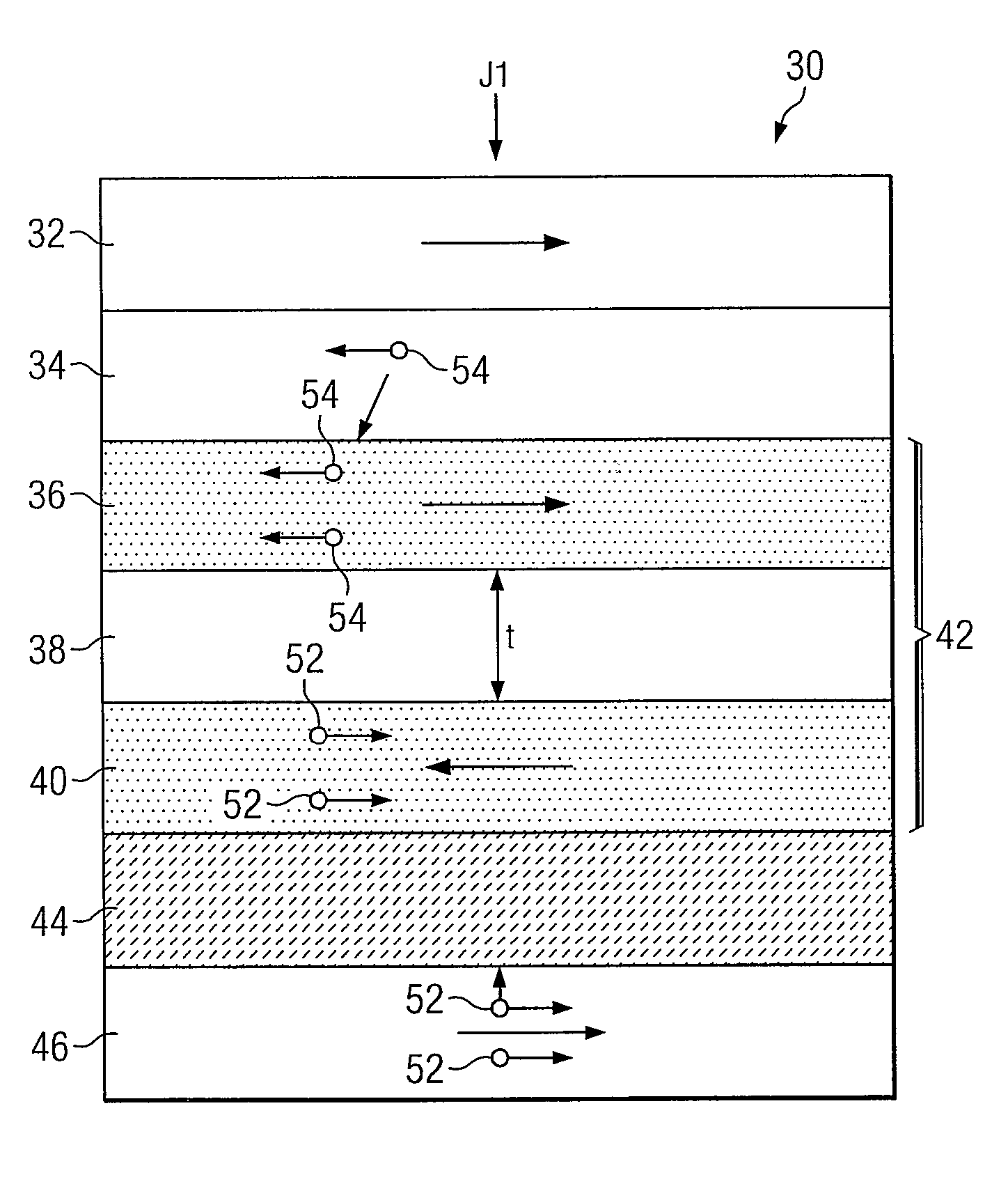
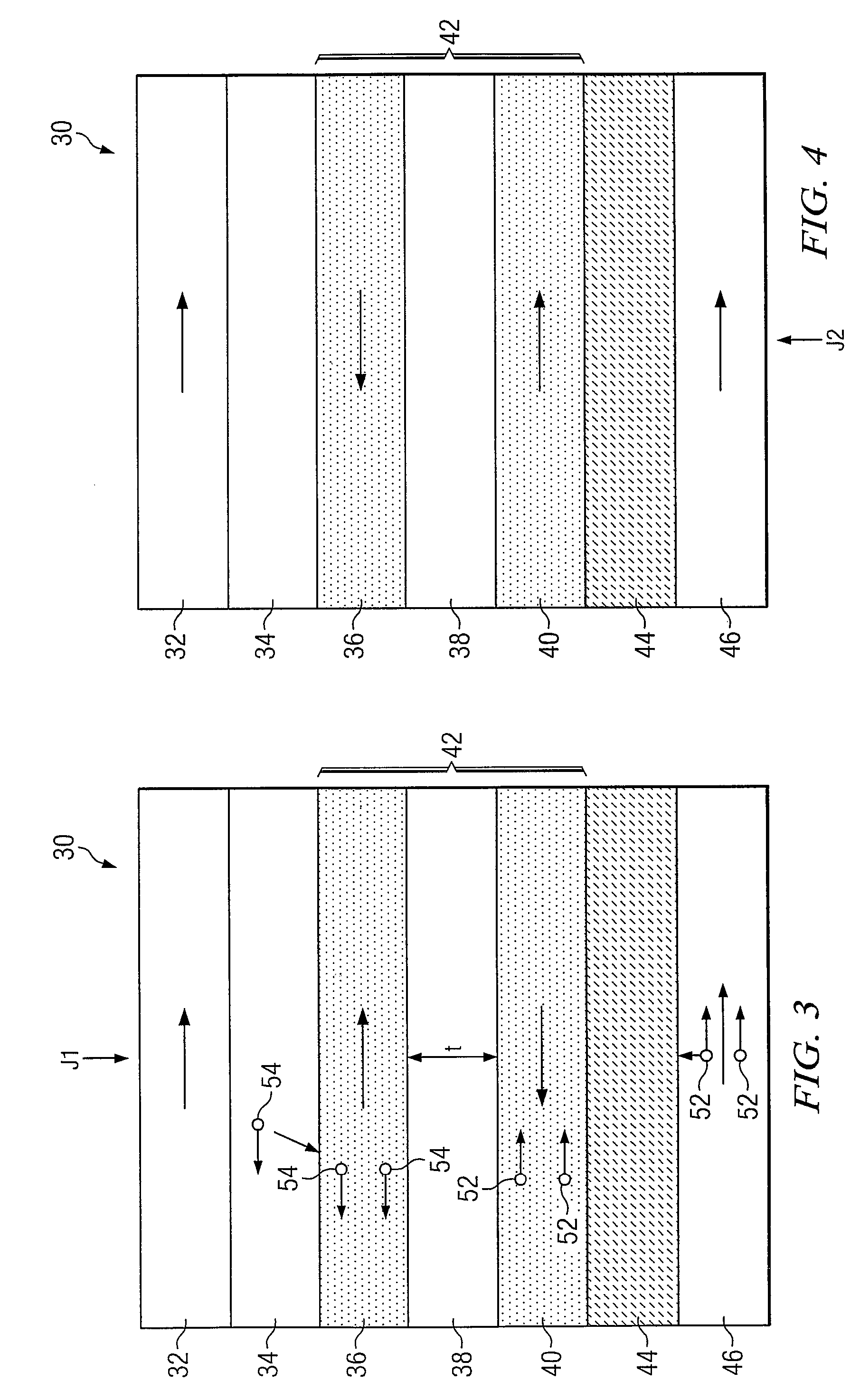
- The introduction of a composite free magnetic element with two free layers and optimized coupling between them, along with conductive spacers and tunnel layers, allows for reduced write currents and increased energy barriers, enhancing thermal stability and reducing stray magnetic fields.

Material Science Advances for STT Optimization
Recent breakthroughs in material science have significantly advanced the optimization of spin torque transfer mechanisms in spintronic devices. The development of novel magnetic materials with enhanced spin-orbit coupling properties has emerged as a critical pathway for improving STT efficiency. Advanced ferromagnetic alloys incorporating heavy metals such as platinum, tantalum, and tungsten have demonstrated superior spin injection capabilities compared to traditional materials.
The engineering of magnetic tunnel junctions has benefited substantially from the introduction of crystalline MgO barriers with precisely controlled thickness and interface quality. These optimized barrier layers exhibit reduced defect densities and improved coherent tunneling properties, directly translating to enhanced magnetoresistance ratios and reduced switching currents. Interface engineering techniques, including atomic layer deposition and molecular beam epitaxy, have enabled the creation of atomically sharp interfaces that minimize spin scattering.
Topological insulators represent a revolutionary class of materials for STT applications, offering unique surface states that facilitate efficient spin current generation. Materials such as bismuth selenide and bismuth telluride have shown promising results in experimental demonstrations, providing pure spin currents with minimal charge current accompaniment. These materials enable significant reductions in power consumption while maintaining robust switching characteristics.
The development of synthetic antiferromagnetic structures has addressed critical stability challenges in STT devices. By coupling ferromagnetic layers through carefully designed spacer materials, researchers have achieved enhanced thermal stability and reduced stray field effects. These multilayer architectures demonstrate improved retention characteristics and reduced susceptibility to external magnetic disturbances.
Emerging two-dimensional materials, particularly transition metal dichalcogenides, offer unprecedented opportunities for STT optimization. Their atomically thin nature and tunable electronic properties enable precise control over spin transport phenomena. Recent investigations into materials like molybdenum disulfide and tungsten diselenide have revealed exceptional spin-valley coupling effects that could revolutionize future spintronic device architectures.
Advanced characterization techniques, including spin-resolved photoemission spectroscopy and time-resolved magneto-optical measurements, have provided deeper insights into material-dependent STT mechanisms. These analytical capabilities have accelerated the identification of optimal material combinations and processing conditions for enhanced device performance.
The engineering of magnetic tunnel junctions has benefited substantially from the introduction of crystalline MgO barriers with precisely controlled thickness and interface quality. These optimized barrier layers exhibit reduced defect densities and improved coherent tunneling properties, directly translating to enhanced magnetoresistance ratios and reduced switching currents. Interface engineering techniques, including atomic layer deposition and molecular beam epitaxy, have enabled the creation of atomically sharp interfaces that minimize spin scattering.
Topological insulators represent a revolutionary class of materials for STT applications, offering unique surface states that facilitate efficient spin current generation. Materials such as bismuth selenide and bismuth telluride have shown promising results in experimental demonstrations, providing pure spin currents with minimal charge current accompaniment. These materials enable significant reductions in power consumption while maintaining robust switching characteristics.
The development of synthetic antiferromagnetic structures has addressed critical stability challenges in STT devices. By coupling ferromagnetic layers through carefully designed spacer materials, researchers have achieved enhanced thermal stability and reduced stray field effects. These multilayer architectures demonstrate improved retention characteristics and reduced susceptibility to external magnetic disturbances.
Emerging two-dimensional materials, particularly transition metal dichalcogenides, offer unprecedented opportunities for STT optimization. Their atomically thin nature and tunable electronic properties enable precise control over spin transport phenomena. Recent investigations into materials like molybdenum disulfide and tungsten diselenide have revealed exceptional spin-valley coupling effects that could revolutionize future spintronic device architectures.
Advanced characterization techniques, including spin-resolved photoemission spectroscopy and time-resolved magneto-optical measurements, have provided deeper insights into material-dependent STT mechanisms. These analytical capabilities have accelerated the identification of optimal material combinations and processing conditions for enhanced device performance.
Quantum Effects Impact on STT Device Performance
Quantum effects play a pivotal role in determining the performance characteristics of spin torque transfer (STT) devices, fundamentally altering their operational parameters and stability margins. At nanoscale dimensions typical of modern spintronic devices, quantum mechanical phenomena become increasingly dominant, creating both opportunities and challenges for device optimization.
Quantum tunneling represents one of the most significant effects impacting STT device performance. In magnetic tunnel junctions (MTJs), the tunneling magnetoresistance (TMR) ratio directly influences the read signal strength and switching efficiency. Quantum interference effects within the tunnel barrier can either enhance or diminish the spin-dependent transport, depending on the barrier material properties and thickness. These effects become particularly pronounced when barrier thicknesses approach atomic scales, where coherent tunneling dominates over classical transport mechanisms.
Spin coherence length and decoherence mechanisms critically affect STT efficiency in quantum-scale devices. As device dimensions shrink below the spin diffusion length, quantum confinement effects begin to modify the electronic band structure and density of states. This alteration can lead to enhanced spin polarization in certain materials while simultaneously introducing new scattering mechanisms that reduce overall device performance.
Temperature-dependent quantum fluctuations introduce additional complexity to STT device behavior. Thermal activation over energy barriers competes with quantum tunneling processes, creating temperature-dependent switching thresholds that deviate from classical predictions. At cryogenic temperatures, quantum effects dominate, leading to coherent switching phenomena that can either stabilize or destabilize device states depending on the specific material stack and geometry.
Interface-induced quantum effects at ferromagnet-nonmagnet boundaries significantly influence spin injection efficiency and torque generation. Quantum well states formed at these interfaces can create resonant transmission channels for specific spin orientations, potentially enhancing STT efficiency. However, these same quantum states can introduce unwanted coupling between magnetic layers, leading to reduced thermal stability and increased susceptibility to external perturbations.
The quantum nature of magnetic anisotropy energy barriers affects the long-term stability of STT devices. Quantum corrections to classical energy barriers become significant when thermal energy approaches the quantum of magnetic excitation, leading to non-Arrhenius behavior in retention characteristics and necessitating revised models for predicting device lifetime and reliability.
Quantum tunneling represents one of the most significant effects impacting STT device performance. In magnetic tunnel junctions (MTJs), the tunneling magnetoresistance (TMR) ratio directly influences the read signal strength and switching efficiency. Quantum interference effects within the tunnel barrier can either enhance or diminish the spin-dependent transport, depending on the barrier material properties and thickness. These effects become particularly pronounced when barrier thicknesses approach atomic scales, where coherent tunneling dominates over classical transport mechanisms.
Spin coherence length and decoherence mechanisms critically affect STT efficiency in quantum-scale devices. As device dimensions shrink below the spin diffusion length, quantum confinement effects begin to modify the electronic band structure and density of states. This alteration can lead to enhanced spin polarization in certain materials while simultaneously introducing new scattering mechanisms that reduce overall device performance.
Temperature-dependent quantum fluctuations introduce additional complexity to STT device behavior. Thermal activation over energy barriers competes with quantum tunneling processes, creating temperature-dependent switching thresholds that deviate from classical predictions. At cryogenic temperatures, quantum effects dominate, leading to coherent switching phenomena that can either stabilize or destabilize device states depending on the specific material stack and geometry.
Interface-induced quantum effects at ferromagnet-nonmagnet boundaries significantly influence spin injection efficiency and torque generation. Quantum well states formed at these interfaces can create resonant transmission channels for specific spin orientations, potentially enhancing STT efficiency. However, these same quantum states can introduce unwanted coupling between magnetic layers, leading to reduced thermal stability and increased susceptibility to external perturbations.
The quantum nature of magnetic anisotropy energy barriers affects the long-term stability of STT devices. Quantum corrections to classical energy barriers become significant when thermal energy approaches the quantum of magnetic excitation, leading to non-Arrhenius behavior in retention characteristics and necessitating revised models for predicting device lifetime and reliability.
Unlock deeper insights with Patsnap Eureka Quick Research — get a full tech report to explore trends and direct your research. Try now!
Generate Your Research Report Instantly with AI Agent
Supercharge your innovation with Patsnap Eureka AI Agent Platform!