

Analyzing vibration control in submersible pump operations.
JUL 15, 20259 MIN READ
Generate Your Research Report Instantly with AI Agent
Patsnap Eureka helps you evaluate technical feasibility & market potential.
Submersible Pump Vibration Control Background
Submersible pumps have been a critical component in various industries, including oil and gas, water supply, and wastewater management, for several decades. These pumps are designed to operate underwater, making them ideal for applications where traditional surface-mounted pumps are impractical or inefficient. However, the unique operating environment of submersible pumps presents significant challenges, particularly in terms of vibration control.
Vibration in submersible pumps is a complex issue that has garnered increasing attention from engineers and researchers over the years. The primary sources of vibration in these pumps include hydraulic imbalance, mechanical misalignment, and cavitation. These vibrations can lead to reduced efficiency, increased wear and tear, and ultimately, premature failure of the pump system.
The evolution of vibration control techniques in submersible pumps has been closely tied to advancements in materials science, sensor technology, and computational fluid dynamics. Early approaches to vibration control primarily focused on mechanical solutions, such as improved balancing techniques and the use of flexible couplings. As technology progressed, more sophisticated methods emerged, including active vibration control systems and smart materials that can adapt to changing operating conditions.
One of the key drivers behind the development of vibration control technologies for submersible pumps has been the increasing demand for reliability and efficiency in critical applications. In offshore oil and gas operations, for example, pump failures can result in significant production losses and environmental risks. Similarly, in municipal water supply systems, pump downtime can disrupt essential services to large populations.
The importance of vibration control in submersible pump operations extends beyond mere performance optimization. It plays a crucial role in ensuring the longevity of the equipment, reducing maintenance costs, and enhancing overall system reliability. Moreover, effective vibration control contributes to energy efficiency, as pumps operating with minimal vibration typically consume less power and maintain their designed performance characteristics over a longer period.
Recent technological trends in submersible pump vibration control include the integration of real-time monitoring systems, the use of advanced data analytics for predictive maintenance, and the development of novel materials and coatings that can withstand harsh operating environments while minimizing vibration. These advancements are paving the way for more intelligent and resilient pump systems that can adapt to varying operational demands and environmental conditions.
Vibration in submersible pumps is a complex issue that has garnered increasing attention from engineers and researchers over the years. The primary sources of vibration in these pumps include hydraulic imbalance, mechanical misalignment, and cavitation. These vibrations can lead to reduced efficiency, increased wear and tear, and ultimately, premature failure of the pump system.
The evolution of vibration control techniques in submersible pumps has been closely tied to advancements in materials science, sensor technology, and computational fluid dynamics. Early approaches to vibration control primarily focused on mechanical solutions, such as improved balancing techniques and the use of flexible couplings. As technology progressed, more sophisticated methods emerged, including active vibration control systems and smart materials that can adapt to changing operating conditions.
One of the key drivers behind the development of vibration control technologies for submersible pumps has been the increasing demand for reliability and efficiency in critical applications. In offshore oil and gas operations, for example, pump failures can result in significant production losses and environmental risks. Similarly, in municipal water supply systems, pump downtime can disrupt essential services to large populations.
The importance of vibration control in submersible pump operations extends beyond mere performance optimization. It plays a crucial role in ensuring the longevity of the equipment, reducing maintenance costs, and enhancing overall system reliability. Moreover, effective vibration control contributes to energy efficiency, as pumps operating with minimal vibration typically consume less power and maintain their designed performance characteristics over a longer period.
Recent technological trends in submersible pump vibration control include the integration of real-time monitoring systems, the use of advanced data analytics for predictive maintenance, and the development of novel materials and coatings that can withstand harsh operating environments while minimizing vibration. These advancements are paving the way for more intelligent and resilient pump systems that can adapt to varying operational demands and environmental conditions.
Market Demand Analysis
The market demand for vibration control in submersible pump operations has been steadily increasing due to the growing awareness of its impact on pump efficiency, reliability, and overall operational costs. Industries such as oil and gas, water treatment, mining, and offshore operations heavily rely on submersible pumps, making vibration control a critical factor in their operations.
In the oil and gas sector, the demand for vibration control solutions in submersible pumps is particularly high. As exploration and production activities move into deeper waters and more challenging environments, the need for robust and reliable pumping systems becomes paramount. Vibration control technologies play a crucial role in extending the lifespan of these pumps, reducing maintenance costs, and minimizing production downtime.
The water treatment industry also presents a significant market for vibration control in submersible pumps. With increasing urbanization and stricter environmental regulations, the demand for efficient and reliable water treatment systems continues to grow. Vibration control solutions help maintain the performance of submersible pumps in water treatment plants, ensuring consistent water quality and reducing energy consumption.
Mining operations, especially in deep underground mines, rely heavily on submersible pumps for dewatering and slurry handling. The harsh operating conditions in these environments make vibration control essential for maintaining pump reliability and efficiency. As mining activities expand to more challenging locations, the demand for advanced vibration control technologies is expected to rise.
The offshore industry, including offshore wind farms and marine research facilities, represents another significant market for vibration control in submersible pumps. These applications often involve operating pumps in extreme conditions, where vibration can lead to accelerated wear and potential failures. The growing focus on renewable energy and ocean exploration is likely to drive further demand in this sector.
Market trends indicate a shift towards predictive maintenance and real-time monitoring of submersible pump operations. This trend is fueling the demand for integrated vibration control systems that incorporate sensors, data analytics, and remote monitoring capabilities. Such systems allow operators to detect and address vibration issues proactively, minimizing downtime and optimizing pump performance.
The market for vibration control solutions in submersible pumps is also influenced by the increasing emphasis on energy efficiency and sustainability. As industries strive to reduce their carbon footprint and operational costs, there is a growing demand for vibration control technologies that can improve pump efficiency and reduce energy consumption.
Overall, the market demand for vibration control in submersible pump operations is expected to continue its upward trajectory. The combination of expanding industrial applications, technological advancements, and the need for improved operational efficiency is driving this growth across various sectors.
In the oil and gas sector, the demand for vibration control solutions in submersible pumps is particularly high. As exploration and production activities move into deeper waters and more challenging environments, the need for robust and reliable pumping systems becomes paramount. Vibration control technologies play a crucial role in extending the lifespan of these pumps, reducing maintenance costs, and minimizing production downtime.
The water treatment industry also presents a significant market for vibration control in submersible pumps. With increasing urbanization and stricter environmental regulations, the demand for efficient and reliable water treatment systems continues to grow. Vibration control solutions help maintain the performance of submersible pumps in water treatment plants, ensuring consistent water quality and reducing energy consumption.
Mining operations, especially in deep underground mines, rely heavily on submersible pumps for dewatering and slurry handling. The harsh operating conditions in these environments make vibration control essential for maintaining pump reliability and efficiency. As mining activities expand to more challenging locations, the demand for advanced vibration control technologies is expected to rise.
The offshore industry, including offshore wind farms and marine research facilities, represents another significant market for vibration control in submersible pumps. These applications often involve operating pumps in extreme conditions, where vibration can lead to accelerated wear and potential failures. The growing focus on renewable energy and ocean exploration is likely to drive further demand in this sector.
Market trends indicate a shift towards predictive maintenance and real-time monitoring of submersible pump operations. This trend is fueling the demand for integrated vibration control systems that incorporate sensors, data analytics, and remote monitoring capabilities. Such systems allow operators to detect and address vibration issues proactively, minimizing downtime and optimizing pump performance.
The market for vibration control solutions in submersible pumps is also influenced by the increasing emphasis on energy efficiency and sustainability. As industries strive to reduce their carbon footprint and operational costs, there is a growing demand for vibration control technologies that can improve pump efficiency and reduce energy consumption.
Overall, the market demand for vibration control in submersible pump operations is expected to continue its upward trajectory. The combination of expanding industrial applications, technological advancements, and the need for improved operational efficiency is driving this growth across various sectors.
Current Challenges in Vibration Control
Vibration control in submersible pump operations faces several significant challenges that hinder optimal performance and longevity of equipment. One of the primary issues is the complex underwater environment, which introduces unique factors affecting vibration patterns. The presence of water and varying pressure levels at different depths create dynamic forces that are difficult to predict and mitigate consistently.
The multifaceted nature of vibration sources in submersible pumps further complicates control efforts. These vibrations can stem from mechanical imbalances, hydraulic instabilities, cavitation, and structural resonances. Each source requires specific mitigation strategies, making comprehensive vibration control a complex task. Additionally, the interaction between these various sources can lead to compound effects, amplifying vibration issues in unexpected ways.
Another significant challenge lies in the limitations of traditional vibration monitoring and control techniques when applied to submersible environments. Many conventional sensors and actuators are not designed to withstand prolonged exposure to water or high pressures, restricting their effectiveness in submersible pump applications. This necessitates the development of specialized, robust instrumentation capable of accurate measurement and control in underwater conditions.
The dynamic operating conditions of submersible pumps pose yet another hurdle. Fluctuations in flow rates, pressure heads, and fluid properties can dramatically alter vibration characteristics. These variations make it challenging to implement static vibration control solutions, as strategies effective under one set of conditions may prove inadequate or even counterproductive under different circumstances.
Energy efficiency considerations also present a challenge in vibration control for submersible pumps. While aggressive vibration suppression techniques might effectively reduce unwanted motion, they often come at the cost of increased energy consumption. Striking the right balance between vibration reduction and energy efficiency is crucial, especially in deep-water applications where power delivery is already a significant concern.
Lastly, the integration of advanced vibration control systems with existing submersible pump designs presents both technical and economic challenges. Retrofitting older pump models with modern vibration control technology can be complex and costly, potentially requiring significant modifications to pump structures or operating procedures. This challenge is particularly acute in industries where large-scale replacement of existing equipment is not economically feasible.
The multifaceted nature of vibration sources in submersible pumps further complicates control efforts. These vibrations can stem from mechanical imbalances, hydraulic instabilities, cavitation, and structural resonances. Each source requires specific mitigation strategies, making comprehensive vibration control a complex task. Additionally, the interaction between these various sources can lead to compound effects, amplifying vibration issues in unexpected ways.
Another significant challenge lies in the limitations of traditional vibration monitoring and control techniques when applied to submersible environments. Many conventional sensors and actuators are not designed to withstand prolonged exposure to water or high pressures, restricting their effectiveness in submersible pump applications. This necessitates the development of specialized, robust instrumentation capable of accurate measurement and control in underwater conditions.
The dynamic operating conditions of submersible pumps pose yet another hurdle. Fluctuations in flow rates, pressure heads, and fluid properties can dramatically alter vibration characteristics. These variations make it challenging to implement static vibration control solutions, as strategies effective under one set of conditions may prove inadequate or even counterproductive under different circumstances.
Energy efficiency considerations also present a challenge in vibration control for submersible pumps. While aggressive vibration suppression techniques might effectively reduce unwanted motion, they often come at the cost of increased energy consumption. Striking the right balance between vibration reduction and energy efficiency is crucial, especially in deep-water applications where power delivery is already a significant concern.
Lastly, the integration of advanced vibration control systems with existing submersible pump designs presents both technical and economic challenges. Retrofitting older pump models with modern vibration control technology can be complex and costly, potentially requiring significant modifications to pump structures or operating procedures. This challenge is particularly acute in industries where large-scale replacement of existing equipment is not economically feasible.
Existing Vibration Control Solutions
01 Vibration monitoring and analysis in submersible pumps
Advanced systems for monitoring and analyzing vibrations in submersible pumps are developed to detect abnormalities and predict potential failures. These systems use sensors and data processing algorithms to measure and interpret vibration patterns, allowing for early identification of issues and improved maintenance scheduling.- Vibration monitoring and analysis in submersible pumps: Advanced systems for monitoring and analyzing vibrations in submersible pumps are developed to detect abnormalities and predict potential failures. These systems use sensors and data processing algorithms to measure and interpret vibration patterns, allowing for early identification of issues and improved maintenance scheduling.
- Vibration reduction techniques for submersible pumps: Various methods and devices are employed to reduce vibrations in submersible pumps. These may include the use of specialized materials, improved pump designs, and vibration dampening mechanisms. Such techniques aim to enhance pump performance, increase efficiency, and extend the operational lifespan of the equipment.
- Submersible pump mounting systems for vibration isolation: Innovative mounting systems are designed to isolate submersible pumps from surrounding structures, minimizing the transmission of vibrations. These systems may incorporate flexible connections, shock absorbers, or specialized brackets to reduce the impact of pump vibrations on the overall system and improve operational stability.
- Vibration-resistant components for submersible pumps: Development of specialized components that are resistant to vibration-induced wear and damage in submersible pumps. These may include bearings, seals, and other critical parts designed to withstand the harsh conditions and prolonged exposure to vibrations typically encountered in submersible pump operations.
- Control systems for vibration management in submersible pumps: Advanced control systems are implemented to manage and mitigate vibrations in submersible pumps. These systems may include adaptive algorithms, real-time monitoring, and automated adjustments to pump operation parameters to minimize vibrations and optimize performance under varying conditions.
02 Vibration reduction techniques for submersible pumps
Various methods are employed to reduce vibrations in submersible pumps, including improved pump design, use of vibration-dampening materials, and installation of anti-vibration mounts. These techniques aim to enhance pump performance, increase efficiency, and extend the operational lifespan of the equipment.Expand Specific Solutions03 Submersible pump systems with integrated vibration control
Innovative submersible pump systems incorporate built-in vibration control mechanisms. These may include active vibration cancellation technologies, adaptive control systems, or specialized components designed to minimize vibrations during operation, resulting in smoother and more reliable pump performance.Expand Specific Solutions04 Vibration-resistant materials and coatings for submersible pumps
Development of specialized materials and coatings that are resistant to vibration-induced wear and damage in submersible pump applications. These materials help to extend the life of pump components, reduce maintenance requirements, and improve overall pump reliability in high-vibration environments.Expand Specific Solutions05 Vibration isolation systems for submersible pump installations
Design and implementation of vibration isolation systems specifically for submersible pump installations. These systems may include flexible couplings, isolation mounts, or specialized foundation designs that help to minimize the transmission of vibrations from the pump to surrounding structures or equipment.Expand Specific Solutions
Key Industry Players
The vibration control market in submersible pump operations is in a mature stage, with a steady global market size driven by ongoing demand in various industries. The technology has reached a high level of maturity, with established players like Baker Hughes Co., Schlumberger Technologies, Inc., and Xylem Europe GmbH leading innovation. These companies, along with others such as Grundfos Holding A/S and KSB SAS, are continuously refining their solutions to address challenges in harsh underwater environments. The competitive landscape is characterized by a mix of large multinational corporations and specialized pump manufacturers, each leveraging their expertise to develop advanced vibration control technologies for improved pump efficiency and longevity.
Baker Hughes Co.
Technical Solution: Baker Hughes has developed a comprehensive vibration control system for submersible pumps, leveraging their expertise in oilfield technologies. Their approach includes advanced sensor arrays that provide real-time, multi-point vibration monitoring throughout the pump assembly[17]. They have implemented machine learning algorithms that analyze vibration data to predict potential failures and optimize pump performance[18]. Baker Hughes has also developed specialized materials and coatings that reduce friction and wear in pump components, thereby minimizing vibration-inducing factors[19]. Their system includes adaptive control mechanisms that can adjust pump speed and flow rates to maintain optimal performance while minimizing vibrations under varying well conditions[20].
Strengths: Extensive experience in oilfield applications and integration with other downhole technologies. Weaknesses: Solutions may be more focused on oil and gas industry, potentially limiting applicability in other sectors.
Schlumberger Technologies, Inc.
Technical Solution: Schlumberger has developed advanced vibration control systems for submersible pump operations, utilizing a combination of hardware and software solutions. Their approach includes active damping technology, which employs sensors to detect vibrations in real-time and counteract them using adaptive algorithms[1]. The company has also implemented a predictive maintenance system that uses machine learning to analyze pump performance data and predict potential vibration issues before they occur[2]. Additionally, Schlumberger has developed specialized pump designs with improved balance and reduced mechanical tolerances to minimize inherent vibrations[3]. Their comprehensive approach integrates these technologies with advanced modeling and simulation tools to optimize pump placement and operation parameters for specific well conditions[4].
Strengths: Comprehensive solution combining hardware, software, and predictive analytics. Weaknesses: May require significant initial investment and ongoing maintenance of complex systems.
Core Vibration Control Innovations
Transient vibration time-frequency-transformation for esp prognosis health monitoring
PatentWO2016178683A1
Innovation
- A system and method that utilize transient vibration time-frequency transformation to analyze vibration signatures over time, enabling continuous monitoring and comparison with a database for real-time health assessment and adjustment of ESP operating conditions.


System, method, and apparatus for nodal vibration analysis of a device at different operational frequencies
PatentInactiveUS20060266913A1
Innovation
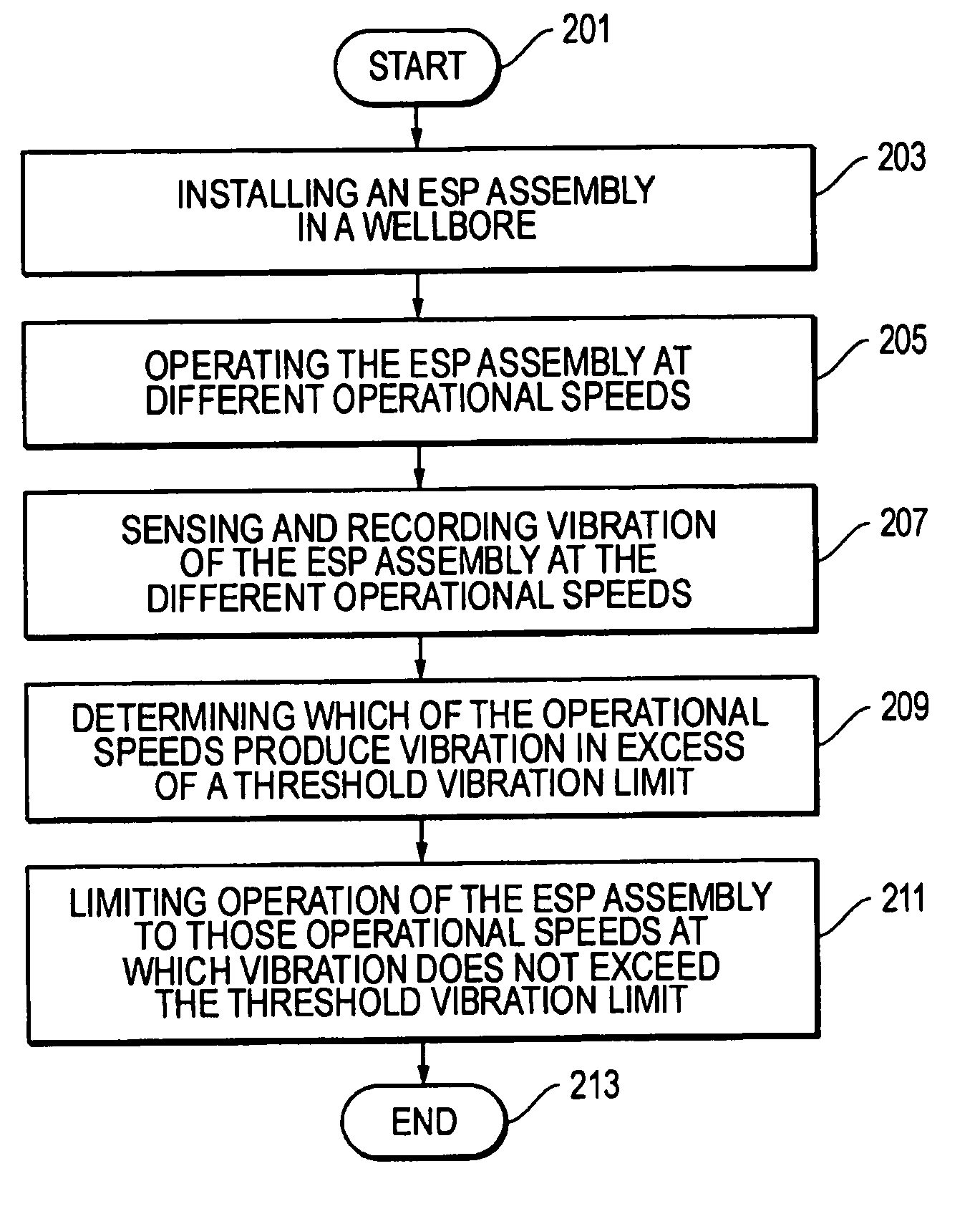
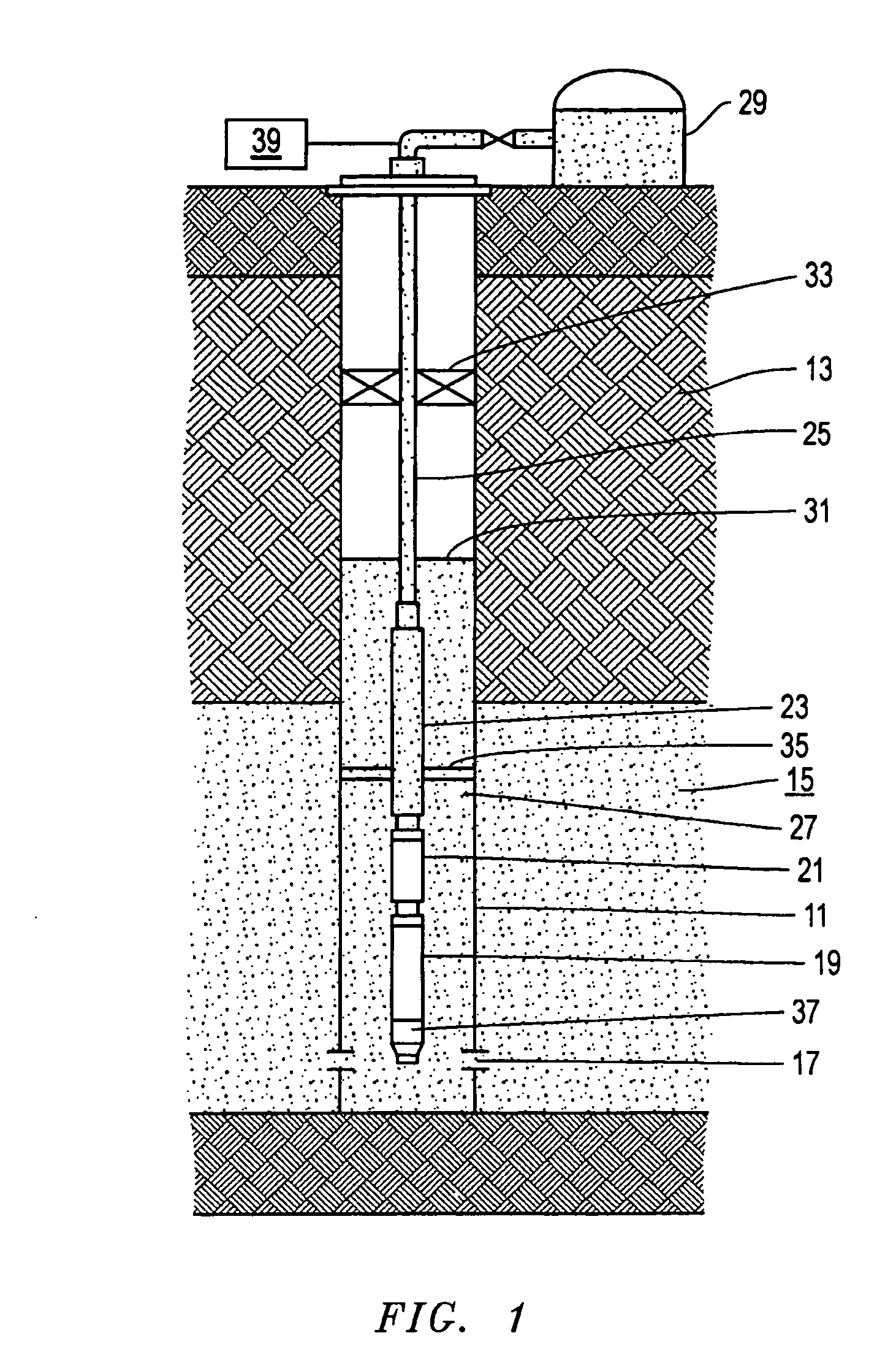
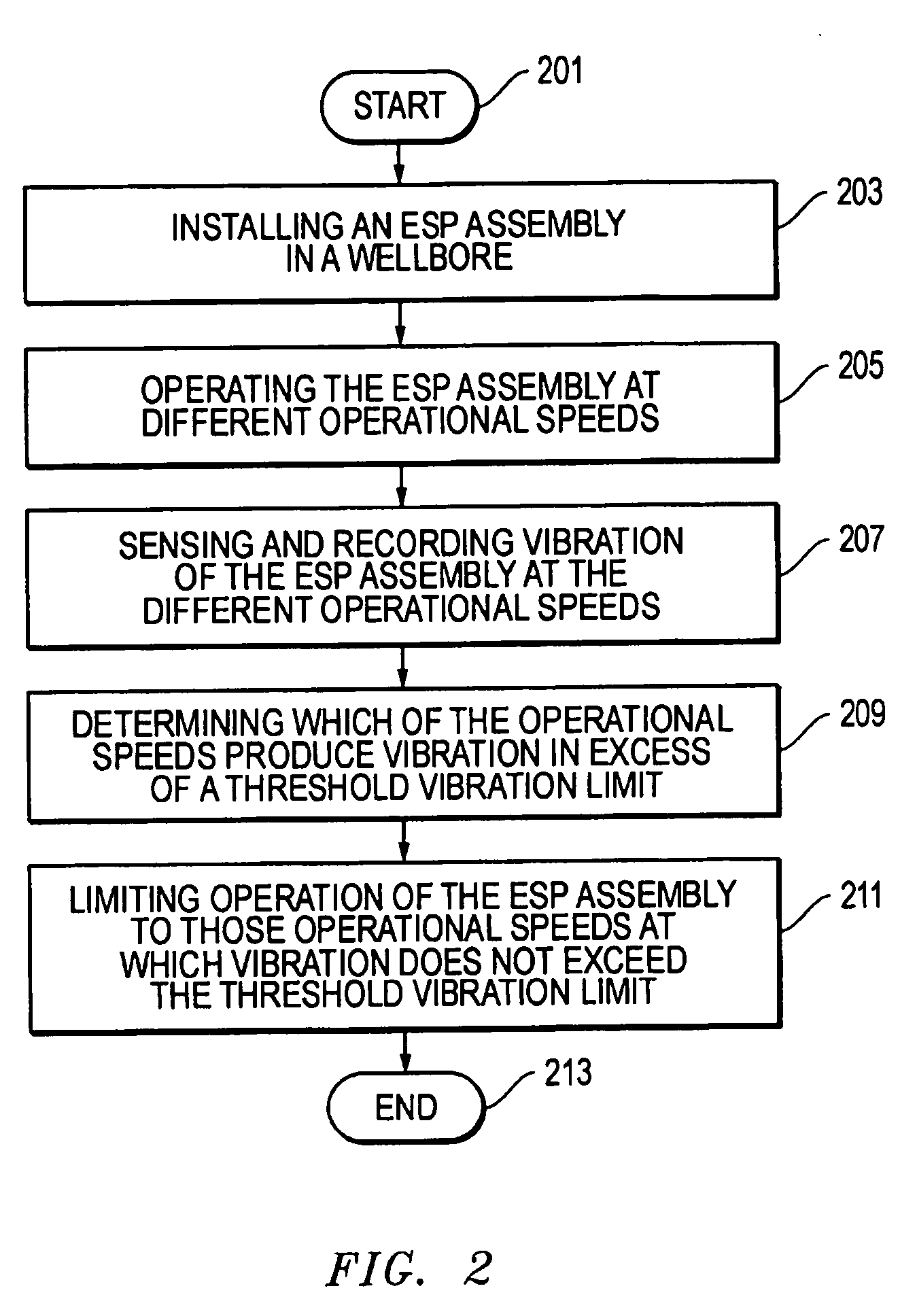
- A system and method utilizing a vibration sensor and controller to automatically sample operational frequencies, identify critical resonant frequencies, and program the ESP to avoid them, thereby prolonging equipment life by limiting operation at undesirable frequencies.
Regulatory Framework
The regulatory framework surrounding vibration control in submersible pump operations is a critical aspect that influences the design, implementation, and maintenance of these systems. Various international and national standards govern the acceptable levels of vibration in industrial equipment, including submersible pumps. The International Organization for Standardization (ISO) has established several relevant standards, such as ISO 10816 and ISO 20816, which provide guidelines for measuring and evaluating machine vibration.
These standards typically define vibration severity levels and provide recommendations for acceptable limits in different types of machinery. For submersible pumps, specific attention is given to the unique operating conditions, including the effects of fluid dynamics and the potential for cavitation. Regulatory bodies often require manufacturers and operators to adhere to these standards to ensure safe and efficient operation of submersible pumps.
In addition to international standards, many countries have their own regulatory bodies that oversee industrial equipment safety and performance. For instance, in the United States, the Occupational Safety and Health Administration (OSHA) sets guidelines for workplace safety, which include provisions for equipment vibration control. Similarly, the European Union has directives such as the Machinery Directive 2006/42/EC, which addresses safety requirements for machinery, including vibration-related hazards.
The regulatory framework also extends to environmental considerations. Excessive vibration in submersible pumps can lead to increased wear and tear, potentially resulting in leaks or failures that may have environmental consequences. Environmental protection agencies in various countries have established regulations to prevent such incidents, particularly in sensitive areas like offshore drilling operations or water treatment facilities.
Compliance with these regulations often requires regular monitoring and reporting of vibration levels in submersible pump operations. Many jurisdictions mandate periodic inspections and maintenance schedules to ensure ongoing compliance. This has led to the development of sophisticated vibration monitoring systems and predictive maintenance strategies within the industry.
As technology advances, regulatory frameworks are evolving to incorporate new methodologies for vibration control. This includes the integration of smart sensors and real-time monitoring systems that can provide continuous data on pump performance and vibration levels. Regulatory bodies are increasingly recognizing the value of these technologies in enhancing safety and efficiency in submersible pump operations.
These standards typically define vibration severity levels and provide recommendations for acceptable limits in different types of machinery. For submersible pumps, specific attention is given to the unique operating conditions, including the effects of fluid dynamics and the potential for cavitation. Regulatory bodies often require manufacturers and operators to adhere to these standards to ensure safe and efficient operation of submersible pumps.
In addition to international standards, many countries have their own regulatory bodies that oversee industrial equipment safety and performance. For instance, in the United States, the Occupational Safety and Health Administration (OSHA) sets guidelines for workplace safety, which include provisions for equipment vibration control. Similarly, the European Union has directives such as the Machinery Directive 2006/42/EC, which addresses safety requirements for machinery, including vibration-related hazards.
The regulatory framework also extends to environmental considerations. Excessive vibration in submersible pumps can lead to increased wear and tear, potentially resulting in leaks or failures that may have environmental consequences. Environmental protection agencies in various countries have established regulations to prevent such incidents, particularly in sensitive areas like offshore drilling operations or water treatment facilities.
Compliance with these regulations often requires regular monitoring and reporting of vibration levels in submersible pump operations. Many jurisdictions mandate periodic inspections and maintenance schedules to ensure ongoing compliance. This has led to the development of sophisticated vibration monitoring systems and predictive maintenance strategies within the industry.
As technology advances, regulatory frameworks are evolving to incorporate new methodologies for vibration control. This includes the integration of smart sensors and real-time monitoring systems that can provide continuous data on pump performance and vibration levels. Regulatory bodies are increasingly recognizing the value of these technologies in enhancing safety and efficiency in submersible pump operations.
Environmental Impact Assessment
The environmental impact assessment of vibration control in submersible pump operations is a critical aspect of ensuring sustainable and responsible industrial practices. Submersible pumps, widely used in various sectors including oil and gas, water treatment, and mining, can generate significant vibrations during operation. These vibrations, if left uncontrolled, may lead to adverse environmental consequences.
One of the primary environmental concerns associated with submersible pump vibrations is the potential disturbance to aquatic ecosystems. Excessive vibrations can propagate through water bodies, affecting marine life and their habitats. Fish and other aquatic organisms may experience stress, altered behavior patterns, or even physical harm due to prolonged exposure to pump-induced vibrations. This can result in changes to local biodiversity and ecosystem balance.
Vibrations from submersible pumps can also contribute to sediment resuspension in water bodies. This process can increase turbidity, potentially impacting water quality and light penetration. Elevated turbidity levels may affect photosynthetic activities of aquatic plants and algae, disrupting the food chain and overall ecosystem functioning.
In coastal areas or sensitive marine environments, uncontrolled pump vibrations might contribute to erosion of shorelines or damage to fragile coral reef structures. This can lead to long-term changes in coastal morphology and habitat degradation for various marine species.
The noise pollution generated by vibrating submersible pumps is another environmental concern. Underwater noise can travel long distances and may interfere with marine mammals' communication and navigation systems. This can lead to behavioral changes, stress, and potential disruption of breeding and feeding patterns among affected species.
From a geological perspective, continuous vibrations from submersible pumps may contribute to soil compaction or liquefaction in certain types of sediments. This can alter local soil structures and potentially affect groundwater flow patterns, which may have broader implications for surrounding ecosystems and water resources.
Effective vibration control measures in submersible pump operations can significantly mitigate these environmental impacts. Implementing advanced dampening technologies, optimizing pump designs for reduced vibration, and regular maintenance can help minimize the ecological footprint of these industrial operations. Additionally, conducting thorough environmental impact assessments before pump installation and ongoing monitoring during operation are crucial steps in ensuring environmental protection and compliance with regulatory standards.
One of the primary environmental concerns associated with submersible pump vibrations is the potential disturbance to aquatic ecosystems. Excessive vibrations can propagate through water bodies, affecting marine life and their habitats. Fish and other aquatic organisms may experience stress, altered behavior patterns, or even physical harm due to prolonged exposure to pump-induced vibrations. This can result in changes to local biodiversity and ecosystem balance.
Vibrations from submersible pumps can also contribute to sediment resuspension in water bodies. This process can increase turbidity, potentially impacting water quality and light penetration. Elevated turbidity levels may affect photosynthetic activities of aquatic plants and algae, disrupting the food chain and overall ecosystem functioning.
In coastal areas or sensitive marine environments, uncontrolled pump vibrations might contribute to erosion of shorelines or damage to fragile coral reef structures. This can lead to long-term changes in coastal morphology and habitat degradation for various marine species.
The noise pollution generated by vibrating submersible pumps is another environmental concern. Underwater noise can travel long distances and may interfere with marine mammals' communication and navigation systems. This can lead to behavioral changes, stress, and potential disruption of breeding and feeding patterns among affected species.
From a geological perspective, continuous vibrations from submersible pumps may contribute to soil compaction or liquefaction in certain types of sediments. This can alter local soil structures and potentially affect groundwater flow patterns, which may have broader implications for surrounding ecosystems and water resources.
Effective vibration control measures in submersible pump operations can significantly mitigate these environmental impacts. Implementing advanced dampening technologies, optimizing pump designs for reduced vibration, and regular maintenance can help minimize the ecological footprint of these industrial operations. Additionally, conducting thorough environmental impact assessments before pump installation and ongoing monitoring during operation are crucial steps in ensuring environmental protection and compliance with regulatory standards.
Unlock deeper insights with Patsnap Eureka Quick Research — get a full tech report to explore trends and direct your research. Try now!
Generate Your Research Report Instantly with AI Agent
Supercharge your innovation with Patsnap Eureka AI Agent Platform!