Biomimetic Actuators in Architecture: Efficiency Study
APR 20, 20269 MIN READ
Generate Your Research Report Instantly with AI Agent
Patsnap Eureka helps you evaluate technical feasibility & market potential.
Biomimetic Actuator Architecture Background and Objectives
Biomimetic actuators represent a revolutionary convergence of biological inspiration and engineering innovation, drawing from millions of years of evolutionary optimization found in natural systems. These sophisticated mechanisms emulate the movement principles observed in living organisms, translating biological motion strategies into artificial systems capable of producing controlled, adaptive responses. The field has emerged from the recognition that nature's solutions to movement and adaptation challenges often surpass conventional mechanical approaches in terms of efficiency, responsiveness, and environmental integration.
The architectural application of biomimetic actuators has gained significant momentum as the construction industry seeks sustainable, intelligent building solutions. Traditional building systems rely heavily on energy-intensive mechanical components for climate control, structural adaptation, and user interaction. The integration of bio-inspired actuators promises to transform static architectural elements into dynamic, responsive systems that can adapt to environmental conditions, optimize energy consumption, and enhance occupant comfort through intelligent material behavior.
Historical development in this field traces back to early observations of plant movements, such as heliotropism and nyctinasty, which demonstrated how biological systems achieve complex motions without traditional mechanical components. The technological evolution accelerated with advances in smart materials, particularly shape memory alloys, electroactive polymers, and hydrogel-based systems that could mimic the contractile properties of muscle fibers and the hygroscopic movements of plant tissues.
The primary objective of current biomimetic actuator research in architecture focuses on achieving superior energy efficiency compared to conventional building automation systems. This involves developing actuators that can operate with minimal external energy input, utilizing environmental stimuli such as temperature fluctuations, humidity changes, and solar radiation as primary driving forces. The efficiency study aims to quantify performance metrics including response time, energy consumption ratios, durability under cyclic loading, and maintenance requirements.
Secondary objectives encompass the development of scalable manufacturing processes that can produce biomimetic actuators cost-effectively for widespread architectural implementation. This includes investigating material formulations that maintain performance characteristics while reducing production complexity and material costs. The research also targets the creation of modular actuator systems that can be integrated into existing building frameworks without requiring extensive structural modifications.
The overarching goal extends beyond mere efficiency improvements to establish a new paradigm for adaptive architecture. This vision encompasses buildings that can autonomously adjust their thermal properties, ventilation patterns, and structural configurations in response to changing environmental conditions and occupancy patterns. Such systems would represent a fundamental shift from energy-consuming active building management to energy-harvesting passive adaptation, potentially revolutionizing sustainable construction practices and establishing new standards for intelligent building design.
The architectural application of biomimetic actuators has gained significant momentum as the construction industry seeks sustainable, intelligent building solutions. Traditional building systems rely heavily on energy-intensive mechanical components for climate control, structural adaptation, and user interaction. The integration of bio-inspired actuators promises to transform static architectural elements into dynamic, responsive systems that can adapt to environmental conditions, optimize energy consumption, and enhance occupant comfort through intelligent material behavior.
Historical development in this field traces back to early observations of plant movements, such as heliotropism and nyctinasty, which demonstrated how biological systems achieve complex motions without traditional mechanical components. The technological evolution accelerated with advances in smart materials, particularly shape memory alloys, electroactive polymers, and hydrogel-based systems that could mimic the contractile properties of muscle fibers and the hygroscopic movements of plant tissues.
The primary objective of current biomimetic actuator research in architecture focuses on achieving superior energy efficiency compared to conventional building automation systems. This involves developing actuators that can operate with minimal external energy input, utilizing environmental stimuli such as temperature fluctuations, humidity changes, and solar radiation as primary driving forces. The efficiency study aims to quantify performance metrics including response time, energy consumption ratios, durability under cyclic loading, and maintenance requirements.
Secondary objectives encompass the development of scalable manufacturing processes that can produce biomimetic actuators cost-effectively for widespread architectural implementation. This includes investigating material formulations that maintain performance characteristics while reducing production complexity and material costs. The research also targets the creation of modular actuator systems that can be integrated into existing building frameworks without requiring extensive structural modifications.
The overarching goal extends beyond mere efficiency improvements to establish a new paradigm for adaptive architecture. This vision encompasses buildings that can autonomously adjust their thermal properties, ventilation patterns, and structural configurations in response to changing environmental conditions and occupancy patterns. Such systems would represent a fundamental shift from energy-consuming active building management to energy-harvesting passive adaptation, potentially revolutionizing sustainable construction practices and establishing new standards for intelligent building design.
Market Demand for Adaptive Building Systems
The global construction industry is experiencing unprecedented demand for adaptive building systems, driven by mounting pressures for energy efficiency, occupant comfort, and environmental sustainability. Traditional static building designs are increasingly inadequate for addressing dynamic environmental conditions and evolving user requirements. This paradigm shift has created substantial market opportunities for innovative solutions that can respond intelligently to changing conditions.
Climate change concerns and stringent energy regulations are primary catalysts driving market demand. Buildings consume approximately 40% of global energy, making adaptive systems essential for achieving carbon neutrality goals. Governments worldwide are implementing progressive building codes that mandate dynamic energy management capabilities, creating regulatory pull for biomimetic actuator technologies in architectural applications.
The smart building market segment represents the most immediate opportunity for biomimetic actuators. Property developers and facility managers are seeking systems that can automatically adjust building envelope properties, optimize natural lighting, and regulate thermal conditions without human intervention. Corporate tenants increasingly prioritize buildings with advanced environmental control systems, viewing them as essential for employee productivity and corporate sustainability commitments.
Healthcare and educational facilities demonstrate particularly strong demand for adaptive building systems. These sectors require precise environmental control for occupant wellbeing and performance optimization. Hospitals need responsive ventilation systems for infection control, while educational institutions seek dynamic lighting and acoustic solutions to enhance learning environments.
Emerging markets in Asia-Pacific and the Middle East show accelerated adoption rates due to rapid urbanization and extreme climate conditions. These regions face unique challenges including severe temperature fluctuations, dust storms, and monsoon conditions that traditional building systems cannot adequately address. Biomimetic actuators offer promising solutions for these demanding environments.
The luxury residential segment presents another growth vector, with high-net-worth individuals increasingly demanding homes that adapt automatically to their preferences and environmental conditions. This market segment demonstrates willingness to invest in premium technologies that enhance comfort and reduce operational costs.
Cost-benefit analysis reveals that while initial investment requirements remain substantial, operational savings through reduced energy consumption and maintenance costs create compelling value propositions. Building owners report significant returns on investment through decreased utility expenses and enhanced property values.
Climate change concerns and stringent energy regulations are primary catalysts driving market demand. Buildings consume approximately 40% of global energy, making adaptive systems essential for achieving carbon neutrality goals. Governments worldwide are implementing progressive building codes that mandate dynamic energy management capabilities, creating regulatory pull for biomimetic actuator technologies in architectural applications.
The smart building market segment represents the most immediate opportunity for biomimetic actuators. Property developers and facility managers are seeking systems that can automatically adjust building envelope properties, optimize natural lighting, and regulate thermal conditions without human intervention. Corporate tenants increasingly prioritize buildings with advanced environmental control systems, viewing them as essential for employee productivity and corporate sustainability commitments.
Healthcare and educational facilities demonstrate particularly strong demand for adaptive building systems. These sectors require precise environmental control for occupant wellbeing and performance optimization. Hospitals need responsive ventilation systems for infection control, while educational institutions seek dynamic lighting and acoustic solutions to enhance learning environments.
Emerging markets in Asia-Pacific and the Middle East show accelerated adoption rates due to rapid urbanization and extreme climate conditions. These regions face unique challenges including severe temperature fluctuations, dust storms, and monsoon conditions that traditional building systems cannot adequately address. Biomimetic actuators offer promising solutions for these demanding environments.
The luxury residential segment presents another growth vector, with high-net-worth individuals increasingly demanding homes that adapt automatically to their preferences and environmental conditions. This market segment demonstrates willingness to invest in premium technologies that enhance comfort and reduce operational costs.
Cost-benefit analysis reveals that while initial investment requirements remain substantial, operational savings through reduced energy consumption and maintenance costs create compelling value propositions. Building owners report significant returns on investment through decreased utility expenses and enhanced property values.
Current State of Biomimetic Actuators in Construction
Biomimetic actuators in construction represent an emerging field that draws inspiration from natural systems to create responsive architectural elements. Currently, the technology exists primarily in research and prototype phases, with limited commercial deployment in real-world construction projects. The field encompasses various approaches including shape-memory alloys, pneumatic systems, and electroactive polymers that mimic biological movement mechanisms found in plants and animals.
The most advanced implementations focus on adaptive building skins and responsive facades that can adjust to environmental conditions. Several research institutions have developed prototype systems using hygroscopic materials that respond to humidity changes, similar to pine cone scales or seed pods. These systems demonstrate the potential for passive actuation without external energy input, though their response speed and control precision remain limited compared to traditional mechanical systems.
Shape-memory alloy actuators have shown promise in architectural applications, particularly for sun-shading systems and ventilation controls. Current prototypes can achieve significant displacement and force output while maintaining relatively simple control systems. However, challenges persist in terms of response time, energy efficiency, and long-term durability under varying weather conditions and thermal cycling.
Pneumatic biomimetic systems, inspired by muscular structures, have been integrated into experimental building components for adaptive structural elements. These systems offer rapid response times and high force-to-weight ratios but require complex control infrastructure and compressed air supply systems, limiting their practical implementation in conventional construction projects.
The integration challenges primarily stem from the construction industry's conservative approach to new technologies and stringent safety requirements. Current biomimetic actuators often lack the reliability, standardization, and cost-effectiveness required for widespread adoption. Additionally, building codes and regulations have not yet evolved to accommodate these dynamic architectural elements, creating regulatory barriers for implementation.
Research efforts are concentrated in academic institutions and specialized technology companies, with limited involvement from major construction firms. The technology readiness level varies across different actuator types, with most systems remaining at laboratory demonstration stages rather than field-ready solutions suitable for commercial construction projects.
The most advanced implementations focus on adaptive building skins and responsive facades that can adjust to environmental conditions. Several research institutions have developed prototype systems using hygroscopic materials that respond to humidity changes, similar to pine cone scales or seed pods. These systems demonstrate the potential for passive actuation without external energy input, though their response speed and control precision remain limited compared to traditional mechanical systems.
Shape-memory alloy actuators have shown promise in architectural applications, particularly for sun-shading systems and ventilation controls. Current prototypes can achieve significant displacement and force output while maintaining relatively simple control systems. However, challenges persist in terms of response time, energy efficiency, and long-term durability under varying weather conditions and thermal cycling.
Pneumatic biomimetic systems, inspired by muscular structures, have been integrated into experimental building components for adaptive structural elements. These systems offer rapid response times and high force-to-weight ratios but require complex control infrastructure and compressed air supply systems, limiting their practical implementation in conventional construction projects.
The integration challenges primarily stem from the construction industry's conservative approach to new technologies and stringent safety requirements. Current biomimetic actuators often lack the reliability, standardization, and cost-effectiveness required for widespread adoption. Additionally, building codes and regulations have not yet evolved to accommodate these dynamic architectural elements, creating regulatory barriers for implementation.
Research efforts are concentrated in academic institutions and specialized technology companies, with limited involvement from major construction firms. The technology readiness level varies across different actuator types, with most systems remaining at laboratory demonstration stages rather than field-ready solutions suitable for commercial construction projects.
Existing Biomimetic Actuator Solutions for Buildings
01 Use of electroactive polymers for biomimetic actuation
Electroactive polymers can be utilized in biomimetic actuators to achieve high efficiency through their ability to convert electrical energy into mechanical motion. These materials exhibit significant strain and force output when subjected to electrical stimulation, mimicking natural muscle behavior. The efficiency of such actuators can be enhanced by optimizing the polymer composition, electrode configuration, and operating parameters to maximize energy conversion and minimize losses.- Material optimization for biomimetic actuators: Improving the efficiency of biomimetic actuators through the selection and optimization of advanced materials such as shape memory alloys, electroactive polymers, and smart materials. These materials can enhance response time, energy conversion efficiency, and mechanical performance by mimicking natural muscle tissue properties. Material composition and structural design play crucial roles in achieving higher actuation efficiency and durability.
- Energy conversion mechanisms in biomimetic systems: Enhancement of energy conversion efficiency through various actuation mechanisms including electrochemical, thermal, and pneumatic systems. These mechanisms convert electrical, chemical, or thermal energy into mechanical motion with improved efficiency ratios. Optimization of energy input-output relationships and reduction of energy losses during conversion processes are key factors in improving overall actuator performance.
- Control systems and feedback mechanisms: Implementation of advanced control algorithms and feedback systems to optimize actuator performance and efficiency. These systems enable precise control of actuation parameters, real-time monitoring, and adaptive responses to environmental conditions. Integration of sensors and intelligent control strategies allows for improved energy management and operational efficiency in biomimetic actuators.
- Structural design and biomimetic architecture: Development of actuator structures that mimic biological systems to achieve enhanced efficiency through optimized geometry, hierarchical arrangements, and flexible configurations. Biomimetic structural designs can reduce mechanical losses, improve force transmission, and enable more efficient movement patterns. These designs often incorporate multi-scale features and adaptive architectures inspired by natural organisms.
- Hybrid actuation systems and integration: Combination of multiple actuation principles and integration of different technologies to create hybrid systems with superior efficiency. These systems leverage the advantages of various actuation methods while compensating for individual limitations. Integration approaches include combining artificial muscles with traditional actuators, multi-modal energy harvesting, and synergistic coupling of different actuation mechanisms to maximize overall system efficiency.
02 Integration of shape memory alloys in actuator systems
Shape memory alloys can be incorporated into biomimetic actuators to improve efficiency through their unique ability to recover predetermined shapes upon thermal activation. These materials provide high power-to-weight ratios and can generate substantial forces with minimal energy input. The efficiency of actuators using these alloys can be optimized by controlling the thermal cycling, material composition, and mechanical design to reduce energy consumption while maintaining performance.Expand Specific Solutions03 Application of hydraulic amplification mechanisms
Hydraulic amplification mechanisms can be employed in biomimetic actuators to enhance efficiency by converting small input displacements into larger output forces. These systems utilize fluid dynamics principles to achieve mechanical advantage, similar to biological systems. The efficiency can be improved through optimized fluid selection, chamber geometry, and pressure control systems that minimize energy losses due to friction and leakage.Expand Specific Solutions04 Implementation of energy harvesting and storage systems
Energy harvesting and storage systems can be integrated into biomimetic actuators to improve overall efficiency by capturing and reusing energy that would otherwise be dissipated. These systems can recover energy from actuator motion, environmental sources, or regenerative braking mechanisms. The efficiency gains are achieved through the use of capacitors, batteries, or other storage devices that allow for energy recycling and reduced external power requirements.Expand Specific Solutions05 Optimization of control algorithms and feedback systems
Advanced control algorithms and feedback systems can significantly enhance the efficiency of biomimetic actuators by optimizing motion trajectories, reducing unnecessary movements, and adapting to varying load conditions. These systems employ sensors and computational methods to monitor actuator performance in real-time and adjust operating parameters accordingly. Efficiency improvements are realized through reduced energy consumption, improved precision, and extended operational lifespan of the actuator components.Expand Specific Solutions
Key Players in Biomimetic Architecture Industry
The biomimetic actuators in architecture field represents an emerging interdisciplinary sector at the intersection of materials science, robotics, and sustainable building design. The market remains in early development stages with significant growth potential as smart building technologies gain traction. Leading research institutions including MIT, Harvard College, Johns Hopkins University, and ETH Zurich are driving fundamental innovations in bio-inspired materials and adaptive systems. Technology companies like Intel Corp. and Koninklijke Philips NV are exploring commercial applications, while specialized firms such as Smith & Nephew plc contribute medical device expertise. The technology maturity varies significantly, with academic institutions focusing on proof-of-concept developments while industrial players work toward scalable solutions for energy-efficient responsive building systems.
Massachusetts Institute of Technology
Technical Solution: MIT has developed advanced biomimetic actuator systems inspired by natural muscle fibers and plant movements for architectural applications. Their research focuses on shape-memory alloy (SMA) based actuators that can achieve up to 8% strain recovery with response times under 10 seconds. The technology incorporates distributed sensor networks and adaptive control algorithms to enable building facades that respond to environmental conditions like temperature, humidity, and solar radiation. Their prototype systems demonstrate energy efficiency improvements of 25-30% compared to conventional HVAC systems through dynamic building envelope adaptation.
Strengths: Leading research capabilities, strong interdisciplinary collaboration, proven prototypes. Weaknesses: High development costs, limited commercial scalability, complex maintenance requirements.
President & Fellows of Harvard College
Technical Solution: Harvard's Wyss Institute has pioneered bio-inspired soft actuators using pneumatic artificial muscles (PAMs) and electroactive polymers for architectural integration. Their technology mimics the movement patterns of plant stomata and animal muscle contractions to create responsive building elements. The system achieves force outputs of up to 500N with power consumption 40% lower than traditional motorized systems. Their research includes self-healing materials and distributed actuation networks that can adapt building structures in real-time to optimize natural ventilation and lighting conditions.
Strengths: Innovative soft robotics expertise, bio-inspired design leadership, strong material science foundation. Weaknesses: Early-stage technology, durability concerns in harsh environments, limited load-bearing capacity.
Core Innovations in Architectural Biomimetic Systems
Biomimetic actuation device and system, and methods for controlling a biomimetic actuation device and system
PatentWO2015051380A2
Innovation
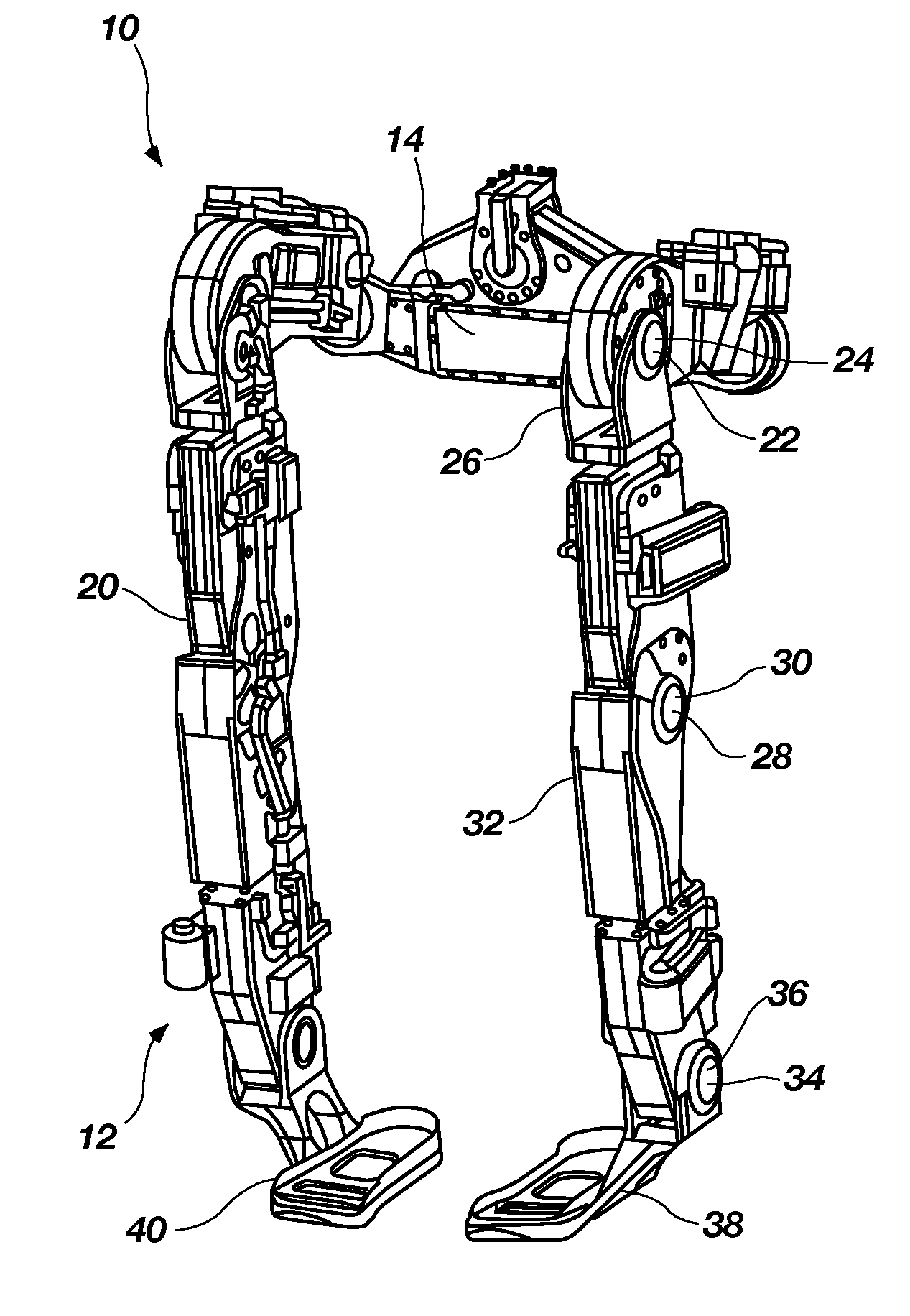
- Development of a biomimetic DCC approach using soft pneumatic artificial muscles (PAMs) oriented in a helical and circumferential fashion to replicate cardiac motion, providing synchronized mechanical assistance during both systolic and diastolic phases, with low threshold pressures and soft ends to avoid tissue damage, and integration with existing pacemaker technology for synchronized actuation.


Control logic for biomimetic joint actuators
PatentInactiveUS8731716B2
Innovation
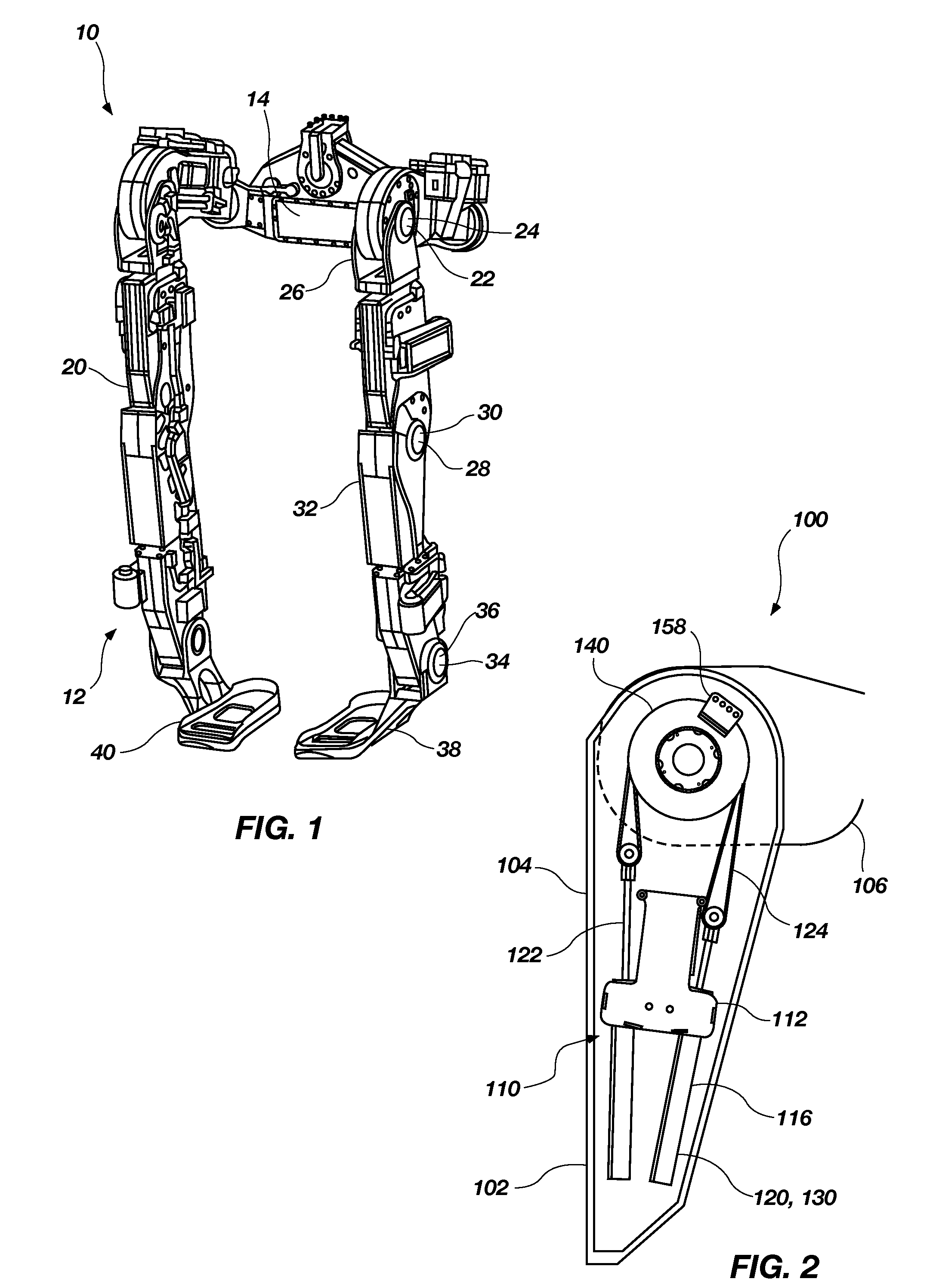
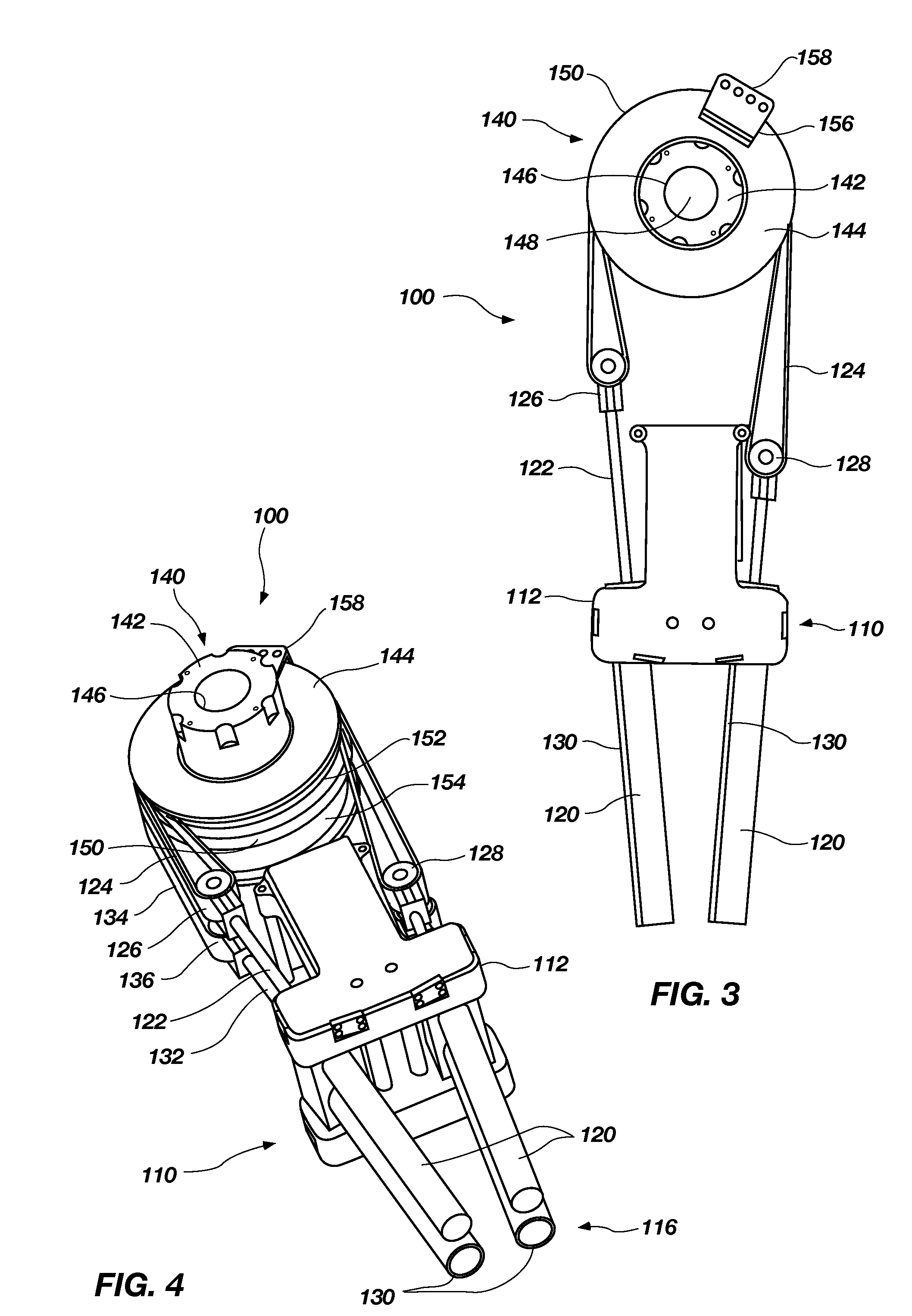
- A biomimetic mechanical joint system utilizing multiple fractional actuators that can be selectively recruited and throttled to efficiently rotate a support member about a pivot device, mimicking the human body's muscle configuration, allowing for efficient movement across a range of conditions without sacrificing speed or power.

Building Codes and Standards for Adaptive Structures
The integration of biomimetic actuators into architectural systems presents unprecedented challenges for existing building codes and regulatory frameworks. Current building standards, primarily designed for static structures, lack comprehensive guidelines for adaptive building components that can change shape, stiffness, or configuration in response to environmental conditions. This regulatory gap creates significant barriers to the widespread adoption of biomimetic actuator technologies in construction projects.
International building codes such as the International Building Code (IBC) and European standards like Eurocode are beginning to acknowledge the need for adaptive structure regulations. However, these frameworks remain largely theoretical, with limited practical implementation guidelines. The primary challenge lies in establishing safety protocols for structures that can dynamically alter their mechanical properties, requiring new approaches to structural analysis and risk assessment.
Safety certification processes for biomimetic actuator systems require extensive testing protocols that differ fundamentally from traditional structural testing. These systems must demonstrate reliable performance across multiple operational states, including failure modes during transitions between configurations. Current standards lack specific criteria for evaluating the long-term reliability of bio-inspired mechanical systems, particularly regarding fatigue resistance and environmental degradation of organic-inspired materials.
Performance standards for adaptive structures must address both structural integrity and energy efficiency metrics. Emerging regulations are beginning to incorporate requirements for actuator response times, load-bearing capacity variations, and energy consumption limits. These standards must balance the benefits of adaptive functionality with safety requirements, establishing minimum performance thresholds while allowing for innovation in actuator design.
The development of specialized testing methodologies represents a critical advancement in regulatory frameworks. New standards require comprehensive evaluation of actuator systems under various loading conditions, environmental stresses, and operational cycles. These testing protocols must simulate real-world conditions while providing reproducible results for certification purposes, necessitating sophisticated testing equipment and standardized procedures that are still under development across different regulatory jurisdictions.
International building codes such as the International Building Code (IBC) and European standards like Eurocode are beginning to acknowledge the need for adaptive structure regulations. However, these frameworks remain largely theoretical, with limited practical implementation guidelines. The primary challenge lies in establishing safety protocols for structures that can dynamically alter their mechanical properties, requiring new approaches to structural analysis and risk assessment.
Safety certification processes for biomimetic actuator systems require extensive testing protocols that differ fundamentally from traditional structural testing. These systems must demonstrate reliable performance across multiple operational states, including failure modes during transitions between configurations. Current standards lack specific criteria for evaluating the long-term reliability of bio-inspired mechanical systems, particularly regarding fatigue resistance and environmental degradation of organic-inspired materials.
Performance standards for adaptive structures must address both structural integrity and energy efficiency metrics. Emerging regulations are beginning to incorporate requirements for actuator response times, load-bearing capacity variations, and energy consumption limits. These standards must balance the benefits of adaptive functionality with safety requirements, establishing minimum performance thresholds while allowing for innovation in actuator design.
The development of specialized testing methodologies represents a critical advancement in regulatory frameworks. New standards require comprehensive evaluation of actuator systems under various loading conditions, environmental stresses, and operational cycles. These testing protocols must simulate real-world conditions while providing reproducible results for certification purposes, necessitating sophisticated testing equipment and standardized procedures that are still under development across different regulatory jurisdictions.
Energy Efficiency Assessment Methods for Bio-Actuators
Energy efficiency assessment of biomimetic actuators in architectural applications requires comprehensive evaluation methodologies that account for both mechanical performance and power consumption characteristics. Traditional assessment approaches often fall short when applied to bio-inspired systems due to their unique operational principles and adaptive behaviors.
The primary assessment framework centers on establishing baseline energy consumption metrics through standardized testing protocols. These protocols measure power input versus mechanical output across various operational conditions, including different load scenarios, environmental temperatures, and activation frequencies. Real-time monitoring systems capture instantaneous power draw, response times, and force generation capabilities to establish comprehensive performance profiles.
Comparative analysis methodologies play a crucial role in evaluating bio-actuator efficiency against conventional mechanical systems. This involves developing normalized efficiency indices that account for factors such as power-to-weight ratios, response speed, and operational lifespan. The assessment considers both direct energy consumption during active operation and standby power requirements during idle states.
Dynamic efficiency evaluation addresses the variable nature of biomimetic actuators under changing environmental conditions. This methodology incorporates thermal cycling tests, humidity variation studies, and long-term degradation analysis to understand how efficiency parameters evolve over operational lifecycles. Advanced data acquisition systems continuously monitor multiple performance parameters to identify efficiency optimization opportunities.
Multi-criteria assessment frameworks integrate energy efficiency with other critical performance indicators such as durability, maintenance requirements, and environmental impact. These holistic evaluation methods employ weighted scoring systems that balance energy performance against practical implementation considerations in architectural contexts.
Predictive modeling techniques utilize machine learning algorithms to forecast energy efficiency trends based on operational patterns and environmental factors. These models enable proactive optimization strategies and support decision-making processes for large-scale architectural implementations. The integration of IoT sensors and cloud-based analytics platforms facilitates continuous efficiency monitoring and performance optimization in real-world deployment scenarios.
The primary assessment framework centers on establishing baseline energy consumption metrics through standardized testing protocols. These protocols measure power input versus mechanical output across various operational conditions, including different load scenarios, environmental temperatures, and activation frequencies. Real-time monitoring systems capture instantaneous power draw, response times, and force generation capabilities to establish comprehensive performance profiles.
Comparative analysis methodologies play a crucial role in evaluating bio-actuator efficiency against conventional mechanical systems. This involves developing normalized efficiency indices that account for factors such as power-to-weight ratios, response speed, and operational lifespan. The assessment considers both direct energy consumption during active operation and standby power requirements during idle states.
Dynamic efficiency evaluation addresses the variable nature of biomimetic actuators under changing environmental conditions. This methodology incorporates thermal cycling tests, humidity variation studies, and long-term degradation analysis to understand how efficiency parameters evolve over operational lifecycles. Advanced data acquisition systems continuously monitor multiple performance parameters to identify efficiency optimization opportunities.
Multi-criteria assessment frameworks integrate energy efficiency with other critical performance indicators such as durability, maintenance requirements, and environmental impact. These holistic evaluation methods employ weighted scoring systems that balance energy performance against practical implementation considerations in architectural contexts.
Predictive modeling techniques utilize machine learning algorithms to forecast energy efficiency trends based on operational patterns and environmental factors. These models enable proactive optimization strategies and support decision-making processes for large-scale architectural implementations. The integration of IoT sensors and cloud-based analytics platforms facilitates continuous efficiency monitoring and performance optimization in real-world deployment scenarios.
Unlock deeper insights with Patsnap Eureka Quick Research — get a full tech report to explore trends and direct your research. Try now!
Generate Your Research Report Instantly with AI Agent
Supercharge your innovation with Patsnap Eureka AI Agent Platform!