

Chip Package Substrate Material vs Signal Transfer: A Comparison
APR 7, 20269 MIN READ
Generate Your Research Report Instantly with AI Agent
PatSnap Eureka helps you evaluate technical feasibility & market potential.
Chip Package Substrate Evolution and Signal Transfer Goals
The evolution of chip package substrates has been fundamentally driven by the relentless pursuit of enhanced signal transfer performance in increasingly complex electronic systems. From the early days of ceramic substrates in the 1960s to today's advanced organic and hybrid materials, this technological journey reflects the semiconductor industry's continuous quest to overcome signal integrity challenges while meeting miniaturization demands.
Initially, ceramic substrates dominated the landscape due to their excellent thermal properties and reliability. However, as signal frequencies increased and packaging density requirements intensified, the industry recognized the need for materials with superior electrical characteristics. The transition to organic substrates in the 1990s marked a pivotal shift, offering lower dielectric constants and reduced signal propagation delays, though at the cost of thermal management capabilities.
The primary goal driving substrate material evolution centers on achieving optimal signal transfer characteristics across multiple dimensions. Signal integrity preservation stands as the foremost objective, requiring materials that minimize signal distortion, crosstalk, and electromagnetic interference. This necessitates substrates with precisely controlled dielectric properties, low loss tangents, and stable electrical performance across varying frequencies and temperatures.
Power delivery efficiency represents another critical goal, demanding substrates capable of supporting high-current applications while maintaining voltage stability. Modern substrates must accommodate increasingly complex power distribution networks that deliver clean, stable power to high-performance processors and system-on-chip designs operating at multiple voltage levels simultaneously.
Thermal management objectives have become increasingly paramount as power densities continue to escalate. Substrate materials must effectively dissipate heat while maintaining dimensional stability and electrical performance under thermal stress. This requirement has driven innovations in thermally enhanced organic materials and hybrid substrate technologies that combine the electrical benefits of organic materials with the thermal advantages of ceramic components.
The miniaturization imperative continues to shape substrate evolution goals, pushing toward finer line widths, smaller via structures, and higher interconnect densities. This trend demands materials with excellent dimensional stability during manufacturing processes and long-term reliability under mechanical stress. Additionally, the integration of advanced features such as embedded components and three-dimensional interconnect structures requires substrates with enhanced mechanical properties and processing compatibility.
Cost optimization remains a persistent goal, balancing performance requirements with manufacturing economics. The industry continuously seeks materials and processes that deliver required electrical and thermal performance while maintaining cost-effectiveness for high-volume production. This economic driver has accelerated the development of advanced organic materials that approach ceramic performance levels at significantly reduced costs.
Initially, ceramic substrates dominated the landscape due to their excellent thermal properties and reliability. However, as signal frequencies increased and packaging density requirements intensified, the industry recognized the need for materials with superior electrical characteristics. The transition to organic substrates in the 1990s marked a pivotal shift, offering lower dielectric constants and reduced signal propagation delays, though at the cost of thermal management capabilities.
The primary goal driving substrate material evolution centers on achieving optimal signal transfer characteristics across multiple dimensions. Signal integrity preservation stands as the foremost objective, requiring materials that minimize signal distortion, crosstalk, and electromagnetic interference. This necessitates substrates with precisely controlled dielectric properties, low loss tangents, and stable electrical performance across varying frequencies and temperatures.
Power delivery efficiency represents another critical goal, demanding substrates capable of supporting high-current applications while maintaining voltage stability. Modern substrates must accommodate increasingly complex power distribution networks that deliver clean, stable power to high-performance processors and system-on-chip designs operating at multiple voltage levels simultaneously.
Thermal management objectives have become increasingly paramount as power densities continue to escalate. Substrate materials must effectively dissipate heat while maintaining dimensional stability and electrical performance under thermal stress. This requirement has driven innovations in thermally enhanced organic materials and hybrid substrate technologies that combine the electrical benefits of organic materials with the thermal advantages of ceramic components.
The miniaturization imperative continues to shape substrate evolution goals, pushing toward finer line widths, smaller via structures, and higher interconnect densities. This trend demands materials with excellent dimensional stability during manufacturing processes and long-term reliability under mechanical stress. Additionally, the integration of advanced features such as embedded components and three-dimensional interconnect structures requires substrates with enhanced mechanical properties and processing compatibility.
Cost optimization remains a persistent goal, balancing performance requirements with manufacturing economics. The industry continuously seeks materials and processes that deliver required electrical and thermal performance while maintaining cost-effectiveness for high-volume production. This economic driver has accelerated the development of advanced organic materials that approach ceramic performance levels at significantly reduced costs.
Market Demand for Advanced Packaging Solutions
The semiconductor industry is experiencing unprecedented demand for advanced packaging solutions, driven by the convergence of multiple technological trends and application requirements. This surge stems primarily from the limitations of traditional Moore's Law scaling, where continued miniaturization at the transistor level has become increasingly challenging and economically unfeasible. As a result, the industry has pivoted toward advanced packaging technologies to achieve performance improvements through heterogeneous integration and system-level optimization.
Mobile computing devices represent the largest market segment driving advanced packaging adoption. Smartphones, tablets, and wearable devices require increasingly sophisticated functionality within severely constrained form factors. These applications demand packaging solutions that can integrate multiple die types, including processors, memory, sensors, and RF components, while maintaining optimal signal integrity and thermal management. The substrate materials used in these packages must support high-density interconnects and multi-layer routing to accommodate complex signal transfer requirements.
Data center and high-performance computing applications constitute another critical demand driver. The exponential growth in artificial intelligence, machine learning, and cloud computing workloads has created an insatiable appetite for computational performance and memory bandwidth. Advanced packaging enables the integration of high-bandwidth memory with processors, creating system-in-package solutions that dramatically improve data transfer rates while reducing power consumption. The substrate materials in these applications must support extremely high-speed signal transmission with minimal loss and crosstalk.
Automotive electronics present a rapidly expanding market for advanced packaging solutions. The transition toward electric vehicles and autonomous driving systems requires robust packaging that can withstand harsh environmental conditions while supporting high-speed data processing and communication. Advanced driver assistance systems, LiDAR sensors, and vehicle-to-everything communication modules all rely on sophisticated packaging technologies that balance signal performance with reliability requirements.
The Internet of Things ecosystem continues to fuel demand for cost-effective advanced packaging solutions. Edge computing devices, smart sensors, and connected appliances require packages that optimize both performance and manufacturing costs. This market segment particularly values packaging solutions that can integrate analog, digital, and RF functionality while maintaining compact footprints and low power consumption profiles.
Mobile computing devices represent the largest market segment driving advanced packaging adoption. Smartphones, tablets, and wearable devices require increasingly sophisticated functionality within severely constrained form factors. These applications demand packaging solutions that can integrate multiple die types, including processors, memory, sensors, and RF components, while maintaining optimal signal integrity and thermal management. The substrate materials used in these packages must support high-density interconnects and multi-layer routing to accommodate complex signal transfer requirements.
Data center and high-performance computing applications constitute another critical demand driver. The exponential growth in artificial intelligence, machine learning, and cloud computing workloads has created an insatiable appetite for computational performance and memory bandwidth. Advanced packaging enables the integration of high-bandwidth memory with processors, creating system-in-package solutions that dramatically improve data transfer rates while reducing power consumption. The substrate materials in these applications must support extremely high-speed signal transmission with minimal loss and crosstalk.
Automotive electronics present a rapidly expanding market for advanced packaging solutions. The transition toward electric vehicles and autonomous driving systems requires robust packaging that can withstand harsh environmental conditions while supporting high-speed data processing and communication. Advanced driver assistance systems, LiDAR sensors, and vehicle-to-everything communication modules all rely on sophisticated packaging technologies that balance signal performance with reliability requirements.
The Internet of Things ecosystem continues to fuel demand for cost-effective advanced packaging solutions. Edge computing devices, smart sensors, and connected appliances require packages that optimize both performance and manufacturing costs. This market segment particularly values packaging solutions that can integrate analog, digital, and RF functionality while maintaining compact footprints and low power consumption profiles.
Current Substrate Materials and Signal Transfer Challenges
The semiconductor packaging industry currently relies on several mainstream substrate materials, each presenting distinct characteristics for signal transfer applications. Organic substrates, primarily composed of epoxy resin-based materials like BT (Bismaleimide Triazine) and polyimide, dominate the market due to their cost-effectiveness and manufacturing scalability. These materials typically exhibit dielectric constants ranging from 3.2 to 4.5, which while acceptable for many applications, introduce signal integrity challenges at higher frequencies.
Ceramic substrates, including alumina and aluminum nitride, offer superior thermal conductivity and lower dielectric loss compared to organic alternatives. However, their brittleness and higher manufacturing costs limit widespread adoption. Low-temperature co-fired ceramic (LTCC) technology has emerged as a compromise solution, providing better electrical performance than organic substrates while maintaining reasonable production costs.
Signal transfer challenges in current substrate materials manifest primarily through dielectric loss, crosstalk, and impedance control issues. As operating frequencies increase beyond 10 GHz, traditional organic substrates experience significant signal attenuation due to their inherent loss tangent values, typically ranging from 0.01 to 0.02. This limitation becomes particularly pronounced in high-speed digital applications and RF communications.
Thermal management represents another critical challenge, as substrate materials must efficiently dissipate heat while maintaining electrical performance. Organic substrates typically exhibit thermal conductivity values between 0.3-0.8 W/mK, insufficient for high-power applications. This thermal bottleneck directly impacts signal integrity through temperature-dependent changes in dielectric properties.
Manufacturing constraints further complicate substrate material selection. Via formation, layer registration accuracy, and dimensional stability during processing create additional signal transfer challenges. Current photolithography limitations restrict minimum feature sizes, affecting signal routing density and crosstalk mitigation strategies.
The industry faces increasing pressure to address these fundamental limitations as semiconductor devices demand higher performance, greater miniaturization, and improved power efficiency. Traditional material approaches are reaching their physical limits, necessitating innovative solutions to overcome these persistent signal transfer challenges.
Ceramic substrates, including alumina and aluminum nitride, offer superior thermal conductivity and lower dielectric loss compared to organic alternatives. However, their brittleness and higher manufacturing costs limit widespread adoption. Low-temperature co-fired ceramic (LTCC) technology has emerged as a compromise solution, providing better electrical performance than organic substrates while maintaining reasonable production costs.
Signal transfer challenges in current substrate materials manifest primarily through dielectric loss, crosstalk, and impedance control issues. As operating frequencies increase beyond 10 GHz, traditional organic substrates experience significant signal attenuation due to their inherent loss tangent values, typically ranging from 0.01 to 0.02. This limitation becomes particularly pronounced in high-speed digital applications and RF communications.
Thermal management represents another critical challenge, as substrate materials must efficiently dissipate heat while maintaining electrical performance. Organic substrates typically exhibit thermal conductivity values between 0.3-0.8 W/mK, insufficient for high-power applications. This thermal bottleneck directly impacts signal integrity through temperature-dependent changes in dielectric properties.
Manufacturing constraints further complicate substrate material selection. Via formation, layer registration accuracy, and dimensional stability during processing create additional signal transfer challenges. Current photolithography limitations restrict minimum feature sizes, affecting signal routing density and crosstalk mitigation strategies.
The industry faces increasing pressure to address these fundamental limitations as semiconductor devices demand higher performance, greater miniaturization, and improved power efficiency. Traditional material approaches are reaching their physical limits, necessitating innovative solutions to overcome these persistent signal transfer challenges.
Current Substrate Material Solutions for Signal Integrity
01 Use of low dielectric constant materials in chip package substrates
Low dielectric constant materials can be incorporated into chip package substrates to reduce signal propagation delay and minimize signal loss during transmission. These materials help improve signal integrity by reducing capacitive coupling between adjacent signal lines. The use of such materials enables faster signal transfer rates and better overall electrical performance in high-frequency applications.- Use of low dielectric constant materials in chip package substrates: Low dielectric constant materials can be incorporated into chip package substrates to reduce signal propagation delay and minimize signal loss during transmission. These materials help improve signal integrity by reducing capacitive coupling between adjacent signal lines. The use of such materials enables faster signal transfer rates and better overall electrical performance in high-frequency applications.
- Multi-layer substrate structures for signal routing: Multi-layer substrate configurations provide enhanced signal routing capabilities by allowing signals to be distributed across different layers. This approach minimizes signal interference and crosstalk between different signal paths. The layered structure enables more efficient use of substrate area while maintaining signal integrity through controlled impedance paths and optimized via structures.
- Conductive via structures for vertical signal transmission: Specialized conductive via structures facilitate vertical signal transmission between different layers of the package substrate. These structures are designed to minimize signal reflection and maintain consistent impedance throughout the signal path. Advanced via configurations help reduce parasitic capacitance and inductance, thereby improving signal transfer speed and quality.
- Shielding structures for electromagnetic interference reduction: Electromagnetic shielding structures can be integrated into chip package substrates to protect signal paths from external interference and prevent signal leakage. These shielding elements help maintain signal quality by isolating sensitive signal lines from noise sources. The implementation of proper shielding techniques ensures reliable signal transfer in high-density packaging environments.
- Surface treatment and metallization for improved signal conductivity: Advanced surface treatment techniques and metallization processes enhance the electrical conductivity of signal paths in package substrates. These treatments improve the interface between conductive traces and other substrate materials, reducing contact resistance and signal attenuation. Optimized metallization schemes contribute to better signal transfer characteristics and overall package reliability.
02 Multi-layer substrate structures for signal routing
Multi-layer substrate configurations provide enhanced signal routing capabilities by allowing signals to be distributed across different layers. This approach minimizes signal interference and crosstalk between different signal paths. The layered structure enables more efficient use of substrate space while maintaining signal integrity through controlled impedance paths and optimized via structures.Expand Specific Solutions03 Conductive via structures for vertical signal transmission
Specialized conductive via structures facilitate vertical signal transmission between different layers of the package substrate. These structures are designed to minimize signal reflection and maintain consistent impedance throughout the signal path. Advanced via configurations help reduce parasitic capacitance and inductance, thereby improving signal transfer speed and quality.Expand Specific Solutions04 Shielding structures for electromagnetic interference reduction
Electromagnetic shielding structures can be integrated into chip package substrates to protect signal paths from external interference and prevent signal leakage. These shielding elements help maintain signal quality by isolating sensitive signal lines from noise sources. The implementation of proper shielding techniques ensures reliable signal transfer in high-density packaging environments.Expand Specific Solutions05 Surface treatment and metallization for improved signal conductivity
Advanced surface treatment techniques and metallization processes enhance the electrical conductivity of signal paths in package substrates. These treatments improve contact resistance and reduce signal attenuation along transmission lines. Optimized metallization schemes enable better signal transfer characteristics while maintaining mechanical reliability and thermal stability of the substrate.Expand Specific Solutions
Key Players in Semiconductor Packaging Industry
The chip package substrate material versus signal transfer technology landscape represents a mature yet rapidly evolving sector driven by increasing demand for high-performance computing and 5G applications. The market demonstrates significant scale with established players like Intel, Samsung Electronics, and TSMC leading foundry operations, while specialized packaging companies including ASE Group, Siliconware Precision Industries, and ChipMOS Technologies dominate assembly services. Technology maturity varies across segments, with companies like Unimicron Technology and Samsung Electro-Mechanics advancing substrate materials, while firms such as Advanced Micro Devices and Xilinx push signal transfer innovations. Chinese players including SMIC and Hygon Information Technology are rapidly developing capabilities, intensifying global competition in this critical semiconductor infrastructure domain.
Advanced Semiconductor Engineering, Inc.
Technical Solution: ASE Group implements advanced substrate material solutions combining organic and ceramic substrates for optimal signal transfer characteristics. Their approach utilizes low-loss dielectric materials with tailored copper foil treatments to achieve impedance matching and minimize signal reflection. The company's substrate technology incorporates embedded passive components and optimized via design to reduce signal path length and parasitic inductance. Their manufacturing process includes precision etching and plating techniques that maintain consistent trace geometry and surface roughness, critical for high-frequency signal integrity and electromagnetic compatibility in advanced packaging applications.
Strengths: Comprehensive packaging solutions with strong signal integrity expertise and global manufacturing scale. Weaknesses: Complex supply chain management and higher integration costs for advanced substrate materials.
Samsung Electro-Mechanics Co., Ltd.
Technical Solution: Samsung Electro-Mechanics develops high-performance substrate materials using advanced resin systems and copper conductor technologies optimized for signal transfer efficiency. Their substrate solutions feature ultra-low profile copper foils and modified epoxy resins with enhanced thermal and electrical properties. The company focuses on minimizing signal skew through precise thickness control and dielectric constant uniformity across the substrate. Their manufacturing process incorporates advanced via filling techniques and surface treatment methods that reduce signal loss and improve reliability. The substrate design includes optimized ground plane configurations and shielding structures to maintain signal integrity in high-density interconnect applications.
Strengths: Strong materials science expertise with excellent manufacturing quality control and integration with Samsung's semiconductor ecosystem. Weaknesses: Limited availability to external customers due to internal supply priorities.
Core Innovations in Substrate-Signal Transfer Optimization
Chip package structure, package substrate and manufacturing method thereof
PatentInactiveUS7327018B2
Innovation
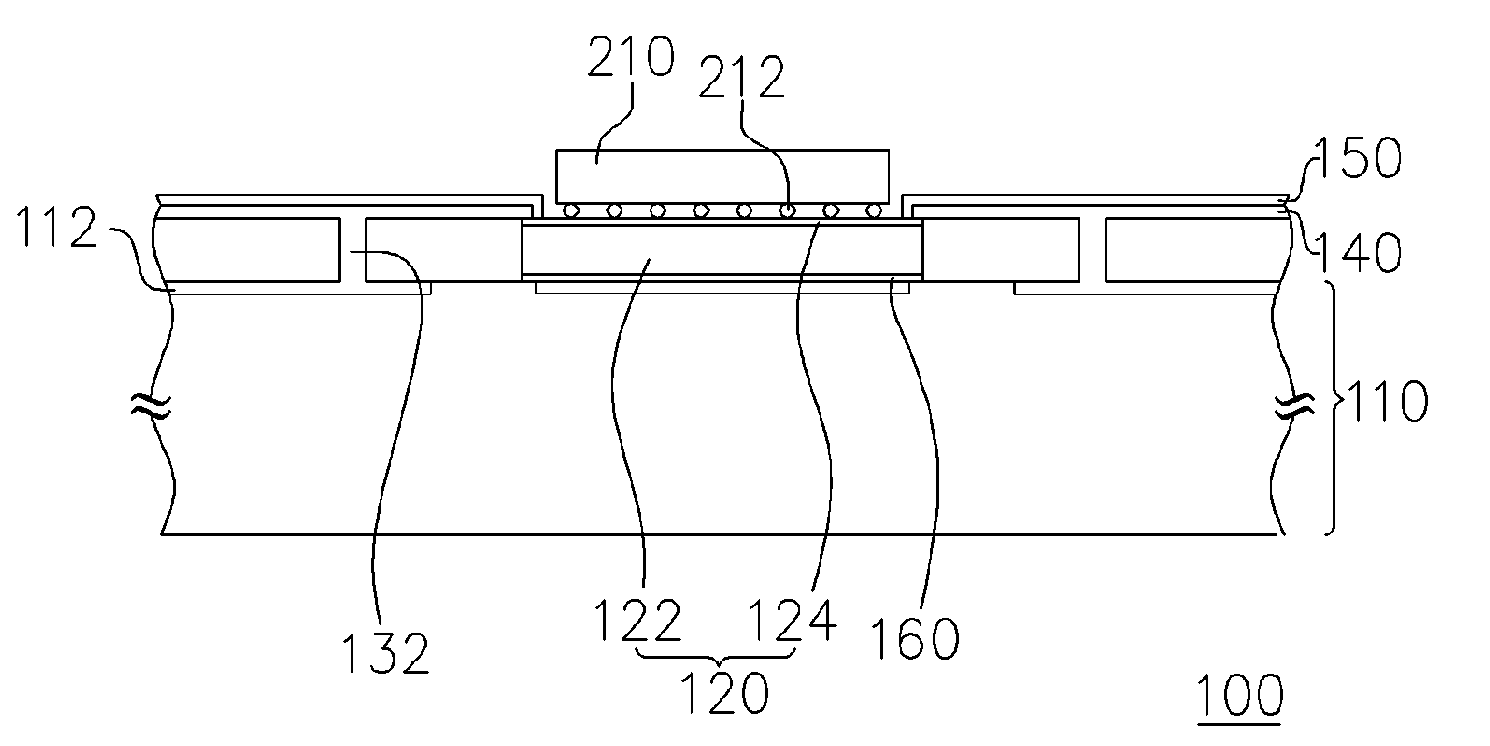
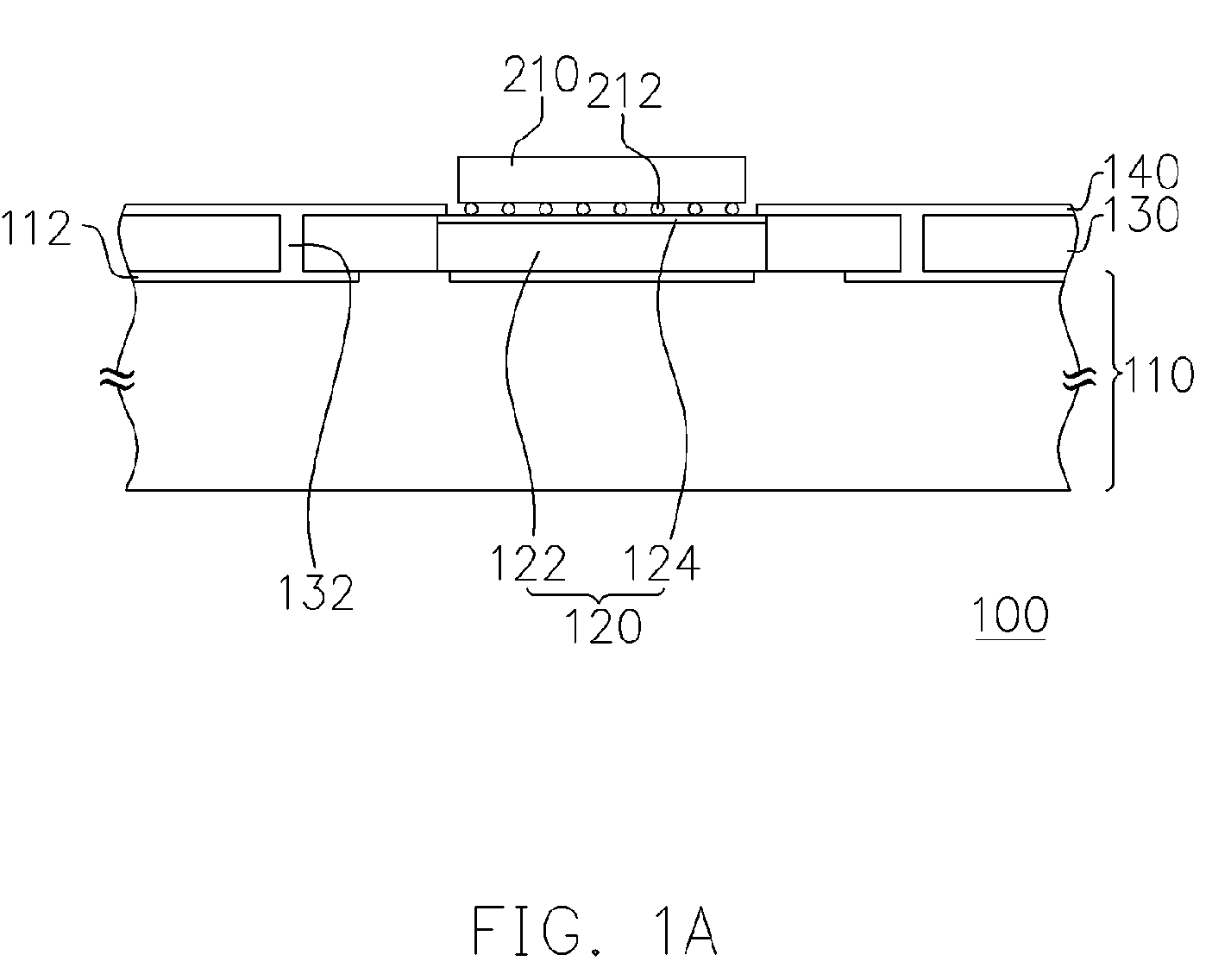
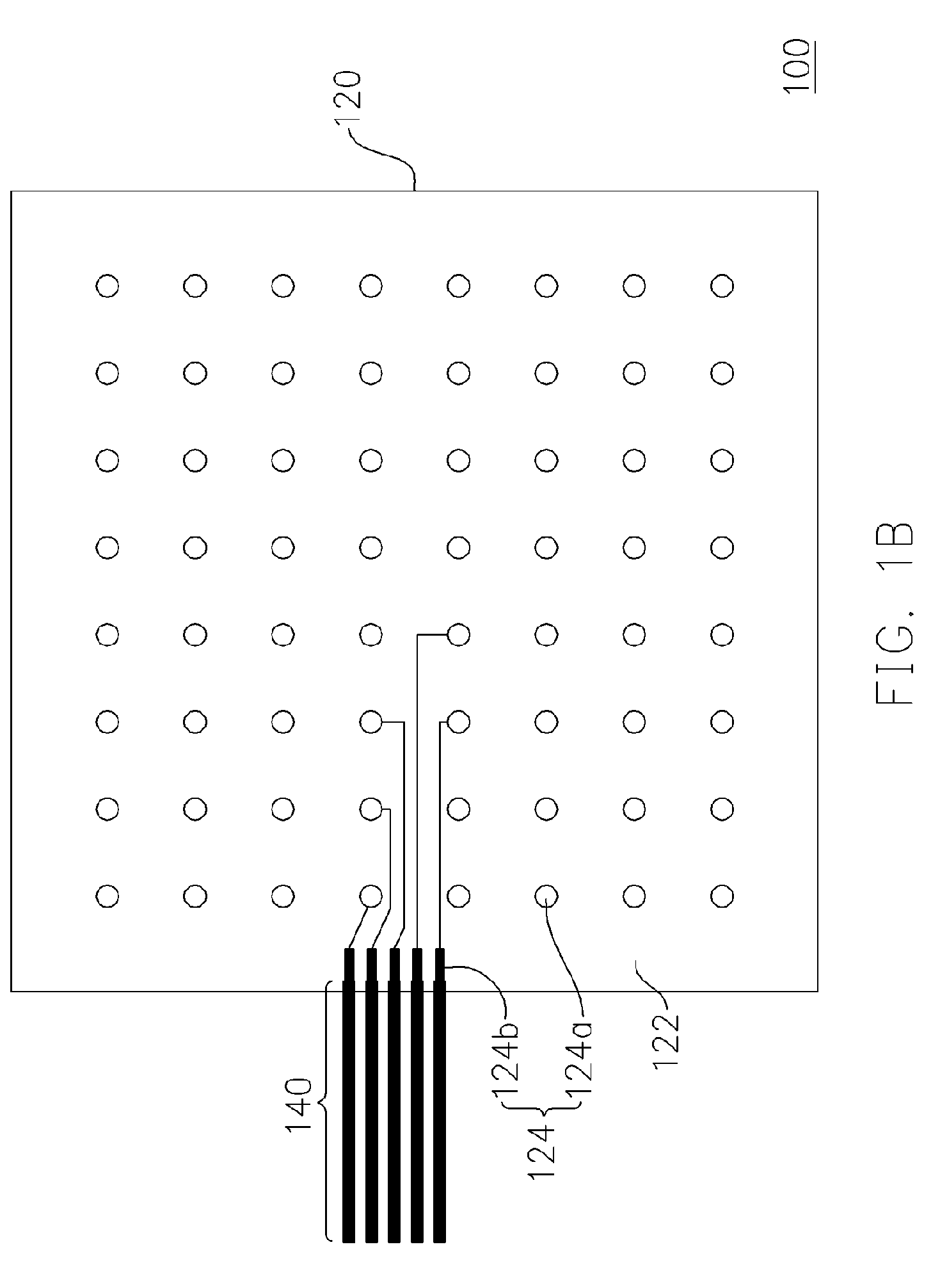
- A package substrate design incorporating an interposer with a second substrate and circuit layer, made of different materials than the first substrate, allows for flexible bump pitch and thermal expansion matching, enabling improved electrical and thermal connectivity through traces and conductive vias, and simplifying the fabrication process.

Chip package structure and manufacturing method thereof
PatentActiveUS20090294947A1
Innovation
- A chip package structure incorporating a substrate with thermal conductive vias and a connecting circuit, a thermal conductive layer, signal vias, and a molding compound, which enhances heat dissipation by positioning the thermal conductive layer above the chip and connecting it to thermal conductive vias, while also improving manufacturing yield through efficient stacking and signal transmission.


Thermal Management in High-Performance Packaging
Thermal management represents one of the most critical challenges in high-performance chip packaging, where the selection of substrate materials directly influences heat dissipation capabilities and overall system reliability. As semiconductor devices continue to shrink while power densities increase, the thermal properties of packaging substrates have become equally important as their electrical characteristics in determining signal transfer performance.
Modern high-performance packages generate substantial heat loads, often exceeding 100W in advanced processors and graphics units. The substrate material's thermal conductivity plays a pivotal role in conducting heat away from the active silicon die to external cooling solutions. Traditional organic substrates, while cost-effective and suitable for standard applications, exhibit limited thermal conductivity ranging from 0.3 to 0.8 W/mK, creating thermal bottlenecks in high-power applications.
Advanced ceramic substrates, particularly aluminum nitride (AlN) and silicon carbide (SiC) variants, offer significantly enhanced thermal performance with conductivities reaching 150-200 W/mK. These materials enable more efficient heat spreading and removal, directly impacting signal integrity by maintaining lower junction temperatures and reducing thermally-induced electrical parameter variations.
The thermal expansion coefficient mismatch between substrate materials and silicon dies creates additional complexity in thermal management design. Coefficient of thermal expansion (CTE) differences generate mechanical stress during temperature cycling, potentially affecting solder joint reliability and signal path continuity. Low-CTE materials like certain glass-ceramic composites help minimize these thermal stress effects while maintaining adequate thermal conductivity.
Emerging thermal interface materials and embedded cooling solutions are being integrated directly into substrate designs to address escalating thermal challenges. These include embedded heat pipes, microchannel cooling structures, and thermally conductive via arrays that create dedicated thermal pathways separate from electrical routing layers, enabling optimized thermal management without compromising signal transfer performance in next-generation high-performance packaging applications.
Modern high-performance packages generate substantial heat loads, often exceeding 100W in advanced processors and graphics units. The substrate material's thermal conductivity plays a pivotal role in conducting heat away from the active silicon die to external cooling solutions. Traditional organic substrates, while cost-effective and suitable for standard applications, exhibit limited thermal conductivity ranging from 0.3 to 0.8 W/mK, creating thermal bottlenecks in high-power applications.
Advanced ceramic substrates, particularly aluminum nitride (AlN) and silicon carbide (SiC) variants, offer significantly enhanced thermal performance with conductivities reaching 150-200 W/mK. These materials enable more efficient heat spreading and removal, directly impacting signal integrity by maintaining lower junction temperatures and reducing thermally-induced electrical parameter variations.
The thermal expansion coefficient mismatch between substrate materials and silicon dies creates additional complexity in thermal management design. Coefficient of thermal expansion (CTE) differences generate mechanical stress during temperature cycling, potentially affecting solder joint reliability and signal path continuity. Low-CTE materials like certain glass-ceramic composites help minimize these thermal stress effects while maintaining adequate thermal conductivity.
Emerging thermal interface materials and embedded cooling solutions are being integrated directly into substrate designs to address escalating thermal challenges. These include embedded heat pipes, microchannel cooling structures, and thermally conductive via arrays that create dedicated thermal pathways separate from electrical routing layers, enabling optimized thermal management without compromising signal transfer performance in next-generation high-performance packaging applications.
Cost-Performance Trade-offs in Substrate Selection
The selection of chip package substrate materials involves a complex balance between cost considerations and performance requirements, where engineering teams must navigate multiple trade-off scenarios to achieve optimal solutions. Traditional organic substrates, primarily composed of FR-4 materials, represent the most cost-effective option for standard applications, offering acceptable electrical performance at significantly lower material costs compared to advanced alternatives. However, these conventional materials exhibit limitations in high-frequency signal transmission and thermal management capabilities.
Advanced substrate materials such as low-loss dielectrics, including polyimide-based composites and specialized ceramic-filled polymers, deliver superior signal integrity performance but command premium pricing that can increase overall substrate costs by 200-400%. The enhanced electrical properties, including reduced dielectric loss and improved impedance control, justify the additional investment for high-performance computing and telecommunications applications where signal quality directly impacts system functionality.
Ceramic substrates, particularly alumina and aluminum nitride variants, provide exceptional thermal conductivity and dimensional stability, making them ideal for power-intensive applications. Despite their superior performance characteristics, ceramic materials typically cost 3-5 times more than organic alternatives, requiring careful evaluation of thermal management benefits against budget constraints. The manufacturing complexity associated with ceramic processing further contributes to elevated production costs.
Glass-based substrates emerge as a middle-ground solution, offering improved electrical performance over traditional organic materials while maintaining more reasonable cost structures compared to ceramics. These materials demonstrate excellent dimensional stability and enable finer feature geometries, supporting advanced packaging architectures with moderate cost premiums of 50-150% over standard organic substrates.
The economic impact extends beyond raw material costs to encompass manufacturing complexity, yield rates, and processing equipment requirements. Advanced materials often demand specialized fabrication processes, potentially reducing manufacturing yields and requiring capital investments in new equipment capabilities. Organizations must evaluate total cost of ownership, including development time, manufacturing scalability, and long-term reliability implications when making substrate material decisions for their specific application requirements and market positioning strategies.
Advanced substrate materials such as low-loss dielectrics, including polyimide-based composites and specialized ceramic-filled polymers, deliver superior signal integrity performance but command premium pricing that can increase overall substrate costs by 200-400%. The enhanced electrical properties, including reduced dielectric loss and improved impedance control, justify the additional investment for high-performance computing and telecommunications applications where signal quality directly impacts system functionality.
Ceramic substrates, particularly alumina and aluminum nitride variants, provide exceptional thermal conductivity and dimensional stability, making them ideal for power-intensive applications. Despite their superior performance characteristics, ceramic materials typically cost 3-5 times more than organic alternatives, requiring careful evaluation of thermal management benefits against budget constraints. The manufacturing complexity associated with ceramic processing further contributes to elevated production costs.
Glass-based substrates emerge as a middle-ground solution, offering improved electrical performance over traditional organic materials while maintaining more reasonable cost structures compared to ceramics. These materials demonstrate excellent dimensional stability and enable finer feature geometries, supporting advanced packaging architectures with moderate cost premiums of 50-150% over standard organic substrates.
The economic impact extends beyond raw material costs to encompass manufacturing complexity, yield rates, and processing equipment requirements. Advanced materials often demand specialized fabrication processes, potentially reducing manufacturing yields and requiring capital investments in new equipment capabilities. Organizations must evaluate total cost of ownership, including development time, manufacturing scalability, and long-term reliability implications when making substrate material decisions for their specific application requirements and market positioning strategies.
Unlock deeper insights with PatSnap Eureka Quick Research — get a full tech report to explore trends and direct your research. Try now!
Generate Your Research Report Instantly with AI Agent
Supercharge your innovation with PatSnap Eureka AI Agent Platform!