
Comparing Induction Motors and Electromagnetic Induction
FEB 25, 20269 MIN READ
Generate Your Research Report Instantly with AI Agent
Patsnap Eureka helps you evaluate technical feasibility & market potential.
Induction Motor Technology Background and Objectives
Induction motor technology represents one of the most significant achievements in electrical engineering, fundamentally rooted in the principles of electromagnetic induction discovered by Michael Faraday in 1831. The development trajectory of induction motors began with Faraday's groundbreaking work on electromagnetic induction, which established that a changing magnetic field could induce electrical current in a conductor. This principle became the cornerstone for all rotating electrical machines, particularly induction motors.
The evolution from basic electromagnetic induction principles to practical induction motor applications marked a revolutionary leap in the late 19th century. Nikola Tesla's invention of the polyphase induction motor in 1888 transformed theoretical electromagnetic concepts into commercially viable rotating machinery. Tesla's innovation demonstrated how rotating magnetic fields could be created using alternating current, eliminating the need for mechanical commutators and brushes that plagued direct current motors of that era.
The fundamental distinction between general electromagnetic induction phenomena and induction motor technology lies in the sophisticated application of these principles. While electromagnetic induction encompasses broad applications including transformers, generators, and various sensing devices, induction motors specifically harness rotating magnetic fields to produce continuous mechanical rotation. This specialization required advanced understanding of magnetic field dynamics, rotor design, and three-phase power systems.
Throughout the 20th century, induction motor technology evolved through several critical phases. Early developments focused on improving efficiency and reliability, leading to standardized designs that dominated industrial applications. The introduction of variable frequency drives in the 1970s revolutionized motor control capabilities, enabling precise speed regulation and energy optimization. Modern developments emphasize high-efficiency designs, permanent magnet integration, and smart motor technologies incorporating IoT connectivity.
Contemporary induction motor objectives center on achieving superior energy efficiency, reduced environmental impact, and enhanced operational intelligence. The technology aims to address global energy consumption challenges, as electric motors consume approximately 45% of worldwide electrical energy. Advanced materials, sophisticated control algorithms, and integrated sensor technologies represent current focal points for achieving these ambitious efficiency and performance targets.
The evolution from basic electromagnetic induction principles to practical induction motor applications marked a revolutionary leap in the late 19th century. Nikola Tesla's invention of the polyphase induction motor in 1888 transformed theoretical electromagnetic concepts into commercially viable rotating machinery. Tesla's innovation demonstrated how rotating magnetic fields could be created using alternating current, eliminating the need for mechanical commutators and brushes that plagued direct current motors of that era.
The fundamental distinction between general electromagnetic induction phenomena and induction motor technology lies in the sophisticated application of these principles. While electromagnetic induction encompasses broad applications including transformers, generators, and various sensing devices, induction motors specifically harness rotating magnetic fields to produce continuous mechanical rotation. This specialization required advanced understanding of magnetic field dynamics, rotor design, and three-phase power systems.
Throughout the 20th century, induction motor technology evolved through several critical phases. Early developments focused on improving efficiency and reliability, leading to standardized designs that dominated industrial applications. The introduction of variable frequency drives in the 1970s revolutionized motor control capabilities, enabling precise speed regulation and energy optimization. Modern developments emphasize high-efficiency designs, permanent magnet integration, and smart motor technologies incorporating IoT connectivity.
Contemporary induction motor objectives center on achieving superior energy efficiency, reduced environmental impact, and enhanced operational intelligence. The technology aims to address global energy consumption challenges, as electric motors consume approximately 45% of worldwide electrical energy. Advanced materials, sophisticated control algorithms, and integrated sensor technologies represent current focal points for achieving these ambitious efficiency and performance targets.
Market Demand Analysis for Induction Motor Applications
The global induction motor market demonstrates robust growth driven by expanding industrial automation and energy efficiency requirements across multiple sectors. Manufacturing industries represent the largest demand segment, with induction motors serving as the backbone for conveyor systems, pumps, compressors, and production line equipment. The automotive sector increasingly relies on three-phase induction motors for electric vehicle applications, particularly in traction systems where their reliability and cost-effectiveness provide competitive advantages over permanent magnet alternatives.
Industrial process automation continues to fuel substantial demand for variable frequency drive-compatible induction motors. Chemical processing, oil and gas, and pharmaceutical industries require motors capable of operating in harsh environments while maintaining precise speed control. The food and beverage sector shows growing adoption of washdown-duty induction motors designed for sanitary applications, reflecting stricter regulatory requirements and quality standards.
HVAC systems constitute another significant demand driver, with induction motors powering fans, blowers, and circulation pumps in commercial and residential buildings. Energy efficiency regulations worldwide mandate higher efficiency ratings, pushing demand toward premium efficiency induction motors that comply with international standards such as IE3 and IE4 classifications.
The renewable energy sector presents emerging opportunities, particularly in wind power generation where induction generators convert mechanical energy to electrical power. Solar tracking systems and energy storage applications also utilize specialized induction motor configurations, contributing to market diversification beyond traditional industrial applications.
Regional demand patterns reflect industrial development levels, with Asia-Pacific markets showing the strongest growth due to manufacturing expansion and infrastructure development. North American and European markets focus on replacement and upgrade cycles, emphasizing energy efficiency and smart motor technologies. Emerging economies drive volume growth through new industrial installations and modernization projects.
Market capacity analysis indicates sustained expansion potential, supported by Industry 4.0 initiatives requiring intelligent motor systems with integrated sensors and communication capabilities. The transition toward electrification across transportation and industrial sectors reinforces long-term demand fundamentals, while regulatory pressure for energy efficiency creates ongoing replacement market opportunities even in mature economies.
Industrial process automation continues to fuel substantial demand for variable frequency drive-compatible induction motors. Chemical processing, oil and gas, and pharmaceutical industries require motors capable of operating in harsh environments while maintaining precise speed control. The food and beverage sector shows growing adoption of washdown-duty induction motors designed for sanitary applications, reflecting stricter regulatory requirements and quality standards.
HVAC systems constitute another significant demand driver, with induction motors powering fans, blowers, and circulation pumps in commercial and residential buildings. Energy efficiency regulations worldwide mandate higher efficiency ratings, pushing demand toward premium efficiency induction motors that comply with international standards such as IE3 and IE4 classifications.
The renewable energy sector presents emerging opportunities, particularly in wind power generation where induction generators convert mechanical energy to electrical power. Solar tracking systems and energy storage applications also utilize specialized induction motor configurations, contributing to market diversification beyond traditional industrial applications.
Regional demand patterns reflect industrial development levels, with Asia-Pacific markets showing the strongest growth due to manufacturing expansion and infrastructure development. North American and European markets focus on replacement and upgrade cycles, emphasizing energy efficiency and smart motor technologies. Emerging economies drive volume growth through new industrial installations and modernization projects.
Market capacity analysis indicates sustained expansion potential, supported by Industry 4.0 initiatives requiring intelligent motor systems with integrated sensors and communication capabilities. The transition toward electrification across transportation and industrial sectors reinforces long-term demand fundamentals, while regulatory pressure for energy efficiency creates ongoing replacement market opportunities even in mature economies.
Current Status and Challenges in Induction Motor Technology
Induction motor technology has reached a mature stage of development, with widespread adoption across industrial, commercial, and residential applications. Modern three-phase induction motors typically achieve efficiency ratings between 85-96%, with premium efficiency models meeting IE3 and IE4 international standards. The technology demonstrates excellent reliability, with typical operational lifespans exceeding 20 years under proper maintenance conditions.
Current induction motor designs predominantly utilize squirrel cage rotors due to their robust construction and maintenance-free operation. Advanced manufacturing techniques have enabled precise control of air gap dimensions, typically maintained within 0.2-0.8mm tolerances, significantly impacting motor performance characteristics. Variable frequency drives (VFDs) have become standard for speed control applications, enabling energy savings of 20-50% in variable load scenarios.
Despite technological maturity, several significant challenges persist in induction motor development. Efficiency improvements face diminishing returns as designs approach theoretical limits imposed by fundamental electromagnetic principles. Core losses remain problematic at higher frequencies, particularly in VFD applications where harmonic distortion creates additional heating effects. The trade-off between starting torque and efficiency continues to challenge designers, especially in high-performance applications.
Thermal management represents a critical constraint, particularly in compact motor designs where power density requirements conflict with heat dissipation capabilities. Advanced cooling systems and improved insulation materials have partially addressed these issues, but thermal limitations still restrict performance in many applications. Bearing technology, while reliable, remains a primary failure mode, especially in harsh operating environments.
Material costs present ongoing challenges, with copper and rare earth elements experiencing price volatility. Silicon steel grades continue to improve, but incremental gains require increasingly sophisticated manufacturing processes. The push toward higher power densities demands better magnetic materials, yet cost considerations limit widespread adoption of premium materials.
Emerging challenges include electromagnetic compatibility requirements in increasingly connected industrial environments. Motor designs must now consider cybersecurity implications when integrated with IoT systems and smart grid infrastructure. Environmental regulations drive demand for more efficient motors while simultaneously restricting certain materials and manufacturing processes.
The integration of condition monitoring systems presents both opportunities and challenges. While predictive maintenance capabilities improve reliability, the complexity of sensor integration and data analysis systems increases overall system costs and potential failure modes.
Current induction motor designs predominantly utilize squirrel cage rotors due to their robust construction and maintenance-free operation. Advanced manufacturing techniques have enabled precise control of air gap dimensions, typically maintained within 0.2-0.8mm tolerances, significantly impacting motor performance characteristics. Variable frequency drives (VFDs) have become standard for speed control applications, enabling energy savings of 20-50% in variable load scenarios.
Despite technological maturity, several significant challenges persist in induction motor development. Efficiency improvements face diminishing returns as designs approach theoretical limits imposed by fundamental electromagnetic principles. Core losses remain problematic at higher frequencies, particularly in VFD applications where harmonic distortion creates additional heating effects. The trade-off between starting torque and efficiency continues to challenge designers, especially in high-performance applications.
Thermal management represents a critical constraint, particularly in compact motor designs where power density requirements conflict with heat dissipation capabilities. Advanced cooling systems and improved insulation materials have partially addressed these issues, but thermal limitations still restrict performance in many applications. Bearing technology, while reliable, remains a primary failure mode, especially in harsh operating environments.
Material costs present ongoing challenges, with copper and rare earth elements experiencing price volatility. Silicon steel grades continue to improve, but incremental gains require increasingly sophisticated manufacturing processes. The push toward higher power densities demands better magnetic materials, yet cost considerations limit widespread adoption of premium materials.
Emerging challenges include electromagnetic compatibility requirements in increasingly connected industrial environments. Motor designs must now consider cybersecurity implications when integrated with IoT systems and smart grid infrastructure. Environmental regulations drive demand for more efficient motors while simultaneously restricting certain materials and manufacturing processes.
The integration of condition monitoring systems presents both opportunities and challenges. While predictive maintenance capabilities improve reliability, the complexity of sensor integration and data analysis systems increases overall system costs and potential failure modes.
Current Technical Solutions for Induction Motors
01 Induction motor rotor construction and design
Patents in this category focus on the structural design and construction of induction motor rotors, including configurations of rotor bars, end rings, and laminations. These designs aim to improve motor efficiency, reduce losses, and enhance mechanical strength. Various rotor geometries and materials are disclosed to optimize electromagnetic performance and thermal characteristics during operation.- Induction motor rotor construction and design: Patents in this category focus on the structural design and construction of induction motor rotors, including configurations of rotor bars, end rings, and laminations. These designs aim to improve motor efficiency, reduce losses, and enhance mechanical strength. Various rotor geometries and materials are disclosed to optimize electromagnetic performance and thermal characteristics during operation.
- Stator winding configurations and electromagnetic coupling: This category covers innovations related to stator winding arrangements and methods for improving electromagnetic coupling between stator and rotor. The patents describe various winding patterns, coil configurations, and magnetic circuit designs that enhance the induction effect and improve power factor. These designs focus on reducing harmonic losses and improving the uniformity of the magnetic field distribution.
- Control systems and power electronics for induction motors: Patents in this group relate to electronic control systems, inverters, and power conversion circuits for operating induction motors. These inventions include variable frequency drives, pulse width modulation techniques, and feedback control mechanisms. The technologies enable precise speed control, improved energy efficiency, and enhanced dynamic response of induction motors across various operating conditions.
- Starting methods and auxiliary devices for induction motors: This category encompasses various starting mechanisms and auxiliary equipment designed to facilitate the startup of induction motors. The patents describe capacitor-start circuits, resistance-start methods, and auxiliary winding configurations. These innovations address the challenge of high starting currents and provide solutions for smooth motor acceleration while minimizing electrical stress on the power supply system.
- Electromagnetic induction applications in sensing and measurement: Patents in this category utilize electromagnetic induction principles for sensing, measurement, and detection applications beyond traditional motor operation. These inventions include inductive sensors, position detectors, and non-contact measurement devices. The technologies leverage changing magnetic fields and induced currents to detect motion, proximity, or material properties without physical contact.
02 Stator winding configurations and electromagnetic coupling
This category covers innovations related to stator winding arrangements and methods for improving electromagnetic coupling between stator and rotor. The patents describe various winding patterns, coil configurations, and magnetic circuit designs that enhance the induction effect and improve torque generation. These designs focus on optimizing flux distribution and reducing harmonic losses.Expand Specific Solutions03 Control systems and power electronics for induction motors
Patents in this group relate to electronic control systems, inverters, and power conversion circuits for operating induction motors. These inventions include variable frequency drives, pulse width modulation techniques, and feedback control mechanisms that regulate motor speed, torque, and efficiency. Advanced control algorithms and sensor integration are disclosed to achieve precise motor performance.Expand Specific Solutions04 Starting methods and auxiliary devices for induction motors
This category encompasses various starting mechanisms and auxiliary equipment designed to facilitate the initial operation of induction motors. The patents describe starting circuits, capacitor arrangements, and mechanical devices that reduce starting current and improve starting torque. These solutions address challenges associated with motor startup under different load conditions.Expand Specific Solutions05 Electromagnetic induction applications in motor systems
Patents in this classification explore broader applications of electromagnetic induction principles in motor systems, including linear motors, special-purpose induction devices, and hybrid configurations. These inventions demonstrate novel uses of induction phenomena for motion control, energy conversion, and specialized industrial applications. The designs incorporate unique magnetic circuit arrangements and conductor configurations.Expand Specific Solutions
Major Players in Induction Motor Industry
The induction motor and electromagnetic induction technology sector represents a mature, established market with significant global scale, driven by widespread industrial automation and electrification trends. The industry is in a consolidation phase, characterized by intense competition among established multinational corporations and emerging specialized players. Technology maturity varies significantly across market segments, with traditional applications reaching commodity status while advanced areas like electric vehicle motors and smart industrial systems continue evolving rapidly. Major players include industrial giants like Mitsubishi Electric, FANUC, and Robert Bosch, alongside automotive leaders such as Hyundai Motor and Kia, specialized motor manufacturers like Regal Beloit America and Moving Magnet Technologies, and innovative companies like Whylot SAS developing ultra-compact solutions. The competitive landscape spans from large-scale manufacturers serving automotive and industrial markets to niche players focusing on specialized applications, reflecting the technology's broad applicability across multiple sectors.
Mitsubishi Electric Corp.
Technical Solution: Mitsubishi Electric has developed advanced induction motor technologies with high-efficiency designs achieving over 95% efficiency ratings. Their motors incorporate optimized rotor and stator configurations using electromagnetic induction principles to minimize losses. The company's variable frequency drive systems work in conjunction with induction motors to provide precise speed control and energy savings. Their electromagnetic induction solutions include linear motors for industrial automation and magnetic levitation systems for transportation applications.
Strengths: High efficiency ratings, proven reliability in industrial applications, comprehensive motor control systems. Weaknesses: Higher initial costs, complex maintenance requirements for advanced systems.
Hitachi Energy Ltd.
Technical Solution: Hitachi Energy specializes in high-voltage induction motors and electromagnetic systems for power generation and industrial applications. Their induction motor designs feature advanced cooling systems and optimized magnetic circuits that enhance electromagnetic efficiency. The company develops transformers and power conversion equipment utilizing electromagnetic induction principles for grid applications. Their motor technologies include permanent magnet synchronous motors as alternatives to traditional induction motors for specific high-performance applications.
Strengths: Expertise in high-power applications, strong grid integration capabilities, robust electromagnetic design. Weaknesses: Limited focus on small-scale applications, higher complexity in system integration.
Key Technical Insights in Motor Design and Control
Drive system and method for induction motor
PatentWO2024188461A1
Innovation
- A drive system and method that independently control the magnetization and acceleration processes of an induction motor by using the drive unit's full capability for magnetization initially and then for acceleration, allowing for rapid rotational speed increase through separate time periods and current control modes.


System and method for dynamic field weakening
PatentInactiveUS20090001924A1
Innovation
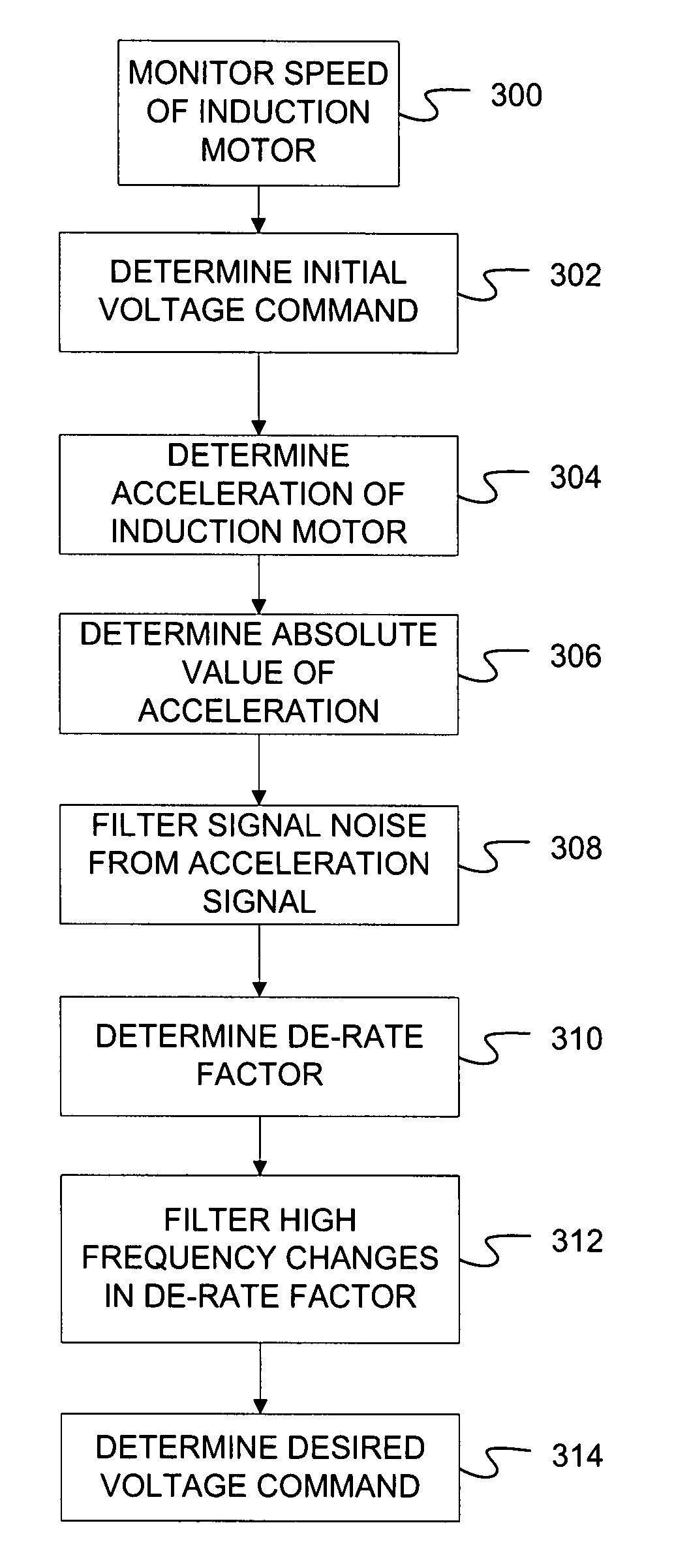
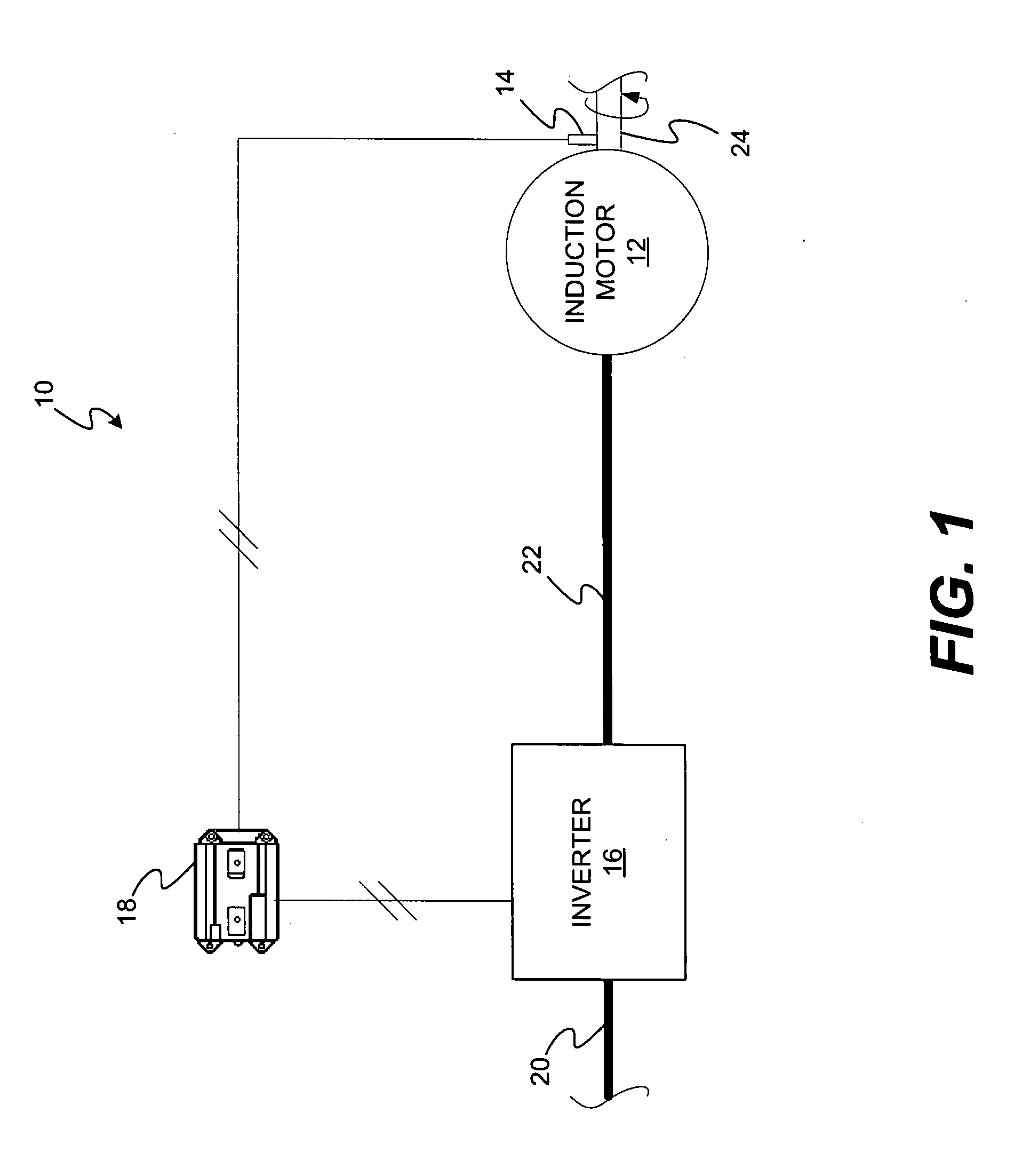
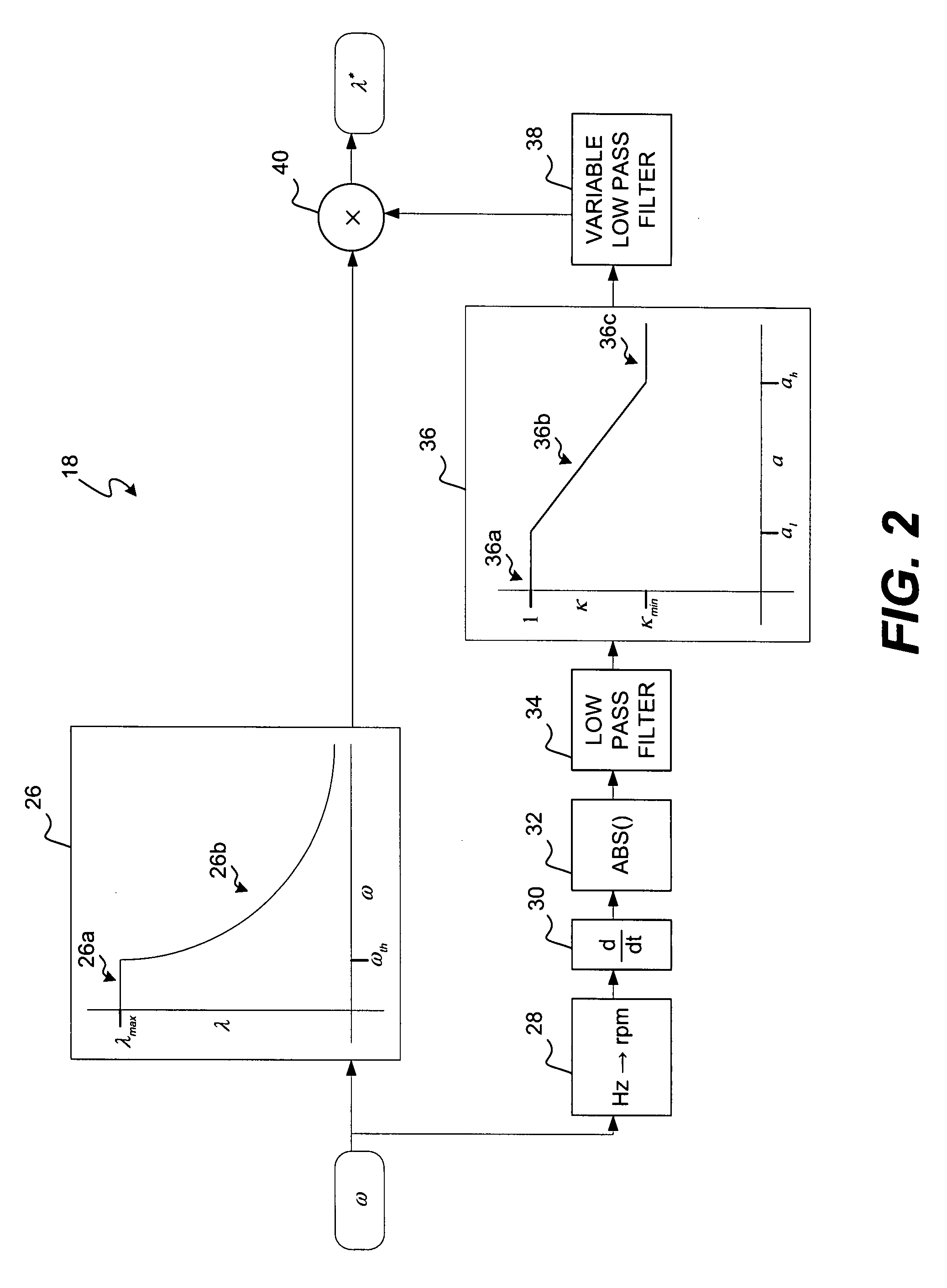
- A field weakening control system that includes a sensing device to monitor motor speed and acceleration, and a controller to generate desired voltage commands using maps and filters, reducing the magnetic flux during high speeds and aggressive acceleration/deceleration events, while maintaining efficiency during normal operation.

Energy Efficiency Standards and Motor Regulations
Energy efficiency standards and motor regulations have become increasingly stringent worldwide as governments and international organizations prioritize environmental sustainability and energy conservation. The regulatory landscape for induction motors has evolved significantly over the past two decades, with major economies implementing comprehensive frameworks to drive technological advancement and reduce energy consumption across industrial applications.
The International Electrotechnical Commission (IEC) established the IE efficiency classification system, which categorizes motors into efficiency classes ranging from IE1 (Standard Efficiency) to IE5 (Ultra-Premium Efficiency). This standardization provides a global benchmark for motor performance evaluation and facilitates international trade while ensuring consistent efficiency metrics across different markets.
In the United States, the Department of Energy (DOE) has implemented progressively stricter efficiency standards under the Energy Policy and Conservation Act. The current regulations mandate minimum efficiency levels for general-purpose motors, with specific requirements varying by motor horsepower, pole configuration, and enclosure type. These standards have driven significant improvements in motor design and manufacturing processes.
The European Union's Motor Regulation (EU) 2019/1781 establishes mandatory efficiency requirements for electric motors placed on the EU market. The regulation follows a phased implementation approach, with IE3 efficiency levels becoming mandatory for most motor categories, while IE4 requirements are being introduced for specific applications. This regulatory framework includes comprehensive testing procedures and market surveillance mechanisms to ensure compliance.
China has implemented its own national standards through GB 18613, which aligns closely with international efficiency classifications while addressing specific domestic market requirements. The Chinese regulations cover both domestic production and imported motors, creating a unified efficiency framework across the world's largest motor market.
Emerging regulations are expanding beyond traditional efficiency metrics to encompass lifecycle assessments, material sustainability, and smart motor technologies. Future regulatory developments are expected to integrate Internet of Things capabilities and predictive maintenance requirements, reflecting the growing emphasis on Industry 4.0 applications and comprehensive energy management systems.
The International Electrotechnical Commission (IEC) established the IE efficiency classification system, which categorizes motors into efficiency classes ranging from IE1 (Standard Efficiency) to IE5 (Ultra-Premium Efficiency). This standardization provides a global benchmark for motor performance evaluation and facilitates international trade while ensuring consistent efficiency metrics across different markets.
In the United States, the Department of Energy (DOE) has implemented progressively stricter efficiency standards under the Energy Policy and Conservation Act. The current regulations mandate minimum efficiency levels for general-purpose motors, with specific requirements varying by motor horsepower, pole configuration, and enclosure type. These standards have driven significant improvements in motor design and manufacturing processes.
The European Union's Motor Regulation (EU) 2019/1781 establishes mandatory efficiency requirements for electric motors placed on the EU market. The regulation follows a phased implementation approach, with IE3 efficiency levels becoming mandatory for most motor categories, while IE4 requirements are being introduced for specific applications. This regulatory framework includes comprehensive testing procedures and market surveillance mechanisms to ensure compliance.
China has implemented its own national standards through GB 18613, which aligns closely with international efficiency classifications while addressing specific domestic market requirements. The Chinese regulations cover both domestic production and imported motors, creating a unified efficiency framework across the world's largest motor market.
Emerging regulations are expanding beyond traditional efficiency metrics to encompass lifecycle assessments, material sustainability, and smart motor technologies. Future regulatory developments are expected to integrate Internet of Things capabilities and predictive maintenance requirements, reflecting the growing emphasis on Industry 4.0 applications and comprehensive energy management systems.
Sustainability Factors in Electric Motor Development
Sustainability considerations have become paramount in electric motor development, particularly when comparing induction motors with other electromagnetic induction-based technologies. The environmental impact assessment begins with material selection, where manufacturers increasingly prioritize rare earth element reduction and recyclable components. Induction motors demonstrate inherent advantages in this regard, utilizing copper, aluminum, and steel components that are readily recyclable and abundant compared to permanent magnet alternatives requiring neodymium or dysprosium.
Energy efficiency optimization represents a critical sustainability factor throughout the motor lifecycle. Modern induction motor designs achieve efficiency ratings exceeding 95% through advanced electromagnetic field optimization and reduced core losses. The electromagnetic induction principles enable variable frequency drive integration, allowing precise speed control that minimizes energy consumption during partial load operations. This efficiency translates directly to reduced carbon footprint during operational phases, which typically constitute 85-90% of total lifecycle environmental impact.
Manufacturing sustainability encompasses production process optimization and waste reduction strategies. Induction motor manufacturing benefits from established production techniques that minimize material waste and energy consumption. The electromagnetic winding processes have evolved to incorporate automated systems that reduce copper waste by up to 15% compared to traditional methods. Additionally, the absence of permanent magnets eliminates concerns regarding rare earth mining environmental impacts and supply chain sustainability risks.
End-of-life considerations significantly influence sustainable motor development strategies. Induction motors demonstrate superior recyclability due to their material composition, with copper windings recovering 95% material value and steel laminations achieving 90% recycling efficiency. The electromagnetic components can be efficiently separated using magnetic separation techniques, facilitating material recovery processes. This circular economy approach reduces raw material demand and minimizes landfill waste.
Lifecycle assessment methodologies increasingly guide motor development decisions, incorporating carbon footprint analysis from raw material extraction through disposal. Induction motors typically demonstrate 20-30% lower lifecycle carbon emissions compared to permanent magnet synchronous motors when considering mining, processing, and disposal phases. The electromagnetic induction technology's maturity enables optimization of manufacturing processes for minimal environmental impact while maintaining performance standards essential for industrial applications.
Energy efficiency optimization represents a critical sustainability factor throughout the motor lifecycle. Modern induction motor designs achieve efficiency ratings exceeding 95% through advanced electromagnetic field optimization and reduced core losses. The electromagnetic induction principles enable variable frequency drive integration, allowing precise speed control that minimizes energy consumption during partial load operations. This efficiency translates directly to reduced carbon footprint during operational phases, which typically constitute 85-90% of total lifecycle environmental impact.
Manufacturing sustainability encompasses production process optimization and waste reduction strategies. Induction motor manufacturing benefits from established production techniques that minimize material waste and energy consumption. The electromagnetic winding processes have evolved to incorporate automated systems that reduce copper waste by up to 15% compared to traditional methods. Additionally, the absence of permanent magnets eliminates concerns regarding rare earth mining environmental impacts and supply chain sustainability risks.
End-of-life considerations significantly influence sustainable motor development strategies. Induction motors demonstrate superior recyclability due to their material composition, with copper windings recovering 95% material value and steel laminations achieving 90% recycling efficiency. The electromagnetic components can be efficiently separated using magnetic separation techniques, facilitating material recovery processes. This circular economy approach reduces raw material demand and minimizes landfill waste.
Lifecycle assessment methodologies increasingly guide motor development decisions, incorporating carbon footprint analysis from raw material extraction through disposal. Induction motors typically demonstrate 20-30% lower lifecycle carbon emissions compared to permanent magnet synchronous motors when considering mining, processing, and disposal phases. The electromagnetic induction technology's maturity enables optimization of manufacturing processes for minimal environmental impact while maintaining performance standards essential for industrial applications.
Unlock deeper insights with Patsnap Eureka Quick Research — get a full tech report to explore trends and direct your research. Try now!
Generate Your Research Report Instantly with AI Agent
Supercharge your innovation with Patsnap Eureka AI Agent Platform!