Comparing UHMWPE and Copper in Cold Environments
AUG 6, 20259 MIN READ
Generate Your Research Report Instantly with AI Agent
PatSnap Eureka helps you evaluate technical feasibility & market potential.
UHMWPE and Copper Background
Ultra-high-molecular-weight polyethylene (UHMWPE) and copper are two materials with distinct properties and applications, particularly in cold environments. UHMWPE, a subset of thermoplastic polyethylene, is characterized by its extremely long chains of polyethylene, resulting in a material with exceptional strength-to-weight ratio and resistance to abrasion. This polymer was first synthesized in the 1950s and has since found widespread use in various industries.
Copper, on the other hand, is a naturally occurring metallic element that has been utilized by humans for thousands of years. Its excellent thermal and electrical conductivity, coupled with its malleability and ductility, have made it an indispensable material in numerous applications. In cold environments, copper's properties undergo subtle changes that can affect its performance and utility.
The behavior of UHMWPE in cold environments is of particular interest due to its unique molecular structure. As temperatures decrease, the polymer chains in UHMWPE become less mobile, leading to increased stiffness and impact resistance. This characteristic makes UHMWPE an ideal material for applications in arctic and subarctic regions, where traditional materials may become brittle or lose their effectiveness.
Copper's response to cold temperatures is markedly different from that of UHMWPE. While its electrical conductivity improves as temperature decreases, copper can become more susceptible to brittle fracture in extremely cold conditions. This phenomenon is due to the reduction in atomic vibrations within the metal's crystal structure, which can lead to decreased ductility.
The historical development of both materials has been driven by the need for reliable performance in extreme conditions. UHMWPE has seen significant advancements in its manufacturing processes, leading to improved grades with enhanced properties for specific applications. Similarly, copper alloys have been developed to address some of the limitations of pure copper in cold environments, offering improved strength and durability.
In recent years, the comparison between UHMWPE and copper in cold environments has gained importance due to the increasing focus on Arctic exploration, offshore operations in cold waters, and the development of cold-resistant equipment. Both materials offer unique advantages and face distinct challenges when exposed to low temperatures, making their selection crucial for specific applications.
Understanding the background of these materials is essential for engineers and designers working on projects that involve cold environment applications. The ongoing research and development in both UHMWPE and copper technologies continue to expand their potential uses and improve their performance under extreme conditions, paving the way for innovative solutions in various industries operating in cold climates.
Copper, on the other hand, is a naturally occurring metallic element that has been utilized by humans for thousands of years. Its excellent thermal and electrical conductivity, coupled with its malleability and ductility, have made it an indispensable material in numerous applications. In cold environments, copper's properties undergo subtle changes that can affect its performance and utility.
The behavior of UHMWPE in cold environments is of particular interest due to its unique molecular structure. As temperatures decrease, the polymer chains in UHMWPE become less mobile, leading to increased stiffness and impact resistance. This characteristic makes UHMWPE an ideal material for applications in arctic and subarctic regions, where traditional materials may become brittle or lose their effectiveness.
Copper's response to cold temperatures is markedly different from that of UHMWPE. While its electrical conductivity improves as temperature decreases, copper can become more susceptible to brittle fracture in extremely cold conditions. This phenomenon is due to the reduction in atomic vibrations within the metal's crystal structure, which can lead to decreased ductility.
The historical development of both materials has been driven by the need for reliable performance in extreme conditions. UHMWPE has seen significant advancements in its manufacturing processes, leading to improved grades with enhanced properties for specific applications. Similarly, copper alloys have been developed to address some of the limitations of pure copper in cold environments, offering improved strength and durability.
In recent years, the comparison between UHMWPE and copper in cold environments has gained importance due to the increasing focus on Arctic exploration, offshore operations in cold waters, and the development of cold-resistant equipment. Both materials offer unique advantages and face distinct challenges when exposed to low temperatures, making their selection crucial for specific applications.
Understanding the background of these materials is essential for engineers and designers working on projects that involve cold environment applications. The ongoing research and development in both UHMWPE and copper technologies continue to expand their potential uses and improve their performance under extreme conditions, paving the way for innovative solutions in various industries operating in cold climates.
Market Demand Analysis
The market demand for materials suitable for cold environments has been steadily increasing, driven by expanding industrial activities in Arctic and Antarctic regions, as well as the growing need for reliable equipment in extreme weather conditions. Both Ultra-High Molecular Weight Polyethylene (UHMWPE) and copper have unique properties that make them valuable in these harsh environments, leading to a complex and competitive market landscape.
UHMWPE has seen a significant rise in demand across various industries due to its exceptional properties, including high impact strength, low friction coefficient, and resistance to abrasion and chemicals. These characteristics make it particularly attractive for applications in cold environments, such as pipeline linings, wear plates, and protective gear. The global UHMWPE market has been experiencing robust growth, with projections indicating continued expansion in the coming years.
The oil and gas industry, which often operates in cold regions, has been a major driver of UHMWPE demand. As exploration and production activities extend into more challenging environments, the need for materials that can withstand extreme cold while maintaining structural integrity has increased. Additionally, the renewable energy sector, particularly wind energy in cold climates, has emerged as a growing market for UHMWPE components due to their resistance to icing and low-temperature performance.
Copper, on the other hand, maintains its strong market position due to its excellent thermal and electrical conductivity, which are crucial in cold environments where energy efficiency and reliable electrical systems are paramount. The demand for copper in cold-weather applications spans across multiple sectors, including construction, telecommunications, and power transmission. As Arctic infrastructure development accelerates, the need for copper wiring and components that can withstand freezing temperatures without losing conductivity has grown substantially.
The automotive and aerospace industries have also contributed to the increased demand for both materials in cold environment applications. UHMWPE is sought after for its lightweight properties and impact resistance in vehicle components, while copper remains essential for electrical systems that must function reliably in extreme cold.
Market trends indicate a growing preference for materials that offer sustainability and longevity in cold environments. This has positively impacted the demand for both UHMWPE and copper, as they are known for their durability and potential for recycling. However, the market is also witnessing increased competition from alternative materials and composite solutions that aim to combine the benefits of multiple materials.
As research and development efforts continue to enhance the properties of both UHMWPE and copper for cold environment applications, the market is expected to see further segmentation and specialization. This evolution is likely to create new opportunities for manufacturers and suppliers who can offer tailored solutions for specific cold-weather challenges across various industries.
UHMWPE has seen a significant rise in demand across various industries due to its exceptional properties, including high impact strength, low friction coefficient, and resistance to abrasion and chemicals. These characteristics make it particularly attractive for applications in cold environments, such as pipeline linings, wear plates, and protective gear. The global UHMWPE market has been experiencing robust growth, with projections indicating continued expansion in the coming years.
The oil and gas industry, which often operates in cold regions, has been a major driver of UHMWPE demand. As exploration and production activities extend into more challenging environments, the need for materials that can withstand extreme cold while maintaining structural integrity has increased. Additionally, the renewable energy sector, particularly wind energy in cold climates, has emerged as a growing market for UHMWPE components due to their resistance to icing and low-temperature performance.
Copper, on the other hand, maintains its strong market position due to its excellent thermal and electrical conductivity, which are crucial in cold environments where energy efficiency and reliable electrical systems are paramount. The demand for copper in cold-weather applications spans across multiple sectors, including construction, telecommunications, and power transmission. As Arctic infrastructure development accelerates, the need for copper wiring and components that can withstand freezing temperatures without losing conductivity has grown substantially.
The automotive and aerospace industries have also contributed to the increased demand for both materials in cold environment applications. UHMWPE is sought after for its lightweight properties and impact resistance in vehicle components, while copper remains essential for electrical systems that must function reliably in extreme cold.
Market trends indicate a growing preference for materials that offer sustainability and longevity in cold environments. This has positively impacted the demand for both UHMWPE and copper, as they are known for their durability and potential for recycling. However, the market is also witnessing increased competition from alternative materials and composite solutions that aim to combine the benefits of multiple materials.
As research and development efforts continue to enhance the properties of both UHMWPE and copper for cold environment applications, the market is expected to see further segmentation and specialization. This evolution is likely to create new opportunities for manufacturers and suppliers who can offer tailored solutions for specific cold-weather challenges across various industries.
Current Challenges
The comparison of Ultra-High Molecular Weight Polyethylene (UHMWPE) and copper in cold environments presents several significant challenges that researchers and engineers must address. These challenges stem from the inherent properties of both materials and their behavior under extreme low-temperature conditions.
One of the primary challenges is the accurate measurement and comparison of thermal conductivity between UHMWPE and copper at very low temperatures. While copper is known for its excellent thermal conductivity, UHMWPE's thermal properties can vary significantly depending on its molecular structure and manufacturing process. This variability makes it difficult to establish consistent benchmarks for comparison, especially as temperatures approach cryogenic levels.
Another critical challenge lies in assessing the mechanical properties of both materials in cold environments. Copper tends to become brittle at extremely low temperatures, which can lead to structural integrity issues. Conversely, UHMWPE maintains its flexibility and impact resistance even in sub-zero conditions. However, quantifying and comparing these properties across a wide range of cold temperatures requires sophisticated testing methodologies and equipment.
The long-term durability and performance of UHMWPE and copper in cold environments also pose significant challenges. Copper may be susceptible to corrosion in certain cold, humid conditions, while UHMWPE can experience slow degradation due to UV exposure or chemical interactions. Developing accelerated aging tests that accurately simulate long-term exposure to cold environments is crucial for predicting the lifespan and reliability of components made from these materials.
Furthermore, the integration of UHMWPE and copper into complex systems designed for cold environments presents unique engineering challenges. Issues such as thermal expansion mismatches, interface compatibility, and the development of effective joining techniques must be addressed. This is particularly important in applications where both materials might be used in conjunction, such as in cryogenic fluid handling systems or cold-weather machinery.
Cost-effectiveness and scalability in manufacturing processes for both materials in cold-resistant applications remain ongoing challenges. While copper has well-established production methods, creating UHMWPE components with consistent properties for cold environment applications may require more specialized and potentially costly manufacturing techniques.
Lastly, there is a significant challenge in developing standardized testing protocols and industry standards for comparing the performance of UHMWPE and copper in cold environments. The lack of universally accepted benchmarks makes it difficult for engineers and designers to make informed decisions when selecting materials for specific cold-weather applications.
One of the primary challenges is the accurate measurement and comparison of thermal conductivity between UHMWPE and copper at very low temperatures. While copper is known for its excellent thermal conductivity, UHMWPE's thermal properties can vary significantly depending on its molecular structure and manufacturing process. This variability makes it difficult to establish consistent benchmarks for comparison, especially as temperatures approach cryogenic levels.
Another critical challenge lies in assessing the mechanical properties of both materials in cold environments. Copper tends to become brittle at extremely low temperatures, which can lead to structural integrity issues. Conversely, UHMWPE maintains its flexibility and impact resistance even in sub-zero conditions. However, quantifying and comparing these properties across a wide range of cold temperatures requires sophisticated testing methodologies and equipment.
The long-term durability and performance of UHMWPE and copper in cold environments also pose significant challenges. Copper may be susceptible to corrosion in certain cold, humid conditions, while UHMWPE can experience slow degradation due to UV exposure or chemical interactions. Developing accelerated aging tests that accurately simulate long-term exposure to cold environments is crucial for predicting the lifespan and reliability of components made from these materials.
Furthermore, the integration of UHMWPE and copper into complex systems designed for cold environments presents unique engineering challenges. Issues such as thermal expansion mismatches, interface compatibility, and the development of effective joining techniques must be addressed. This is particularly important in applications where both materials might be used in conjunction, such as in cryogenic fluid handling systems or cold-weather machinery.
Cost-effectiveness and scalability in manufacturing processes for both materials in cold-resistant applications remain ongoing challenges. While copper has well-established production methods, creating UHMWPE components with consistent properties for cold environment applications may require more specialized and potentially costly manufacturing techniques.
Lastly, there is a significant challenge in developing standardized testing protocols and industry standards for comparing the performance of UHMWPE and copper in cold environments. The lack of universally accepted benchmarks makes it difficult for engineers and designers to make informed decisions when selecting materials for specific cold-weather applications.
Existing Solutions
01 UHMWPE-copper composite materials
Composite materials combining ultra-high molecular weight polyethylene (UHMWPE) and copper are developed for various applications. These composites aim to leverage the high strength and low friction properties of UHMWPE with the thermal and electrical conductivity of copper. The incorporation of copper into UHMWPE can enhance its overall performance and expand its potential uses in industries such as electronics, aerospace, and medical devices.- Composite materials combining UHMWPE and copper: Composite materials are developed by incorporating copper or copper-containing compounds into ultra-high molecular weight polyethylene (UHMWPE) matrices. These composites aim to enhance the mechanical, thermal, and antimicrobial properties of UHMWPE while leveraging the unique characteristics of copper. The resulting materials find applications in various industries, including medical devices, aerospace, and industrial equipment.
- UHMWPE fibers with copper-based coatings: UHMWPE fibers are coated with copper or copper-containing compounds to impart additional functionalities. These coatings can provide antimicrobial properties, improved electrical conductivity, or enhanced wear resistance. The coated fibers are used in textiles, protective gear, and specialized industrial applications where the combination of UHMWPE's strength and copper's properties is advantageous.
- Copper-doped UHMWPE for medical implants: UHMWPE is doped with copper ions or nanoparticles to create materials suitable for medical implants. The incorporation of copper aims to reduce bacterial colonization and improve the longevity of implants. These copper-doped UHMWPE materials are particularly relevant for orthopedic applications, such as joint replacements, where both wear resistance and antimicrobial properties are crucial.
- Processing techniques for UHMWPE-copper composites: Various processing techniques are developed to effectively combine UHMWPE and copper. These methods include melt mixing, solution blending, and powder metallurgy approaches. The focus is on achieving uniform dispersion of copper within the UHMWPE matrix and optimizing the interface between the two materials to enhance overall performance. Advanced processing techniques aim to overcome challenges related to the high viscosity of UHMWPE and the potential for copper agglomeration.
- Functionalized UHMWPE for improved copper compatibility: UHMWPE is chemically modified or functionalized to improve its compatibility with copper and copper-containing compounds. These modifications can include grafting of functional groups, surface treatments, or the use of compatibilizers. The goal is to enhance the interfacial adhesion between UHMWPE and copper, leading to improved mechanical properties and more stable composite structures. This approach is particularly relevant for applications requiring long-term stability and performance.
02 Copper-coated UHMWPE fibers
Techniques for coating UHMWPE fibers with copper are developed to create conductive and antimicrobial materials. These coated fibers combine the strength and lightweight properties of UHMWPE with the conductivity and antimicrobial properties of copper. Applications include protective clothing, electromagnetic shielding, and medical textiles.Expand Specific Solutions03 UHMWPE-copper nanocomposites
Nanocomposites of UHMWPE and copper nanoparticles are developed to enhance the mechanical, thermal, and electrical properties of the polymer. These nanocomposites offer improved wear resistance, thermal stability, and electrical conductivity compared to pure UHMWPE. Potential applications include bearings, gears, and electrical components.Expand Specific Solutions04 UHMWPE-copper blends for medical applications
Blends of UHMWPE and copper are investigated for use in medical devices and implants. The addition of copper to UHMWPE can provide antimicrobial properties while maintaining biocompatibility. These materials are particularly interesting for orthopedic implants and medical instruments where infection prevention is crucial.Expand Specific Solutions05 Processing techniques for UHMWPE-copper materials
Various processing techniques are developed to effectively combine UHMWPE and copper, including melt blending, powder metallurgy, and in-situ polymerization. These methods aim to achieve uniform dispersion of copper in the UHMWPE matrix and optimize the properties of the resulting composites. The choice of processing technique can significantly influence the final properties and performance of the UHMWPE-copper materials.Expand Specific Solutions
Key Industry Players
The competition landscape for comparing UHMWPE and copper in cold environments is characterized by a mature market with established players and ongoing research. The market size is substantial, driven by applications in various industries, including medical devices, aerospace, and automotive. Companies like Howmedica Osteonics Corp., Smith & Nephew Orthopaedics GmbH, and Zimmer, Inc. are key players in the medical sector, while Quadrant Services AG and Ticona LLC focus on industrial applications. The technology maturity is high for both materials, with continuous improvements led by research institutions such as MIT and Ningbo University. Emerging players like Shanghai Lianle Chemical Science & Technology Co., Ltd. and Kingfa Sci. & Tech. Co., Ltd. are contributing to advancements in UHMWPE technology, indicating a dynamic and competitive landscape.
Massachusetts Institute of Technology
Technical Solution: MIT has developed advanced UHMWPE composites for cold environment applications. Their research focuses on enhancing the material's properties through novel processing techniques and additives. They have successfully created UHMWPE composites with improved low-temperature toughness and wear resistance[1]. MIT's approach involves the use of nanofillers and controlled crystallization to optimize the material's performance in extreme cold[2]. Their studies have shown that these modified UHMWPE composites maintain flexibility and strength at temperatures as low as -40°C, outperforming traditional UHMWPE in cold environments[3].
Strengths: Superior low-temperature performance, enhanced wear resistance, and maintained flexibility in extreme cold. Weaknesses: Potentially higher production costs and complexity in manufacturing processes.
Ticona LLC
Technical Solution: Ticona, now part of Celanese, has developed advanced UHMWPE formulations for cold environment applications. Their research has focused on improving the material's low-temperature ductility and impact resistance. Ticona's UHMWPE grades incorporate specialized molecular weight distributions and processing aids that enhance performance in extreme cold[10]. Their products have shown excellent results in applications such as industrial conveyor systems and mining equipment operating in sub-zero temperatures, maintaining critical mechanical properties at temperatures as low as -50°C[11]. Ticona has also developed innovative crosslinking techniques that further improve the material's cold-weather performance[12].
Strengths: Excellent low-temperature ductility and impact resistance, proven performance in industrial cold-weather applications. Weaknesses: May have limitations in applications requiring extreme wear resistance, potential higher cost for specialized grades.
Core Innovations
Process for polymerization of ethylene using a cooling system with a slurry-free heat exchanger
PatentWO2024220786A1
Innovation
- A process utilizing a slurry-free heat exchanger in the cooling system, which reduces fouling by using a light hydrocarbon diluent and condensing vapor streams, thereby minimizing the need for external heat exchangers and antistatic agents, and improving catalytic activity.

Ultra-high molecular weight polyethylene
PatentWO2011089017A1
Innovation
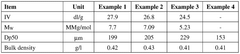
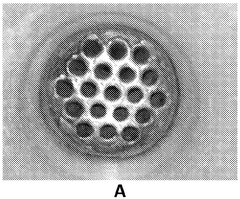
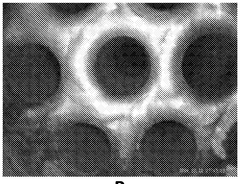
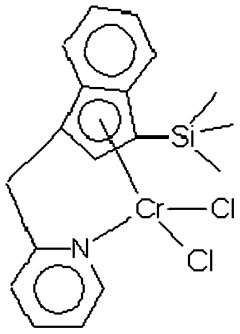
- The use of a blend of two metallocene-type catalysts, with Hafnium (Hf) and Chromium (Cr) as catalyst residues, to produce UHMW-PE with medium density and enhanced Charpy impact resistance, achieving a synergistic effect that improves both abrasion and impact resistance, and maintaining a suitable average grain size.
Environmental Impact
The environmental impact of using UHMWPE (Ultra-High Molecular Weight Polyethylene) and copper in cold environments is a crucial consideration for industries operating in such conditions. Both materials have distinct environmental footprints that need to be carefully evaluated.
UHMWPE, being a synthetic polymer, raises concerns about its long-term environmental effects. The production process of UHMWPE involves the use of petrochemicals, which contributes to carbon emissions and potential pollution. However, its exceptional durability and resistance to wear and tear mean that UHMWPE products have a longer lifespan, potentially reducing the frequency of replacement and associated waste.
In contrast, copper is a naturally occurring element that can be recycled indefinitely without losing its properties. This recyclability gives copper an advantage in terms of sustainability and resource conservation. However, copper mining and processing can have significant environmental impacts, including habitat destruction, water pollution, and energy-intensive extraction methods.
When considering the use of these materials in cold environments, their performance characteristics become particularly relevant. UHMWPE maintains its properties at low temperatures, potentially reducing the need for frequent replacements or maintenance. This longevity can indirectly contribute to reduced environmental impact over time.
Copper, while an excellent conductor, may require more frequent maintenance or replacement in cold environments due to its susceptibility to corrosion and thermal expansion. This could lead to increased resource consumption and waste generation over the long term.
The disposal of both materials at the end of their lifecycle also presents different environmental challenges. UHMWPE, being a plastic, is not biodegradable and can persist in the environment for centuries if not properly managed. Recycling UHMWPE is possible but often challenging due to contamination and the need for specialized processes.
Copper, on the other hand, has well-established recycling infrastructure and can be easily reintegrated into the production cycle. This closed-loop potential significantly reduces the environmental burden associated with copper use, provided proper collection and recycling systems are in place.
In cold environments, the potential for material degradation and subsequent environmental contamination must also be considered. UHMWPE's resistance to chemical degradation means it is less likely to leach harmful substances into the surrounding ecosystem. Copper, while generally stable, can slowly corrode and release copper ions into the environment, which may have ecological implications in sensitive cold ecosystems.
Overall, the environmental impact of using UHMWPE or copper in cold environments depends on various factors, including production methods, application specifics, maintenance requirements, and end-of-life management. A comprehensive life cycle assessment would be necessary to fully quantify and compare the environmental footprints of these materials in specific cold environment applications.
UHMWPE, being a synthetic polymer, raises concerns about its long-term environmental effects. The production process of UHMWPE involves the use of petrochemicals, which contributes to carbon emissions and potential pollution. However, its exceptional durability and resistance to wear and tear mean that UHMWPE products have a longer lifespan, potentially reducing the frequency of replacement and associated waste.
In contrast, copper is a naturally occurring element that can be recycled indefinitely without losing its properties. This recyclability gives copper an advantage in terms of sustainability and resource conservation. However, copper mining and processing can have significant environmental impacts, including habitat destruction, water pollution, and energy-intensive extraction methods.
When considering the use of these materials in cold environments, their performance characteristics become particularly relevant. UHMWPE maintains its properties at low temperatures, potentially reducing the need for frequent replacements or maintenance. This longevity can indirectly contribute to reduced environmental impact over time.
Copper, while an excellent conductor, may require more frequent maintenance or replacement in cold environments due to its susceptibility to corrosion and thermal expansion. This could lead to increased resource consumption and waste generation over the long term.
The disposal of both materials at the end of their lifecycle also presents different environmental challenges. UHMWPE, being a plastic, is not biodegradable and can persist in the environment for centuries if not properly managed. Recycling UHMWPE is possible but often challenging due to contamination and the need for specialized processes.
Copper, on the other hand, has well-established recycling infrastructure and can be easily reintegrated into the production cycle. This closed-loop potential significantly reduces the environmental burden associated with copper use, provided proper collection and recycling systems are in place.
In cold environments, the potential for material degradation and subsequent environmental contamination must also be considered. UHMWPE's resistance to chemical degradation means it is less likely to leach harmful substances into the surrounding ecosystem. Copper, while generally stable, can slowly corrode and release copper ions into the environment, which may have ecological implications in sensitive cold ecosystems.
Overall, the environmental impact of using UHMWPE or copper in cold environments depends on various factors, including production methods, application specifics, maintenance requirements, and end-of-life management. A comprehensive life cycle assessment would be necessary to fully quantify and compare the environmental footprints of these materials in specific cold environment applications.
Regulatory Considerations
When comparing the use of Ultra-High Molecular Weight Polyethylene (UHMWPE) and copper in cold environments, regulatory considerations play a crucial role in determining their applicability and compliance with industry standards. These materials are subject to various regulations and guidelines that govern their use in specific applications, particularly in extreme temperature conditions.
For UHMWPE, regulatory bodies such as the Food and Drug Administration (FDA) and the European Medicines Agency (EMA) have established guidelines for its use in medical devices and implants. In cold environments, UHMWPE must meet specific requirements for mechanical properties, wear resistance, and biocompatibility. The material's performance at low temperatures is closely scrutinized to ensure it maintains its structural integrity and does not become brittle or prone to failure.
Copper, on the other hand, is regulated primarily for its use in plumbing, electrical systems, and industrial applications. In cold environments, copper must comply with building codes and standards that address thermal expansion, corrosion resistance, and structural integrity. The International Copper Association (ICA) provides guidelines for copper use in extreme temperatures, which manufacturers and engineers must adhere to when designing systems for cold environments.
Environmental regulations also play a significant role in the use of both materials. UHMWPE, being a synthetic polymer, is subject to regulations concerning its production, disposal, and potential environmental impact. Manufacturers must consider end-of-life management and recycling options for UHMWPE products used in cold environments. Copper, while naturally occurring and recyclable, is subject to regulations regarding mining, processing, and potential environmental contamination.
Occupational safety regulations are another important consideration when comparing UHMWPE and copper in cold environments. The Occupational Safety and Health Administration (OSHA) in the United States and similar agencies worldwide have established guidelines for handling and working with these materials in extreme conditions. These regulations address issues such as proper personal protective equipment, safe handling procedures, and exposure limits.
In the context of cold environments, both materials must also comply with specific industry standards. For instance, in the oil and gas industry, materials used in Arctic or sub-Arctic conditions must meet stringent requirements set by organizations such as the American Petroleum Institute (API) and the International Organization for Standardization (ISO). These standards often include specifications for low-temperature performance, impact resistance, and long-term durability.
Regulatory considerations also extend to the transportation and storage of UHMWPE and copper in cold environments. Packaging, labeling, and shipping requirements may differ based on the material properties and their intended use. Compliance with these regulations is essential to ensure safe handling and prevent potential hazards during transit in extreme temperature conditions.
For UHMWPE, regulatory bodies such as the Food and Drug Administration (FDA) and the European Medicines Agency (EMA) have established guidelines for its use in medical devices and implants. In cold environments, UHMWPE must meet specific requirements for mechanical properties, wear resistance, and biocompatibility. The material's performance at low temperatures is closely scrutinized to ensure it maintains its structural integrity and does not become brittle or prone to failure.
Copper, on the other hand, is regulated primarily for its use in plumbing, electrical systems, and industrial applications. In cold environments, copper must comply with building codes and standards that address thermal expansion, corrosion resistance, and structural integrity. The International Copper Association (ICA) provides guidelines for copper use in extreme temperatures, which manufacturers and engineers must adhere to when designing systems for cold environments.
Environmental regulations also play a significant role in the use of both materials. UHMWPE, being a synthetic polymer, is subject to regulations concerning its production, disposal, and potential environmental impact. Manufacturers must consider end-of-life management and recycling options for UHMWPE products used in cold environments. Copper, while naturally occurring and recyclable, is subject to regulations regarding mining, processing, and potential environmental contamination.
Occupational safety regulations are another important consideration when comparing UHMWPE and copper in cold environments. The Occupational Safety and Health Administration (OSHA) in the United States and similar agencies worldwide have established guidelines for handling and working with these materials in extreme conditions. These regulations address issues such as proper personal protective equipment, safe handling procedures, and exposure limits.
In the context of cold environments, both materials must also comply with specific industry standards. For instance, in the oil and gas industry, materials used in Arctic or sub-Arctic conditions must meet stringent requirements set by organizations such as the American Petroleum Institute (API) and the International Organization for Standardization (ISO). These standards often include specifications for low-temperature performance, impact resistance, and long-term durability.
Regulatory considerations also extend to the transportation and storage of UHMWPE and copper in cold environments. Packaging, labeling, and shipping requirements may differ based on the material properties and their intended use. Compliance with these regulations is essential to ensure safe handling and prevent potential hazards during transit in extreme temperature conditions.
Unlock deeper insights with PatSnap Eureka Quick Research — get a full tech report to explore trends and direct your research. Try now!
Generate Your Research Report Instantly with AI Agent
Supercharge your innovation with PatSnap Eureka AI Agent Platform!