Ion Selective Electrode vs. High-Performance Liquid Chromatography
MAR 8, 20268 MIN READ
Generate Your Research Report Instantly with AI Agent
Patsnap Eureka helps you evaluate technical feasibility & market potential.
ISE vs HPLC Technology Background and Analytical Goals
Ion Selective Electrodes (ISE) and High-Performance Liquid Chromatography (HPLC) represent two fundamental analytical chemistry technologies that have evolved along distinct technological pathways since the mid-20th century. ISE technology emerged from early electrochemical research in the 1930s, with the first practical glass pH electrode serving as the foundation for subsequent ion-specific measurements. The technology gained significant momentum in the 1960s with the development of solid-state and liquid membrane electrodes, enabling selective detection of various ionic species.
HPLC technology originated from classical liquid chromatography principles established in the early 1900s, but underwent revolutionary advancement in the late 1960s when high-pressure pumping systems were introduced. This innovation enabled the use of smaller particle size stationary phases, dramatically improving separation efficiency and analysis speed. The technology matured rapidly through the 1970s and 1980s with developments in column technology, detector systems, and automated sample handling.
The evolutionary trajectories of these technologies reflect different analytical philosophies. ISE development focused on achieving high selectivity for specific ions through membrane chemistry optimization and interference elimination. Key milestones included the introduction of polymer membrane electrodes in the 1970s, solid-contact electrodes in the 1990s, and recent advances in nanomaterial-based sensing elements that enhanced sensitivity and reduced detection limits.
HPLC evolution emphasized separation science advancement, progressing from conventional particle sizes of 10-20 micrometers to sub-2-micrometer particles in Ultra-High Performance Liquid Chromatography (UHPLC). Technological breakthroughs included reversed-phase chromatography development, gradient elution capabilities, and sophisticated detection systems ranging from UV-visible spectroscopy to mass spectrometry coupling.
Contemporary analytical goals for both technologies center on addressing modern analytical challenges including environmental monitoring, pharmaceutical quality control, food safety assessment, and clinical diagnostics. ISE technology targets real-time, on-site measurements with minimal sample preparation, while HPLC focuses on comprehensive multi-component analysis with exceptional resolution and quantitative accuracy. The convergence of these goals drives current research toward miniaturization, automation, and integration with digital analytical platforms.
HPLC technology originated from classical liquid chromatography principles established in the early 1900s, but underwent revolutionary advancement in the late 1960s when high-pressure pumping systems were introduced. This innovation enabled the use of smaller particle size stationary phases, dramatically improving separation efficiency and analysis speed. The technology matured rapidly through the 1970s and 1980s with developments in column technology, detector systems, and automated sample handling.
The evolutionary trajectories of these technologies reflect different analytical philosophies. ISE development focused on achieving high selectivity for specific ions through membrane chemistry optimization and interference elimination. Key milestones included the introduction of polymer membrane electrodes in the 1970s, solid-contact electrodes in the 1990s, and recent advances in nanomaterial-based sensing elements that enhanced sensitivity and reduced detection limits.
HPLC evolution emphasized separation science advancement, progressing from conventional particle sizes of 10-20 micrometers to sub-2-micrometer particles in Ultra-High Performance Liquid Chromatography (UHPLC). Technological breakthroughs included reversed-phase chromatography development, gradient elution capabilities, and sophisticated detection systems ranging from UV-visible spectroscopy to mass spectrometry coupling.
Contemporary analytical goals for both technologies center on addressing modern analytical challenges including environmental monitoring, pharmaceutical quality control, food safety assessment, and clinical diagnostics. ISE technology targets real-time, on-site measurements with minimal sample preparation, while HPLC focuses on comprehensive multi-component analysis with exceptional resolution and quantitative accuracy. The convergence of these goals drives current research toward miniaturization, automation, and integration with digital analytical platforms.
Market Demand for ISE and HPLC Analytical Solutions
The global analytical instrumentation market demonstrates robust demand for both ion selective electrode (ISE) and high-performance liquid chromatography (HPLC) solutions, driven by expanding applications across pharmaceutical, environmental, food safety, and clinical diagnostics sectors. The pharmaceutical industry represents the largest consumer segment, requiring precise analytical methods for drug development, quality control, and regulatory compliance. Environmental monitoring agencies increasingly rely on these technologies for water quality assessment, soil contamination analysis, and air pollution monitoring.
HPLC systems dominate the high-end analytical market due to their versatility and precision capabilities. The technology serves critical roles in pharmaceutical research and development, where complex molecular separation and quantification are essential. Biopharmaceutical companies particularly drive demand for advanced HPLC systems capable of analyzing proteins, peptides, and other biologics. The growing trend toward personalized medicine and biosimilar development further amplifies this demand.
ISE technology addresses a distinct market segment focused on rapid, cost-effective ion analysis. Water treatment facilities, agricultural testing laboratories, and point-of-care diagnostic applications represent primary demand drivers. The increasing emphasis on real-time monitoring and field-portable analytical solutions creates expanding opportunities for ISE-based instruments. Municipal water systems and industrial process control applications particularly value the technology's simplicity and reliability.
Emerging markets in Asia-Pacific and Latin America contribute significantly to demand growth, as regulatory frameworks strengthen and industrial development accelerates. Food safety regulations worldwide mandate comprehensive analytical testing, creating sustained demand for both technologies. The clinical diagnostics sector increasingly adopts ISE systems for electrolyte analysis, while HPLC remains essential for therapeutic drug monitoring and biomarker analysis.
Market dynamics reveal complementary rather than competitive positioning between ISE and HPLC technologies. Organizations often deploy both systems to address different analytical requirements, with ISE handling routine ion measurements and HPLC managing complex separations. This complementary relationship sustains demand across both technology segments while driving innovation in integrated analytical workflows.
HPLC systems dominate the high-end analytical market due to their versatility and precision capabilities. The technology serves critical roles in pharmaceutical research and development, where complex molecular separation and quantification are essential. Biopharmaceutical companies particularly drive demand for advanced HPLC systems capable of analyzing proteins, peptides, and other biologics. The growing trend toward personalized medicine and biosimilar development further amplifies this demand.
ISE technology addresses a distinct market segment focused on rapid, cost-effective ion analysis. Water treatment facilities, agricultural testing laboratories, and point-of-care diagnostic applications represent primary demand drivers. The increasing emphasis on real-time monitoring and field-portable analytical solutions creates expanding opportunities for ISE-based instruments. Municipal water systems and industrial process control applications particularly value the technology's simplicity and reliability.
Emerging markets in Asia-Pacific and Latin America contribute significantly to demand growth, as regulatory frameworks strengthen and industrial development accelerates. Food safety regulations worldwide mandate comprehensive analytical testing, creating sustained demand for both technologies. The clinical diagnostics sector increasingly adopts ISE systems for electrolyte analysis, while HPLC remains essential for therapeutic drug monitoring and biomarker analysis.
Market dynamics reveal complementary rather than competitive positioning between ISE and HPLC technologies. Organizations often deploy both systems to address different analytical requirements, with ISE handling routine ion measurements and HPLC managing complex separations. This complementary relationship sustains demand across both technology segments while driving innovation in integrated analytical workflows.
Current State and Challenges of ISE and HPLC Methods
Ion Selective Electrodes have established themselves as fundamental analytical tools in various industries, offering real-time monitoring capabilities and cost-effective solutions for ion detection. Current ISE technology demonstrates excellent performance in measuring specific ions such as pH, fluoride, chloride, and nitrate with detection limits reaching micromolar concentrations. Modern ISE systems feature improved membrane materials, enhanced selectivity coefficients, and digital integration capabilities that enable automated monitoring in industrial processes and environmental applications.
High-Performance Liquid Chromatography represents the gold standard for analytical separation and quantification, particularly in pharmaceutical, food safety, and environmental analysis. Contemporary HPLC systems incorporate advanced column technologies, ultra-high pressure capabilities, and sophisticated detection methods including mass spectrometry coupling. Current HPLC instruments achieve remarkable resolution and sensitivity, with sub-nanogram detection limits and analysis times reduced through UHPLC innovations.
Despite technological advances, ISE methods face significant challenges in matrix interference and cross-sensitivity issues. Complex sample matrices can cause electrode poisoning, drift in response, and reduced selectivity, particularly in biological and industrial samples. Temperature fluctuations and ionic strength variations significantly impact measurement accuracy, requiring frequent calibration and maintenance protocols that limit field deployment applications.
HPLC technology encounters challenges related to method development complexity and operational costs. Sample preparation requirements often involve extensive cleanup procedures, increasing analysis time and introducing potential errors. Column degradation, mobile phase compatibility issues, and instrument maintenance demands create operational bottlenecks in high-throughput laboratories. Additionally, HPLC methods typically require skilled operators and controlled laboratory environments.
Both technologies struggle with standardization across different manufacturers and regulatory compliance requirements. ISE measurements often lack universal calibration standards, while HPLC method validation requires extensive documentation and inter-laboratory verification. The integration of these analytical techniques with modern data management systems presents ongoing challenges in terms of data integrity, traceability, and regulatory compliance.
Emerging challenges include the need for miniaturization, reduced environmental impact, and enhanced automation capabilities. ISE technology requires improvements in long-term stability and reduced maintenance requirements, while HPLC systems need more sustainable solvent usage and energy-efficient operations to meet evolving environmental regulations and cost-reduction demands.
High-Performance Liquid Chromatography represents the gold standard for analytical separation and quantification, particularly in pharmaceutical, food safety, and environmental analysis. Contemporary HPLC systems incorporate advanced column technologies, ultra-high pressure capabilities, and sophisticated detection methods including mass spectrometry coupling. Current HPLC instruments achieve remarkable resolution and sensitivity, with sub-nanogram detection limits and analysis times reduced through UHPLC innovations.
Despite technological advances, ISE methods face significant challenges in matrix interference and cross-sensitivity issues. Complex sample matrices can cause electrode poisoning, drift in response, and reduced selectivity, particularly in biological and industrial samples. Temperature fluctuations and ionic strength variations significantly impact measurement accuracy, requiring frequent calibration and maintenance protocols that limit field deployment applications.
HPLC technology encounters challenges related to method development complexity and operational costs. Sample preparation requirements often involve extensive cleanup procedures, increasing analysis time and introducing potential errors. Column degradation, mobile phase compatibility issues, and instrument maintenance demands create operational bottlenecks in high-throughput laboratories. Additionally, HPLC methods typically require skilled operators and controlled laboratory environments.
Both technologies struggle with standardization across different manufacturers and regulatory compliance requirements. ISE measurements often lack universal calibration standards, while HPLC method validation requires extensive documentation and inter-laboratory verification. The integration of these analytical techniques with modern data management systems presents ongoing challenges in terms of data integrity, traceability, and regulatory compliance.
Emerging challenges include the need for miniaturization, reduced environmental impact, and enhanced automation capabilities. ISE technology requires improvements in long-term stability and reduced maintenance requirements, while HPLC systems need more sustainable solvent usage and energy-efficient operations to meet evolving environmental regulations and cost-reduction demands.
Current ISE and HPLC Technical Solutions
01 Ion selective electrode methods for pharmaceutical analysis
Ion selective electrodes (ISE) provide a direct potentiometric method for determining ionic species in pharmaceutical formulations. This technique offers advantages such as simplicity, rapid analysis, and minimal sample preparation. ISE methods are particularly useful for measuring specific ions in complex matrices without extensive separation procedures. The electrodes can be designed to be selective for particular ions, making them suitable for quality control and routine analysis in pharmaceutical applications.- Ion selective electrode methods for pharmaceutical analysis: Ion selective electrodes (ISE) provide a direct potentiometric method for determining ionic species in pharmaceutical formulations. This technique offers advantages including rapid analysis, minimal sample preparation, and the ability to measure ions in complex matrices without extensive separation procedures. ISE methods are particularly useful for quality control and routine analysis of active pharmaceutical ingredients.
- High-performance liquid chromatography separation and detection systems: HPLC systems utilize advanced column technology and detection methods to achieve high-resolution separation of complex mixtures. These systems incorporate various detector types and mobile phase compositions to optimize separation efficiency and sensitivity. HPLC is widely employed for quantitative analysis of pharmaceutical compounds, providing excellent reproducibility and accuracy for regulatory compliance.
- Comparative validation methods between ISE and HPLC techniques: Validation studies compare the performance characteristics of ion selective electrodes and high-performance liquid chromatography for specific analytical applications. These comparative studies evaluate parameters such as accuracy, precision, linearity, detection limits, and analysis time. The selection between methods depends on the nature of the analyte, sample matrix, required sensitivity, and throughput requirements.
- Hybrid analytical systems combining electrochemical and chromatographic detection: Integrated analytical platforms combine the selectivity of chromatographic separation with electrochemical detection capabilities. These hybrid systems leverage the strengths of both techniques to achieve enhanced analytical performance. The coupling of separation methods with ion-selective detection provides improved specificity and sensitivity for complex sample analysis.
- Application-specific method selection for drug substance quantification: The choice between ion selective electrode and high-performance liquid chromatography methods depends on specific analytical requirements including sample throughput, matrix complexity, and regulatory requirements. ISE methods offer advantages for simple ionic determinations with rapid turnaround times, while HPLC provides superior resolution for multi-component analysis. Method selection criteria include cost-effectiveness, equipment availability, and validation requirements for pharmaceutical applications.
02 High-performance liquid chromatography for compound separation and quantification
High-performance liquid chromatography (HPLC) is a versatile analytical technique that enables the separation, identification, and quantification of multiple compounds simultaneously. This method provides high resolution and sensitivity for analyzing complex mixtures. HPLC is widely used for determining the purity of pharmaceutical products, analyzing active ingredients, and detecting impurities or degradation products. The technique can be coupled with various detectors to enhance selectivity and sensitivity for different types of analytes.Expand Specific Solutions03 Comparative validation of ISE and HPLC methods
Validation studies comparing ion selective electrode and high-performance liquid chromatography methods demonstrate the complementary nature of these techniques. While HPLC offers superior separation capabilities for complex mixtures, ISE provides faster results for specific ion determinations. Comparative studies evaluate parameters such as accuracy, precision, linearity, detection limits, and cost-effectiveness. These validation approaches help determine the most appropriate analytical method based on specific requirements, sample characteristics, and analytical objectives.Expand Specific Solutions04 Hybrid analytical systems combining electrochemical and chromatographic detection
Advanced analytical systems integrate electrochemical detection with chromatographic separation to leverage the strengths of both techniques. These hybrid approaches combine the separation power of liquid chromatography with the selectivity of electrochemical sensors. Such systems can provide enhanced sensitivity and specificity for target analytes while maintaining the ability to analyze multiple components. The integration allows for comprehensive analysis with improved detection capabilities compared to using either technique alone.Expand Specific Solutions05 Application in quality control and regulatory compliance
Both ion selective electrode and high-performance liquid chromatography methods are employed in pharmaceutical quality control to meet regulatory requirements. These techniques are used for stability testing, batch release testing, and monitoring manufacturing processes. The selection between ISE and HPLC depends on factors such as the nature of the analyte, required sensitivity, throughput needs, and regulatory guidelines. Documentation and validation of these methods are essential for compliance with pharmacopeial standards and regulatory submissions.Expand Specific Solutions
Key Players in ISE and HPLC Instrumentation Industry
The comparison between Ion Selective Electrode (ISE) and High-Performance Liquid Chromatography (HPLC) represents a mature analytical chemistry market experiencing steady growth driven by pharmaceutical, environmental, and food safety applications. The industry demonstrates advanced technological maturity with established players dominating different segments. HPLC technology leadership is concentrated among major instrumentation companies including Waters Technology Corp., Thermo Finnigan Corp., Dionex Corp., and Phenomenex Inc., who have developed sophisticated separation and detection systems. Meanwhile, ISE technology shows emerging innovation through specialized companies like Guangzhou Yuxin Sensor Technology Co., Ltd. focusing on electrochemical detection solutions. The market exhibits strong consolidation with pharmaceutical giants like Roche Diagnostics GmbH, Novartis AG, and diagnostic leaders such as Quest Diagnostics driving demand for both technologies across clinical and research applications.
Waters Technology Corp.
Technical Solution: Waters Corporation specializes in advanced HPLC systems including the ACQUITY UPLC platform that delivers superior chromatographic resolution and speed compared to traditional HPLC methods. Their technology enables precise separation and quantification of complex analytes with enhanced sensitivity and reduced analysis time. The company's HPLC solutions integrate sophisticated detection systems including mass spectrometry coupling, providing comprehensive analytical capabilities for pharmaceutical, environmental, and food safety applications. Waters' chromatography columns and mobile phase optimization technologies ensure reliable and reproducible results across diverse sample matrices.
Strengths: Industry-leading HPLC technology with exceptional resolution and speed, comprehensive analytical solutions. Weaknesses: High equipment and maintenance costs, requires specialized technical expertise for operation.
Thermo Finnigan Corp.
Technical Solution: Thermo Fisher Scientific offers comprehensive analytical solutions encompassing both ion-selective electrode technologies and high-performance liquid chromatography systems. Their ISE portfolio includes advanced potentiometric sensors with enhanced selectivity coefficients and extended linear ranges for various ionic species detection. The company's HPLC systems feature state-of-the-art pump technology, temperature-controlled column compartments, and multi-wavelength detection capabilities. Their integrated approach allows for method development optimization, combining the rapid screening capabilities of ISE with the separation power of HPLC for complex sample analysis in pharmaceutical, clinical, and environmental laboratories.
Strengths: Comprehensive portfolio covering both ISE and HPLC technologies, strong integration capabilities and technical support. Weaknesses: Complex system integration may require extensive training, higher initial investment costs.
Core Patents in ISE and HPLC Innovation
Chromatography method for ion detection and analysis
PatentInactiveUS20060169638A1
Innovation
- A conventional HPLC instrument is adapted for IC operation using a stationary phase with both ion-exchange and hydrophobic functional groups, and a mobile phase of water with a weak acid or base modifier, allowing for sequential ion detection without a conductivity suppressor or special structural materials.


Pulsed ion multifunctional detector for both high performance liquid chromatograph and ion chromatograph
PatentActiveUS20140250984A1
Innovation
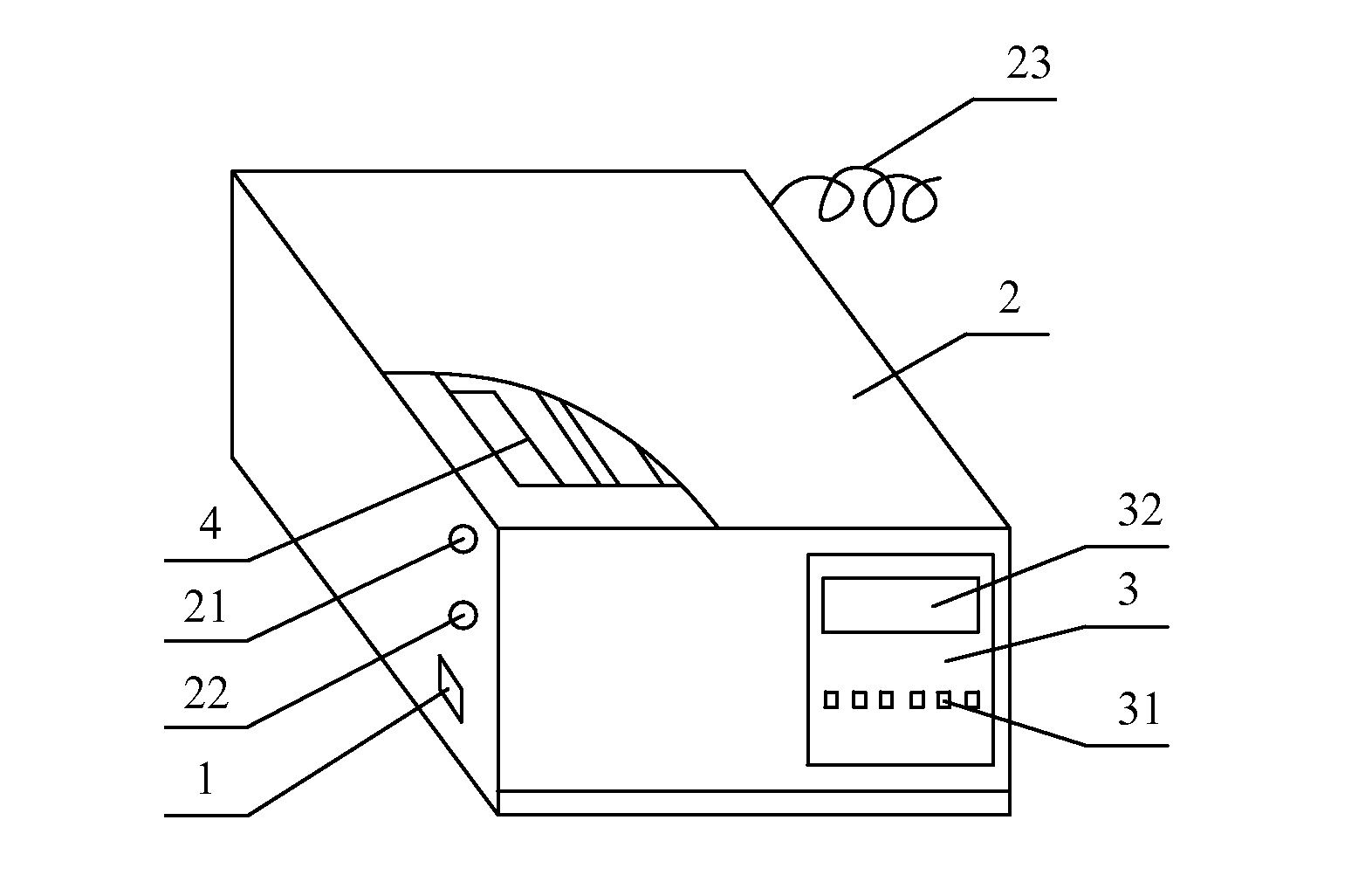
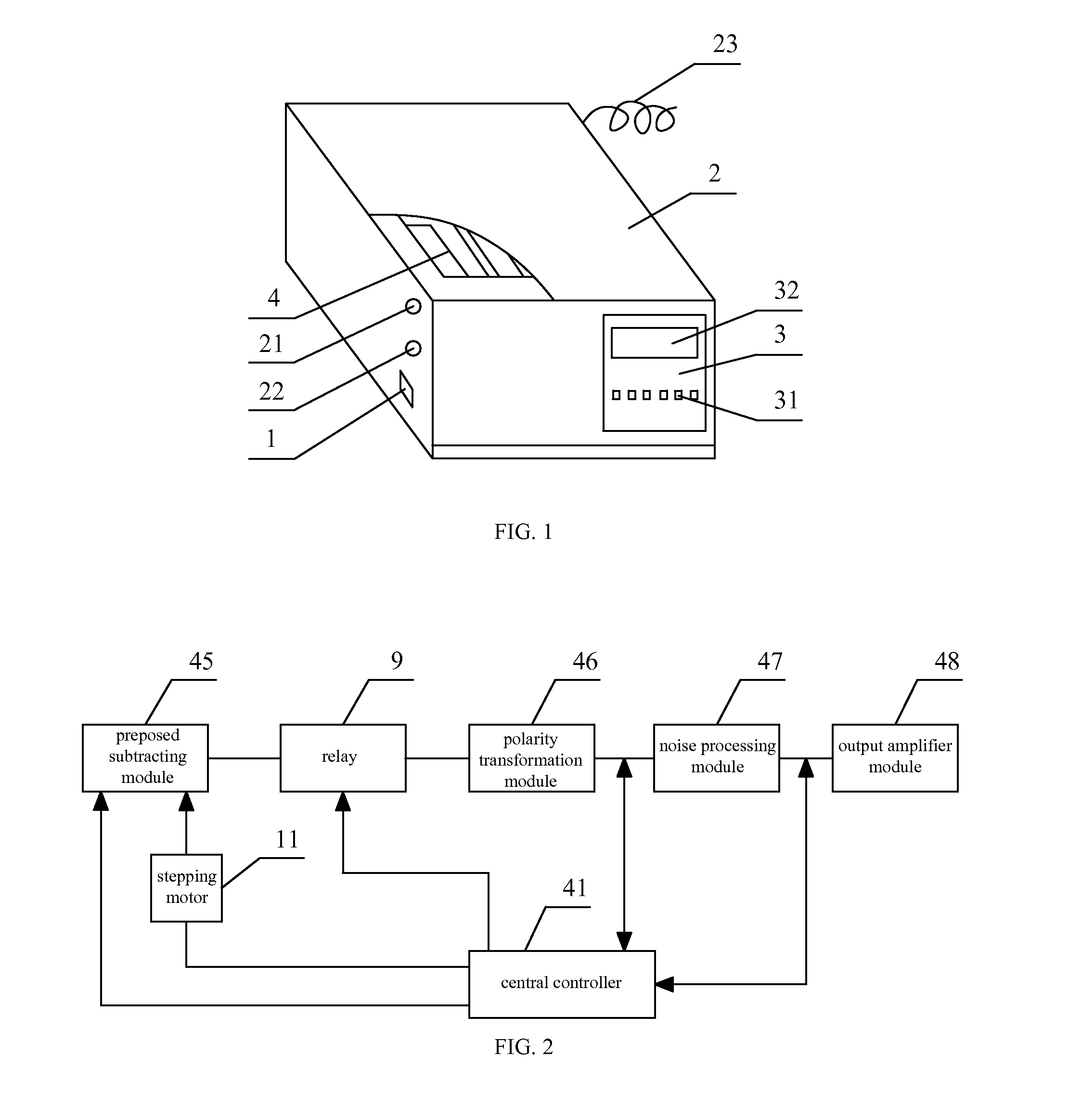
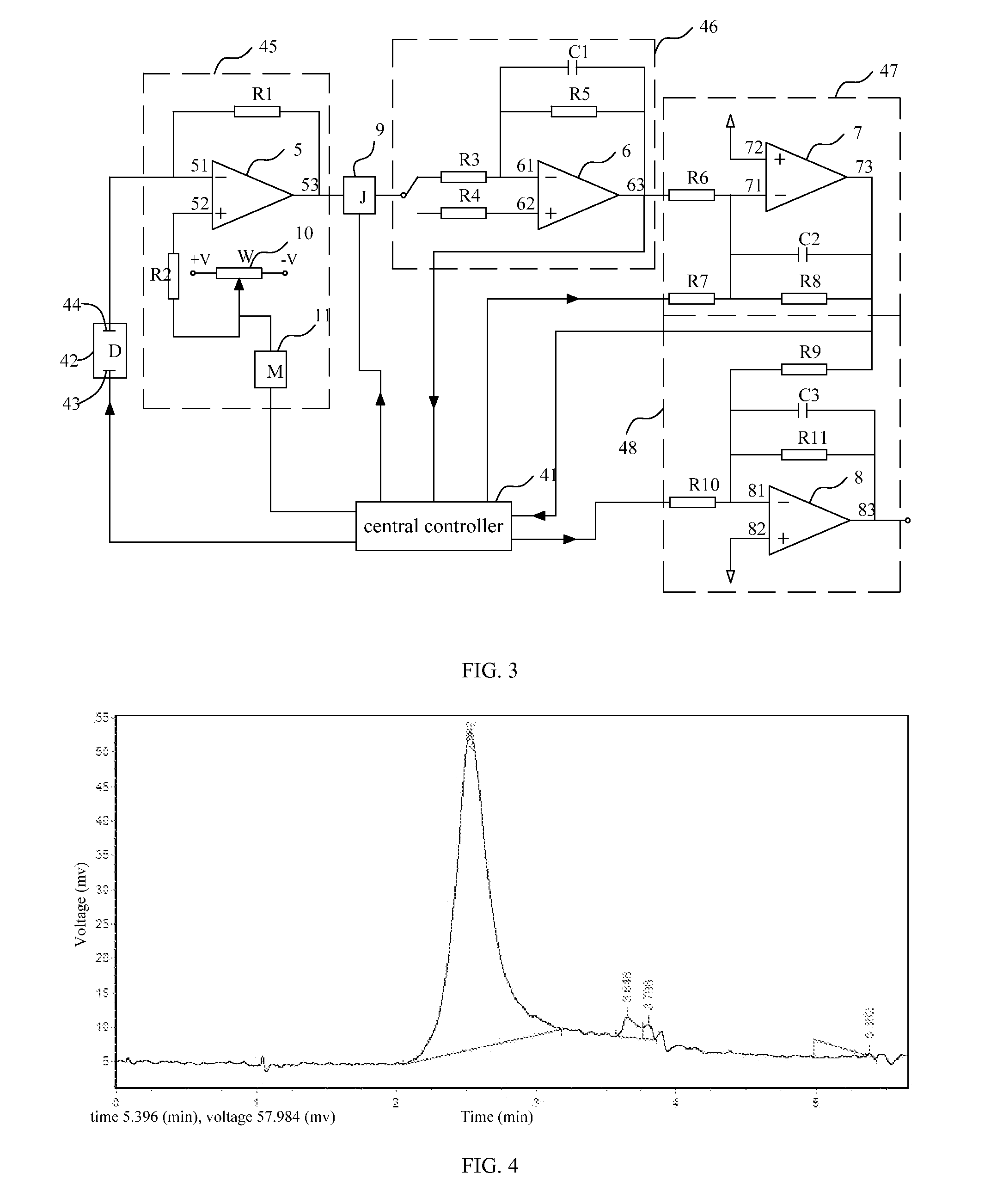
- A pulsed ion multifunctional detector with a central controller, detection cell, and operational amplifiers that automatically subtract baseline background noise and eliminate dynamic noise, allowing for improved sensitivity and stability, and enabling use in both high performance liquid chromatograph and ion chromatograph systems.

Quality Standards for Analytical Method Validation
Analytical method validation for both Ion Selective Electrode (ISE) and High-Performance Liquid Chromatography (HPLC) techniques must adhere to internationally recognized quality standards to ensure reliable and reproducible results. The International Conference on Harmonisation (ICH) Q2(R1) guidelines serve as the primary framework, establishing fundamental validation parameters including accuracy, precision, specificity, detection limit, quantitation limit, linearity, and range.
For ISE methods, validation standards emphasize electrode selectivity coefficients, response time, and drift characteristics. The electrode must demonstrate consistent Nernstian response across the analytical range, with slope values typically within 90-110% of theoretical values for monovalent ions. Precision requirements mandate relative standard deviation below 2% for repeated measurements, while accuracy assessments involve certified reference materials or standard addition methods.
HPLC validation follows more comprehensive chromatographic-specific criteria. System suitability parameters include theoretical plate count, tailing factor, resolution between critical peak pairs, and retention time reproducibility. Method precision encompasses injection repeatability, intermediate precision across different days and analysts, and reproducibility between laboratories. Specificity validation requires demonstration of peak purity and absence of interference from matrix components or degradation products.
Both techniques must establish appropriate calibration ranges with demonstrated linearity, typically requiring correlation coefficients exceeding 0.999. Detection and quantitation limits follow signal-to-noise ratio approaches, with LOD at 3:1 and LOQ at 10:1 ratios respectively. Robustness testing evaluates method performance under deliberate variations in critical parameters such as pH, temperature, and mobile phase composition for HPLC, or ionic strength and temperature for ISE.
Regulatory compliance requires comprehensive documentation including validation protocols, raw data, statistical analysis, and formal validation reports. Quality control measures must include regular system suitability checks, control chart monitoring, and periodic method revalidation to maintain analytical integrity throughout the method lifecycle.
For ISE methods, validation standards emphasize electrode selectivity coefficients, response time, and drift characteristics. The electrode must demonstrate consistent Nernstian response across the analytical range, with slope values typically within 90-110% of theoretical values for monovalent ions. Precision requirements mandate relative standard deviation below 2% for repeated measurements, while accuracy assessments involve certified reference materials or standard addition methods.
HPLC validation follows more comprehensive chromatographic-specific criteria. System suitability parameters include theoretical plate count, tailing factor, resolution between critical peak pairs, and retention time reproducibility. Method precision encompasses injection repeatability, intermediate precision across different days and analysts, and reproducibility between laboratories. Specificity validation requires demonstration of peak purity and absence of interference from matrix components or degradation products.
Both techniques must establish appropriate calibration ranges with demonstrated linearity, typically requiring correlation coefficients exceeding 0.999. Detection and quantitation limits follow signal-to-noise ratio approaches, with LOD at 3:1 and LOQ at 10:1 ratios respectively. Robustness testing evaluates method performance under deliberate variations in critical parameters such as pH, temperature, and mobile phase composition for HPLC, or ionic strength and temperature for ISE.
Regulatory compliance requires comprehensive documentation including validation protocols, raw data, statistical analysis, and formal validation reports. Quality control measures must include regular system suitability checks, control chart monitoring, and periodic method revalidation to maintain analytical integrity throughout the method lifecycle.
Cost-Benefit Analysis of ISE versus HPLC Implementation
The implementation of Ion Selective Electrode (ISE) technology presents significantly lower initial capital expenditure compared to High-Performance Liquid Chromatography (HPLC) systems. ISE instrumentation typically requires an investment ranging from $5,000 to $15,000 for basic setups, while HPLC systems demand $50,000 to $200,000 for comparable analytical capabilities. This substantial difference in upfront costs makes ISE particularly attractive for laboratories with budget constraints or those requiring rapid deployment of analytical capabilities.
Operational expenses reveal contrasting patterns between the two technologies. ISE systems demonstrate lower maintenance requirements, with electrode replacement costs averaging $200-500 annually and minimal consumable expenses. HPLC operations incur higher recurring costs through column replacements ($500-2,000 per column), mobile phase solvents ($2,000-5,000 annually), and specialized maintenance contracts often exceeding $10,000 per year. However, HPLC systems offer superior analytical versatility, enabling simultaneous multi-analyte detection that can justify higher operational costs through increased throughput efficiency.
Personnel training and expertise requirements significantly impact total cost of ownership. ISE technology offers simplified operation protocols, requiring minimal specialized training and enabling rapid skill acquisition for laboratory technicians. HPLC systems demand extensive operator training, method development expertise, and ongoing technical support, translating to higher labor costs and longer implementation timelines.
The analytical performance-to-cost ratio varies considerably based on application requirements. ISE provides exceptional cost-effectiveness for routine single-ion monitoring applications, particularly in process control environments where real-time measurements justify the investment. HPLC systems deliver superior value in complex analytical scenarios requiring separation of multiple analytes, trace-level detection, or regulatory compliance applications where analytical rigor outweighs cost considerations.
Long-term return on investment calculations favor ISE for high-frequency, single-parameter monitoring applications, while HPLC systems demonstrate better cost-benefit ratios in multi-analyte laboratories with diverse analytical requirements. The decision matrix ultimately depends on analytical scope, throughput demands, and regulatory compliance requirements specific to each implementation scenario.
Operational expenses reveal contrasting patterns between the two technologies. ISE systems demonstrate lower maintenance requirements, with electrode replacement costs averaging $200-500 annually and minimal consumable expenses. HPLC operations incur higher recurring costs through column replacements ($500-2,000 per column), mobile phase solvents ($2,000-5,000 annually), and specialized maintenance contracts often exceeding $10,000 per year. However, HPLC systems offer superior analytical versatility, enabling simultaneous multi-analyte detection that can justify higher operational costs through increased throughput efficiency.
Personnel training and expertise requirements significantly impact total cost of ownership. ISE technology offers simplified operation protocols, requiring minimal specialized training and enabling rapid skill acquisition for laboratory technicians. HPLC systems demand extensive operator training, method development expertise, and ongoing technical support, translating to higher labor costs and longer implementation timelines.
The analytical performance-to-cost ratio varies considerably based on application requirements. ISE provides exceptional cost-effectiveness for routine single-ion monitoring applications, particularly in process control environments where real-time measurements justify the investment. HPLC systems deliver superior value in complex analytical scenarios requiring separation of multiple analytes, trace-level detection, or regulatory compliance applications where analytical rigor outweighs cost considerations.
Long-term return on investment calculations favor ISE for high-frequency, single-parameter monitoring applications, while HPLC systems demonstrate better cost-benefit ratios in multi-analyte laboratories with diverse analytical requirements. The decision matrix ultimately depends on analytical scope, throughput demands, and regulatory compliance requirements specific to each implementation scenario.
Unlock deeper insights with Patsnap Eureka Quick Research — get a full tech report to explore trends and direct your research. Try now!
Generate Your Research Report Instantly with AI Agent
Supercharge your innovation with Patsnap Eureka AI Agent Platform!