

Cost-Efficiency: Evaluating Electrohydrodynamic vs. Traditional Printing Techniques
APR 29, 20269 MIN READ
Generate Your Research Report Instantly with AI Agent
Patsnap Eureka helps you evaluate technical feasibility & market potential.
EHD vs Traditional Printing Cost Background and Objectives
The printing industry has undergone significant transformation over the past several decades, evolving from traditional mechanical processes to sophisticated digital technologies. Traditional printing techniques, including offset lithography, flexography, and gravure printing, have dominated commercial and industrial applications for over a century. These methods rely on physical contact between printing plates or cylinders and substrates, utilizing mechanical pressure and ink transfer mechanisms to achieve desired print quality.
Electrohydrodynamic (EHD) printing represents a paradigm shift in printing technology, emerging as a non-contact, digitally controlled printing method that utilizes electric fields to manipulate charged ink droplets. This technology leverages the principles of electrohydrodynamics to achieve precise droplet formation and placement without requiring physical contact between printing components and substrates. EHD printing has gained considerable attention in recent years due to its potential for high-resolution printing, material versatility, and reduced mechanical complexity.
The evolution of printing technologies has been driven by increasing demands for higher resolution, faster production speeds, reduced material waste, and lower operational costs. Traditional printing methods, while mature and well-established, face limitations in terms of setup costs, plate preparation requirements, and minimum viable print runs. These constraints have created market opportunities for alternative printing technologies that can offer more flexible and cost-effective solutions, particularly for short-run productions and specialized applications.
The primary objective of this cost-efficiency evaluation is to conduct a comprehensive comparative analysis between EHD printing and traditional printing techniques across multiple cost dimensions. This analysis aims to identify the total cost of ownership for each technology, including initial capital investments, operational expenses, maintenance requirements, and material consumption patterns. Understanding these cost structures is crucial for manufacturers and service providers seeking to optimize their printing operations and investment decisions.
Furthermore, this evaluation seeks to establish clear benchmarks for cost-effectiveness across different application scenarios, production volumes, and quality requirements. The analysis will examine both direct costs, such as equipment procurement and consumables, and indirect costs, including training, facility requirements, and productivity impacts. By establishing these comprehensive cost models, stakeholders can make informed decisions regarding technology adoption and implementation strategies.
The ultimate goal is to provide actionable insights that enable organizations to select the most economically viable printing technology for their specific operational requirements and market conditions.
Electrohydrodynamic (EHD) printing represents a paradigm shift in printing technology, emerging as a non-contact, digitally controlled printing method that utilizes electric fields to manipulate charged ink droplets. This technology leverages the principles of electrohydrodynamics to achieve precise droplet formation and placement without requiring physical contact between printing components and substrates. EHD printing has gained considerable attention in recent years due to its potential for high-resolution printing, material versatility, and reduced mechanical complexity.
The evolution of printing technologies has been driven by increasing demands for higher resolution, faster production speeds, reduced material waste, and lower operational costs. Traditional printing methods, while mature and well-established, face limitations in terms of setup costs, plate preparation requirements, and minimum viable print runs. These constraints have created market opportunities for alternative printing technologies that can offer more flexible and cost-effective solutions, particularly for short-run productions and specialized applications.
The primary objective of this cost-efficiency evaluation is to conduct a comprehensive comparative analysis between EHD printing and traditional printing techniques across multiple cost dimensions. This analysis aims to identify the total cost of ownership for each technology, including initial capital investments, operational expenses, maintenance requirements, and material consumption patterns. Understanding these cost structures is crucial for manufacturers and service providers seeking to optimize their printing operations and investment decisions.
Furthermore, this evaluation seeks to establish clear benchmarks for cost-effectiveness across different application scenarios, production volumes, and quality requirements. The analysis will examine both direct costs, such as equipment procurement and consumables, and indirect costs, including training, facility requirements, and productivity impacts. By establishing these comprehensive cost models, stakeholders can make informed decisions regarding technology adoption and implementation strategies.
The ultimate goal is to provide actionable insights that enable organizations to select the most economically viable printing technology for their specific operational requirements and market conditions.
Market Demand for Cost-Effective Advanced Printing Solutions
The global printing industry is experiencing unprecedented demand for cost-effective solutions that can deliver high-quality output while maintaining operational efficiency. Traditional printing methods, despite their established market presence, face increasing pressure from rising material costs, energy consumption concerns, and environmental regulations. This market dynamic has created substantial opportunities for innovative printing technologies that can address these economic challenges.
Manufacturing sectors across electronics, textiles, packaging, and biomedical applications are actively seeking printing solutions that reduce per-unit production costs without compromising quality standards. The electronics industry particularly drives demand for precision printing techniques capable of producing fine-feature components at scale. Current market pressures include shortened product development cycles, increased customization requirements, and the need for sustainable manufacturing processes.
Electrohydrodynamic printing technology emerges as a compelling alternative in this cost-conscious market environment. Its ability to achieve sub-micron resolution with minimal material waste addresses key economic pain points that traditional printing methods struggle to resolve. The technology's capacity for direct-write printing eliminates multiple processing steps, reducing both time-to-market and manufacturing overhead costs.
Market research indicates growing interest from industries requiring high-precision, low-volume production runs where traditional printing methods prove economically inefficient. The pharmaceutical and biotechnology sectors show particular enthusiasm for cost-effective printing solutions capable of producing complex geometries and multi-material structures. Additionally, the rapid prototyping market demands affordable printing technologies that can quickly iterate designs without significant material investment.
The convergence of Industry 4.0 initiatives and sustainability mandates further amplifies market demand for advanced printing solutions. Companies increasingly prioritize technologies that offer both economic advantages and environmental benefits. Electrohydrodynamic printing's reduced material consumption and energy efficiency align with these dual objectives, positioning it favorably against traditional alternatives.
Regional market dynamics reveal varying adoption patterns, with developed economies focusing on high-value applications while emerging markets emphasize cost reduction potential. This diverse demand landscape creates opportunities for differentiated market positioning based on specific regional economic priorities and industrial capabilities.
Manufacturing sectors across electronics, textiles, packaging, and biomedical applications are actively seeking printing solutions that reduce per-unit production costs without compromising quality standards. The electronics industry particularly drives demand for precision printing techniques capable of producing fine-feature components at scale. Current market pressures include shortened product development cycles, increased customization requirements, and the need for sustainable manufacturing processes.
Electrohydrodynamic printing technology emerges as a compelling alternative in this cost-conscious market environment. Its ability to achieve sub-micron resolution with minimal material waste addresses key economic pain points that traditional printing methods struggle to resolve. The technology's capacity for direct-write printing eliminates multiple processing steps, reducing both time-to-market and manufacturing overhead costs.
Market research indicates growing interest from industries requiring high-precision, low-volume production runs where traditional printing methods prove economically inefficient. The pharmaceutical and biotechnology sectors show particular enthusiasm for cost-effective printing solutions capable of producing complex geometries and multi-material structures. Additionally, the rapid prototyping market demands affordable printing technologies that can quickly iterate designs without significant material investment.
The convergence of Industry 4.0 initiatives and sustainability mandates further amplifies market demand for advanced printing solutions. Companies increasingly prioritize technologies that offer both economic advantages and environmental benefits. Electrohydrodynamic printing's reduced material consumption and energy efficiency align with these dual objectives, positioning it favorably against traditional alternatives.
Regional market dynamics reveal varying adoption patterns, with developed economies focusing on high-value applications while emerging markets emphasize cost reduction potential. This diverse demand landscape creates opportunities for differentiated market positioning based on specific regional economic priorities and industrial capabilities.
Current Cost Challenges in EHD and Traditional Printing
Electrohydrodynamic printing faces significant cost barriers primarily stemming from its sophisticated equipment requirements and specialized material demands. The initial capital investment for EHD systems typically ranges from $50,000 to $200,000, substantially higher than entry-level traditional printing equipment. This cost differential is largely attributed to the precision voltage control systems, specialized nozzle arrays, and environmental control chambers required for stable EHD operation.
Material costs present another substantial challenge for EHD printing adoption. The technology requires specially formulated inks with specific electrical conductivity and rheological properties, often costing 3-5 times more than conventional printing inks. These specialized formulations demand extensive research and development investments, with limited supplier options driving prices higher. Additionally, the narrow processing windows for EHD-compatible materials result in higher waste rates during production optimization phases.
Traditional printing techniques, while benefiting from mature supply chains and economies of scale, face their own cost pressures. Inkjet printing systems encounter rising costs for high-performance printheads, with industrial-grade components ranging from $500 to $5,000 per unit. The frequent replacement requirements due to clogging and wear issues compound operational expenses. Screen printing, though cost-effective for high-volume production, struggles with setup costs and material waste when adapting to smaller batch sizes or frequent design changes.
Maintenance and operational costs create ongoing financial burdens for both technologies. EHD systems require specialized technical expertise for troubleshooting and calibration, with limited service provider networks increasing support costs. The technology's sensitivity to environmental conditions necessitates controlled manufacturing environments, adding facility overhead expenses.
Traditional printing methods face escalating costs from environmental compliance requirements and waste management. Solvent-based systems incur additional expenses for emission control equipment and hazardous waste disposal. The push toward environmentally friendly alternatives often involves premium pricing for sustainable materials and processes.
Labor costs represent a critical factor across both technologies. EHD printing's complexity demands highly skilled operators, commanding premium wages but potentially reducing overall labor requirements through automation. Traditional methods may require larger workforce deployments but benefit from readily available skilled technicians and established training programs.
The cost structure analysis reveals that while EHD printing faces higher upfront investments and material costs, its precision capabilities may justify expenses in high-value applications. Traditional methods maintain cost advantages in established markets but face pressure from evolving regulatory requirements and customization demands.
Material costs present another substantial challenge for EHD printing adoption. The technology requires specially formulated inks with specific electrical conductivity and rheological properties, often costing 3-5 times more than conventional printing inks. These specialized formulations demand extensive research and development investments, with limited supplier options driving prices higher. Additionally, the narrow processing windows for EHD-compatible materials result in higher waste rates during production optimization phases.
Traditional printing techniques, while benefiting from mature supply chains and economies of scale, face their own cost pressures. Inkjet printing systems encounter rising costs for high-performance printheads, with industrial-grade components ranging from $500 to $5,000 per unit. The frequent replacement requirements due to clogging and wear issues compound operational expenses. Screen printing, though cost-effective for high-volume production, struggles with setup costs and material waste when adapting to smaller batch sizes or frequent design changes.
Maintenance and operational costs create ongoing financial burdens for both technologies. EHD systems require specialized technical expertise for troubleshooting and calibration, with limited service provider networks increasing support costs. The technology's sensitivity to environmental conditions necessitates controlled manufacturing environments, adding facility overhead expenses.
Traditional printing methods face escalating costs from environmental compliance requirements and waste management. Solvent-based systems incur additional expenses for emission control equipment and hazardous waste disposal. The push toward environmentally friendly alternatives often involves premium pricing for sustainable materials and processes.
Labor costs represent a critical factor across both technologies. EHD printing's complexity demands highly skilled operators, commanding premium wages but potentially reducing overall labor requirements through automation. Traditional methods may require larger workforce deployments but benefit from readily available skilled technicians and established training programs.
The cost structure analysis reveals that while EHD printing faces higher upfront investments and material costs, its precision capabilities may justify expenses in high-value applications. Traditional methods maintain cost advantages in established markets but face pressure from evolving regulatory requirements and customization demands.
Existing Cost-Optimization Solutions in Printing
01 Electrohydrodynamic printing apparatus and system design
Electrohydrodynamic printing systems utilize specialized apparatus designs that incorporate electric field control mechanisms to manipulate droplet formation and deposition. These systems feature optimized electrode configurations, voltage control systems, and precision nozzle designs that enable high-resolution printing while maintaining cost-effective operation through reduced material waste and improved process control.- Electrohydrodynamic printing apparatus and system optimization: Advanced electrohydrodynamic printing systems focus on optimizing apparatus design and operational parameters to improve cost-efficiency. These systems utilize controlled electric fields to manipulate droplet formation and deposition, enabling precise material usage and reduced waste. The optimization includes nozzle design, voltage control systems, and substrate handling mechanisms that contribute to overall cost reduction through improved throughput and material efficiency.
- Material consumption and waste reduction techniques: Cost-efficiency improvements are achieved through advanced material management systems that minimize ink consumption and reduce waste generation. These techniques include precise droplet control mechanisms, recycling systems for unused materials, and optimized printing patterns that maximize coverage while minimizing material usage. The focus is on developing sustainable printing processes that reduce operational costs through efficient resource utilization.
- Process control and automation for enhanced efficiency: Automated process control systems enhance cost-efficiency by reducing manual intervention and improving consistency in printing operations. These systems incorporate real-time monitoring, feedback control mechanisms, and adaptive printing parameters that optimize performance while reducing labor costs. The automation extends to quality control processes, maintenance scheduling, and production planning to maximize overall operational efficiency.
- Comparative analysis methodologies and cost evaluation: Systematic approaches for comparing electrohydrodynamic printing with traditional printing techniques involve comprehensive cost analysis frameworks. These methodologies evaluate factors such as equipment investment, operational expenses, maintenance costs, and production scalability. The analysis includes lifecycle cost assessments, productivity measurements, and quality-cost trade-offs to provide objective comparisons between different printing technologies.
- Substrate compatibility and multi-material printing capabilities: Cost-efficiency is enhanced through improved substrate compatibility and multi-material printing capabilities that expand application ranges without requiring separate equipment investments. These developments include adaptive printing systems that can handle various substrate types, multi-layer printing processes, and hybrid techniques that combine different printing methods. The versatility reduces the need for multiple specialized systems, thereby improving overall cost-effectiveness.
02 Material utilization and ink consumption optimization
Cost efficiency in electrohydrodynamic printing is achieved through superior material utilization compared to traditional printing methods. The precise droplet control and on-demand printing capability significantly reduces ink waste, while specialized ink formulations designed for electrohydrodynamic processes provide better coverage and durability, leading to lower overall material costs per printed unit.Expand Specific Solutions03 Process speed and throughput comparison
The operational efficiency of electrohydrodynamic printing systems demonstrates competitive advantages in specific applications through optimized printing speeds and reduced setup times. While traditional printing methods may offer higher volume throughput for mass production, electrohydrodynamic printing provides superior cost efficiency for customized, small-batch, and high-precision applications through reduced changeover times and minimal preparation requirements.Expand Specific Solutions04 Equipment maintenance and operational costs
Long-term cost efficiency analysis reveals that electrohydrodynamic printing systems require different maintenance approaches compared to traditional printing equipment. The reduced mechanical complexity in droplet formation mechanisms leads to lower wear-and-tear costs, while the precision control systems may require specialized maintenance procedures. Overall operational costs benefit from reduced cleaning requirements and simplified ink handling systems.Expand Specific Solutions05 Quality control and defect reduction economics
The economic advantages of electrohydrodynamic printing include significant cost savings through improved quality control and reduced defect rates. The precise control over droplet placement and size distribution minimizes reprinting costs and material waste associated with quality issues. This results in higher first-pass yield rates and reduced quality control overhead compared to traditional printing methods, particularly in applications requiring high precision and consistency.Expand Specific Solutions
Key Players in EHD and Traditional Printing Markets
The electrohydrodynamic (EHD) printing market represents an emerging technology sector in early commercialization stages, competing against mature traditional printing methods with established multi-billion dollar markets. While conventional printing technologies demonstrate high technical maturity through industry leaders like Samsung Electronics, Hewlett-Packard, and Eastman Kodak, EHD printing remains in development phases with specialized companies like Scrona AG pioneering MEMS-based platforms and XTPL SA developing ultra-precise nanoprinting solutions. Research institutions including ETH Zurich, University of Michigan, and Huazhong University of Science & Technology are advancing fundamental EHD capabilities, while companies like SIJ Technology bridge academic research toward commercial applications. The competitive landscape shows traditional printing maintaining cost advantages and scalability, whereas EHD technology offers superior precision for specialized applications in semiconductors, displays, and microelectronics manufacturing.
Samsung Electronics Co., Ltd.
Technical Solution: Samsung has invested heavily in EHD printing technology for display manufacturing and flexible electronics production. Their cost-efficiency studies focus on high-resolution printing applications where traditional methods require multiple passes or complex masking processes. Samsung's EHD systems achieve single-pass printing for complex patterns, reducing production time by 50-70% compared to traditional screen printing or photolithography. The company's analysis shows that EHD printing eliminates the need for expensive photomasks and reduces chemical waste by 80% in display manufacturing. Their technology enables direct printing of conductive inks and organic materials with precision down to 1-micron resolution, significantly reducing material costs and processing steps in semiconductor and display production.
Advantages: Dramatic reduction in production time, elimination of expensive consumables like photomasks, high precision capabilities. Disadvantages: Technology primarily optimized for specific applications, requires specialized materials.
Hewlett-Packard Development Co. LP
Technical Solution: HP has developed comprehensive cost-efficiency analysis frameworks for electrohydrodynamic (EHD) printing compared to traditional inkjet technologies. Their research demonstrates that EHD printing achieves 40-60% reduction in ink consumption through precise droplet control and eliminates nozzle clogging issues that plague traditional systems. The company's EHD systems utilize electric field-driven droplet formation, enabling printing with higher viscosity inks and reducing material waste. HP's cost models show that while initial equipment investment is 20-30% higher, operational costs decrease significantly due to reduced maintenance requirements, lower ink consumption, and extended equipment lifespan. Their EHD technology also enables printing on a wider range of substrates without pre-treatment, further reducing overall production costs.
Advantages: Significant reduction in operational costs, lower maintenance requirements, reduced material waste. Disadvantages: Higher initial capital investment, limited market adoption requiring customer education.
Core Cost-Reduction Innovations in EHD Printing
Ultrafine fluid jet apparatus
PatentInactiveUS7434912B2
Innovation
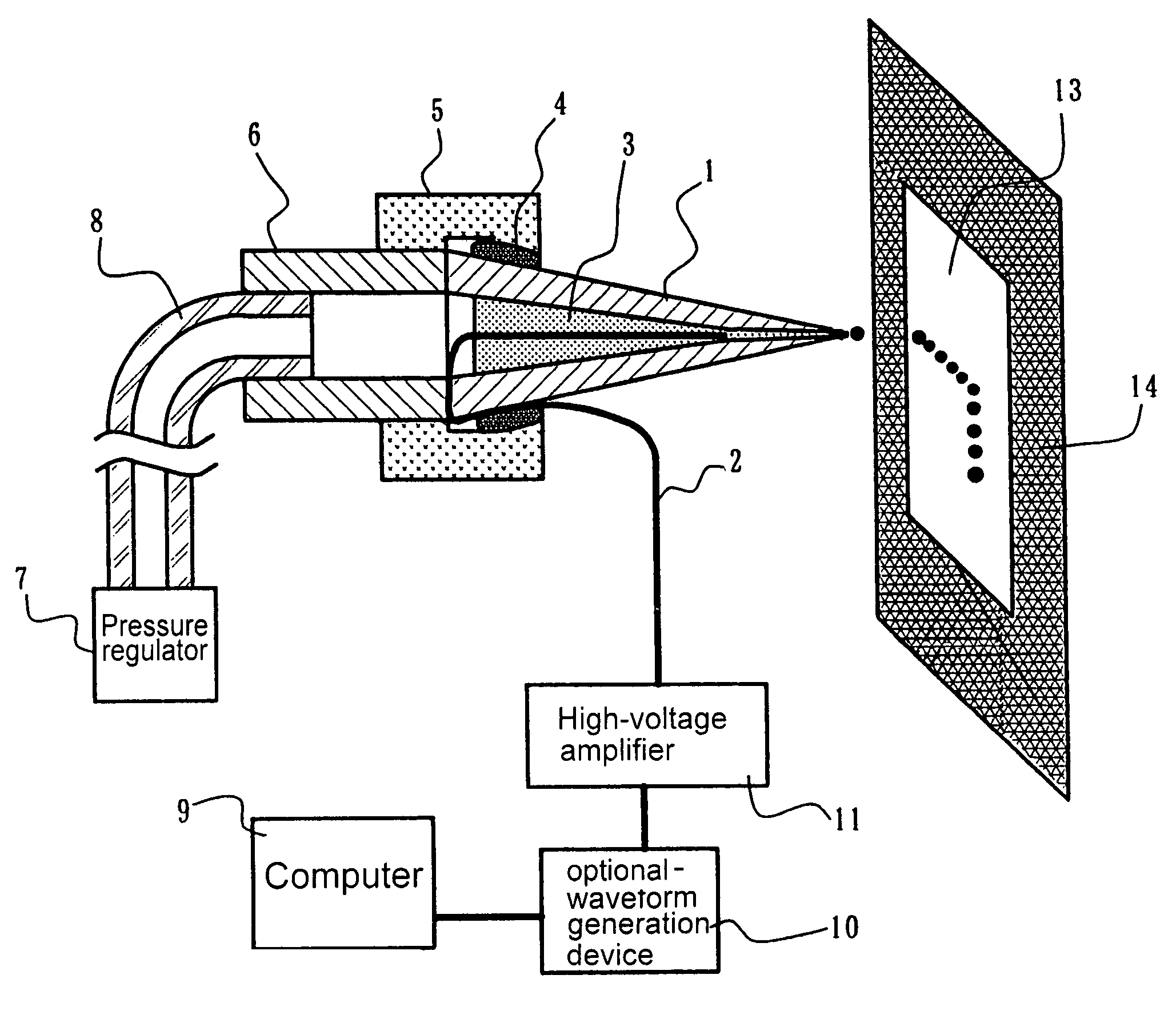
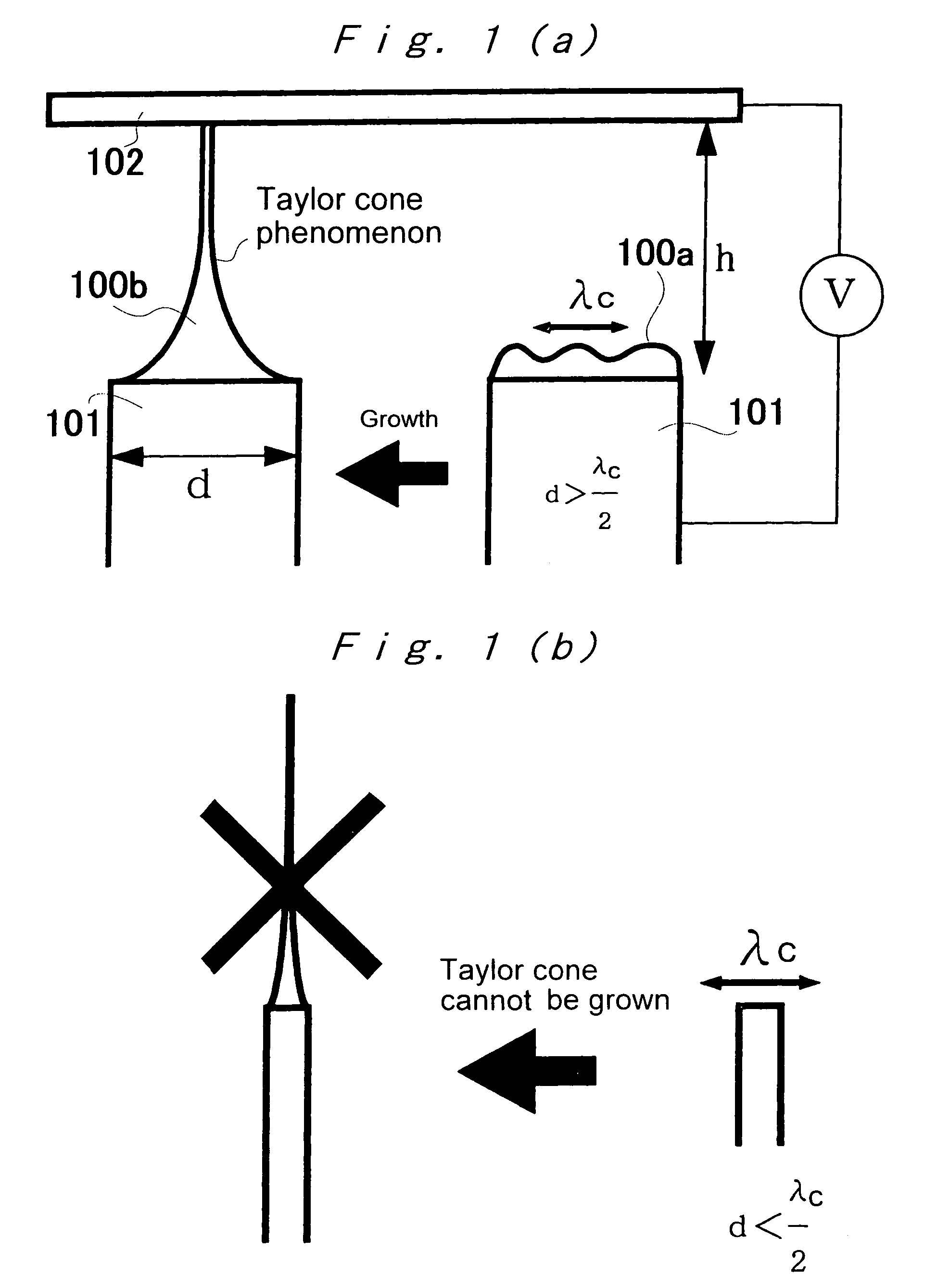
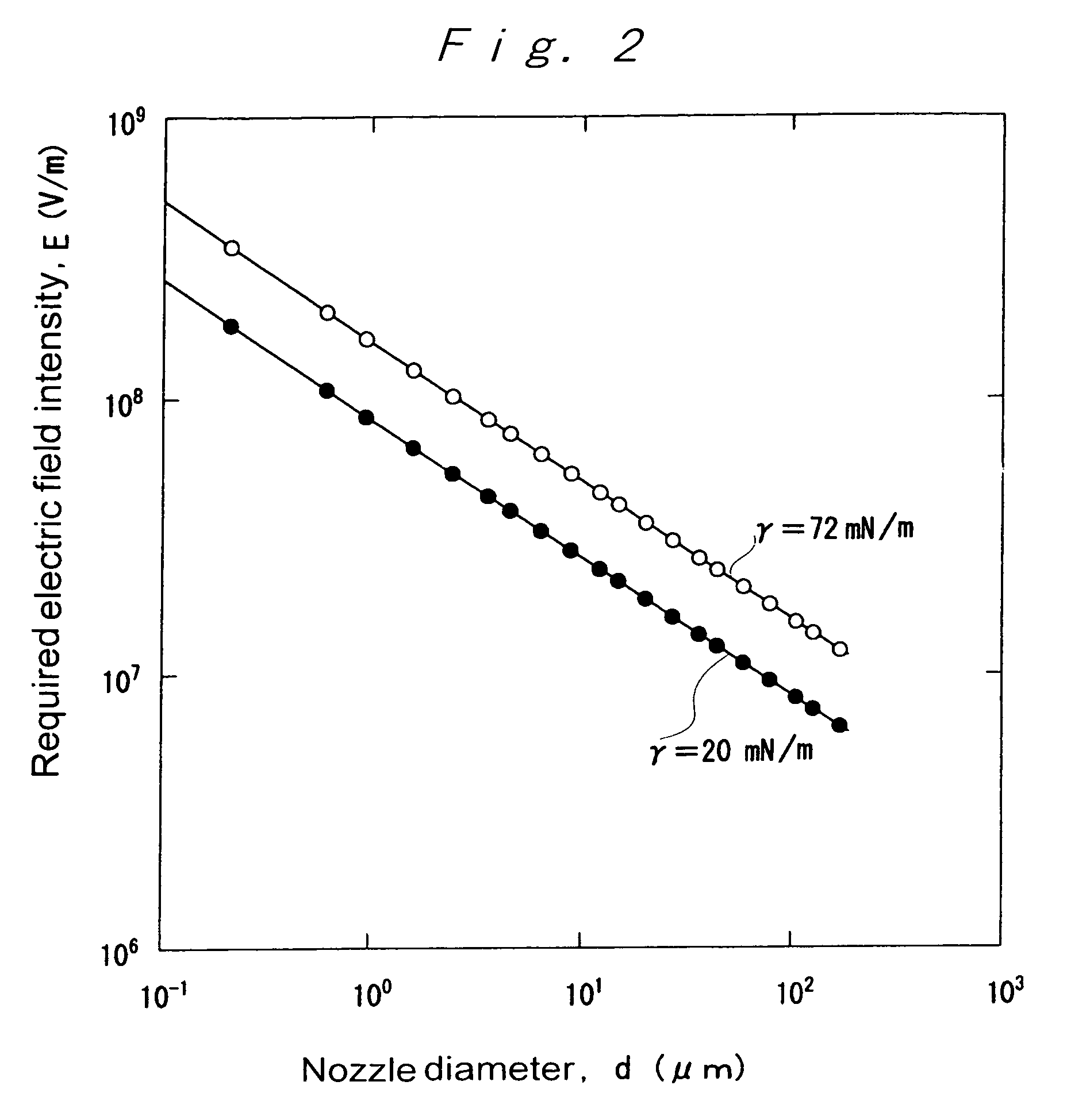
- The ultrafine fluid jet apparatus employs a nozzle with a diameter less than the growth wavelength of the Taylor cone, utilizing Maxwell-force and Electrowetting effects to reduce driving voltage, increase landing accuracy, and enable ejection onto insulating substrates without a counter electrode, with a focused electric field intensity and optional waveform voltages for improved control.

Electrohydrodynamic printer with fluidic extractor
PatentActiveUS20240059060A1
Innovation
- The use of a fluidic extractor, which is a stream of carrier fluid at a different electrical potential than the printing fluid, merges with and carries the printing fluid towards the printing surface, enabling high-resolution printing without requiring a conductive surface and addressing issues of arcing and ink build-up, while allowing for the use of high viscosity fluids and extended throw distances.


Economic Impact Assessment of Printing Technologies
The economic implications of electrohydrodynamic (EHD) printing versus traditional printing technologies present a complex landscape of cost considerations that extend beyond initial capital investments. Traditional printing methods, including inkjet, laser, and offset printing, have established mature supply chains and standardized cost structures that provide predictable operational expenses. These technologies benefit from economies of scale, widespread availability of consumables, and well-developed maintenance infrastructures that contribute to lower per-unit costs in high-volume applications.
EHD printing technology introduces a fundamentally different economic paradigm characterized by higher initial equipment costs but potentially lower operational expenses over extended periods. The technology's ability to achieve sub-micron resolution with minimal material waste presents significant cost advantages in specialized applications where precision is paramount. Manufacturing sectors requiring ultra-fine feature printing, such as electronics and biotechnology, demonstrate favorable cost-benefit ratios when adopting EHD systems despite higher upfront investments.
Labor cost differentials represent another critical economic factor distinguishing these technologies. Traditional printing operations typically require skilled technicians for setup, calibration, and maintenance procedures, contributing to ongoing operational expenses. EHD systems, while requiring specialized training initially, often demonstrate reduced labor intensity once operational parameters are established, potentially offsetting higher equipment costs through reduced staffing requirements.
Material utilization efficiency creates substantial economic differentiation between these approaches. EHD printing's precise droplet control and minimal overspray characteristics result in material waste reduction of up to 40% compared to conventional methods in certain applications. This efficiency translates directly into cost savings for expensive specialty inks and substrates, particularly relevant in pharmaceutical and advanced materials printing where raw material costs represent significant operational expenses.
The total cost of ownership analysis reveals that EHD technology's economic viability depends heavily on application-specific factors including production volume, required precision levels, and material costs. While traditional methods maintain advantages in high-volume, standard-resolution applications, EHD printing demonstrates superior economic performance in low-to-medium volume scenarios requiring exceptional precision or expensive materials, suggesting complementary rather than competitive market positioning for optimal economic outcomes.
EHD printing technology introduces a fundamentally different economic paradigm characterized by higher initial equipment costs but potentially lower operational expenses over extended periods. The technology's ability to achieve sub-micron resolution with minimal material waste presents significant cost advantages in specialized applications where precision is paramount. Manufacturing sectors requiring ultra-fine feature printing, such as electronics and biotechnology, demonstrate favorable cost-benefit ratios when adopting EHD systems despite higher upfront investments.
Labor cost differentials represent another critical economic factor distinguishing these technologies. Traditional printing operations typically require skilled technicians for setup, calibration, and maintenance procedures, contributing to ongoing operational expenses. EHD systems, while requiring specialized training initially, often demonstrate reduced labor intensity once operational parameters are established, potentially offsetting higher equipment costs through reduced staffing requirements.
Material utilization efficiency creates substantial economic differentiation between these approaches. EHD printing's precise droplet control and minimal overspray characteristics result in material waste reduction of up to 40% compared to conventional methods in certain applications. This efficiency translates directly into cost savings for expensive specialty inks and substrates, particularly relevant in pharmaceutical and advanced materials printing where raw material costs represent significant operational expenses.
The total cost of ownership analysis reveals that EHD technology's economic viability depends heavily on application-specific factors including production volume, required precision levels, and material costs. While traditional methods maintain advantages in high-volume, standard-resolution applications, EHD printing demonstrates superior economic performance in low-to-medium volume scenarios requiring exceptional precision or expensive materials, suggesting complementary rather than competitive market positioning for optimal economic outcomes.
Sustainability Cost Factors in Printing Methods
The sustainability cost factors in printing methods represent a critical dimension of the cost-efficiency evaluation between electrohydrodynamic (EHD) and traditional printing techniques. These factors encompass environmental externalities that increasingly translate into direct financial implications for manufacturing operations.
Energy consumption patterns differ significantly between EHD and conventional printing systems. Traditional printing methods, particularly inkjet and laser technologies, require substantial energy for heating elements, high-pressure pumping systems, and continuous mechanical operations. EHD printing operates through electric field manipulation, typically consuming 60-80% less energy per printed unit while maintaining comparable output quality. This energy efficiency directly correlates with reduced operational costs and lower carbon footprint calculations.
Material waste generation presents another substantial sustainability cost factor. Conventional printing processes generate significant waste through overspray, cleaning solvents, and consumable replacement cycles. EHD systems demonstrate superior material utilization rates, achieving up to 95% transfer efficiency compared to 70-85% in traditional methods. The reduced waste stream translates to lower raw material costs and decreased waste disposal expenses.
Chemical usage and disposal costs constitute major sustainability considerations. Traditional printing relies heavily on volatile organic compounds, cleaning agents, and maintenance chemicals that require specialized handling and disposal protocols. EHD printing minimizes chemical dependency, utilizing primarily water-based or low-toxicity formulations that reduce both procurement costs and environmental compliance expenses.
Equipment lifecycle considerations reveal long-term sustainability cost implications. While EHD systems may require higher initial capital investment, their simplified mechanical design results in extended operational lifespans and reduced maintenance requirements. Traditional printing equipment typically demands frequent component replacement, regular calibration, and intensive maintenance schedules that accumulate substantial lifecycle costs.
Regulatory compliance costs increasingly favor sustainable printing technologies. Environmental regulations impose growing financial burdens on traditional printing operations through emission controls, waste treatment requirements, and carbon taxation mechanisms. EHD printing's inherently cleaner operation profile positions it advantageously against evolving regulatory frameworks, potentially avoiding future compliance costs that may significantly impact traditional printing economics.
Energy consumption patterns differ significantly between EHD and conventional printing systems. Traditional printing methods, particularly inkjet and laser technologies, require substantial energy for heating elements, high-pressure pumping systems, and continuous mechanical operations. EHD printing operates through electric field manipulation, typically consuming 60-80% less energy per printed unit while maintaining comparable output quality. This energy efficiency directly correlates with reduced operational costs and lower carbon footprint calculations.
Material waste generation presents another substantial sustainability cost factor. Conventional printing processes generate significant waste through overspray, cleaning solvents, and consumable replacement cycles. EHD systems demonstrate superior material utilization rates, achieving up to 95% transfer efficiency compared to 70-85% in traditional methods. The reduced waste stream translates to lower raw material costs and decreased waste disposal expenses.
Chemical usage and disposal costs constitute major sustainability considerations. Traditional printing relies heavily on volatile organic compounds, cleaning agents, and maintenance chemicals that require specialized handling and disposal protocols. EHD printing minimizes chemical dependency, utilizing primarily water-based or low-toxicity formulations that reduce both procurement costs and environmental compliance expenses.
Equipment lifecycle considerations reveal long-term sustainability cost implications. While EHD systems may require higher initial capital investment, their simplified mechanical design results in extended operational lifespans and reduced maintenance requirements. Traditional printing equipment typically demands frequent component replacement, regular calibration, and intensive maintenance schedules that accumulate substantial lifecycle costs.
Regulatory compliance costs increasingly favor sustainable printing technologies. Environmental regulations impose growing financial burdens on traditional printing operations through emission controls, waste treatment requirements, and carbon taxation mechanisms. EHD printing's inherently cleaner operation profile positions it advantageously against evolving regulatory frameworks, potentially avoiding future compliance costs that may significantly impact traditional printing economics.
Unlock deeper insights with Patsnap Eureka Quick Research — get a full tech report to explore trends and direct your research. Try now!
Generate Your Research Report Instantly with AI Agent
Supercharge your innovation with Patsnap Eureka AI Agent Platform!