

Developing Electrohydrodynamic Tactile Sensors: Sensitivity Standards
APR 29, 20269 MIN READ
Generate Your Research Report Instantly with AI Agent
Patsnap Eureka helps you evaluate technical feasibility & market potential.
EHD Tactile Sensor Development Background and Objectives
Electrohydrodynamic (EHD) tactile sensors represent a revolutionary advancement in haptic technology, emerging from the convergence of fluid dynamics, electrostatics, and sensory engineering. This technology harnesses the principles of electrohydrodynamics, where electric fields manipulate fluid behavior to create controllable tactile sensations. The development of EHD tactile sensors has gained significant momentum over the past decade, driven by increasing demands for sophisticated human-machine interfaces in virtual reality, robotics, and medical applications.
The historical evolution of tactile sensing technology has progressed from simple mechanical switches to sophisticated piezoelectric and capacitive sensors. EHD technology represents the next paradigm shift, offering unprecedented control over tactile feedback through electrically induced fluid motion. Unlike traditional tactile sensors that rely on mechanical deformation or vibration, EHD sensors utilize the movement of dielectric fluids under electric fields to generate precise tactile stimuli.
Current technological trends indicate a growing emphasis on miniaturization, enhanced sensitivity, and multi-modal sensing capabilities. The integration of artificial intelligence and machine learning algorithms with EHD sensors is creating opportunities for adaptive and personalized tactile experiences. Additionally, the development of flexible and stretchable EHD sensors is opening new applications in wearable technology and soft robotics.
The primary objective of developing sensitivity standards for EHD tactile sensors is to establish quantifiable metrics that ensure consistent performance across different applications and manufacturers. These standards must address critical parameters including force resolution, spatial resolution, temporal response, and dynamic range. The establishment of such standards is essential for enabling widespread adoption and interoperability of EHD tactile sensor technology.
Furthermore, the development objectives encompass creating standardized testing methodologies that can accurately measure sensor performance under various environmental conditions. This includes establishing protocols for temperature stability, humidity resistance, and long-term reliability assessment. The ultimate goal is to create a comprehensive framework that facilitates the transition of EHD tactile sensors from laboratory prototypes to commercially viable products with predictable and reliable performance characteristics.
The historical evolution of tactile sensing technology has progressed from simple mechanical switches to sophisticated piezoelectric and capacitive sensors. EHD technology represents the next paradigm shift, offering unprecedented control over tactile feedback through electrically induced fluid motion. Unlike traditional tactile sensors that rely on mechanical deformation or vibration, EHD sensors utilize the movement of dielectric fluids under electric fields to generate precise tactile stimuli.
Current technological trends indicate a growing emphasis on miniaturization, enhanced sensitivity, and multi-modal sensing capabilities. The integration of artificial intelligence and machine learning algorithms with EHD sensors is creating opportunities for adaptive and personalized tactile experiences. Additionally, the development of flexible and stretchable EHD sensors is opening new applications in wearable technology and soft robotics.
The primary objective of developing sensitivity standards for EHD tactile sensors is to establish quantifiable metrics that ensure consistent performance across different applications and manufacturers. These standards must address critical parameters including force resolution, spatial resolution, temporal response, and dynamic range. The establishment of such standards is essential for enabling widespread adoption and interoperability of EHD tactile sensor technology.
Furthermore, the development objectives encompass creating standardized testing methodologies that can accurately measure sensor performance under various environmental conditions. This includes establishing protocols for temperature stability, humidity resistance, and long-term reliability assessment. The ultimate goal is to create a comprehensive framework that facilitates the transition of EHD tactile sensors from laboratory prototypes to commercially viable products with predictable and reliable performance characteristics.
Market Demand for Advanced Tactile Sensing Solutions
The global tactile sensing market is experiencing unprecedented growth driven by the convergence of multiple technological trends and application demands. Consumer electronics manufacturers are increasingly integrating advanced haptic feedback systems into smartphones, tablets, and wearable devices to enhance user experience and differentiate their products. The automotive industry represents another significant demand driver, where tactile sensors enable sophisticated human-machine interfaces for autonomous vehicles and advanced driver assistance systems.
Healthcare applications constitute a rapidly expanding market segment for electrohydrodynamic tactile sensors. Medical device manufacturers require highly sensitive tactile feedback systems for robotic surgery platforms, prosthetic limbs, and rehabilitation equipment. The precision and sensitivity capabilities of electrohydrodynamic technology align well with medical requirements for detecting subtle pressure variations and texture recognition, creating substantial market opportunities in this sector.
Industrial automation and robotics sectors demonstrate strong demand for advanced tactile sensing solutions. Manufacturing companies seek tactile sensors that can provide robots with human-like touch sensitivity for delicate assembly operations, quality control processes, and material handling tasks. The ability to detect minute force variations and surface textures is becoming critical for next-generation industrial applications, particularly in electronics manufacturing and precision assembly operations.
Virtual and augmented reality markets are emerging as significant demand generators for sophisticated tactile feedback systems. Gaming companies and VR platform developers require tactile sensors that can deliver immersive haptic experiences, creating new market opportunities for electrohydrodynamic sensing technologies. The entertainment industry's push toward more realistic virtual experiences drives demand for sensors with enhanced sensitivity and rapid response characteristics.
The aerospace and defense sectors present specialized market demands for tactile sensing solutions capable of operating in extreme environments. Applications include space exploration robotics, unmanned aerial vehicle control systems, and military equipment interfaces. These markets require sensors with exceptional reliability, sensitivity, and environmental resistance, characteristics that electrohydrodynamic tactile sensors can potentially deliver.
Market research indicates growing demand for miniaturized tactile sensors with improved sensitivity standards across all application sectors. The trend toward smaller, more responsive devices creates opportunities for electrohydrodynamic technology, which offers advantages in terms of size reduction while maintaining or enhancing sensitivity performance compared to traditional tactile sensing approaches.
Healthcare applications constitute a rapidly expanding market segment for electrohydrodynamic tactile sensors. Medical device manufacturers require highly sensitive tactile feedback systems for robotic surgery platforms, prosthetic limbs, and rehabilitation equipment. The precision and sensitivity capabilities of electrohydrodynamic technology align well with medical requirements for detecting subtle pressure variations and texture recognition, creating substantial market opportunities in this sector.
Industrial automation and robotics sectors demonstrate strong demand for advanced tactile sensing solutions. Manufacturing companies seek tactile sensors that can provide robots with human-like touch sensitivity for delicate assembly operations, quality control processes, and material handling tasks. The ability to detect minute force variations and surface textures is becoming critical for next-generation industrial applications, particularly in electronics manufacturing and precision assembly operations.
Virtual and augmented reality markets are emerging as significant demand generators for sophisticated tactile feedback systems. Gaming companies and VR platform developers require tactile sensors that can deliver immersive haptic experiences, creating new market opportunities for electrohydrodynamic sensing technologies. The entertainment industry's push toward more realistic virtual experiences drives demand for sensors with enhanced sensitivity and rapid response characteristics.
The aerospace and defense sectors present specialized market demands for tactile sensing solutions capable of operating in extreme environments. Applications include space exploration robotics, unmanned aerial vehicle control systems, and military equipment interfaces. These markets require sensors with exceptional reliability, sensitivity, and environmental resistance, characteristics that electrohydrodynamic tactile sensors can potentially deliver.
Market research indicates growing demand for miniaturized tactile sensors with improved sensitivity standards across all application sectors. The trend toward smaller, more responsive devices creates opportunities for electrohydrodynamic technology, which offers advantages in terms of size reduction while maintaining or enhancing sensitivity performance compared to traditional tactile sensing approaches.
Current EHD Sensor Technology Status and Challenges
Electrohydrodynamic (EHD) tactile sensors represent an emerging technology that leverages the interaction between electric fields and fluid dynamics to detect mechanical stimuli. Current EHD sensor implementations primarily utilize dielectric elastomers or ionic liquids as the active sensing medium, where mechanical deformation induces changes in electrical properties that can be measured and interpreted as tactile information.
The fundamental operating principle involves applying an electric field across a deformable dielectric material or conductive fluid. When external pressure or deformation occurs, the geometry and electrical characteristics of the sensing medium change, resulting in measurable variations in capacitance, resistance, or current flow. This approach offers several theoretical advantages over conventional piezoresistive or capacitive sensors, including potentially higher sensitivity, broader frequency response, and improved durability.
However, significant technical challenges currently limit the widespread adoption of EHD tactile sensors. Material stability remains a primary concern, as the dielectric properties of sensing media can degrade under prolonged electrical stress or environmental exposure. Temperature sensitivity poses another critical limitation, with many EHD materials exhibiting substantial drift in electrical characteristics across operational temperature ranges.
Fabrication complexity represents a substantial barrier to commercialization. Current manufacturing processes for EHD sensors often require specialized equipment and precise control of material properties, making large-scale production economically challenging. The integration of electrodes and electrical connections while maintaining mechanical flexibility adds additional manufacturing complexity.
Signal processing and interpretation present ongoing technical hurdles. EHD sensors typically generate complex electrical signatures that require sophisticated algorithms to extract meaningful tactile information. The relationship between mechanical stimuli and electrical response can be nonlinear and influenced by factors such as loading history, environmental conditions, and sensor aging.
Standardization efforts for EHD tactile sensors remain in early stages, with limited consensus on performance metrics, testing protocols, or sensitivity benchmarks. This lack of standardization hampers comparative evaluation of different EHD approaches and impedes technology transfer from research laboratories to commercial applications.
Power consumption considerations also constrain practical implementation, as maintaining the necessary electric fields for EHD operation can require significant energy input compared to passive sensing technologies. Additionally, electromagnetic interference and signal noise management remain active areas of development, particularly for applications requiring high sensitivity or operation in electrically noisy environments.
The fundamental operating principle involves applying an electric field across a deformable dielectric material or conductive fluid. When external pressure or deformation occurs, the geometry and electrical characteristics of the sensing medium change, resulting in measurable variations in capacitance, resistance, or current flow. This approach offers several theoretical advantages over conventional piezoresistive or capacitive sensors, including potentially higher sensitivity, broader frequency response, and improved durability.
However, significant technical challenges currently limit the widespread adoption of EHD tactile sensors. Material stability remains a primary concern, as the dielectric properties of sensing media can degrade under prolonged electrical stress or environmental exposure. Temperature sensitivity poses another critical limitation, with many EHD materials exhibiting substantial drift in electrical characteristics across operational temperature ranges.
Fabrication complexity represents a substantial barrier to commercialization. Current manufacturing processes for EHD sensors often require specialized equipment and precise control of material properties, making large-scale production economically challenging. The integration of electrodes and electrical connections while maintaining mechanical flexibility adds additional manufacturing complexity.
Signal processing and interpretation present ongoing technical hurdles. EHD sensors typically generate complex electrical signatures that require sophisticated algorithms to extract meaningful tactile information. The relationship between mechanical stimuli and electrical response can be nonlinear and influenced by factors such as loading history, environmental conditions, and sensor aging.
Standardization efforts for EHD tactile sensors remain in early stages, with limited consensus on performance metrics, testing protocols, or sensitivity benchmarks. This lack of standardization hampers comparative evaluation of different EHD approaches and impedes technology transfer from research laboratories to commercial applications.
Power consumption considerations also constrain practical implementation, as maintaining the necessary electric fields for EHD operation can require significant energy input compared to passive sensing technologies. Additionally, electromagnetic interference and signal noise management remain active areas of development, particularly for applications requiring high sensitivity or operation in electrically noisy environments.
Existing EHD Tactile Sensor Design Solutions
01 Electrode configuration and design optimization
The sensitivity of electrohydrodynamic tactile sensors can be enhanced through optimized electrode configurations and geometric designs. This includes the arrangement of electrode arrays, spacing between electrodes, and the shape of individual electrodes to maximize the electrohydrodynamic effect. Proper electrode design ensures efficient electric field distribution and improved force generation, leading to better tactile feedback sensitivity.- Electrohydrodynamic sensor design and structure optimization: Advanced sensor designs focus on optimizing the electrohydrodynamic structure to enhance tactile sensitivity. These designs incorporate specific electrode configurations, fluid dynamics principles, and material arrangements to maximize the sensor's ability to detect minute pressure changes and tactile variations. The structural optimization includes considerations for electrode spacing, fluid chamber design, and overall sensor geometry to achieve superior sensitivity performance.
- Signal processing and sensitivity enhancement methods: Various signal processing techniques are employed to amplify and refine the output signals from electrohydrodynamic tactile sensors. These methods include advanced filtering algorithms, noise reduction techniques, and signal amplification circuits that improve the sensor's ability to detect subtle tactile inputs. The enhancement methods focus on increasing the signal-to-noise ratio and improving the overall sensitivity of the detection system.
- Multi-layered and composite sensor configurations: Implementation of multi-layered sensor structures and composite materials to achieve enhanced sensitivity in electrohydrodynamic tactile sensing applications. These configurations utilize different material properties and layered architectures to create sensors with improved responsiveness to tactile stimuli. The composite approach allows for better force distribution and more accurate tactile feedback detection.
- Calibration and measurement accuracy improvements: Advanced calibration techniques and measurement methodologies designed to improve the accuracy and reliability of electrohydrodynamic tactile sensors. These approaches include automated calibration systems, real-time adjustment mechanisms, and precision measurement protocols that ensure consistent sensor performance across different operating conditions and environmental factors.
- Integration with electronic systems and interface optimization: Development of sophisticated electronic interfaces and integration methods for electrohydrodynamic tactile sensors to maximize their sensitivity and functionality within larger systems. These solutions focus on optimizing the electrical connections, reducing interference, and creating seamless integration with control systems and data processing units to enhance overall sensor performance and responsiveness.
02 Dielectric fluid properties and composition
The selection and optimization of dielectric fluids significantly impact sensor sensitivity. Key factors include fluid viscosity, dielectric constant, conductivity, and chemical stability. Advanced fluid formulations can enhance the electrohydrodynamic response while maintaining consistent performance across different operating conditions. The fluid properties directly influence the magnitude of forces generated and the sensor's ability to detect subtle tactile variations.Expand Specific Solutions03 Signal processing and amplification techniques
Enhanced sensitivity is achieved through sophisticated signal processing algorithms and amplification circuits that can detect and interpret minute changes in electrohydrodynamic responses. These techniques include noise reduction, signal filtering, and adaptive gain control to improve the signal-to-noise ratio. Advanced processing methods enable the detection of subtle tactile inputs that would otherwise be below the detection threshold.Expand Specific Solutions04 Microstructure and surface modification
The sensitivity of electrohydrodynamic tactile sensors can be improved through microstructural modifications and surface treatments. This includes creating textured surfaces, implementing micro-channels, or adding specialized coatings that enhance the interaction between the dielectric fluid and the sensor surface. These modifications increase the effective contact area and improve the coupling between mechanical stimuli and electrical responses.Expand Specific Solutions05 Multi-parameter sensing and feedback control
Advanced sensitivity enhancement involves multi-parameter sensing approaches that simultaneously monitor various physical quantities such as pressure, temperature, and displacement. Integrated feedback control systems can dynamically adjust operating parameters to maintain optimal sensitivity across different conditions. This approach enables adaptive sensitivity tuning and compensation for environmental variations that might otherwise degrade sensor performance.Expand Specific Solutions
Key Players in EHD and Tactile Sensor Industry
The electrohydrodynamic tactile sensor field represents an emerging technology sector in the early commercialization stage, with significant growth potential driven by increasing demand for advanced haptic feedback systems in robotics, consumer electronics, and medical devices. The market demonstrates a fragmented competitive landscape characterized by diverse players ranging from established technology giants to specialized startups and research institutions. Technology maturity varies considerably across participants, with companies like Samsung Electronics and Samsung Electro-Mechanics leveraging their extensive semiconductor and component manufacturing expertise to develop sophisticated sensor solutions, while Siemens AG and TDK Corp. contribute industrial automation and electronic component capabilities respectively. Specialized firms such as tacterion GmbH and Haake Technik GmbH focus exclusively on tactile sensing technologies, representing higher technical specialization but smaller market presence. The substantial involvement of leading research universities including University of California, University of Tokyo, and Nanyang Technological University indicates ongoing fundamental research activities that will drive future technological breakthroughs and establish sensitivity standards for commercial applications.
The Regents of the University of California
Technical Solution: The University of California system has conducted extensive research on electrohydrodynamic tactile sensors focusing on bio-inspired sensing mechanisms. Their research teams have developed novel sensor architectures using ionic liquids and conductive hydrogels that mimic biological mechanoreceptors. The technology achieves exceptional sensitivity through optimized microstructure designs that can detect pressure variations down to 0.03 Pa. Their research has established new sensitivity measurement standards incorporating dynamic response characterization and multi-modal sensing capabilities. The university's approach includes comprehensive theoretical modeling of electrohydrodynamic effects combined with experimental validation protocols that consider factors such as frequency response, hysteresis, and long-term stability for establishing robust sensitivity benchmarks in tactile sensing applications.
Strengths: Cutting-edge research capabilities and innovative bio-inspired approaches to sensor design. Weaknesses: Limited commercial manufacturing experience and longer development timelines for practical applications.
Samsung Electro-Mechanics Co., Ltd.
Technical Solution: Samsung Electro-Mechanics has developed advanced electrohydrodynamic tactile sensors utilizing piezoelectric materials combined with conductive polymers to achieve high sensitivity detection. Their technology incorporates multi-layered sensor arrays with optimized electrode configurations that can detect pressure variations as low as 0.1 Pa. The company has established proprietary sensitivity calibration protocols using standardized force application systems and implements advanced signal processing algorithms to enhance sensor response linearity. Their manufacturing process ensures consistent sensor performance across large-scale production with automated quality control systems that verify sensitivity standards within ±2% tolerance ranges.
Strengths: Strong manufacturing capabilities and established quality control systems. Weaknesses: Limited flexibility in customization for specialized applications.
Core Patents in EHD Tactile Sensitivity Standards
Tactile sensors
PatentInactiveUS7823467B2
Innovation
- A tactile sensor featuring an electroactive polymer with an ion-exchange membrane formed into a convex dome shape, equipped with flexible electrodes and an elastomeric support, capable of detecting force direction without the need for a power source, utilizing a perfluorinated carboxylic acid or perfluorosulfonic acid membrane and a metallic film for enhanced durability and sensitivity.


Self-powered, ultra-sensitive, flexible tactile sensors based on contact electrification
PatentActiveUS9921678B2
Innovation
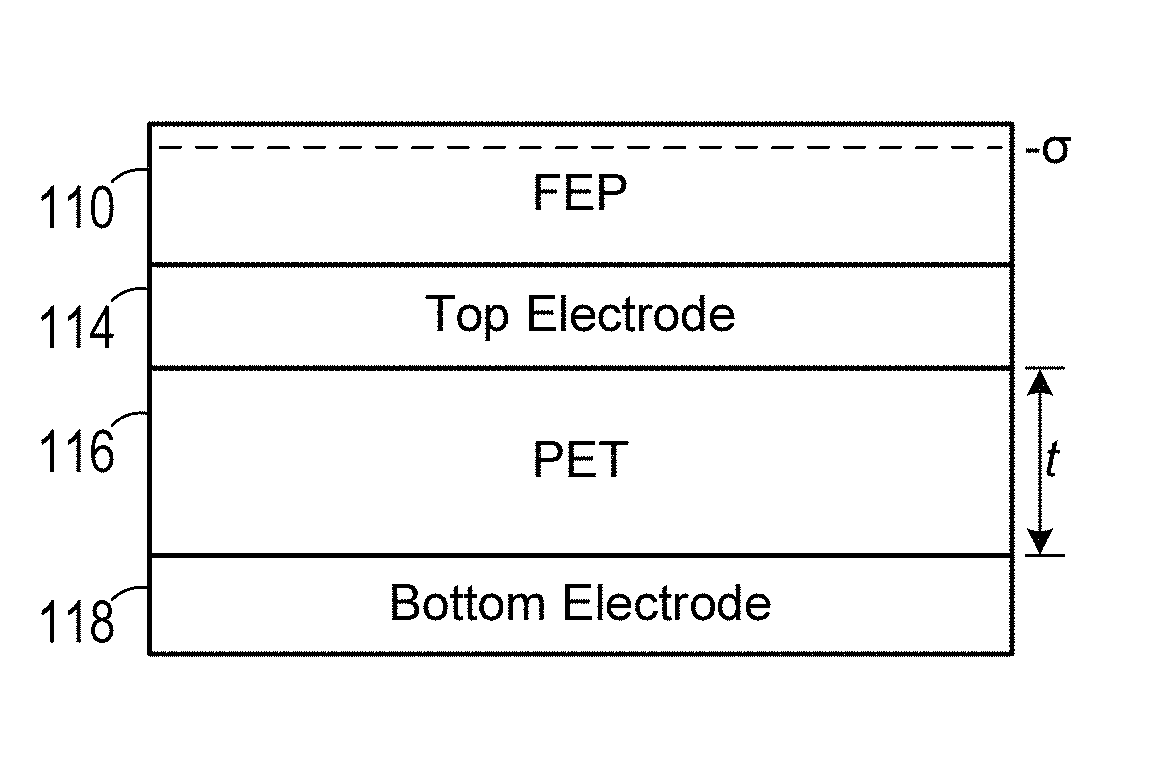
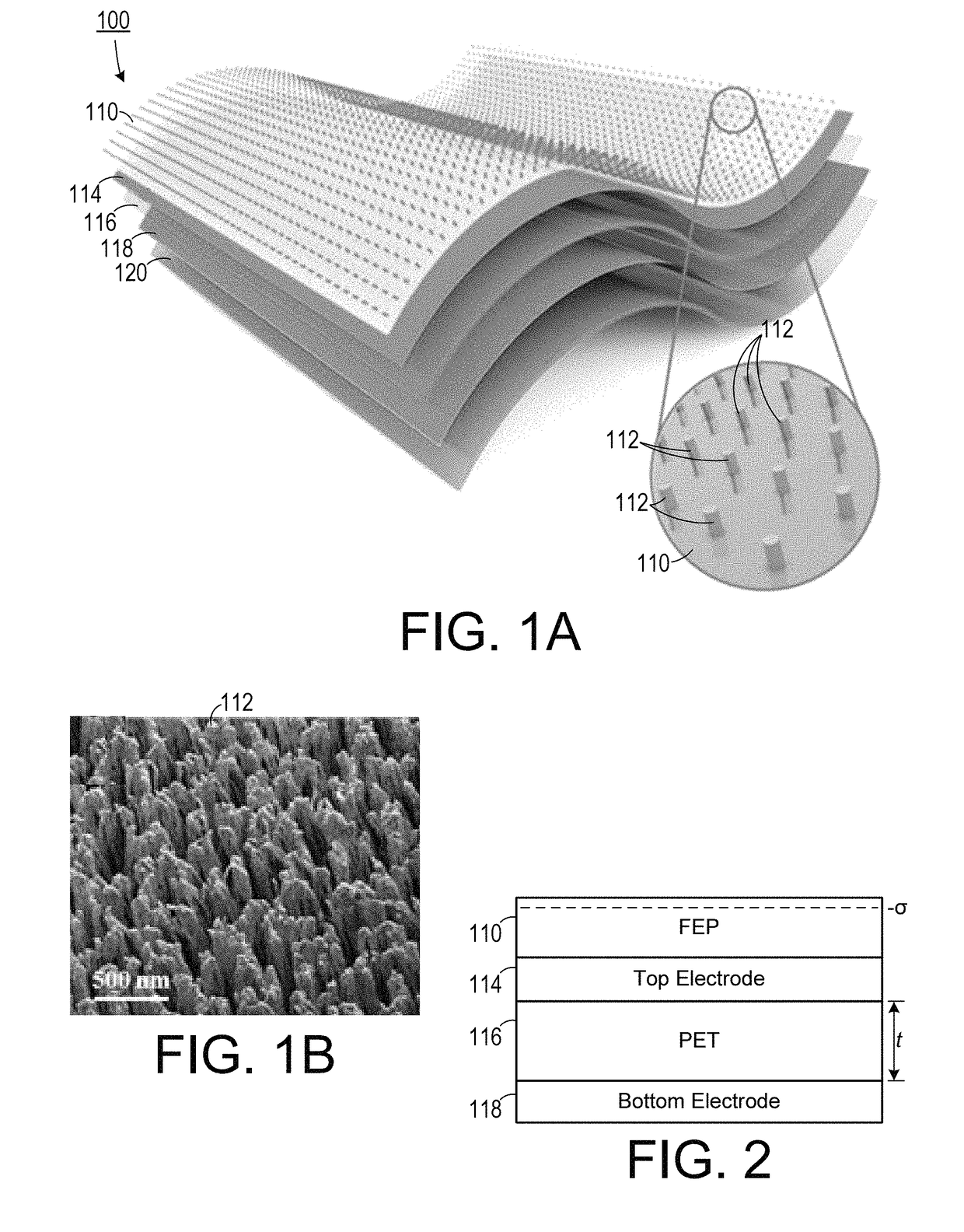
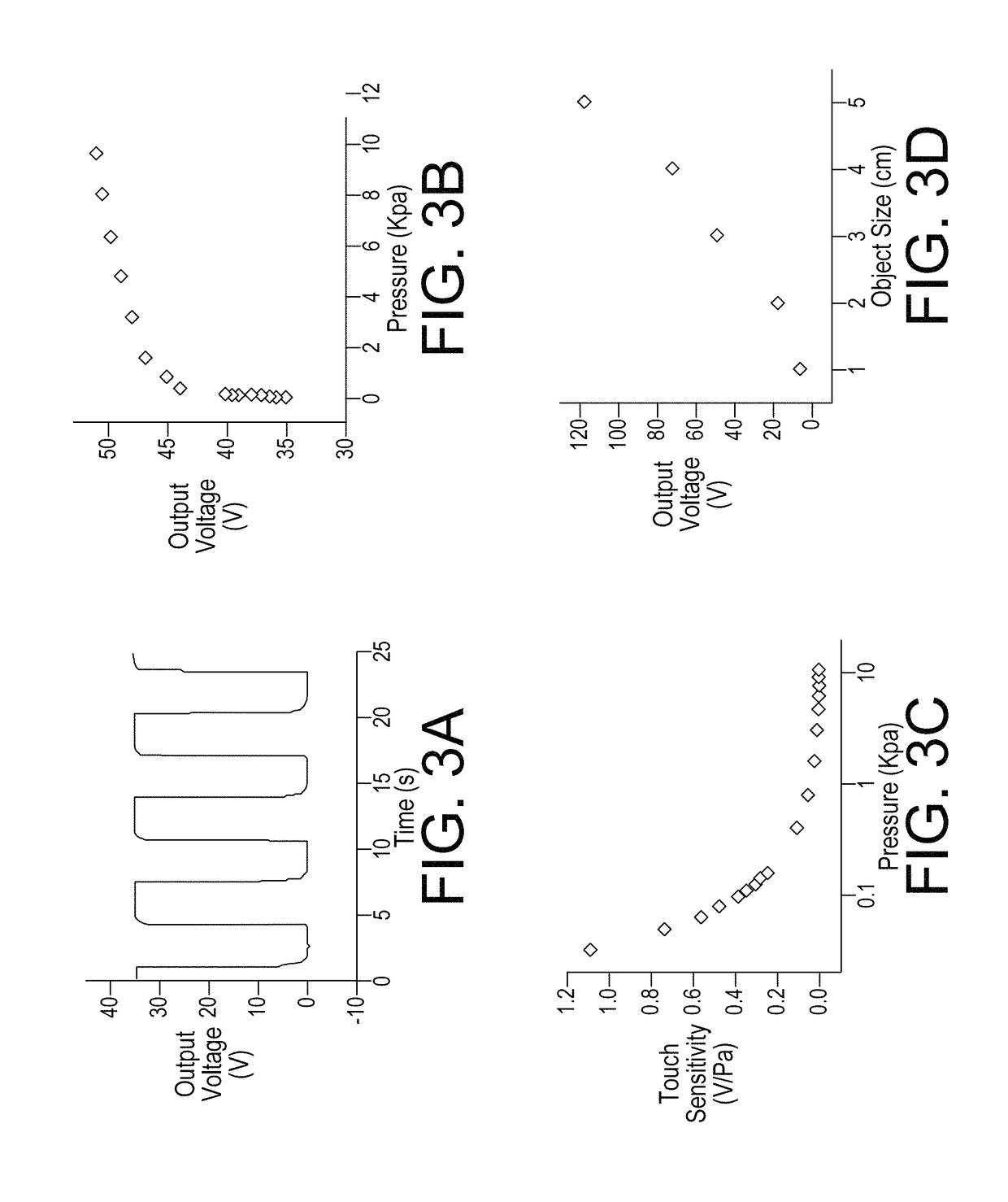
- A self-powered tactile sensor system utilizing a triboelectric layer, conductive layers, and a dielectric layer that generates an electric field upon contact, allowing for pressure sensitivity and user identification without external power, integrated with a signal-processing circuit for enhanced security and sensitivity.

Standardization Framework for EHD Tactile Sensors
The establishment of a comprehensive standardization framework for electrohydrodynamic tactile sensors represents a critical milestone in advancing the field's commercial viability and scientific rigor. This framework must address the fundamental challenge of creating universally accepted sensitivity standards that can accommodate the diverse applications and operational requirements of EHD tactile sensing technology.
The proposed standardization framework should encompass multiple hierarchical levels, beginning with basic performance metrics and extending to application-specific requirements. At the foundational level, the framework must define standardized testing protocols for sensitivity measurement, including controlled environmental conditions, calibrated reference stimuli, and reproducible measurement procedures. These protocols should specify the minimum detectable force thresholds, dynamic range requirements, and response time characteristics that constitute acceptable performance benchmarks.
A crucial component of this framework involves establishing classification systems for different sensor categories based on their intended applications. Medical-grade EHD tactile sensors require significantly higher sensitivity standards compared to industrial automation applications, necessitating tiered certification levels. The framework should delineate these categories clearly, with corresponding sensitivity thresholds, reliability requirements, and safety standards for each classification.
The standardization process must also address calibration methodologies and reference standards. This includes defining primary reference materials and measurement techniques that can serve as universal benchmarks across different laboratories and manufacturing facilities. The framework should specify the characteristics of standard test objects, force application methods, and environmental control parameters necessary for consistent sensitivity measurements.
Quality assurance protocols form another essential pillar of the standardization framework. These protocols should outline mandatory testing procedures for batch validation, long-term stability assessment, and performance degradation monitoring. The framework must establish acceptable tolerance ranges for sensitivity variations within production batches and define the statistical methods for evaluating sensor performance consistency.
International harmonization represents a significant challenge that the framework must address. Coordination with existing international standards organizations and alignment with related tactile sensing technologies will ensure global acceptance and facilitate cross-border technology transfer. The framework should incorporate provisions for periodic review and updates to accommodate technological advances and emerging application requirements.
Implementation guidelines constitute the final critical element, providing manufacturers with clear pathways for compliance verification and certification processes. These guidelines should specify the documentation requirements, testing facility qualifications, and audit procedures necessary for maintaining standardization compliance throughout the product lifecycle.
The proposed standardization framework should encompass multiple hierarchical levels, beginning with basic performance metrics and extending to application-specific requirements. At the foundational level, the framework must define standardized testing protocols for sensitivity measurement, including controlled environmental conditions, calibrated reference stimuli, and reproducible measurement procedures. These protocols should specify the minimum detectable force thresholds, dynamic range requirements, and response time characteristics that constitute acceptable performance benchmarks.
A crucial component of this framework involves establishing classification systems for different sensor categories based on their intended applications. Medical-grade EHD tactile sensors require significantly higher sensitivity standards compared to industrial automation applications, necessitating tiered certification levels. The framework should delineate these categories clearly, with corresponding sensitivity thresholds, reliability requirements, and safety standards for each classification.
The standardization process must also address calibration methodologies and reference standards. This includes defining primary reference materials and measurement techniques that can serve as universal benchmarks across different laboratories and manufacturing facilities. The framework should specify the characteristics of standard test objects, force application methods, and environmental control parameters necessary for consistent sensitivity measurements.
Quality assurance protocols form another essential pillar of the standardization framework. These protocols should outline mandatory testing procedures for batch validation, long-term stability assessment, and performance degradation monitoring. The framework must establish acceptable tolerance ranges for sensitivity variations within production batches and define the statistical methods for evaluating sensor performance consistency.
International harmonization represents a significant challenge that the framework must address. Coordination with existing international standards organizations and alignment with related tactile sensing technologies will ensure global acceptance and facilitate cross-border technology transfer. The framework should incorporate provisions for periodic review and updates to accommodate technological advances and emerging application requirements.
Implementation guidelines constitute the final critical element, providing manufacturers with clear pathways for compliance verification and certification processes. These guidelines should specify the documentation requirements, testing facility qualifications, and audit procedures necessary for maintaining standardization compliance throughout the product lifecycle.
Safety Protocols for Electrohydrodynamic Devices
The development and deployment of electrohydrodynamic (EHD) tactile sensors necessitate comprehensive safety protocols to mitigate potential risks associated with high-voltage operations and fluid handling systems. These protocols must address both immediate operational hazards and long-term exposure considerations for personnel working with EHD devices.
Electrical safety represents the primary concern in EHD tactile sensor operations. Personnel must implement strict lockout/tagout procedures before conducting maintenance or calibration activities. All high-voltage components require proper insulation and grounding systems, with mandatory use of personal protective equipment including insulated gloves rated for the specific voltage levels employed. Emergency shutdown mechanisms must be readily accessible and clearly marked throughout the operational area.
Fluid handling protocols are equally critical, particularly when dealing with dielectric fluids that may pose health or environmental risks. Proper ventilation systems must maintain adequate air circulation to prevent accumulation of potentially harmful vapors. Spill containment procedures should include immediate isolation protocols and appropriate cleanup materials specifically designed for the dielectric fluids used in the sensor systems.
Personnel training requirements encompass both theoretical understanding and practical competency verification. Operators must demonstrate proficiency in recognizing electrical hazards, understanding fluid properties, and executing emergency response procedures. Regular refresher training ensures continued compliance with evolving safety standards and technological updates.
Environmental monitoring protocols require continuous assessment of electromagnetic field exposure levels and air quality parameters. Automated monitoring systems should trigger alerts when predetermined threshold values are exceeded, initiating immediate protective measures. Documentation of exposure levels provides essential data for long-term health surveillance and regulatory compliance.
Equipment inspection schedules must include regular verification of insulation integrity, fluid containment systems, and emergency safety devices. Preventive maintenance protocols should address potential failure modes specific to EHD systems, including dielectric breakdown, fluid contamination, and electrode degradation. These comprehensive safety measures ensure reliable operation while protecting personnel and maintaining regulatory compliance throughout the sensor development and deployment phases.
Electrical safety represents the primary concern in EHD tactile sensor operations. Personnel must implement strict lockout/tagout procedures before conducting maintenance or calibration activities. All high-voltage components require proper insulation and grounding systems, with mandatory use of personal protective equipment including insulated gloves rated for the specific voltage levels employed. Emergency shutdown mechanisms must be readily accessible and clearly marked throughout the operational area.
Fluid handling protocols are equally critical, particularly when dealing with dielectric fluids that may pose health or environmental risks. Proper ventilation systems must maintain adequate air circulation to prevent accumulation of potentially harmful vapors. Spill containment procedures should include immediate isolation protocols and appropriate cleanup materials specifically designed for the dielectric fluids used in the sensor systems.
Personnel training requirements encompass both theoretical understanding and practical competency verification. Operators must demonstrate proficiency in recognizing electrical hazards, understanding fluid properties, and executing emergency response procedures. Regular refresher training ensures continued compliance with evolving safety standards and technological updates.
Environmental monitoring protocols require continuous assessment of electromagnetic field exposure levels and air quality parameters. Automated monitoring systems should trigger alerts when predetermined threshold values are exceeded, initiating immediate protective measures. Documentation of exposure levels provides essential data for long-term health surveillance and regulatory compliance.
Equipment inspection schedules must include regular verification of insulation integrity, fluid containment systems, and emergency safety devices. Preventive maintenance protocols should address potential failure modes specific to EHD systems, including dielectric breakdown, fluid contamination, and electrode degradation. These comprehensive safety measures ensure reliable operation while protecting personnel and maintaining regulatory compliance throughout the sensor development and deployment phases.
Unlock deeper insights with Patsnap Eureka Quick Research — get a full tech report to explore trends and direct your research. Try now!
Generate Your Research Report Instantly with AI Agent
Supercharge your innovation with Patsnap Eureka AI Agent Platform!