

Developing Eco-Friendly Solutions with Laser Engineered Net Shaping
APR 1, 202610 MIN READ
Generate Your Research Report Instantly with AI Agent
PatSnap Eureka helps you evaluate technical feasibility & market potential.
LENS Eco-Friendly Development Background and Objectives
Laser Engineered Net Shaping (LENS) technology has emerged as a transformative additive manufacturing process that builds three-dimensional components through the simultaneous deposition and fusion of metallic powders using high-powered laser beams. Originally developed in the 1990s at Sandia National Laboratories, LENS has evolved from a research curiosity into a viable industrial manufacturing solution, particularly gaining momentum in aerospace, automotive, and medical device sectors where precision and material properties are paramount.
The historical trajectory of LENS technology reflects broader shifts in manufacturing paradigms, moving from traditional subtractive processes toward additive approaches that minimize material waste and enable complex geometries. Early implementations focused primarily on rapid prototyping and tooling applications, but technological maturation has expanded its utility to direct part production and repair operations. This evolution coincides with growing environmental consciousness across industries, creating unprecedented opportunities for sustainable manufacturing solutions.
Current environmental pressures and regulatory frameworks are driving unprecedented demand for eco-friendly manufacturing alternatives. Traditional manufacturing processes often generate substantial material waste, consume excessive energy, and rely on environmentally harmful chemicals and processes. The manufacturing sector faces increasing scrutiny regarding carbon footprints, waste generation, and resource utilization efficiency, particularly as global sustainability initiatives gain momentum and regulatory compliance becomes more stringent.
The convergence of LENS technology capabilities with environmental sustainability requirements presents a unique opportunity to address multiple industrial challenges simultaneously. LENS processes inherently reduce material waste through near-net-shape manufacturing, eliminate many traditional machining operations, and enable local production that reduces transportation-related emissions. Additionally, the technology's ability to work with recycled materials and create lightweight structures aligns perfectly with circular economy principles.
The primary objective of developing eco-friendly LENS solutions centers on maximizing environmental benefits while maintaining or enhancing manufacturing performance metrics. This involves optimizing powder utilization rates to minimize waste, developing energy-efficient laser systems and process parameters, and expanding material compatibility to include recycled and bio-based feedstocks. Secondary objectives include reducing post-processing requirements, enabling distributed manufacturing to decrease logistics impacts, and creating closed-loop material systems.
Strategic goals encompass establishing LENS as a cornerstone technology for sustainable manufacturing ecosystems. This includes developing comprehensive lifecycle assessment methodologies specific to LENS processes, creating industry standards for eco-friendly additive manufacturing practices, and fostering collaborative networks between technology developers, material suppliers, and end-users to accelerate sustainable innovation adoption across diverse industrial sectors.
The historical trajectory of LENS technology reflects broader shifts in manufacturing paradigms, moving from traditional subtractive processes toward additive approaches that minimize material waste and enable complex geometries. Early implementations focused primarily on rapid prototyping and tooling applications, but technological maturation has expanded its utility to direct part production and repair operations. This evolution coincides with growing environmental consciousness across industries, creating unprecedented opportunities for sustainable manufacturing solutions.
Current environmental pressures and regulatory frameworks are driving unprecedented demand for eco-friendly manufacturing alternatives. Traditional manufacturing processes often generate substantial material waste, consume excessive energy, and rely on environmentally harmful chemicals and processes. The manufacturing sector faces increasing scrutiny regarding carbon footprints, waste generation, and resource utilization efficiency, particularly as global sustainability initiatives gain momentum and regulatory compliance becomes more stringent.
The convergence of LENS technology capabilities with environmental sustainability requirements presents a unique opportunity to address multiple industrial challenges simultaneously. LENS processes inherently reduce material waste through near-net-shape manufacturing, eliminate many traditional machining operations, and enable local production that reduces transportation-related emissions. Additionally, the technology's ability to work with recycled materials and create lightweight structures aligns perfectly with circular economy principles.
The primary objective of developing eco-friendly LENS solutions centers on maximizing environmental benefits while maintaining or enhancing manufacturing performance metrics. This involves optimizing powder utilization rates to minimize waste, developing energy-efficient laser systems and process parameters, and expanding material compatibility to include recycled and bio-based feedstocks. Secondary objectives include reducing post-processing requirements, enabling distributed manufacturing to decrease logistics impacts, and creating closed-loop material systems.
Strategic goals encompass establishing LENS as a cornerstone technology for sustainable manufacturing ecosystems. This includes developing comprehensive lifecycle assessment methodologies specific to LENS processes, creating industry standards for eco-friendly additive manufacturing practices, and fostering collaborative networks between technology developers, material suppliers, and end-users to accelerate sustainable innovation adoption across diverse industrial sectors.
Market Demand for Sustainable LENS Manufacturing
The global manufacturing industry is experiencing an unprecedented shift toward sustainable production methods, driven by increasingly stringent environmental regulations and growing corporate sustainability commitments. Traditional manufacturing processes, particularly in aerospace, automotive, and medical device sectors, face mounting pressure to reduce material waste, energy consumption, and carbon emissions. This environmental imperative has created substantial market demand for advanced manufacturing technologies that can deliver both performance and sustainability.
Laser Engineered Net Shaping technology addresses critical sustainability challenges inherent in conventional manufacturing approaches. Unlike traditional subtractive manufacturing methods that generate significant material waste through machining and cutting operations, LENS enables near-net-shape production with material utilization rates exceeding ninety percent. This efficiency translates directly into reduced raw material consumption and waste generation, aligning with circular economy principles increasingly adopted by major manufacturers.
The aerospace industry represents a particularly compelling market segment for sustainable LENS applications. Aircraft manufacturers face dual pressures of weight reduction requirements and environmental compliance mandates. LENS technology enables the production of lightweight, complex geometries using advanced materials while minimizing the environmental footprint associated with traditional manufacturing processes. The ability to repair and refurbish high-value components rather than replacing them entirely further enhances the sustainability value proposition.
Energy sector applications demonstrate another significant market opportunity for eco-friendly LENS manufacturing. Wind turbine component production, geothermal system parts, and solar energy infrastructure components benefit from LENS capabilities to create durable, high-performance parts with reduced material waste. The technology's ability to work with recycled metal powders further enhances its environmental credentials in these applications.
Regulatory frameworks worldwide are increasingly favoring manufacturing processes that demonstrate measurable environmental benefits. Carbon pricing mechanisms, extended producer responsibility regulations, and green procurement policies create economic incentives for adopting sustainable manufacturing technologies like LENS. Companies implementing eco-friendly LENS solutions can achieve compliance advantages while potentially accessing green financing options and sustainability-focused investment capital.
Market research indicates growing customer willingness to pay premium prices for products manufactured using environmentally responsible processes. This trend is particularly pronounced in consumer-facing industries where brand sustainability credentials influence purchasing decisions. LENS technology enables manufacturers to differentiate their products based on sustainable production methods while maintaining or improving performance characteristics.
Laser Engineered Net Shaping technology addresses critical sustainability challenges inherent in conventional manufacturing approaches. Unlike traditional subtractive manufacturing methods that generate significant material waste through machining and cutting operations, LENS enables near-net-shape production with material utilization rates exceeding ninety percent. This efficiency translates directly into reduced raw material consumption and waste generation, aligning with circular economy principles increasingly adopted by major manufacturers.
The aerospace industry represents a particularly compelling market segment for sustainable LENS applications. Aircraft manufacturers face dual pressures of weight reduction requirements and environmental compliance mandates. LENS technology enables the production of lightweight, complex geometries using advanced materials while minimizing the environmental footprint associated with traditional manufacturing processes. The ability to repair and refurbish high-value components rather than replacing them entirely further enhances the sustainability value proposition.
Energy sector applications demonstrate another significant market opportunity for eco-friendly LENS manufacturing. Wind turbine component production, geothermal system parts, and solar energy infrastructure components benefit from LENS capabilities to create durable, high-performance parts with reduced material waste. The technology's ability to work with recycled metal powders further enhances its environmental credentials in these applications.
Regulatory frameworks worldwide are increasingly favoring manufacturing processes that demonstrate measurable environmental benefits. Carbon pricing mechanisms, extended producer responsibility regulations, and green procurement policies create economic incentives for adopting sustainable manufacturing technologies like LENS. Companies implementing eco-friendly LENS solutions can achieve compliance advantages while potentially accessing green financing options and sustainability-focused investment capital.
Market research indicates growing customer willingness to pay premium prices for products manufactured using environmentally responsible processes. This trend is particularly pronounced in consumer-facing industries where brand sustainability credentials influence purchasing decisions. LENS technology enables manufacturers to differentiate their products based on sustainable production methods while maintaining or improving performance characteristics.
Current LENS Environmental Impact and Green Challenges
Laser Engineered Net Shaping technology currently faces significant environmental challenges that require immediate attention from both industry practitioners and regulatory bodies. The primary environmental concern stems from the energy-intensive nature of the laser systems, which typically consume substantial amounts of electricity during operation. High-powered fiber lasers and CO2 lasers used in LENS processes can draw between 10-50 kW of power, resulting in considerable carbon footprints when powered by non-renewable energy sources.
Material waste generation represents another critical environmental challenge in current LENS implementations. Despite the additive nature of the technology, powder utilization rates often fall below 60% in many applications, with unused powder requiring careful handling and recycling protocols. The metallic powders used in LENS processes, particularly titanium, nickel-based superalloys, and stainless steel variants, involve energy-intensive production methods that contribute to upstream environmental impacts.
Atmospheric emissions during LENS operations pose additional environmental concerns. The process generates metal fumes, volatile organic compounds, and particulate matter that require sophisticated filtration systems. Current ventilation and capture systems, while effective for worker safety, often consume significant energy and may not achieve optimal efficiency in containing all emissions, particularly ultrafine particles that can escape conventional filtration methods.
The thermal management requirements of LENS systems contribute substantially to their environmental footprint. Cooling systems necessary to maintain optimal laser performance and prevent substrate overheating typically rely on energy-intensive chillers or water circulation systems. These cooling requirements can account for 20-30% of the total energy consumption during LENS operations, representing a significant opportunity for environmental improvement.
Waste heat recovery remains largely underutilized in current LENS implementations. The substantial thermal energy generated during the laser melting process is typically dissipated without capture or reuse, representing a missed opportunity for energy efficiency improvements. This waste heat could potentially be recovered for facility heating or other industrial processes, but current system designs rarely incorporate such capabilities.
Supply chain environmental impacts present ongoing challenges for LENS technology adoption. The specialized metal powders required for LENS processes often involve complex manufacturing chains with significant transportation requirements. The need for high-purity, spherical powders necessitates additional processing steps compared to conventional manufacturing materials, increasing the overall environmental burden of the raw materials.
Current regulatory frameworks struggle to address the unique environmental aspects of LENS technology. Existing environmental regulations were primarily designed for conventional manufacturing processes and may not adequately address the specific emissions profiles, waste streams, and energy consumption patterns characteristic of laser-based additive manufacturing systems.
Material waste generation represents another critical environmental challenge in current LENS implementations. Despite the additive nature of the technology, powder utilization rates often fall below 60% in many applications, with unused powder requiring careful handling and recycling protocols. The metallic powders used in LENS processes, particularly titanium, nickel-based superalloys, and stainless steel variants, involve energy-intensive production methods that contribute to upstream environmental impacts.
Atmospheric emissions during LENS operations pose additional environmental concerns. The process generates metal fumes, volatile organic compounds, and particulate matter that require sophisticated filtration systems. Current ventilation and capture systems, while effective for worker safety, often consume significant energy and may not achieve optimal efficiency in containing all emissions, particularly ultrafine particles that can escape conventional filtration methods.
The thermal management requirements of LENS systems contribute substantially to their environmental footprint. Cooling systems necessary to maintain optimal laser performance and prevent substrate overheating typically rely on energy-intensive chillers or water circulation systems. These cooling requirements can account for 20-30% of the total energy consumption during LENS operations, representing a significant opportunity for environmental improvement.
Waste heat recovery remains largely underutilized in current LENS implementations. The substantial thermal energy generated during the laser melting process is typically dissipated without capture or reuse, representing a missed opportunity for energy efficiency improvements. This waste heat could potentially be recovered for facility heating or other industrial processes, but current system designs rarely incorporate such capabilities.
Supply chain environmental impacts present ongoing challenges for LENS technology adoption. The specialized metal powders required for LENS processes often involve complex manufacturing chains with significant transportation requirements. The need for high-purity, spherical powders necessitates additional processing steps compared to conventional manufacturing materials, increasing the overall environmental burden of the raw materials.
Current regulatory frameworks struggle to address the unique environmental aspects of LENS technology. Existing environmental regulations were primarily designed for conventional manufacturing processes and may not adequately address the specific emissions profiles, waste streams, and energy consumption patterns characteristic of laser-based additive manufacturing systems.
Existing Eco-Friendly LENS Process Solutions
01 Sustainable material development for additive manufacturing
Development of eco-friendly materials specifically designed for laser engineered net shaping processes, including biodegradable polymers, recycled metal powders, and bio-based composites. These materials reduce environmental impact while maintaining structural integrity and performance characteristics required for additive manufacturing applications.- Sustainable material development for additive manufacturing: Development of eco-friendly materials specifically designed for laser engineered net shaping processes, including biodegradable polymers, recycled metal powders, and bio-based composites. These materials reduce environmental impact while maintaining structural integrity and performance characteristics required for additive manufacturing applications.
- Energy-efficient laser processing systems: Implementation of energy-saving technologies in laser engineered net shaping equipment, including optimized laser power management, reduced heat generation, and improved thermal efficiency. These systems minimize energy consumption during the manufacturing process while maintaining precision and quality of the final products.
- Waste reduction and material recycling methods: Techniques for minimizing material waste during laser net shaping processes and systems for recycling unused powder materials. These methods include powder recovery systems, reprocessing protocols, and closed-loop manufacturing approaches that significantly reduce material consumption and environmental footprint.
- Green manufacturing process optimization: Advanced process control strategies that optimize laser parameters, scanning patterns, and deposition rates to minimize environmental impact. These optimizations reduce emissions, decrease processing time, and lower overall carbon footprint while improving part quality and manufacturing efficiency.
- Environmental monitoring and emission control: Integration of monitoring systems and filtration technologies to control and reduce emissions generated during laser engineered net shaping operations. These systems track air quality, capture particulate matter, and manage hazardous byproducts to ensure compliance with environmental regulations and workplace safety standards.
02 Energy-efficient laser processing systems
Implementation of energy-saving technologies in laser engineered net shaping equipment, including optimized laser power management, reduced heat generation, and improved thermal efficiency. These systems minimize energy consumption during the manufacturing process while maintaining precision and quality of the final products.Expand Specific Solutions03 Waste reduction and material recycling methods
Techniques for minimizing material waste during laser net shaping processes and methods for recycling unused powder materials. This includes powder recovery systems, reprocessing protocols, and closed-loop manufacturing systems that enable reuse of excess materials, significantly reducing environmental footprint.Expand Specific Solutions04 Green manufacturing process optimization
Optimization strategies for laser engineered net shaping that reduce carbon emissions and environmental impact, including process parameter adjustments, reduced support structure requirements, and minimized post-processing needs. These approaches enhance sustainability throughout the entire manufacturing lifecycle.Expand Specific Solutions05 Environmental monitoring and control systems
Integration of monitoring systems to track and control environmental parameters during laser net shaping operations, including emission control, air quality management, and real-time environmental impact assessment. These systems ensure compliance with environmental regulations and promote sustainable manufacturing practices.Expand Specific Solutions
Key Players in Green LENS and Eco-Manufacturing Industry
The eco-friendly laser engineered net shaping (LENS) technology landscape represents an emerging market in the early growth stage, characterized by diverse industrial participation and moderate technological maturity. The market encompasses traditional manufacturing giants like Siemens AG and Rolls-Royce Plc alongside specialized materials companies such as Wolfspeed and Smarter Alloys, indicating strong cross-industry interest in sustainable additive manufacturing solutions. Research institutions including Northwestern University, Sichuan University, and Centre National de la Recherche Scientifique are driving fundamental innovations, while companies like Eastman Kodak and Seiko Epson contribute advanced materials expertise. The technology maturity varies significantly across applications, with aerospace and automotive sectors showing more advanced implementation through established players, while newer entrants focus on specialized eco-friendly materials and processes, suggesting a fragmented but rapidly evolving competitive environment.
Northwestern University
Technical Solution: Northwestern University has pioneered research in sustainable LENS processes focusing on bio-compatible and biodegradable materials for medical and environmental applications. Their innovative approach combines LENS technology with green chemistry principles to process materials derived from renewable sources including plant-based polymers and recycled biomedical metals. The research team has developed novel powder formulations that reduce processing temperatures and energy requirements while maintaining mechanical properties suitable for demanding applications. Their work includes development of water-soluble support materials that eliminate the need for chemical removal processes, significantly reducing environmental impact. The university's interdisciplinary approach integrates materials science, environmental engineering, and biomedical applications to create truly sustainable manufacturing solutions.
Strengths: Cutting-edge research capabilities, interdisciplinary expertise, strong focus on sustainability and biocompatibility. Weaknesses: Limited commercial production experience, technology primarily in research and development phase.
Laser Fusion Research Center of China Academy of Engineering Physics
Technical Solution: The center has developed advanced laser-based additive manufacturing systems that integrate eco-friendly materials processing with LENS technology. Their approach focuses on reducing material waste through precise powder deposition control, achieving material utilization rates exceeding 95%. The system incorporates real-time monitoring and adaptive control algorithms to optimize energy consumption during the laser melting process. They have successfully demonstrated the production of complex geometries using recycled metal powders and bio-compatible materials, significantly reducing the environmental footprint of manufacturing processes. The technology enables on-demand production capabilities, eliminating the need for extensive inventory and reducing transportation-related emissions.
Strengths: Advanced laser control systems, high material utilization efficiency, strong research capabilities in laser physics. Weaknesses: Limited commercial scalability, primarily focused on research applications rather than industrial production.
Core Green Innovations in LENS Technology Patents
Methods and systems for processing materials, including shape memory materials
PatentActiveUS20160068938A1
Innovation
- A method involving localized energy application, such as laser treatment, to alter the local chemistry and structure of shape memory materials, allowing for the creation of areas with distinct transformation temperatures and improved pseudo-elastic properties, while maintaining the overall material's properties.


Laser consolidation apparatus for manufacturing precise structures
PatentInactiveUS20030116542A1
Innovation
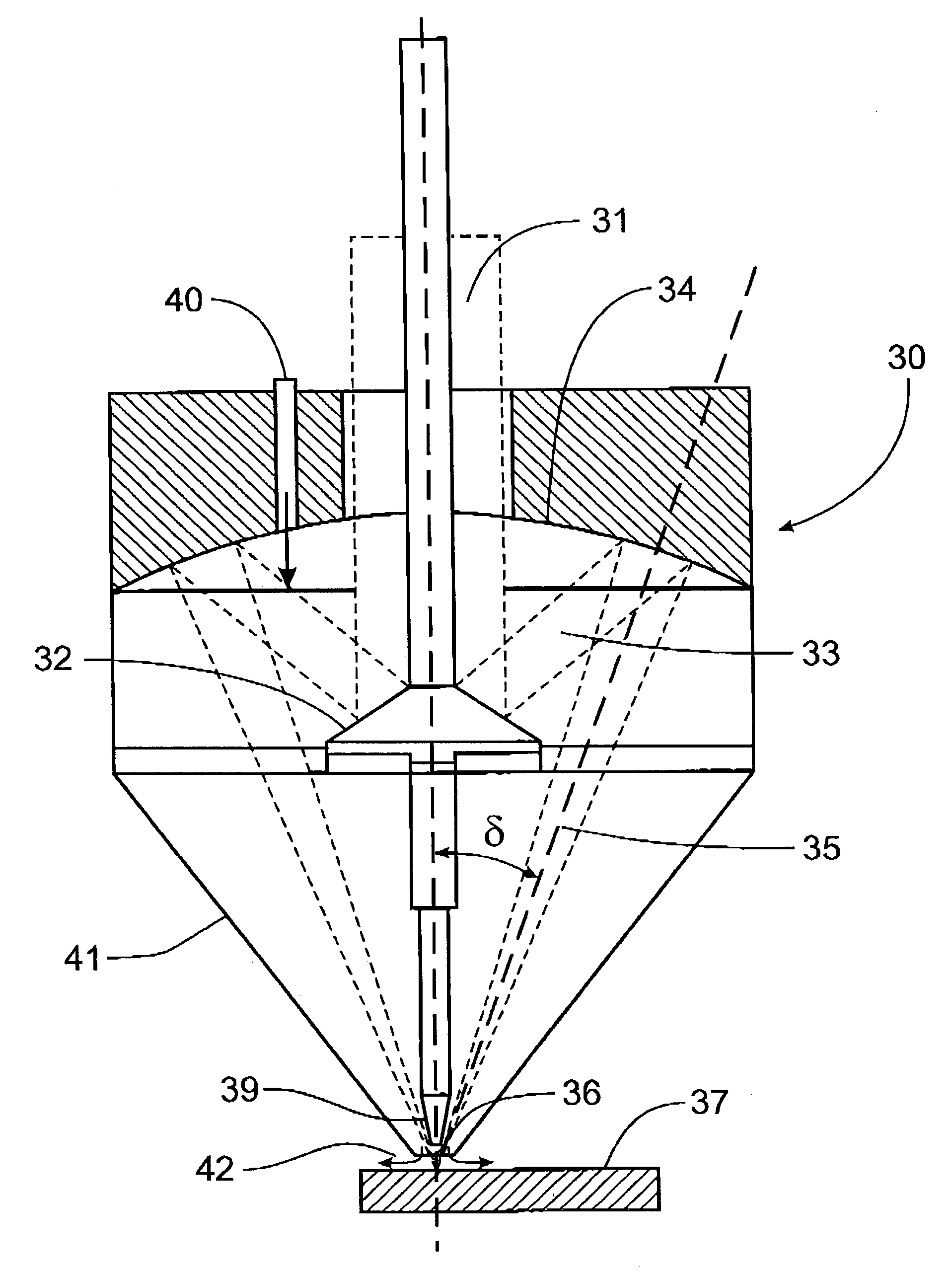
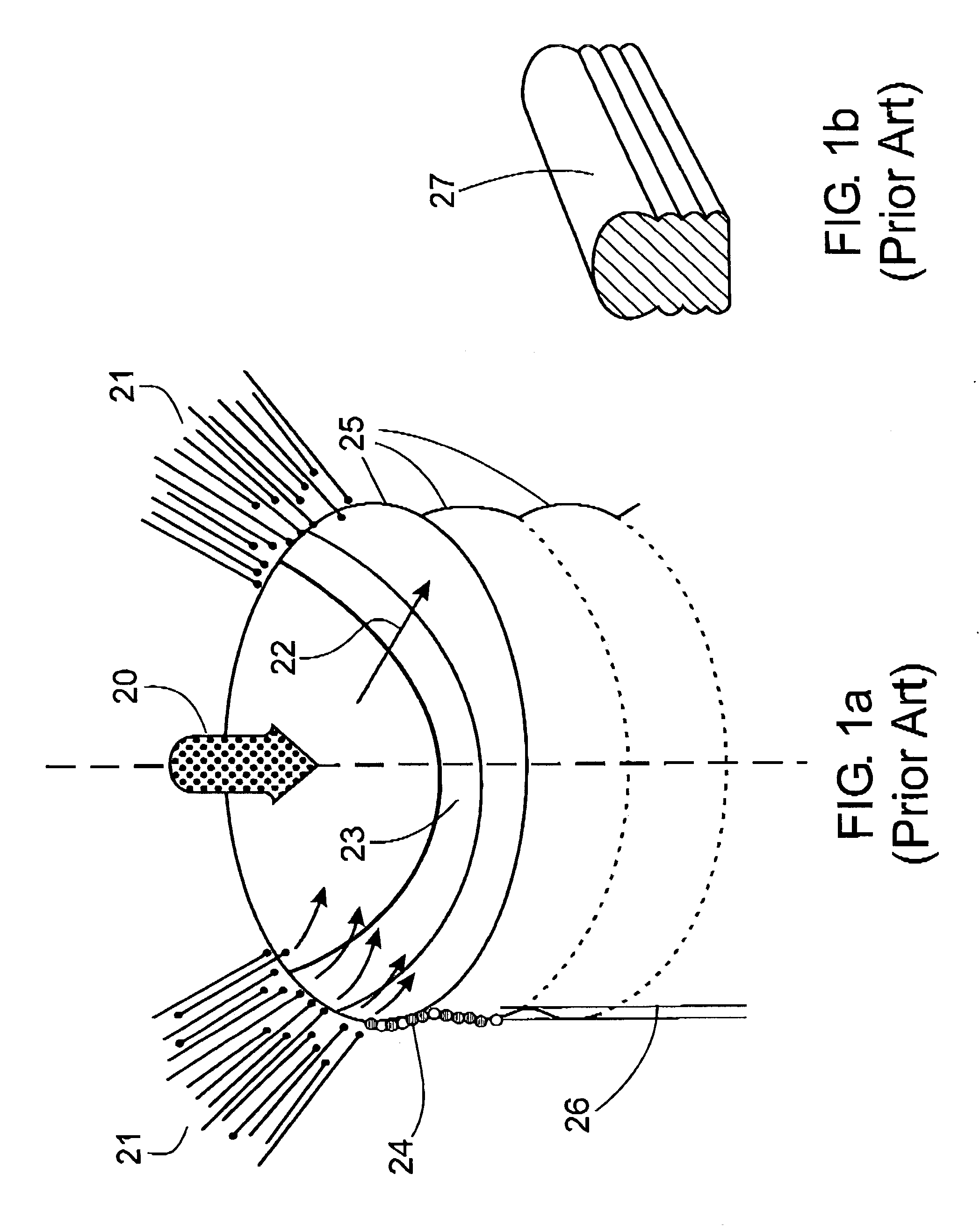
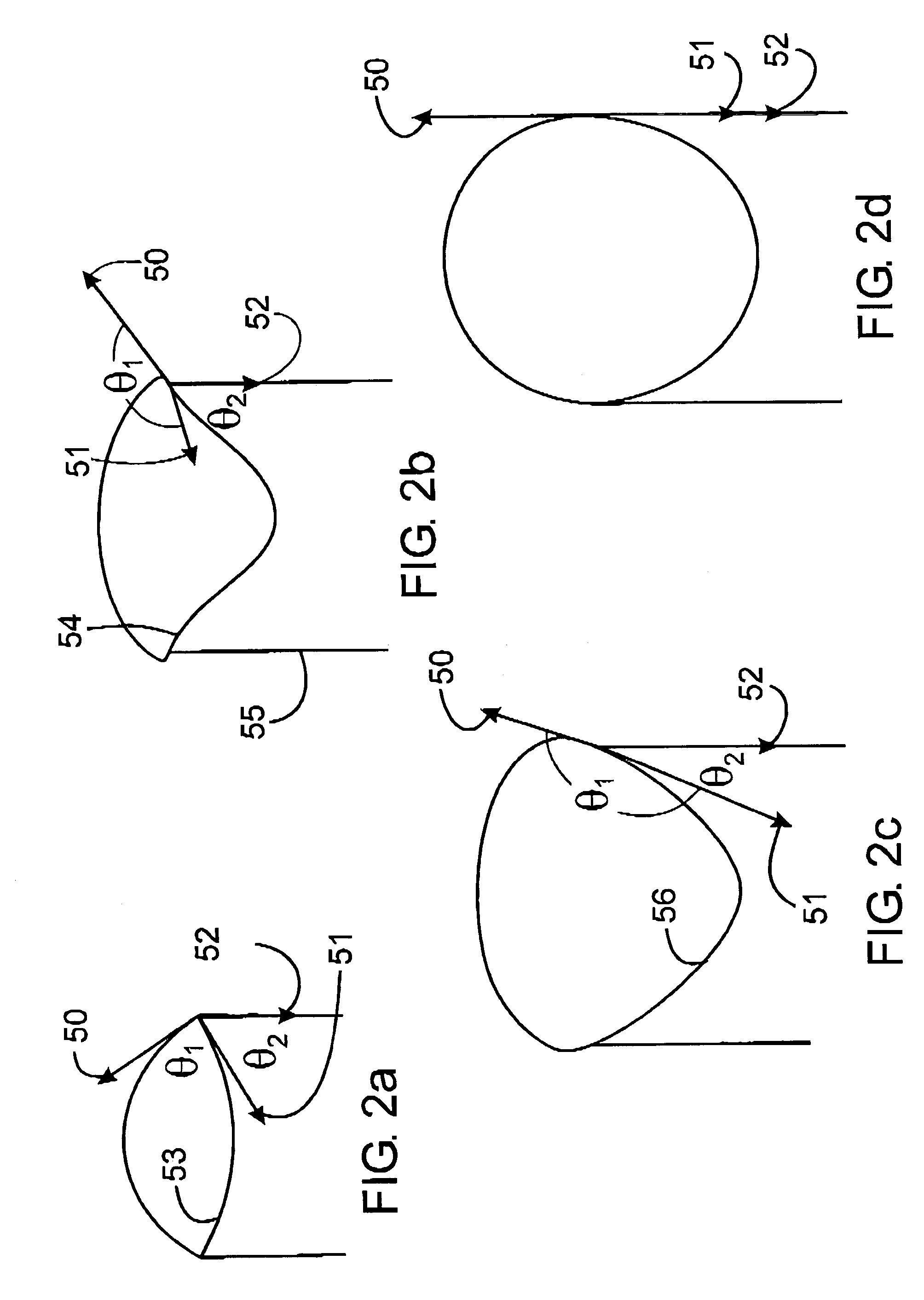
- A laser consolidation method where laser energy enters the molten pool at an angle of about 30 degrees symmetrically around the pool, and metallic powder is injected vertically at the top, creating a uniform temperature and surface tension, allowing for precise control of the melt pool shape and surface finish.

Environmental Regulations for LENS Manufacturing
The regulatory landscape for Laser Engineered Net Shaping (LENS) manufacturing is rapidly evolving as environmental concerns intensify globally. Current environmental regulations primarily focus on air quality standards, waste management protocols, and energy consumption limits. The Environmental Protection Agency (EPA) in the United States has established guidelines for metal powder handling and airborne particulate emissions, which directly impact LENS operations. Similar regulatory frameworks exist in the European Union under the Industrial Emissions Directive and REACH regulations.
Powder management represents a critical regulatory focus area for LENS manufacturing. Regulations mandate strict containment protocols for metal powders to prevent environmental contamination and worker exposure. The Occupational Safety and Health Administration (OSHA) has implemented specific standards for powder handling, storage, and disposal. These regulations require comprehensive dust collection systems, proper ventilation, and regular monitoring of airborne particulate levels during LENS operations.
Energy consumption regulations are becoming increasingly stringent as governments push for carbon neutrality goals. LENS manufacturers must comply with energy efficiency standards and carbon emission reporting requirements. The European Union's Energy Efficiency Directive and similar legislation in other regions mandate energy audits and implementation of energy management systems for industrial manufacturing processes, including additive manufacturing technologies.
Waste stream management regulations significantly impact LENS operations, particularly regarding unused powder recycling and support material disposal. Environmental agencies require detailed documentation of waste generation, treatment, and disposal methods. The Resource Conservation and Recovery Act (RCRA) in the United States classifies certain metal powders as hazardous materials, necessitating specialized handling and disposal procedures.
Emerging regulations focus on lifecycle environmental impact assessment and circular economy principles. New legislative frameworks require manufacturers to demonstrate environmental sustainability throughout the entire LENS process, from raw material sourcing to end-of-life product disposal. These regulations emphasize material traceability, recycling capabilities, and environmental impact reduction strategies.
Compliance challenges include varying international standards, frequent regulatory updates, and the need for comprehensive environmental monitoring systems. LENS manufacturers must navigate complex multi-jurisdictional requirements while maintaining operational efficiency and cost-effectiveness in their eco-friendly manufacturing processes.
Powder management represents a critical regulatory focus area for LENS manufacturing. Regulations mandate strict containment protocols for metal powders to prevent environmental contamination and worker exposure. The Occupational Safety and Health Administration (OSHA) has implemented specific standards for powder handling, storage, and disposal. These regulations require comprehensive dust collection systems, proper ventilation, and regular monitoring of airborne particulate levels during LENS operations.
Energy consumption regulations are becoming increasingly stringent as governments push for carbon neutrality goals. LENS manufacturers must comply with energy efficiency standards and carbon emission reporting requirements. The European Union's Energy Efficiency Directive and similar legislation in other regions mandate energy audits and implementation of energy management systems for industrial manufacturing processes, including additive manufacturing technologies.
Waste stream management regulations significantly impact LENS operations, particularly regarding unused powder recycling and support material disposal. Environmental agencies require detailed documentation of waste generation, treatment, and disposal methods. The Resource Conservation and Recovery Act (RCRA) in the United States classifies certain metal powders as hazardous materials, necessitating specialized handling and disposal procedures.
Emerging regulations focus on lifecycle environmental impact assessment and circular economy principles. New legislative frameworks require manufacturers to demonstrate environmental sustainability throughout the entire LENS process, from raw material sourcing to end-of-life product disposal. These regulations emphasize material traceability, recycling capabilities, and environmental impact reduction strategies.
Compliance challenges include varying international standards, frequent regulatory updates, and the need for comprehensive environmental monitoring systems. LENS manufacturers must navigate complex multi-jurisdictional requirements while maintaining operational efficiency and cost-effectiveness in their eco-friendly manufacturing processes.
Life Cycle Assessment of LENS Eco-Solutions
Life Cycle Assessment (LCA) represents a critical methodology for evaluating the environmental impact of LENS-based eco-friendly solutions throughout their entire lifecycle. This comprehensive assessment framework enables quantitative analysis of environmental burdens from raw material extraction through manufacturing, use phase, and end-of-life disposal or recycling. For LENS technology applications, LCA provides essential insights into the true environmental benefits and potential trade-offs associated with additive manufacturing approaches.
The assessment begins with material extraction and processing phases, where LENS demonstrates significant advantages through reduced material waste compared to traditional subtractive manufacturing. Metal powder feedstock utilization rates in LENS processes typically exceed 95%, substantially minimizing raw material consumption. However, the energy-intensive nature of powder production and the specialized alloy requirements must be carefully evaluated against these material efficiency gains.
Manufacturing phase analysis reveals complex environmental dynamics specific to LENS operations. While the technology eliminates traditional tooling requirements and reduces manufacturing steps, laser energy consumption and inert gas usage present notable environmental considerations. The ability to produce near-net-shape components directly from digital designs significantly reduces secondary machining operations, contributing to overall energy savings and waste reduction.
Use phase environmental benefits emerge prominently in LENS applications, particularly for lightweight aerospace and automotive components. The technology's capability to create complex internal geometries and functionally graded materials enables weight reduction strategies that translate to substantial fuel savings and emission reductions over component lifespans. Additionally, LENS-produced parts often exhibit enhanced performance characteristics, potentially extending service life and reducing replacement frequency.
End-of-life considerations highlight LENS technology's circular economy potential. Components manufactured through LENS processes maintain material purity and composition control, facilitating more effective recycling and remanufacturing processes. The technology's ability to repair and refurbish high-value components through selective material addition presents unique sustainability advantages, extending product lifecycles and reducing waste generation.
Comparative LCA studies consistently demonstrate LENS technology's environmental advantages for low-volume, high-complexity applications. The elimination of traditional manufacturing waste streams, combined with design optimization capabilities and material efficiency improvements, positions LENS as a genuinely sustainable manufacturing solution for targeted applications requiring both environmental responsibility and technical performance excellence.
The assessment begins with material extraction and processing phases, where LENS demonstrates significant advantages through reduced material waste compared to traditional subtractive manufacturing. Metal powder feedstock utilization rates in LENS processes typically exceed 95%, substantially minimizing raw material consumption. However, the energy-intensive nature of powder production and the specialized alloy requirements must be carefully evaluated against these material efficiency gains.
Manufacturing phase analysis reveals complex environmental dynamics specific to LENS operations. While the technology eliminates traditional tooling requirements and reduces manufacturing steps, laser energy consumption and inert gas usage present notable environmental considerations. The ability to produce near-net-shape components directly from digital designs significantly reduces secondary machining operations, contributing to overall energy savings and waste reduction.
Use phase environmental benefits emerge prominently in LENS applications, particularly for lightweight aerospace and automotive components. The technology's capability to create complex internal geometries and functionally graded materials enables weight reduction strategies that translate to substantial fuel savings and emission reductions over component lifespans. Additionally, LENS-produced parts often exhibit enhanced performance characteristics, potentially extending service life and reducing replacement frequency.
End-of-life considerations highlight LENS technology's circular economy potential. Components manufactured through LENS processes maintain material purity and composition control, facilitating more effective recycling and remanufacturing processes. The technology's ability to repair and refurbish high-value components through selective material addition presents unique sustainability advantages, extending product lifecycles and reducing waste generation.
Comparative LCA studies consistently demonstrate LENS technology's environmental advantages for low-volume, high-complexity applications. The elimination of traditional manufacturing waste streams, combined with design optimization capabilities and material efficiency improvements, positions LENS as a genuinely sustainable manufacturing solution for targeted applications requiring both environmental responsibility and technical performance excellence.
Unlock deeper insights with PatSnap Eureka Quick Research — get a full tech report to explore trends and direct your research. Try now!
Generate Your Research Report Instantly with AI Agent
Supercharge your innovation with PatSnap Eureka AI Agent Platform!