

Dissecting Microscope vs Polarizing Microscope: Surface Mineral Detail
JUL 16, 20269 MIN READ
Generate Your Research Report Instantly with AI Agent
Patsnap Eureka helps you evaluate technical feasibility & market potential.
Microscopy for Mineral Surface Analysis Background and Goals
Mineral surface analysis has evolved significantly over the past century, transitioning from basic optical observation to sophisticated microscopic techniques that enable detailed characterization of mineral morphology, texture, and composition. The fundamental challenge in mineralogy lies in accurately identifying and documenting surface features that provide critical insights into mineral formation processes, weathering patterns, and crystallographic properties. Traditional methods relied heavily on hand lenses and basic magnification tools, which offered limited resolution and detail for comprehensive surface examination.
The advent of modern microscopy technologies has revolutionized mineral surface observation, with dissecting microscopes and polarizing microscopes emerging as two primary tools serving distinct yet complementary purposes. Dissecting microscopes, also known as stereomicroscopes, provide three-dimensional visualization of mineral surfaces at relatively low magnifications, typically ranging from 10x to 40x. These instruments excel at revealing topographical features, surface textures, and macroscopic structural details that are essential for preliminary mineral identification and quality assessment.
Polarizing microscopes, conversely, utilize polarized light to examine optical properties of minerals, including birefringence, pleochroism, and extinction angles. These characteristics are fundamental for definitive mineral identification and understanding crystallographic orientation. However, their application to surface detail observation presents specific limitations and advantages that differ substantially from dissecting microscopy approaches.
The primary objective of this technical investigation is to establish a comprehensive comparison framework between dissecting and polarizing microscopy techniques specifically for mineral surface detail observation. This analysis aims to identify the optimal application scenarios for each technology, evaluate their respective strengths and limitations in revealing different types of surface features, and determine whether integrated approaches might offer superior analytical capabilities.
Furthermore, this research seeks to address the practical considerations facing mineralogists, geologists, and materials scientists who must select appropriate microscopy tools for specific analytical requirements. The goal extends beyond simple technical comparison to provide actionable guidance for equipment selection, methodology development, and workflow optimization in mineral surface characterization. Understanding these technological distinctions is crucial for advancing mineral analysis protocols and ensuring accurate, reproducible results in both research and industrial applications.
The advent of modern microscopy technologies has revolutionized mineral surface observation, with dissecting microscopes and polarizing microscopes emerging as two primary tools serving distinct yet complementary purposes. Dissecting microscopes, also known as stereomicroscopes, provide three-dimensional visualization of mineral surfaces at relatively low magnifications, typically ranging from 10x to 40x. These instruments excel at revealing topographical features, surface textures, and macroscopic structural details that are essential for preliminary mineral identification and quality assessment.
Polarizing microscopes, conversely, utilize polarized light to examine optical properties of minerals, including birefringence, pleochroism, and extinction angles. These characteristics are fundamental for definitive mineral identification and understanding crystallographic orientation. However, their application to surface detail observation presents specific limitations and advantages that differ substantially from dissecting microscopy approaches.
The primary objective of this technical investigation is to establish a comprehensive comparison framework between dissecting and polarizing microscopy techniques specifically for mineral surface detail observation. This analysis aims to identify the optimal application scenarios for each technology, evaluate their respective strengths and limitations in revealing different types of surface features, and determine whether integrated approaches might offer superior analytical capabilities.
Furthermore, this research seeks to address the practical considerations facing mineralogists, geologists, and materials scientists who must select appropriate microscopy tools for specific analytical requirements. The goal extends beyond simple technical comparison to provide actionable guidance for equipment selection, methodology development, and workflow optimization in mineral surface characterization. Understanding these technological distinctions is crucial for advancing mineral analysis protocols and ensuring accurate, reproducible results in both research and industrial applications.
Market Demand for Mineral Surface Observation Solutions
The mineral exploration and analysis industry has experienced sustained growth driven by expanding demand across multiple sectors including mining, geology, materials science, and quality control laboratories. Surface mineral observation represents a critical analytical step in mineral identification, characterization, and quality assessment processes. The ability to accurately examine surface textures, crystal structures, optical properties, and compositional features directly influences decision-making in resource extraction, gemstone evaluation, and industrial mineral processing.
Traditional microscopy techniques have long served as foundational tools in mineralogical laboratories, yet evolving industry requirements are reshaping market expectations. Mining companies increasingly demand rapid, non-destructive analytical methods that can be deployed both in laboratory settings and field environments. Educational institutions require cost-effective yet versatile solutions for training geoscience students in mineral identification techniques. Meanwhile, gemological laboratories seek precision instruments capable of detecting synthetic materials and treatments that affect valuation.
The market exhibits distinct segmentation patterns based on application requirements. Research institutions prioritize advanced optical capabilities and imaging integration for detailed crystallographic studies. Industrial users emphasize durability, ease of operation, and compatibility with existing quality control workflows. Small-scale prospectors and field geologists require portable solutions with sufficient magnification and illumination for preliminary mineral assessment. This diversity in user needs creates demand for both specialized high-end systems and accessible entry-level instruments.
Technological convergence is reshaping purchasing criteria as users increasingly expect digital documentation capabilities, software-assisted analysis, and connectivity features alongside traditional optical performance. The integration of polarization analysis with stereoscopic observation capabilities represents a growing area of interest, as users seek to consolidate multiple analytical functions within single platforms. Environmental and sustainability considerations also influence procurement decisions, with preference shifting toward energy-efficient LED illumination systems and modular designs that extend instrument lifespan through component upgradeability.
Emerging markets in developing regions with expanding mining sectors contribute significantly to demand growth, while established markets show replacement cycles driven by technological obsolescence and enhanced performance requirements. The ongoing transition toward automated mineral processing systems creates additional demand for microscopy solutions compatible with digital workflows and machine learning applications in mineral classification.
Traditional microscopy techniques have long served as foundational tools in mineralogical laboratories, yet evolving industry requirements are reshaping market expectations. Mining companies increasingly demand rapid, non-destructive analytical methods that can be deployed both in laboratory settings and field environments. Educational institutions require cost-effective yet versatile solutions for training geoscience students in mineral identification techniques. Meanwhile, gemological laboratories seek precision instruments capable of detecting synthetic materials and treatments that affect valuation.
The market exhibits distinct segmentation patterns based on application requirements. Research institutions prioritize advanced optical capabilities and imaging integration for detailed crystallographic studies. Industrial users emphasize durability, ease of operation, and compatibility with existing quality control workflows. Small-scale prospectors and field geologists require portable solutions with sufficient magnification and illumination for preliminary mineral assessment. This diversity in user needs creates demand for both specialized high-end systems and accessible entry-level instruments.
Technological convergence is reshaping purchasing criteria as users increasingly expect digital documentation capabilities, software-assisted analysis, and connectivity features alongside traditional optical performance. The integration of polarization analysis with stereoscopic observation capabilities represents a growing area of interest, as users seek to consolidate multiple analytical functions within single platforms. Environmental and sustainability considerations also influence procurement decisions, with preference shifting toward energy-efficient LED illumination systems and modular designs that extend instrument lifespan through component upgradeability.
Emerging markets in developing regions with expanding mining sectors contribute significantly to demand growth, while established markets show replacement cycles driven by technological obsolescence and enhanced performance requirements. The ongoing transition toward automated mineral processing systems creates additional demand for microscopy solutions compatible with digital workflows and machine learning applications in mineral classification.
Current Status of Dissecting vs Polarizing Microscopy
Dissecting microscopes and polarizing microscopes represent two distinct optical approaches for examining surface mineral details, each occupying established positions in mineralogical research and industrial applications. Both technologies have matured significantly over recent decades, yet they serve fundamentally different observational purposes based on their optical principles and design architectures.
Dissecting microscopes, also known as stereo microscopes, currently dominate applications requiring three-dimensional surface visualization of mineral specimens. These instruments typically operate at magnifications ranging from 7x to 45x, with some advanced models extending to 90x. The dual optical path design provides depth perception essential for examining surface textures, crystal morphology, and physical defects. Modern dissecting microscopes incorporate LED illumination systems with adjustable incident and transmitted light options, enabling enhanced contrast for opaque mineral surfaces. The technology has reached a plateau in optical design, with recent improvements focusing primarily on ergonomics, digital integration, and illumination quality rather than fundamental optical breakthroughs.
Polarizing microscopes employ crossed polarizers and specialized optical components to analyze mineral optical properties, including birefringence, pleochroism, and extinction angles. These instruments operate effectively at higher magnifications, typically from 40x to 400x, making them suitable for detailed crystallographic analysis. Current polarizing microscope technology has evolved to incorporate strain-free objectives, compensators, and rotating stages with precise angular measurements. The integration of digital cameras and image analysis software has expanded their capabilities beyond traditional petrographic thin section analysis to include surface examination of polished mineral specimens.
The geographical distribution of these technologies shows widespread adoption across academic institutions, geological surveys, and mining operations globally. However, polarizing microscopes maintain stronger presence in regions with established geological research traditions, particularly in Europe and North America, while dissecting microscopes demonstrate more uniform global distribution due to their broader application scope beyond mineralogy.
A significant constraint affecting both technologies involves the inherent trade-off between magnification, working distance, and field of view. Dissecting microscopes sacrifice magnification for working distance and stereoscopic visualization, while polarizing microscopes prioritize optical resolution at the expense of three-dimensional perception. This fundamental limitation continues to drive demand for complementary use of both instrument types in comprehensive mineral surface analysis workflows.
Dissecting microscopes, also known as stereo microscopes, currently dominate applications requiring three-dimensional surface visualization of mineral specimens. These instruments typically operate at magnifications ranging from 7x to 45x, with some advanced models extending to 90x. The dual optical path design provides depth perception essential for examining surface textures, crystal morphology, and physical defects. Modern dissecting microscopes incorporate LED illumination systems with adjustable incident and transmitted light options, enabling enhanced contrast for opaque mineral surfaces. The technology has reached a plateau in optical design, with recent improvements focusing primarily on ergonomics, digital integration, and illumination quality rather than fundamental optical breakthroughs.
Polarizing microscopes employ crossed polarizers and specialized optical components to analyze mineral optical properties, including birefringence, pleochroism, and extinction angles. These instruments operate effectively at higher magnifications, typically from 40x to 400x, making them suitable for detailed crystallographic analysis. Current polarizing microscope technology has evolved to incorporate strain-free objectives, compensators, and rotating stages with precise angular measurements. The integration of digital cameras and image analysis software has expanded their capabilities beyond traditional petrographic thin section analysis to include surface examination of polished mineral specimens.
The geographical distribution of these technologies shows widespread adoption across academic institutions, geological surveys, and mining operations globally. However, polarizing microscopes maintain stronger presence in regions with established geological research traditions, particularly in Europe and North America, while dissecting microscopes demonstrate more uniform global distribution due to their broader application scope beyond mineralogy.
A significant constraint affecting both technologies involves the inherent trade-off between magnification, working distance, and field of view. Dissecting microscopes sacrifice magnification for working distance and stereoscopic visualization, while polarizing microscopes prioritize optical resolution at the expense of three-dimensional perception. This fundamental limitation continues to drive demand for complementary use of both instrument types in comprehensive mineral surface analysis workflows.
Existing Microscopy Solutions for Mineral Surface Detail
01 Polarizing microscope optical systems for mineral identification
Polarizing microscopes utilize specialized optical systems with polarizing filters and analyzers to examine the optical properties of minerals. These systems enable the observation of birefringence, pleochroism, and interference colors which are critical for identifying mineral specimens. The optical configuration includes crossed polarizers that allow detailed analysis of crystalline structures and surface characteristics of mineral samples.- Polarizing microscope systems for mineral identification: Polarizing microscopes are specifically designed for examining mineral samples by utilizing polarized light to reveal optical properties such as birefringence, pleochroism, and extinction angles. These systems incorporate polarizing filters, rotating stages, and specialized optical components that enable detailed analysis of crystalline structures and mineral composition. The polarizing capability allows for enhanced contrast and identification of mineral characteristics that are not visible under standard illumination.
- Dissecting microscope configurations for surface topography analysis: Dissecting microscopes, also known as stereo microscopes, provide three-dimensional visualization of mineral surfaces at low to medium magnification ranges. These instruments feature dual optical paths that create stereoscopic images, allowing for detailed examination of surface textures, fractures, and morphological features. The working distance and depth of field are optimized for observing larger specimens and conducting surface detail analysis without extensive sample preparation.
- Illumination systems for mineral surface examination: Advanced illumination techniques are employed in microscopy systems to enhance the visibility of mineral surface details. These include adjustable LED lighting, fiber optic illuminators, and coaxial illumination systems that can be positioned at various angles to highlight surface features, inclusions, and textural variations. The illumination systems may incorporate intensity controls and multiple light sources to optimize contrast and reveal subtle surface characteristics in mineral specimens.
- Digital imaging and documentation systems for microscopy: Modern microscopy systems integrate digital cameras and image processing capabilities for capturing and analyzing mineral surface details. These systems enable high-resolution image acquisition, measurement functions, and digital documentation of microscopic observations. The integration of software allows for image enhancement, annotation, and quantitative analysis of mineral features, facilitating detailed record-keeping and comparative studies of surface characteristics.
- Specialized stages and sample holders for mineral examination: Microscope stages designed for mineral analysis incorporate rotating mechanisms, graduated scales, and adjustable positioning systems that allow precise orientation and manipulation of specimens. These stages may include features such as mechanical translation controls, specimen clamps, and universal stages that enable examination of minerals from multiple angles. The design facilitates systematic observation of optical properties and surface details while maintaining specimen stability during examination.
02 Stereoscopic dissecting microscope designs for surface examination
Dissecting microscopes feature dual optical paths providing stereoscopic three-dimensional views of mineral surfaces at lower magnifications. These instruments are specifically designed for examining surface topography, texture, and morphological details of mineral specimens. The ergonomic design and wide working distance allow for manipulation and detailed observation of larger mineral samples under various lighting conditions.Expand Specific Solutions03 Illumination systems for mineral surface detail enhancement
Advanced illumination techniques including reflected light, transmitted light, and oblique lighting systems are employed to enhance the visibility of mineral surface features. These lighting configurations can be adjusted to reveal fine details such as cleavage planes, fractures, inclusions, and surface textures. Specialized LED and fiber optic light sources provide uniform and adjustable illumination for optimal contrast and detail resolution.Expand Specific Solutions04 Digital imaging and analysis integration for mineral documentation
Modern microscopy systems incorporate digital cameras and image processing software for capturing and analyzing mineral surface details. These integrated systems enable high-resolution documentation, measurement of surface features, and automated analysis of mineral characteristics. Digital enhancement techniques improve image quality and allow for detailed quantitative analysis of mineral properties and surface morphology.Expand Specific Solutions05 Adjustable magnification and focusing mechanisms for detailed observation
Microscope systems feature variable magnification capabilities and precision focusing mechanisms that allow detailed examination of mineral surfaces at different scales. These systems include zoom optics, fine focus adjustments, and parfocal objectives that maintain focus across magnification changes. The mechanical design ensures stability and precision for observing minute surface details and conducting detailed mineralogical studies.Expand Specific Solutions
Key Players in Microscopy and Mineral Analysis Equipment
The competitive landscape for dissecting versus polarizing microscopes in surface mineral observation reflects a mature, specialized market dominated by established optical instrumentation manufacturers and supported by extensive research institutions. Major players like Leica Microsystems, Carl Zeiss X-ray Microscopy, and Hitachi Ltd. demonstrate advanced technological maturity through integrated imaging software, modular designs, and AI-powered analysis capabilities. The sector shows consolidation among precision optics leaders including SCHOTT AG, Fuji Electric, and Mipox Corp., while research entities such as Sinopec Exploration & Production Research Institute, University of Rochester, and Advanced Industrial Science & Technology drive application innovation in geological and materials analysis. Market dynamics indicate steady growth in industrial microscopy segments, with emerging opportunities in automated mineral characterization systems and digital imaging solutions, particularly as companies like Onto Innovation expand process control technologies for materials inspection applications.
Leica Microsystems CMS GmbH
Technical Solution: Leica Microsystems offers comprehensive solutions for both dissecting and polarizing microscopy in mineral observation. Their dissecting microscopes feature high-resolution optics with magnification ranges from 6.3x to 160x, providing excellent depth of field and three-dimensional visualization of mineral surface topography. The modular design incorporates LED illumination systems with adjustable intensity and oblique lighting capabilities, enabling enhanced contrast for surface texture analysis[1][4]. For polarizing microscopy applications, Leica provides advanced petrographic microscopes with rotating stages, strain-free objectives, and crossed polarizers for identifying mineral optical properties including birefringence, pleochroism, and extinction angles. Their integrated digital imaging systems allow seamless documentation and analysis of mineral specimens under both observation modes[2][5].
Strengths: Industry-leading optical quality, modular flexibility for customized configurations, excellent technical support and comprehensive accessory ecosystem. Weaknesses: Premium pricing compared to competitors, requires significant initial investment for complete systems.
Hitachi Ltd.
Technical Solution: Hitachi develops integrated microscopy solutions combining optical and electron microscopy technologies for comprehensive mineral surface analysis. Their dissecting microscopes feature advanced zoom optics with continuous magnification adjustment from 7x to 180x, providing flexible observation of mineral specimens at various scales without objective changes[17][19]. The proprietary LED illumination systems offer adjustable color temperature from 3000K to 6500K, optimizing contrast for different mineral types and surface conditions. For polarizing microscopy applications, Hitachi provides research-grade petrographic systems with computer-controlled rotating stages and automated analyzer positioning, enabling rapid acquisition of optical property data for mineral identification[18][20]. Their unique hybrid approach integrates optical microscopy with scanning electron microscopy capabilities, allowing correlation of surface morphology observed under dissecting conditions with crystallographic information from polarizing analysis and elemental composition from electron beam techniques. The unified software platform enables seamless workflow from initial specimen screening to detailed characterization.
Strengths: Multi-modal integration capabilities, excellent hardware reliability, comprehensive workflow solutions from screening to detailed analysis. Weaknesses: Higher complexity requiring extensive operator training, significant space requirements for integrated systems.
Core Technical Comparison of Two Microscopy Methods
Polariscope of polarizing microscope for mineral identification
PatentInactiveCN106990050A
Innovation
- An automatic polarizer including an upper polarizing component and a lower polarizing component is designed. Through the upper polarizing stepper motor, upper polarizing controller, upper transmission wheel, lower polarizing stepper motor, lower polarizing controller and other components, the upper and lower polarizers are realized. Automatic angle adjustment and precise measurement, supporting cross-polarized light microscopy and single-polarized light microscopy.
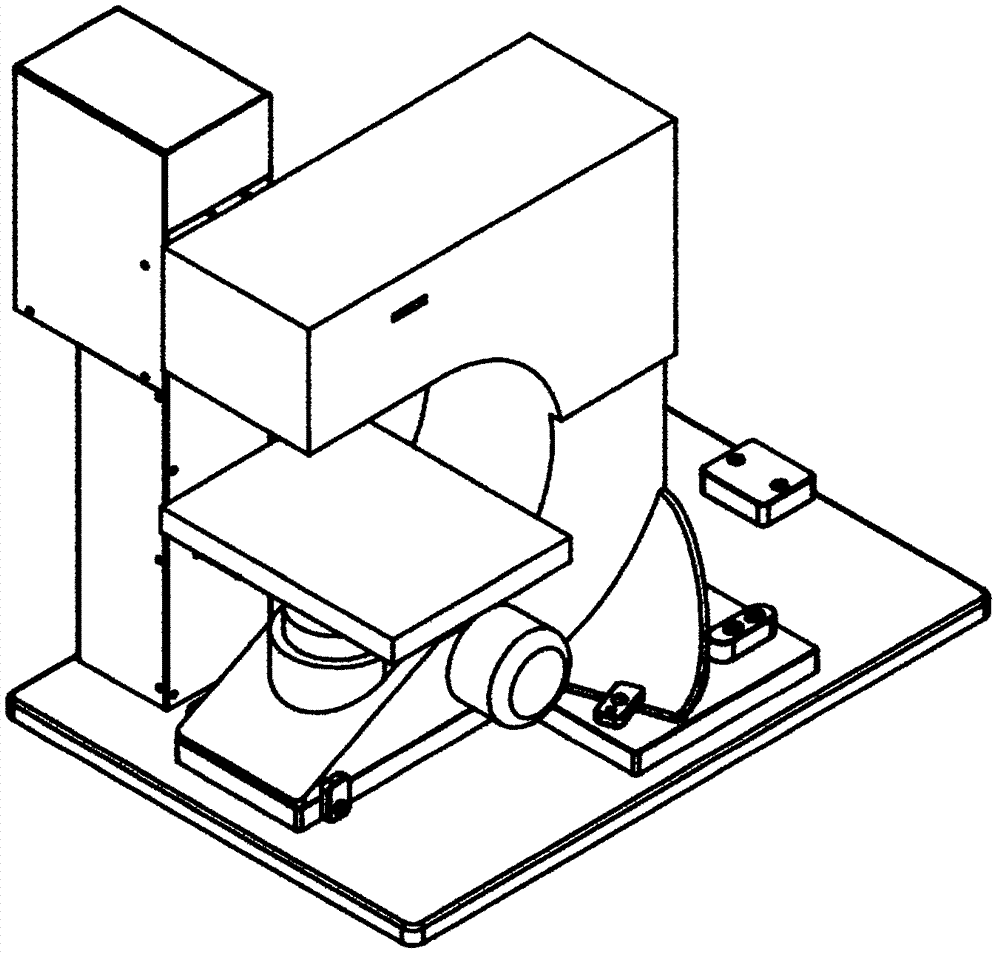
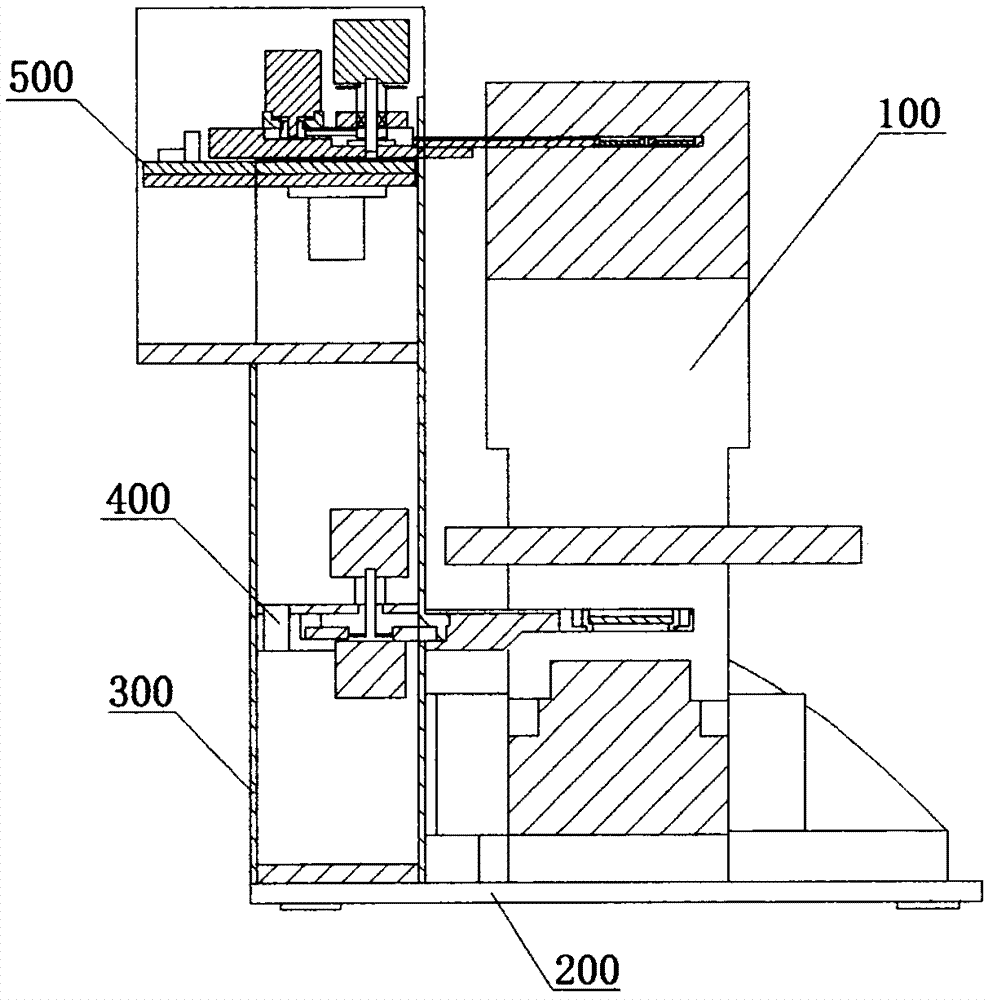
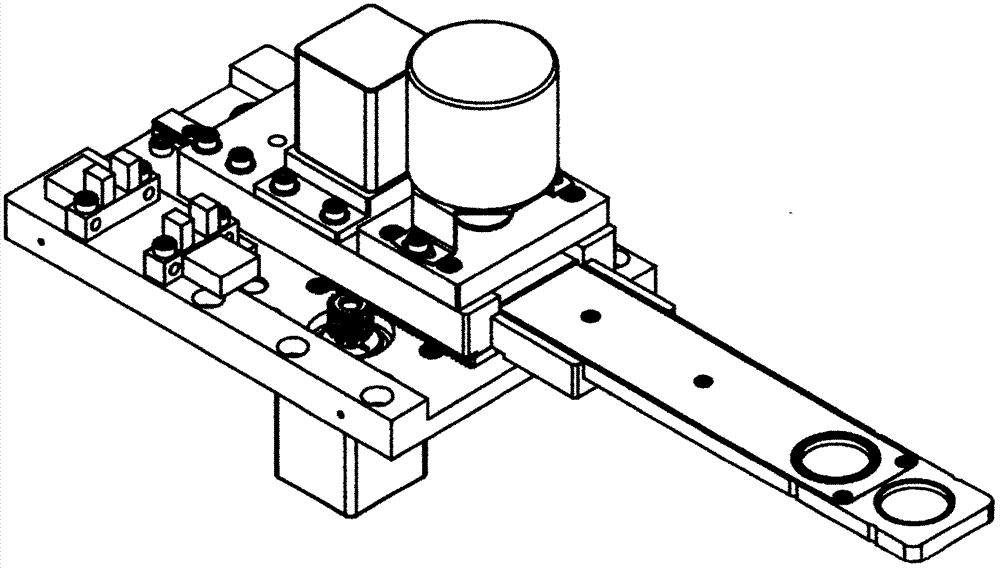

Method and system of polarization microscopy imaging
PatentActiveUS20230179876A1
Innovation
- The microscopy system employs a planar array of light sources, a lens, and rotatable polarizing filters to achieve vectorial Fourier ptychography, allowing for high-resolution imaging of large fields of view by reconstructing composite images using a set of images acquired with different illumination angles and polarization filter configurations.


Optical Performance Parameters for Mineral Identification
When evaluating dissecting microscopes versus polarizing microscopes for mineral surface observation, several critical optical performance parameters must be considered to ensure accurate mineral identification. These parameters directly influence the quality of observations and the reliability of analytical results obtained from each microscopic technique.
Resolution and magnification capabilities represent fundamental parameters distinguishing these two microscopic approaches. Dissecting microscopes typically offer magnification ranges between 6x to 50x with working distances of 50-150mm, providing adequate resolution for examining surface textures, crystal habits, and macroscopic features. Polarizing microscopes, conversely, deliver higher magnification from 40x to 1000x with superior numerical aperture values ranging from 0.65 to 1.40, enabling detailed examination of crystallographic properties and internal structures at microscopic scales.
Optical clarity and contrast mechanisms constitute another essential parameter set. Dissecting microscopes rely primarily on reflected light illumination and stereoscopic vision to generate three-dimensional surface topography information. Their contrast generation depends on surface reflectivity variations and shadowing effects. Polarizing microscopes employ transmitted polarized light with crossed polarizers, producing interference colors and extinction patterns that reveal optical properties including birefringence, pleochroism, and refractive indices specific to different mineral species.
Depth of field characteristics significantly impact observational effectiveness. Dissecting microscopes maintain extended depth of field across their magnification range, allowing simultaneous focus on irregular mineral surfaces and three-dimensional crystal formations. This feature proves particularly valuable when examining rough specimens or aggregate structures. Polarizing microscopes sacrifice depth of field for higher resolution, requiring thin sections typically 30 micrometers thick for optimal optical performance.
Light transmission and polarization efficiency parameters are exclusive to polarizing microscopes. The extinction angle accuracy, typically within ±1 degree, and polarization efficiency exceeding 99.9% are critical for precise optical property measurements. These parameters enable quantitative determination of mineral optical constants essential for definitive identification, capabilities absent in dissecting microscope systems which focus solely on morphological characterization through surface observation.
Resolution and magnification capabilities represent fundamental parameters distinguishing these two microscopic approaches. Dissecting microscopes typically offer magnification ranges between 6x to 50x with working distances of 50-150mm, providing adequate resolution for examining surface textures, crystal habits, and macroscopic features. Polarizing microscopes, conversely, deliver higher magnification from 40x to 1000x with superior numerical aperture values ranging from 0.65 to 1.40, enabling detailed examination of crystallographic properties and internal structures at microscopic scales.
Optical clarity and contrast mechanisms constitute another essential parameter set. Dissecting microscopes rely primarily on reflected light illumination and stereoscopic vision to generate three-dimensional surface topography information. Their contrast generation depends on surface reflectivity variations and shadowing effects. Polarizing microscopes employ transmitted polarized light with crossed polarizers, producing interference colors and extinction patterns that reveal optical properties including birefringence, pleochroism, and refractive indices specific to different mineral species.
Depth of field characteristics significantly impact observational effectiveness. Dissecting microscopes maintain extended depth of field across their magnification range, allowing simultaneous focus on irregular mineral surfaces and three-dimensional crystal formations. This feature proves particularly valuable when examining rough specimens or aggregate structures. Polarizing microscopes sacrifice depth of field for higher resolution, requiring thin sections typically 30 micrometers thick for optimal optical performance.
Light transmission and polarization efficiency parameters are exclusive to polarizing microscopes. The extinction angle accuracy, typically within ±1 degree, and polarization efficiency exceeding 99.9% are critical for precise optical property measurements. These parameters enable quantitative determination of mineral optical constants essential for definitive identification, capabilities absent in dissecting microscope systems which focus solely on morphological characterization through surface observation.
Application Scenarios and Selection Criteria Guide
When selecting between dissecting and polarizing microscopes for mineral surface observation, practitioners must evaluate specific application requirements against instrument capabilities. The choice fundamentally depends on whether optical properties or three-dimensional morphology takes precedence in the examination protocol.
Dissecting microscopes excel in scenarios requiring direct surface topography analysis. These instruments prove invaluable when examining mineral specimens with irregular surfaces, fracture patterns, or crystal habit variations. Field geologists conducting preliminary mineral identification benefit from the stereoscopic visualization and working distance flexibility. Sample preparation facilities utilize dissecting microscopes for pre-selection processes, where rapid sorting based on visible characteristics determines subsequent analytical pathways. The instruments accommodate opaque specimens and larger sample dimensions, making them suitable for ore processing quality control and mining exploration contexts.
Polarizing microscopes dominate applications where crystallographic properties and optical characteristics drive identification protocols. Petrographic analysis, thin section examination, and detailed mineralogical studies require the birefringence, pleochroism, and extinction angle measurements that only polarizing microscopes provide. Research laboratories investigating mineral composition, metamorphic grade determination, and phase identification rely exclusively on polarized light techniques. These instruments become essential when distinguishing between visually similar minerals or detecting subtle alteration zones invisible under conventional illumination.
Selection criteria should prioritize sample characteristics and analytical objectives. For non-transparent minerals, surface weathering studies, or specimens exceeding standard thin section dimensions, dissecting microscopes offer practical advantages. Conversely, transparent to translucent minerals requiring crystallographic data necessitate polarizing microscope capabilities. Budget considerations influence decisions, as polarizing microscopes typically command higher investment costs and demand specialized operator training.
Operational environments also affect instrument selection. Field stations and mobile laboratories favor dissecting microscopes for their portability and minimal setup requirements. Permanent laboratory installations benefit from polarizing microscope precision when systematic mineralogical characterization forms the core workflow. Many advanced facilities maintain both instrument types, deploying each according to specific analytical demands and creating complementary observation protocols that maximize diagnostic accuracy across diverse mineral specimen types.
Dissecting microscopes excel in scenarios requiring direct surface topography analysis. These instruments prove invaluable when examining mineral specimens with irregular surfaces, fracture patterns, or crystal habit variations. Field geologists conducting preliminary mineral identification benefit from the stereoscopic visualization and working distance flexibility. Sample preparation facilities utilize dissecting microscopes for pre-selection processes, where rapid sorting based on visible characteristics determines subsequent analytical pathways. The instruments accommodate opaque specimens and larger sample dimensions, making them suitable for ore processing quality control and mining exploration contexts.
Polarizing microscopes dominate applications where crystallographic properties and optical characteristics drive identification protocols. Petrographic analysis, thin section examination, and detailed mineralogical studies require the birefringence, pleochroism, and extinction angle measurements that only polarizing microscopes provide. Research laboratories investigating mineral composition, metamorphic grade determination, and phase identification rely exclusively on polarized light techniques. These instruments become essential when distinguishing between visually similar minerals or detecting subtle alteration zones invisible under conventional illumination.
Selection criteria should prioritize sample characteristics and analytical objectives. For non-transparent minerals, surface weathering studies, or specimens exceeding standard thin section dimensions, dissecting microscopes offer practical advantages. Conversely, transparent to translucent minerals requiring crystallographic data necessitate polarizing microscope capabilities. Budget considerations influence decisions, as polarizing microscopes typically command higher investment costs and demand specialized operator training.
Operational environments also affect instrument selection. Field stations and mobile laboratories favor dissecting microscopes for their portability and minimal setup requirements. Permanent laboratory installations benefit from polarizing microscope precision when systematic mineralogical characterization forms the core workflow. Many advanced facilities maintain both instrument types, deploying each according to specific analytical demands and creating complementary observation protocols that maximize diagnostic accuracy across diverse mineral specimen types.
Unlock deeper insights with Patsnap Eureka Quick Research — get a full tech report to explore trends and direct your research. Try now!
Generate Your Research Report Instantly with AI Agent
Supercharge your innovation with Patsnap Eureka AI Agent Platform!