
Electric Actuators vs Pneumatic: Energy Efficiency
APR 3, 20269 MIN READ
Generate Your Research Report Instantly with AI Agent
Patsnap Eureka helps you evaluate technical feasibility & market potential.
Electric vs Pneumatic Actuator Evolution and Efficiency Goals
The evolution of actuator technology has been fundamentally driven by the pursuit of enhanced energy efficiency and operational performance across industrial applications. Electric actuators emerged in the early 20th century alongside the development of electric motor technology, initially finding applications in simple positioning tasks. Pneumatic actuators, conversely, gained prominence during the industrial automation boom of the 1950s and 1960s, leveraging compressed air systems that were already prevalent in manufacturing facilities.
The historical development trajectory reveals distinct phases of technological advancement. Electric actuators initially suffered from limited precision and reliability issues, while pneumatic systems offered superior force-to-weight ratios and inherent safety advantages in explosive environments. However, the energy crisis of the 1970s marked a pivotal moment, intensifying focus on energy consumption patterns and operational costs across industrial sectors.
Modern electric actuator technology has undergone significant transformation through advances in servo motor design, digital control systems, and power electronics. Contemporary electric actuators incorporate brushless DC motors, advanced feedback systems, and intelligent control algorithms that optimize energy consumption based on load requirements. These developments have substantially improved their energy efficiency profiles, with some systems achieving over 90% electrical-to-mechanical energy conversion rates.
Pneumatic actuator evolution has concentrated on addressing inherent energy losses associated with compressed air generation and distribution. Traditional pneumatic systems typically operate at 20-25% overall efficiency when accounting for compressor losses, air treatment, and distribution inefficiencies. Recent innovations include energy recovery systems, variable pressure control, and improved valve designs that reduce air consumption during operation.
The efficiency goals driving current development efforts center on achieving optimal energy utilization while maintaining performance standards. Electric actuators target sub-1% positioning accuracy with minimal standby power consumption, while pneumatic systems focus on reducing compressed air waste through intelligent flow control and pressure optimization strategies. These technological pursuits reflect broader industrial sustainability objectives and operational cost reduction imperatives that continue shaping actuator technology advancement.
The historical development trajectory reveals distinct phases of technological advancement. Electric actuators initially suffered from limited precision and reliability issues, while pneumatic systems offered superior force-to-weight ratios and inherent safety advantages in explosive environments. However, the energy crisis of the 1970s marked a pivotal moment, intensifying focus on energy consumption patterns and operational costs across industrial sectors.
Modern electric actuator technology has undergone significant transformation through advances in servo motor design, digital control systems, and power electronics. Contemporary electric actuators incorporate brushless DC motors, advanced feedback systems, and intelligent control algorithms that optimize energy consumption based on load requirements. These developments have substantially improved their energy efficiency profiles, with some systems achieving over 90% electrical-to-mechanical energy conversion rates.
Pneumatic actuator evolution has concentrated on addressing inherent energy losses associated with compressed air generation and distribution. Traditional pneumatic systems typically operate at 20-25% overall efficiency when accounting for compressor losses, air treatment, and distribution inefficiencies. Recent innovations include energy recovery systems, variable pressure control, and improved valve designs that reduce air consumption during operation.
The efficiency goals driving current development efforts center on achieving optimal energy utilization while maintaining performance standards. Electric actuators target sub-1% positioning accuracy with minimal standby power consumption, while pneumatic systems focus on reducing compressed air waste through intelligent flow control and pressure optimization strategies. These technological pursuits reflect broader industrial sustainability objectives and operational cost reduction imperatives that continue shaping actuator technology advancement.
Market Demand for Energy-Efficient Actuator Solutions
The global actuator market is experiencing unprecedented demand for energy-efficient solutions, driven by stringent environmental regulations and rising operational costs across multiple industries. Manufacturing facilities, process plants, and automation systems are increasingly prioritizing actuators that minimize energy consumption while maintaining reliable performance. This shift represents a fundamental change from traditional cost-focused procurement strategies to total cost of ownership considerations.
Industrial automation sectors demonstrate the strongest demand for energy-efficient actuators, particularly in applications requiring frequent positioning and continuous operation. Food and beverage processing, pharmaceutical manufacturing, and chemical processing industries are leading adopters, where energy costs significantly impact operational margins. These sectors require actuators capable of precise control while minimizing energy waste during extended operational cycles.
The building automation market presents substantial growth opportunities for energy-efficient actuator solutions. HVAC systems, valve control applications, and smart building technologies increasingly demand actuators that contribute to overall building energy performance. Green building certifications and energy efficiency standards are driving specification requirements that favor electric actuators over traditional pneumatic systems in many applications.
Water and wastewater treatment facilities represent another high-demand segment, where continuous operation requirements make energy efficiency critical. These applications often involve remote locations where energy costs are premium, making the efficiency advantages of electric actuators particularly compelling. Municipal utilities are increasingly specifying energy-efficient actuators as part of broader sustainability initiatives.
Regional demand patterns show strongest growth in developed markets with established energy efficiency regulations and high energy costs. European markets lead in adoption rates, followed by North American industrial sectors. Emerging markets are beginning to recognize the long-term value proposition, though initial adoption remains price-sensitive.
Market drivers include carbon reduction mandates, energy cost volatility, and total cost of ownership awareness among end users. The demand is further accelerated by technological advances that have improved electric actuator reliability and reduced initial investment costs, making them increasingly competitive with pneumatic alternatives across broader application ranges.
Industrial automation sectors demonstrate the strongest demand for energy-efficient actuators, particularly in applications requiring frequent positioning and continuous operation. Food and beverage processing, pharmaceutical manufacturing, and chemical processing industries are leading adopters, where energy costs significantly impact operational margins. These sectors require actuators capable of precise control while minimizing energy waste during extended operational cycles.
The building automation market presents substantial growth opportunities for energy-efficient actuator solutions. HVAC systems, valve control applications, and smart building technologies increasingly demand actuators that contribute to overall building energy performance. Green building certifications and energy efficiency standards are driving specification requirements that favor electric actuators over traditional pneumatic systems in many applications.
Water and wastewater treatment facilities represent another high-demand segment, where continuous operation requirements make energy efficiency critical. These applications often involve remote locations where energy costs are premium, making the efficiency advantages of electric actuators particularly compelling. Municipal utilities are increasingly specifying energy-efficient actuators as part of broader sustainability initiatives.
Regional demand patterns show strongest growth in developed markets with established energy efficiency regulations and high energy costs. European markets lead in adoption rates, followed by North American industrial sectors. Emerging markets are beginning to recognize the long-term value proposition, though initial adoption remains price-sensitive.
Market drivers include carbon reduction mandates, energy cost volatility, and total cost of ownership awareness among end users. The demand is further accelerated by technological advances that have improved electric actuator reliability and reduced initial investment costs, making them increasingly competitive with pneumatic alternatives across broader application ranges.
Current Energy Performance Gap Between Electric and Pneumatic
The energy performance disparity between electric and pneumatic actuators represents one of the most significant factors influencing industrial automation decisions today. Current industry assessments reveal that electric actuators typically achieve energy conversion efficiencies ranging from 85% to 95%, while pneumatic systems operate at substantially lower efficiency levels of 10% to 25%. This dramatic difference stems from fundamental thermodynamic limitations inherent in compressed air systems, where energy losses occur at multiple stages including compression, distribution, and final actuation.
Pneumatic systems face inherent inefficiencies due to the compressible nature of air and the thermodynamic processes involved in compression and expansion cycles. Air compressors, which form the foundation of pneumatic systems, typically convert only 20-25% of input electrical energy into useful pneumatic work. Additional losses occur through air leakage in distribution systems, pressure drops across valves and fittings, and heat generation during compression processes that cannot be effectively recovered in most industrial applications.
Electric actuators demonstrate superior energy conversion characteristics through direct electrical-to-mechanical energy transformation. Modern servo motors and stepper motors incorporated in electric actuators can achieve peak efficiencies exceeding 90%, with advanced permanent magnet synchronous motors reaching up to 97% efficiency under optimal operating conditions. The elimination of intermediate energy conversion steps allows electric systems to maintain consistent performance across varying load conditions.
The performance gap becomes more pronounced when examining partial load operations, which represent the majority of real-world applications. Electric actuators maintain relatively high efficiency across their operating range, typically showing only 5-10% efficiency degradation at 25% load compared to full load conditions. Pneumatic systems experience more severe efficiency penalties under partial load scenarios, often dropping to single-digit efficiency percentages when operating at reduced capacity or during frequent start-stop cycles.
Recent comparative studies in manufacturing environments demonstrate that electric actuators consume 60-80% less energy than equivalent pneumatic systems for similar positioning and force applications. This gap widens further when considering standby power consumption, as pneumatic systems require continuous compressor operation to maintain system pressure, while electric actuators consume minimal power during idle periods. The cumulative effect of these efficiency differences translates to substantial operational cost disparities and environmental impact variations between the two technologies.
Pneumatic systems face inherent inefficiencies due to the compressible nature of air and the thermodynamic processes involved in compression and expansion cycles. Air compressors, which form the foundation of pneumatic systems, typically convert only 20-25% of input electrical energy into useful pneumatic work. Additional losses occur through air leakage in distribution systems, pressure drops across valves and fittings, and heat generation during compression processes that cannot be effectively recovered in most industrial applications.
Electric actuators demonstrate superior energy conversion characteristics through direct electrical-to-mechanical energy transformation. Modern servo motors and stepper motors incorporated in electric actuators can achieve peak efficiencies exceeding 90%, with advanced permanent magnet synchronous motors reaching up to 97% efficiency under optimal operating conditions. The elimination of intermediate energy conversion steps allows electric systems to maintain consistent performance across varying load conditions.
The performance gap becomes more pronounced when examining partial load operations, which represent the majority of real-world applications. Electric actuators maintain relatively high efficiency across their operating range, typically showing only 5-10% efficiency degradation at 25% load compared to full load conditions. Pneumatic systems experience more severe efficiency penalties under partial load scenarios, often dropping to single-digit efficiency percentages when operating at reduced capacity or during frequent start-stop cycles.
Recent comparative studies in manufacturing environments demonstrate that electric actuators consume 60-80% less energy than equivalent pneumatic systems for similar positioning and force applications. This gap widens further when considering standby power consumption, as pneumatic systems require continuous compressor operation to maintain system pressure, while electric actuators consume minimal power during idle periods. The cumulative effect of these efficiency differences translates to substantial operational cost disparities and environmental impact variations between the two technologies.
Existing Energy Optimization Solutions for Both Technologies
01 Electric actuator systems with energy recovery mechanisms
Electric actuators can incorporate energy recovery systems that capture and reuse energy during operation, significantly improving overall energy efficiency. These systems may include regenerative braking, capacitor storage, or flywheel mechanisms that store kinetic energy during deceleration phases and release it during acceleration, reducing total power consumption compared to traditional pneumatic systems that dissipate energy as heat.- Electric actuator systems with energy recovery mechanisms: Electric actuators can incorporate energy recovery systems that capture and reuse energy during operation, significantly improving overall energy efficiency. These systems may include regenerative braking, capacitor storage, or flywheel mechanisms that store kinetic energy during deceleration phases and release it during acceleration, reducing total power consumption compared to traditional pneumatic systems that dissipate energy as heat.
- Hybrid electric-pneumatic actuator configurations: Hybrid systems combine electric and pneumatic actuation technologies to optimize energy efficiency by leveraging the advantages of both systems. These configurations allow for selective operation modes based on load requirements, duty cycles, and energy availability, enabling reduced compressed air consumption while maintaining the benefits of pneumatic systems for specific applications requiring high force or fail-safe operation.
- Energy monitoring and optimization control systems: Advanced control systems with integrated energy monitoring capabilities enable real-time comparison and optimization of energy consumption between electric and pneumatic actuators. These systems utilize sensors, algorithms, and feedback mechanisms to adjust operational parameters, predict maintenance needs, and select the most energy-efficient actuation method based on current operating conditions and historical performance data.
- Compressed air efficiency improvements in pneumatic systems: Innovations in pneumatic actuator design focus on reducing compressed air consumption through improved sealing technologies, optimized valve designs, and pressure regulation systems. These enhancements minimize air leakage, reduce idle consumption, and enable variable pressure operation that matches actual load requirements, thereby improving the energy efficiency gap between pneumatic and electric actuators.
- Direct energy consumption comparison methodologies: Standardized testing and evaluation frameworks have been developed to directly compare the energy efficiency of electric versus pneumatic actuators under equivalent operating conditions. These methodologies account for factors including conversion losses, standby power consumption, duty cycle variations, and lifecycle energy costs, providing quantitative data to support actuator selection decisions based on total energy efficiency rather than initial cost alone.
02 Hybrid electric-pneumatic actuator configurations
Hybrid systems combine electric and pneumatic actuation technologies to optimize energy efficiency by leveraging the advantages of both systems. These configurations allow for selective operation modes based on load requirements, duty cycles, and energy availability, enabling reduced compressed air consumption while maintaining the benefits of pneumatic systems for specific applications requiring high force or fail-safe operation.Expand Specific Solutions03 Energy monitoring and optimization control systems
Advanced control systems with integrated energy monitoring capabilities enable real-time comparison and optimization of energy consumption between electric and pneumatic actuators. These systems utilize sensors, algorithms, and feedback mechanisms to adjust operational parameters, predict maintenance needs, and select the most energy-efficient actuation method based on current operating conditions and historical performance data.Expand Specific Solutions04 Compressed air generation and distribution efficiency improvements
Innovations in compressed air generation, storage, and distribution systems address the inherent energy losses in pneumatic systems. These improvements include variable speed compressors, leak detection systems, pressure optimization, and heat recovery from compression processes, which collectively reduce the energy gap between pneumatic and electric actuation systems.Expand Specific Solutions05 Direct energy consumption comparison methodologies
Standardized testing and evaluation methods have been developed to directly compare the energy efficiency of electric versus pneumatic actuators under equivalent operating conditions. These methodologies account for factors such as duty cycle, load profiles, ambient conditions, and lifecycle costs, providing objective data for system selection and enabling fair comparisons between different actuation technologies in specific applications.Expand Specific Solutions
Leading Actuator Manufacturers and Market Competition
The electric actuators versus pneumatic energy efficiency landscape represents a mature industrial automation market experiencing significant technological transition. The industry is in an advanced development stage with established players like Siemens AG, ABB Ltd., and Festo SE & Co. KG leading innovation in electric actuator technologies, while companies such as CKD Corp. and AUMA Riester GmbH specialize in pneumatic and electric solutions respectively. Market size continues expanding driven by energy efficiency mandates and Industry 4.0 adoption. Technology maturity varies significantly - pneumatic systems represent well-established technology with incremental improvements, while electric actuators demonstrate rapid advancement in precision control, energy efficiency, and smart connectivity. Major aerospace players including Boeing and Hamilton Sundstrand drive high-performance applications, while industrial giants like Robert Bosch GmbH and Moog Inc. focus on precision manufacturing solutions, creating a competitive ecosystem where energy efficiency increasingly determines market positioning.
Robert Bosch GmbH
Technical Solution: Bosch develops electric linear actuators with brushless DC motors and integrated power electronics achieving 85-92% energy efficiency through optimized control algorithms and regenerative braking systems. Their actuators feature adaptive energy management that reduces standby power consumption by 80% and incorporates smart sensors for real-time performance monitoring. The company's electric actuator solutions provide energy savings of 45-60% compared to pneumatic systems while offering precise force control and positioning accuracy for automotive and industrial applications.
Strengths: Automotive industry expertise, robust product reliability, cost-effective solutions. Weaknesses: Limited customization options, smaller market share in industrial automation.
Siemens AG
Technical Solution: Siemens offers SIMOTICS electric actuators with SINAMICS drive technology featuring energy-efficient permanent magnet motors that achieve 92-96% efficiency ratings. Their actuator systems incorporate regenerative energy recovery, intelligent load management, and predictive control algorithms that reduce energy consumption by 40-65% versus pneumatic systems. The ACVATIX series includes smart positioning capabilities with energy optimization modes that automatically adjust power output based on operational requirements and load conditions.
Strengths: Advanced digitalization capabilities, comprehensive automation ecosystem, strong technical support. Weaknesses: Complex configuration requirements, higher maintenance skill demands.
Core Patents in High-Efficiency Actuator Design
Electrical actuator used as a fluid pressure cylinder
PatentActiveEP2075656B1
Innovation
- An electric actuator with a motor control circuit and memory that includes a fluid pressure cylinder mode, allowing control using the same program as for pneumatic cylinders, and utilizing the same position detectors, accommodating various electromagnetic valves and modes like two-position single solenoid, two-position double solenoid, and three-position double solenoid valves.


Method and apparatus for conversion of a pneumatic actuator to an electric power platform
PatentActiveUS20220154737A1
Innovation
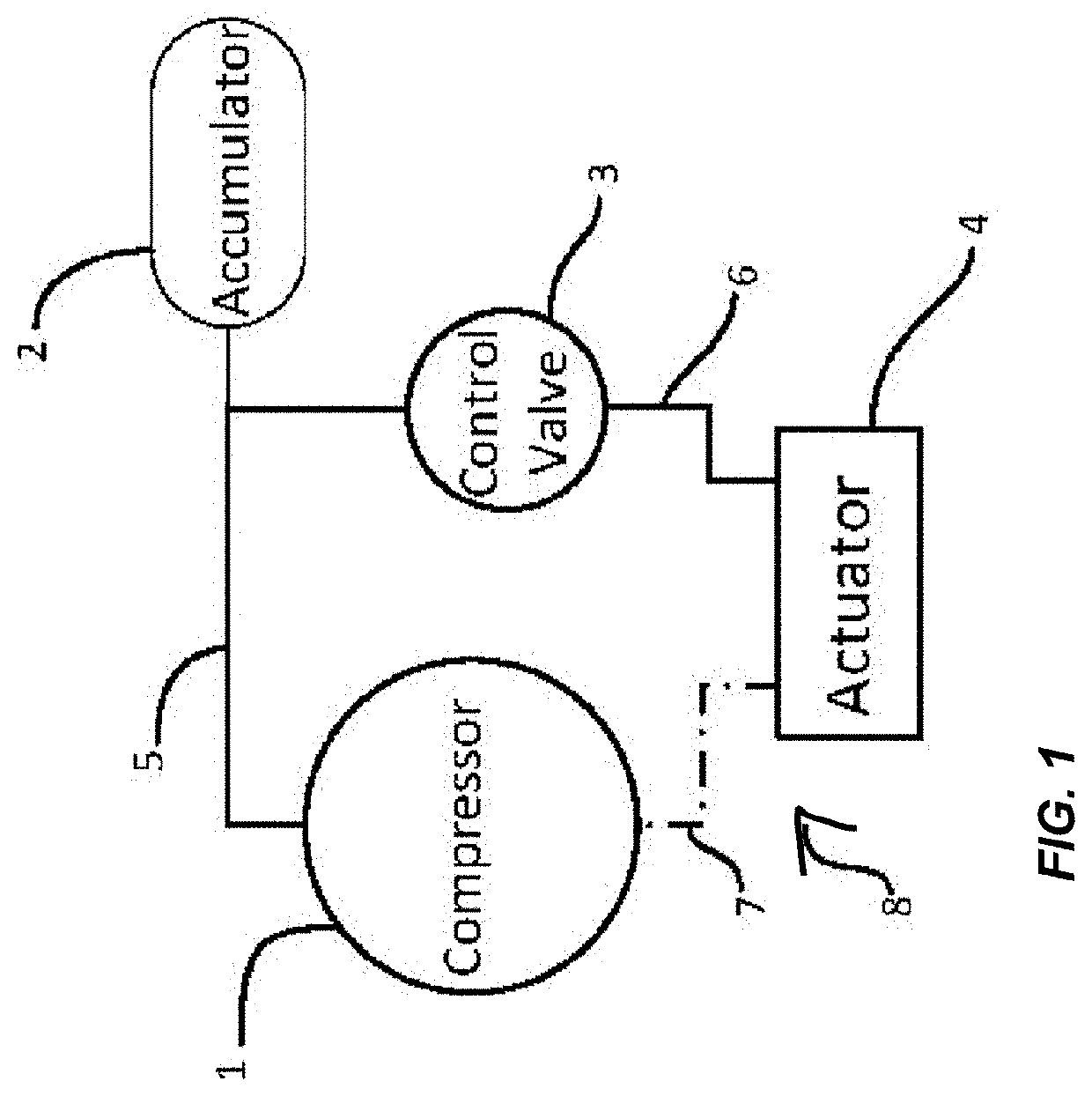
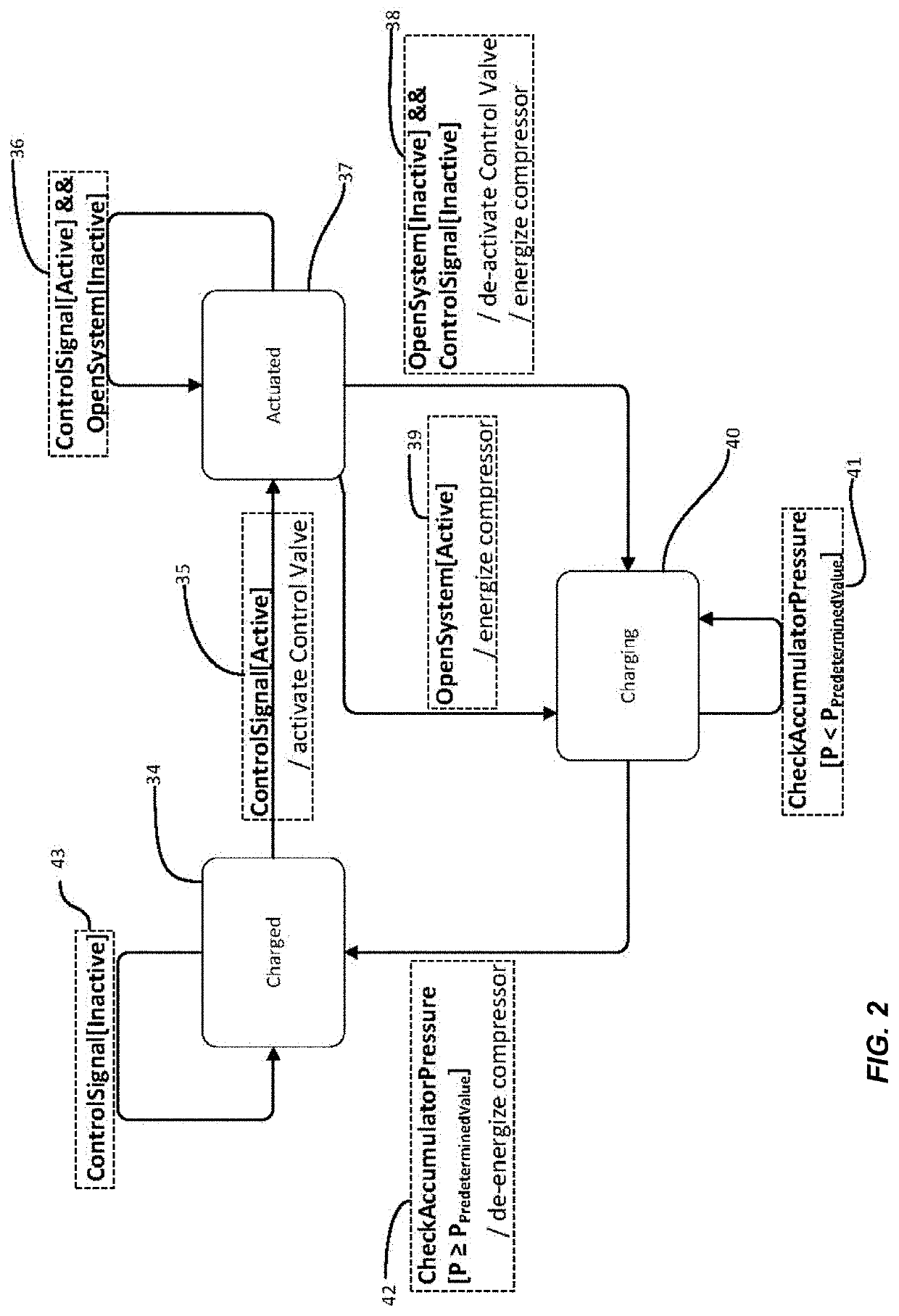
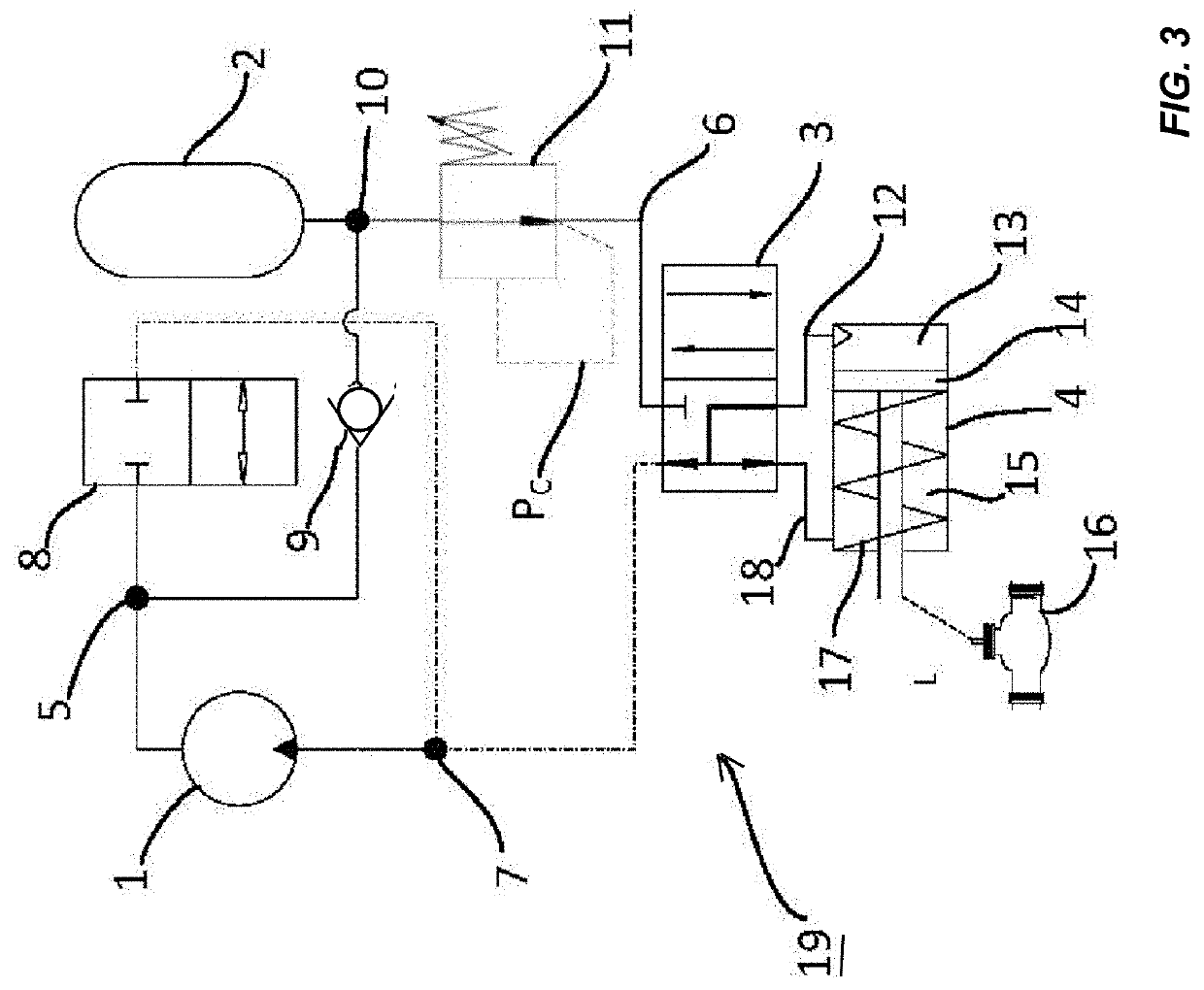
- The development of an electric power actuator that converts a pneumatic actuator to an electric actuator using a closed loop air transfer system, eliminating the need for air filters, reducing leaks, and providing a self-contained fluid supply, which enhances efficiency and responsiveness by using compressed air as a pressurized fluid source.

Environmental Regulations Impact on Actuator Selection
Environmental regulations have become increasingly stringent worldwide, fundamentally reshaping actuator selection criteria across industries. The European Union's Energy Efficiency Directive mandates significant energy consumption reductions, while similar regulations in North America and Asia-Pacific regions emphasize carbon footprint minimization. These regulatory frameworks directly influence the comparative evaluation between electric and pneumatic actuators, with energy efficiency serving as a primary compliance metric.
The implementation of ISO 50001 energy management standards has established mandatory energy auditing requirements for industrial facilities. Under these standards, pneumatic systems face scrutiny due to their inherent energy losses through compressed air generation and distribution. Compressed air systems typically operate at 20-25% efficiency, meaning substantial energy waste that regulatory bodies increasingly target for reduction. Electric actuators, with efficiency ratings often exceeding 90%, align more favorably with these regulatory expectations.
Carbon emission regulations, particularly those stemming from the Paris Climate Agreement, have introduced carbon pricing mechanisms that directly impact actuator selection economics. Industries subject to carbon taxes or cap-and-trade systems must account for the full lifecycle emissions of their automation systems. Electric actuators powered by renewable energy sources offer significant advantages in meeting these regulatory requirements, while pneumatic systems relying on fossil fuel-generated compressed air face increasing compliance costs.
Regional variations in environmental regulations create complex selection scenarios for multinational operations. The European Union's Ecodesign Directive specifically targets energy-related products, establishing minimum efficiency requirements that favor electric actuator technologies. Similarly, China's energy intensity reduction targets under its Five-Year Plans have accelerated the adoption of electric actuators in manufacturing sectors. These regulatory differences necessitate region-specific actuator selection strategies.
Emerging regulations focusing on circular economy principles are beginning to influence actuator lifecycle considerations. Extended producer responsibility frameworks require manufacturers to account for end-of-life disposal and recycling capabilities. Electric actuators, with their higher material recovery potential and longer operational lifespans, demonstrate better alignment with these evolving regulatory requirements compared to pneumatic systems with more frequent component replacement needs.
The implementation of ISO 50001 energy management standards has established mandatory energy auditing requirements for industrial facilities. Under these standards, pneumatic systems face scrutiny due to their inherent energy losses through compressed air generation and distribution. Compressed air systems typically operate at 20-25% efficiency, meaning substantial energy waste that regulatory bodies increasingly target for reduction. Electric actuators, with efficiency ratings often exceeding 90%, align more favorably with these regulatory expectations.
Carbon emission regulations, particularly those stemming from the Paris Climate Agreement, have introduced carbon pricing mechanisms that directly impact actuator selection economics. Industries subject to carbon taxes or cap-and-trade systems must account for the full lifecycle emissions of their automation systems. Electric actuators powered by renewable energy sources offer significant advantages in meeting these regulatory requirements, while pneumatic systems relying on fossil fuel-generated compressed air face increasing compliance costs.
Regional variations in environmental regulations create complex selection scenarios for multinational operations. The European Union's Ecodesign Directive specifically targets energy-related products, establishing minimum efficiency requirements that favor electric actuator technologies. Similarly, China's energy intensity reduction targets under its Five-Year Plans have accelerated the adoption of electric actuators in manufacturing sectors. These regulatory differences necessitate region-specific actuator selection strategies.
Emerging regulations focusing on circular economy principles are beginning to influence actuator lifecycle considerations. Extended producer responsibility frameworks require manufacturers to account for end-of-life disposal and recycling capabilities. Electric actuators, with their higher material recovery potential and longer operational lifespans, demonstrate better alignment with these evolving regulatory requirements compared to pneumatic systems with more frequent component replacement needs.
Total Cost of Ownership Analysis Framework
The Total Cost of Ownership (TCO) analysis framework for electric versus pneumatic actuators requires a comprehensive evaluation methodology that extends beyond initial capital expenditure to encompass all lifecycle costs. This framework establishes standardized metrics and calculation methods to enable accurate comparison between these two actuator technologies across their operational lifespan.
The framework begins with capital cost assessment, incorporating not only the actuator purchase price but also associated infrastructure requirements. Electric actuators typically require electrical supply systems, control panels, and potentially backup power solutions, while pneumatic systems necessitate air compressors, distribution networks, filtration systems, and pressure regulation equipment. The initial investment comparison must account for these supporting infrastructure costs to establish a realistic baseline.
Operational expenditure analysis forms the core component of the TCO framework, with energy consumption representing the most significant variable cost factor. Electric actuators demonstrate superior energy efficiency through direct power conversion and precise control capabilities, while pneumatic systems inherently lose energy through air compression, distribution losses, and continuous air supply requirements even during idle periods. The framework incorporates utility rate structures, demand charges, and projected energy cost escalations over the actuator's operational life.
Maintenance cost evaluation encompasses both scheduled preventive maintenance and unplanned repairs. Electric actuators typically require minimal routine maintenance, primarily involving electrical connection inspections and occasional component replacements. Pneumatic systems demand more intensive maintenance including air filter replacements, seal servicing, compressor maintenance, and leak detection programs. The framework quantifies labor costs, spare parts expenses, and system downtime impacts.
The framework also addresses indirect costs including productivity impacts, environmental compliance expenses, and end-of-life disposal considerations. Pneumatic systems may incur additional costs related to compressed air leakage, noise abatement measures, and environmental regulations governing air quality. Electric actuators may face battery disposal costs for backup systems and electronic waste management requirements.
Risk assessment integration within the TCO framework evaluates potential cost variations due to technology obsolescence, supply chain disruptions, and regulatory changes. This probabilistic analysis provides decision-makers with confidence intervals around TCO projections, enabling more informed investment decisions based on comprehensive financial modeling rather than simple payback calculations.
The framework begins with capital cost assessment, incorporating not only the actuator purchase price but also associated infrastructure requirements. Electric actuators typically require electrical supply systems, control panels, and potentially backup power solutions, while pneumatic systems necessitate air compressors, distribution networks, filtration systems, and pressure regulation equipment. The initial investment comparison must account for these supporting infrastructure costs to establish a realistic baseline.
Operational expenditure analysis forms the core component of the TCO framework, with energy consumption representing the most significant variable cost factor. Electric actuators demonstrate superior energy efficiency through direct power conversion and precise control capabilities, while pneumatic systems inherently lose energy through air compression, distribution losses, and continuous air supply requirements even during idle periods. The framework incorporates utility rate structures, demand charges, and projected energy cost escalations over the actuator's operational life.
Maintenance cost evaluation encompasses both scheduled preventive maintenance and unplanned repairs. Electric actuators typically require minimal routine maintenance, primarily involving electrical connection inspections and occasional component replacements. Pneumatic systems demand more intensive maintenance including air filter replacements, seal servicing, compressor maintenance, and leak detection programs. The framework quantifies labor costs, spare parts expenses, and system downtime impacts.
The framework also addresses indirect costs including productivity impacts, environmental compliance expenses, and end-of-life disposal considerations. Pneumatic systems may incur additional costs related to compressed air leakage, noise abatement measures, and environmental regulations governing air quality. Electric actuators may face battery disposal costs for backup systems and electronic waste management requirements.
Risk assessment integration within the TCO framework evaluates potential cost variations due to technology obsolescence, supply chain disruptions, and regulatory changes. This probabilistic analysis provides decision-makers with confidence intervals around TCO projections, enabling more informed investment decisions based on comprehensive financial modeling rather than simple payback calculations.
Unlock deeper insights with Patsnap Eureka Quick Research — get a full tech report to explore trends and direct your research. Try now!
Generate Your Research Report Instantly with AI Agent
Supercharge your innovation with Patsnap Eureka AI Agent Platform!