
Electromagnetic Induction in Construction: Applications
FEB 25, 202610 MIN READ
Generate Your Research Report Instantly with AI Agent
Patsnap Eureka helps you evaluate technical feasibility & market potential.
Electromagnetic Induction in Construction Background and Objectives
Electromagnetic induction, discovered by Michael Faraday in 1831, represents one of the fundamental principles of electromagnetism that has found increasingly sophisticated applications in modern construction practices. This phenomenon, where changing magnetic fields generate electric currents in nearby conductors, has evolved from a laboratory curiosity to a cornerstone technology enabling revolutionary approaches to construction monitoring, material testing, and structural health assessment.
The construction industry has historically relied on mechanical and visual inspection methods, which often prove inadequate for detecting subsurface defects, monitoring structural integrity in real-time, or ensuring quality control during critical construction phases. Traditional approaches frequently require invasive testing procedures, extensive downtime, and significant labor resources while providing limited insight into internal structural conditions.
The primary objective of implementing electromagnetic induction technologies in construction centers on developing non-destructive, real-time monitoring capabilities that enhance both safety and efficiency throughout the construction lifecycle. These applications aim to provide continuous structural health monitoring, enabling early detection of potential failures, corrosion, or material degradation without compromising structural integrity through invasive testing procedures.
Contemporary electromagnetic induction applications in construction have expanded beyond simple metal detection to encompass sophisticated systems for rebar inspection, concrete quality assessment, and foundation integrity monitoring. The technology enables precise measurement of reinforcement bar positioning, diameter verification, and corrosion assessment within concrete structures, addressing critical safety concerns in reinforced concrete construction.
Advanced electromagnetic induction systems now target predictive maintenance capabilities, allowing construction professionals to monitor structural performance continuously and identify potential issues before they manifest as visible problems. This proactive approach significantly reduces maintenance costs while extending structural lifespan and improving overall safety standards.
The integration of electromagnetic induction with digital construction technologies represents a strategic evolution toward smart construction practices. Modern implementations incorporate wireless sensor networks, data analytics platforms, and machine learning algorithms to process electromagnetic signals and provide actionable insights for construction decision-making.
Future development objectives focus on miniaturization of sensing equipment, enhanced signal processing capabilities, and integration with Building Information Modeling systems to create comprehensive digital twins of constructed assets. These advancements aim to establish electromagnetic induction as a standard component of intelligent construction monitoring systems, enabling unprecedented levels of quality control and structural performance optimization throughout the entire construction process.
The construction industry has historically relied on mechanical and visual inspection methods, which often prove inadequate for detecting subsurface defects, monitoring structural integrity in real-time, or ensuring quality control during critical construction phases. Traditional approaches frequently require invasive testing procedures, extensive downtime, and significant labor resources while providing limited insight into internal structural conditions.
The primary objective of implementing electromagnetic induction technologies in construction centers on developing non-destructive, real-time monitoring capabilities that enhance both safety and efficiency throughout the construction lifecycle. These applications aim to provide continuous structural health monitoring, enabling early detection of potential failures, corrosion, or material degradation without compromising structural integrity through invasive testing procedures.
Contemporary electromagnetic induction applications in construction have expanded beyond simple metal detection to encompass sophisticated systems for rebar inspection, concrete quality assessment, and foundation integrity monitoring. The technology enables precise measurement of reinforcement bar positioning, diameter verification, and corrosion assessment within concrete structures, addressing critical safety concerns in reinforced concrete construction.
Advanced electromagnetic induction systems now target predictive maintenance capabilities, allowing construction professionals to monitor structural performance continuously and identify potential issues before they manifest as visible problems. This proactive approach significantly reduces maintenance costs while extending structural lifespan and improving overall safety standards.
The integration of electromagnetic induction with digital construction technologies represents a strategic evolution toward smart construction practices. Modern implementations incorporate wireless sensor networks, data analytics platforms, and machine learning algorithms to process electromagnetic signals and provide actionable insights for construction decision-making.
Future development objectives focus on miniaturization of sensing equipment, enhanced signal processing capabilities, and integration with Building Information Modeling systems to create comprehensive digital twins of constructed assets. These advancements aim to establish electromagnetic induction as a standard component of intelligent construction monitoring systems, enabling unprecedented levels of quality control and structural performance optimization throughout the entire construction process.
Market Demand for EM Induction Construction Applications
The construction industry is experiencing unprecedented demand for electromagnetic induction technologies, driven by the urgent need for sustainable building practices and energy-efficient solutions. This demand stems from increasing environmental regulations, rising energy costs, and growing awareness of carbon footprint reduction in construction projects. The global push toward net-zero emissions has positioned electromagnetic induction as a critical technology for achieving sustainability goals in building operations.
Induction heating applications represent the largest market segment, particularly for concrete curing and material processing. Construction companies are increasingly adopting electromagnetic induction systems to accelerate concrete setting times while reducing energy consumption compared to traditional heating methods. This technology enables year-round construction activities in cold climates, significantly expanding project timelines and reducing weather-related delays.
The wireless power transfer segment is gaining substantial traction in smart building construction. Developers are integrating electromagnetic induction systems to power embedded sensors, lighting systems, and IoT devices without traditional wiring infrastructure. This application reduces installation complexity and maintenance costs while enabling flexible building layouts and future modifications.
Infrastructure monitoring represents an emerging high-growth market segment. Transportation authorities and building owners are demanding electromagnetic induction-based monitoring systems for structural health assessment of bridges, tunnels, and high-rise buildings. These systems provide continuous monitoring capabilities without requiring external power sources, addressing critical safety concerns in aging infrastructure.
The prefabricated construction sector shows particularly strong demand for electromagnetic induction technologies. Manufacturers are implementing induction heating systems in factory settings to optimize production processes and ensure consistent quality control. This application supports the industry trend toward off-site construction and modular building approaches.
Regional demand patterns reveal significant growth in Asia-Pacific markets, where rapid urbanization and infrastructure development create substantial opportunities. European markets demonstrate strong demand driven by stringent energy efficiency regulations and sustainability mandates. North American markets show increasing adoption in renovation and retrofit projects, where electromagnetic induction technologies offer solutions for upgrading existing buildings without extensive rewiring.
The market demand is further amplified by the construction industry's digital transformation initiatives. Integration with Building Information Modeling systems and smart construction management platforms creates additional value propositions for electromagnetic induction technologies, positioning them as essential components of modern construction methodologies.
Induction heating applications represent the largest market segment, particularly for concrete curing and material processing. Construction companies are increasingly adopting electromagnetic induction systems to accelerate concrete setting times while reducing energy consumption compared to traditional heating methods. This technology enables year-round construction activities in cold climates, significantly expanding project timelines and reducing weather-related delays.
The wireless power transfer segment is gaining substantial traction in smart building construction. Developers are integrating electromagnetic induction systems to power embedded sensors, lighting systems, and IoT devices without traditional wiring infrastructure. This application reduces installation complexity and maintenance costs while enabling flexible building layouts and future modifications.
Infrastructure monitoring represents an emerging high-growth market segment. Transportation authorities and building owners are demanding electromagnetic induction-based monitoring systems for structural health assessment of bridges, tunnels, and high-rise buildings. These systems provide continuous monitoring capabilities without requiring external power sources, addressing critical safety concerns in aging infrastructure.
The prefabricated construction sector shows particularly strong demand for electromagnetic induction technologies. Manufacturers are implementing induction heating systems in factory settings to optimize production processes and ensure consistent quality control. This application supports the industry trend toward off-site construction and modular building approaches.
Regional demand patterns reveal significant growth in Asia-Pacific markets, where rapid urbanization and infrastructure development create substantial opportunities. European markets demonstrate strong demand driven by stringent energy efficiency regulations and sustainability mandates. North American markets show increasing adoption in renovation and retrofit projects, where electromagnetic induction technologies offer solutions for upgrading existing buildings without extensive rewiring.
The market demand is further amplified by the construction industry's digital transformation initiatives. Integration with Building Information Modeling systems and smart construction management platforms creates additional value propositions for electromagnetic induction technologies, positioning them as essential components of modern construction methodologies.
Current State and Challenges of EM Induction in Building
Electromagnetic induction technology in construction has reached a significant maturity level in several key applications, with wireless power transfer systems for embedded sensors and heating applications leading the market adoption. Current implementations primarily focus on concrete curing acceleration, structural health monitoring sensor networks, and anti-icing systems for critical infrastructure. The technology demonstrates proven effectiveness in laboratory conditions and controlled field deployments, with power transfer efficiencies reaching 85-90% in optimal configurations.
However, the construction industry faces substantial integration challenges that limit widespread adoption. The harsh environmental conditions typical of construction sites, including extreme temperatures, moisture, dust, and mechanical vibrations, significantly impact system reliability and performance consistency. Traditional electromagnetic induction systems struggle to maintain stable power transfer when subjected to concrete alkalinity, rebar interference, and structural movement during building settlement.
Technical standardization remains fragmented across different regions and applications. While IEEE and IEC have established preliminary guidelines for wireless power systems, construction-specific standards for electromagnetic induction applications are still evolving. This regulatory uncertainty creates hesitation among contractors and developers regarding long-term system compatibility and safety compliance.
Cost-effectiveness presents another critical barrier to market penetration. Current electromagnetic induction systems require specialized components and installation expertise, resulting in initial capital expenditures that are 40-60% higher than conventional wired alternatives. The return on investment calculations often extend beyond typical construction project timelines, making financial justification challenging for stakeholders focused on immediate cost optimization.
Scalability issues emerge when transitioning from pilot projects to large-scale implementations. Power distribution networks within buildings must accommodate varying load demands from multiple induction systems, requiring sophisticated control algorithms and robust infrastructure design. The electromagnetic interference potential between multiple systems operating in proximity remains inadequately addressed in current technical solutions.
Geographic distribution of electromagnetic induction expertise shows significant concentration in developed markets, particularly North America, Europe, and East Asia. Emerging construction markets lack the technical infrastructure and skilled workforce necessary for system deployment and maintenance, creating a substantial technology adoption gap that limits global market expansion potential.
However, the construction industry faces substantial integration challenges that limit widespread adoption. The harsh environmental conditions typical of construction sites, including extreme temperatures, moisture, dust, and mechanical vibrations, significantly impact system reliability and performance consistency. Traditional electromagnetic induction systems struggle to maintain stable power transfer when subjected to concrete alkalinity, rebar interference, and structural movement during building settlement.
Technical standardization remains fragmented across different regions and applications. While IEEE and IEC have established preliminary guidelines for wireless power systems, construction-specific standards for electromagnetic induction applications are still evolving. This regulatory uncertainty creates hesitation among contractors and developers regarding long-term system compatibility and safety compliance.
Cost-effectiveness presents another critical barrier to market penetration. Current electromagnetic induction systems require specialized components and installation expertise, resulting in initial capital expenditures that are 40-60% higher than conventional wired alternatives. The return on investment calculations often extend beyond typical construction project timelines, making financial justification challenging for stakeholders focused on immediate cost optimization.
Scalability issues emerge when transitioning from pilot projects to large-scale implementations. Power distribution networks within buildings must accommodate varying load demands from multiple induction systems, requiring sophisticated control algorithms and robust infrastructure design. The electromagnetic interference potential between multiple systems operating in proximity remains inadequately addressed in current technical solutions.
Geographic distribution of electromagnetic induction expertise shows significant concentration in developed markets, particularly North America, Europe, and East Asia. Emerging construction markets lack the technical infrastructure and skilled workforce necessary for system deployment and maintenance, creating a substantial technology adoption gap that limits global market expansion potential.
Existing EM Induction Solutions for Construction
01 Electromagnetic induction heating systems and apparatus
Systems and apparatus utilizing electromagnetic induction for heating applications. These technologies employ induction coils to generate alternating magnetic fields that induce eddy currents in conductive materials, producing heat through resistive losses. The heating systems can be designed for various industrial and domestic applications, including cooking, material processing, and thermal treatment. Key design considerations include coil configuration, frequency control, and power efficiency optimization.- Electromagnetic induction heating systems and apparatus: Systems and apparatus utilizing electromagnetic induction for heating applications. These technologies employ induction coils to generate alternating magnetic fields that induce eddy currents in conductive materials, producing heat through resistive losses. The heating systems can be designed for various industrial and domestic applications, including cooking, material processing, and thermal treatment.
- Wireless power transfer using electromagnetic induction: Technologies for transferring electrical power wirelessly through electromagnetic induction principles. These systems typically include transmitting coils that generate alternating magnetic fields and receiving coils that convert the magnetic flux into electrical current. Applications include charging devices, powering sensors, and energy transmission in various electronic systems without physical connections.
- Electromagnetic induction sensors and detection devices: Sensing and detection technologies based on electromagnetic induction principles for measuring physical parameters or detecting objects. These devices utilize changes in magnetic fields or induced currents to identify position, proximity, speed, or material properties. Applications span across industrial automation, security systems, and measurement instrumentation.
- Electromagnetic induction motors and actuators: Motor and actuator systems operating on electromagnetic induction principles for converting electrical energy into mechanical motion. These devices employ rotating or linear magnetic fields to induce currents in conductors, generating torque or linear force. Technologies include various motor configurations for industrial drives, transportation, and precision motion control applications.
- Electromagnetic shielding and interference management: Technologies for managing electromagnetic induction effects through shielding, filtering, or compensation methods. These solutions address unwanted electromagnetic interference, eddy current losses, or coupling between components. Applications include protecting sensitive electronics, improving efficiency in power systems, and ensuring electromagnetic compatibility in various devices and installations.
02 Wireless power transfer using electromagnetic induction
Technologies for transferring electrical power wirelessly through electromagnetic induction principles. These systems typically consist of transmitting and receiving coils that are magnetically coupled to enable energy transfer without physical connections. Applications include charging devices, electric vehicles, and portable electronics. The technology focuses on improving power transfer efficiency, alignment tolerance, and reducing electromagnetic interference while maintaining safe operating conditions.Expand Specific Solutions03 Electromagnetic induction sensors and detection systems
Sensor technologies that utilize electromagnetic induction for detection, measurement, and monitoring purposes. These systems can detect metallic objects, measure displacement, monitor position, or sense proximity through changes in inductance or magnetic field characteristics. Applications span across industrial automation, security systems, automotive sensors, and quality control. The detection systems offer non-contact operation, high reliability, and can function in harsh environments.Expand Specific Solutions04 Electromagnetic induction motors and actuators
Motor and actuator designs based on electromagnetic induction principles for converting electrical energy into mechanical motion. These devices utilize rotating or linear magnetic fields to induce currents in conductors, producing torque or linear force. Technologies include improvements in motor efficiency, control systems, torque density, and thermal management. Applications range from industrial drives to precision positioning systems and transportation.Expand Specific Solutions05 Electromagnetic induction for material processing and treatment
Applications of electromagnetic induction in material processing, including surface hardening, melting, welding, and heat treatment. These processes leverage the ability to generate localized heating in conductive materials through induced currents. The technology enables precise control over heating patterns, depth of treatment, and processing speed. Benefits include energy efficiency, reduced oxidation, selective heating capabilities, and improved product quality in metallurgical and manufacturing operations.Expand Specific Solutions
Key Players in EM Induction Construction Industry
The electromagnetic induction applications in construction represent an emerging market segment currently in its early development stage, with significant growth potential driven by infrastructure modernization needs. The market remains relatively niche but shows promising expansion as construction companies increasingly adopt advanced sensing and monitoring technologies. Technology maturity varies considerably across different applications, with established players like Schlumberger Technologies, Baker Hughes, and Halliburton Energy Services leading in subsurface detection and geological surveying applications, while companies such as Siemens AG and Samsung Electro-Mechanics contribute advanced electromagnetic components and systems. The competitive landscape includes traditional oilfield service providers expanding into construction applications, technology giants developing specialized electromagnetic solutions, and emerging players like KoBold Metals pioneering AI-enhanced electromagnetic exploration techniques, indicating a dynamic market with diverse technological approaches and varying levels of commercial readiness.
Schlumberger Technologies, Inc.
Technical Solution: Schlumberger applies electromagnetic induction technology primarily for subsurface construction and foundation analysis. Their electromagnetic imaging systems use multi-frequency induction coils operating from 1kHz to 1MHz to map underground utilities and geological structures before construction begins. The technology can penetrate up to 100 meters depth and identify metallic objects, water tables, and soil composition variations with 2-meter resolution accuracy. Their induction-based ground penetrating systems help construction teams avoid utility strikes and optimize foundation designs. The company has also developed electromagnetic heating solutions for concrete curing in cold weather conditions, maintaining optimal curing temperatures between 10-25°C even in sub-zero environments.
Strengths: Deep penetration capabilities, high-resolution subsurface mapping, weather-resistant operation. Weaknesses: Limited effectiveness in highly conductive soils, requires extensive data interpretation expertise.
Halliburton Energy Services, Inc.
Technical Solution: Halliburton leverages electromagnetic induction for construction-related drilling and foundation applications. Their induction logging tools provide real-time resistivity measurements during construction of deep foundations and underground structures. The technology operates at frequencies ranging from 20kHz to 2MHz, enabling detection of formation boundaries and fluid content in construction sites. Their electromagnetic heating systems are used for concrete placement in extreme weather conditions, maintaining workable concrete temperatures and reducing curing time by 30-40%. The company's induction-based material testing equipment can assess the integrity of steel reinforcement and detect corrosion in existing structures with accuracy rates exceeding 90%.
Strengths: Real-time monitoring capabilities, extreme weather adaptability, high accuracy in material testing. Weaknesses: Primarily designed for energy sector applications, limited customization for general construction needs.
Core EM Induction Patents in Construction Applications
Electrical installation using electromagnetic induction
PatentInactiveEP0894357A1
Innovation
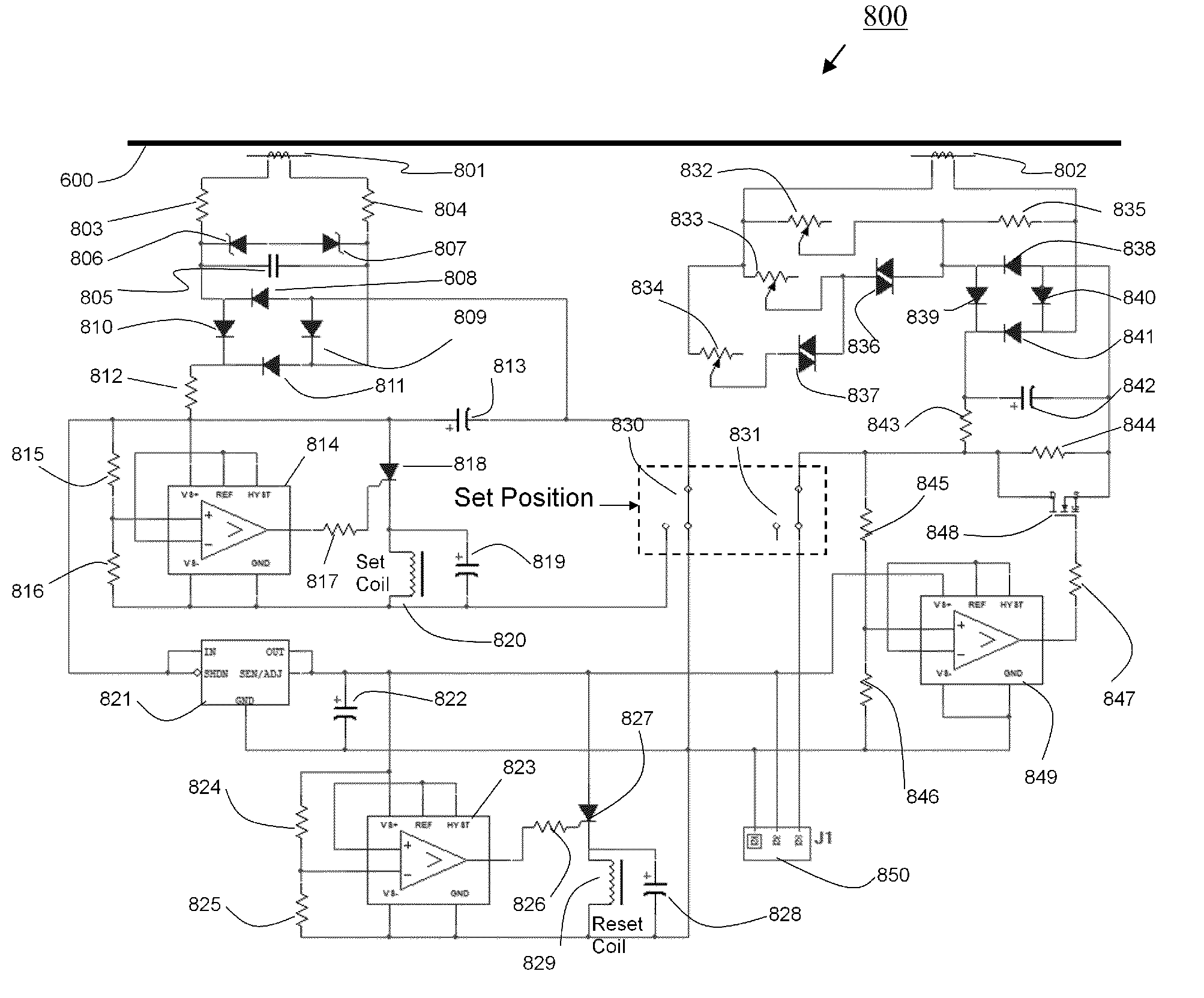
- An electromagnetic induction installation that powers electrical devices without wires by inducing a magnetic field using N turns of electrical conductor with capacitors in series, allowing for adjustable resistance and optimized voltage and frequency to supply energy to all electrical substations in a space, with each substation equipped with a tuning capacitor and magnetic core for efficient energy production.
High voltage to low voltage inductive power supply with current sensor
PatentInactiveUS20100253318A1
Innovation
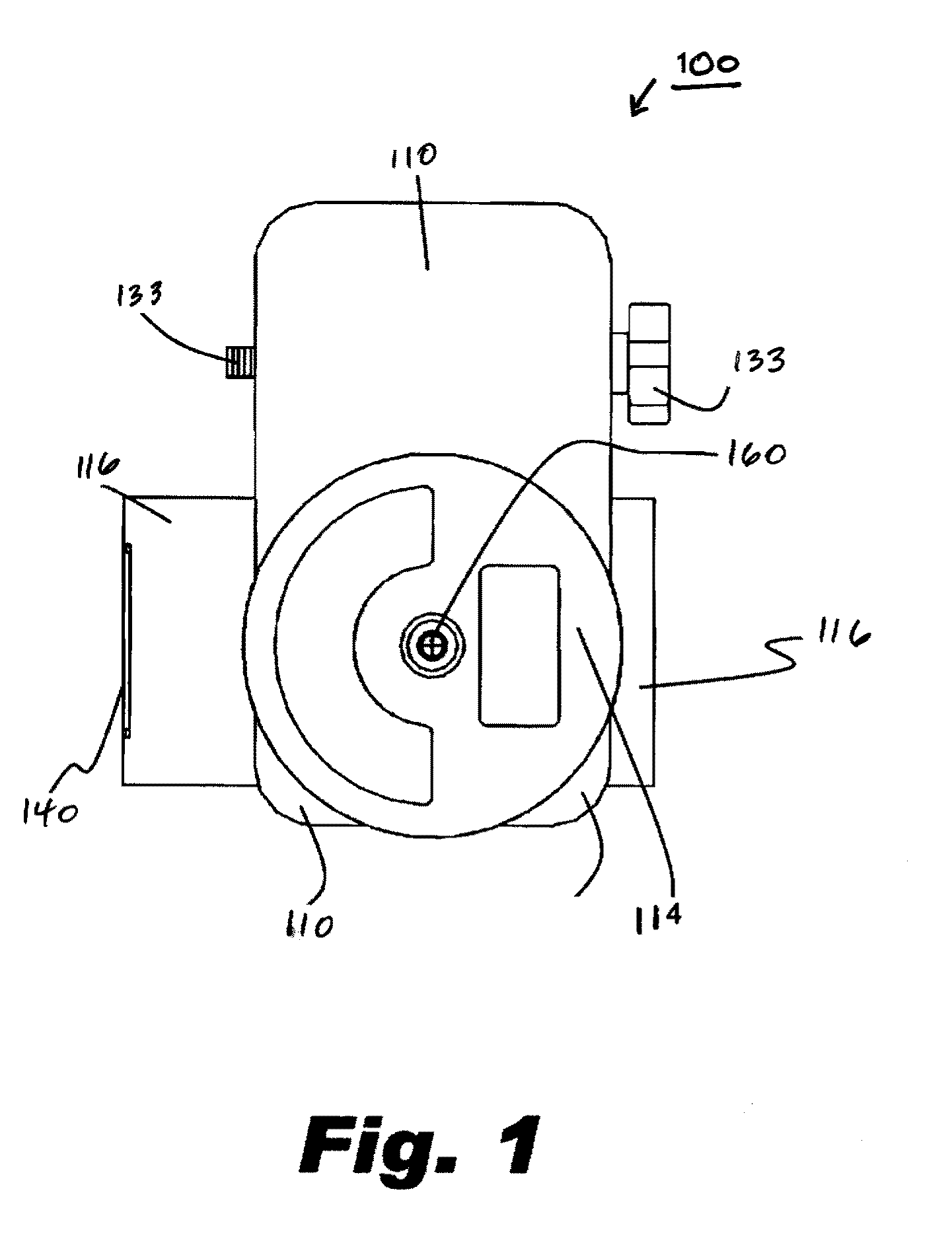
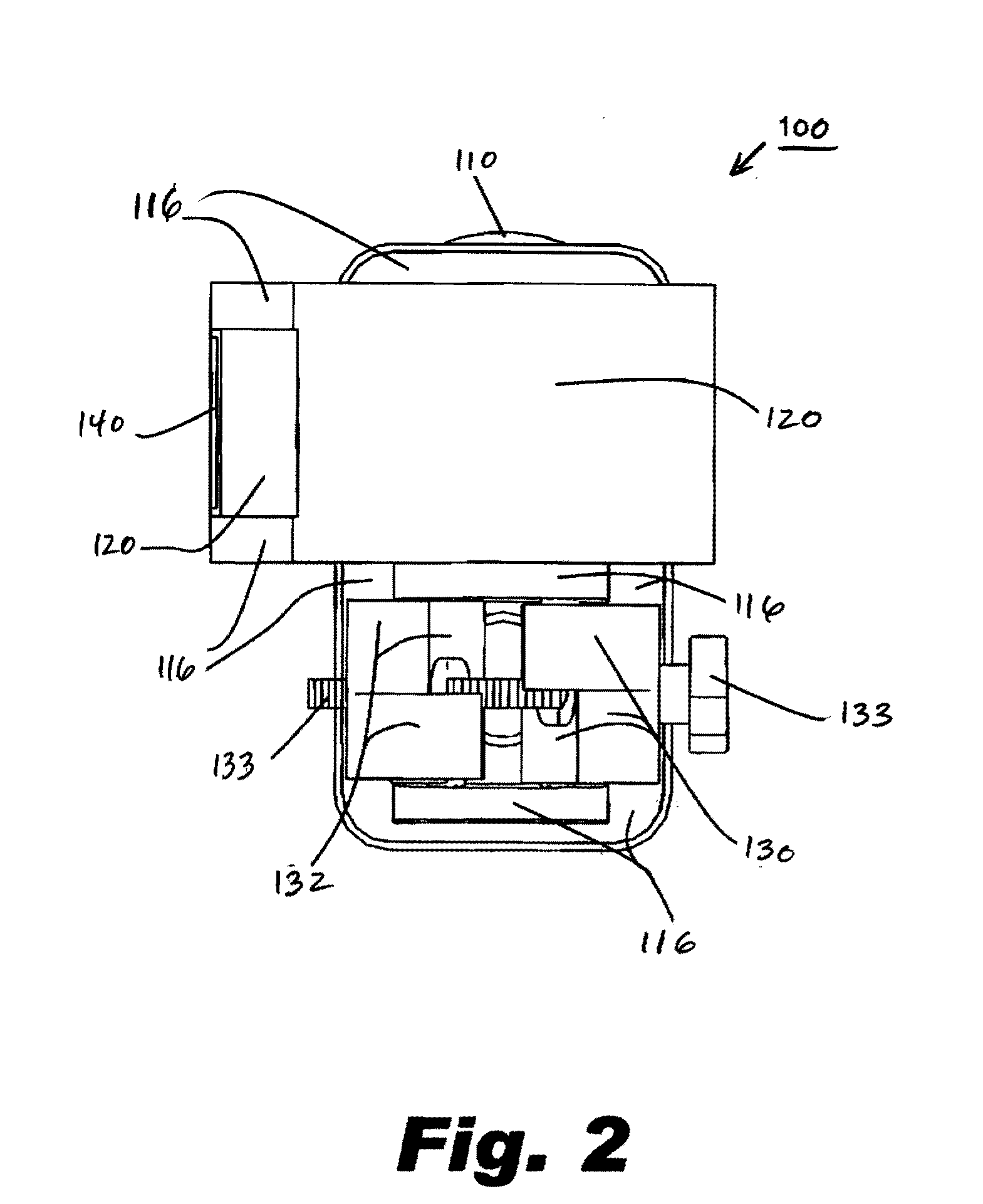
- An inductive power supply system utilizing a current transformer with a movable core and a clamp to secure the power supply to a power transmission line, incorporating a current sensor and energy storage components like supercapacitors, which provides a regulated low voltage output and is corrosion-resistant and waterproof, allowing operation in submerged conditions.

Safety Standards for EM Fields in Construction
The implementation of electromagnetic induction technologies in construction environments necessitates comprehensive safety standards to protect workers, equipment, and surrounding communities from potential electromagnetic field exposure. Current international frameworks primarily reference guidelines established by the International Commission on Non-Ionizing Radiation Protection (ICNIRP) and the Institute of Electrical and Electronics Engineers (IEEE), which define exposure limits for both occupational and public environments.
Occupational exposure limits for construction workers operating electromagnetic induction equipment typically range from 0.4 to 5 milliTesla for magnetic field exposure, depending on frequency ranges and exposure duration. These standards account for the intermittent nature of construction work and the mobility of workers within electromagnetic fields. Personal protective equipment requirements include electromagnetic field monitoring devices and specialized clothing with conductive fibers for workers in high-exposure scenarios.
Equipment certification standards mandate that all electromagnetic induction devices used in construction must undergo rigorous testing for field emission levels. The Federal Communications Commission (FCC) Part 18 regulations govern industrial, scientific, and medical equipment emissions, while construction-specific adaptations address the unique challenges of outdoor environments and variable power requirements. Manufacturers must provide detailed electromagnetic compatibility documentation and field strength measurements at specified distances.
Site safety protocols require establishing exclusion zones around active electromagnetic induction equipment, with boundaries determined by field strength calculations and equipment specifications. These zones typically extend 3 to 10 meters from high-power induction heating systems and require continuous monitoring during operation. Warning signage, barrier systems, and personnel training programs form essential components of comprehensive site safety management.
Regulatory compliance frameworks vary significantly across jurisdictions, with the European Union's EMC Directive 2014/30/EU providing stringent requirements for electromagnetic compatibility, while North American standards focus on worker safety through OSHA guidelines. Emerging markets are developing localized standards that balance technological adoption with safety considerations, creating a complex regulatory landscape for international construction projects utilizing electromagnetic induction technologies.
Occupational exposure limits for construction workers operating electromagnetic induction equipment typically range from 0.4 to 5 milliTesla for magnetic field exposure, depending on frequency ranges and exposure duration. These standards account for the intermittent nature of construction work and the mobility of workers within electromagnetic fields. Personal protective equipment requirements include electromagnetic field monitoring devices and specialized clothing with conductive fibers for workers in high-exposure scenarios.
Equipment certification standards mandate that all electromagnetic induction devices used in construction must undergo rigorous testing for field emission levels. The Federal Communications Commission (FCC) Part 18 regulations govern industrial, scientific, and medical equipment emissions, while construction-specific adaptations address the unique challenges of outdoor environments and variable power requirements. Manufacturers must provide detailed electromagnetic compatibility documentation and field strength measurements at specified distances.
Site safety protocols require establishing exclusion zones around active electromagnetic induction equipment, with boundaries determined by field strength calculations and equipment specifications. These zones typically extend 3 to 10 meters from high-power induction heating systems and require continuous monitoring during operation. Warning signage, barrier systems, and personnel training programs form essential components of comprehensive site safety management.
Regulatory compliance frameworks vary significantly across jurisdictions, with the European Union's EMC Directive 2014/30/EU providing stringent requirements for electromagnetic compatibility, while North American standards focus on worker safety through OSHA guidelines. Emerging markets are developing localized standards that balance technological adoption with safety considerations, creating a complex regulatory landscape for international construction projects utilizing electromagnetic induction technologies.
Environmental Impact of EM Construction Technologies
Electromagnetic induction technologies in construction present a complex environmental profile that requires comprehensive assessment across multiple impact categories. These technologies, while offering significant operational advantages, introduce both positive and negative environmental considerations that must be carefully evaluated against traditional construction methods.
The primary environmental benefit of electromagnetic induction systems lies in their energy efficiency characteristics. Induction heating for concrete curing and steel processing typically achieves 85-95% energy transfer efficiency, substantially higher than conventional heating methods. This efficiency translates to reduced fossil fuel consumption and lower greenhouse gas emissions during construction operations. Additionally, the precise control offered by electromagnetic systems minimizes material waste through optimized heating profiles and reduced overcuring incidents.
However, the manufacturing phase of electromagnetic induction equipment presents notable environmental challenges. The production of high-grade electrical steel, permanent magnets containing rare earth elements, and sophisticated power electronics requires energy-intensive processes. Neodymium and dysprosium mining for permanent magnets raises particular concerns regarding habitat disruption and toxic waste generation in extraction regions.
Electromagnetic field emissions constitute another environmental consideration, though research indicates that construction-grade induction systems typically operate within established safety guidelines. The localized nature of these fields and their rapid attenuation with distance generally limit ecological impact to immediate work zones. Nevertheless, potential effects on sensitive electronic equipment and wildlife migration patterns warrant ongoing monitoring.
The lifecycle assessment of electromagnetic construction technologies reveals favorable long-term environmental performance. Reduced construction timeframes enabled by rapid induction heating decrease overall project emissions, including those from construction vehicles and temporary facilities. The durability improvements achieved through controlled electromagnetic processing extend infrastructure lifespan, reducing the frequency of reconstruction activities and associated environmental impacts.
Waste reduction represents a significant environmental advantage of electromagnetic induction applications. Precise temperature control in concrete curing reduces the incidence of defective sections requiring removal and replacement. Similarly, electromagnetic forming and joining techniques minimize material trimming and welding consumables compared to conventional methods.
The integration of renewable energy sources with electromagnetic construction equipment offers promising pathways for further environmental impact reduction. Solar and wind power can effectively supply the electrical energy requirements of induction systems, creating carbon-neutral construction processes. Energy storage systems can optimize renewable energy utilization during variable weather conditions.
Water consumption impacts vary depending on specific applications. While electromagnetic heating reduces the need for steam curing systems that consume substantial water quantities, cooling requirements for high-power induction equipment may increase local water usage. Closed-loop cooling systems and air-cooling alternatives can mitigate these impacts in water-sensitive environments.
The primary environmental benefit of electromagnetic induction systems lies in their energy efficiency characteristics. Induction heating for concrete curing and steel processing typically achieves 85-95% energy transfer efficiency, substantially higher than conventional heating methods. This efficiency translates to reduced fossil fuel consumption and lower greenhouse gas emissions during construction operations. Additionally, the precise control offered by electromagnetic systems minimizes material waste through optimized heating profiles and reduced overcuring incidents.
However, the manufacturing phase of electromagnetic induction equipment presents notable environmental challenges. The production of high-grade electrical steel, permanent magnets containing rare earth elements, and sophisticated power electronics requires energy-intensive processes. Neodymium and dysprosium mining for permanent magnets raises particular concerns regarding habitat disruption and toxic waste generation in extraction regions.
Electromagnetic field emissions constitute another environmental consideration, though research indicates that construction-grade induction systems typically operate within established safety guidelines. The localized nature of these fields and their rapid attenuation with distance generally limit ecological impact to immediate work zones. Nevertheless, potential effects on sensitive electronic equipment and wildlife migration patterns warrant ongoing monitoring.
The lifecycle assessment of electromagnetic construction technologies reveals favorable long-term environmental performance. Reduced construction timeframes enabled by rapid induction heating decrease overall project emissions, including those from construction vehicles and temporary facilities. The durability improvements achieved through controlled electromagnetic processing extend infrastructure lifespan, reducing the frequency of reconstruction activities and associated environmental impacts.
Waste reduction represents a significant environmental advantage of electromagnetic induction applications. Precise temperature control in concrete curing reduces the incidence of defective sections requiring removal and replacement. Similarly, electromagnetic forming and joining techniques minimize material trimming and welding consumables compared to conventional methods.
The integration of renewable energy sources with electromagnetic construction equipment offers promising pathways for further environmental impact reduction. Solar and wind power can effectively supply the electrical energy requirements of induction systems, creating carbon-neutral construction processes. Energy storage systems can optimize renewable energy utilization during variable weather conditions.
Water consumption impacts vary depending on specific applications. While electromagnetic heating reduces the need for steam curing systems that consume substantial water quantities, cooling requirements for high-power induction equipment may increase local water usage. Closed-loop cooling systems and air-cooling alternatives can mitigate these impacts in water-sensitive environments.
Unlock deeper insights with Patsnap Eureka Quick Research — get a full tech report to explore trends and direct your research. Try now!
Generate Your Research Report Instantly with AI Agent
Supercharge your innovation with Patsnap Eureka AI Agent Platform!