

Electrostatic Actuator Applications in Smart Home Gadgets
MAR 10, 20269 MIN READ
Generate Your Research Report Instantly with AI Agent
PatSnap Eureka helps you evaluate technical feasibility & market potential.
Electrostatic Actuator Smart Home Tech Background
Electrostatic actuators represent a fundamental shift in micro-electromechanical systems (MEMS) technology, emerging from decades of research in electrostatic force manipulation and precision mechanical control. These devices harness the attractive or repulsive forces between electrically charged surfaces to generate controlled mechanical motion, offering unique advantages in terms of power consumption, response speed, and miniaturization potential.
The evolution of electrostatic actuation technology traces back to early capacitive sensing systems in the 1980s, where researchers discovered that the same principles governing capacitive measurements could be reversed to create mechanical motion. Initial applications focused primarily on micro-positioning systems and optical switching devices, where precise control and minimal power consumption were paramount.
The integration of electrostatic actuators into consumer electronics gained momentum in the early 2000s with the proliferation of MEMS technology in smartphones and automotive systems. This period marked a crucial transition from laboratory curiosities to commercially viable components, driven by advances in semiconductor fabrication techniques and the growing demand for miniaturized, energy-efficient actuators.
Smart home technology represents the latest frontier for electrostatic actuator applications, coinciding with the Internet of Things (IoT) revolution and the increasing consumer demand for intelligent, responsive home environments. The convergence of wireless connectivity, edge computing, and advanced sensor networks has created an ideal ecosystem for deploying sophisticated actuation systems throughout residential spaces.
The primary technical objectives driving electrostatic actuator development in smart home applications center on achieving ultra-low power operation, silent functionality, and precise control characteristics. Unlike traditional electromagnetic actuators, electrostatic systems can maintain static positions without continuous power consumption, making them ideal for battery-powered smart home devices that require extended operational lifespans.
Current development efforts focus on overcoming traditional limitations such as limited force output and voltage requirements while maximizing the inherent advantages of fast response times, excellent controllability, and minimal electromagnetic interference. These characteristics align perfectly with the smart home ecosystem's requirements for seamless integration, energy efficiency, and reliable performance across diverse environmental conditions.
The evolution of electrostatic actuation technology traces back to early capacitive sensing systems in the 1980s, where researchers discovered that the same principles governing capacitive measurements could be reversed to create mechanical motion. Initial applications focused primarily on micro-positioning systems and optical switching devices, where precise control and minimal power consumption were paramount.
The integration of electrostatic actuators into consumer electronics gained momentum in the early 2000s with the proliferation of MEMS technology in smartphones and automotive systems. This period marked a crucial transition from laboratory curiosities to commercially viable components, driven by advances in semiconductor fabrication techniques and the growing demand for miniaturized, energy-efficient actuators.
Smart home technology represents the latest frontier for electrostatic actuator applications, coinciding with the Internet of Things (IoT) revolution and the increasing consumer demand for intelligent, responsive home environments. The convergence of wireless connectivity, edge computing, and advanced sensor networks has created an ideal ecosystem for deploying sophisticated actuation systems throughout residential spaces.
The primary technical objectives driving electrostatic actuator development in smart home applications center on achieving ultra-low power operation, silent functionality, and precise control characteristics. Unlike traditional electromagnetic actuators, electrostatic systems can maintain static positions without continuous power consumption, making them ideal for battery-powered smart home devices that require extended operational lifespans.
Current development efforts focus on overcoming traditional limitations such as limited force output and voltage requirements while maximizing the inherent advantages of fast response times, excellent controllability, and minimal electromagnetic interference. These characteristics align perfectly with the smart home ecosystem's requirements for seamless integration, energy efficiency, and reliable performance across diverse environmental conditions.
Smart Home Device Market Demand Analysis
The smart home device market has experienced unprecedented growth driven by increasing consumer demand for convenience, energy efficiency, and enhanced living experiences. Modern households are increasingly adopting interconnected devices that offer seamless automation and intelligent control capabilities. This transformation reflects a fundamental shift in consumer expectations, where traditional home appliances are being replaced by smart alternatives that provide remote monitoring, predictive maintenance, and adaptive functionality.
Consumer preferences have evolved significantly toward devices that offer tactile feedback and precise control mechanisms. Traditional mechanical switches and buttons are being superseded by more sophisticated actuation technologies that provide silent operation, compact form factors, and enhanced durability. The demand for miniaturized components that can deliver reliable performance while maintaining aesthetic appeal has become a critical market driver.
Energy efficiency concerns have intensified consumer interest in smart home solutions that optimize power consumption. Households are actively seeking devices that can reduce electricity bills while maintaining superior performance standards. This trend has created substantial market opportunities for technologies that enable ultra-low power operation without compromising functionality or user experience.
The aging population demographic has generated increased demand for accessible smart home interfaces that accommodate users with varying physical capabilities. Touch-sensitive controls, haptic feedback systems, and adaptive user interfaces have become essential features for ensuring broad market adoption. This demographic shift has influenced product development priorities across multiple device categories.
Market segmentation analysis reveals strong growth potential across various smart home categories including lighting control systems, climate management devices, security equipment, and entertainment systems. Each segment demonstrates unique requirements for actuation technologies, with emphasis on reliability, responsiveness, and integration capabilities with existing home automation ecosystems.
Regional market dynamics show varying adoption patterns influenced by infrastructure development, regulatory frameworks, and cultural preferences. Developed markets prioritize premium features and advanced functionality, while emerging markets focus on cost-effective solutions that deliver essential smart home capabilities. This diversity creates opportunities for scalable technologies that can address multiple market segments simultaneously.
The competitive landscape continues to evolve as traditional appliance manufacturers collaborate with technology companies to develop next-generation smart home solutions. This convergence has accelerated innovation cycles and created demand for versatile actuation technologies that can support diverse application requirements while maintaining manufacturing cost efficiency.
Consumer preferences have evolved significantly toward devices that offer tactile feedback and precise control mechanisms. Traditional mechanical switches and buttons are being superseded by more sophisticated actuation technologies that provide silent operation, compact form factors, and enhanced durability. The demand for miniaturized components that can deliver reliable performance while maintaining aesthetic appeal has become a critical market driver.
Energy efficiency concerns have intensified consumer interest in smart home solutions that optimize power consumption. Households are actively seeking devices that can reduce electricity bills while maintaining superior performance standards. This trend has created substantial market opportunities for technologies that enable ultra-low power operation without compromising functionality or user experience.
The aging population demographic has generated increased demand for accessible smart home interfaces that accommodate users with varying physical capabilities. Touch-sensitive controls, haptic feedback systems, and adaptive user interfaces have become essential features for ensuring broad market adoption. This demographic shift has influenced product development priorities across multiple device categories.
Market segmentation analysis reveals strong growth potential across various smart home categories including lighting control systems, climate management devices, security equipment, and entertainment systems. Each segment demonstrates unique requirements for actuation technologies, with emphasis on reliability, responsiveness, and integration capabilities with existing home automation ecosystems.
Regional market dynamics show varying adoption patterns influenced by infrastructure development, regulatory frameworks, and cultural preferences. Developed markets prioritize premium features and advanced functionality, while emerging markets focus on cost-effective solutions that deliver essential smart home capabilities. This diversity creates opportunities for scalable technologies that can address multiple market segments simultaneously.
The competitive landscape continues to evolve as traditional appliance manufacturers collaborate with technology companies to develop next-generation smart home solutions. This convergence has accelerated innovation cycles and created demand for versatile actuation technologies that can support diverse application requirements while maintaining manufacturing cost efficiency.
Current Electrostatic Actuator Tech Status
Electrostatic actuators have emerged as a promising technology for smart home applications, leveraging the fundamental principle of electrostatic force generation between charged surfaces. Current implementations primarily utilize parallel plate configurations, comb-drive structures, and dielectric elastomer actuators (DEAs) to achieve mechanical motion through voltage-controlled electrostatic attraction or repulsion.
The parallel plate actuator design represents the most mature configuration in smart home devices, featuring two conductive plates separated by a dielectric material. When voltage is applied, the resulting electrostatic force creates attractive forces that can generate linear displacement up to several micrometers. This technology has found practical applications in micro-positioning systems for smart mirrors and automated window blinds, where precise control and low power consumption are essential.
Comb-drive electrostatic actuators offer superior performance in terms of displacement range and force generation. These devices consist of interdigitated finger structures that create lateral forces when energized. Current implementations achieve displacements ranging from 10 to 100 micrometers with driving voltages between 50-200V. Smart home manufacturers have successfully integrated comb-drive actuators into haptic feedback systems for touch interfaces and precision control mechanisms in smart thermostats.
Dielectric elastomer actuators represent the most advanced segment of current electrostatic actuator technology. These soft actuators utilize elastomeric materials sandwiched between compliant electrodes, enabling large-strain deformation when subjected to electric fields. Modern DEAs can achieve strains exceeding 100% with response times in the millisecond range, making them ideal for applications requiring significant mechanical output such as smart furniture adjustment mechanisms and automated door systems.
Manufacturing capabilities have significantly advanced, with current production techniques enabling actuator fabrication at scales ranging from MEMS-level devices to centimeter-scale systems. Silicon-based microfabrication processes dominate the production of small-scale electrostatic actuators, while polymer-based manufacturing approaches support larger-scale implementations. Quality control standards have evolved to ensure consistent performance across temperature ranges typical in residential environments, typically -10°C to 60°C.
Power management remains a critical aspect of current electrostatic actuator implementations. Modern designs incorporate sophisticated voltage regulation circuits and energy recovery systems to minimize power consumption. Typical power requirements range from microwatts for sensing applications to several watts for high-force applications, with standby power consumption often below 100 microwatts.
Integration challenges persist in current implementations, particularly regarding voltage requirements and electromagnetic interference. Most commercial electrostatic actuators require high-voltage drive circuits, necessitating specialized power management integrated circuits and safety considerations for consumer applications.
The parallel plate actuator design represents the most mature configuration in smart home devices, featuring two conductive plates separated by a dielectric material. When voltage is applied, the resulting electrostatic force creates attractive forces that can generate linear displacement up to several micrometers. This technology has found practical applications in micro-positioning systems for smart mirrors and automated window blinds, where precise control and low power consumption are essential.
Comb-drive electrostatic actuators offer superior performance in terms of displacement range and force generation. These devices consist of interdigitated finger structures that create lateral forces when energized. Current implementations achieve displacements ranging from 10 to 100 micrometers with driving voltages between 50-200V. Smart home manufacturers have successfully integrated comb-drive actuators into haptic feedback systems for touch interfaces and precision control mechanisms in smart thermostats.
Dielectric elastomer actuators represent the most advanced segment of current electrostatic actuator technology. These soft actuators utilize elastomeric materials sandwiched between compliant electrodes, enabling large-strain deformation when subjected to electric fields. Modern DEAs can achieve strains exceeding 100% with response times in the millisecond range, making them ideal for applications requiring significant mechanical output such as smart furniture adjustment mechanisms and automated door systems.
Manufacturing capabilities have significantly advanced, with current production techniques enabling actuator fabrication at scales ranging from MEMS-level devices to centimeter-scale systems. Silicon-based microfabrication processes dominate the production of small-scale electrostatic actuators, while polymer-based manufacturing approaches support larger-scale implementations. Quality control standards have evolved to ensure consistent performance across temperature ranges typical in residential environments, typically -10°C to 60°C.
Power management remains a critical aspect of current electrostatic actuator implementations. Modern designs incorporate sophisticated voltage regulation circuits and energy recovery systems to minimize power consumption. Typical power requirements range from microwatts for sensing applications to several watts for high-force applications, with standby power consumption often below 100 microwatts.
Integration challenges persist in current implementations, particularly regarding voltage requirements and electromagnetic interference. Most commercial electrostatic actuators require high-voltage drive circuits, necessitating specialized power management integrated circuits and safety considerations for consumer applications.
Current Electrostatic Actuator Solutions
01 Electrostatic actuator structure and electrode configuration
Electrostatic actuators utilize specific electrode configurations and structural designs to generate electrostatic forces for actuation. The design includes arrangements of fixed and movable electrodes, dielectric layers, and substrate configurations that enable controlled movement through electrostatic attraction. Various electrode patterns and geometries are employed to optimize force generation and displacement characteristics.- Electrostatic actuator structure and electrode configuration: Electrostatic actuators utilize specific electrode configurations and structural designs to generate electrostatic forces for actuation. The design includes arrangements of fixed and movable electrodes, dielectric layers, and substrate configurations that enable controlled movement through electrostatic attraction. Various electrode geometries such as comb-drive structures, parallel plate configurations, and interdigitated patterns are employed to optimize force generation and displacement characteristics.
- Electrostatic actuator for MEMS and microdevices: Microelectromechanical systems incorporate electrostatic actuators as key components for precise micro-scale actuation. These actuators are designed with miniaturized dimensions suitable for integration into MEMS devices, enabling applications in micro-mirrors, micro-pumps, and micro-positioning systems. The fabrication processes involve semiconductor manufacturing techniques to create high-precision actuator structures with controlled gaps and alignment.
- Driving and control methods for electrostatic actuators: Various driving schemes and control methodologies are employed to operate electrostatic actuators effectively. These include voltage control strategies, pulse-width modulation techniques, and feedback control systems that regulate the applied electric field to achieve desired displacement and force output. The control methods address issues such as pull-in voltage, hysteresis, and dynamic response characteristics to improve actuator performance and stability.
- Electrostatic actuator applications in haptic and tactile devices: Electrostatic actuators are utilized in haptic feedback systems and tactile display devices to generate touch sensations and surface texture variations. These applications leverage the rapid response and precise control capabilities of electrostatic actuation to create programmable tactile interfaces. The actuators can modulate friction forces, generate vibrations, or produce localized surface deformations to convey tactile information to users.
- Advanced materials and dielectric layers for electrostatic actuators: The performance of electrostatic actuators is enhanced through the use of specialized dielectric materials and thin-film coatings. High-permittivity dielectrics, low-loss insulating layers, and protective coatings are incorporated to increase electrostatic force generation, reduce operating voltage, and improve reliability. Material selection and layer thickness optimization are critical factors in achieving desired actuator characteristics such as breakdown voltage, energy efficiency, and long-term stability.
02 MEMS-based electrostatic actuators
Micro-electromechanical systems technology is applied to fabricate miniaturized electrostatic actuators with enhanced performance. These devices integrate microfabrication techniques to create compact actuator structures with precise control capabilities. The MEMS approach enables integration of sensing and actuation functions in small form factors suitable for various applications including optical systems and microfluidics.Expand Specific Solutions03 Driving and control methods for electrostatic actuators
Various driving schemes and control methodologies are employed to operate electrostatic actuators effectively. These include voltage application patterns, feedback control systems, and signal processing techniques to achieve desired actuation performance. The control methods address issues such as pull-in voltage, hysteresis, and position accuracy through optimized driving waveforms and closed-loop control strategies.Expand Specific Solutions04 Electrostatic actuators for optical applications
Electrostatic actuation mechanisms are specifically designed for optical devices such as mirrors, lenses, and beam steering systems. These actuators provide precise positioning and angular control for optical elements, enabling applications in imaging systems, displays, and laser scanning. The designs focus on achieving high resolution, fast response times, and stable operation under varying optical loads.Expand Specific Solutions05 Comb-drive and parallel-plate electrostatic actuators
Specific actuator topologies including comb-drive structures and parallel-plate configurations are utilized to achieve different motion characteristics. Comb-drive designs provide linear displacement with reduced voltage dependency, while parallel-plate configurations offer high force density. These topologies are selected based on application requirements for displacement range, force output, and operating voltage constraints.Expand Specific Solutions
Major Players in Smart Home Actuator Market
The electrostatic actuator market for smart home applications is in its early growth stage, with significant expansion potential driven by increasing home automation adoption. The market remains relatively niche but shows promising scalability as consumer demand for responsive, energy-efficient smart devices grows. Technology maturity varies considerably across key players, with established electronics giants like Toshiba Corp., Murata Manufacturing, and NEC Corp. leading in component miniaturization and integration capabilities. Companies such as SOMFY and LINAK demonstrate specialized actuator expertise, while emerging players like Octet Medical showcase innovative electrostatic applications. Traditional manufacturers including Seiko Epson and Ricoh are leveraging their precision engineering backgrounds to enter this space. The competitive landscape features a mix of mature semiconductor companies with advanced manufacturing capabilities and specialized actuator developers, indicating a market transitioning from experimental to commercial viability with substantial growth opportunities ahead.
Toshiba Corp.
Technical Solution: Toshiba has developed advanced electrostatic actuator technologies for smart home applications, focusing on micro-electromechanical systems (MEMS) that enable precise control in compact devices. Their electrostatic actuators utilize high-voltage, low-current operation principles to achieve fine positioning and movement control in smart home gadgets such as automated blinds, smart locks, and precision air flow controllers. The company's approach emphasizes energy efficiency and miniaturization, making their actuators suitable for battery-powered smart home devices. Toshiba's electrostatic actuators feature rapid response times and can operate silently, which is crucial for residential applications where noise reduction is important.
Strengths: High precision control, energy efficient operation, silent operation suitable for home environments. Weaknesses: Requires high voltage operation, sensitive to humidity and environmental conditions.
Murata Manufacturing Co. Ltd.
Technical Solution: Murata specializes in piezoelectric and electrostatic actuator components for smart home applications, leveraging their expertise in ceramic and electronic materials. Their electrostatic actuators are integrated into smart home sensors, automated window systems, and precision positioning mechanisms for smart appliances. The company's technology focuses on creating ultra-compact actuators that can be embedded directly into smart home devices without significantly increasing their size or power consumption. Murata's electrostatic actuators utilize advanced dielectric materials to achieve high force-to-size ratios and incorporate smart control circuits that enable precise positioning feedback for applications like automated curtain systems and smart ventilation controls.
Strengths: Excellent miniaturization capabilities, high force-to-size ratio, integrated smart control systems. Weaknesses: Limited force output for larger applications, higher manufacturing costs for complex geometries.
Core Electrostatic Actuator Patents Analysis
Electrostatic actuator device and method of making the device
PatentInactiveUS20080048520A1
Innovation
- An electrostatic actuator design with a gap between the electrode and the deflectable member, featuring a first region with a smaller gap height near the anchors and a second region with a larger gap height farther away, reducing the required actuation voltage by inversely proportional force generation, achieved through a sacrificial layer process and iterative modeling to maintain a desired minimum gap when deflected.
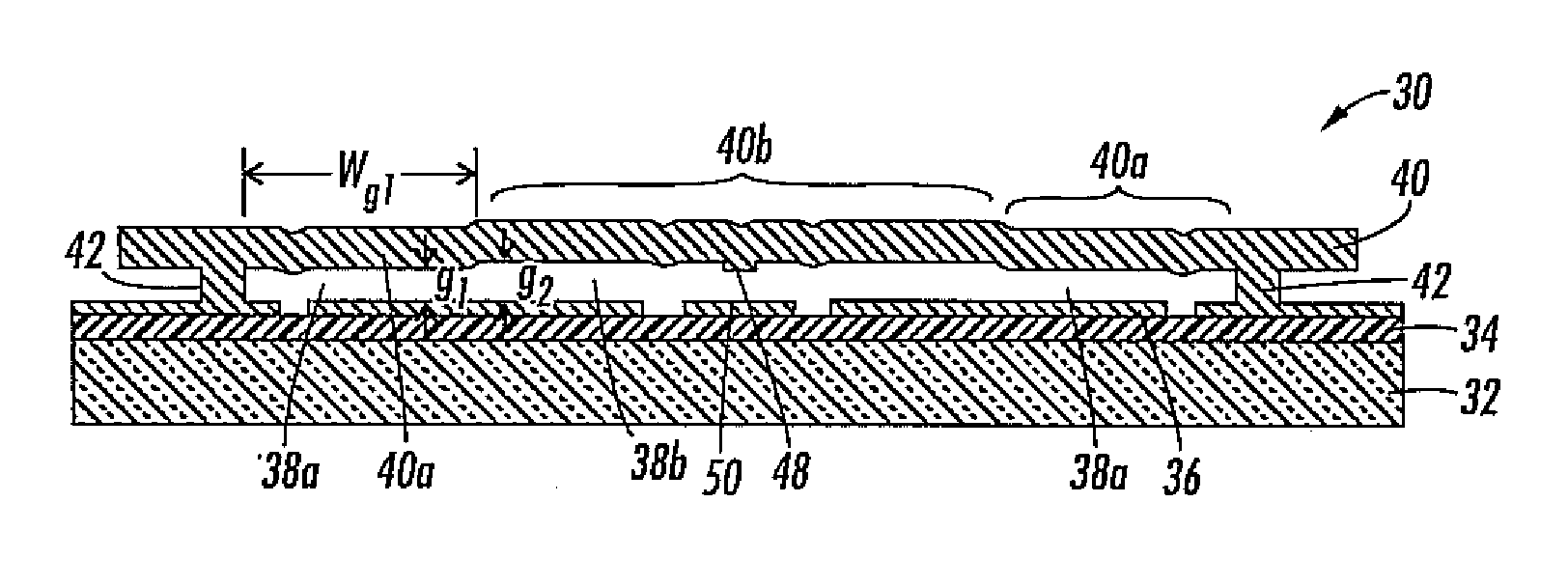
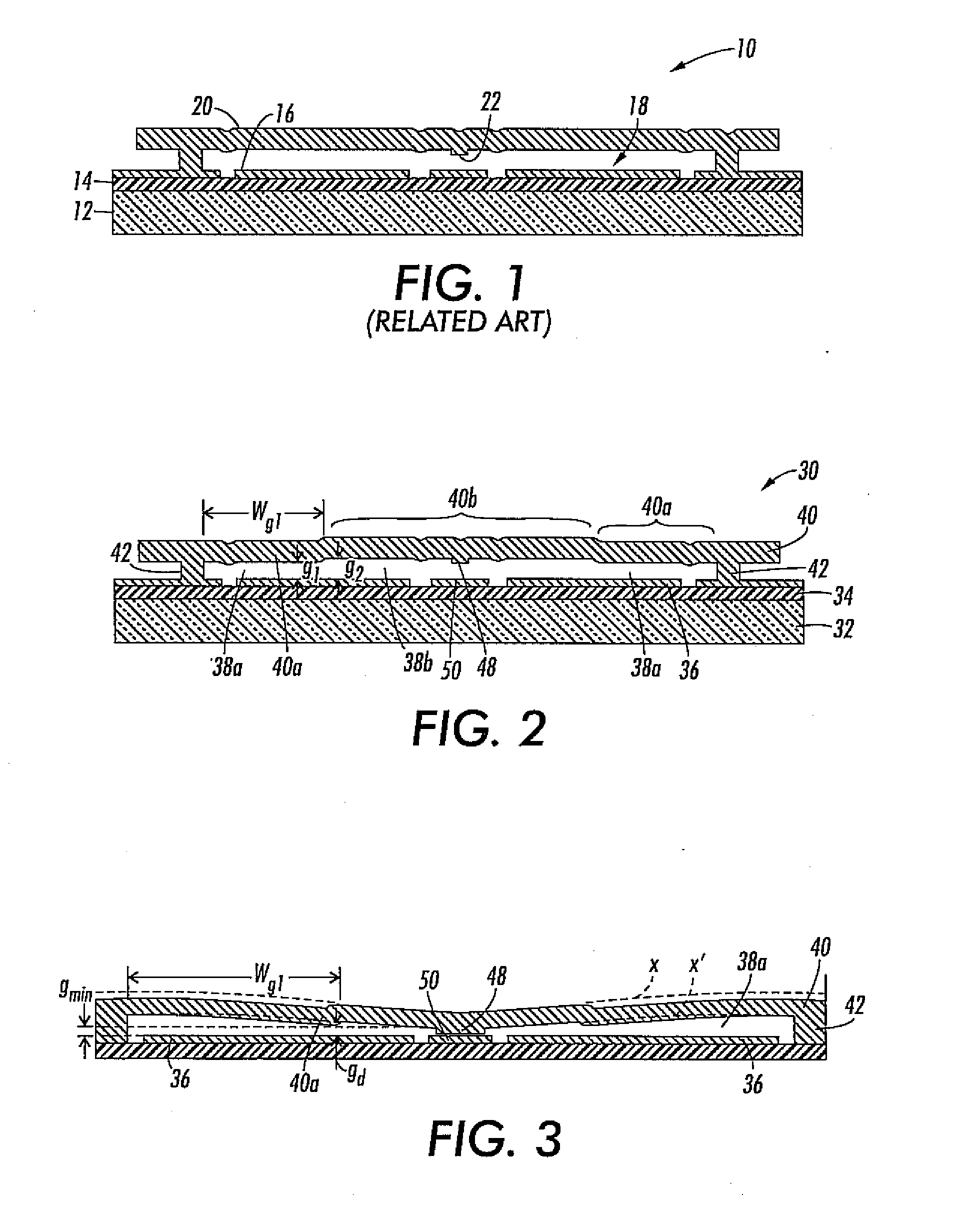
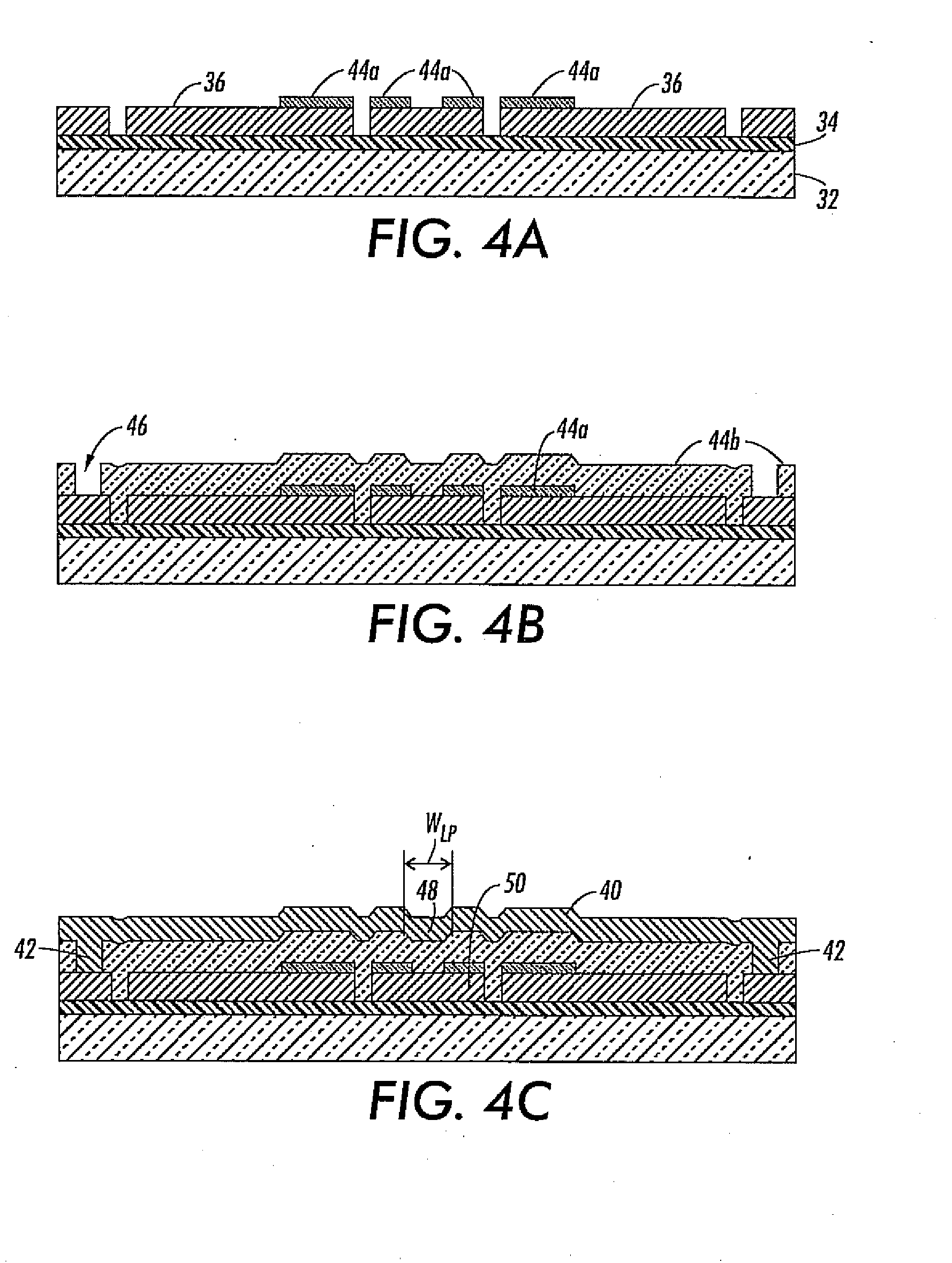

Cellular Array Electrostatic Actuator
PatentActiveUS20210171339A1
Innovation
- A microfabricated cellular array electrostatic actuator with a framework and electrodes, where the framework contracts in response to an electrical signal, combining larger displacement ranges and force densities by summing displacements from multiple actuator cells with submicrometer displacements, overcoming the trade-off between force and displacement.


Smart Home Device Safety Standards
The integration of electrostatic actuators in smart home devices necessitates adherence to comprehensive safety standards that address both electrical and mechanical hazards. Current regulatory frameworks primarily focus on IEC 60335 series standards for household appliances, which establish fundamental safety requirements including electrical insulation, temperature limits, and protection against electric shock. These standards require electrostatic actuator systems to maintain proper isolation between high-voltage components and user-accessible surfaces, typically mandating minimum clearance distances of 3mm for basic insulation and 6mm for reinforced insulation.
Electromagnetic compatibility (EMC) standards, particularly IEC 61000 series, play a crucial role in ensuring electrostatic actuators do not interfere with other smart home devices or wireless communication systems. The high-frequency switching characteristics of electrostatic drives can generate electromagnetic emissions that must be contained within specified limits. Additionally, these devices must demonstrate immunity to external electromagnetic disturbances to prevent malfunction or safety hazards.
Fire safety considerations are paramount given the high-voltage nature of electrostatic actuators. UL 991 and IEC 60695 standards establish flammability requirements for materials and components, mandating the use of flame-retardant plastics and proper thermal management systems. Temperature monitoring and fail-safe mechanisms must be implemented to prevent overheating conditions that could lead to fire hazards.
Mechanical safety standards address the physical risks associated with moving parts driven by electrostatic actuators. ISO 12100 provides guidelines for risk assessment and reduction, requiring proper guarding of pinch points and implementation of emergency stop functions. Smart home devices must incorporate position feedback systems and force limiting mechanisms to prevent injury from unexpected actuator movement.
Cybersecurity standards are increasingly important as electrostatic actuator-equipped devices become connected to home networks. IEC 62443 series standards establish security requirements for industrial automation systems, which are being adapted for smart home applications. These standards mandate secure communication protocols, authentication mechanisms, and regular security updates to prevent unauthorized control of actuator systems that could pose safety risks.
Electromagnetic compatibility (EMC) standards, particularly IEC 61000 series, play a crucial role in ensuring electrostatic actuators do not interfere with other smart home devices or wireless communication systems. The high-frequency switching characteristics of electrostatic drives can generate electromagnetic emissions that must be contained within specified limits. Additionally, these devices must demonstrate immunity to external electromagnetic disturbances to prevent malfunction or safety hazards.
Fire safety considerations are paramount given the high-voltage nature of electrostatic actuators. UL 991 and IEC 60695 standards establish flammability requirements for materials and components, mandating the use of flame-retardant plastics and proper thermal management systems. Temperature monitoring and fail-safe mechanisms must be implemented to prevent overheating conditions that could lead to fire hazards.
Mechanical safety standards address the physical risks associated with moving parts driven by electrostatic actuators. ISO 12100 provides guidelines for risk assessment and reduction, requiring proper guarding of pinch points and implementation of emergency stop functions. Smart home devices must incorporate position feedback systems and force limiting mechanisms to prevent injury from unexpected actuator movement.
Cybersecurity standards are increasingly important as electrostatic actuator-equipped devices become connected to home networks. IEC 62443 series standards establish security requirements for industrial automation systems, which are being adapted for smart home applications. These standards mandate secure communication protocols, authentication mechanisms, and regular security updates to prevent unauthorized control of actuator systems that could pose safety risks.
Energy Efficiency in Smart Home Systems
Energy efficiency represents a critical performance metric for electrostatic actuator implementations in smart home environments, directly impacting operational costs, battery life, and environmental sustainability. The inherent characteristics of electrostatic actuation mechanisms offer significant advantages in power consumption compared to traditional electromagnetic and pneumatic alternatives, making them particularly suitable for battery-powered and energy-conscious smart home applications.
Electrostatic actuators demonstrate exceptional energy efficiency through their unique operational principle, requiring minimal current flow during static positioning. Unlike electromagnetic motors that consume continuous power to maintain position, electrostatic systems primarily consume energy during state transitions, with negligible power draw in steady-state conditions. This characteristic proves invaluable for smart home devices that spend extended periods in fixed positions, such as automated blinds, smart locks, and adjustable lighting fixtures.
The voltage requirements of electrostatic actuators, typically ranging from 100V to several kilovolts, initially appear energy-intensive. However, the extremely low current demands, often in microampere ranges, result in overall power consumption significantly lower than conventional actuators. Modern power management circuits and voltage multiplier technologies have further optimized energy conversion efficiency, achieving overall system efficiencies exceeding 85% in many smart home applications.
Smart home integration benefits substantially from the rapid response characteristics of electrostatic actuators, enabling precise energy management through intelligent control algorithms. These systems can implement sophisticated power scheduling, activating only when necessary and entering ultra-low power modes during idle periods. The instantaneous response capability eliminates the need for continuous monitoring systems, reducing overall system energy overhead.
Battery-powered smart home devices particularly benefit from electrostatic actuator integration, with some implementations achieving operational lifespans exceeding two years on single battery charges. The combination of low standby power consumption and efficient actuation cycles makes electrostatic systems ideal for wireless sensors, smart switches, and portable home automation devices where frequent battery replacement would be impractical.
Advanced energy harvesting techniques complement electrostatic actuator efficiency in smart home systems. Integration with solar cells, thermoelectric generators, and kinetic energy harvesters creates self-sustaining devices that operate indefinitely without external power sources. This synergy between efficient actuation and renewable energy collection represents a significant advancement in sustainable smart home technology implementation.
Electrostatic actuators demonstrate exceptional energy efficiency through their unique operational principle, requiring minimal current flow during static positioning. Unlike electromagnetic motors that consume continuous power to maintain position, electrostatic systems primarily consume energy during state transitions, with negligible power draw in steady-state conditions. This characteristic proves invaluable for smart home devices that spend extended periods in fixed positions, such as automated blinds, smart locks, and adjustable lighting fixtures.
The voltage requirements of electrostatic actuators, typically ranging from 100V to several kilovolts, initially appear energy-intensive. However, the extremely low current demands, often in microampere ranges, result in overall power consumption significantly lower than conventional actuators. Modern power management circuits and voltage multiplier technologies have further optimized energy conversion efficiency, achieving overall system efficiencies exceeding 85% in many smart home applications.
Smart home integration benefits substantially from the rapid response characteristics of electrostatic actuators, enabling precise energy management through intelligent control algorithms. These systems can implement sophisticated power scheduling, activating only when necessary and entering ultra-low power modes during idle periods. The instantaneous response capability eliminates the need for continuous monitoring systems, reducing overall system energy overhead.
Battery-powered smart home devices particularly benefit from electrostatic actuator integration, with some implementations achieving operational lifespans exceeding two years on single battery charges. The combination of low standby power consumption and efficient actuation cycles makes electrostatic systems ideal for wireless sensors, smart switches, and portable home automation devices where frequent battery replacement would be impractical.
Advanced energy harvesting techniques complement electrostatic actuator efficiency in smart home systems. Integration with solar cells, thermoelectric generators, and kinetic energy harvesters creates self-sustaining devices that operate indefinitely without external power sources. This synergy between efficient actuation and renewable energy collection represents a significant advancement in sustainable smart home technology implementation.
Unlock deeper insights with PatSnap Eureka Quick Research — get a full tech report to explore trends and direct your research. Try now!
Generate Your Research Report Instantly with AI Agent
Supercharge your innovation with PatSnap Eureka AI Agent Platform!