

How to Prototype Electrostatic Actuators for Custom Applications
MAR 10, 202610 MIN READ
Generate Your Research Report Instantly with AI Agent
PatSnap Eureka helps you evaluate technical feasibility & market potential.
Electrostatic Actuator Technology Background and Objectives
Electrostatic actuators represent a fundamental class of microelectromechanical systems (MEMS) devices that harness electrostatic forces to generate mechanical motion. These devices operate on the principle of Coulomb attraction between charged conductors, converting electrical energy directly into mechanical displacement or force. The technology emerged from early developments in capacitive sensing and has evolved into sophisticated actuation systems capable of precise control and rapid response.
The historical development of electrostatic actuators traces back to the 1960s with the advent of silicon micromachining technologies. Initial applications focused primarily on microvalves and micropumps for fluidic systems. The 1980s marked a significant milestone with the introduction of surface micromachining techniques, enabling the fabrication of complex three-dimensional structures with improved performance characteristics.
Throughout the 1990s and 2000s, the technology witnessed substantial advancement driven by the growing demand for miniaturized systems in telecommunications, automotive, and consumer electronics sectors. The integration of advanced materials such as silicon carbide and piezoelectric composites expanded the operational envelope of these devices, allowing for higher voltage operation and enhanced durability.
Current technological trends indicate a shift toward hybrid actuation systems that combine electrostatic principles with other actuation mechanisms. This evolution addresses traditional limitations such as limited stroke length and high voltage requirements while maintaining the inherent advantages of fast response times and low power consumption during static operation.
The primary objective of contemporary electrostatic actuator development centers on achieving scalable prototyping methodologies for custom applications. This involves establishing standardized design frameworks that can accommodate diverse performance requirements while maintaining cost-effectiveness and manufacturing feasibility. Key technical goals include extending operational voltage ranges, improving force-to-size ratios, and developing reliable packaging solutions for harsh environmental conditions.
Another critical objective focuses on advancing fabrication techniques to enable rapid prototyping cycles. This encompasses the development of additive manufacturing approaches, flexible substrate technologies, and modular design architectures that facilitate iterative design optimization. The integration of advanced simulation tools and machine learning algorithms aims to accelerate the design-to-prototype timeline while reducing development costs.
The overarching strategic goal involves establishing electrostatic actuators as viable alternatives to traditional electromagnetic and pneumatic systems in applications requiring precise positioning, low power consumption, and compact form factors. This positioning strategy targets emerging markets in robotics, medical devices, and aerospace systems where conventional actuation technologies face significant limitations.
The historical development of electrostatic actuators traces back to the 1960s with the advent of silicon micromachining technologies. Initial applications focused primarily on microvalves and micropumps for fluidic systems. The 1980s marked a significant milestone with the introduction of surface micromachining techniques, enabling the fabrication of complex three-dimensional structures with improved performance characteristics.
Throughout the 1990s and 2000s, the technology witnessed substantial advancement driven by the growing demand for miniaturized systems in telecommunications, automotive, and consumer electronics sectors. The integration of advanced materials such as silicon carbide and piezoelectric composites expanded the operational envelope of these devices, allowing for higher voltage operation and enhanced durability.
Current technological trends indicate a shift toward hybrid actuation systems that combine electrostatic principles with other actuation mechanisms. This evolution addresses traditional limitations such as limited stroke length and high voltage requirements while maintaining the inherent advantages of fast response times and low power consumption during static operation.
The primary objective of contemporary electrostatic actuator development centers on achieving scalable prototyping methodologies for custom applications. This involves establishing standardized design frameworks that can accommodate diverse performance requirements while maintaining cost-effectiveness and manufacturing feasibility. Key technical goals include extending operational voltage ranges, improving force-to-size ratios, and developing reliable packaging solutions for harsh environmental conditions.
Another critical objective focuses on advancing fabrication techniques to enable rapid prototyping cycles. This encompasses the development of additive manufacturing approaches, flexible substrate technologies, and modular design architectures that facilitate iterative design optimization. The integration of advanced simulation tools and machine learning algorithms aims to accelerate the design-to-prototype timeline while reducing development costs.
The overarching strategic goal involves establishing electrostatic actuators as viable alternatives to traditional electromagnetic and pneumatic systems in applications requiring precise positioning, low power consumption, and compact form factors. This positioning strategy targets emerging markets in robotics, medical devices, and aerospace systems where conventional actuation technologies face significant limitations.
Market Demand for Custom Electrostatic Actuator Applications
The market demand for custom electrostatic actuator applications is experiencing significant growth across multiple industries, driven by the increasing need for precise, low-power, and miniaturized actuation solutions. This demand stems from the unique advantages that electrostatic actuators offer, including their ability to operate without magnetic fields, generate high forces at small scales, and provide excellent controllability in specialized environments.
The consumer electronics sector represents one of the most substantial demand drivers, particularly in haptic feedback systems for smartphones, tablets, and wearable devices. Manufacturers are increasingly seeking custom electrostatic solutions that can deliver tactile sensations while consuming minimal power and occupying minimal space within compact device architectures. The trend toward thinner devices and longer battery life has intensified the need for energy-efficient actuation technologies.
Medical device applications constitute another rapidly expanding market segment, where custom electrostatic actuators are being integrated into surgical instruments, drug delivery systems, and diagnostic equipment. The biocompatibility and precise control characteristics of electrostatic actuators make them particularly suitable for applications requiring sterile environments and exact positioning. Minimally invasive surgical tools and implantable devices are driving demand for highly specialized actuator designs.
The automotive industry is witnessing growing adoption of custom electrostatic actuators in advanced driver assistance systems, adaptive mirrors, and interior comfort features. The ability to function reliably in electromagnetic interference-rich environments while providing silent operation has made these actuators attractive for premium vehicle applications. Electric vehicle manufacturers are particularly interested in lightweight, efficient actuation solutions that do not compromise overall system performance.
Aerospace and defense applications represent a specialized but high-value market segment, where custom electrostatic actuators are employed in satellite positioning systems, optical instruments, and precision guidance equipment. The vacuum compatibility and radiation resistance of electrostatic actuators make them essential for space applications, while their silent operation characteristics are valued in defense systems.
The industrial automation sector is increasingly recognizing the potential of custom electrostatic actuators for precision manufacturing equipment, particularly in semiconductor fabrication and optical assembly processes. The demand for contamination-free environments and nanometer-level positioning accuracy is driving adoption in these high-precision applications.
Market growth is further supported by advancements in materials science and manufacturing techniques that enable more cost-effective production of custom designs. The emergence of flexible electronics and soft robotics is creating new application areas where traditional electromagnetic actuators cannot operate effectively, thereby expanding the addressable market for electrostatic solutions.
The consumer electronics sector represents one of the most substantial demand drivers, particularly in haptic feedback systems for smartphones, tablets, and wearable devices. Manufacturers are increasingly seeking custom electrostatic solutions that can deliver tactile sensations while consuming minimal power and occupying minimal space within compact device architectures. The trend toward thinner devices and longer battery life has intensified the need for energy-efficient actuation technologies.
Medical device applications constitute another rapidly expanding market segment, where custom electrostatic actuators are being integrated into surgical instruments, drug delivery systems, and diagnostic equipment. The biocompatibility and precise control characteristics of electrostatic actuators make them particularly suitable for applications requiring sterile environments and exact positioning. Minimally invasive surgical tools and implantable devices are driving demand for highly specialized actuator designs.
The automotive industry is witnessing growing adoption of custom electrostatic actuators in advanced driver assistance systems, adaptive mirrors, and interior comfort features. The ability to function reliably in electromagnetic interference-rich environments while providing silent operation has made these actuators attractive for premium vehicle applications. Electric vehicle manufacturers are particularly interested in lightweight, efficient actuation solutions that do not compromise overall system performance.
Aerospace and defense applications represent a specialized but high-value market segment, where custom electrostatic actuators are employed in satellite positioning systems, optical instruments, and precision guidance equipment. The vacuum compatibility and radiation resistance of electrostatic actuators make them essential for space applications, while their silent operation characteristics are valued in defense systems.
The industrial automation sector is increasingly recognizing the potential of custom electrostatic actuators for precision manufacturing equipment, particularly in semiconductor fabrication and optical assembly processes. The demand for contamination-free environments and nanometer-level positioning accuracy is driving adoption in these high-precision applications.
Market growth is further supported by advancements in materials science and manufacturing techniques that enable more cost-effective production of custom designs. The emergence of flexible electronics and soft robotics is creating new application areas where traditional electromagnetic actuators cannot operate effectively, thereby expanding the addressable market for electrostatic solutions.
Current State and Challenges in Electrostatic Actuator Prototyping
Electrostatic actuator prototyping currently faces significant technological and manufacturing challenges that limit widespread adoption across custom applications. The field remains dominated by specialized research institutions and a handful of established companies, with limited standardization in design methodologies and fabrication processes.
Manufacturing precision represents one of the most critical bottlenecks in electrostatic actuator development. These devices require extremely tight tolerances, often in the micrometer range, to achieve optimal performance. Traditional machining techniques frequently fall short of the required precision, while advanced microfabrication methods remain expensive and accessible only to well-funded organizations. This manufacturing complexity directly impacts the ability to rapidly prototype and iterate designs for custom applications.
Material selection and characterization pose another substantial challenge. Electrostatic actuators demand materials with specific dielectric properties, mechanical stability, and long-term reliability under high electric fields. Current material databases lack comprehensive characterization data for many promising candidates, forcing developers to conduct extensive testing for each new application. The limited availability of specialized materials further constrains design flexibility and increases development costs.
Design optimization tools and simulation software specifically tailored for electrostatic actuators remain underdeveloped compared to other actuator technologies. Most existing computational tools require significant customization or lack the sophisticated modeling capabilities needed to accurately predict performance across varying operating conditions. This gap forces engineers to rely heavily on empirical testing, extending development timelines considerably.
Scaling challenges persist across different size ranges and force requirements. While MEMS-scale electrostatic actuators have achieved reasonable maturity, scaling up to larger devices for macro-scale applications introduces new complexities in voltage requirements, power consumption, and structural integrity. Conversely, scaling down beyond current MEMS capabilities encounters fundamental physical limitations.
Geographic distribution of expertise remains highly concentrated in specific regions, particularly Silicon Valley, Europe, and select Asian technology hubs. This concentration limits knowledge transfer and collaborative development opportunities, particularly for smaller organizations or those in emerging markets seeking to develop custom solutions.
Integration complexity with existing systems presents ongoing difficulties. Electrostatic actuators often require specialized drive electronics, control algorithms, and mechanical interfaces that differ significantly from conventional actuator technologies. This integration challenge increases system complexity and development costs for custom applications.
Manufacturing precision represents one of the most critical bottlenecks in electrostatic actuator development. These devices require extremely tight tolerances, often in the micrometer range, to achieve optimal performance. Traditional machining techniques frequently fall short of the required precision, while advanced microfabrication methods remain expensive and accessible only to well-funded organizations. This manufacturing complexity directly impacts the ability to rapidly prototype and iterate designs for custom applications.
Material selection and characterization pose another substantial challenge. Electrostatic actuators demand materials with specific dielectric properties, mechanical stability, and long-term reliability under high electric fields. Current material databases lack comprehensive characterization data for many promising candidates, forcing developers to conduct extensive testing for each new application. The limited availability of specialized materials further constrains design flexibility and increases development costs.
Design optimization tools and simulation software specifically tailored for electrostatic actuators remain underdeveloped compared to other actuator technologies. Most existing computational tools require significant customization or lack the sophisticated modeling capabilities needed to accurately predict performance across varying operating conditions. This gap forces engineers to rely heavily on empirical testing, extending development timelines considerably.
Scaling challenges persist across different size ranges and force requirements. While MEMS-scale electrostatic actuators have achieved reasonable maturity, scaling up to larger devices for macro-scale applications introduces new complexities in voltage requirements, power consumption, and structural integrity. Conversely, scaling down beyond current MEMS capabilities encounters fundamental physical limitations.
Geographic distribution of expertise remains highly concentrated in specific regions, particularly Silicon Valley, Europe, and select Asian technology hubs. This concentration limits knowledge transfer and collaborative development opportunities, particularly for smaller organizations or those in emerging markets seeking to develop custom solutions.
Integration complexity with existing systems presents ongoing difficulties. Electrostatic actuators often require specialized drive electronics, control algorithms, and mechanical interfaces that differ significantly from conventional actuator technologies. This integration challenge increases system complexity and development costs for custom applications.
Existing Prototyping Solutions for Electrostatic Actuators
01 Electrostatic actuator structures and configurations
Various structural designs and configurations of electrostatic actuators have been developed to optimize performance. These include different electrode arrangements, gap configurations, and geometric designs that enhance electrostatic force generation. The structures may incorporate multiple layers, specific spacing arrangements, and optimized electrode patterns to achieve desired actuation characteristics. Different configurations address specific application requirements such as displacement range, force output, and response time.- Electrostatic actuator structures and configurations: Various structural designs and configurations of electrostatic actuators have been developed to optimize performance. These include different electrode arrangements, gap configurations, and geometric designs that enhance electrostatic force generation. The structures may incorporate multiple layers, specific spacing arrangements, and optimized electrode patterns to achieve desired actuation characteristics. Different configurations address specific application requirements such as displacement range, force output, and response time.
- Electrostatic actuators for MEMS and microdevices: Electrostatic actuation mechanisms have been widely implemented in microelectromechanical systems and microdevices. These miniaturized actuators utilize electrostatic forces to achieve precise motion control at microscale dimensions. The technology enables compact designs suitable for integration into various microsystems, including sensors, switches, and optical devices. Special fabrication techniques and materials are employed to ensure reliable operation at small scales.
- Control and driving methods for electrostatic actuators: Various control strategies and driving methods have been developed to operate electrostatic actuators effectively. These include voltage control schemes, feedback mechanisms, and signal processing techniques that regulate actuator behavior. The methods address challenges such as pull-in effects, hysteresis, and nonlinear response characteristics. Advanced driving circuits and control algorithms enable precise positioning and stable operation across different operating conditions.
- Electrostatic actuators with enhanced force and displacement: Innovations have focused on improving the force output and displacement range of electrostatic actuators. These developments include novel electrode designs, dielectric materials, and mechanical amplification mechanisms that enhance actuation performance. Techniques such as comb-drive structures, curved electrodes, and multi-stage configurations are employed to achieve greater displacement while maintaining adequate force levels. Material selection and surface treatments also contribute to improved performance characteristics.
- Applications of electrostatic actuators in specific devices: Electrostatic actuators have been applied in various specialized devices and systems. These applications span across different fields including optical systems, positioning devices, valves, and haptic interfaces. The actuators are integrated into complete systems with specific functional requirements, such as precise positioning, rapid response, or low power consumption. Design considerations for each application include environmental factors, reliability requirements, and integration with other system components.
02 Electrostatic actuators for MEMS and microdevices
Electrostatic actuation mechanisms have been widely applied in microelectromechanical systems and microdevices. These miniaturized actuators utilize electrostatic forces to achieve precise motion control at microscale. The technology enables compact designs suitable for integration into various microdevices, including sensors, switches, and optical components. The actuators can provide high precision positioning and fast response times in small form factors.Expand Specific Solutions03 Drive and control methods for electrostatic actuators
Various driving and control techniques have been developed to operate electrostatic actuators effectively. These methods include voltage control strategies, feedback mechanisms, and signal processing approaches to achieve precise actuation. The control systems may incorporate sensing elements to monitor actuator position and adjust driving signals accordingly. Advanced control algorithms enable improved performance characteristics such as reduced settling time and enhanced positioning accuracy.Expand Specific Solutions04 Electrostatic actuators with enhanced force and displacement
Innovations have focused on improving the force output and displacement range of electrostatic actuators. These developments include novel electrode designs, dielectric materials, and mechanical amplification mechanisms. The enhanced actuators can generate greater forces while maintaining compact dimensions. Various approaches address the inherent limitations of electrostatic actuation to achieve larger working ranges and higher force densities suitable for demanding applications.Expand Specific Solutions05 Applications of electrostatic actuators in optical and display systems
Electrostatic actuators have been implemented in optical systems and display technologies for precise positioning and modulation. These applications include adaptive optics, light modulators, and display pixel actuation. The actuators enable fast switching speeds and accurate positioning required for optical applications. Integration of electrostatic actuation in optical systems provides advantages such as low power consumption and compatibility with microfabrication processes.Expand Specific Solutions
Key Players in Electrostatic Actuator and MEMS Industry
The electrostatic actuator prototyping field represents an emerging technology sector in the early commercialization stage, with significant growth potential driven by applications in precision positioning, MEMS devices, and haptic systems. The market remains relatively niche but is expanding rapidly as industries seek miniaturized, low-power actuation solutions. Technology maturity varies considerably across market participants, with established electronics giants like Toshiba Corp., Panasonic Holdings Corp., and Murata Manufacturing Co. Ltd. leading in component integration and manufacturing capabilities. Research institutions including Swiss Federal Institute of Technology, Peking University, and Shanghai Jiao Tong University are advancing fundamental electrostatic principles and novel materials. Industrial players such as Robert Bosch GmbH and DENSO Corp. focus on automotive applications, while specialized companies like G.W. Lisk Co. develop custom solutions for aerospace and defense sectors. The competitive landscape shows a clear division between mature component manufacturers with established production capabilities and emerging players developing innovative prototyping methodologies for specialized applications.
Murata Manufacturing Co. Ltd.
Technical Solution: Murata specializes in miniaturized electrostatic actuator prototyping using their proprietary multilayer ceramic technology adapted for electrostatic applications. Their approach involves creating interdigitated electrode patterns using screen printing and co-firing processes with low-temperature co-fired ceramic (LTCC) substrates. The company has developed rapid prototyping capabilities for electrostatic actuators operating at voltages ranging from 50V to 500V, with response times in the microsecond range. Their prototyping methodology includes automated impedance matching and resonance frequency optimization to maximize actuator efficiency. Murata's electrostatic actuators are designed for integration into compact electronic devices, utilizing their expertise in passive component miniaturization to achieve high force density in small form factors.
Strengths: Excellent miniaturization capabilities, high-volume manufacturing experience, cost-effective ceramic-based processes. Weaknesses: Limited to lower force applications, ceramic materials may have brittleness issues.
Robert Bosch GmbH
Technical Solution: Bosch has developed advanced electrostatic actuator prototyping methodologies focusing on MEMS-based electrostatic comb drives and parallel plate actuators for automotive applications. Their approach utilizes silicon-on-insulator (SOI) wafer processing with deep reactive ion etching (DRIE) to create high-aspect-ratio structures. The company employs finite element analysis (FEA) simulation tools to optimize electrode geometries and predict electrostatic force distributions before fabrication. Their prototyping process includes multi-layer lithography techniques to achieve precise gap control between electrodes, typically ranging from 1-10 micrometers. Bosch integrates their electrostatic actuators with custom ASIC controllers to enable closed-loop position feedback and voltage regulation, making them suitable for precision positioning applications in automotive sensors and fuel injection systems.
Strengths: Extensive automotive industry experience, robust manufacturing capabilities, integrated control electronics. Weaknesses: Higher cost due to complex fabrication processes, limited to specific automotive applications.
Core Innovations in Electrostatic Actuator Design Patents
Electrostatic actuator device and method of making the device
PatentInactiveUS20080048520A1
Innovation
- An electrostatic actuator design with a gap between the electrode and the deflectable member, featuring a first region with a smaller gap height near the anchors and a second region with a larger gap height farther away, reducing the required actuation voltage by inversely proportional force generation, achieved through a sacrificial layer process and iterative modeling to maintain a desired minimum gap when deflected.
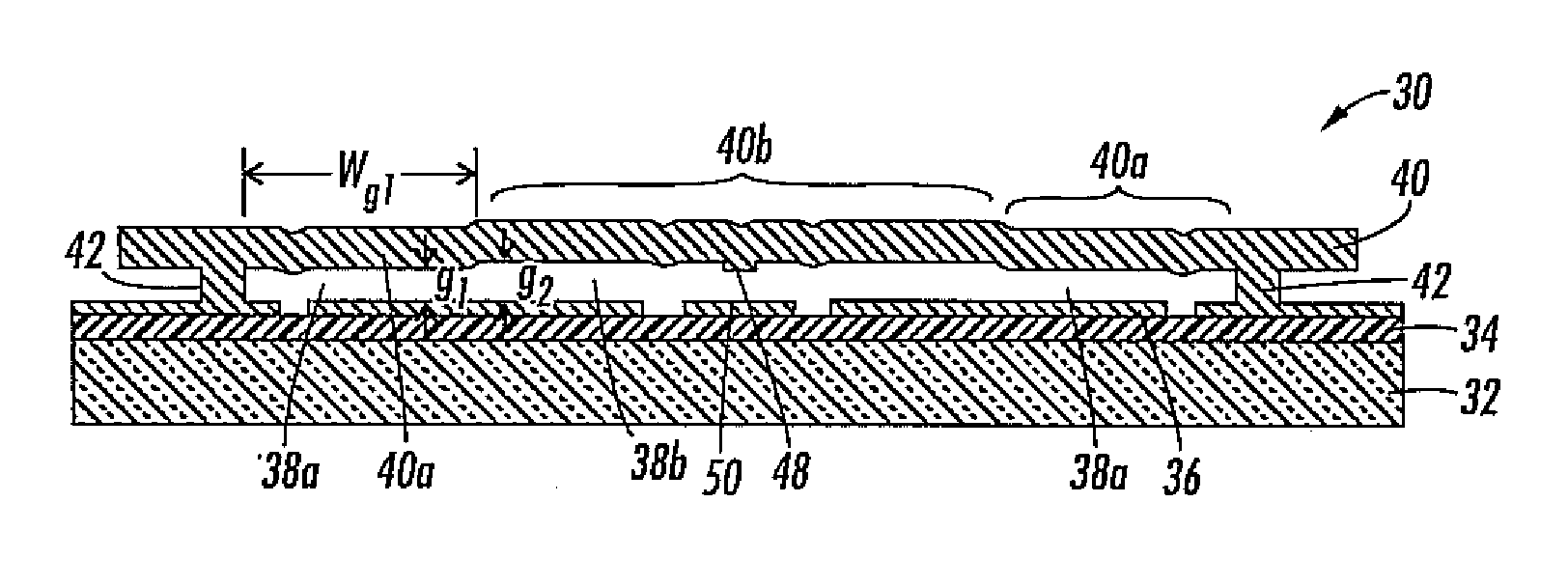
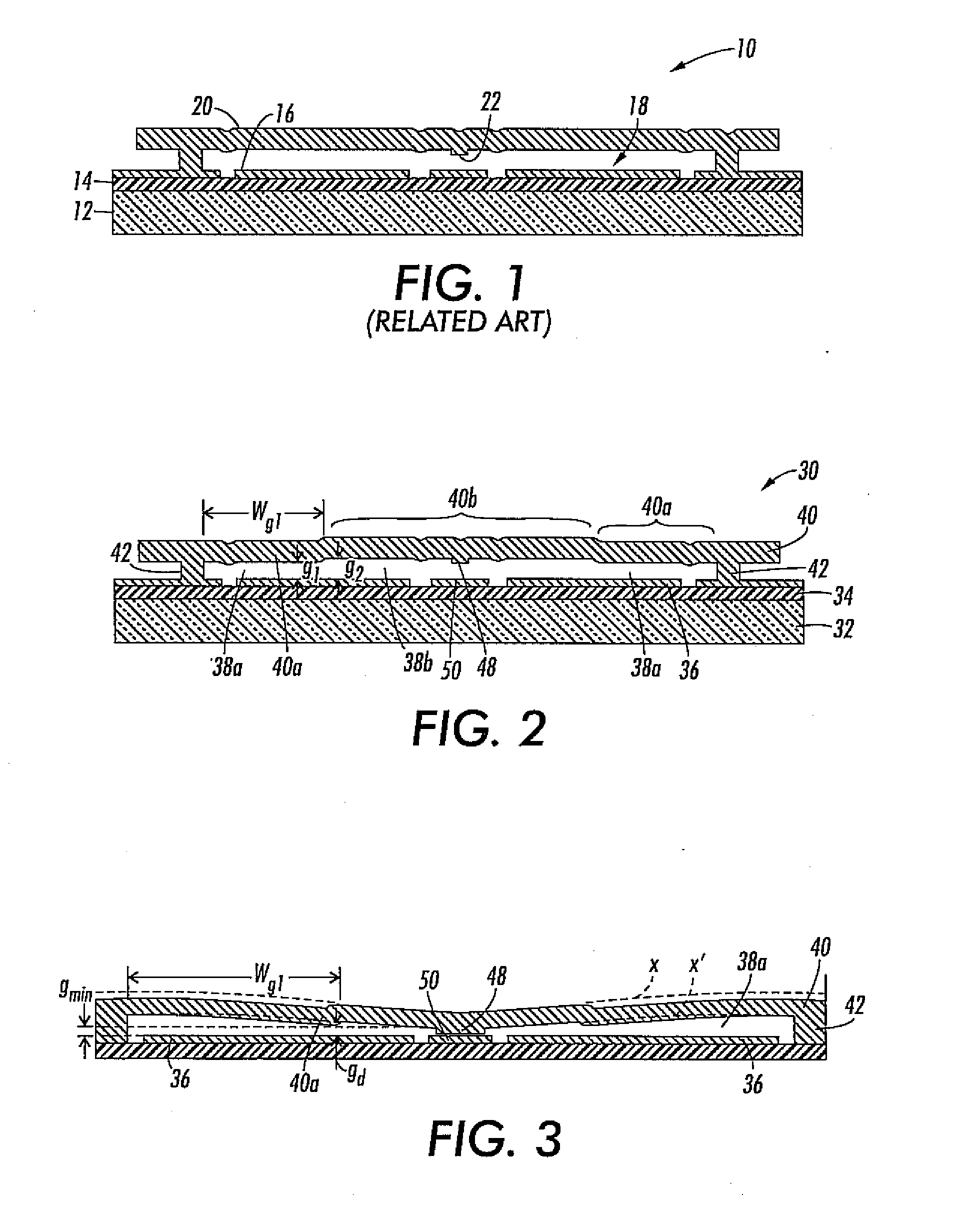
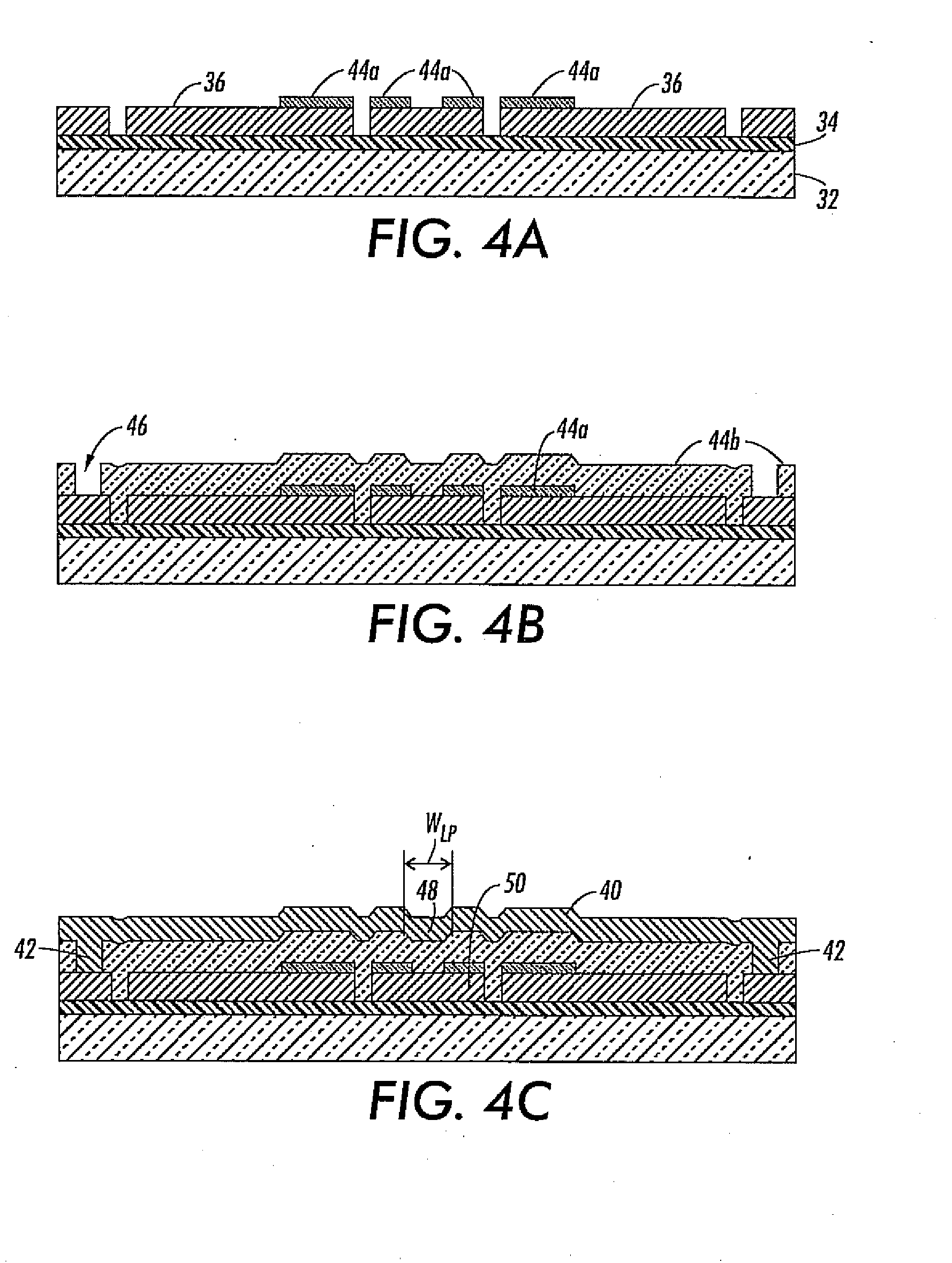

Electrostatic actuator and fabrication method
PatentInactiveEP2183112A1
Innovation
- The method eliminates the need for silicon substrates and etching by using deposition processes to control the thickness of the conductive membrane and the width of the electrostatic gap, allowing for the fabrication of electrostatic inkjet printheads on non-silicon materials like glass, and bonding separate conductor and membrane structures to form the printhead.
Safety Standards for High-Voltage Electrostatic Devices
The development of electrostatic actuators for custom applications necessitates strict adherence to comprehensive safety standards, particularly when dealing with high-voltage systems. These standards form the foundation for safe prototyping practices and ensure both operator safety and device reliability throughout the development process.
International safety frameworks provide the primary regulatory foundation for high-voltage electrostatic devices. IEC 61010-1 establishes general safety requirements for electrical equipment used in measurement, control, and laboratory applications, while IEC 60950-1 addresses information technology equipment safety. For electrostatic discharge protection, IEC 61000-4-2 defines immunity testing standards that are crucial for device robustness. Additionally, UL 991 and UL 2089 provide specific guidelines for environmental and safety testing of electronic equipment operating at elevated voltages.
Voltage classification systems determine the appropriate safety measures based on operational parameters. Low-voltage systems below 50V DC typically require basic insulation and standard protective measures. Medium-voltage applications ranging from 50V to 1000V DC demand enhanced insulation, proper grounding protocols, and operator training requirements. High-voltage systems exceeding 1000V DC necessitate specialized safety equipment, including high-voltage probes, insulated workspaces, and emergency shutdown procedures.
Personal protective equipment requirements scale with voltage levels and operational environments. Basic protection includes safety glasses, insulated gloves rated for the maximum operating voltage, and non-conductive footwear. Advanced applications require full-face shields, arc-rated clothing, and specialized high-voltage safety equipment. Workspace safety protocols mandate proper ventilation systems, emergency power disconnection mechanisms, and clearly marked high-voltage zones with restricted access controls.
Testing and validation procedures ensure compliance with established safety benchmarks. Insulation resistance testing verifies adequate electrical isolation between high-voltage components and accessible surfaces. Dielectric strength testing confirms the ability of insulating materials to withstand specified voltage levels without breakdown. Ground continuity verification ensures proper electrical grounding throughout the system, while leakage current measurements validate that operational currents remain within safe limits during normal and fault conditions.
Documentation and certification processes provide traceability and regulatory compliance verification. Comprehensive safety documentation must include detailed electrical schematics, component specifications, test procedures, and operator training materials. Third-party certification through recognized testing laboratories validates compliance with applicable standards and facilitates market acceptance of prototype devices.
International safety frameworks provide the primary regulatory foundation for high-voltage electrostatic devices. IEC 61010-1 establishes general safety requirements for electrical equipment used in measurement, control, and laboratory applications, while IEC 60950-1 addresses information technology equipment safety. For electrostatic discharge protection, IEC 61000-4-2 defines immunity testing standards that are crucial for device robustness. Additionally, UL 991 and UL 2089 provide specific guidelines for environmental and safety testing of electronic equipment operating at elevated voltages.
Voltage classification systems determine the appropriate safety measures based on operational parameters. Low-voltage systems below 50V DC typically require basic insulation and standard protective measures. Medium-voltage applications ranging from 50V to 1000V DC demand enhanced insulation, proper grounding protocols, and operator training requirements. High-voltage systems exceeding 1000V DC necessitate specialized safety equipment, including high-voltage probes, insulated workspaces, and emergency shutdown procedures.
Personal protective equipment requirements scale with voltage levels and operational environments. Basic protection includes safety glasses, insulated gloves rated for the maximum operating voltage, and non-conductive footwear. Advanced applications require full-face shields, arc-rated clothing, and specialized high-voltage safety equipment. Workspace safety protocols mandate proper ventilation systems, emergency power disconnection mechanisms, and clearly marked high-voltage zones with restricted access controls.
Testing and validation procedures ensure compliance with established safety benchmarks. Insulation resistance testing verifies adequate electrical isolation between high-voltage components and accessible surfaces. Dielectric strength testing confirms the ability of insulating materials to withstand specified voltage levels without breakdown. Ground continuity verification ensures proper electrical grounding throughout the system, while leakage current measurements validate that operational currents remain within safe limits during normal and fault conditions.
Documentation and certification processes provide traceability and regulatory compliance verification. Comprehensive safety documentation must include detailed electrical schematics, component specifications, test procedures, and operator training materials. Third-party certification through recognized testing laboratories validates compliance with applicable standards and facilitates market acceptance of prototype devices.
Cost-Effective Rapid Prototyping Methods for Custom Actuators
The development of cost-effective rapid prototyping methods for custom electrostatic actuators has become increasingly critical as demand grows for specialized applications across industries. Traditional manufacturing approaches often prove prohibitively expensive and time-consuming for custom designs, necessitating innovative prototyping strategies that balance performance requirements with economic constraints.
Additive manufacturing technologies represent the most transformative approach to rapid prototyping of electrostatic actuators. Stereolithography (SLA) and digital light processing (DLP) enable precise fabrication of complex geometries with micron-level accuracy, essential for creating the intricate electrode patterns and dielectric structures required in electrostatic devices. These methods allow for rapid iteration of designs while maintaining dimensional precision critical for actuator performance.
Hybrid fabrication approaches combining 3D printing with conventional microfabrication techniques offer significant cost advantages. By utilizing 3D-printed structural components as substrates for subsequent electrode deposition through sputtering or screen printing, developers can achieve professional-grade performance at a fraction of traditional manufacturing costs. This approach particularly benefits applications requiring custom form factors or specialized mounting configurations.
Material selection strategies play a crucial role in cost optimization without compromising functionality. Low-cost dielectric materials such as modified acrylates and silicones can substitute expensive ceramics in many applications, while conductive polymer inks provide alternatives to precious metal electrodes. These material substitutions can reduce prototype costs by up to 70% while maintaining adequate performance for proof-of-concept validation.
Modular design methodologies enable cost-effective customization by standardizing core components while allowing application-specific modifications. This approach involves creating reusable electrode patterns and structural elements that can be combined in various configurations, reducing the need for complete redesigns for each application. Such modularity significantly accelerates the prototyping cycle and reduces associated costs.
Desktop fabrication tools have democratized electrostatic actuator prototyping, enabling small teams and individual researchers to develop custom solutions. Benchtop plasma systems for surface treatment, precision dispensing equipment for dielectric coating, and compact curing systems create complete prototyping ecosystems accessible to organizations with limited budgets, fostering innovation in specialized applications previously dominated by large corporations.
Additive manufacturing technologies represent the most transformative approach to rapid prototyping of electrostatic actuators. Stereolithography (SLA) and digital light processing (DLP) enable precise fabrication of complex geometries with micron-level accuracy, essential for creating the intricate electrode patterns and dielectric structures required in electrostatic devices. These methods allow for rapid iteration of designs while maintaining dimensional precision critical for actuator performance.
Hybrid fabrication approaches combining 3D printing with conventional microfabrication techniques offer significant cost advantages. By utilizing 3D-printed structural components as substrates for subsequent electrode deposition through sputtering or screen printing, developers can achieve professional-grade performance at a fraction of traditional manufacturing costs. This approach particularly benefits applications requiring custom form factors or specialized mounting configurations.
Material selection strategies play a crucial role in cost optimization without compromising functionality. Low-cost dielectric materials such as modified acrylates and silicones can substitute expensive ceramics in many applications, while conductive polymer inks provide alternatives to precious metal electrodes. These material substitutions can reduce prototype costs by up to 70% while maintaining adequate performance for proof-of-concept validation.
Modular design methodologies enable cost-effective customization by standardizing core components while allowing application-specific modifications. This approach involves creating reusable electrode patterns and structural elements that can be combined in various configurations, reducing the need for complete redesigns for each application. Such modularity significantly accelerates the prototyping cycle and reduces associated costs.
Desktop fabrication tools have democratized electrostatic actuator prototyping, enabling small teams and individual researchers to develop custom solutions. Benchtop plasma systems for surface treatment, precision dispensing equipment for dielectric coating, and compact curing systems create complete prototyping ecosystems accessible to organizations with limited budgets, fostering innovation in specialized applications previously dominated by large corporations.
Unlock deeper insights with PatSnap Eureka Quick Research — get a full tech report to explore trends and direct your research. Try now!
Generate Your Research Report Instantly with AI Agent
Supercharge your innovation with PatSnap Eureka AI Agent Platform!