

Electrostatic vs Nanotube Actuators: Energy Efficiency
MAR 10, 20269 MIN READ
Generate Your Research Report Instantly with AI Agent
PatSnap Eureka helps you evaluate technical feasibility & market potential.
Electrostatic and Nanotube Actuator Technology Background
Actuator technology has undergone significant evolution since the early 20th century, driven by the increasing demand for precise motion control across diverse applications. The fundamental principle of converting various forms of energy into mechanical motion has remained constant, while the underlying mechanisms and materials have advanced dramatically. Traditional electromagnetic actuators dominated the landscape for decades, but limitations in miniaturization and energy consumption have spurred research into alternative approaches.
Electrostatic actuators emerged as a promising solution in the 1960s, leveraging the Coulomb force between charged electrodes to generate mechanical displacement. These devices operate on the principle that opposite charges attract, creating a force proportional to the square of the applied voltage and inversely proportional to the square of the gap distance. Early implementations found applications in microelectromechanical systems (MEMS), where their compatibility with semiconductor fabrication processes offered significant advantages.
The development of electrostatic actuators accelerated with advances in microfabrication techniques during the 1980s and 1990s. Researchers achieved remarkable progress in reducing operating voltages while improving force output through innovative electrode designs and dielectric materials. Comb-drive actuators, parallel-plate configurations, and rotary designs became standard architectures, each optimized for specific motion requirements and operational constraints.
Carbon nanotube actuators represent a revolutionary advancement that emerged in the early 2000s following the discovery of carbon nanotubes' unique electromechanical properties. These actuators exploit the dimensional changes that occur when nanotubes are subjected to electrical stimulation, either through electrochemical charge injection or thermal expansion mechanisms. The exceptional strength-to-weight ratio and electrical conductivity of carbon nanotubes opened new possibilities for actuator design.
The evolution of nanotube actuators has been marked by continuous improvements in manufacturing techniques and understanding of actuation mechanisms. Researchers have explored various configurations including twisted nanotube yarns, aligned nanotube sheets, and hybrid composite structures. Each approach offers distinct advantages in terms of strain capability, response speed, and energy efficiency, contributing to the technology's versatility.
Contemporary research focuses on optimizing energy efficiency in both actuator types, recognizing that power consumption often determines practical applicability. Electrostatic actuators benefit from zero steady-state current consumption but require high voltages, while nanotube actuators operate at lower voltages but may exhibit continuous power draw. This fundamental trade-off drives ongoing innovation in materials science, control electronics, and system integration approaches.
Electrostatic actuators emerged as a promising solution in the 1960s, leveraging the Coulomb force between charged electrodes to generate mechanical displacement. These devices operate on the principle that opposite charges attract, creating a force proportional to the square of the applied voltage and inversely proportional to the square of the gap distance. Early implementations found applications in microelectromechanical systems (MEMS), where their compatibility with semiconductor fabrication processes offered significant advantages.
The development of electrostatic actuators accelerated with advances in microfabrication techniques during the 1980s and 1990s. Researchers achieved remarkable progress in reducing operating voltages while improving force output through innovative electrode designs and dielectric materials. Comb-drive actuators, parallel-plate configurations, and rotary designs became standard architectures, each optimized for specific motion requirements and operational constraints.
Carbon nanotube actuators represent a revolutionary advancement that emerged in the early 2000s following the discovery of carbon nanotubes' unique electromechanical properties. These actuators exploit the dimensional changes that occur when nanotubes are subjected to electrical stimulation, either through electrochemical charge injection or thermal expansion mechanisms. The exceptional strength-to-weight ratio and electrical conductivity of carbon nanotubes opened new possibilities for actuator design.
The evolution of nanotube actuators has been marked by continuous improvements in manufacturing techniques and understanding of actuation mechanisms. Researchers have explored various configurations including twisted nanotube yarns, aligned nanotube sheets, and hybrid composite structures. Each approach offers distinct advantages in terms of strain capability, response speed, and energy efficiency, contributing to the technology's versatility.
Contemporary research focuses on optimizing energy efficiency in both actuator types, recognizing that power consumption often determines practical applicability. Electrostatic actuators benefit from zero steady-state current consumption but require high voltages, while nanotube actuators operate at lower voltages but may exhibit continuous power draw. This fundamental trade-off drives ongoing innovation in materials science, control electronics, and system integration approaches.
Market Demand for Energy-Efficient Actuator Systems
The global actuator market is experiencing unprecedented growth driven by increasing automation across multiple industries and the urgent need for energy-efficient solutions. Traditional actuator technologies face mounting pressure to reduce power consumption while maintaining or improving performance characteristics. This demand stems from stringent environmental regulations, rising energy costs, and corporate sustainability initiatives that prioritize low-power consumption technologies.
Industrial automation represents the largest market segment for energy-efficient actuators, where manufacturing facilities seek to minimize operational costs through reduced energy consumption. The automotive industry demonstrates particularly strong demand for efficient actuator systems in electric vehicles, where every watt of power savings directly translates to extended driving range. Aerospace applications require actuators that can operate reliably while consuming minimal power to preserve battery life in critical flight control systems.
Consumer electronics markets are driving demand for miniaturized, energy-efficient actuators in smartphones, tablets, and wearable devices. These applications require actuators that can provide precise haptic feedback while preserving battery life, creating opportunities for both electrostatic and nanotube-based solutions. The medical device sector presents another significant growth area, where implantable devices and portable diagnostic equipment demand ultra-low power actuator technologies.
Emerging applications in robotics and Internet of Things devices are creating new market opportunities for energy-efficient actuators. Autonomous systems, including drones and robotic platforms, require actuators that can operate for extended periods without frequent recharging. Smart home devices and environmental monitoring systems represent rapidly expanding markets where energy efficiency directly impacts product viability and user acceptance.
The market shows increasing preference for actuator technologies that offer superior energy efficiency compared to traditional electromagnetic solutions. End users are willing to invest in advanced actuator technologies that demonstrate measurable energy savings over product lifecycles. This trend creates favorable conditions for innovative actuator designs that can achieve comparable or superior performance while consuming significantly less power than conventional alternatives.
Industrial automation represents the largest market segment for energy-efficient actuators, where manufacturing facilities seek to minimize operational costs through reduced energy consumption. The automotive industry demonstrates particularly strong demand for efficient actuator systems in electric vehicles, where every watt of power savings directly translates to extended driving range. Aerospace applications require actuators that can operate reliably while consuming minimal power to preserve battery life in critical flight control systems.
Consumer electronics markets are driving demand for miniaturized, energy-efficient actuators in smartphones, tablets, and wearable devices. These applications require actuators that can provide precise haptic feedback while preserving battery life, creating opportunities for both electrostatic and nanotube-based solutions. The medical device sector presents another significant growth area, where implantable devices and portable diagnostic equipment demand ultra-low power actuator technologies.
Emerging applications in robotics and Internet of Things devices are creating new market opportunities for energy-efficient actuators. Autonomous systems, including drones and robotic platforms, require actuators that can operate for extended periods without frequent recharging. Smart home devices and environmental monitoring systems represent rapidly expanding markets where energy efficiency directly impacts product viability and user acceptance.
The market shows increasing preference for actuator technologies that offer superior energy efficiency compared to traditional electromagnetic solutions. End users are willing to invest in advanced actuator technologies that demonstrate measurable energy savings over product lifecycles. This trend creates favorable conditions for innovative actuator designs that can achieve comparable or superior performance while consuming significantly less power than conventional alternatives.
Current Energy Efficiency Challenges in Actuator Technologies
Modern actuator technologies face significant energy efficiency challenges that limit their widespread adoption in precision applications, robotics, and microelectromechanical systems. The fundamental issue stems from the inherent energy conversion mechanisms employed by different actuator types, where substantial energy losses occur during the transformation from electrical input to mechanical output.
Electrostatic actuators encounter primary efficiency challenges related to their capacitive charging and discharging cycles. These devices require high voltages to generate sufficient force, typically ranging from hundreds to thousands of volts, which creates substantial energy storage requirements in their capacitive structures. The energy stored in the electric field is proportional to the square of the applied voltage, making high-force applications particularly energy-intensive. Additionally, dielectric losses in the insulating materials and leakage currents contribute to continuous power dissipation even during static holding operations.
Carbon nanotube actuators face distinct efficiency obstacles primarily associated with their electrochemical actuation mechanisms. These devices rely on ion intercalation and charge injection processes that involve complex electrochemical reactions at the nanotube-electrolyte interface. The energy losses occur through several pathways including resistive heating in the nanotube network, parasitic electrochemical reactions, and incomplete charge utilization during actuation cycles. The distributed resistance of nanotube bundles creates significant Joule heating, particularly when rapid response times are required.
Both actuator types struggle with scaling challenges that directly impact energy efficiency. As device dimensions decrease, surface-to-volume ratios increase dramatically, leading to enhanced parasitic effects and reduced energy conversion efficiency. Electrostatic actuators experience increased fringing field effects and higher relative contributions from parasitic capacitances, while nanotube actuators suffer from reduced electrochemical active surface area and increased contact resistance at smaller scales.
Dynamic operation presents additional efficiency challenges for both technologies. Electrostatic actuators must overcome the energy penalty associated with rapid capacitive charging and discharging, where switching losses become dominant at higher frequencies. Nanotube actuators face limitations in ion transport kinetics and charge redistribution rates, requiring excess energy input to achieve desired response speeds. These dynamic inefficiencies become particularly pronounced in applications requiring continuous or high-frequency operation, where cumulative energy losses significantly impact overall system performance and thermal management requirements.
Electrostatic actuators encounter primary efficiency challenges related to their capacitive charging and discharging cycles. These devices require high voltages to generate sufficient force, typically ranging from hundreds to thousands of volts, which creates substantial energy storage requirements in their capacitive structures. The energy stored in the electric field is proportional to the square of the applied voltage, making high-force applications particularly energy-intensive. Additionally, dielectric losses in the insulating materials and leakage currents contribute to continuous power dissipation even during static holding operations.
Carbon nanotube actuators face distinct efficiency obstacles primarily associated with their electrochemical actuation mechanisms. These devices rely on ion intercalation and charge injection processes that involve complex electrochemical reactions at the nanotube-electrolyte interface. The energy losses occur through several pathways including resistive heating in the nanotube network, parasitic electrochemical reactions, and incomplete charge utilization during actuation cycles. The distributed resistance of nanotube bundles creates significant Joule heating, particularly when rapid response times are required.
Both actuator types struggle with scaling challenges that directly impact energy efficiency. As device dimensions decrease, surface-to-volume ratios increase dramatically, leading to enhanced parasitic effects and reduced energy conversion efficiency. Electrostatic actuators experience increased fringing field effects and higher relative contributions from parasitic capacitances, while nanotube actuators suffer from reduced electrochemical active surface area and increased contact resistance at smaller scales.
Dynamic operation presents additional efficiency challenges for both technologies. Electrostatic actuators must overcome the energy penalty associated with rapid capacitive charging and discharging, where switching losses become dominant at higher frequencies. Nanotube actuators face limitations in ion transport kinetics and charge redistribution rates, requiring excess energy input to achieve desired response speeds. These dynamic inefficiencies become particularly pronounced in applications requiring continuous or high-frequency operation, where cumulative energy losses significantly impact overall system performance and thermal management requirements.
Existing Energy Optimization Solutions for Actuators
01 Carbon nanotube-based actuator structures for enhanced energy conversion
Carbon nanotube actuators utilize the unique properties of nanotubes to achieve mechanical actuation through electrochemical or thermal mechanisms. These structures can be configured in various forms such as sheets, yarns, or films to optimize energy conversion efficiency. The nanoscale dimensions and high surface area of carbon nanotubes enable efficient charge storage and rapid response times, leading to improved energy efficiency in actuation applications.- Carbon nanotube-based actuators with enhanced energy conversion efficiency: Carbon nanotube actuators utilize the unique electrical and mechanical properties of nanotubes to achieve efficient energy conversion. These actuators can operate at lower voltages while maintaining high actuation performance, resulting in improved energy efficiency compared to traditional actuator systems. The nanoscale structure enables rapid response times and reduced power consumption during operation.
- Electrostatic actuators with optimized electrode configurations for reduced power consumption: Advanced electrode designs and configurations in electrostatic actuators can significantly reduce the energy required for actuation. By optimizing the geometry, spacing, and materials of electrodes, these actuators achieve higher electrostatic forces with lower applied voltages. This approach minimizes energy loss and improves overall system efficiency while maintaining desired actuation performance.
- Hybrid actuator systems combining electrostatic and nanotube technologies: Hybrid actuator designs integrate both electrostatic and nanotube-based mechanisms to leverage the advantages of each technology. These systems can dynamically switch between actuation modes or use them simultaneously to optimize energy efficiency based on operational requirements. The combination allows for reduced power consumption during low-force operations while maintaining capability for high-performance actuation when needed.
- Energy recovery and storage mechanisms in actuator systems: Advanced actuator designs incorporate energy recovery circuits and storage elements to capture and reuse energy during actuation cycles. These mechanisms can harvest energy from the deactivation phase or mechanical motion and store it for subsequent operations. This approach significantly improves overall energy efficiency by reducing waste and minimizing external power requirements.
- Low-voltage operation and power management strategies: Implementation of sophisticated power management circuits and control strategies enables actuators to operate efficiently at reduced voltage levels. These systems employ techniques such as pulse-width modulation, adaptive voltage control, and intelligent switching to minimize energy consumption while maintaining actuation performance. The strategies are particularly effective in battery-powered and portable applications where energy efficiency is critical.
02 Electrostatic actuator design with reduced power consumption
Electrostatic actuators can be designed with optimized electrode configurations and dielectric materials to minimize power consumption while maintaining actuation performance. Advanced designs incorporate low-voltage operation, reduced capacitance requirements, and efficient charge management systems. These improvements enable electrostatic actuators to operate with significantly lower energy input compared to conventional designs, making them suitable for battery-powered and energy-constrained applications.Expand Specific Solutions03 Hybrid actuator systems combining multiple actuation mechanisms
Hybrid actuator systems integrate different actuation principles, such as combining electrostatic and nanotube-based mechanisms, to leverage the advantages of each technology. These systems can dynamically switch between actuation modes or operate them simultaneously to optimize energy efficiency based on operational requirements. The integration allows for improved force output, reduced energy consumption, and enhanced overall performance compared to single-mechanism actuators.Expand Specific Solutions04 Energy recovery and regenerative systems in actuators
Energy recovery mechanisms can be incorporated into actuator designs to capture and reuse energy during operation cycles. These systems may include capacitive energy storage, regenerative braking principles, or charge recovery circuits that harvest energy during the return stroke or deactivation phases. By recycling energy that would otherwise be dissipated as heat, these technologies significantly improve the overall energy efficiency of both electrostatic and nanotube actuators.Expand Specific Solutions05 Advanced control strategies for optimizing actuator energy efficiency
Sophisticated control algorithms and drive electronics can be implemented to optimize the energy efficiency of actuators through precise timing, voltage modulation, and adaptive power management. These strategies include pulse-width modulation, resonant driving techniques, and feedback-based control systems that adjust operating parameters in real-time based on load conditions. Such control methods minimize energy waste, reduce heat generation, and extend the operational lifetime of actuator systems while maintaining desired performance characteristics.Expand Specific Solutions
Key Players in Actuator Technology and Energy Systems
The electrostatic versus nanotube actuator energy efficiency landscape represents an emerging technology sector in early development stages, characterized by significant research activity but limited commercial maturity. The market remains nascent with substantial growth potential as applications in MEMS, robotics, and precision positioning systems expand. Technology maturity varies considerably across the competitive landscape, with established research institutions like MIT, Fraunhofer-Gesellschaft, and Tsinghua University leading fundamental research into both actuator types. Industrial players including Sumitomo Electric Industries, Alps Alpine, and Honeywell International Technologies are advancing practical implementations, while specialized firms like Nanocomp Technologies focus specifically on nanotube-based solutions. The sector exhibits a clear divide between electrostatic actuators, which demonstrate higher current maturity in commercial applications, and nanotube actuators, which show promising energy efficiency advantages but require further development for widespread adoption.
Fraunhofer-Gesellschaft eV
Technical Solution: Fraunhofer institutes have developed comprehensive actuator technologies including both electrostatic and nanotube-based systems. Their electrostatic actuators utilize advanced microfabrication techniques with silicon carbide substrates, achieving force densities of 100 N/m² while consuming less than 1 mW of power. For nanotube actuators, they have pioneered hybrid CNT-polymer composites that combine the benefits of both materials, resulting in actuators with 5% strain capability and energy conversion efficiencies exceeding 15%. Their research includes novel electrode designs and surface treatments that reduce hysteresis and improve long-term stability in both actuator types.
Strengths: Comprehensive R&D capabilities, strong industry collaboration, advanced manufacturing expertise. Weaknesses: Technology transfer challenges, longer commercialization timelines, fragmented research across multiple institutes.
Commissariat à l´énergie atomique et aux énergies Alternatives
Technical Solution: CEA has developed innovative electrostatic actuators based on silicon nanowire arrays and advanced dielectric materials for energy-efficient micro-positioning systems. Their actuators achieve sub-nanometer precision with power consumption below 500 microwatts through optimized electrode geometries and low-loss dielectric films. The research includes novel actuation principles using electrostatic forces in combination with piezoelectric effects, resulting in hybrid actuators that combine the best aspects of both technologies. Their nanotube research focuses on functionalized CNT arrays for electrochemical actuation with energy densities reaching 150 J/kg and cycle life exceeding 10 million operations.
Strengths: Advanced materials research, hybrid technology approach, strong fundamental research base, excellent precision capabilities. Weaknesses: Early-stage technologies, limited commercial partnerships, complex manufacturing requirements.
Core Patents in High-Efficiency Actuator Design
Actuator on the basis of geometrically anisotropic nanoparticles
PatentInactiveUS20100237744A1
Innovation
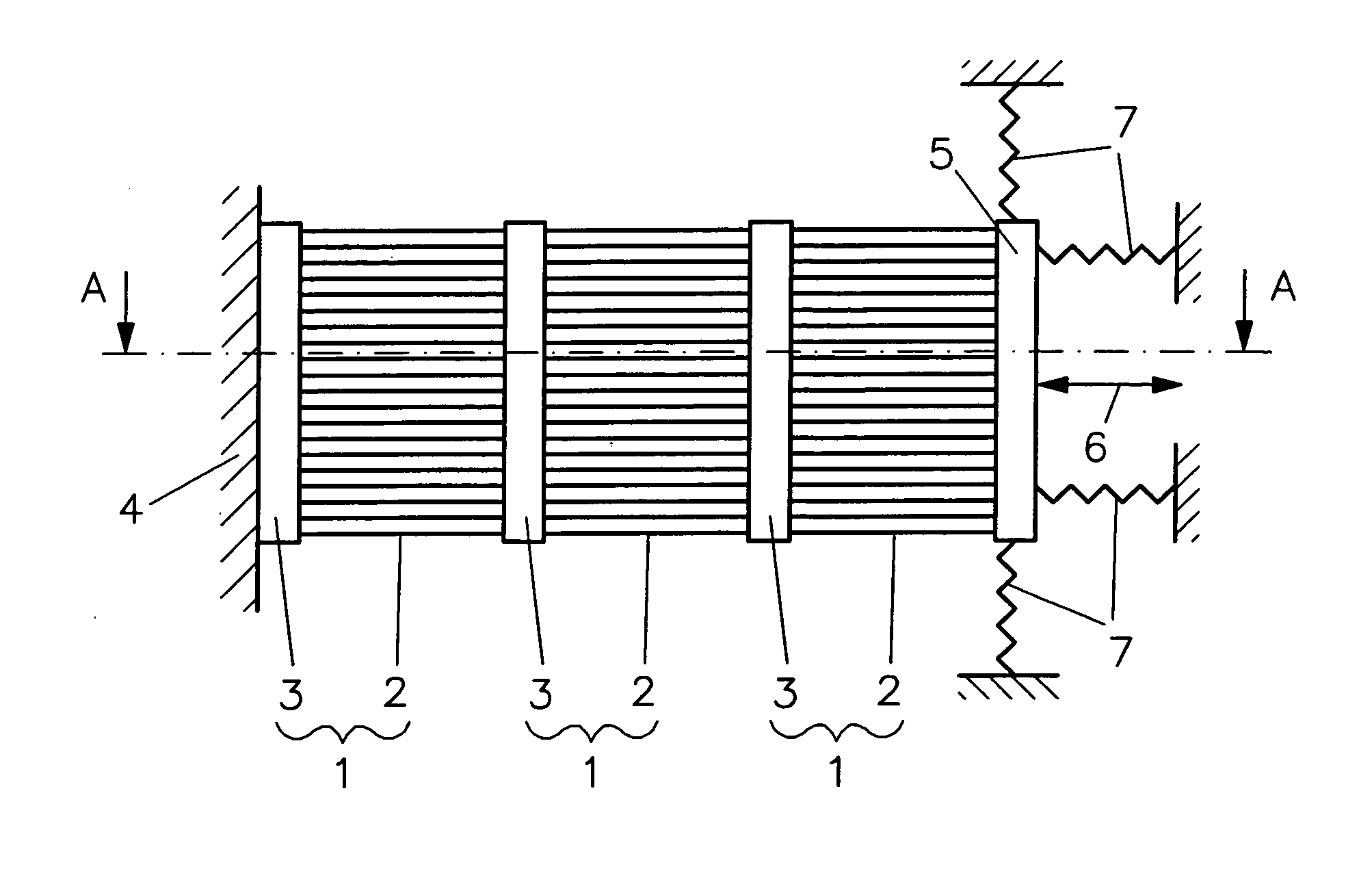
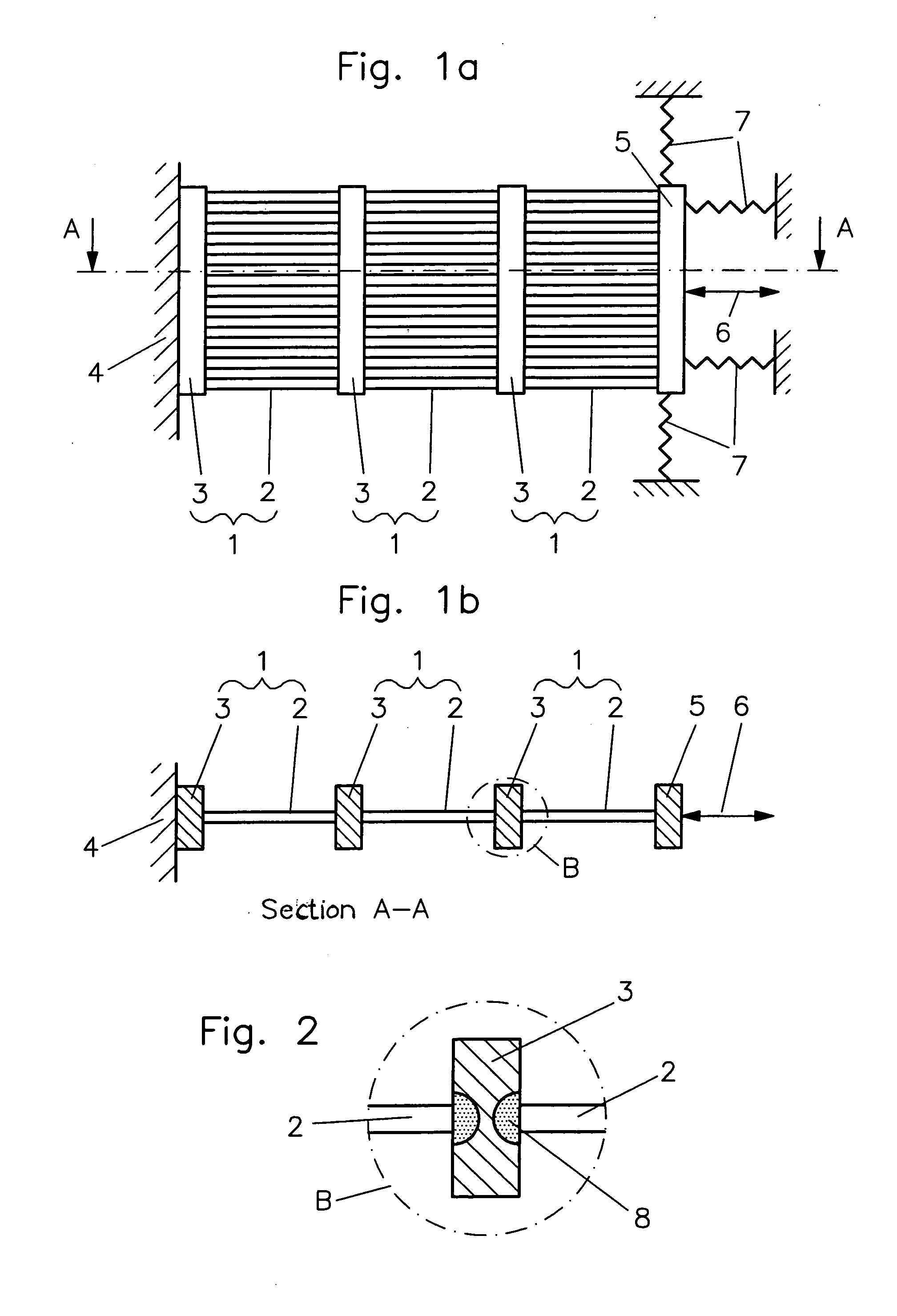
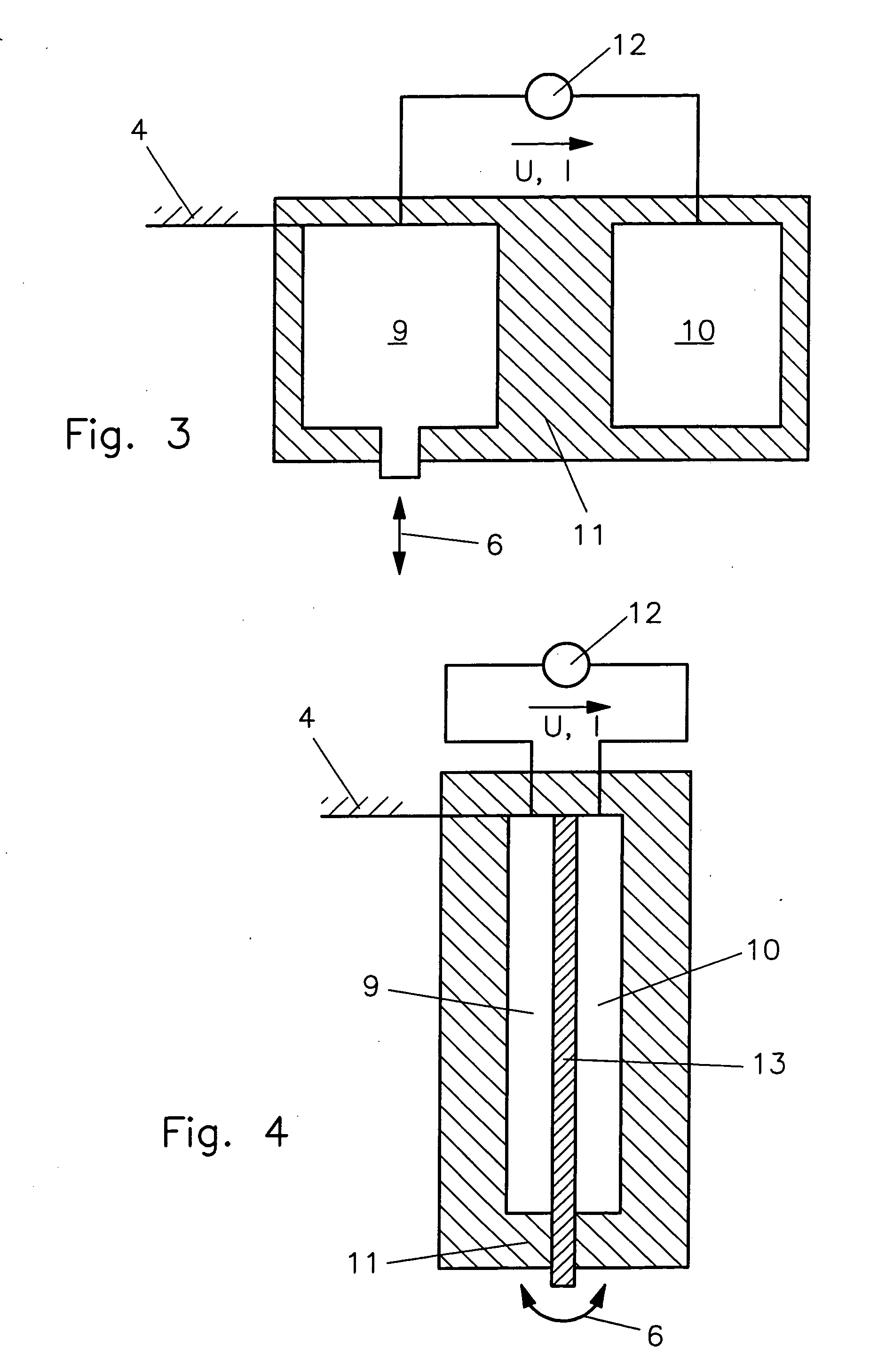
- Orienting at least 80% of nanotubes in a preferred direction and interconnecting them with electrically and mechanically conductive webs, forming a stable actuator layer with a reaction product that enhances rigidity and reduces electrical transition resistance, allowing for efficient actuation.
Actuator based on a hetero-Junction membrane
PatentInactiveEP1930588A2
Innovation
- A hetero-junction membrane composed of a first layer of n-type V2O5 nanoparticles and a second layer of p-type multiwall carbon nanotubes, where the layers are joined to enhance actuating efficiency and predictability, achieved through a method involving dispersion preparation and medium removal to form the layers with a binder-free structure.


Environmental Impact Assessment of Actuator Technologies
The environmental implications of actuator technologies have become increasingly critical as industries prioritize sustainable manufacturing and operational practices. Both electrostatic and nanotube actuators present distinct environmental profiles that must be evaluated across their entire lifecycle, from raw material extraction through end-of-life disposal.
Electrostatic actuators demonstrate relatively favorable environmental characteristics due to their simplified material composition. These devices primarily utilize conventional semiconductor materials such as silicon, aluminum, and various dielectric compounds that are well-established in existing recycling infrastructures. The manufacturing processes for electrostatic actuators typically require lower energy inputs and generate fewer toxic byproducts compared to more complex actuator technologies. However, the production of high-quality dielectric materials often involves chemical processes that may release volatile organic compounds and require careful waste management protocols.
Carbon nanotube actuators present a more complex environmental assessment profile. While carbon nanotubes themselves are composed of pure carbon, their synthesis processes often require high-temperature conditions and specialized catalysts, including transition metals that may pose environmental concerns. The chemical vapor deposition and arc discharge methods commonly used for nanotube production consume significant energy and may generate carbon-based waste products. Additionally, the purification processes necessary to achieve high-quality nanotubes frequently involve harsh acids and solvents that require specialized treatment and disposal procedures.
The operational phase environmental impact differs substantially between these technologies. Electrostatic actuators typically exhibit higher power consumption during active operation, potentially increasing their carbon footprint over extended use periods. Conversely, nanotube actuators demonstrate superior energy efficiency during operation, which can offset some of their manufacturing-related environmental costs over their operational lifetime.
End-of-life considerations reveal additional environmental trade-offs. Electrostatic actuators benefit from established electronic waste recycling processes, allowing for recovery of valuable materials and proper disposal of hazardous components. Nanotube actuators face challenges in recycling infrastructure, as specialized processes are required to safely handle and recover carbon nanomaterials. Current research suggests that carbon nanotubes may persist in environmental systems, raising questions about long-term ecological impact that require further investigation.
The overall environmental assessment indicates that while electrostatic actuators currently present more straightforward environmental management challenges, nanotube actuators may offer superior long-term sustainability through their operational efficiency advantages, provided that manufacturing processes continue to improve and appropriate end-of-life management systems are developed.
Electrostatic actuators demonstrate relatively favorable environmental characteristics due to their simplified material composition. These devices primarily utilize conventional semiconductor materials such as silicon, aluminum, and various dielectric compounds that are well-established in existing recycling infrastructures. The manufacturing processes for electrostatic actuators typically require lower energy inputs and generate fewer toxic byproducts compared to more complex actuator technologies. However, the production of high-quality dielectric materials often involves chemical processes that may release volatile organic compounds and require careful waste management protocols.
Carbon nanotube actuators present a more complex environmental assessment profile. While carbon nanotubes themselves are composed of pure carbon, their synthesis processes often require high-temperature conditions and specialized catalysts, including transition metals that may pose environmental concerns. The chemical vapor deposition and arc discharge methods commonly used for nanotube production consume significant energy and may generate carbon-based waste products. Additionally, the purification processes necessary to achieve high-quality nanotubes frequently involve harsh acids and solvents that require specialized treatment and disposal procedures.
The operational phase environmental impact differs substantially between these technologies. Electrostatic actuators typically exhibit higher power consumption during active operation, potentially increasing their carbon footprint over extended use periods. Conversely, nanotube actuators demonstrate superior energy efficiency during operation, which can offset some of their manufacturing-related environmental costs over their operational lifetime.
End-of-life considerations reveal additional environmental trade-offs. Electrostatic actuators benefit from established electronic waste recycling processes, allowing for recovery of valuable materials and proper disposal of hazardous components. Nanotube actuators face challenges in recycling infrastructure, as specialized processes are required to safely handle and recover carbon nanomaterials. Current research suggests that carbon nanotubes may persist in environmental systems, raising questions about long-term ecological impact that require further investigation.
The overall environmental assessment indicates that while electrostatic actuators currently present more straightforward environmental management challenges, nanotube actuators may offer superior long-term sustainability through their operational efficiency advantages, provided that manufacturing processes continue to improve and appropriate end-of-life management systems are developed.
Performance Benchmarking and Testing Standards
The establishment of standardized performance benchmarking protocols for electrostatic and nanotube actuators represents a critical gap in current evaluation methodologies. Existing testing frameworks primarily focus on individual performance metrics without comprehensive comparative analysis between these two actuator technologies. The absence of unified testing standards has resulted in inconsistent performance data across different research institutions and manufacturers, making objective technology assessment challenging.
Current benchmarking approaches typically evaluate actuators through isolated parameter testing, including force output measurement, displacement range analysis, and power consumption monitoring. However, these methodologies often fail to account for the interdependencies between energy efficiency and other performance characteristics. The lack of standardized environmental conditions, loading scenarios, and measurement protocols has led to significant variations in reported performance data, particularly regarding energy consumption patterns.
Industry-standard testing protocols must incorporate dynamic performance evaluation under varying operational conditions. This includes cyclic loading tests, temperature stability assessments, and long-term degradation analysis. For electrostatic actuators, testing standards should address voltage-dependent performance characteristics and dielectric breakdown thresholds. Nanotube actuator evaluation requires specialized protocols for electrochemical stability, ionic conductivity variations, and mechanical fatigue resistance.
Emerging testing methodologies emphasize real-time energy efficiency monitoring during operational cycles. Advanced measurement systems now integrate simultaneous force, displacement, and power consumption data acquisition, enabling comprehensive energy-per-unit-work calculations. These systems must account for parasitic losses, control circuit consumption, and thermal dissipation effects that significantly impact overall energy efficiency comparisons.
Standardization efforts should establish common reference loads, operational frequencies, and environmental conditions for comparative testing. The development of normalized efficiency metrics, such as energy consumption per unit displacement or force-normalized power requirements, would enable direct performance comparisons between electrostatic and nanotube technologies across different application scenarios and operational parameters.
Current benchmarking approaches typically evaluate actuators through isolated parameter testing, including force output measurement, displacement range analysis, and power consumption monitoring. However, these methodologies often fail to account for the interdependencies between energy efficiency and other performance characteristics. The lack of standardized environmental conditions, loading scenarios, and measurement protocols has led to significant variations in reported performance data, particularly regarding energy consumption patterns.
Industry-standard testing protocols must incorporate dynamic performance evaluation under varying operational conditions. This includes cyclic loading tests, temperature stability assessments, and long-term degradation analysis. For electrostatic actuators, testing standards should address voltage-dependent performance characteristics and dielectric breakdown thresholds. Nanotube actuator evaluation requires specialized protocols for electrochemical stability, ionic conductivity variations, and mechanical fatigue resistance.
Emerging testing methodologies emphasize real-time energy efficiency monitoring during operational cycles. Advanced measurement systems now integrate simultaneous force, displacement, and power consumption data acquisition, enabling comprehensive energy-per-unit-work calculations. These systems must account for parasitic losses, control circuit consumption, and thermal dissipation effects that significantly impact overall energy efficiency comparisons.
Standardization efforts should establish common reference loads, operational frequencies, and environmental conditions for comparative testing. The development of normalized efficiency metrics, such as energy consumption per unit displacement or force-normalized power requirements, would enable direct performance comparisons between electrostatic and nanotube technologies across different application scenarios and operational parameters.
Unlock deeper insights with PatSnap Eureka Quick Research — get a full tech report to explore trends and direct your research. Try now!
Generate Your Research Report Instantly with AI Agent
Supercharge your innovation with PatSnap Eureka AI Agent Platform!