

Electrostatic Motor Applications in Robotic Precision Control Systems
MAY 18, 20269 MIN READ
Generate Your Research Report Instantly with AI Agent
PatSnap Eureka helps you evaluate technical feasibility & market potential.
Electrostatic Motor Technology Background and Precision Control Goals
Electrostatic motors represent a paradigm shift from traditional electromagnetic actuators, utilizing electrostatic forces generated between charged surfaces to produce mechanical motion. Unlike conventional motors that rely on magnetic fields and current-carrying conductors, electrostatic motors operate through the attraction and repulsion of electrically charged plates or surfaces. This fundamental principle enables unique characteristics particularly valuable for precision applications, including virtually zero electromagnetic interference, silent operation, and exceptional positional accuracy.
The historical development of electrostatic motors traces back to early electrostatic machines in the 18th century, but practical applications remained limited due to material constraints and power electronics limitations. Modern advances in semiconductor technology, high-voltage power supplies, and advanced dielectric materials have revitalized interest in electrostatic actuation. Contemporary electrostatic motors can achieve sub-nanometer positioning resolution while maintaining high force-to-weight ratios, making them increasingly attractive for precision control applications.
In robotic precision control systems, the demand for ultra-precise positioning has intensified with the miniaturization of manufacturing processes and the emergence of micro-robotics applications. Traditional electromagnetic motors face inherent limitations in achieving the required precision due to cogging torque, magnetic hysteresis, and thermal drift effects. These limitations become particularly pronounced in applications requiring positioning accuracies in the nanometer range, such as semiconductor manufacturing, optical alignment systems, and biomedical micro-manipulation.
The integration of electrostatic motors in robotic systems aims to achieve several critical precision control objectives. Primary goals include eliminating positioning errors caused by magnetic interference, achieving deterministic motion without backlash or stick-slip phenomena, and maintaining consistent performance across varying environmental conditions. Additionally, the inherently low power consumption of electrostatic motors during static positioning makes them ideal for battery-powered precision robotic applications.
Current technological objectives focus on developing scalable electrostatic motor designs that can deliver both high precision and adequate force output for practical robotic applications. This includes advancing high-voltage driver electronics, optimizing electrode geometries for maximum force density, and developing control algorithms that leverage the unique dynamic characteristics of electrostatic actuation. The ultimate goal is establishing electrostatic motors as a viable alternative to piezoelectric and electromagnetic actuators in next-generation precision robotic systems.
The historical development of electrostatic motors traces back to early electrostatic machines in the 18th century, but practical applications remained limited due to material constraints and power electronics limitations. Modern advances in semiconductor technology, high-voltage power supplies, and advanced dielectric materials have revitalized interest in electrostatic actuation. Contemporary electrostatic motors can achieve sub-nanometer positioning resolution while maintaining high force-to-weight ratios, making them increasingly attractive for precision control applications.
In robotic precision control systems, the demand for ultra-precise positioning has intensified with the miniaturization of manufacturing processes and the emergence of micro-robotics applications. Traditional electromagnetic motors face inherent limitations in achieving the required precision due to cogging torque, magnetic hysteresis, and thermal drift effects. These limitations become particularly pronounced in applications requiring positioning accuracies in the nanometer range, such as semiconductor manufacturing, optical alignment systems, and biomedical micro-manipulation.
The integration of electrostatic motors in robotic systems aims to achieve several critical precision control objectives. Primary goals include eliminating positioning errors caused by magnetic interference, achieving deterministic motion without backlash or stick-slip phenomena, and maintaining consistent performance across varying environmental conditions. Additionally, the inherently low power consumption of electrostatic motors during static positioning makes them ideal for battery-powered precision robotic applications.
Current technological objectives focus on developing scalable electrostatic motor designs that can deliver both high precision and adequate force output for practical robotic applications. This includes advancing high-voltage driver electronics, optimizing electrode geometries for maximum force density, and developing control algorithms that leverage the unique dynamic characteristics of electrostatic actuation. The ultimate goal is establishing electrostatic motors as a viable alternative to piezoelectric and electromagnetic actuators in next-generation precision robotic systems.
Market Demand for High-Precision Robotic Control Systems
The global robotics industry is experiencing unprecedented growth driven by increasing automation demands across manufacturing, healthcare, aerospace, and consumer electronics sectors. Traditional robotic systems often struggle with precision requirements in applications such as semiconductor manufacturing, microsurgery, optical component assembly, and precision instrumentation. These applications demand positioning accuracies in the micrometer to nanometer range, creating substantial market opportunities for advanced control technologies.
Manufacturing industries represent the largest market segment for high-precision robotic systems, particularly in electronics assembly where component miniaturization continues to drive stricter tolerance requirements. Semiconductor fabrication facilities require robotic systems capable of handling delicate wafers with positioning errors below 10 micrometers, while maintaining consistent performance in controlled environments. The automotive sector also demonstrates growing demand for precision robotics in electric vehicle battery assembly and advanced driver assistance system component manufacturing.
Healthcare applications constitute a rapidly expanding market segment, with surgical robotics requiring exceptional precision for minimally invasive procedures. Robotic systems used in ophthalmology, neurosurgery, and microsurgery demand sub-millimeter accuracy combined with smooth, vibration-free motion profiles. The aging global population and increasing healthcare automation adoption further amplify this market demand.
Emerging applications in space exploration, quantum computing, and advanced materials research are creating new market niches for ultra-high precision robotic systems. These specialized applications often require custom solutions with positioning accuracies approaching atomic scales, representing high-value market opportunities despite smaller volumes.
Current market challenges include the limitations of conventional electromagnetic motors in achieving required precision levels while maintaining cost-effectiveness. Traditional servo systems suffer from cogging torque, electromagnetic interference, and thermal drift issues that compromise precision performance. This creates significant market demand for alternative actuation technologies that can deliver superior precision characteristics.
The market trend toward Industry 4.0 and smart manufacturing further intensifies demand for precision robotic systems capable of adaptive control and real-time precision adjustment. Integration requirements with advanced sensor systems and artificial intelligence platforms are becoming standard market expectations, driving demand for more sophisticated control architectures.
Manufacturing industries represent the largest market segment for high-precision robotic systems, particularly in electronics assembly where component miniaturization continues to drive stricter tolerance requirements. Semiconductor fabrication facilities require robotic systems capable of handling delicate wafers with positioning errors below 10 micrometers, while maintaining consistent performance in controlled environments. The automotive sector also demonstrates growing demand for precision robotics in electric vehicle battery assembly and advanced driver assistance system component manufacturing.
Healthcare applications constitute a rapidly expanding market segment, with surgical robotics requiring exceptional precision for minimally invasive procedures. Robotic systems used in ophthalmology, neurosurgery, and microsurgery demand sub-millimeter accuracy combined with smooth, vibration-free motion profiles. The aging global population and increasing healthcare automation adoption further amplify this market demand.
Emerging applications in space exploration, quantum computing, and advanced materials research are creating new market niches for ultra-high precision robotic systems. These specialized applications often require custom solutions with positioning accuracies approaching atomic scales, representing high-value market opportunities despite smaller volumes.
Current market challenges include the limitations of conventional electromagnetic motors in achieving required precision levels while maintaining cost-effectiveness. Traditional servo systems suffer from cogging torque, electromagnetic interference, and thermal drift issues that compromise precision performance. This creates significant market demand for alternative actuation technologies that can deliver superior precision characteristics.
The market trend toward Industry 4.0 and smart manufacturing further intensifies demand for precision robotic systems capable of adaptive control and real-time precision adjustment. Integration requirements with advanced sensor systems and artificial intelligence platforms are becoming standard market expectations, driving demand for more sophisticated control architectures.
Current State and Challenges of Electrostatic Motors in Robotics
Electrostatic motors represent a specialized actuation technology that has gained significant attention in robotics applications requiring ultra-precise positioning and control. These motors operate on the principle of electrostatic attraction and repulsion between charged surfaces, offering unique advantages such as zero electromagnetic interference, silent operation, and exceptional precision at micro and nano scales. Currently, electrostatic motors are primarily implemented in high-precision applications including semiconductor manufacturing equipment, optical positioning systems, and micro-robotics platforms.
The global development of electrostatic motor technology shows distinct geographical concentrations, with Japan leading in miniaturization and precision applications through companies like Panasonic and Omron. European research institutions, particularly in Germany and Switzerland, focus on high-precision industrial applications and MEMS-based implementations. The United States demonstrates strength in aerospace and defense applications, while emerging markets in South Korea and China are rapidly advancing in consumer electronics integration.
Despite their promising characteristics, electrostatic motors face several critical technical challenges that limit their widespread adoption in robotic systems. The primary constraint involves power density limitations, as electrostatic forces are inherently weaker than electromagnetic forces, requiring high voltages (typically 100-1000V) to generate sufficient torque for practical applications. This high-voltage requirement introduces safety concerns and necessitates sophisticated power management systems.
Environmental sensitivity presents another significant challenge, as electrostatic motors are highly susceptible to humidity, dust, and contamination, which can cause performance degradation or complete failure. The insulation requirements for high-voltage operation in varying environmental conditions add complexity to system design and increase manufacturing costs.
Manufacturing precision requirements represent a substantial barrier to commercialization. Electrostatic motors demand extremely tight tolerances, often in the micrometer range, to maintain consistent air gaps and ensure reliable operation. This precision requirement significantly increases production costs and limits scalability for mass production applications.
Control system complexity poses additional challenges, as electrostatic motors require sophisticated feedback systems and specialized drive electronics to achieve stable operation. The nonlinear relationship between applied voltage and generated force complicates control algorithms, particularly for dynamic applications requiring rapid response and high accuracy.
Current research efforts focus on addressing these limitations through advanced materials development, improved manufacturing techniques, and innovative control strategies to enhance the viability of electrostatic motors in next-generation robotic precision control systems.
The global development of electrostatic motor technology shows distinct geographical concentrations, with Japan leading in miniaturization and precision applications through companies like Panasonic and Omron. European research institutions, particularly in Germany and Switzerland, focus on high-precision industrial applications and MEMS-based implementations. The United States demonstrates strength in aerospace and defense applications, while emerging markets in South Korea and China are rapidly advancing in consumer electronics integration.
Despite their promising characteristics, electrostatic motors face several critical technical challenges that limit their widespread adoption in robotic systems. The primary constraint involves power density limitations, as electrostatic forces are inherently weaker than electromagnetic forces, requiring high voltages (typically 100-1000V) to generate sufficient torque for practical applications. This high-voltage requirement introduces safety concerns and necessitates sophisticated power management systems.
Environmental sensitivity presents another significant challenge, as electrostatic motors are highly susceptible to humidity, dust, and contamination, which can cause performance degradation or complete failure. The insulation requirements for high-voltage operation in varying environmental conditions add complexity to system design and increase manufacturing costs.
Manufacturing precision requirements represent a substantial barrier to commercialization. Electrostatic motors demand extremely tight tolerances, often in the micrometer range, to maintain consistent air gaps and ensure reliable operation. This precision requirement significantly increases production costs and limits scalability for mass production applications.
Control system complexity poses additional challenges, as electrostatic motors require sophisticated feedback systems and specialized drive electronics to achieve stable operation. The nonlinear relationship between applied voltage and generated force complicates control algorithms, particularly for dynamic applications requiring rapid response and high accuracy.
Current research efforts focus on addressing these limitations through advanced materials development, improved manufacturing techniques, and innovative control strategies to enhance the viability of electrostatic motors in next-generation robotic precision control systems.
Current Electrostatic Motor Solutions for Robotic Applications
01 Electrostatic motor design and construction
Fundamental designs and construction methods for electrostatic motors that utilize electrostatic forces to generate rotational motion. These motors employ charged electrodes and electric fields to create torque without the need for magnetic components. The designs focus on optimizing electrode configurations, dielectric materials, and mechanical structures to achieve efficient electrostatic propulsion.- Electrostatic motor design and construction: Fundamental designs and construction methods for electrostatic motors that utilize electrostatic forces to generate rotational motion. These motors employ charged surfaces and electric fields to create torque without the need for magnetic components. The designs focus on optimizing electrode configurations and dielectric materials to achieve efficient energy conversion from electrical to mechanical energy.
- Control systems and drive circuits for electrostatic motors: Electronic control systems and drive circuits specifically designed to operate electrostatic motors. These systems manage the high voltage requirements and precise timing needed for electrostatic motor operation. The control methods include feedback systems, voltage regulation, and switching circuits that enable smooth motor operation and speed control.
- High voltage generation and power supply systems: Power supply systems and high voltage generation circuits required for electrostatic motor operation. These systems convert standard electrical power into the high voltage levels necessary to create sufficient electrostatic forces for motor operation. The designs include voltage multipliers, transformers, and safety systems to handle the high voltage requirements safely and efficiently.
- Micro-scale and MEMS electrostatic actuators: Miniaturized electrostatic motors and actuators designed for micro-electromechanical systems applications. These devices utilize electrostatic forces at microscopic scales to provide precise motion control in small form factors. The technology enables applications in sensors, optical devices, and precision positioning systems where traditional electromagnetic motors are too large or unsuitable.
- Applications and integration of electrostatic motors: Various applications and integration methods for electrostatic motors in different systems and devices. These include implementations in robotics, precision instruments, aerospace applications, and specialized machinery where the unique characteristics of electrostatic motors provide advantages over conventional motor technologies. The integration focuses on system-level design considerations and performance optimization.
02 Control systems and drive circuits for electrostatic motors
Electronic control systems and drive circuits specifically designed to operate electrostatic motors. These systems manage voltage distribution, timing sequences, and power delivery to the electrostatic motor electrodes. The control methods include feedback mechanisms, voltage regulation, and switching circuits that enable precise motor operation and speed control.Expand Specific Solutions03 High voltage generation and power supply systems
Power supply systems and high voltage generation circuits required for electrostatic motor operation. These systems convert standard electrical power into the high voltages necessary to create sufficient electrostatic forces for motor operation. The designs include voltage multipliers, transformers, and power conditioning circuits optimized for electrostatic motor applications.Expand Specific Solutions04 Miniaturized and MEMS-based electrostatic motors
Micro-electromechanical systems and miniaturized electrostatic motor designs suitable for small-scale applications. These motors utilize microfabrication techniques to create compact electrostatic actuators and motors. The designs focus on integration with semiconductor processes and applications in microdevices, sensors, and precision positioning systems.Expand Specific Solutions05 Applications and integration of electrostatic motors
Various applications and integration methods for electrostatic motors in different systems and devices. These include implementations in robotics, precision instruments, aerospace applications, and specialized machinery. The focus is on practical deployment, system integration, and optimization of electrostatic motor performance for specific use cases and operational requirements.Expand Specific Solutions
Key Players in Electrostatic Motor and Robotics Industry
The electrostatic motor applications in robotic precision control systems represent an emerging technology sector in the early development stage, with significant growth potential driven by demands for ultra-precise positioning and energy efficiency. The market remains relatively small but is expanding as industries seek alternatives to traditional electromagnetic motors for high-precision applications. Technology maturity varies considerably across players, with established industrial giants like FANUC Corp. and Honeywell International Technologies leveraging decades of robotics expertise, while specialized startups such as C-Motive Technologies and Transvolt International Energy Corp. focus exclusively on electrostatic motor innovation. Research institutions including École Polytechnique Fédérale de Lausanne, Xi'an Jiaotong University, and Harbin Institute of Technology contribute fundamental research, while companies like ASML Netherlands BV and Moog GmbH integrate these technologies into precision manufacturing systems, creating a diverse ecosystem spanning from basic research to commercial applications.
FANUC Corp.
Technical Solution: FANUC has developed electrostatic motor technology integrated into their precision robotic control systems, focusing on ultra-high precision positioning applications. Their electrostatic actuators utilize voltage-controlled force generation principles, enabling sub-nanometer positioning accuracy in semiconductor manufacturing robots. The technology incorporates advanced feedback control algorithms that compensate for electrostatic force variations and environmental factors. FANUC's implementation features multi-layer electrode configurations that provide enhanced force density and improved linearity in force-displacement characteristics, making them suitable for precision assembly and inspection tasks in electronics manufacturing.
Strengths: Exceptional positioning accuracy, low mechanical wear, fast response times. Weaknesses: High voltage requirements, sensitivity to environmental conditions, complex control electronics.
The Charles Stark Draper Laboratory, Inc.
Technical Solution: Draper Laboratory has developed electrostatic motor technology for precision guidance and control systems, particularly for aerospace and defense applications. Their electrostatic actuators are designed for micro-positioning tasks in satellite attitude control and precision instrumentation. The technology features low-power consumption characteristics and operates effectively in space environments where traditional electromagnetic motors may face limitations. Draper's implementation includes miniaturized electrostatic actuators with integrated position sensing capabilities, enabling closed-loop control for precision pointing and stabilization systems. The design emphasizes reliability and long-term operation in harsh environmental conditions typical of space applications.
Strengths: Low power consumption, space environment compatibility, high reliability. Weaknesses: Limited force output, complex fabrication processes, specialized application scope.
Core Patents in Electrostatic Motor Precision Control
Electrostatic motor having unipolar drive
PatentWO2021178131A1
Innovation
- Simplifying the driving circuitry by utilizing unipolar drive electronics that operate with a single polarity, eliminating the need for floating gate circuits and reducing the number of semiconductor switches, and incorporating a bidirectional flyback voltage converter to facilitate integration with low-voltage wiring.


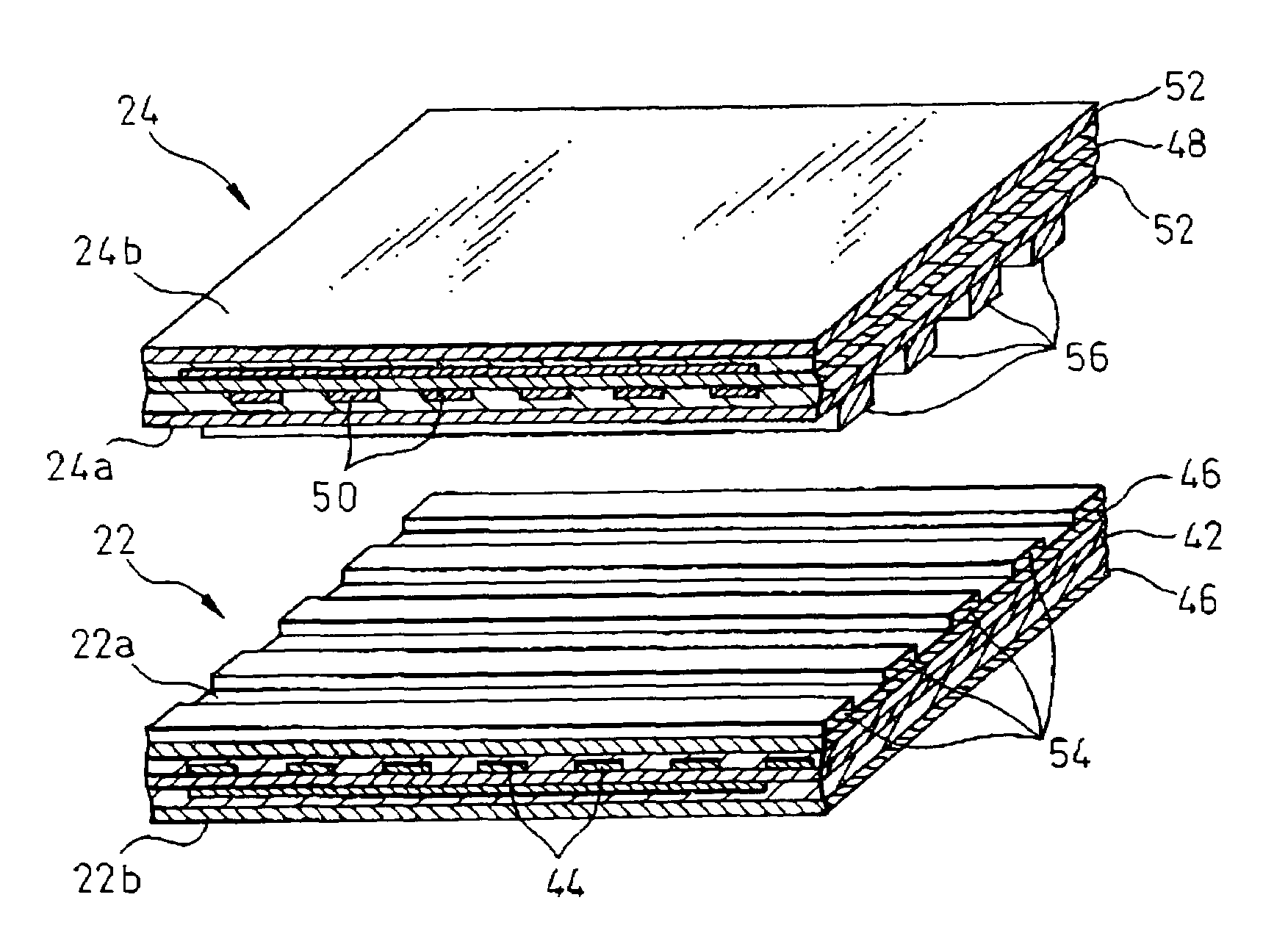
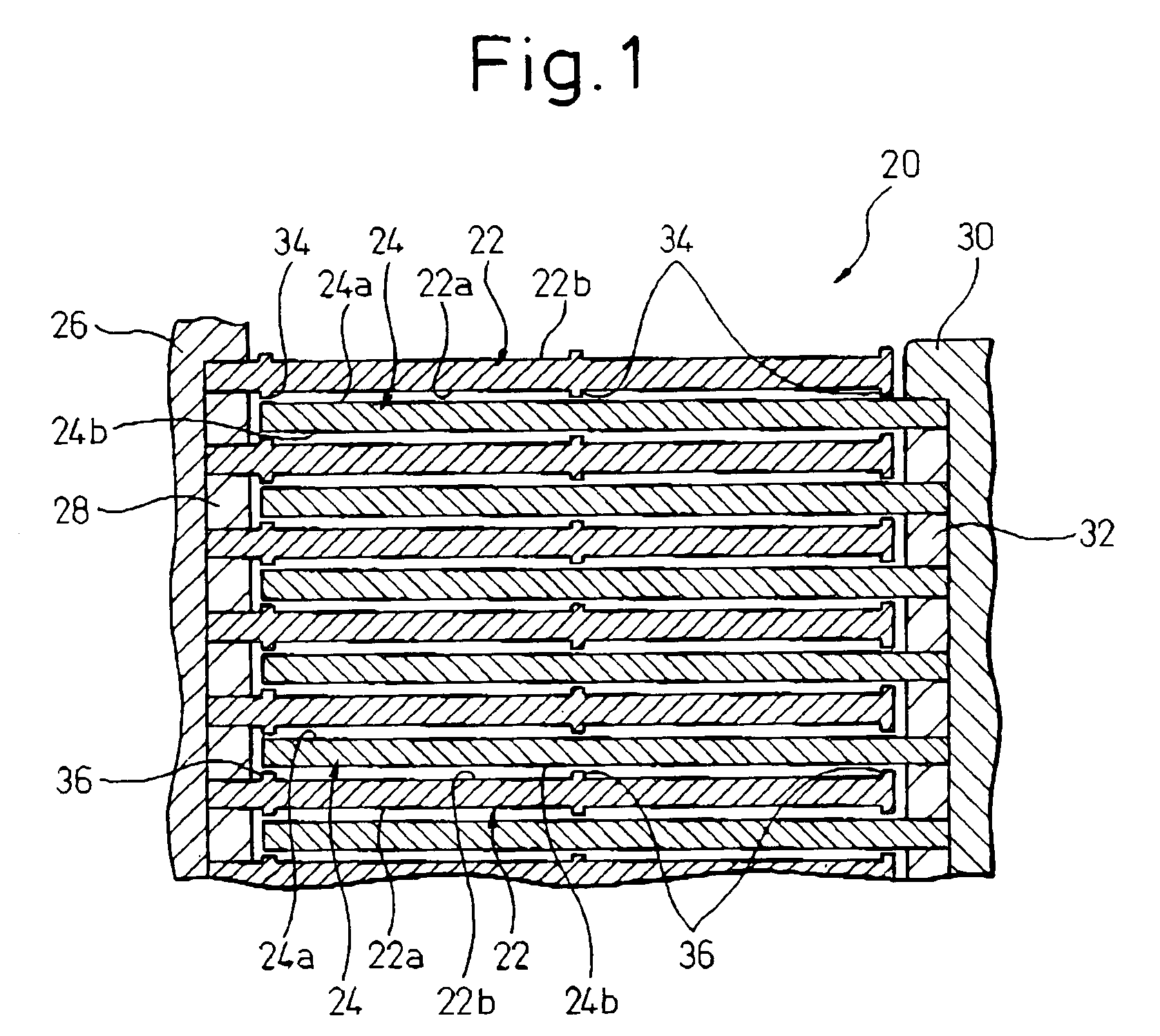
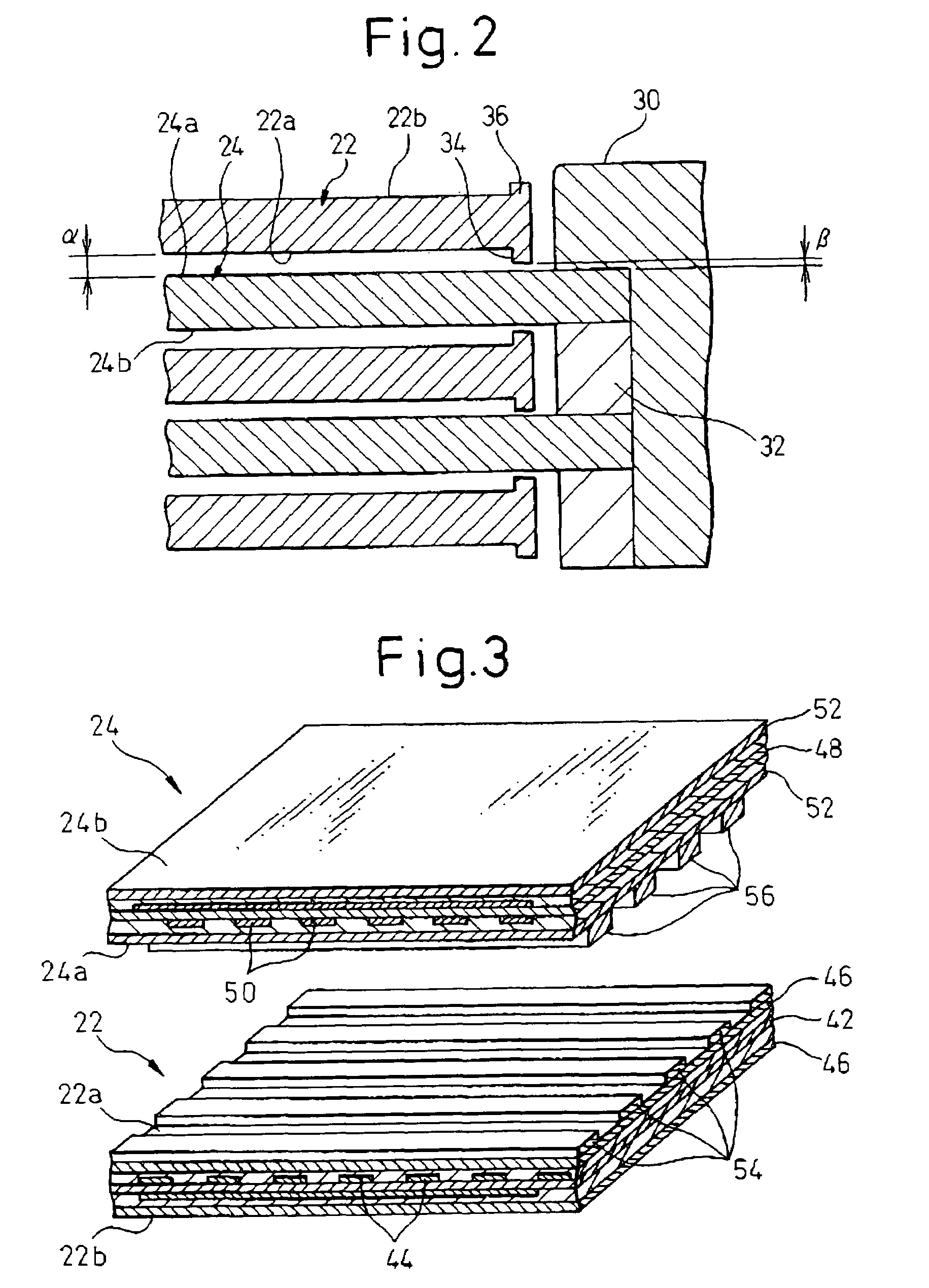
Electrostatic motor with clearance maintaining structure
PatentInactiveUS7372186B2
Innovation
- The introduction of protuberances on the film-like members, which can be made of low-friction materials, to maintain a predetermined clearance without the need for fine grains, ensuring proper alignment and motion without hindrance.

Safety Standards for Electrostatic Motor Systems
The development of comprehensive safety standards for electrostatic motor systems represents a critical requirement for their successful integration into robotic precision control applications. Current safety frameworks primarily draw from established electrical safety protocols, yet the unique characteristics of electrostatic motors necessitate specialized considerations that address high-voltage operation, electrostatic discharge risks, and human-machine interaction safety.
International safety organizations, including IEC and IEEE, have begun establishing preliminary guidelines for electrostatic motor systems, focusing on voltage isolation requirements and electromagnetic compatibility standards. These emerging standards mandate minimum clearance distances between high-voltage components and accessible surfaces, typically requiring 10-15mm separation per kilovolt of operating voltage. Additionally, mandatory grounding protocols ensure proper dissipation of accumulated charges during system operation and maintenance procedures.
Personnel safety protocols constitute a fundamental aspect of electrostatic motor safety standards, particularly addressing risks associated with high-voltage exposure and electrostatic discharge. Required safety measures include specialized training programs for maintenance personnel, mandatory use of anti-static equipment, and implementation of lockout-tagout procedures during system servicing. Emergency shutdown systems must be accessible within 3 meters of any electrostatic motor installation, with automatic activation capabilities triggered by fault detection systems.
Environmental safety considerations encompass protection against moisture ingress, temperature extremes, and electromagnetic interference that could compromise system integrity. Safety standards specify IP65 or higher ingress protection ratings for robotic applications, ensuring reliable operation in industrial environments. Thermal management requirements mandate continuous monitoring of operating temperatures, with automatic shutdown protocols activated when temperatures exceed predetermined thresholds.
Certification processes for electrostatic motor systems require comprehensive testing protocols that validate electrical safety, mechanical integrity, and electromagnetic compatibility. These standards mandate third-party verification of safety systems, regular inspection schedules, and documentation of all safety-related modifications. Compliance with these evolving safety standards ensures reliable deployment of electrostatic motors in precision robotic applications while minimizing operational risks and regulatory concerns.
International safety organizations, including IEC and IEEE, have begun establishing preliminary guidelines for electrostatic motor systems, focusing on voltage isolation requirements and electromagnetic compatibility standards. These emerging standards mandate minimum clearance distances between high-voltage components and accessible surfaces, typically requiring 10-15mm separation per kilovolt of operating voltage. Additionally, mandatory grounding protocols ensure proper dissipation of accumulated charges during system operation and maintenance procedures.
Personnel safety protocols constitute a fundamental aspect of electrostatic motor safety standards, particularly addressing risks associated with high-voltage exposure and electrostatic discharge. Required safety measures include specialized training programs for maintenance personnel, mandatory use of anti-static equipment, and implementation of lockout-tagout procedures during system servicing. Emergency shutdown systems must be accessible within 3 meters of any electrostatic motor installation, with automatic activation capabilities triggered by fault detection systems.
Environmental safety considerations encompass protection against moisture ingress, temperature extremes, and electromagnetic interference that could compromise system integrity. Safety standards specify IP65 or higher ingress protection ratings for robotic applications, ensuring reliable operation in industrial environments. Thermal management requirements mandate continuous monitoring of operating temperatures, with automatic shutdown protocols activated when temperatures exceed predetermined thresholds.
Certification processes for electrostatic motor systems require comprehensive testing protocols that validate electrical safety, mechanical integrity, and electromagnetic compatibility. These standards mandate third-party verification of safety systems, regular inspection schedules, and documentation of all safety-related modifications. Compliance with these evolving safety standards ensures reliable deployment of electrostatic motors in precision robotic applications while minimizing operational risks and regulatory concerns.
Manufacturing Scalability of Electrostatic Motor Components
The manufacturing scalability of electrostatic motor components presents unique challenges and opportunities that distinguish it from conventional electromagnetic motor production. Current fabrication processes rely heavily on precision micromachining techniques, including photolithography, deep reactive ion etching, and electroplating methods borrowed from semiconductor and MEMS industries. These processes enable the creation of intricate electrode patterns and microscale air gaps essential for electrostatic motor functionality, but they inherently limit production volumes due to their batch-processing nature and high equipment costs.
Silicon-based manufacturing approaches have demonstrated the most promising scalability potential, leveraging established semiconductor fabrication infrastructure. Wafer-level processing allows multiple motor components to be manufactured simultaneously, with typical 8-inch wafers accommodating dozens of motor units depending on size requirements. However, the yield rates remain challenging, with defect densities significantly impacting overall production economics. Current industry reports indicate yield rates between 60-75% for complex electrostatic motor structures, substantially lower than mature semiconductor processes.
Alternative manufacturing pathways are emerging to address scalability limitations. Roll-to-roll processing techniques show promise for producing flexible electrostatic motor components using polymer substrates and conductive inks. This approach could potentially reduce manufacturing costs by 40-60% compared to silicon-based methods while enabling larger-scale production volumes. Additionally, 3D printing technologies, particularly stereolithography and multi-material printing, are being explored for rapid prototyping and small-batch production of electrostatic motor housings and support structures.
The integration of automated assembly processes remains a critical bottleneck in achieving true manufacturing scalability. Unlike traditional motors with relatively large components, electrostatic motors require precise alignment of microscale features with tolerances often below 10 micrometers. Current assembly methods rely heavily on manual or semi-automated processes, limiting throughput and increasing labor costs. Advanced pick-and-place systems with vision-guided positioning are being developed specifically for electrostatic motor assembly, though these solutions require substantial capital investment.
Supply chain considerations further complicate scalability efforts. Specialized materials such as high-dielectric-constant ceramics and ultra-low-leakage insulators are produced by limited suppliers, creating potential bottlenecks as demand increases. The development of alternative materials and multiple sourcing strategies will be essential for supporting large-scale electrostatic motor production in robotic applications.
Silicon-based manufacturing approaches have demonstrated the most promising scalability potential, leveraging established semiconductor fabrication infrastructure. Wafer-level processing allows multiple motor components to be manufactured simultaneously, with typical 8-inch wafers accommodating dozens of motor units depending on size requirements. However, the yield rates remain challenging, with defect densities significantly impacting overall production economics. Current industry reports indicate yield rates between 60-75% for complex electrostatic motor structures, substantially lower than mature semiconductor processes.
Alternative manufacturing pathways are emerging to address scalability limitations. Roll-to-roll processing techniques show promise for producing flexible electrostatic motor components using polymer substrates and conductive inks. This approach could potentially reduce manufacturing costs by 40-60% compared to silicon-based methods while enabling larger-scale production volumes. Additionally, 3D printing technologies, particularly stereolithography and multi-material printing, are being explored for rapid prototyping and small-batch production of electrostatic motor housings and support structures.
The integration of automated assembly processes remains a critical bottleneck in achieving true manufacturing scalability. Unlike traditional motors with relatively large components, electrostatic motors require precise alignment of microscale features with tolerances often below 10 micrometers. Current assembly methods rely heavily on manual or semi-automated processes, limiting throughput and increasing labor costs. Advanced pick-and-place systems with vision-guided positioning are being developed specifically for electrostatic motor assembly, though these solutions require substantial capital investment.
Supply chain considerations further complicate scalability efforts. Specialized materials such as high-dielectric-constant ceramics and ultra-low-leakage insulators are produced by limited suppliers, creating potential bottlenecks as demand increases. The development of alternative materials and multiple sourcing strategies will be essential for supporting large-scale electrostatic motor production in robotic applications.
Unlock deeper insights with PatSnap Eureka Quick Research — get a full tech report to explore trends and direct your research. Try now!
Generate Your Research Report Instantly with AI Agent
Supercharge your innovation with PatSnap Eureka AI Agent Platform!