Evaluate Ion Selective Electrode in Heavy Metal Detection
MAR 8, 20269 MIN READ
Generate Your Research Report Instantly with AI Agent
Patsnap Eureka helps you evaluate technical feasibility & market potential.
Ion Selective Electrode Heavy Metal Detection Background and Goals
Ion selective electrodes have emerged as a critical analytical tool in environmental monitoring and industrial quality control, particularly for heavy metal detection applications. The development of ISE technology traces back to the 1960s when glass electrodes were first adapted for selective ion measurement, evolving from simple pH sensors to sophisticated multi-ion detection systems. This technological progression has been driven by increasing environmental regulations and the growing need for rapid, cost-effective heavy metal analysis in water treatment, soil monitoring, and industrial waste management.
The fundamental principle of ion selective electrodes relies on selective membrane materials that exhibit preferential permeability to specific metal ions, generating measurable potential differences proportional to ion concentrations. Early ISE systems primarily focused on alkali and alkaline earth metals, but technological advances have expanded their capability to detect toxic heavy metals including lead, cadmium, mercury, copper, and zinc with increasing sensitivity and selectivity.
Current market demands for heavy metal detection are intensifying due to stricter environmental protection standards and public health concerns. Traditional analytical methods such as atomic absorption spectroscopy and inductively coupled plasma mass spectrometry, while highly accurate, require expensive equipment, skilled operators, and lengthy sample preparation procedures. This creates a significant market opportunity for ISE-based solutions that can provide real-time, on-site measurements with minimal sample preparation.
The primary technical objectives for ISE heavy metal detection systems include achieving detection limits comparable to regulatory requirements, typically in the parts-per-billion range for most heavy metals. Enhanced selectivity coefficients are essential to minimize interference from competing ions commonly present in environmental samples. Improved electrode stability and extended operational lifetime represent additional goals, as current ISE systems often suffer from membrane degradation and drift issues that limit their practical deployment.
Integration capabilities with automated monitoring systems and data logging platforms constitute another key objective, enabling continuous environmental surveillance and compliance reporting. The development of miniaturized, portable ISE devices suitable for field applications represents a significant technological target, potentially revolutionizing heavy metal monitoring practices across various industries and environmental management sectors.
The fundamental principle of ion selective electrodes relies on selective membrane materials that exhibit preferential permeability to specific metal ions, generating measurable potential differences proportional to ion concentrations. Early ISE systems primarily focused on alkali and alkaline earth metals, but technological advances have expanded their capability to detect toxic heavy metals including lead, cadmium, mercury, copper, and zinc with increasing sensitivity and selectivity.
Current market demands for heavy metal detection are intensifying due to stricter environmental protection standards and public health concerns. Traditional analytical methods such as atomic absorption spectroscopy and inductively coupled plasma mass spectrometry, while highly accurate, require expensive equipment, skilled operators, and lengthy sample preparation procedures. This creates a significant market opportunity for ISE-based solutions that can provide real-time, on-site measurements with minimal sample preparation.
The primary technical objectives for ISE heavy metal detection systems include achieving detection limits comparable to regulatory requirements, typically in the parts-per-billion range for most heavy metals. Enhanced selectivity coefficients are essential to minimize interference from competing ions commonly present in environmental samples. Improved electrode stability and extended operational lifetime represent additional goals, as current ISE systems often suffer from membrane degradation and drift issues that limit their practical deployment.
Integration capabilities with automated monitoring systems and data logging platforms constitute another key objective, enabling continuous environmental surveillance and compliance reporting. The development of miniaturized, portable ISE devices suitable for field applications represents a significant technological target, potentially revolutionizing heavy metal monitoring practices across various industries and environmental management sectors.
Market Demand for Heavy Metal Detection Solutions
The global heavy metal detection market has experienced substantial growth driven by increasingly stringent environmental regulations and heightened awareness of heavy metal contamination risks. Industrial sectors including mining, metallurgy, electroplating, and chemical manufacturing generate significant volumes of wastewater containing toxic heavy metals such as lead, mercury, cadmium, and chromium. These industries face mounting pressure to implement continuous monitoring systems to ensure compliance with discharge standards.
Water treatment facilities represent another major demand driver, requiring reliable detection solutions to monitor both influent and effluent streams. Municipal water suppliers must ensure drinking water safety by detecting trace levels of heavy metals that can accumulate in distribution systems or originate from industrial contamination sources. The growing emphasis on water quality monitoring has created sustained demand for cost-effective, real-time detection technologies.
Environmental monitoring agencies and consulting firms constitute a significant market segment, conducting soil and groundwater assessments at contaminated sites, landfills, and industrial facilities. The remediation industry relies heavily on accurate heavy metal detection to evaluate contamination extent and monitor cleanup progress. Agricultural applications have also emerged as an important market, with farmers and food processors requiring soil and irrigation water testing to prevent heavy metal accumulation in crops.
The pharmaceutical and food industries demand highly sensitive detection capabilities to ensure product safety and regulatory compliance. These sectors require rapid screening methods to detect heavy metal contamination in raw materials and finished products. Laboratory services and analytical testing companies serve as intermediaries, providing detection services across multiple industries while driving demand for advanced instrumentation.
Geographically, developed regions with mature industrial sectors and strict environmental regulations show consistent demand for heavy metal detection solutions. Emerging economies experiencing rapid industrialization present significant growth opportunities, particularly as environmental awareness increases and regulatory frameworks strengthen. The market demonstrates resilience due to the essential nature of heavy metal monitoring across diverse applications, from environmental protection to public health safety.
Water treatment facilities represent another major demand driver, requiring reliable detection solutions to monitor both influent and effluent streams. Municipal water suppliers must ensure drinking water safety by detecting trace levels of heavy metals that can accumulate in distribution systems or originate from industrial contamination sources. The growing emphasis on water quality monitoring has created sustained demand for cost-effective, real-time detection technologies.
Environmental monitoring agencies and consulting firms constitute a significant market segment, conducting soil and groundwater assessments at contaminated sites, landfills, and industrial facilities. The remediation industry relies heavily on accurate heavy metal detection to evaluate contamination extent and monitor cleanup progress. Agricultural applications have also emerged as an important market, with farmers and food processors requiring soil and irrigation water testing to prevent heavy metal accumulation in crops.
The pharmaceutical and food industries demand highly sensitive detection capabilities to ensure product safety and regulatory compliance. These sectors require rapid screening methods to detect heavy metal contamination in raw materials and finished products. Laboratory services and analytical testing companies serve as intermediaries, providing detection services across multiple industries while driving demand for advanced instrumentation.
Geographically, developed regions with mature industrial sectors and strict environmental regulations show consistent demand for heavy metal detection solutions. Emerging economies experiencing rapid industrialization present significant growth opportunities, particularly as environmental awareness increases and regulatory frameworks strengthen. The market demonstrates resilience due to the essential nature of heavy metal monitoring across diverse applications, from environmental protection to public health safety.
Current State and Challenges of ISE Heavy Metal Sensing
Ion selective electrodes have emerged as a prominent analytical tool for heavy metal detection, offering significant advantages in terms of cost-effectiveness, real-time monitoring capabilities, and field deployment potential. The current state of ISE technology demonstrates considerable maturity in detecting common heavy metals such as lead, cadmium, copper, and mercury, with detection limits reaching parts-per-billion levels in optimized laboratory conditions.
Contemporary ISE systems primarily utilize solid-state membrane electrodes, liquid membrane electrodes, and coated-wire electrodes as the main sensing platforms. Solid-state electrodes incorporating chalcogenide glasses and crystalline materials have shown exceptional selectivity for specific heavy metal ions, while polymeric membrane electrodes with ionophore-based recognition elements provide versatility across multiple target analytes.
Despite these technological advances, several critical challenges continue to impede widespread adoption of ISE-based heavy metal sensing systems. Interference from competing ions remains a fundamental limitation, particularly in complex environmental matrices where multiple metal species coexist. The selectivity coefficients of current ISE materials often fail to provide adequate discrimination between target heavy metals and interfering species such as alkali and alkaline earth metals.
Stability and drift issues represent another significant challenge affecting long-term deployment scenarios. Membrane degradation, reference electrode potential shifts, and fouling effects contribute to measurement uncertainty and require frequent recalibration procedures. These limitations are particularly pronounced in harsh environmental conditions involving extreme pH values, high ionic strength solutions, or the presence of organic contaminants.
The detection limit constraints of conventional ISE systems pose additional challenges for ultra-trace heavy metal analysis required in environmental monitoring applications. While laboratory-based ISE measurements can achieve satisfactory sensitivity, field-deployed sensors often exhibit elevated detection limits due to temperature fluctuations, matrix effects, and instrumental noise factors.
Matrix complexity in real-world samples presents ongoing difficulties for ISE-based heavy metal detection. Natural water samples, soil extracts, and industrial effluents contain diverse chemical species that can alter electrode response characteristics through complexation reactions, pH buffering effects, and surface adsorption phenomena. These matrix-dependent variations necessitate extensive calibration protocols and limit the transferability of analytical methods across different sample types.
Recent developments in nanomaterial-enhanced ISE platforms and advanced signal processing algorithms show promise for addressing some of these limitations, yet significant technical barriers remain before achieving robust, maintenance-free heavy metal sensing systems suitable for continuous environmental monitoring applications.
Contemporary ISE systems primarily utilize solid-state membrane electrodes, liquid membrane electrodes, and coated-wire electrodes as the main sensing platforms. Solid-state electrodes incorporating chalcogenide glasses and crystalline materials have shown exceptional selectivity for specific heavy metal ions, while polymeric membrane electrodes with ionophore-based recognition elements provide versatility across multiple target analytes.
Despite these technological advances, several critical challenges continue to impede widespread adoption of ISE-based heavy metal sensing systems. Interference from competing ions remains a fundamental limitation, particularly in complex environmental matrices where multiple metal species coexist. The selectivity coefficients of current ISE materials often fail to provide adequate discrimination between target heavy metals and interfering species such as alkali and alkaline earth metals.
Stability and drift issues represent another significant challenge affecting long-term deployment scenarios. Membrane degradation, reference electrode potential shifts, and fouling effects contribute to measurement uncertainty and require frequent recalibration procedures. These limitations are particularly pronounced in harsh environmental conditions involving extreme pH values, high ionic strength solutions, or the presence of organic contaminants.
The detection limit constraints of conventional ISE systems pose additional challenges for ultra-trace heavy metal analysis required in environmental monitoring applications. While laboratory-based ISE measurements can achieve satisfactory sensitivity, field-deployed sensors often exhibit elevated detection limits due to temperature fluctuations, matrix effects, and instrumental noise factors.
Matrix complexity in real-world samples presents ongoing difficulties for ISE-based heavy metal detection. Natural water samples, soil extracts, and industrial effluents contain diverse chemical species that can alter electrode response characteristics through complexation reactions, pH buffering effects, and surface adsorption phenomena. These matrix-dependent variations necessitate extensive calibration protocols and limit the transferability of analytical methods across different sample types.
Recent developments in nanomaterial-enhanced ISE platforms and advanced signal processing algorithms show promise for addressing some of these limitations, yet significant technical barriers remain before achieving robust, maintenance-free heavy metal sensing systems suitable for continuous environmental monitoring applications.
Existing ISE Solutions for Heavy Metal Analysis
01 Ion-selective electrode structure and membrane composition
Ion-selective electrodes utilize specialized membrane materials that selectively respond to specific ions in solution. The membrane composition typically includes ionophores, plasticizers, and polymer matrices that provide selectivity and sensitivity. Various membrane materials such as polyvinyl chloride (PVC), silicone rubber, or glass can be used depending on the target ion. The electrode structure incorporates an internal reference solution and contact system to establish stable potential measurements.- Ion-selective electrode structure and membrane composition: Ion-selective electrodes utilize specialized membrane materials that selectively respond to specific ions in solution. The membrane composition typically includes ionophores, plasticizers, and polymer matrices that provide selectivity and sensitivity. Various membrane materials such as polyvinyl chloride (PVC), silicone rubber, or glass can be employed depending on the target ion. The electrode structure incorporates an internal reference solution and conductive elements to generate measurable potential differences.
- Multi-ion detection and sensor arrays: Advanced ion-selective electrode systems incorporate multiple sensing elements to simultaneously detect different ionic species. Sensor arrays enable comprehensive analysis of complex samples by measuring multiple ions concurrently. These systems often integrate signal processing and data analysis capabilities to interpret multi-parameter measurements. The technology allows for real-time monitoring of ionic concentrations in various applications.
- Calibration and signal processing methods: Ion-selective electrode detection requires sophisticated calibration procedures to ensure accurate measurements across different concentration ranges. Signal processing techniques compensate for temperature effects, drift, and interference from competing ions. Advanced algorithms improve measurement stability and reduce response time. Automated calibration systems enhance reliability and reduce manual intervention requirements.
- Miniaturized and integrated electrode designs: Modern ion-selective electrodes feature miniaturized designs suitable for portable and point-of-care applications. Integration with microfluidic systems enables reduced sample volumes and faster analysis times. Solid-state electrode configurations eliminate the need for internal filling solutions, improving durability and ease of use. Microfabrication techniques allow for mass production of consistent, low-cost sensors.
- Application-specific electrode optimization: Ion-selective electrodes are optimized for specific applications including clinical diagnostics, environmental monitoring, and industrial process control. Specialized designs address challenges such as sample matrix effects, fouling resistance, and long-term stability. Electrodes may be configured for continuous monitoring or discrete sampling depending on application requirements. Surface modifications and protective coatings extend electrode lifetime in harsh environments.
02 Multi-ion detection and sensor arrays
Advanced ion-selective electrode systems employ multiple electrodes in array configurations to simultaneously detect different ionic species. These multi-sensor systems enable comprehensive analysis of complex solutions containing various ions. The technology integrates signal processing and data analysis methods to distinguish between different ionic responses and minimize interference effects. Array-based detection improves analytical throughput and provides more complete sample characterization.Expand Specific Solutions03 Signal processing and measurement circuits
Ion-selective electrode detection requires specialized electronic circuits for potential measurement and signal conditioning. High-impedance amplifiers and reference electrode systems are essential for accurate voltage measurements. The measurement systems incorporate temperature compensation, drift correction, and calibration algorithms to ensure reliable results. Digital signal processing techniques enhance sensitivity and reduce noise in the detection system.Expand Specific Solutions04 Application in biological and clinical analysis
Ion-selective electrodes are widely applied in biological sample analysis and clinical diagnostics for measuring electrolytes and other ionic species. These sensors enable rapid point-of-care testing and continuous monitoring of physiological parameters. The technology is adapted for use with blood, urine, and other biological fluids, with considerations for sample matrix effects and biocompatibility. Miniaturized electrode designs facilitate integration into portable diagnostic devices.Expand Specific Solutions05 Calibration methods and quality control
Accurate ion-selective electrode measurements require proper calibration procedures using standard solutions of known ionic concentration. Calibration protocols address issues such as electrode aging, membrane fouling, and response drift over time. Quality control measures include regular verification with reference materials and implementation of automated calibration routines. Advanced calibration algorithms account for non-Nernstian behavior and matrix effects to improve measurement accuracy across wide concentration ranges.Expand Specific Solutions
Key Players in ISE and Heavy Metal Detection Industry
The ion selective electrode (ISE) technology for heavy metal detection represents a mature yet evolving market segment within the broader analytical instrumentation industry. The field demonstrates moderate technological maturity with established players like Horiba Ltd., Metrohm AG, and Beckman Coulter Inc. leading commercial development alongside specialized companies such as Unisense A/S and Radiometer A/S. The market exhibits steady growth driven by increasing environmental monitoring regulations and industrial quality control demands. Academic institutions including Zhejiang University, Tongji University, and Auburn University contribute significantly to fundamental research and innovation. Technology giants like Toshiba Corp., FUJIFILM Corp., and Siemens Healthcare Diagnostics leverage their broader analytical capabilities to enhance ISE applications. The competitive landscape spans from specialized sensor manufacturers to diversified analytical equipment providers, indicating a fragmented but stable market with opportunities for both incremental improvements and breakthrough innovations in selectivity, sensitivity, and miniaturization.
Hitachi High-Tech America, Inc.
Technical Solution: Hitachi High-Tech has developed innovative ISE technology for heavy metal detection that combines traditional ion selective electrodes with advanced microelectronics and signal processing. Their system features miniaturized ISE sensors with improved response times and enhanced selectivity for heavy metals such as mercury, lead, and cadmium. The technology incorporates automated sample preparation modules, multi-point calibration systems, and real-time quality control monitoring. Hitachi's approach includes proprietary membrane formulations that reduce common ion interferences and extend electrode lifetime. Their ISE systems are integrated with cloud-based data management platforms for remote monitoring and compliance reporting. The technology is designed for applications in water quality monitoring, soil analysis, and industrial process control.
Strengths: Advanced automation capabilities, cloud integration, miniaturized sensor design. Weaknesses: Limited to specific heavy metal types, requires regular maintenance and calibration.
Radiometer A/S
Technical Solution: Radiometer A/S has developed specialized ISE technology for heavy metal detection with focus on clinical and environmental applications. Their system utilizes solid-state ion selective electrodes with enhanced membrane compositions specifically optimized for heavy metal ions. The technology features automated sample handling, multi-point calibration protocols, and integrated quality assurance measures. Radiometer's ISE solutions incorporate temperature compensation algorithms, drift correction mechanisms, and interference suppression techniques to improve measurement accuracy. Their systems are designed with user-friendly interfaces and automated maintenance routines to minimize operator intervention. The technology includes comprehensive data management capabilities with traceability features for regulatory compliance. Radiometer's approach emphasizes reliability and ease of use in routine analytical applications.
Strengths: User-friendly operation, reliable automated systems, strong regulatory compliance features. Weaknesses: Limited customization options, primarily focused on routine applications rather than research.
Core ISE Innovations for Heavy Metal Selectivity
Rare earth metal incorporated zeolite modified electrodes for detection and quantification of heavy metal ions in aqueous solution
PatentInactiveUS20170315079A1
Innovation
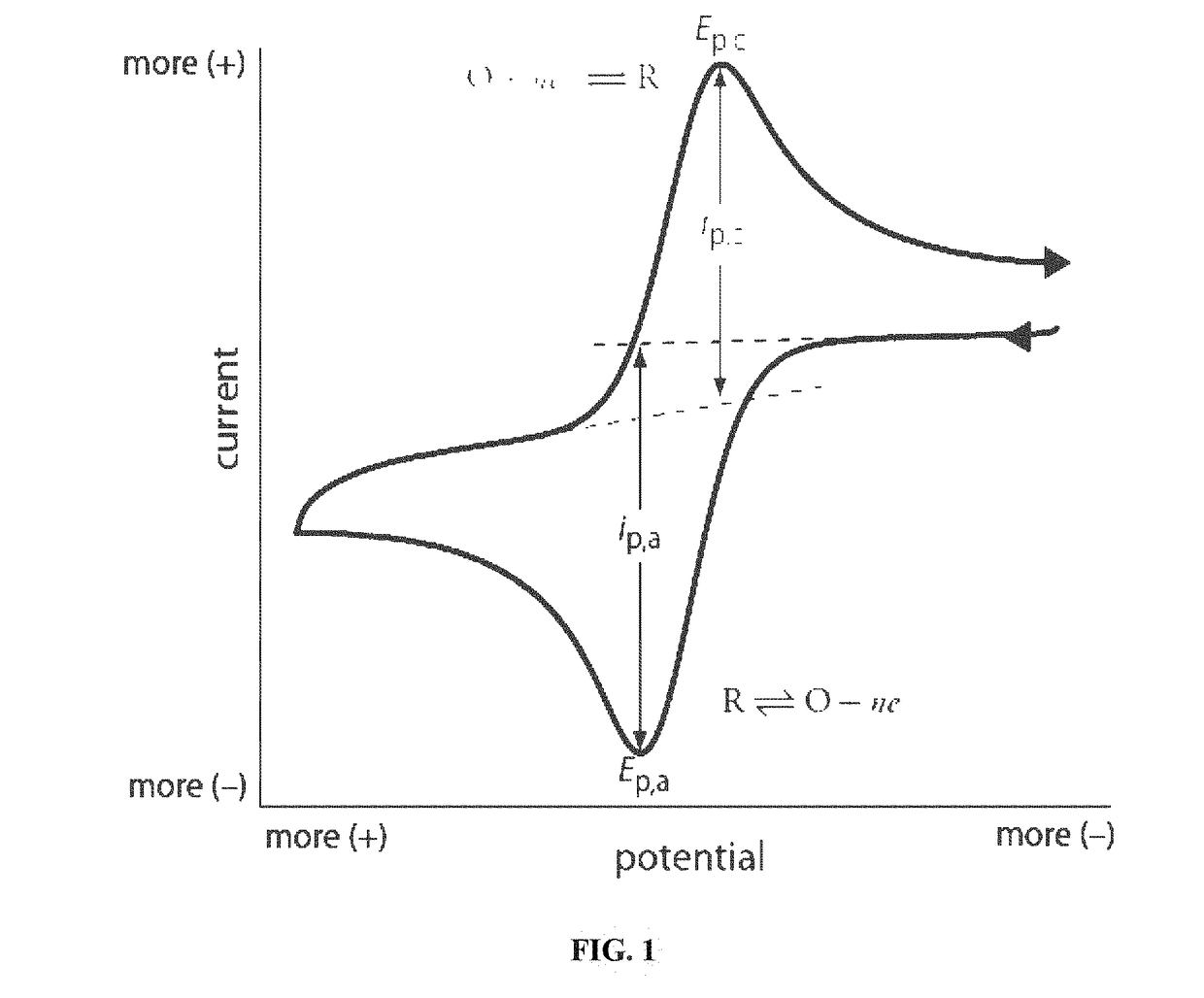
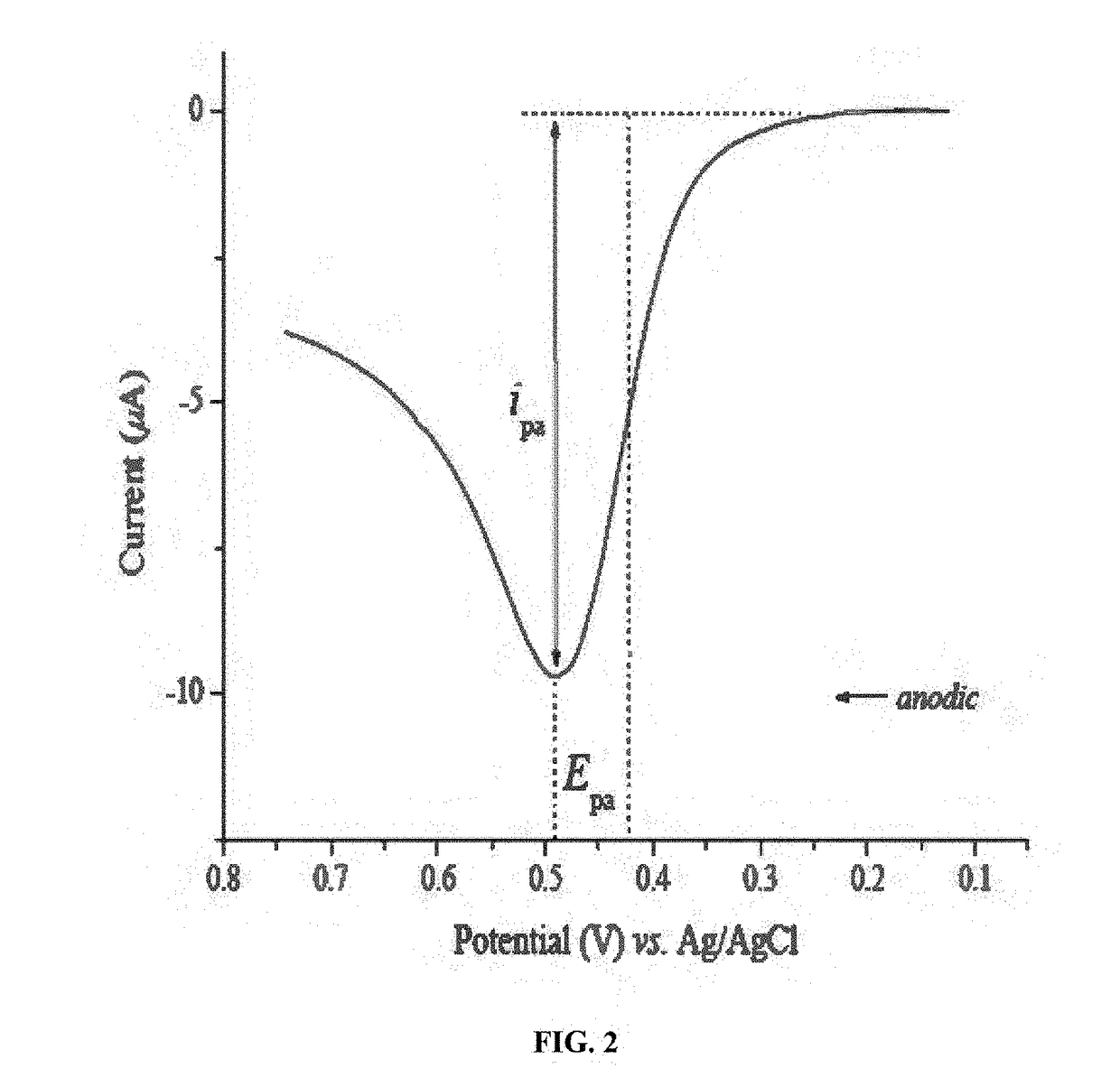
- Development of rare earth metal impregnated zeolite modified carbon paste electrodes, specifically lanthanum or cerium impregnated mordenite electrodes, for use in square wave anodic stripping voltammetry, enhancing electroactive surface area and detection limits.

Method and system for detecting heavy metal ions
PatentInactiveUS20230131926A1
Innovation
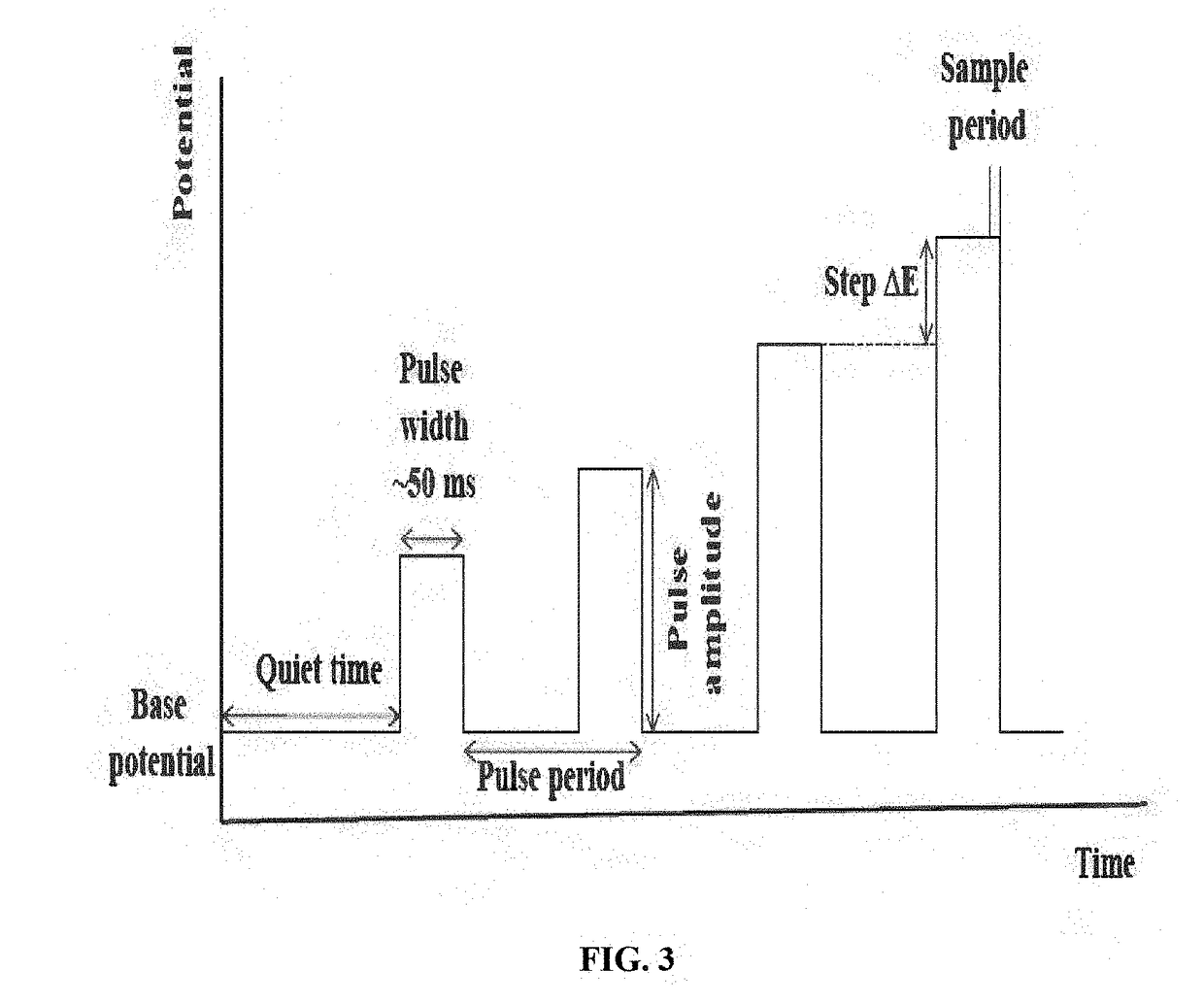
- A miniaturized three-electrode system using a micro-electrode chip with graphene-modified counter electrodes and bismuth-film modified working electrodes, connected to an electrochemical workstation for differential pulse stripping voltammetry, allowing for precise detection of heavy metal ions in small samples with improved sensitivity and stability.


Environmental Regulations for Heavy Metal Monitoring
The regulatory landscape for heavy metal monitoring has evolved significantly over the past decades, driven by increasing awareness of environmental contamination and public health risks. International frameworks such as the World Health Organization (WHO) guidelines and the United States Environmental Protection Agency (EPA) standards have established comprehensive protocols for heavy metal detection in various environmental matrices. These regulations mandate specific detection limits, sampling procedures, and analytical methods for monitoring toxic metals including lead, mercury, cadmium, chromium, and arsenic.
The European Union's Water Framework Directive and the Clean Water Act in the United States represent cornerstone legislation that defines maximum allowable concentrations for heavy metals in drinking water, surface water, and groundwater systems. These regulations typically require detection capabilities at parts-per-billion (ppb) or even parts-per-trillion (ppt) levels, necessitating highly sensitive and reliable analytical techniques. The regulatory requirements have become increasingly stringent, with many jurisdictions lowering permissible limits as scientific understanding of heavy metal toxicity advances.
Compliance monitoring protocols established by regulatory agencies specify acceptable analytical methods, quality assurance procedures, and reporting requirements. Traditional methods such as atomic absorption spectroscopy and inductively coupled plasma mass spectrometry have been the gold standard for regulatory compliance. However, these techniques often require complex sample preparation, expensive instrumentation, and laboratory-based analysis, creating challenges for real-time monitoring and field applications.
Recent regulatory trends indicate growing acceptance of alternative analytical approaches, including electrochemical methods, provided they demonstrate equivalent accuracy, precision, and reliability to established techniques. The EPA's approval of certain portable analytical devices for specific applications reflects this evolving regulatory perspective. Ion selective electrodes, when properly validated and calibrated, are increasingly recognized as viable tools for preliminary screening and continuous monitoring applications.
Regulatory agencies are also emphasizing the importance of method validation, inter-laboratory comparisons, and quality control measures to ensure data reliability and comparability across different monitoring programs. These requirements create both opportunities and challenges for implementing ion selective electrode technology in regulatory compliance frameworks, as manufacturers must demonstrate method equivalency and long-term stability to gain regulatory acceptance.
The European Union's Water Framework Directive and the Clean Water Act in the United States represent cornerstone legislation that defines maximum allowable concentrations for heavy metals in drinking water, surface water, and groundwater systems. These regulations typically require detection capabilities at parts-per-billion (ppb) or even parts-per-trillion (ppt) levels, necessitating highly sensitive and reliable analytical techniques. The regulatory requirements have become increasingly stringent, with many jurisdictions lowering permissible limits as scientific understanding of heavy metal toxicity advances.
Compliance monitoring protocols established by regulatory agencies specify acceptable analytical methods, quality assurance procedures, and reporting requirements. Traditional methods such as atomic absorption spectroscopy and inductively coupled plasma mass spectrometry have been the gold standard for regulatory compliance. However, these techniques often require complex sample preparation, expensive instrumentation, and laboratory-based analysis, creating challenges for real-time monitoring and field applications.
Recent regulatory trends indicate growing acceptance of alternative analytical approaches, including electrochemical methods, provided they demonstrate equivalent accuracy, precision, and reliability to established techniques. The EPA's approval of certain portable analytical devices for specific applications reflects this evolving regulatory perspective. Ion selective electrodes, when properly validated and calibrated, are increasingly recognized as viable tools for preliminary screening and continuous monitoring applications.
Regulatory agencies are also emphasizing the importance of method validation, inter-laboratory comparisons, and quality control measures to ensure data reliability and comparability across different monitoring programs. These requirements create both opportunities and challenges for implementing ion selective electrode technology in regulatory compliance frameworks, as manufacturers must demonstrate method equivalency and long-term stability to gain regulatory acceptance.
ISE Calibration and Maintenance Considerations
Ion selective electrodes require rigorous calibration protocols to ensure accurate heavy metal detection across varying environmental conditions. The calibration process typically involves establishing a linear relationship between electrode potential and logarithmic ion concentration using standard solutions of known metal ion concentrations. For heavy metal detection, calibration standards should span the expected concentration range, typically from 10^-6 to 10^-2 M, with at least three to five calibration points to establish reliable slope characteristics.
Temperature compensation represents a critical calibration consideration, as electrode response varies significantly with thermal conditions. Most ISE systems incorporate automatic temperature compensation modules, but manual verification remains essential for precision applications. The Nernst slope should be validated regularly, with acceptable values typically ranging from 90-98% of the theoretical 59.16 mV/decade at 25°C for monovalent ions.
Electrode conditioning procedures significantly impact measurement reliability and response time. New electrodes require initial conditioning in target ion solutions for 2-4 hours, while routine conditioning involves soaking in appropriate electrolyte solutions between measurements. The conditioning solution concentration should approximate the sample matrix to minimize junction potential variations and ensure stable baseline readings.
Maintenance protocols encompass both preventive and corrective measures to sustain electrode performance over extended operational periods. Regular inspection of the reference electrode junction prevents clogging from precipitates or biological growth, which commonly occurs in environmental samples containing organic matter or suspended particles. Junction cleaning using appropriate solvents or mechanical methods should be performed weekly for continuous monitoring applications.
Storage conditions directly influence electrode longevity and measurement accuracy. Electrodes should be stored in solutions matching their internal filling solution composition, avoiding deionized water which can cause osmotic damage to sensitive membranes. For extended storage periods exceeding one month, electrodes require periodic rehydration and recalibration to maintain optimal response characteristics.
Quality control measures include regular slope verification, response time monitoring, and detection limit validation. Slope degradation below acceptable thresholds indicates membrane deterioration or reference electrode malfunction, necessitating component replacement. Response time increases often signal membrane fouling or internal solution contamination, requiring thorough cleaning or refurbishment procedures to restore optimal performance standards.
Temperature compensation represents a critical calibration consideration, as electrode response varies significantly with thermal conditions. Most ISE systems incorporate automatic temperature compensation modules, but manual verification remains essential for precision applications. The Nernst slope should be validated regularly, with acceptable values typically ranging from 90-98% of the theoretical 59.16 mV/decade at 25°C for monovalent ions.
Electrode conditioning procedures significantly impact measurement reliability and response time. New electrodes require initial conditioning in target ion solutions for 2-4 hours, while routine conditioning involves soaking in appropriate electrolyte solutions between measurements. The conditioning solution concentration should approximate the sample matrix to minimize junction potential variations and ensure stable baseline readings.
Maintenance protocols encompass both preventive and corrective measures to sustain electrode performance over extended operational periods. Regular inspection of the reference electrode junction prevents clogging from precipitates or biological growth, which commonly occurs in environmental samples containing organic matter or suspended particles. Junction cleaning using appropriate solvents or mechanical methods should be performed weekly for continuous monitoring applications.
Storage conditions directly influence electrode longevity and measurement accuracy. Electrodes should be stored in solutions matching their internal filling solution composition, avoiding deionized water which can cause osmotic damage to sensitive membranes. For extended storage periods exceeding one month, electrodes require periodic rehydration and recalibration to maintain optimal response characteristics.
Quality control measures include regular slope verification, response time monitoring, and detection limit validation. Slope degradation below acceptable thresholds indicates membrane deterioration or reference electrode malfunction, necessitating component replacement. Response time increases often signal membrane fouling or internal solution contamination, requiring thorough cleaning or refurbishment procedures to restore optimal performance standards.
Unlock deeper insights with Patsnap Eureka Quick Research — get a full tech report to explore trends and direct your research. Try now!
Generate Your Research Report Instantly with AI Agent
Supercharge your innovation with Patsnap Eureka AI Agent Platform!