Evaluating Dynamic Range in Electromagnetic Induction Systems
FEB 25, 202610 MIN READ
Generate Your Research Report Instantly with AI Agent
Patsnap Eureka helps you evaluate technical feasibility & market potential.
Electromagnetic Induction Dynamic Range Background and Objectives
Electromagnetic induction systems have evolved significantly since Michael Faraday's groundbreaking discoveries in the 1830s, establishing the fundamental principles that govern modern induction-based technologies. The progression from basic laboratory demonstrations to sophisticated industrial applications has been marked by continuous improvements in sensitivity, accuracy, and operational range. Contemporary electromagnetic induction systems span diverse applications including non-destructive testing, metal detection, proximity sensing, wireless power transfer, and geophysical exploration.
The dynamic range of electromagnetic induction systems represents a critical performance parameter that determines the system's ability to accurately detect and measure signals across varying magnitudes of electromagnetic responses. This capability directly impacts the system's effectiveness in distinguishing between subtle material variations and robust signal responses within the same operational environment. Historical development has shown that expanding dynamic range capabilities has been essential for advancing from simple metal detection to complex material characterization applications.
Current technological trends emphasize the integration of advanced signal processing algorithms, high-resolution analog-to-digital converters, and sophisticated sensor designs to maximize dynamic range performance. The evolution toward digital signal processing has enabled real-time adaptive gain control and noise reduction techniques that significantly enhance the practical dynamic range of modern systems. Additionally, the incorporation of multi-frequency excitation and advanced filtering methods has expanded the operational envelope of electromagnetic induction systems.
The primary objective of evaluating dynamic range in electromagnetic induction systems centers on establishing comprehensive methodologies for quantifying system performance across the full spectrum of operational conditions. This evaluation framework aims to provide standardized metrics that enable accurate comparison between different system architectures and optimization strategies. Key technical goals include developing robust measurement protocols that account for environmental variations, signal interference, and hardware limitations that typically constrain dynamic range performance.
Furthermore, the evaluation process seeks to identify optimal design parameters and operational configurations that maximize dynamic range while maintaining system stability and reliability. This involves investigating the interplay between excitation frequency selection, sensor geometry, signal conditioning approaches, and data acquisition strategies. The ultimate objective is to establish design guidelines that enable engineers to predict and optimize dynamic range performance during the system development phase, thereby reducing development costs and improving final product capabilities.
The dynamic range of electromagnetic induction systems represents a critical performance parameter that determines the system's ability to accurately detect and measure signals across varying magnitudes of electromagnetic responses. This capability directly impacts the system's effectiveness in distinguishing between subtle material variations and robust signal responses within the same operational environment. Historical development has shown that expanding dynamic range capabilities has been essential for advancing from simple metal detection to complex material characterization applications.
Current technological trends emphasize the integration of advanced signal processing algorithms, high-resolution analog-to-digital converters, and sophisticated sensor designs to maximize dynamic range performance. The evolution toward digital signal processing has enabled real-time adaptive gain control and noise reduction techniques that significantly enhance the practical dynamic range of modern systems. Additionally, the incorporation of multi-frequency excitation and advanced filtering methods has expanded the operational envelope of electromagnetic induction systems.
The primary objective of evaluating dynamic range in electromagnetic induction systems centers on establishing comprehensive methodologies for quantifying system performance across the full spectrum of operational conditions. This evaluation framework aims to provide standardized metrics that enable accurate comparison between different system architectures and optimization strategies. Key technical goals include developing robust measurement protocols that account for environmental variations, signal interference, and hardware limitations that typically constrain dynamic range performance.
Furthermore, the evaluation process seeks to identify optimal design parameters and operational configurations that maximize dynamic range while maintaining system stability and reliability. This involves investigating the interplay between excitation frequency selection, sensor geometry, signal conditioning approaches, and data acquisition strategies. The ultimate objective is to establish design guidelines that enable engineers to predict and optimize dynamic range performance during the system development phase, thereby reducing development costs and improving final product capabilities.
Market Demand for High Dynamic Range EMI Systems
The market demand for high dynamic range electromagnetic induction (EMI) systems has experienced substantial growth across multiple industrial sectors, driven by the increasing complexity of modern electronic environments and the need for more sophisticated measurement capabilities. Industries ranging from automotive electronics to aerospace applications require EMI systems capable of detecting both weak and strong electromagnetic signals simultaneously, creating a robust market foundation for advanced dynamic range solutions.
Automotive sector represents one of the most significant demand drivers, particularly with the rapid adoption of electric vehicles and autonomous driving technologies. Modern vehicles contain numerous electronic control units, wireless communication systems, and high-power electric drivetrains that generate complex electromagnetic signatures requiring comprehensive analysis across wide dynamic ranges. The automotive EMC testing market continues expanding as regulatory requirements become more stringent and vehicle electronic content increases exponentially.
Telecommunications infrastructure development, especially with 5G network deployment and beyond, has created substantial demand for high dynamic range EMI systems. Network equipment manufacturers and service providers require sophisticated testing capabilities to ensure electromagnetic compatibility across diverse frequency bands while maintaining signal integrity in increasingly congested spectrum environments. The coexistence of multiple wireless standards within single devices necessitates EMI systems with exceptional dynamic range performance.
Defense and aerospace applications constitute another critical market segment, where high dynamic range EMI systems are essential for electronic warfare, radar systems, and communication equipment testing. Military specifications often demand extreme performance parameters that push the boundaries of current technology, driving innovation in dynamic range enhancement techniques and creating premium market opportunities for advanced solutions.
Industrial automation and IoT device proliferation has generated growing demand for cost-effective EMI testing solutions with adequate dynamic range capabilities. Manufacturing facilities require efficient pre-compliance testing equipment that can identify potential electromagnetic interference issues early in product development cycles, reducing time-to-market and regulatory compliance costs.
The medical device industry presents emerging opportunities as connected healthcare devices and implantable electronics require rigorous EMI testing to ensure patient safety and device reliability. Regulatory bodies increasingly emphasize electromagnetic compatibility requirements for medical equipment, particularly devices operating in hospital environments with complex electromagnetic conditions.
Market growth is further supported by evolving international standards and regulatory frameworks that mandate more comprehensive EMI testing across broader frequency ranges and dynamic conditions, establishing sustained demand for advanced measurement capabilities.
Automotive sector represents one of the most significant demand drivers, particularly with the rapid adoption of electric vehicles and autonomous driving technologies. Modern vehicles contain numerous electronic control units, wireless communication systems, and high-power electric drivetrains that generate complex electromagnetic signatures requiring comprehensive analysis across wide dynamic ranges. The automotive EMC testing market continues expanding as regulatory requirements become more stringent and vehicle electronic content increases exponentially.
Telecommunications infrastructure development, especially with 5G network deployment and beyond, has created substantial demand for high dynamic range EMI systems. Network equipment manufacturers and service providers require sophisticated testing capabilities to ensure electromagnetic compatibility across diverse frequency bands while maintaining signal integrity in increasingly congested spectrum environments. The coexistence of multiple wireless standards within single devices necessitates EMI systems with exceptional dynamic range performance.
Defense and aerospace applications constitute another critical market segment, where high dynamic range EMI systems are essential for electronic warfare, radar systems, and communication equipment testing. Military specifications often demand extreme performance parameters that push the boundaries of current technology, driving innovation in dynamic range enhancement techniques and creating premium market opportunities for advanced solutions.
Industrial automation and IoT device proliferation has generated growing demand for cost-effective EMI testing solutions with adequate dynamic range capabilities. Manufacturing facilities require efficient pre-compliance testing equipment that can identify potential electromagnetic interference issues early in product development cycles, reducing time-to-market and regulatory compliance costs.
The medical device industry presents emerging opportunities as connected healthcare devices and implantable electronics require rigorous EMI testing to ensure patient safety and device reliability. Regulatory bodies increasingly emphasize electromagnetic compatibility requirements for medical equipment, particularly devices operating in hospital environments with complex electromagnetic conditions.
Market growth is further supported by evolving international standards and regulatory frameworks that mandate more comprehensive EMI testing across broader frequency ranges and dynamic conditions, establishing sustained demand for advanced measurement capabilities.
Current State and Challenges of EMI Dynamic Range Evaluation
Electromagnetic induction (EMI) systems have achieved significant technological maturity across various applications, from industrial metal detection to medical imaging and geophysical exploration. Current EMI systems demonstrate impressive sensitivity capabilities, with modern instruments capable of detecting metallic objects at depths exceeding several meters and distinguishing between different material compositions. Advanced signal processing algorithms and improved sensor designs have enhanced detection accuracy, while digital signal processing has enabled real-time data analysis and interpretation.
The dynamic range evaluation in contemporary EMI systems typically relies on standardized testing protocols that measure the ratio between maximum detectable signal amplitude and minimum noise floor. Most commercial systems achieve dynamic ranges between 60-120 dB, depending on application requirements and environmental conditions. High-end research instruments can exceed 140 dB under controlled laboratory conditions, representing the current technological ceiling for EMI dynamic range performance.
However, several critical challenges continue to constrain optimal dynamic range evaluation and system performance. Environmental interference remains a primary obstacle, as electromagnetic noise from power lines, wireless communications, and industrial equipment significantly impacts measurement accuracy. Temperature variations affect both sensor sensitivity and electronic component stability, leading to drift in baseline measurements that compromises dynamic range calculations.
Calibration standardization presents another substantial challenge, as different manufacturers employ varying methodologies for dynamic range assessment. The absence of universally accepted testing protocols creates inconsistencies in performance comparisons between systems. Additionally, the complex relationship between operating frequency, target characteristics, and environmental conditions makes it difficult to establish standardized evaluation criteria that accurately reflect real-world performance.
Signal processing limitations further complicate dynamic range evaluation. While advanced filtering techniques can reduce noise, they may also attenuate weak signals of interest, creating trade-offs between sensitivity and dynamic range. The computational requirements for real-time processing of high dynamic range signals often necessitate compromises in either processing speed or measurement precision.
Emerging applications in autonomous systems and Internet of Things devices demand improved dynamic range performance while maintaining compact form factors and low power consumption. These requirements push current technology toward its operational limits, highlighting the need for innovative approaches to dynamic range evaluation and enhancement in next-generation EMI systems.
The dynamic range evaluation in contemporary EMI systems typically relies on standardized testing protocols that measure the ratio between maximum detectable signal amplitude and minimum noise floor. Most commercial systems achieve dynamic ranges between 60-120 dB, depending on application requirements and environmental conditions. High-end research instruments can exceed 140 dB under controlled laboratory conditions, representing the current technological ceiling for EMI dynamic range performance.
However, several critical challenges continue to constrain optimal dynamic range evaluation and system performance. Environmental interference remains a primary obstacle, as electromagnetic noise from power lines, wireless communications, and industrial equipment significantly impacts measurement accuracy. Temperature variations affect both sensor sensitivity and electronic component stability, leading to drift in baseline measurements that compromises dynamic range calculations.
Calibration standardization presents another substantial challenge, as different manufacturers employ varying methodologies for dynamic range assessment. The absence of universally accepted testing protocols creates inconsistencies in performance comparisons between systems. Additionally, the complex relationship between operating frequency, target characteristics, and environmental conditions makes it difficult to establish standardized evaluation criteria that accurately reflect real-world performance.
Signal processing limitations further complicate dynamic range evaluation. While advanced filtering techniques can reduce noise, they may also attenuate weak signals of interest, creating trade-offs between sensitivity and dynamic range. The computational requirements for real-time processing of high dynamic range signals often necessitate compromises in either processing speed or measurement precision.
Emerging applications in autonomous systems and Internet of Things devices demand improved dynamic range performance while maintaining compact form factors and low power consumption. These requirements push current technology toward its operational limits, highlighting the need for innovative approaches to dynamic range evaluation and enhancement in next-generation EMI systems.
Existing Solutions for Dynamic Range Enhancement in EMI
01 Signal amplification and gain control techniques
Dynamic range in electromagnetic induction systems can be enhanced through adaptive signal amplification and automatic gain control mechanisms. These techniques adjust the amplification level based on the strength of the received signal, allowing the system to handle both weak and strong signals effectively. Variable gain amplifiers and programmable gain stages are employed to optimize signal detection across different operating conditions and target distances.- Signal amplification and gain control techniques: Methods for improving dynamic range through automatic gain control (AGC) circuits and variable amplification stages. These techniques adjust signal amplification levels based on input signal strength to prevent saturation while maintaining sensitivity for weak signals. Multi-stage amplification with feedback control allows the system to handle both strong and weak electromagnetic induction signals effectively.
- Receiver coil configuration and optimization: Design approaches for receiver coils that enhance dynamic range by optimizing coil geometry, winding patterns, and magnetic core materials. Multiple receiver coils with different sensitivities can be employed to cover different signal strength ranges. Coil shielding and noise reduction techniques help maintain signal quality across the entire dynamic range.
- Digital signal processing and filtering: Implementation of advanced digital signal processing algorithms to extend dynamic range through adaptive filtering, noise cancellation, and signal reconstruction. These methods include digital filtering techniques that separate useful signals from noise and interference. Real-time processing algorithms can dynamically adjust parameters based on signal characteristics to optimize detection across varying signal strengths.
- Transmitter power modulation and control: Techniques for controlling transmitter output power and frequency to optimize the dynamic range of electromagnetic induction systems. Pulse width modulation and frequency modulation schemes allow adaptation to different operating conditions and target distances. Power control circuits can adjust transmission parameters to balance between detection range and system sensitivity.
- Analog-to-digital conversion and data acquisition: High-resolution analog-to-digital converters and data acquisition systems designed to capture signals across a wide dynamic range. Multi-bit ADC architectures with high sampling rates enable accurate digitization of both weak and strong signals. Techniques such as oversampling, dithering, and dynamic range compression help maintain signal fidelity throughout the conversion process.
02 Multi-frequency operation and frequency selection
Implementing multi-frequency transmission and reception capabilities allows electromagnetic induction systems to operate across a broader dynamic range. By utilizing different frequencies for different detection scenarios, the system can optimize sensitivity and reduce interference. Frequency switching and selection mechanisms enable the system to adapt to various target materials and environmental conditions, thereby extending the effective dynamic range.Expand Specific Solutions03 Noise reduction and filtering methods
Advanced filtering techniques and noise cancellation algorithms are critical for improving the dynamic range of electromagnetic induction systems. Digital signal processing methods, including adaptive filtering and coherent detection, help eliminate background noise and interference. These approaches enable the detection of weak signals in the presence of strong noise, effectively expanding the lower limit of the dynamic range.Expand Specific Solutions04 Coil configuration and electromagnetic field optimization
The design and arrangement of transmitter and receiver coils significantly impact the dynamic range of electromagnetic induction systems. Optimized coil geometries, including multi-coil arrays and differential coil configurations, enhance field uniformity and sensitivity. Proper coil spacing, shielding, and orientation reduce mutual coupling effects and improve the system's ability to detect targets across a wide range of sizes and conductivities.Expand Specific Solutions05 Digital processing and dynamic range compression
Digital signal processing techniques enable dynamic range compression and expansion to accommodate signals of varying amplitudes. Logarithmic amplification, analog-to-digital converters with high bit resolution, and dynamic range compression algorithms allow the system to process both small and large signals without saturation or loss of information. These methods ensure accurate signal representation across the entire operating range of the electromagnetic induction system.Expand Specific Solutions
Key Players in EMI System and Sensor Industry
The electromagnetic induction systems market for dynamic range evaluation is experiencing robust growth, driven by increasing demand across healthcare, automotive, and industrial automation sectors. The industry has reached a mature development stage with established players like Koninklijke Philips NV leading in medical applications, while Mitsubishi Electric Corp., Samsung Electronics, and Infineon Technologies AG dominate industrial and consumer segments. Technology maturity varies significantly across applications, with companies like Tektronix Inc. and Schlumberger providing advanced measurement solutions, while automotive leaders Mercedes-Benz Group AG and Ford Global Technologies LLC integrate these systems into next-generation vehicles. The competitive landscape shows strong consolidation among major electronics manufacturers, research institutions like Beihang University contributing to innovation, and specialized firms like X-COM Systems LLC focusing on RF applications, indicating a market transitioning from growth to optimization phases.
Mitsubishi Electric Corp.
Technical Solution: Mitsubishi Electric has developed electromagnetic induction systems for industrial automation and power applications with focus on dynamic range optimization. Their technology utilizes advanced digital signal processing with 24-bit ADC resolution and programmable gain amplifiers to achieve dynamic range of 120dB in electromagnetic sensing applications. The system incorporates adaptive filtering algorithms and multi-frequency excitation techniques to enhance signal-to-noise ratio across different operating conditions. Their induction heating systems feature real-time impedance matching and power control with dynamic range capabilities spanning from 1kW to 100kW output levels. The technology includes sophisticated feedback control systems that automatically adjust operating parameters to maintain optimal performance across varying load conditions.
Strengths: High-resolution signal processing, robust industrial design, excellent power control capabilities. Weaknesses: Limited to specific industrial applications, higher power consumption, complex calibration requirements.
Samsung Electronics Co., Ltd.
Technical Solution: Samsung has developed electromagnetic induction technologies primarily for wireless charging applications with focus on dynamic range optimization for power transfer efficiency. Their wireless charging solutions utilize resonant induction coupling with adaptive power control systems that provide dynamic range from 5W to 15W output power levels. The technology incorporates advanced coil design with ferrite shielding and multi-layer PCB construction to optimize electromagnetic field distribution and minimize losses. Their system features real-time foreign object detection algorithms and temperature monitoring to ensure safe operation across varying load conditions. The charging controllers utilize 32-bit ARM processors with integrated ADCs providing 16-bit resolution for precise power and efficiency monitoring. Samsung's technology includes communication protocols for device identification and optimal power negotiation to maximize charging efficiency.
Strengths: Consumer market proven reliability, cost-effective manufacturing, integrated system approach. Weaknesses: Limited to lower power wireless charging applications, proprietary protocols, less suitable for industrial high-power applications.
Core Innovations in EMI Dynamic Range Evaluation Methods
Broadband high dynamic range digital receiving system for electromagnetic signals
PatentInactiveUS8401134B1
Innovation
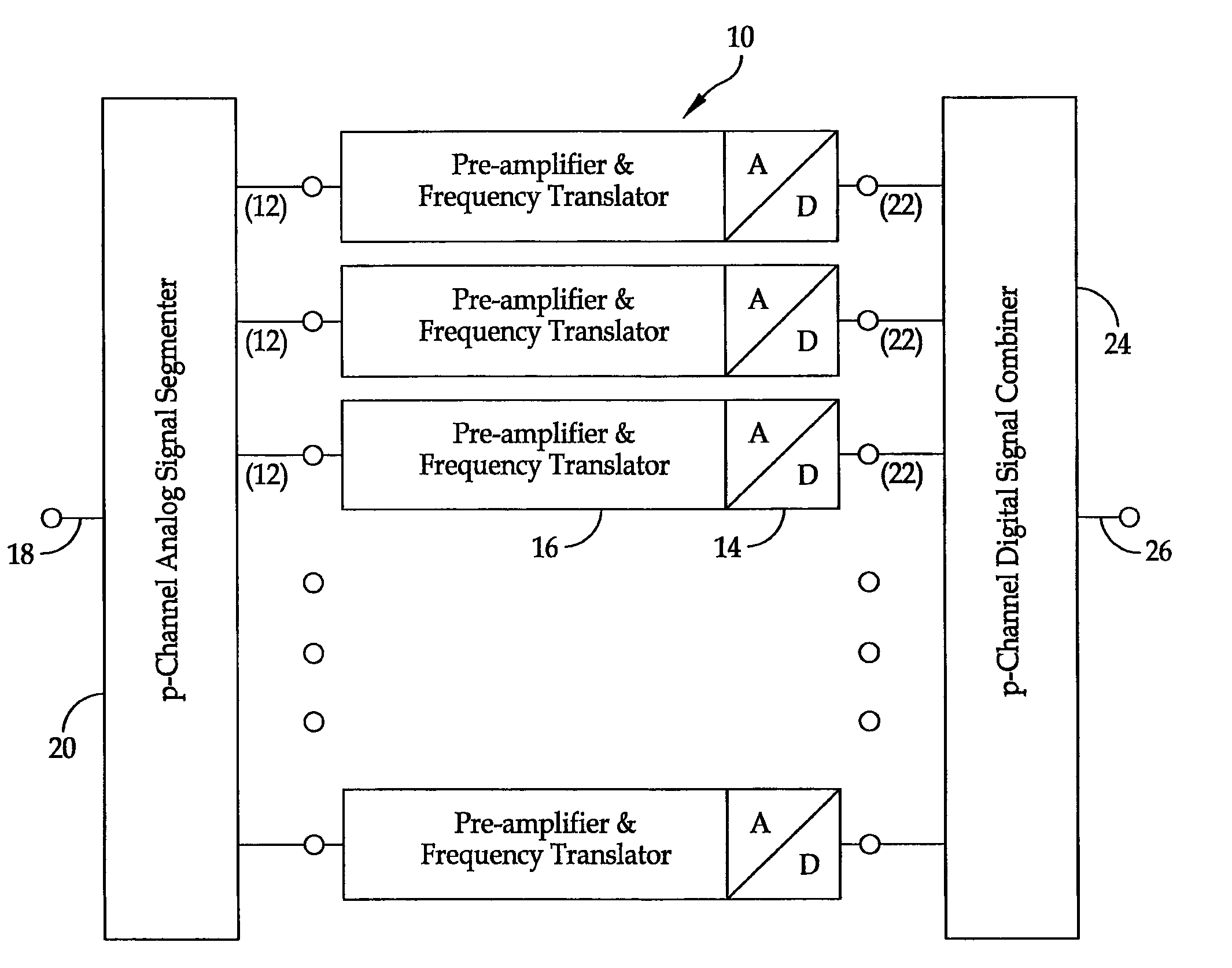
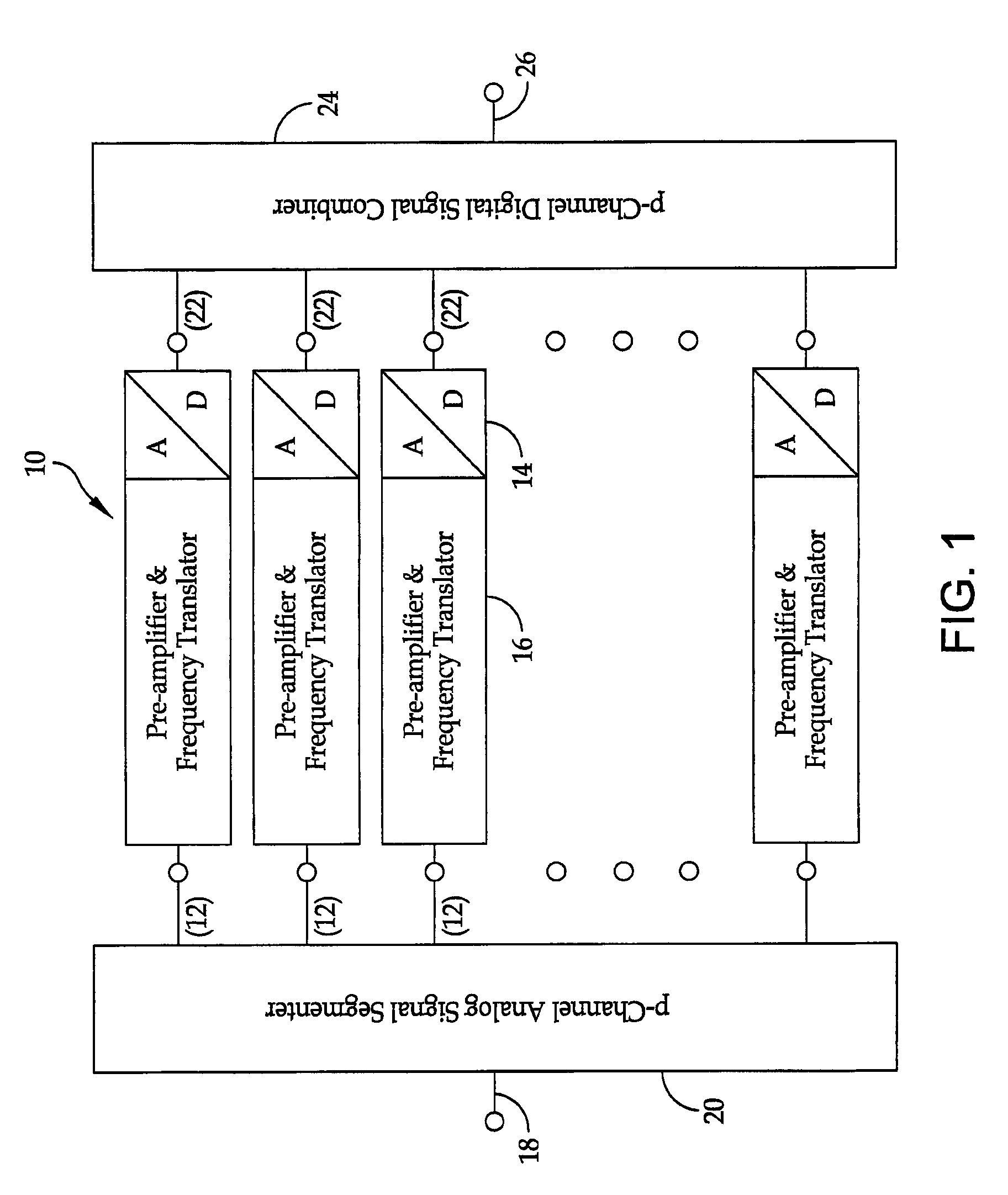
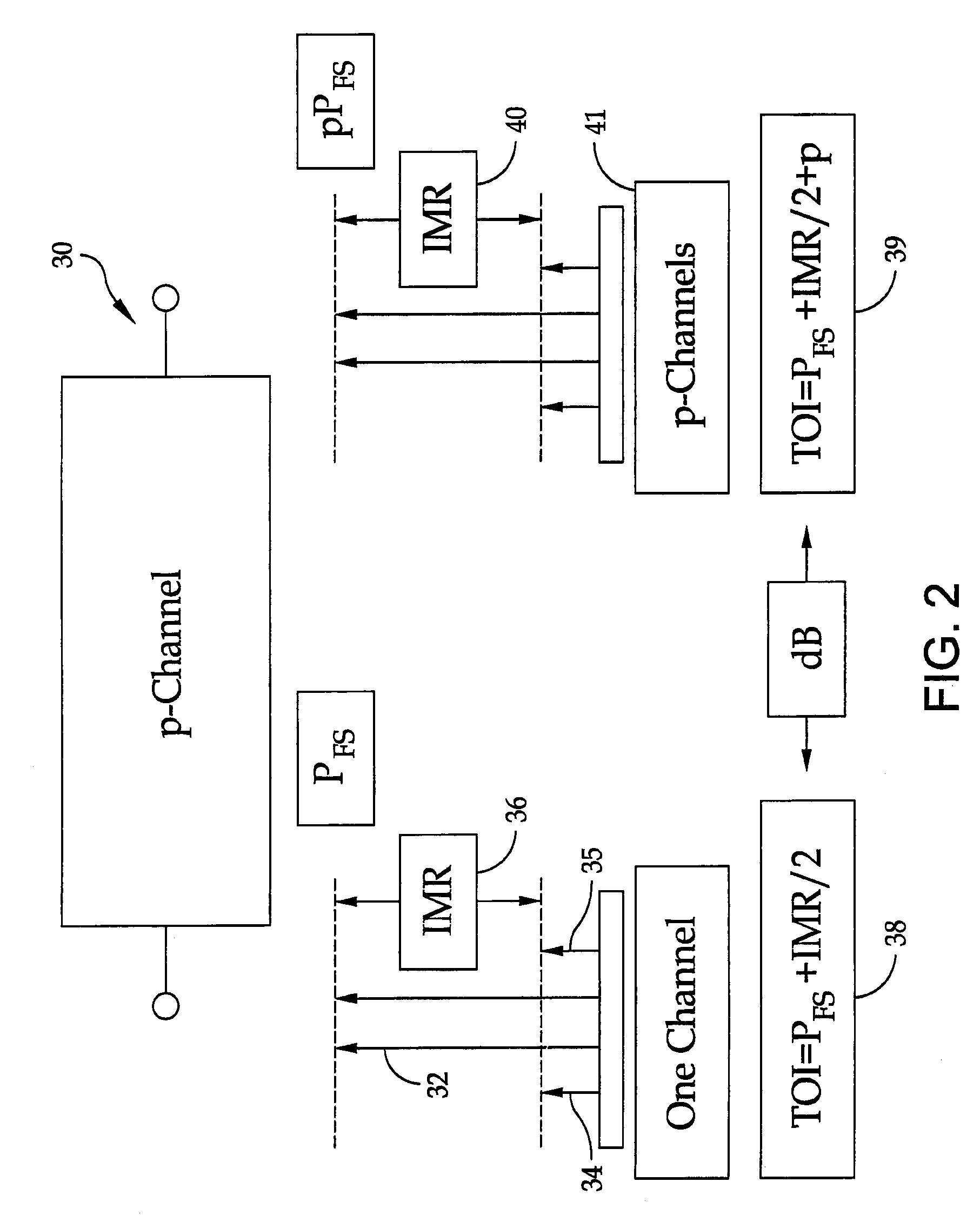
- The system optimizes a digital receiving system by positioning the ADC boundary close to the air interface, limiting signal energy processed by each ADC, and increasing the number of ADCs to accommodate large signals while maintaining sensitivity for small signals, using a partitioned air-interface metasurface to manage signal levels and dynamic range.

Method and system for broadband measurements using multiple electromagnetic receivers
PatentActiveAU2020267292A1
Innovation
- A system comprising multiple EM receivers with distinct frequency range capabilities, where corresponding axes of the receivers are parallel, allowing for simultaneous measurement of EM signals across a broad spectrum by tailoring each receiver for specific frequency ranges, thereby enhancing frequency resolution and bandwidth.


Electromagnetic Compatibility Standards and Regulations
Electromagnetic compatibility standards and regulations form the foundational framework governing the evaluation of dynamic range in electromagnetic induction systems. These regulatory requirements establish mandatory performance criteria that ensure electromagnetic induction devices operate within acceptable interference thresholds while maintaining optimal signal-to-noise ratios across their operational spectrum.
The International Electrotechnical Commission (IEC) 61000 series represents the primary global standard addressing electromagnetic compatibility requirements for induction systems. Specifically, IEC 61000-4-8 defines immunity test methods for power frequency magnetic fields, directly impacting dynamic range assessment protocols. This standard mandates specific test conditions including field strength variations from 1 A/m to 1000 A/m, establishing baseline parameters for evaluating system performance under varying electromagnetic environments.
Federal Communications Commission (FCC) Part 15 regulations in the United States impose stringent emission limits on electromagnetic induction devices, particularly affecting their dynamic range capabilities. These regulations specify maximum permissible emission levels across frequency bands from 9 kHz to 40 GHz, requiring manufacturers to optimize their systems' dynamic range while remaining within prescribed interference boundaries.
European Union's EMC Directive 2014/30/EU establishes comprehensive compliance requirements for electromagnetic induction systems operating within European markets. The directive mandates adherence to harmonized standards including EN 55011 for industrial, scientific, and medical equipment emissions, which directly influences dynamic range design considerations. Compliance requires demonstration of adequate immunity levels while maintaining operational sensitivity across specified frequency ranges.
Military and aerospace applications follow MIL-STD-461 standards, which impose more rigorous electromagnetic compatibility requirements. These standards define conducted and radiated emission limits alongside susceptibility thresholds that significantly constrain dynamic range optimization strategies. The standard's CE102 and RE102 requirements for conducted and radiated emissions respectively establish narrow operational windows that challenge traditional dynamic range enhancement approaches.
Emerging 5G and IoT regulatory frameworks are introducing new compliance challenges for electromagnetic induction systems. Regulatory bodies worldwide are developing updated standards addressing spectrum sharing scenarios and interference mitigation requirements that will reshape dynamic range evaluation methodologies in next-generation induction systems.
The International Electrotechnical Commission (IEC) 61000 series represents the primary global standard addressing electromagnetic compatibility requirements for induction systems. Specifically, IEC 61000-4-8 defines immunity test methods for power frequency magnetic fields, directly impacting dynamic range assessment protocols. This standard mandates specific test conditions including field strength variations from 1 A/m to 1000 A/m, establishing baseline parameters for evaluating system performance under varying electromagnetic environments.
Federal Communications Commission (FCC) Part 15 regulations in the United States impose stringent emission limits on electromagnetic induction devices, particularly affecting their dynamic range capabilities. These regulations specify maximum permissible emission levels across frequency bands from 9 kHz to 40 GHz, requiring manufacturers to optimize their systems' dynamic range while remaining within prescribed interference boundaries.
European Union's EMC Directive 2014/30/EU establishes comprehensive compliance requirements for electromagnetic induction systems operating within European markets. The directive mandates adherence to harmonized standards including EN 55011 for industrial, scientific, and medical equipment emissions, which directly influences dynamic range design considerations. Compliance requires demonstration of adequate immunity levels while maintaining operational sensitivity across specified frequency ranges.
Military and aerospace applications follow MIL-STD-461 standards, which impose more rigorous electromagnetic compatibility requirements. These standards define conducted and radiated emission limits alongside susceptibility thresholds that significantly constrain dynamic range optimization strategies. The standard's CE102 and RE102 requirements for conducted and radiated emissions respectively establish narrow operational windows that challenge traditional dynamic range enhancement approaches.
Emerging 5G and IoT regulatory frameworks are introducing new compliance challenges for electromagnetic induction systems. Regulatory bodies worldwide are developing updated standards addressing spectrum sharing scenarios and interference mitigation requirements that will reshape dynamic range evaluation methodologies in next-generation induction systems.
Signal Processing Algorithms for EMI Dynamic Range Optimization
Signal processing algorithms play a pivotal role in optimizing the dynamic range of electromagnetic induction (EMI) systems by addressing the fundamental challenge of extracting meaningful signals from complex electromagnetic environments. These algorithms must effectively handle the wide amplitude variations inherent in EMI measurements, where signals can span several orders of magnitude depending on target characteristics, environmental conditions, and measurement distances.
Adaptive filtering techniques represent a cornerstone approach for dynamic range optimization in EMI systems. These algorithms continuously adjust their parameters based on real-time signal characteristics, enabling effective suppression of background noise while preserving target signal integrity. Least Mean Squares (LMS) and Recursive Least Squares (RLS) algorithms have demonstrated particular effectiveness in adapting to varying signal conditions, automatically adjusting gain settings and filter coefficients to maintain optimal signal-to-noise ratios across different measurement scenarios.
Digital signal conditioning algorithms address the preprocessing requirements essential for dynamic range enhancement. Multi-stage amplification control algorithms dynamically adjust gain settings based on signal amplitude analysis, preventing saturation in high-amplitude scenarios while maintaining sensitivity for weak signals. These algorithms typically employ predictive gain control mechanisms that analyze signal trends to preemptively adjust system parameters before signal clipping occurs.
Spectral analysis algorithms contribute significantly to dynamic range optimization by enabling frequency-domain processing of EMI signals. Fast Fourier Transform (FFT) based approaches allow for selective frequency band processing, where different frequency components can be individually optimized for dynamic range. Wavelet transform algorithms provide superior time-frequency resolution, particularly valuable for analyzing transient electromagnetic phenomena where signal characteristics change rapidly over time.
Advanced deconvolution algorithms address the challenge of signal distortion that can compress effective dynamic range in EMI systems. Wiener filtering and maximum entropy deconvolution techniques help restore original signal characteristics by compensating for system transfer function limitations and environmental interference patterns. These algorithms are particularly effective in geological and industrial applications where complex subsurface structures create multiple reflection and scattering effects.
Machine learning-based optimization algorithms represent an emerging frontier in EMI dynamic range enhancement. Neural network architectures, particularly convolutional neural networks (CNNs), demonstrate remarkable capability in learning optimal signal processing parameters from training datasets. These algorithms can automatically identify optimal processing strategies for different measurement scenarios, adapting to environmental conditions and target characteristics without manual parameter adjustment.
Real-time implementation considerations for these algorithms focus on computational efficiency and latency minimization. Field-Programmable Gate Array (FPGA) implementations enable parallel processing architectures that can execute multiple optimization algorithms simultaneously, achieving the processing speeds necessary for real-time EMI applications while maintaining the computational complexity required for effective dynamic range optimization.
Adaptive filtering techniques represent a cornerstone approach for dynamic range optimization in EMI systems. These algorithms continuously adjust their parameters based on real-time signal characteristics, enabling effective suppression of background noise while preserving target signal integrity. Least Mean Squares (LMS) and Recursive Least Squares (RLS) algorithms have demonstrated particular effectiveness in adapting to varying signal conditions, automatically adjusting gain settings and filter coefficients to maintain optimal signal-to-noise ratios across different measurement scenarios.
Digital signal conditioning algorithms address the preprocessing requirements essential for dynamic range enhancement. Multi-stage amplification control algorithms dynamically adjust gain settings based on signal amplitude analysis, preventing saturation in high-amplitude scenarios while maintaining sensitivity for weak signals. These algorithms typically employ predictive gain control mechanisms that analyze signal trends to preemptively adjust system parameters before signal clipping occurs.
Spectral analysis algorithms contribute significantly to dynamic range optimization by enabling frequency-domain processing of EMI signals. Fast Fourier Transform (FFT) based approaches allow for selective frequency band processing, where different frequency components can be individually optimized for dynamic range. Wavelet transform algorithms provide superior time-frequency resolution, particularly valuable for analyzing transient electromagnetic phenomena where signal characteristics change rapidly over time.
Advanced deconvolution algorithms address the challenge of signal distortion that can compress effective dynamic range in EMI systems. Wiener filtering and maximum entropy deconvolution techniques help restore original signal characteristics by compensating for system transfer function limitations and environmental interference patterns. These algorithms are particularly effective in geological and industrial applications where complex subsurface structures create multiple reflection and scattering effects.
Machine learning-based optimization algorithms represent an emerging frontier in EMI dynamic range enhancement. Neural network architectures, particularly convolutional neural networks (CNNs), demonstrate remarkable capability in learning optimal signal processing parameters from training datasets. These algorithms can automatically identify optimal processing strategies for different measurement scenarios, adapting to environmental conditions and target characteristics without manual parameter adjustment.
Real-time implementation considerations for these algorithms focus on computational efficiency and latency minimization. Field-Programmable Gate Array (FPGA) implementations enable parallel processing architectures that can execute multiple optimization algorithms simultaneously, achieving the processing speeds necessary for real-time EMI applications while maintaining the computational complexity required for effective dynamic range optimization.
Unlock deeper insights with Patsnap Eureka Quick Research — get a full tech report to explore trends and direct your research. Try now!
Generate Your Research Report Instantly with AI Agent
Supercharge your innovation with Patsnap Eureka AI Agent Platform!