

Evaluating Intelligent Message Filter Impact On Network Security
MAR 2, 20269 MIN READ
Generate Your Research Report Instantly with AI Agent
PatSnap Eureka helps you evaluate technical feasibility & market potential.
Intelligent Message Filter Background and Security Objectives
Intelligent message filtering has emerged as a critical component in modern cybersecurity infrastructure, evolving from simple rule-based systems to sophisticated AI-driven solutions. The technology originated in the early 1990s with basic spam detection mechanisms that relied on keyword matching and blacklist databases. As cyber threats became more sophisticated, the need for adaptive and intelligent filtering systems became apparent, driving the development of machine learning-based approaches that could identify and neutralize emerging threats in real-time.
The evolution of intelligent message filtering reflects the broader transformation of cybersecurity from reactive to proactive defense strategies. Traditional filtering methods proved inadequate against advanced persistent threats, social engineering attacks, and polymorphic malware that could easily bypass static detection rules. This limitation catalyzed the integration of artificial intelligence, natural language processing, and behavioral analysis into message filtering systems, enabling them to understand context, detect anomalies, and adapt to new attack vectors autonomously.
Contemporary intelligent message filters leverage multiple detection layers, including content analysis, sender reputation assessment, attachment scanning, and behavioral pattern recognition. These systems employ deep learning algorithms to analyze message semantics, identify suspicious communication patterns, and correlate threat intelligence across multiple data sources. The technology has expanded beyond email security to encompass instant messaging, social media communications, and enterprise collaboration platforms, creating comprehensive communication security ecosystems.
The primary security objective of intelligent message filtering is to establish a robust first line of defense against communication-based cyber threats while maintaining operational efficiency and user experience. These systems aim to achieve near-zero false positive rates while detecting sophisticated threats that traditional security measures might miss. The technology seeks to provide real-time threat assessment, automated incident response, and continuous learning capabilities that enhance organizational security posture without impeding legitimate business communications.
Modern intelligent message filters are designed to address the challenge of balancing security effectiveness with business continuity. They must process high volumes of communications with minimal latency while providing granular threat classification and risk assessment. The ultimate goal is to create adaptive security systems that can evolve alongside emerging threats, providing organizations with predictive threat intelligence and automated response capabilities that strengthen overall network security architecture.
The evolution of intelligent message filtering reflects the broader transformation of cybersecurity from reactive to proactive defense strategies. Traditional filtering methods proved inadequate against advanced persistent threats, social engineering attacks, and polymorphic malware that could easily bypass static detection rules. This limitation catalyzed the integration of artificial intelligence, natural language processing, and behavioral analysis into message filtering systems, enabling them to understand context, detect anomalies, and adapt to new attack vectors autonomously.
Contemporary intelligent message filters leverage multiple detection layers, including content analysis, sender reputation assessment, attachment scanning, and behavioral pattern recognition. These systems employ deep learning algorithms to analyze message semantics, identify suspicious communication patterns, and correlate threat intelligence across multiple data sources. The technology has expanded beyond email security to encompass instant messaging, social media communications, and enterprise collaboration platforms, creating comprehensive communication security ecosystems.
The primary security objective of intelligent message filtering is to establish a robust first line of defense against communication-based cyber threats while maintaining operational efficiency and user experience. These systems aim to achieve near-zero false positive rates while detecting sophisticated threats that traditional security measures might miss. The technology seeks to provide real-time threat assessment, automated incident response, and continuous learning capabilities that enhance organizational security posture without impeding legitimate business communications.
Modern intelligent message filters are designed to address the challenge of balancing security effectiveness with business continuity. They must process high volumes of communications with minimal latency while providing granular threat classification and risk assessment. The ultimate goal is to create adaptive security systems that can evolve alongside emerging threats, providing organizations with predictive threat intelligence and automated response capabilities that strengthen overall network security architecture.
Market Demand for Advanced Network Security Solutions
The global cybersecurity market continues to experience unprecedented growth driven by escalating cyber threats and increasing digitalization across industries. Organizations worldwide face mounting pressure to protect their digital assets from sophisticated attacks, with email-based threats representing one of the most persistent and costly security challenges. Traditional security measures have proven insufficient against modern attack vectors, creating substantial demand for intelligent filtering solutions that can adapt to evolving threat landscapes.
Enterprise adoption of cloud services and remote work models has significantly expanded attack surfaces, making intelligent message filtering a critical component of comprehensive security strategies. Organizations are increasingly seeking solutions that can provide real-time threat detection, automated response capabilities, and seamless integration with existing security infrastructure. The demand extends beyond basic spam filtering to encompass advanced threat protection, including zero-day exploits, business email compromise, and targeted phishing campaigns.
Financial services, healthcare, and government sectors demonstrate particularly strong demand for advanced message filtering technologies due to stringent regulatory requirements and high-value data protection needs. These industries require solutions that can maintain operational efficiency while providing robust security controls, driving innovation in intelligent filtering algorithms and machine learning-based threat detection systems.
Small and medium enterprises represent a rapidly growing market segment, seeking cost-effective yet sophisticated security solutions that can compete with enterprise-grade protection. This demand has catalyzed the development of cloud-based intelligent filtering services that offer scalable security capabilities without requiring significant infrastructure investments.
The increasing sophistication of social engineering attacks and AI-generated threats has created demand for next-generation filtering solutions that can analyze behavioral patterns, contextual information, and multi-vector attack indicators. Organizations require solutions that can evolve continuously, learning from new threat patterns while minimizing false positives that could disrupt business operations.
Regulatory compliance requirements across different jurisdictions continue to drive market demand, with organizations needing solutions that can demonstrate measurable security improvements and provide detailed audit trails. This regulatory pressure has intensified focus on intelligent filtering systems that can provide comprehensive reporting and analytics capabilities while maintaining high levels of accuracy and reliability.
Enterprise adoption of cloud services and remote work models has significantly expanded attack surfaces, making intelligent message filtering a critical component of comprehensive security strategies. Organizations are increasingly seeking solutions that can provide real-time threat detection, automated response capabilities, and seamless integration with existing security infrastructure. The demand extends beyond basic spam filtering to encompass advanced threat protection, including zero-day exploits, business email compromise, and targeted phishing campaigns.
Financial services, healthcare, and government sectors demonstrate particularly strong demand for advanced message filtering technologies due to stringent regulatory requirements and high-value data protection needs. These industries require solutions that can maintain operational efficiency while providing robust security controls, driving innovation in intelligent filtering algorithms and machine learning-based threat detection systems.
Small and medium enterprises represent a rapidly growing market segment, seeking cost-effective yet sophisticated security solutions that can compete with enterprise-grade protection. This demand has catalyzed the development of cloud-based intelligent filtering services that offer scalable security capabilities without requiring significant infrastructure investments.
The increasing sophistication of social engineering attacks and AI-generated threats has created demand for next-generation filtering solutions that can analyze behavioral patterns, contextual information, and multi-vector attack indicators. Organizations require solutions that can evolve continuously, learning from new threat patterns while minimizing false positives that could disrupt business operations.
Regulatory compliance requirements across different jurisdictions continue to drive market demand, with organizations needing solutions that can demonstrate measurable security improvements and provide detailed audit trails. This regulatory pressure has intensified focus on intelligent filtering systems that can provide comprehensive reporting and analytics capabilities while maintaining high levels of accuracy and reliability.
Current State of Message Filtering Technologies
The contemporary landscape of message filtering technologies encompasses a diverse array of solutions designed to protect network infrastructures from malicious communications and unwanted content. Traditional rule-based filtering systems continue to form the foundation of many enterprise security architectures, utilizing predefined patterns, blacklists, and signature-based detection mechanisms to identify and block suspicious messages. These systems typically operate at multiple network layers, including email gateways, web proxies, and network perimeters.
Machine learning-enhanced filtering solutions have gained significant traction in recent years, leveraging supervised and unsupervised learning algorithms to improve detection accuracy and reduce false positives. Natural language processing techniques enable these systems to analyze message content semantically, identifying sophisticated social engineering attempts and zero-day threats that evade traditional signature-based approaches. Deep learning models, particularly recurrent neural networks and transformer architectures, demonstrate superior performance in understanding contextual relationships within message content.
Real-time behavioral analysis represents another critical advancement in current filtering technologies. These systems monitor communication patterns, sender reputation, and message flow characteristics to establish baseline behaviors and detect anomalies. Integration with threat intelligence feeds enhances their capability to identify emerging attack vectors and adapt filtering rules dynamically based on global threat landscapes.
Cloud-based filtering services have emerged as dominant solutions for organizations seeking scalable and cost-effective protection. Major providers offer comprehensive platforms that combine multiple filtering techniques, including sandboxing, URL analysis, and attachment scanning. These services benefit from collective intelligence gathered across extensive customer bases, enabling rapid identification and mitigation of new threats.
However, current technologies face significant challenges in addressing sophisticated attack methodologies such as adversarial machine learning, where attackers deliberately craft messages to evade detection algorithms. The increasing volume of encrypted communications also poses substantial obstacles for content-based filtering approaches, necessitating alternative strategies focused on metadata analysis and behavioral indicators.
Integration complexity remains a persistent issue, as organizations struggle to harmonize multiple filtering solutions while maintaining network performance and user experience. The balance between security effectiveness and operational efficiency continues to drive technological evolution in this domain.
Machine learning-enhanced filtering solutions have gained significant traction in recent years, leveraging supervised and unsupervised learning algorithms to improve detection accuracy and reduce false positives. Natural language processing techniques enable these systems to analyze message content semantically, identifying sophisticated social engineering attempts and zero-day threats that evade traditional signature-based approaches. Deep learning models, particularly recurrent neural networks and transformer architectures, demonstrate superior performance in understanding contextual relationships within message content.
Real-time behavioral analysis represents another critical advancement in current filtering technologies. These systems monitor communication patterns, sender reputation, and message flow characteristics to establish baseline behaviors and detect anomalies. Integration with threat intelligence feeds enhances their capability to identify emerging attack vectors and adapt filtering rules dynamically based on global threat landscapes.
Cloud-based filtering services have emerged as dominant solutions for organizations seeking scalable and cost-effective protection. Major providers offer comprehensive platforms that combine multiple filtering techniques, including sandboxing, URL analysis, and attachment scanning. These services benefit from collective intelligence gathered across extensive customer bases, enabling rapid identification and mitigation of new threats.
However, current technologies face significant challenges in addressing sophisticated attack methodologies such as adversarial machine learning, where attackers deliberately craft messages to evade detection algorithms. The increasing volume of encrypted communications also poses substantial obstacles for content-based filtering approaches, necessitating alternative strategies focused on metadata analysis and behavioral indicators.
Integration complexity remains a persistent issue, as organizations struggle to harmonize multiple filtering solutions while maintaining network performance and user experience. The balance between security effectiveness and operational efficiency continues to drive technological evolution in this domain.
Existing Intelligent Message Filtering Solutions
01 Machine learning-based spam and malicious message detection
Intelligent message filters utilize machine learning algorithms to identify and filter spam, phishing attempts, and malicious content. These systems analyze message patterns, sender behavior, and content characteristics to automatically classify messages. The filters can be trained on large datasets to improve accuracy over time and adapt to new types of threats. Advanced implementations use neural networks and natural language processing to detect sophisticated attacks that traditional rule-based filters might miss.- Machine learning-based spam and malicious message filtering: Intelligent message filters utilize machine learning algorithms to automatically identify and filter spam, phishing attempts, and malicious content. These systems analyze message characteristics, sender behavior patterns, and content features to classify messages. The filters continuously learn from user feedback and new threat patterns to improve accuracy over time. Advanced implementations incorporate natural language processing and behavioral analysis to detect sophisticated attacks.
- User preference-based intelligent message prioritization: Message filtering systems can automatically prioritize and categorize incoming messages based on learned user preferences and interaction history. These systems analyze factors such as sender importance, message urgency, and content relevance to determine priority levels. The filters adapt to individual user behavior patterns and can automatically route messages to appropriate folders or categories. This approach helps users focus on important communications while reducing information overload.
- Content-based filtering with semantic analysis: Advanced message filters employ semantic analysis and natural language understanding to evaluate message content beyond simple keyword matching. These systems can understand context, sentiment, and intent within messages to make more accurate filtering decisions. The technology enables detection of nuanced threats and inappropriate content that may bypass traditional rule-based filters. Integration of contextual understanding improves both security and user experience.
- Real-time adaptive filtering with threat intelligence: Intelligent message filters incorporate real-time threat intelligence feeds and adaptive algorithms to respond to emerging threats. These systems can dynamically update filtering rules based on global threat patterns and zero-day attack signatures. The filters maintain databases of known malicious indicators and use predictive analytics to identify potential threats before they cause harm. Continuous monitoring and automatic updates ensure protection against evolving attack vectors.
- Multi-channel message filtering integration: Modern intelligent filtering systems provide unified protection across multiple communication channels including email, instant messaging, SMS, and social media platforms. These solutions offer centralized management and consistent policy enforcement across all messaging platforms. The filters can correlate threats across different channels to identify coordinated attacks and provide comprehensive protection. Integration capabilities allow seamless deployment within existing communication infrastructure.
02 User behavior analysis and adaptive filtering
Message filtering systems can monitor and analyze user interaction patterns to personalize filtering decisions. By tracking which messages users mark as spam or important, the system learns individual preferences and adjusts filtering thresholds accordingly. This adaptive approach reduces false positives and improves user satisfaction. The technology can also identify anomalous user behavior that might indicate account compromise or insider threats.Expand Specific Solutions03 Content-based filtering and natural language processing
Advanced message filters employ natural language processing techniques to analyze message content semantically rather than relying solely on keyword matching. These systems can understand context, sentiment, and intent to make more nuanced filtering decisions. They can detect subtle variations in phishing attempts and social engineering tactics. The technology also supports multi-language filtering and can identify messages that attempt to evade detection through obfuscation techniques.Expand Specific Solutions04 Real-time threat intelligence integration
Modern intelligent message filters integrate with real-time threat intelligence feeds to identify emerging threats quickly. These systems can query external databases of known malicious senders, URLs, and attachment signatures. By leveraging collective intelligence from multiple sources, filters can block zero-day threats before they reach users. The integration enables rapid response to new attack campaigns and reduces the window of vulnerability.Expand Specific Solutions05 Impact on system performance and user experience
The implementation of intelligent message filters affects system resources, processing latency, and overall user experience. Filters must balance thoroughness with speed to avoid delays in message delivery. Resource-intensive analysis techniques like deep learning require optimization to prevent system bottlenecks. User experience considerations include minimizing false positives, providing clear feedback on filtering decisions, and offering easy mechanisms for users to report misclassifications. The impact extends to storage requirements for maintaining filtering models and historical data.Expand Specific Solutions
Core AI Algorithms in Security Message Processing
Network security management
PatentWO2014096761A1
Innovation
- A method and apparatus for processing status messages that filter and classify messages into potential security events, null responses, and residue messages, with residue messages subjected to clustering analysis to identify patterns and update filtering rules, enabling automated processing and rule updates.


Methods and systems for detecting and preventing the spread of malware on instant messaging (IM) networks by using Bayesian filtering
PatentInactiveUS7577993B2
Innovation
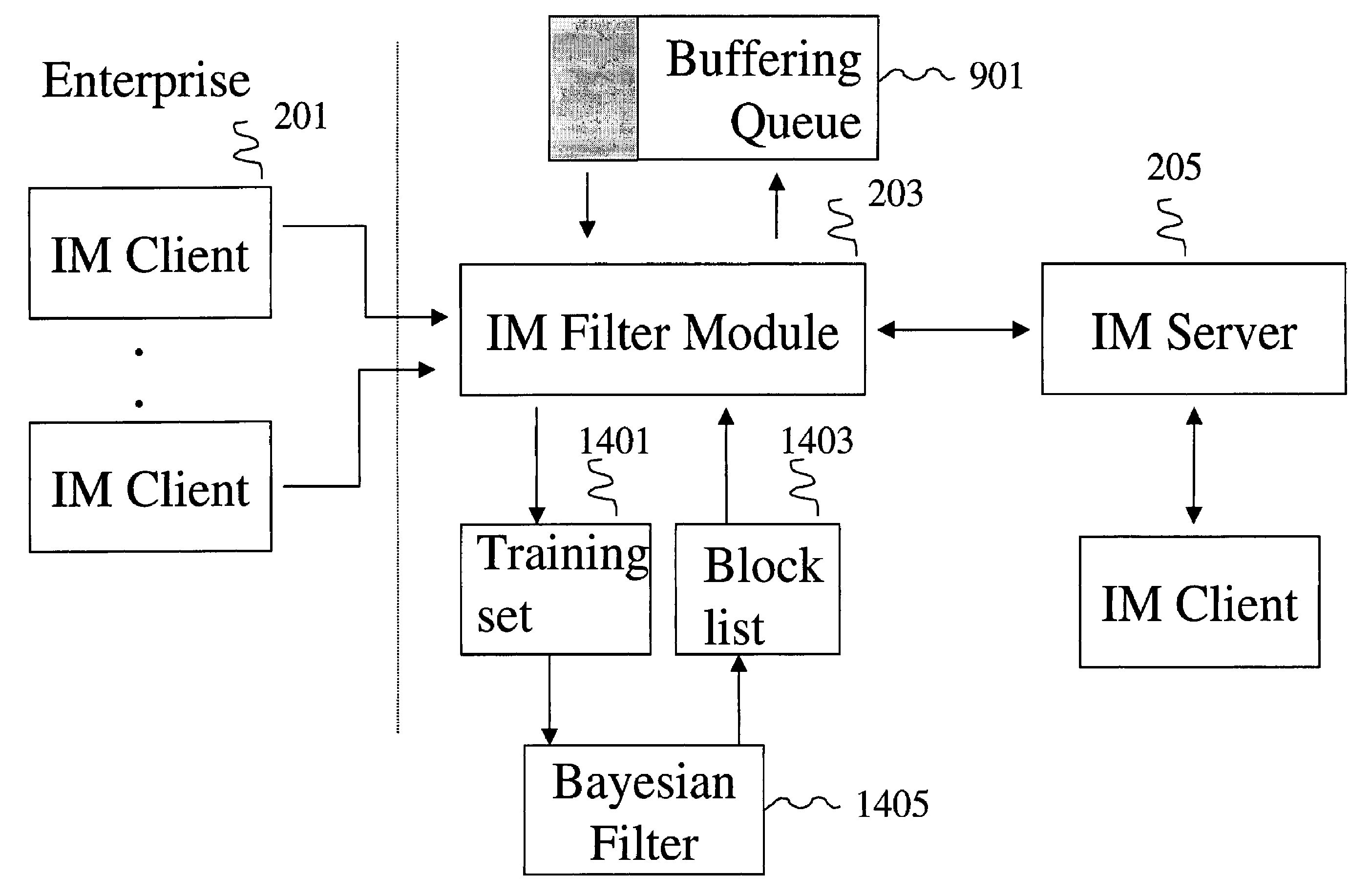
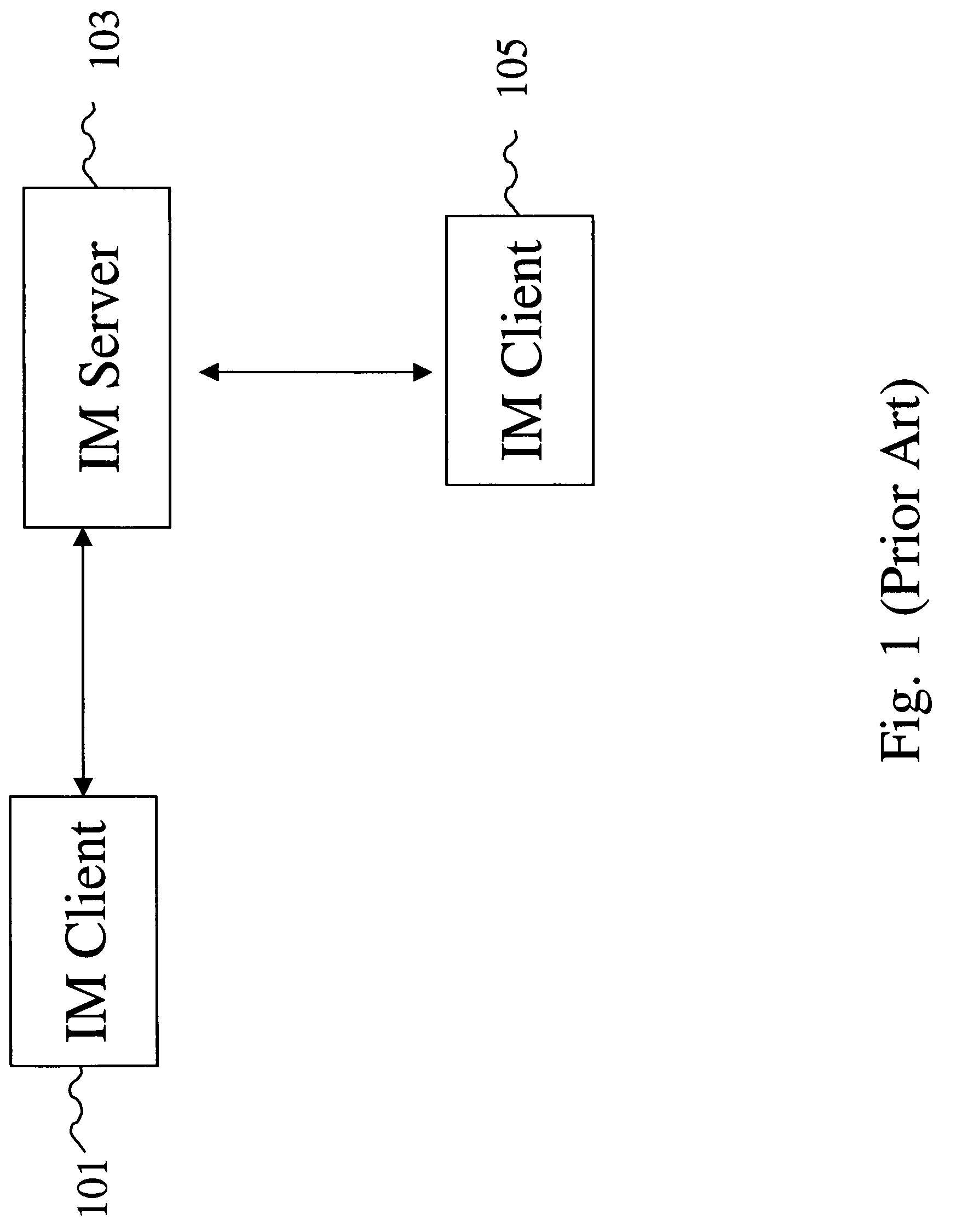
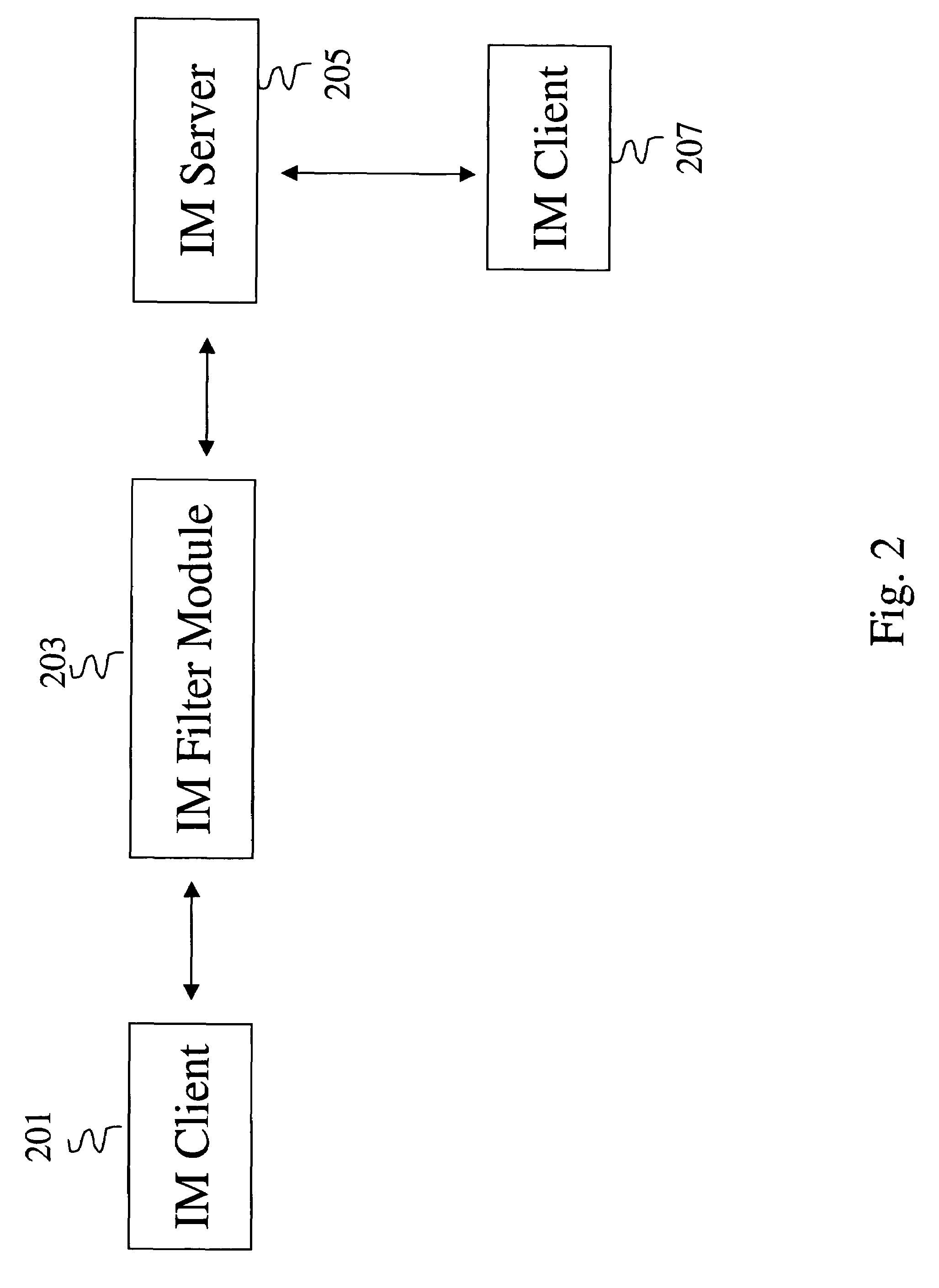
- Implementing an IM filter module (IM FM) that uses Bayesian filtering with a feedback training mechanism to analyze messages exchanged between IM servers and clients, identifying potentially malicious messages and assigning confidence levels, and employing a Malware Trapping System (MTS) with fictitious users to lure and detect malware operators, thereby blocking malware spread.

Cybersecurity Compliance and Regulatory Framework
The implementation of intelligent message filtering systems within organizational networks necessitates adherence to a complex web of cybersecurity compliance requirements and regulatory frameworks. These frameworks establish the foundational legal and operational parameters that govern how message filtering technologies must be deployed, monitored, and maintained to ensure both security effectiveness and regulatory compliance.
At the international level, organizations must navigate frameworks such as ISO 27001, which provides comprehensive guidelines for information security management systems. This standard requires organizations to implement appropriate technical and organizational measures for message filtering systems, including regular risk assessments, incident response procedures, and continuous monitoring capabilities. The framework mandates that intelligent filtering solutions maintain detailed audit trails and demonstrate measurable security improvements.
Regional regulatory requirements add additional layers of complexity to compliance considerations. The European Union's General Data Protection Regulation (GDPR) imposes strict requirements on how message filtering systems process personal data, requiring explicit consent mechanisms, data minimization principles, and the right to explanation for automated decision-making processes. Similarly, the Network and Information Systems Directive (NIS2) establishes mandatory cybersecurity measures for critical infrastructure operators, including specific requirements for message filtering and threat detection capabilities.
Industry-specific regulations further shape compliance requirements for intelligent message filtering implementations. Financial institutions must comply with frameworks such as PCI DSS for payment card data protection and various banking regulations that mandate specific message filtering capabilities for fraud detection and prevention. Healthcare organizations operating under HIPAA must ensure that message filtering systems protect patient health information while maintaining necessary accessibility for authorized personnel.
Emerging regulatory trends indicate increasing focus on artificial intelligence governance and algorithmic transparency. Proposed AI regulations in multiple jurisdictions require organizations to demonstrate that intelligent filtering systems operate fairly, transparently, and without discriminatory bias. These requirements necessitate comprehensive documentation of filtering algorithms, regular bias testing, and human oversight mechanisms for automated filtering decisions.
The compliance landscape also encompasses sector-specific cybersecurity frameworks such as NIST Cybersecurity Framework, which provides voluntary guidelines for critical infrastructure protection. Organizations implementing intelligent message filtering must align their systems with the framework's five core functions: Identify, Protect, Detect, Respond, and Recover, ensuring that filtering capabilities contribute to overall cybersecurity resilience.
At the international level, organizations must navigate frameworks such as ISO 27001, which provides comprehensive guidelines for information security management systems. This standard requires organizations to implement appropriate technical and organizational measures for message filtering systems, including regular risk assessments, incident response procedures, and continuous monitoring capabilities. The framework mandates that intelligent filtering solutions maintain detailed audit trails and demonstrate measurable security improvements.
Regional regulatory requirements add additional layers of complexity to compliance considerations. The European Union's General Data Protection Regulation (GDPR) imposes strict requirements on how message filtering systems process personal data, requiring explicit consent mechanisms, data minimization principles, and the right to explanation for automated decision-making processes. Similarly, the Network and Information Systems Directive (NIS2) establishes mandatory cybersecurity measures for critical infrastructure operators, including specific requirements for message filtering and threat detection capabilities.
Industry-specific regulations further shape compliance requirements for intelligent message filtering implementations. Financial institutions must comply with frameworks such as PCI DSS for payment card data protection and various banking regulations that mandate specific message filtering capabilities for fraud detection and prevention. Healthcare organizations operating under HIPAA must ensure that message filtering systems protect patient health information while maintaining necessary accessibility for authorized personnel.
Emerging regulatory trends indicate increasing focus on artificial intelligence governance and algorithmic transparency. Proposed AI regulations in multiple jurisdictions require organizations to demonstrate that intelligent filtering systems operate fairly, transparently, and without discriminatory bias. These requirements necessitate comprehensive documentation of filtering algorithms, regular bias testing, and human oversight mechanisms for automated filtering decisions.
The compliance landscape also encompasses sector-specific cybersecurity frameworks such as NIST Cybersecurity Framework, which provides voluntary guidelines for critical infrastructure protection. Organizations implementing intelligent message filtering must align their systems with the framework's five core functions: Identify, Protect, Detect, Respond, and Recover, ensuring that filtering capabilities contribute to overall cybersecurity resilience.
Privacy Impact Assessment for Message Filtering
The implementation of intelligent message filtering systems introduces significant privacy considerations that organizations must carefully evaluate to ensure compliance with data protection regulations and maintain user trust. These systems inherently require access to message content, metadata, and communication patterns, creating potential privacy risks that demand comprehensive assessment and mitigation strategies.
Data collection and processing represent the primary privacy concern in intelligent message filtering. These systems typically analyze message headers, content, sender and recipient information, timestamps, and behavioral patterns to identify potential security threats. The scope of data collection often extends beyond basic filtering requirements, potentially capturing sensitive personal information, business communications, and confidential data that may not be directly relevant to security objectives.
User consent and transparency mechanisms become critical components of privacy-compliant message filtering implementations. Organizations must establish clear policies regarding what data is collected, how it is processed, the duration of retention, and the purposes for which it is used. Users should be informed about the filtering processes, their rights regarding data access and deletion, and the potential impact on their communication privacy.
Data minimization principles require careful consideration in filter design and deployment. Effective privacy protection demands that filtering systems collect only the minimum data necessary to achieve security objectives, implement appropriate anonymization or pseudonymization techniques where possible, and establish clear data retention policies that automatically purge unnecessary information after predetermined periods.
Cross-border data transfer implications arise when message filtering systems operate across multiple jurisdictions or utilize cloud-based processing services. Organizations must ensure compliance with regional privacy regulations such as GDPR, CCPA, and other applicable frameworks, particularly when message data crosses international boundaries or is processed by third-party service providers.
Technical privacy safeguards should be integrated into filtering system architecture, including end-to-end encryption for data in transit, secure storage mechanisms, access controls that limit personnel exposure to filtered content, and audit logging capabilities that track data access and processing activities. These measures help demonstrate compliance with privacy requirements while maintaining operational effectiveness.
Regular privacy impact assessments and ongoing monitoring ensure that message filtering systems continue to meet evolving privacy standards and regulatory requirements while adapting to changing threat landscapes and organizational needs.
Data collection and processing represent the primary privacy concern in intelligent message filtering. These systems typically analyze message headers, content, sender and recipient information, timestamps, and behavioral patterns to identify potential security threats. The scope of data collection often extends beyond basic filtering requirements, potentially capturing sensitive personal information, business communications, and confidential data that may not be directly relevant to security objectives.
User consent and transparency mechanisms become critical components of privacy-compliant message filtering implementations. Organizations must establish clear policies regarding what data is collected, how it is processed, the duration of retention, and the purposes for which it is used. Users should be informed about the filtering processes, their rights regarding data access and deletion, and the potential impact on their communication privacy.
Data minimization principles require careful consideration in filter design and deployment. Effective privacy protection demands that filtering systems collect only the minimum data necessary to achieve security objectives, implement appropriate anonymization or pseudonymization techniques where possible, and establish clear data retention policies that automatically purge unnecessary information after predetermined periods.
Cross-border data transfer implications arise when message filtering systems operate across multiple jurisdictions or utilize cloud-based processing services. Organizations must ensure compliance with regional privacy regulations such as GDPR, CCPA, and other applicable frameworks, particularly when message data crosses international boundaries or is processed by third-party service providers.
Technical privacy safeguards should be integrated into filtering system architecture, including end-to-end encryption for data in transit, secure storage mechanisms, access controls that limit personnel exposure to filtered content, and audit logging capabilities that track data access and processing activities. These measures help demonstrate compliance with privacy requirements while maintaining operational effectiveness.
Regular privacy impact assessments and ongoing monitoring ensure that message filtering systems continue to meet evolving privacy standards and regulatory requirements while adapting to changing threat landscapes and organizational needs.
Unlock deeper insights with PatSnap Eureka Quick Research — get a full tech report to explore trends and direct your research. Try now!
Generate Your Research Report Instantly with AI Agent
Supercharge your innovation with PatSnap Eureka AI Agent Platform!