

How To Optimize Intelligent Message Filters For Cloud-Based Solutions
MAR 2, 20269 MIN READ
Generate Your Research Report Instantly with AI Agent
PatSnap Eureka helps you evaluate technical feasibility & market potential.
Intelligent Message Filtering Background and Objectives
Intelligent message filtering has emerged as a critical technology in the digital communication landscape, evolving from simple rule-based systems to sophisticated AI-driven solutions. The proliferation of digital communications across email, messaging platforms, social media, and enterprise collaboration tools has created an unprecedented volume of messages requiring intelligent processing and categorization.
The historical development of message filtering began with basic keyword matching and blacklist approaches in the 1990s, progressing through statistical methods like Bayesian filtering in the early 2000s. The advent of machine learning algorithms marked a significant milestone, enabling more nuanced understanding of message content, context, and user behavior patterns. Today's intelligent filtering systems leverage natural language processing, deep learning, and real-time analytics to provide sophisticated message classification and routing capabilities.
Cloud-based deployment has fundamentally transformed the message filtering landscape by offering scalable, distributed processing capabilities that can handle massive message volumes across global networks. This paradigm shift enables organizations to implement centralized filtering policies while maintaining local responsiveness and compliance requirements. The cloud infrastructure provides the computational resources necessary for complex AI models and real-time processing that would be prohibitively expensive for on-premises deployments.
The primary objective of optimizing intelligent message filters for cloud-based solutions centers on achieving superior accuracy in message classification while maintaining high throughput and low latency. This involves developing adaptive algorithms that can learn from user feedback, evolving threat patterns, and changing communication behaviors. The optimization process must balance precision in filtering unwanted content with minimizing false positives that could disrupt legitimate communications.
Performance optimization encompasses multiple dimensions including computational efficiency, resource utilization, and cost-effectiveness. Cloud-based solutions must dynamically scale to handle varying message loads while optimizing resource allocation across distributed infrastructure. The objective extends to implementing intelligent caching mechanisms, predictive scaling, and efficient data processing pipelines that minimize operational costs while maximizing filtering effectiveness.
Integration capabilities represent another crucial objective, ensuring seamless compatibility with diverse communication platforms, security frameworks, and compliance systems. The optimized solution must provide flexible APIs, standardized protocols, and customizable filtering rules that can adapt to specific organizational requirements and regulatory constraints across different geographical regions and industry sectors.
The historical development of message filtering began with basic keyword matching and blacklist approaches in the 1990s, progressing through statistical methods like Bayesian filtering in the early 2000s. The advent of machine learning algorithms marked a significant milestone, enabling more nuanced understanding of message content, context, and user behavior patterns. Today's intelligent filtering systems leverage natural language processing, deep learning, and real-time analytics to provide sophisticated message classification and routing capabilities.
Cloud-based deployment has fundamentally transformed the message filtering landscape by offering scalable, distributed processing capabilities that can handle massive message volumes across global networks. This paradigm shift enables organizations to implement centralized filtering policies while maintaining local responsiveness and compliance requirements. The cloud infrastructure provides the computational resources necessary for complex AI models and real-time processing that would be prohibitively expensive for on-premises deployments.
The primary objective of optimizing intelligent message filters for cloud-based solutions centers on achieving superior accuracy in message classification while maintaining high throughput and low latency. This involves developing adaptive algorithms that can learn from user feedback, evolving threat patterns, and changing communication behaviors. The optimization process must balance precision in filtering unwanted content with minimizing false positives that could disrupt legitimate communications.
Performance optimization encompasses multiple dimensions including computational efficiency, resource utilization, and cost-effectiveness. Cloud-based solutions must dynamically scale to handle varying message loads while optimizing resource allocation across distributed infrastructure. The objective extends to implementing intelligent caching mechanisms, predictive scaling, and efficient data processing pipelines that minimize operational costs while maximizing filtering effectiveness.
Integration capabilities represent another crucial objective, ensuring seamless compatibility with diverse communication platforms, security frameworks, and compliance systems. The optimized solution must provide flexible APIs, standardized protocols, and customizable filtering rules that can adapt to specific organizational requirements and regulatory constraints across different geographical regions and industry sectors.
Cloud-Based Message Processing Market Demand Analysis
The global cloud-based message processing market has experienced unprecedented growth driven by the exponential increase in digital communications across enterprises and consumer applications. Organizations worldwide are generating massive volumes of messages through email systems, instant messaging platforms, social media channels, and IoT devices, creating an urgent need for sophisticated filtering and processing capabilities that can operate at cloud scale.
Enterprise adoption of cloud-based messaging solutions has accelerated significantly as businesses seek to modernize their communication infrastructure while reducing operational costs. The shift toward remote and hybrid work models has further intensified demand for robust message processing systems that can handle diverse communication channels seamlessly. Companies require intelligent filtering capabilities to manage spam, phishing attempts, malware distribution, and compliance violations across their messaging ecosystems.
The financial services sector represents a particularly strong demand driver, where regulatory compliance requirements necessitate advanced message filtering for detecting insider trading communications, market manipulation attempts, and sensitive data leakage. Healthcare organizations similarly require sophisticated filtering to ensure HIPAA compliance and protect patient information transmitted through various communication channels.
E-commerce and retail industries demonstrate substantial market demand for intelligent message filters to process customer service inquiries, order confirmations, shipping notifications, and marketing communications. These sectors require real-time processing capabilities to maintain customer satisfaction while filtering out fraudulent communications and spam that could damage brand reputation.
Telecommunications providers and internet service providers constitute another major demand segment, requiring large-scale message filtering solutions to protect their subscribers from malicious content while maintaining service quality. These organizations need cloud-based solutions that can scale dynamically to handle traffic spikes and evolving threat patterns.
The growing sophistication of cyber threats has created additional market demand for AI-powered filtering solutions that can adapt to new attack vectors. Organizations increasingly seek intelligent filters capable of learning from emerging threat patterns and adjusting their detection algorithms accordingly.
Small and medium enterprises represent an expanding market segment as cloud-based solutions become more accessible and cost-effective. These organizations require enterprise-grade message filtering capabilities without the complexity and expense of on-premises infrastructure, driving demand for managed cloud-based solutions with simplified deployment and maintenance requirements.
Enterprise adoption of cloud-based messaging solutions has accelerated significantly as businesses seek to modernize their communication infrastructure while reducing operational costs. The shift toward remote and hybrid work models has further intensified demand for robust message processing systems that can handle diverse communication channels seamlessly. Companies require intelligent filtering capabilities to manage spam, phishing attempts, malware distribution, and compliance violations across their messaging ecosystems.
The financial services sector represents a particularly strong demand driver, where regulatory compliance requirements necessitate advanced message filtering for detecting insider trading communications, market manipulation attempts, and sensitive data leakage. Healthcare organizations similarly require sophisticated filtering to ensure HIPAA compliance and protect patient information transmitted through various communication channels.
E-commerce and retail industries demonstrate substantial market demand for intelligent message filters to process customer service inquiries, order confirmations, shipping notifications, and marketing communications. These sectors require real-time processing capabilities to maintain customer satisfaction while filtering out fraudulent communications and spam that could damage brand reputation.
Telecommunications providers and internet service providers constitute another major demand segment, requiring large-scale message filtering solutions to protect their subscribers from malicious content while maintaining service quality. These organizations need cloud-based solutions that can scale dynamically to handle traffic spikes and evolving threat patterns.
The growing sophistication of cyber threats has created additional market demand for AI-powered filtering solutions that can adapt to new attack vectors. Organizations increasingly seek intelligent filters capable of learning from emerging threat patterns and adjusting their detection algorithms accordingly.
Small and medium enterprises represent an expanding market segment as cloud-based solutions become more accessible and cost-effective. These organizations require enterprise-grade message filtering capabilities without the complexity and expense of on-premises infrastructure, driving demand for managed cloud-based solutions with simplified deployment and maintenance requirements.
Current State and Challenges of Cloud Message Filtering
Cloud-based message filtering systems have evolved significantly over the past decade, transitioning from simple rule-based approaches to sophisticated machine learning-driven solutions. Current implementations primarily rely on hybrid architectures that combine traditional signature-based detection with behavioral analysis and artificial intelligence algorithms. Major cloud service providers have integrated multi-layered filtering mechanisms that process billions of messages daily across email, messaging platforms, and communication APIs.
The contemporary landscape features predominantly centralized filtering architectures deployed across distributed cloud infrastructure. Leading solutions employ real-time processing engines capable of analyzing message content, sender reputation, attachment scanning, and contextual metadata simultaneously. These systems typically operate with latency requirements under 100 milliseconds while maintaining accuracy rates exceeding 99.5% for spam detection and 95% for advanced persistent threats.
Despite technological advances, several critical challenges persist in cloud message filtering optimization. Scalability remains a primary concern as message volumes continue growing exponentially, with some platforms processing over 300 billion messages annually. The dynamic nature of threats requires constant model retraining and adaptation, creating computational overhead that impacts system performance and operational costs.
False positive rates present another significant challenge, particularly in enterprise environments where legitimate business communications may be incorrectly classified. Current systems struggle with context-aware filtering, often failing to distinguish between similar message patterns in different organizational contexts. This limitation results in productivity losses and user frustration, undermining filter effectiveness.
Privacy and compliance requirements add complexity layers to filtering implementations. Regulations such as GDPR and CCPA mandate specific data handling procedures that can conflict with comprehensive message analysis needs. Balancing thorough security scanning with privacy preservation requires sophisticated encryption and anonymization techniques that introduce additional processing overhead.
Resource optimization challenges emerge from the computational intensity of modern filtering algorithms. Machine learning models, particularly deep learning implementations, demand substantial processing power and memory resources. Cloud providers face the challenge of maintaining cost-effective operations while delivering high-performance filtering capabilities across geographically distributed infrastructure.
Integration complexity with existing enterprise systems creates deployment and maintenance challenges. Organizations often require seamless integration with multiple communication platforms, security tools, and compliance systems, necessitating extensive customization and ongoing synchronization efforts that complicate system optimization initiatives.
The contemporary landscape features predominantly centralized filtering architectures deployed across distributed cloud infrastructure. Leading solutions employ real-time processing engines capable of analyzing message content, sender reputation, attachment scanning, and contextual metadata simultaneously. These systems typically operate with latency requirements under 100 milliseconds while maintaining accuracy rates exceeding 99.5% for spam detection and 95% for advanced persistent threats.
Despite technological advances, several critical challenges persist in cloud message filtering optimization. Scalability remains a primary concern as message volumes continue growing exponentially, with some platforms processing over 300 billion messages annually. The dynamic nature of threats requires constant model retraining and adaptation, creating computational overhead that impacts system performance and operational costs.
False positive rates present another significant challenge, particularly in enterprise environments where legitimate business communications may be incorrectly classified. Current systems struggle with context-aware filtering, often failing to distinguish between similar message patterns in different organizational contexts. This limitation results in productivity losses and user frustration, undermining filter effectiveness.
Privacy and compliance requirements add complexity layers to filtering implementations. Regulations such as GDPR and CCPA mandate specific data handling procedures that can conflict with comprehensive message analysis needs. Balancing thorough security scanning with privacy preservation requires sophisticated encryption and anonymization techniques that introduce additional processing overhead.
Resource optimization challenges emerge from the computational intensity of modern filtering algorithms. Machine learning models, particularly deep learning implementations, demand substantial processing power and memory resources. Cloud providers face the challenge of maintaining cost-effective operations while delivering high-performance filtering capabilities across geographically distributed infrastructure.
Integration complexity with existing enterprise systems creates deployment and maintenance challenges. Organizations often require seamless integration with multiple communication platforms, security tools, and compliance systems, necessitating extensive customization and ongoing synchronization efforts that complicate system optimization initiatives.
Current Intelligent Message Filtering Approaches
01 Machine learning-based spam and content filtering
Intelligent message filters can utilize machine learning algorithms to automatically classify and filter spam, unwanted content, and malicious messages. These systems learn from user behavior, message patterns, and historical data to continuously improve filtering accuracy. The filters can adapt to new spam techniques and evolving threats by training on labeled datasets and updating classification models in real-time.- Machine learning-based spam and content filtering: Intelligent message filters can utilize machine learning algorithms to automatically classify and filter spam, unwanted content, and malicious messages. These systems learn from user behavior, message patterns, and historical data to continuously improve filtering accuracy. The filters can adapt to new spam techniques and evolving threats by training on labeled datasets and updating classification models in real-time.
- Priority-based message classification and routing: Message filtering systems can implement priority classification mechanisms to categorize incoming messages based on importance, sender reputation, content relevance, and user preferences. This allows critical messages to be highlighted or delivered immediately while less important messages are organized into appropriate folders. The system can use multiple criteria including keywords, sender whitelist/blacklist, and contextual analysis to determine message priority levels.
- Adaptive filtering with user feedback integration: Optimization of message filters can be achieved through continuous learning from user feedback and interaction patterns. The system monitors user actions such as marking messages as spam, moving messages to specific folders, or deleting certain types of content. This feedback is incorporated into the filtering algorithms to refine classification rules and improve future filtering decisions, creating a personalized filtering experience.
- Multi-layer filtering architecture with rule-based and heuristic analysis: Advanced message filtering systems employ multi-layer architectures combining rule-based filtering, heuristic analysis, and pattern matching. The first layer applies predefined rules for known spam patterns, the second layer uses heuristic methods to analyze message characteristics, and subsequent layers perform deep content analysis. This layered approach provides comprehensive protection while minimizing false positives and maintaining high filtering efficiency.
- Real-time threat intelligence and collaborative filtering: Message filter optimization can leverage real-time threat intelligence from distributed networks and collaborative filtering databases. The system shares information about emerging spam patterns, phishing attempts, and malicious content across multiple nodes or users. By aggregating data from various sources and applying collective intelligence, the filters can quickly identify and block new threats before they reach individual users, significantly improving overall filtering effectiveness.
02 Priority-based message classification and routing
Message filtering systems can implement priority classification mechanisms to categorize incoming messages based on importance, sender reputation, content relevance, and user preferences. This allows critical messages to be highlighted or delivered immediately while less important messages are organized into appropriate folders. The system can use multiple criteria including keywords, sender whitelists, and contextual analysis to determine message priority levels.Expand Specific Solutions03 User behavior analysis and personalized filtering
Optimization of message filters can be achieved through analyzing individual user interaction patterns, reading habits, and response behaviors. The system tracks which messages users open, delete, or mark as important to build personalized filtering profiles. This adaptive approach allows the filter to automatically adjust its parameters based on implicit and explicit user feedback, improving relevance and reducing false positives over time.Expand Specific Solutions04 Multi-layer filtering architecture with rule-based systems
Advanced message filtering employs multi-layered architectures combining rule-based systems with heuristic analysis. The first layer applies predefined rules for known spam patterns and blacklisted sources, while subsequent layers perform deeper content analysis, attachment scanning, and behavioral assessment. This hierarchical approach balances processing efficiency with detection accuracy, allowing quick filtering of obvious cases while applying more intensive analysis to ambiguous messages.Expand Specific Solutions05 Real-time filter performance monitoring and optimization
Message filter systems can incorporate continuous performance monitoring mechanisms that track key metrics such as false positive rates, false negative rates, processing latency, and user satisfaction scores. Based on these metrics, the system can automatically adjust filtering thresholds, update rule weights, and retrain classification models. This feedback loop ensures the filter maintains optimal performance as message patterns and user needs evolve over time.Expand Specific Solutions
Major Players in Cloud Message Filtering Solutions
The intelligent message filtering for cloud-based solutions market is experiencing rapid growth driven by increasing data volumes and cybersecurity demands. The industry is in an expansion phase with significant market potential, as organizations migrate to cloud infrastructures requiring sophisticated filtering capabilities. Technology maturity varies considerably across market players. Established technology giants like IBM, Microsoft, Oracle, and Qualcomm demonstrate advanced AI-driven filtering solutions with mature cloud integration. Telecommunications leaders including Ericsson, NTT, and Orange SA contribute robust network-level filtering expertise. Chinese companies such as Huawei Cloud and Douyin Vision are rapidly advancing with competitive AI-powered solutions. Meanwhile, specialized firms like Mellanox focus on high-performance data processing components. Academic institutions including Northwestern Polytechnical University and IIT Roorkee contribute foundational research. The competitive landscape shows a mix of mature enterprise solutions and emerging innovative approaches, indicating a dynamic market with opportunities for both established players and disruptive technologies.
International Business Machines Corp.
Technical Solution: IBM's Watson Natural Language Understanding provides advanced message filtering capabilities through AI-powered content analysis and classification. Their cloud-based solution leverages machine learning algorithms to automatically categorize messages based on sentiment, entities, keywords, and contextual understanding. The system employs deep learning models trained on vast datasets to achieve high accuracy in spam detection and content filtering. IBM's approach includes real-time processing capabilities with scalable infrastructure that can handle millions of messages per second. Their solution integrates seamlessly with existing enterprise systems and provides comprehensive APIs for custom implementations. The platform offers advanced threat detection capabilities, identifying phishing attempts, malware distribution, and other security risks through behavioral analysis and pattern recognition.
Strengths: Enterprise-grade security, comprehensive AI capabilities, excellent scalability. Weaknesses: High implementation costs, complex configuration requirements.
Oracle International Corp.
Technical Solution: Oracle's cloud-based intelligent message filtering solution utilizes their Autonomous Database and Machine Learning services to provide real-time message analysis and filtering. The system employs advanced natural language processing algorithms combined with behavioral analytics to identify and filter unwanted messages. Oracle's approach focuses on adaptive learning mechanisms that continuously improve filtering accuracy based on user feedback and emerging threat patterns. Their solution includes multi-layered security features with encryption at rest and in transit, ensuring data privacy and compliance with regulatory requirements. The platform offers high-performance processing capabilities with automatic scaling based on message volume, providing consistent performance during peak loads. Integration with Oracle's broader cloud ecosystem enables comprehensive monitoring and management through unified dashboards.
Strengths: Strong database integration, robust security features, automatic scaling capabilities. Weaknesses: Vendor lock-in concerns, limited third-party integrations.
Core Technologies in Advanced Message Filter Optimization
Systems and methods for client-side filtering of subscribed messages
PatentInactiveUS7293038B2
Innovation
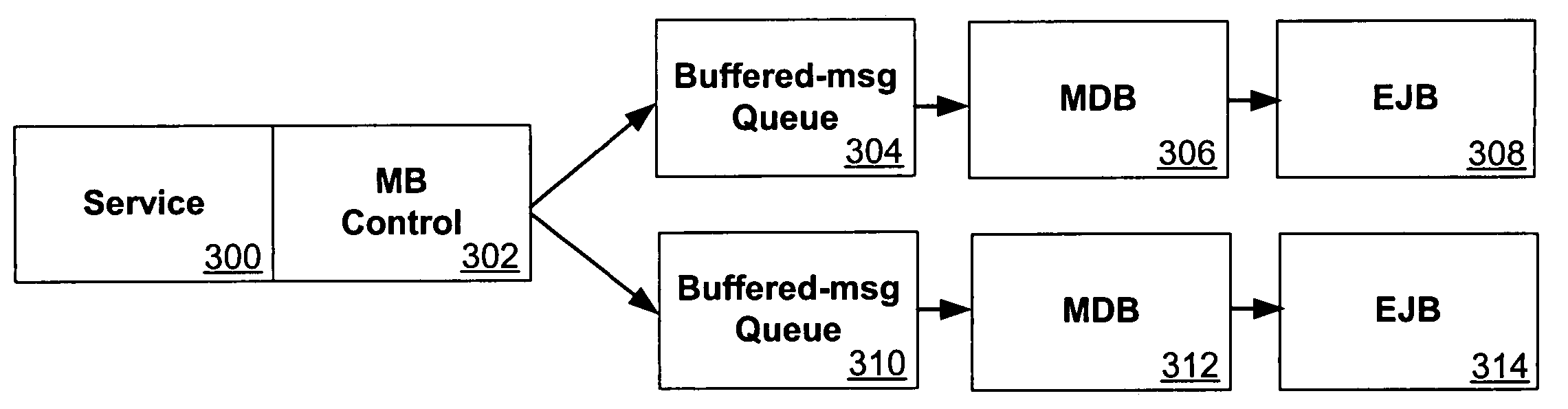
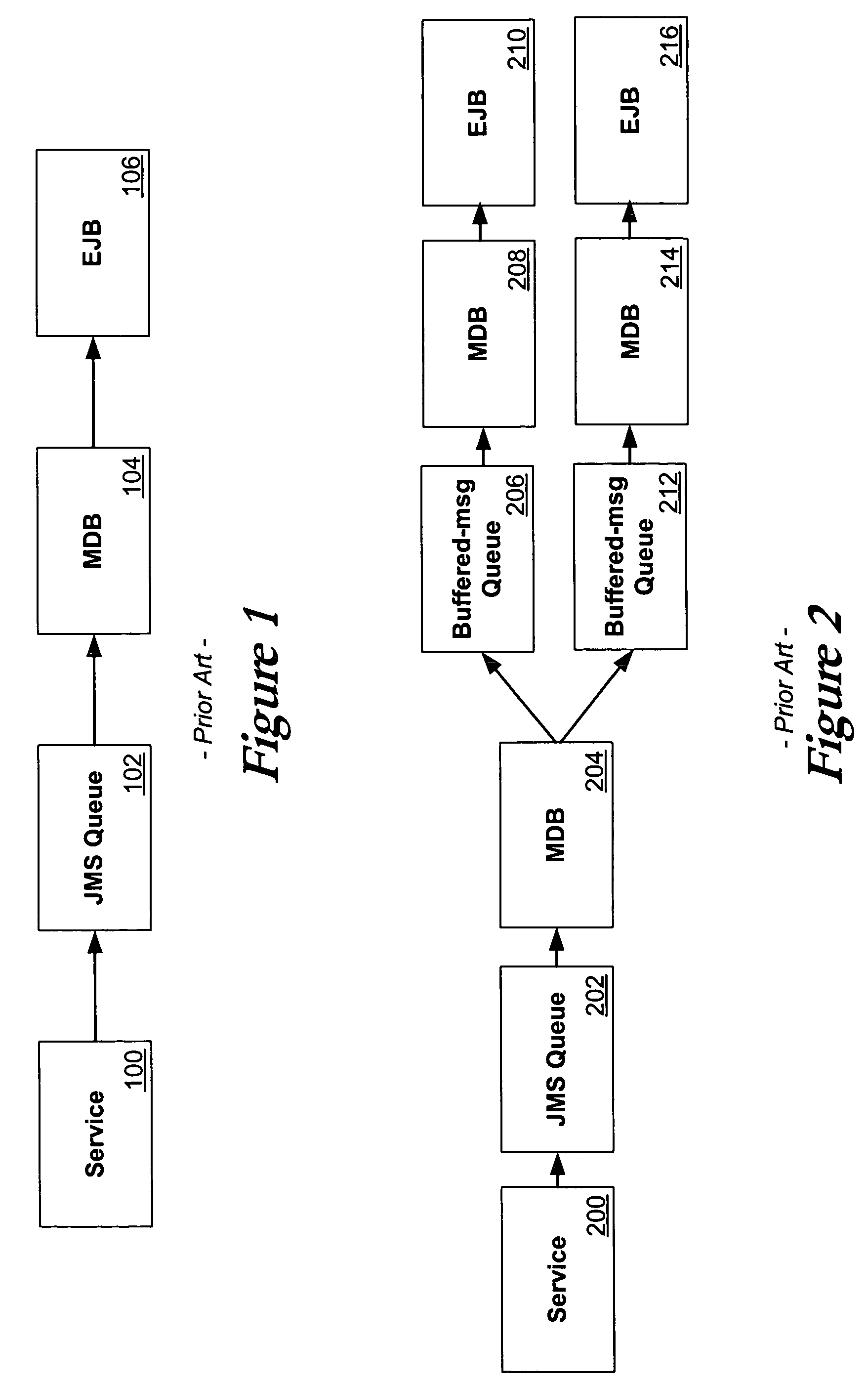
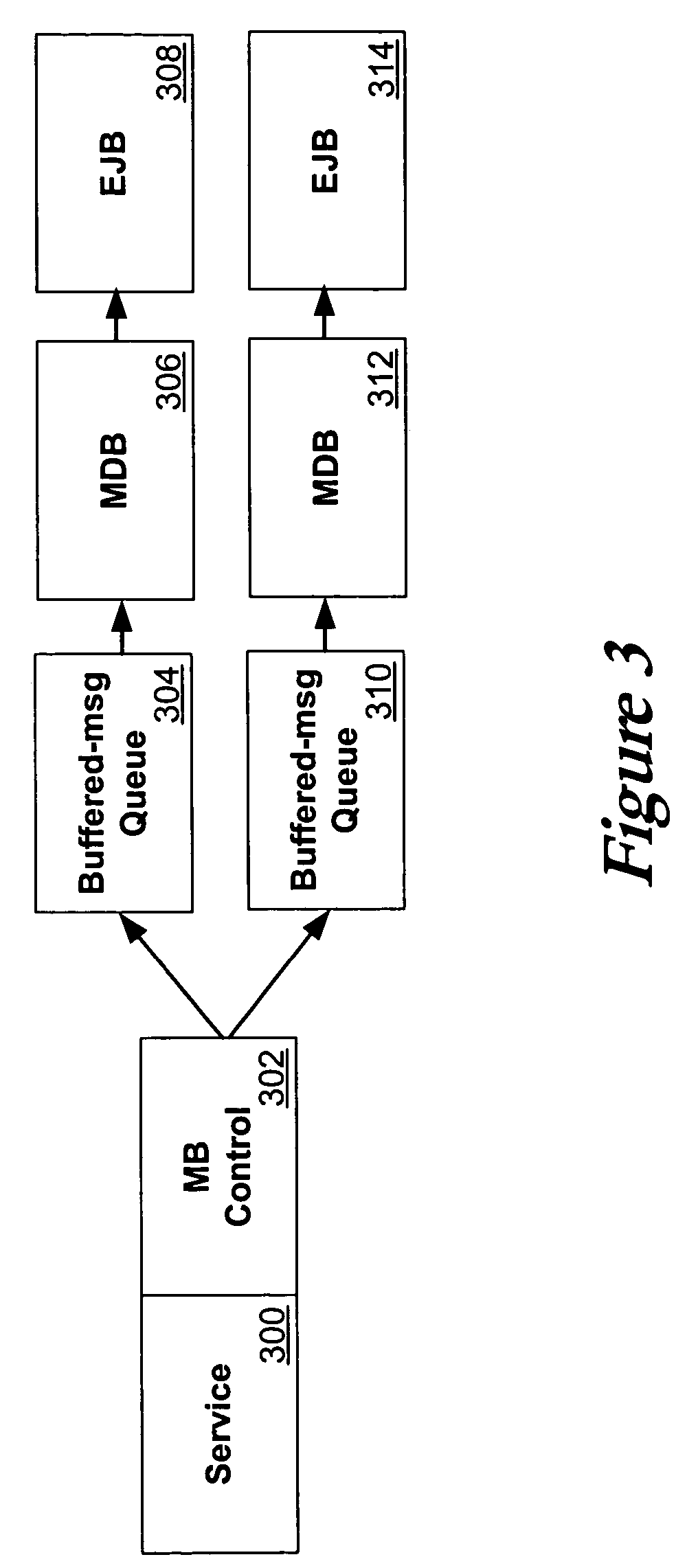
- Implementing a message broker that performs client-side filtering using XQuery expressions to filter messages before publication, reducing unnecessary message traffic by applying filters once and caching static subscription information to optimize data access.

System and method for dynamically optimized message processing
PatentWO2005059746A1
Innovation
- A method that identifies message types and generates optimized handlers at runtime if necessary, using preexisting optimized handlers or creating new ones based on message type identification and statistical analysis, to process messages efficiently, while also considering resource constraints and prioritizing frequently used message types.


Data Privacy and Compliance in Cloud Message Processing
Data privacy and compliance represent critical considerations in cloud-based message processing systems, particularly as organizations increasingly rely on intelligent filtering mechanisms to handle sensitive communications. The regulatory landscape governing data protection has evolved significantly, with frameworks such as GDPR, CCPA, and HIPAA establishing stringent requirements for how personal and sensitive information must be processed, stored, and transmitted within cloud environments.
Cloud-based message filtering systems inherently process vast amounts of potentially sensitive data, including personal communications, business correspondence, and confidential information. This processing occurs across multiple jurisdictions and infrastructure layers, creating complex compliance challenges. Organizations must ensure that their intelligent filtering algorithms operate within legal boundaries while maintaining effectiveness in threat detection and content classification.
The principle of data minimization becomes particularly relevant in message filtering contexts, requiring systems to process only the minimum amount of data necessary to achieve filtering objectives. This necessitates sophisticated approaches to selective data processing, where filtering algorithms can make determinations without accessing or retaining unnecessary personal information. Techniques such as differential privacy and homomorphic encryption are increasingly being integrated into filtering architectures to enable analysis while preserving individual privacy.
Cross-border data transfer regulations significantly impact cloud-based message processing, as filtering operations may involve data movement between different geographical regions with varying privacy laws. Organizations must implement appropriate safeguards, including standard contractual clauses, adequacy decisions, or binding corporate rules, to ensure lawful international data transfers during message processing operations.
Consent management and user rights enforcement present additional complexity layers in intelligent message filtering systems. Users must be provided with clear information about how their messages are processed, the purposes of filtering, and their rights regarding data access, rectification, and deletion. This requires implementing granular control mechanisms that can honor individual privacy preferences while maintaining system security and operational integrity.
Audit trails and compliance monitoring capabilities are essential components of privacy-compliant message filtering systems. Organizations must maintain detailed logs of processing activities, data access patterns, and filtering decisions to demonstrate compliance with regulatory requirements and facilitate regulatory investigations when necessary.
Cloud-based message filtering systems inherently process vast amounts of potentially sensitive data, including personal communications, business correspondence, and confidential information. This processing occurs across multiple jurisdictions and infrastructure layers, creating complex compliance challenges. Organizations must ensure that their intelligent filtering algorithms operate within legal boundaries while maintaining effectiveness in threat detection and content classification.
The principle of data minimization becomes particularly relevant in message filtering contexts, requiring systems to process only the minimum amount of data necessary to achieve filtering objectives. This necessitates sophisticated approaches to selective data processing, where filtering algorithms can make determinations without accessing or retaining unnecessary personal information. Techniques such as differential privacy and homomorphic encryption are increasingly being integrated into filtering architectures to enable analysis while preserving individual privacy.
Cross-border data transfer regulations significantly impact cloud-based message processing, as filtering operations may involve data movement between different geographical regions with varying privacy laws. Organizations must implement appropriate safeguards, including standard contractual clauses, adequacy decisions, or binding corporate rules, to ensure lawful international data transfers during message processing operations.
Consent management and user rights enforcement present additional complexity layers in intelligent message filtering systems. Users must be provided with clear information about how their messages are processed, the purposes of filtering, and their rights regarding data access, rectification, and deletion. This requires implementing granular control mechanisms that can honor individual privacy preferences while maintaining system security and operational integrity.
Audit trails and compliance monitoring capabilities are essential components of privacy-compliant message filtering systems. Organizations must maintain detailed logs of processing activities, data access patterns, and filtering decisions to demonstrate compliance with regulatory requirements and facilitate regulatory investigations when necessary.
Scalability and Performance Optimization Strategies
Scalability and performance optimization represent critical dimensions for intelligent message filtering systems operating in cloud environments. The dynamic nature of cloud-based messaging platforms demands sophisticated architectural approaches that can accommodate varying workloads while maintaining consistent filtering accuracy and response times.
Horizontal scaling strategies form the foundation of effective cloud-based message filter optimization. Auto-scaling mechanisms enable filter instances to dynamically adjust based on message volume fluctuations, ensuring optimal resource utilization during peak and off-peak periods. Container orchestration platforms facilitate seamless deployment and management of filter microservices across distributed cloud infrastructure, enabling elastic scaling capabilities that respond to real-time demand patterns.
Performance optimization requires careful consideration of computational efficiency at multiple system layers. Implementing intelligent caching mechanisms for frequently accessed filter rules and patterns significantly reduces processing overhead. Memory-optimized data structures and algorithms enhance filter execution speed, while parallel processing architectures enable concurrent message analysis across multiple threads and nodes.
Load balancing strategies play a pivotal role in distributing message processing workloads evenly across available filter instances. Advanced load balancers incorporate intelligent routing algorithms that consider both system capacity and filter specialization, directing specific message types to optimally configured processing nodes. This approach maximizes throughput while minimizing latency variations.
Database optimization techniques directly impact filter performance, particularly for systems requiring real-time rule updates and learning capabilities. Implementing distributed database architectures with read replicas reduces query response times, while strategic indexing and partitioning strategies enhance data retrieval efficiency for large-scale filtering operations.
Edge computing integration represents an emerging optimization strategy that positions filter processing closer to message sources. This distributed approach reduces network latency and bandwidth consumption while enabling localized filtering decisions based on regional requirements and regulations.
Monitoring and adaptive optimization mechanisms ensure sustained performance under varying operational conditions. Real-time performance metrics enable proactive scaling decisions and resource allocation adjustments, while machine learning-driven optimization algorithms continuously refine system parameters based on historical performance data and emerging usage patterns.
Horizontal scaling strategies form the foundation of effective cloud-based message filter optimization. Auto-scaling mechanisms enable filter instances to dynamically adjust based on message volume fluctuations, ensuring optimal resource utilization during peak and off-peak periods. Container orchestration platforms facilitate seamless deployment and management of filter microservices across distributed cloud infrastructure, enabling elastic scaling capabilities that respond to real-time demand patterns.
Performance optimization requires careful consideration of computational efficiency at multiple system layers. Implementing intelligent caching mechanisms for frequently accessed filter rules and patterns significantly reduces processing overhead. Memory-optimized data structures and algorithms enhance filter execution speed, while parallel processing architectures enable concurrent message analysis across multiple threads and nodes.
Load balancing strategies play a pivotal role in distributing message processing workloads evenly across available filter instances. Advanced load balancers incorporate intelligent routing algorithms that consider both system capacity and filter specialization, directing specific message types to optimally configured processing nodes. This approach maximizes throughput while minimizing latency variations.
Database optimization techniques directly impact filter performance, particularly for systems requiring real-time rule updates and learning capabilities. Implementing distributed database architectures with read replicas reduces query response times, while strategic indexing and partitioning strategies enhance data retrieval efficiency for large-scale filtering operations.
Edge computing integration represents an emerging optimization strategy that positions filter processing closer to message sources. This distributed approach reduces network latency and bandwidth consumption while enabling localized filtering decisions based on regional requirements and regulations.
Monitoring and adaptive optimization mechanisms ensure sustained performance under varying operational conditions. Real-time performance metrics enable proactive scaling decisions and resource allocation adjustments, while machine learning-driven optimization algorithms continuously refine system parameters based on historical performance data and emerging usage patterns.
Unlock deeper insights with PatSnap Eureka Quick Research — get a full tech report to explore trends and direct your research. Try now!
Generate Your Research Report Instantly with AI Agent
Supercharge your innovation with PatSnap Eureka AI Agent Platform!