

Feedback Linearization in Smart Home Systems: Energy Management
MAR 27, 202610 MIN READ
Generate Your Research Report Instantly with AI Agent
PatSnap Eureka helps you evaluate technical feasibility & market potential.
Smart Home Energy Management Background and Objectives
Smart home systems have emerged as a transformative technology paradigm, fundamentally reshaping how residential energy consumption is monitored, controlled, and optimized. The evolution from traditional static home environments to intelligent, interconnected ecosystems represents a significant leap in residential automation technology. This transformation has been driven by the convergence of Internet of Things (IoT) devices, advanced sensor networks, machine learning algorithms, and sophisticated control systems that collectively enable unprecedented levels of energy management precision.
The historical development of smart home energy management can be traced through several distinct phases. Early implementations focused primarily on basic automation features such as programmable thermostats and timer-controlled lighting systems. The subsequent integration of wireless communication protocols and cloud computing capabilities enabled more sophisticated monitoring and remote control functionalities. Recent advances have introduced artificial intelligence and machine learning components, allowing systems to learn user behavior patterns and optimize energy consumption autonomously.
Contemporary smart home energy management systems face increasingly complex challenges due to the proliferation of diverse energy sources, including renewable energy integration, battery storage systems, and dynamic grid pricing structures. The nonlinear characteristics inherent in these systems create significant control challenges that traditional linear control methods struggle to address effectively. These nonlinearities arise from various sources including power electronics, battery charging curves, HVAC system dynamics, and the stochastic nature of renewable energy generation.
Feedback linearization emerges as a particularly promising control methodology for addressing these nonlinear system challenges. This advanced control technique transforms nonlinear system dynamics into equivalent linear systems through mathematical transformation, enabling the application of well-established linear control design principles. The technique offers significant advantages in handling the complex, multi-input multi-output nature of modern smart home energy systems while maintaining system stability and performance guarantees.
The primary objective of implementing feedback linearization in smart home energy management systems centers on achieving optimal energy utilization while maintaining user comfort and system reliability. This involves developing control algorithms capable of simultaneously managing multiple energy sources, storage systems, and consumption loads in real-time. The approach aims to minimize energy costs, reduce peak demand charges, maximize renewable energy utilization, and ensure seamless integration with utility grid requirements.
Secondary objectives include enhancing system robustness against disturbances, improving response times to changing energy demands, and enabling predictive energy management capabilities. The ultimate goal is to create an intelligent energy management framework that can adapt to varying user preferences, weather conditions, energy pricing structures, and grid constraints while maintaining optimal performance across diverse operating scenarios.
The historical development of smart home energy management can be traced through several distinct phases. Early implementations focused primarily on basic automation features such as programmable thermostats and timer-controlled lighting systems. The subsequent integration of wireless communication protocols and cloud computing capabilities enabled more sophisticated monitoring and remote control functionalities. Recent advances have introduced artificial intelligence and machine learning components, allowing systems to learn user behavior patterns and optimize energy consumption autonomously.
Contemporary smart home energy management systems face increasingly complex challenges due to the proliferation of diverse energy sources, including renewable energy integration, battery storage systems, and dynamic grid pricing structures. The nonlinear characteristics inherent in these systems create significant control challenges that traditional linear control methods struggle to address effectively. These nonlinearities arise from various sources including power electronics, battery charging curves, HVAC system dynamics, and the stochastic nature of renewable energy generation.
Feedback linearization emerges as a particularly promising control methodology for addressing these nonlinear system challenges. This advanced control technique transforms nonlinear system dynamics into equivalent linear systems through mathematical transformation, enabling the application of well-established linear control design principles. The technique offers significant advantages in handling the complex, multi-input multi-output nature of modern smart home energy systems while maintaining system stability and performance guarantees.
The primary objective of implementing feedback linearization in smart home energy management systems centers on achieving optimal energy utilization while maintaining user comfort and system reliability. This involves developing control algorithms capable of simultaneously managing multiple energy sources, storage systems, and consumption loads in real-time. The approach aims to minimize energy costs, reduce peak demand charges, maximize renewable energy utilization, and ensure seamless integration with utility grid requirements.
Secondary objectives include enhancing system robustness against disturbances, improving response times to changing energy demands, and enabling predictive energy management capabilities. The ultimate goal is to create an intelligent energy management framework that can adapt to varying user preferences, weather conditions, energy pricing structures, and grid constraints while maintaining optimal performance across diverse operating scenarios.
Market Demand for Intelligent Energy Control Systems
The global smart home market has experienced unprecedented growth, driven by increasing consumer awareness of energy efficiency and rising utility costs. Residential energy consumption accounts for a significant portion of total energy usage worldwide, creating substantial opportunities for intelligent energy management solutions. Homeowners are increasingly seeking automated systems that can optimize energy consumption without compromising comfort or convenience.
Consumer demand for intelligent energy control systems stems from multiple factors including environmental consciousness, cost reduction objectives, and technological advancement adoption. Modern households generate complex energy usage patterns through diverse appliances, HVAC systems, lighting, and emerging technologies like electric vehicle charging stations. This complexity creates a compelling need for sophisticated control systems capable of managing multiple energy sources and loads simultaneously.
The residential sector presents unique challenges that drive market demand for advanced energy management solutions. Peak demand periods often coincide with high utility rates, creating financial incentives for load shifting and demand response capabilities. Smart home systems equipped with feedback linearization techniques can provide precise control over energy flows, enabling optimal scheduling of energy-intensive activities and integration of renewable energy sources.
Market research indicates strong consumer interest in systems that offer real-time energy monitoring, predictive analytics, and automated optimization capabilities. Homeowners value solutions that provide transparency into energy consumption patterns while delivering tangible cost savings. The ability to integrate with existing smart home ecosystems and utility grid programs further enhances market appeal.
Regulatory frameworks and utility incentive programs are accelerating market adoption of intelligent energy management systems. Time-of-use pricing structures, demand response programs, and net metering policies create economic drivers for sophisticated energy control capabilities. These market conditions favor advanced control algorithms like feedback linearization that can respond dynamically to changing energy prices and grid conditions.
The emergence of distributed energy resources, including solar panels, battery storage systems, and electric vehicles, has created additional complexity in residential energy management. Consumers require intelligent systems capable of coordinating these diverse energy assets while maintaining grid stability and maximizing economic benefits. This technological convergence represents a significant market opportunity for advanced energy control solutions.
Consumer demand for intelligent energy control systems stems from multiple factors including environmental consciousness, cost reduction objectives, and technological advancement adoption. Modern households generate complex energy usage patterns through diverse appliances, HVAC systems, lighting, and emerging technologies like electric vehicle charging stations. This complexity creates a compelling need for sophisticated control systems capable of managing multiple energy sources and loads simultaneously.
The residential sector presents unique challenges that drive market demand for advanced energy management solutions. Peak demand periods often coincide with high utility rates, creating financial incentives for load shifting and demand response capabilities. Smart home systems equipped with feedback linearization techniques can provide precise control over energy flows, enabling optimal scheduling of energy-intensive activities and integration of renewable energy sources.
Market research indicates strong consumer interest in systems that offer real-time energy monitoring, predictive analytics, and automated optimization capabilities. Homeowners value solutions that provide transparency into energy consumption patterns while delivering tangible cost savings. The ability to integrate with existing smart home ecosystems and utility grid programs further enhances market appeal.
Regulatory frameworks and utility incentive programs are accelerating market adoption of intelligent energy management systems. Time-of-use pricing structures, demand response programs, and net metering policies create economic drivers for sophisticated energy control capabilities. These market conditions favor advanced control algorithms like feedback linearization that can respond dynamically to changing energy prices and grid conditions.
The emergence of distributed energy resources, including solar panels, battery storage systems, and electric vehicles, has created additional complexity in residential energy management. Consumers require intelligent systems capable of coordinating these diverse energy assets while maintaining grid stability and maximizing economic benefits. This technological convergence represents a significant market opportunity for advanced energy control solutions.
Current State of Feedback Linearization in Energy Systems
Feedback linearization has emerged as a sophisticated control methodology in energy systems, demonstrating significant potential for addressing the complex nonlinear dynamics inherent in modern power management applications. The technique transforms nonlinear system dynamics into linear ones through mathematical state transformation and nonlinear feedback control, enabling the application of well-established linear control theory to previously intractable nonlinear problems.
Current implementations of feedback linearization in energy systems primarily focus on power electronics applications, including inverter control, motor drives, and renewable energy integration systems. Advanced power converters utilize this approach to achieve precise voltage and current regulation while maintaining system stability under varying load conditions. The methodology has proven particularly effective in grid-tied photovoltaic systems, where nonlinear characteristics of solar panels and power electronic interfaces create challenging control scenarios.
Smart grid applications represent another significant domain where feedback linearization techniques are gaining traction. Distribution system operators employ these methods for voltage regulation and reactive power compensation, addressing the nonlinear behavior of distributed energy resources and dynamic load variations. The approach enables more accurate prediction and control of power flows, contributing to enhanced grid stability and efficiency.
However, several technical challenges continue to limit widespread adoption of feedback linearization in energy management systems. Model accuracy requirements pose significant constraints, as the technique's effectiveness heavily depends on precise mathematical representations of system dynamics. Parameter uncertainties and modeling errors can severely degrade control performance, particularly in complex multi-input multi-output energy systems with time-varying characteristics.
Computational complexity represents another critical limitation, especially for real-time applications in smart home environments. The mathematical transformations required for feedback linearization often involve intensive calculations that may exceed the processing capabilities of embedded control systems commonly used in residential energy management applications. This computational burden becomes more pronounced when dealing with multiple interconnected subsystems requiring coordinated control.
Recent research efforts have focused on developing robust feedback linearization approaches that can handle model uncertainties and external disturbances more effectively. Adaptive feedback linearization techniques incorporate online parameter estimation and model updating capabilities, improving system resilience against modeling errors and environmental variations. These advances show promise for enhancing the practical applicability of feedback linearization in real-world energy management scenarios.
The integration of machine learning techniques with traditional feedback linearization methods represents an emerging trend in the field. Neural network-based approaches can approximate complex nonlinear system dynamics more accurately while reducing the computational burden associated with analytical model derivation. This hybrid methodology offers potential solutions to current limitations while maintaining the theoretical rigor of classical feedback linearization approaches.
Current implementations of feedback linearization in energy systems primarily focus on power electronics applications, including inverter control, motor drives, and renewable energy integration systems. Advanced power converters utilize this approach to achieve precise voltage and current regulation while maintaining system stability under varying load conditions. The methodology has proven particularly effective in grid-tied photovoltaic systems, where nonlinear characteristics of solar panels and power electronic interfaces create challenging control scenarios.
Smart grid applications represent another significant domain where feedback linearization techniques are gaining traction. Distribution system operators employ these methods for voltage regulation and reactive power compensation, addressing the nonlinear behavior of distributed energy resources and dynamic load variations. The approach enables more accurate prediction and control of power flows, contributing to enhanced grid stability and efficiency.
However, several technical challenges continue to limit widespread adoption of feedback linearization in energy management systems. Model accuracy requirements pose significant constraints, as the technique's effectiveness heavily depends on precise mathematical representations of system dynamics. Parameter uncertainties and modeling errors can severely degrade control performance, particularly in complex multi-input multi-output energy systems with time-varying characteristics.
Computational complexity represents another critical limitation, especially for real-time applications in smart home environments. The mathematical transformations required for feedback linearization often involve intensive calculations that may exceed the processing capabilities of embedded control systems commonly used in residential energy management applications. This computational burden becomes more pronounced when dealing with multiple interconnected subsystems requiring coordinated control.
Recent research efforts have focused on developing robust feedback linearization approaches that can handle model uncertainties and external disturbances more effectively. Adaptive feedback linearization techniques incorporate online parameter estimation and model updating capabilities, improving system resilience against modeling errors and environmental variations. These advances show promise for enhancing the practical applicability of feedback linearization in real-world energy management scenarios.
The integration of machine learning techniques with traditional feedback linearization methods represents an emerging trend in the field. Neural network-based approaches can approximate complex nonlinear system dynamics more accurately while reducing the computational burden associated with analytical model derivation. This hybrid methodology offers potential solutions to current limitations while maintaining the theoretical rigor of classical feedback linearization approaches.
Existing Feedback Linearization Solutions for Energy Control
01 Feedback linearization control for power systems
Feedback linearization techniques are applied to power system control to achieve linear system behavior through nonlinear transformation. This approach enables precise control of power converters and energy storage systems by canceling system nonlinearities. The method improves dynamic response and stability of power electronic systems through mathematical transformation of nonlinear system models into equivalent linear forms.- Feedback linearization control for power systems: Feedback linearization techniques are applied to control power systems by transforming nonlinear system dynamics into linear ones through state feedback. This approach enables precise control of power converters and energy distribution systems by canceling nonlinearities and achieving desired system behavior. The method improves system stability and dynamic response in power electronic applications.
- Energy management for hybrid electric vehicles: Energy management strategies utilizing feedback linearization are employed in hybrid electric vehicles to optimize power distribution between multiple energy sources such as batteries and fuel cells. The control system coordinates energy flow to maximize efficiency and extend vehicle range while maintaining performance requirements. Advanced algorithms balance power demands and energy storage states in real-time.
- Battery management system with linearization control: Battery management systems incorporate feedback linearization methods to regulate charging and discharging processes while ensuring optimal battery health and longevity. The control strategy monitors battery states and adjusts power flow to prevent overcharging, deep discharge, and thermal issues. This approach enhances battery performance and safety in energy storage applications.
- Microgrid and distributed energy resource management: Feedback linearization control is applied to manage distributed energy resources in microgrids, coordinating multiple generation sources and storage systems. The control framework ensures stable operation during grid-connected and islanded modes while optimizing energy dispatch. This technology enables efficient integration of renewable energy sources and improves grid resilience.
- Nonlinear control for renewable energy conversion systems: Renewable energy conversion systems such as wind turbines and solar inverters employ feedback linearization to handle inherent nonlinearities in power generation and grid integration. The control method maximizes power extraction while maintaining grid compliance and power quality standards. Advanced control algorithms adapt to varying environmental conditions and load demands.
02 Energy management optimization using linearization methods
Linearization-based optimization algorithms are employed for energy management in hybrid systems and microgrids. These methods simplify complex nonlinear energy flow equations into tractable linear approximations, enabling real-time optimization of energy distribution. The approach facilitates efficient allocation of power resources among multiple energy sources and loads while maintaining system constraints.Expand Specific Solutions03 Battery energy storage system control with feedback linearization
Advanced control strategies utilizing feedback linearization are implemented for battery energy storage systems to optimize charging and discharging operations. The technique addresses nonlinear battery characteristics and enables precise state-of-charge management. This approach enhances battery lifespan and system efficiency through accurate tracking of reference trajectories and disturbance rejection.Expand Specific Solutions04 Vehicle energy management using linearization techniques
Linearization methods are applied to vehicle energy management systems, particularly for electric and hybrid vehicles. These techniques handle the nonlinear dynamics of powertrain components and optimize energy flow between different power sources. The approach enables real-time control decisions for torque distribution and power splitting while considering driving conditions and efficiency requirements.Expand Specific Solutions05 Renewable energy integration with feedback control
Feedback linearization strategies are utilized for integrating renewable energy sources into power grids and managing their intermittent nature. The methods address nonlinear characteristics of solar and wind power generation systems, enabling stable grid connection and power quality improvement. This approach facilitates coordinated control of multiple distributed energy resources and enhances overall system reliability.Expand Specific Solutions
Key Players in Smart Home Energy Management Industry
The smart home energy management sector utilizing feedback linearization is in its early growth stage, with significant market expansion driven by increasing demand for intelligent home automation and energy efficiency solutions. The market demonstrates substantial potential as consumers seek integrated systems for optimized energy consumption. Technology maturity varies considerably across key players, with established electronics giants like Samsung Electronics and LG Electronics leading in consumer device integration, while specialized companies such as Plume Design focus on advanced software platforms. Traditional appliance manufacturers including Whirlpool Corp. are incorporating smart technologies, and energy infrastructure leaders like State Grid Corp. of China provide foundational grid integration capabilities. Research institutions including MIT and Xi'an Jiaotong University contribute theoretical advances in control algorithms, while emerging players like Goldcard Smart Group develop specialized metering solutions, creating a diverse competitive landscape spanning hardware, software, and service providers.
Samsung Electronics Co., Ltd.
Technical Solution: Samsung implements advanced feedback linearization algorithms in their SmartThings ecosystem for comprehensive energy management across smart home devices. Their approach utilizes machine learning-enhanced nonlinear control systems that continuously monitor and adjust power consumption patterns of connected appliances including refrigerators, air conditioners, and washing machines. The system employs real-time feedback loops to linearize the complex nonlinear dynamics of energy consumption, achieving up to 25% reduction in overall household energy usage. Samsung's solution integrates with their Bixby AI platform to predict usage patterns and automatically optimize energy distribution based on user behavior and grid conditions.
Strengths: Comprehensive ecosystem integration, AI-enhanced predictive capabilities, proven energy savings. Weaknesses: Limited interoperability with non-Samsung devices, high initial setup costs.
State Grid Corp. of China
Technical Solution: State Grid Corporation of China develops advanced feedback linearization systems for smart grid integration with residential energy management systems. Their solution focuses on demand-side management using nonlinear control theory to optimize energy flow between the grid and smart homes. The system employs feedback linearization techniques to handle the complex dynamics of distributed energy resources, including solar panels, energy storage systems, and electric vehicle charging. Their platform enables real-time energy optimization and can reduce residential energy costs by 20-35% through intelligent load scheduling and grid interaction management.
Strengths: Extensive grid infrastructure expertise, strong government support, comprehensive energy ecosystem integration. Weaknesses: Primarily focused on Chinese market, complex regulatory requirements for international deployment.
Core Patents in Nonlinear Energy Management Control
Heating, ventilation and air conditioning (HVAC) system and method using feedback linearization
PatentInactiveUS7331191B2
Innovation
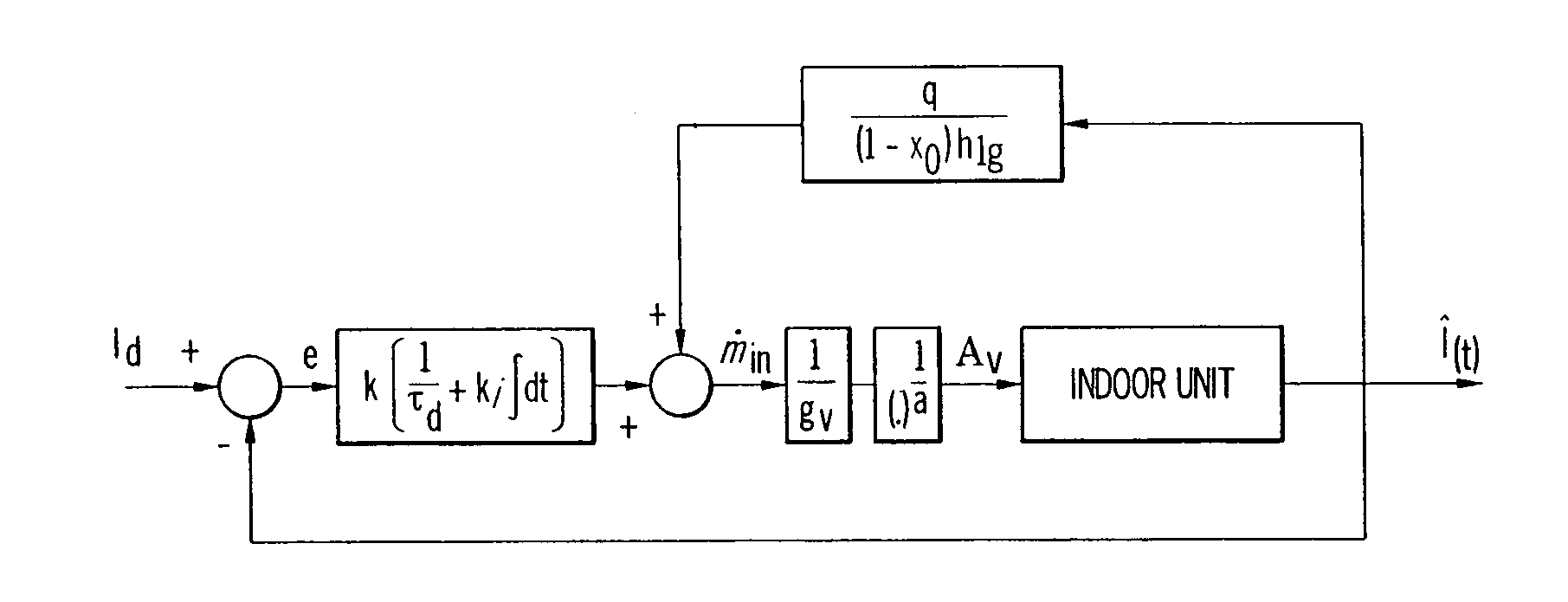
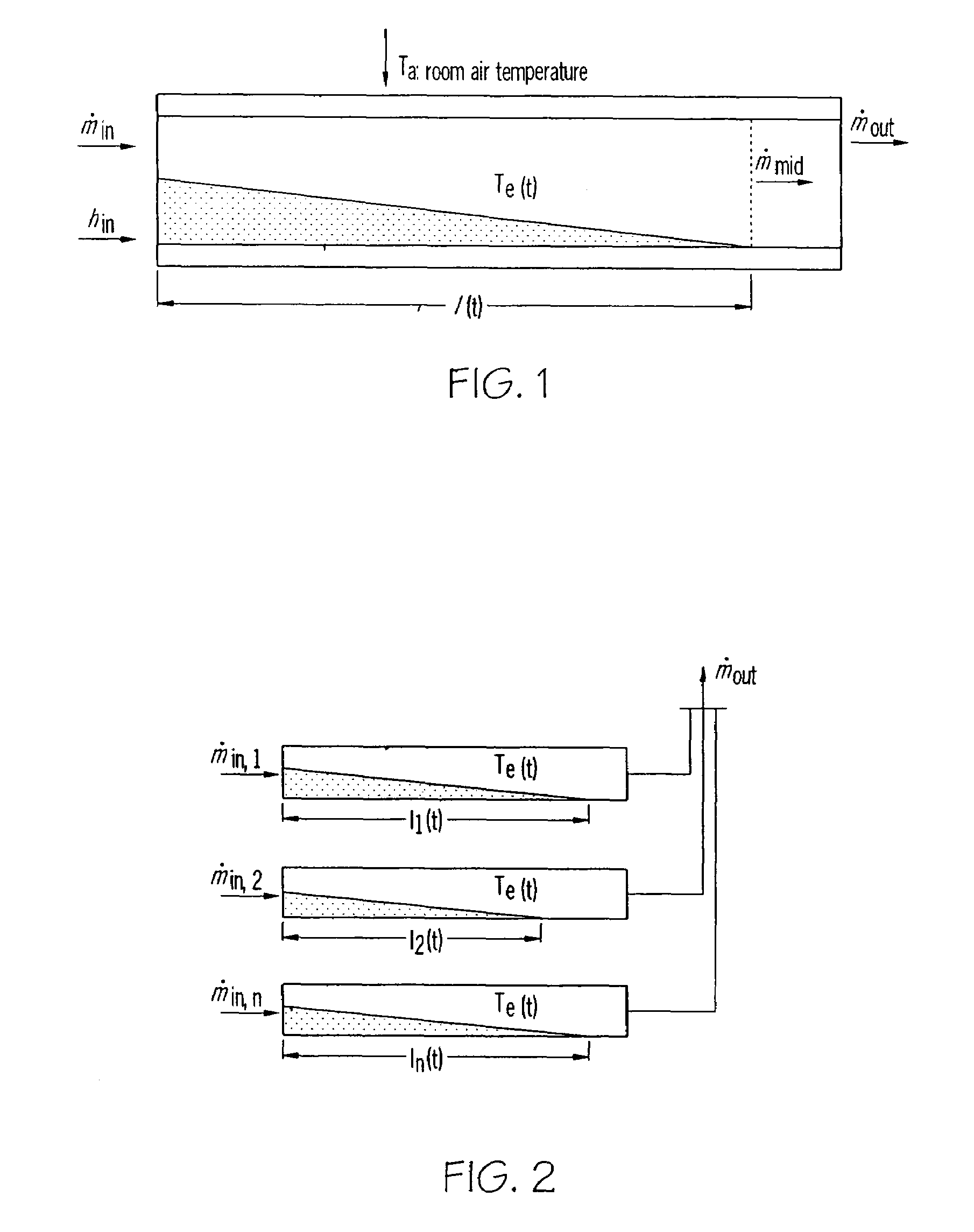
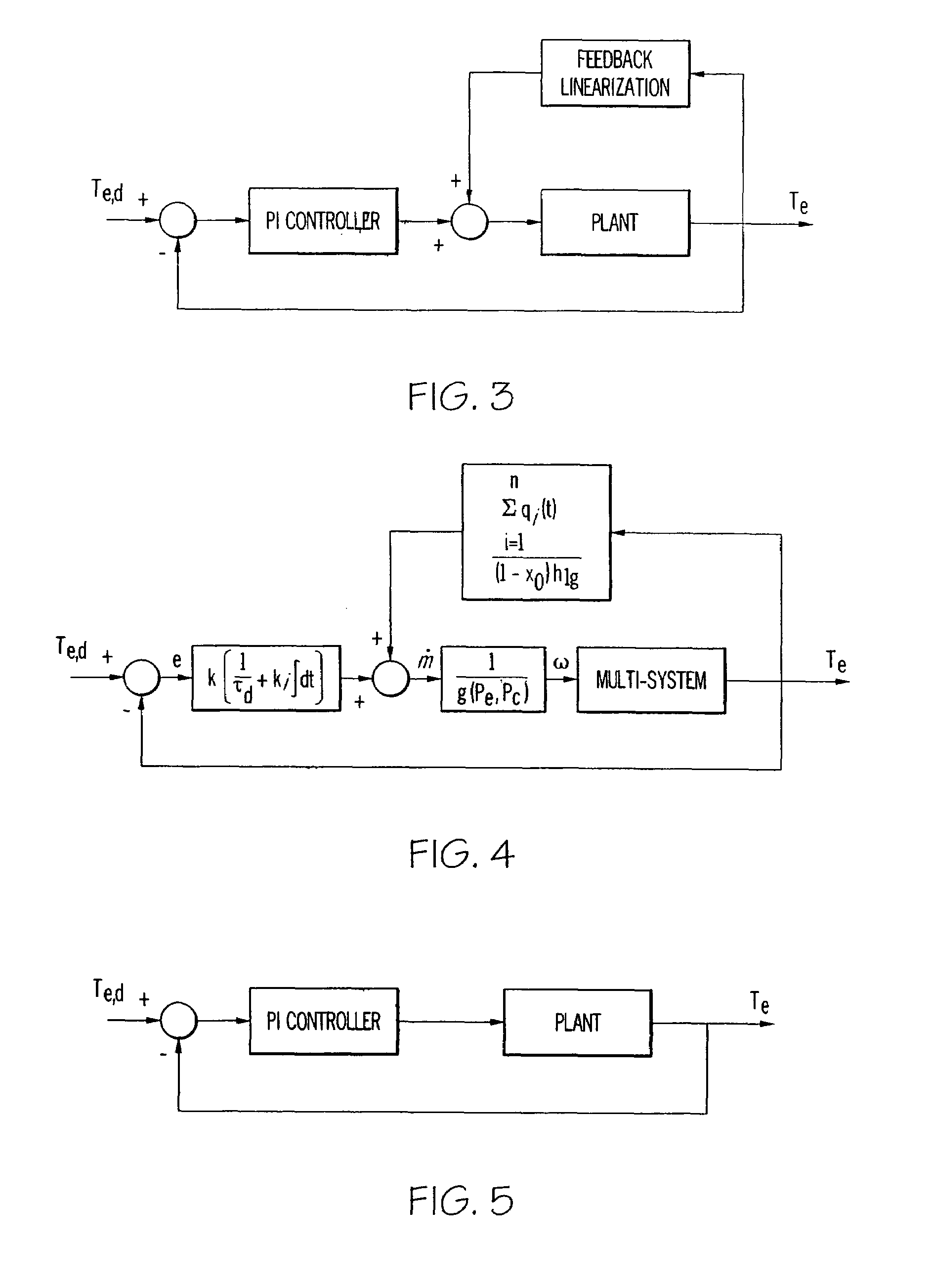
- A heat transfer system with a processor that estimates heat transfer between heat exchangers and a space, altering control parameters such as expansion valve opening, compressor speed, and refrigerant temperatures to optimize heat transfer, using a feedback linearization approach to compensate for nonlinearity in system dynamics.

Smart home energy management system control through deep reinforcement learning
PatentPendingIN202311056986A
Innovation
- A Smart Home Energy Management System utilizing Deep Reinforcement Learning and IoT devices to collect and analyze real-time energy data, making efficient decisions on energy consumption through smart thermostats, lights, and appliances, and optimizing renewable energy sources.
Energy Efficiency Standards and Smart Grid Regulations
The regulatory landscape for energy efficiency in smart home systems has evolved significantly with the integration of advanced control methodologies like feedback linearization. Current energy efficiency standards, including ENERGY STAR specifications and the International Energy Conservation Code (IECC), are being updated to accommodate intelligent energy management systems that utilize nonlinear control techniques. These standards now recognize that traditional linear control approaches may not adequately address the complex dynamics of modern smart home energy systems.
Smart grid regulations have established frameworks that directly impact feedback linearization implementations in residential energy management. The Federal Energy Regulatory Commission (FERC) Order 2222 enables distributed energy resources to participate in wholesale markets, creating opportunities for smart homes using advanced control algorithms to optimize energy trading. Similarly, IEEE 1547 standards define interconnection requirements that must be considered when implementing feedback linearization controllers for grid-tied energy storage and generation systems.
Regional variations in regulatory approaches significantly influence the deployment of feedback linearization techniques. California's Title 24 Building Energy Efficiency Standards mandate demand response capabilities that align well with feedback linearization's ability to handle multiple objectives simultaneously. European Union regulations under the Energy Performance of Buildings Directive (EPBD) emphasize nearly zero-energy buildings, driving the need for sophisticated control systems that can manage complex interactions between renewable generation, storage, and consumption.
Compliance requirements for smart grid integration present both challenges and opportunities for feedback linearization applications. Grid codes increasingly require fast response times and precise control of power flows, characteristics that feedback linearization can provide through its ability to transform nonlinear system dynamics into linear, controllable forms. However, certification processes for these advanced control systems remain complex, requiring extensive validation of stability and performance under various operating conditions.
The regulatory trend toward performance-based standards rather than prescriptive requirements creates favorable conditions for innovative control approaches. This shift allows feedback linearization techniques to demonstrate their effectiveness in achieving energy efficiency goals while maintaining system stability and reliability, ultimately supporting broader adoption of intelligent energy management solutions in residential applications.
Smart grid regulations have established frameworks that directly impact feedback linearization implementations in residential energy management. The Federal Energy Regulatory Commission (FERC) Order 2222 enables distributed energy resources to participate in wholesale markets, creating opportunities for smart homes using advanced control algorithms to optimize energy trading. Similarly, IEEE 1547 standards define interconnection requirements that must be considered when implementing feedback linearization controllers for grid-tied energy storage and generation systems.
Regional variations in regulatory approaches significantly influence the deployment of feedback linearization techniques. California's Title 24 Building Energy Efficiency Standards mandate demand response capabilities that align well with feedback linearization's ability to handle multiple objectives simultaneously. European Union regulations under the Energy Performance of Buildings Directive (EPBD) emphasize nearly zero-energy buildings, driving the need for sophisticated control systems that can manage complex interactions between renewable generation, storage, and consumption.
Compliance requirements for smart grid integration present both challenges and opportunities for feedback linearization applications. Grid codes increasingly require fast response times and precise control of power flows, characteristics that feedback linearization can provide through its ability to transform nonlinear system dynamics into linear, controllable forms. However, certification processes for these advanced control systems remain complex, requiring extensive validation of stability and performance under various operating conditions.
The regulatory trend toward performance-based standards rather than prescriptive requirements creates favorable conditions for innovative control approaches. This shift allows feedback linearization techniques to demonstrate their effectiveness in achieving energy efficiency goals while maintaining system stability and reliability, ultimately supporting broader adoption of intelligent energy management solutions in residential applications.
Privacy and Security in Smart Home Energy Data
The implementation of feedback linearization in smart home energy management systems introduces significant privacy and security challenges that require comprehensive protection strategies. As these systems collect, process, and transmit detailed energy consumption data, they create extensive digital footprints that reveal intimate details about household activities, occupancy patterns, and lifestyle preferences.
Energy data privacy concerns stem from the granular nature of consumption information collected by smart meters and IoT devices. High-frequency sampling rates can reveal specific appliance usage patterns, enabling inference of daily routines, sleep schedules, and even the number of occupants. This behavioral profiling capability makes energy data particularly sensitive, as it can be exploited for surveillance, targeted marketing, or malicious activities.
Security vulnerabilities in smart home energy systems encompass multiple attack vectors. Communication protocols between devices and energy management controllers are susceptible to eavesdropping, man-in-the-middle attacks, and data manipulation. Inadequate authentication mechanisms may allow unauthorized access to control systems, potentially enabling attackers to manipulate energy consumption patterns or disrupt service delivery.
Data encryption represents a fundamental security requirement for protecting energy information during transmission and storage. Advanced encryption standards must be implemented across all communication channels, including device-to-gateway, gateway-to-cloud, and cloud-to-application interfaces. End-to-end encryption ensures that even if communication channels are compromised, the actual energy data remains protected from unauthorized access.
Access control mechanisms must implement multi-layered authentication and authorization protocols. Role-based access control systems should differentiate between homeowners, utility providers, and third-party service providers, ensuring that each entity can only access necessary data subsets. Biometric authentication and multi-factor verification add additional security layers for critical system operations.
Privacy-preserving techniques such as differential privacy and homomorphic encryption enable data analysis while protecting individual privacy. These methods allow utility companies to perform aggregate analysis for grid optimization without accessing specific household consumption patterns. Federated learning approaches can train energy management algorithms using distributed data without centralizing sensitive information.
Regulatory compliance frameworks including GDPR, CCPA, and emerging smart grid privacy standards establish mandatory protection requirements. These regulations mandate explicit consent for data collection, provide users with data portability rights, and require transparent disclosure of data usage practices. Compliance mechanisms must be embedded into system architecture from the design phase.
Energy data privacy concerns stem from the granular nature of consumption information collected by smart meters and IoT devices. High-frequency sampling rates can reveal specific appliance usage patterns, enabling inference of daily routines, sleep schedules, and even the number of occupants. This behavioral profiling capability makes energy data particularly sensitive, as it can be exploited for surveillance, targeted marketing, or malicious activities.
Security vulnerabilities in smart home energy systems encompass multiple attack vectors. Communication protocols between devices and energy management controllers are susceptible to eavesdropping, man-in-the-middle attacks, and data manipulation. Inadequate authentication mechanisms may allow unauthorized access to control systems, potentially enabling attackers to manipulate energy consumption patterns or disrupt service delivery.
Data encryption represents a fundamental security requirement for protecting energy information during transmission and storage. Advanced encryption standards must be implemented across all communication channels, including device-to-gateway, gateway-to-cloud, and cloud-to-application interfaces. End-to-end encryption ensures that even if communication channels are compromised, the actual energy data remains protected from unauthorized access.
Access control mechanisms must implement multi-layered authentication and authorization protocols. Role-based access control systems should differentiate between homeowners, utility providers, and third-party service providers, ensuring that each entity can only access necessary data subsets. Biometric authentication and multi-factor verification add additional security layers for critical system operations.
Privacy-preserving techniques such as differential privacy and homomorphic encryption enable data analysis while protecting individual privacy. These methods allow utility companies to perform aggregate analysis for grid optimization without accessing specific household consumption patterns. Federated learning approaches can train energy management algorithms using distributed data without centralizing sensitive information.
Regulatory compliance frameworks including GDPR, CCPA, and emerging smart grid privacy standards establish mandatory protection requirements. These regulations mandate explicit consent for data collection, provide users with data portability rights, and require transparent disclosure of data usage practices. Compliance mechanisms must be embedded into system architecture from the design phase.
Unlock deeper insights with PatSnap Eureka Quick Research — get a full tech report to explore trends and direct your research. Try now!
Generate Your Research Report Instantly with AI Agent
Supercharge your innovation with PatSnap Eureka AI Agent Platform!