

How to Control Renewable Energy Output Using Feedback Linearization
MAR 27, 20269 MIN READ
Generate Your Research Report Instantly with AI Agent
PatSnap Eureka helps you evaluate technical feasibility & market potential.
Renewable Energy Control Background and Objectives
The renewable energy sector has experienced unprecedented growth over the past two decades, driven by environmental concerns, policy incentives, and technological advancements. Solar photovoltaic systems, wind turbines, and other renewable energy sources have become increasingly cost-competitive with conventional fossil fuel-based power generation. However, the inherent variability and intermittency of renewable energy sources present significant challenges for grid integration and power system stability.
Traditional renewable energy systems exhibit highly nonlinear characteristics due to their dependence on environmental conditions such as solar irradiance, wind speed, and temperature variations. These nonlinearities create complex control challenges that conventional linear control methods struggle to address effectively. The power output from renewable sources can fluctuate rapidly and unpredictably, leading to voltage instabilities, frequency deviations, and potential grid disturbances.
Feedback linearization has emerged as a promising advanced control technique specifically designed to handle nonlinear systems by transforming them into equivalent linear systems through mathematical coordinate transformations. This approach enables the application of well-established linear control theory to inherently nonlinear renewable energy systems, potentially offering superior performance compared to traditional control methods.
The primary objective of implementing feedback linearization in renewable energy control is to achieve precise and robust output regulation despite environmental uncertainties and system nonlinearities. This includes maintaining stable power output, optimizing energy conversion efficiency, and ensuring seamless grid integration. Additionally, the control system must respond rapidly to changing conditions while maintaining system stability and preventing equipment damage.
Key technical goals encompass developing mathematical models that accurately represent renewable energy system dynamics, designing feedback linearization controllers that can handle multiple operating points, and implementing real-time control algorithms capable of processing sensor data and executing control commands within millisecond timeframes. The ultimate aim is to create autonomous renewable energy systems that can operate reliably across diverse environmental conditions while maximizing energy harvest and maintaining grid compatibility standards.
Traditional renewable energy systems exhibit highly nonlinear characteristics due to their dependence on environmental conditions such as solar irradiance, wind speed, and temperature variations. These nonlinearities create complex control challenges that conventional linear control methods struggle to address effectively. The power output from renewable sources can fluctuate rapidly and unpredictably, leading to voltage instabilities, frequency deviations, and potential grid disturbances.
Feedback linearization has emerged as a promising advanced control technique specifically designed to handle nonlinear systems by transforming them into equivalent linear systems through mathematical coordinate transformations. This approach enables the application of well-established linear control theory to inherently nonlinear renewable energy systems, potentially offering superior performance compared to traditional control methods.
The primary objective of implementing feedback linearization in renewable energy control is to achieve precise and robust output regulation despite environmental uncertainties and system nonlinearities. This includes maintaining stable power output, optimizing energy conversion efficiency, and ensuring seamless grid integration. Additionally, the control system must respond rapidly to changing conditions while maintaining system stability and preventing equipment damage.
Key technical goals encompass developing mathematical models that accurately represent renewable energy system dynamics, designing feedback linearization controllers that can handle multiple operating points, and implementing real-time control algorithms capable of processing sensor data and executing control commands within millisecond timeframes. The ultimate aim is to create autonomous renewable energy systems that can operate reliably across diverse environmental conditions while maximizing energy harvest and maintaining grid compatibility standards.
Market Demand for Stable Renewable Energy Systems
The global energy landscape is experiencing an unprecedented transformation driven by the urgent need for decarbonization and energy security. Renewable energy sources, particularly wind and solar power, have emerged as critical components of modern power systems. However, the inherent variability and intermittency of these sources present significant challenges for grid stability and reliability.
Power system operators worldwide are grappling with the complexities of integrating large-scale renewable energy installations while maintaining grid frequency, voltage stability, and power quality. The traditional power grid, designed around predictable fossil fuel-based generation, requires sophisticated control mechanisms to accommodate the stochastic nature of renewable energy output. This challenge has created substantial market demand for advanced control technologies that can ensure stable and reliable renewable energy integration.
The market for stable renewable energy systems encompasses multiple segments, including grid-scale renewable installations, distributed energy resources, microgrids, and energy storage systems. Utility companies are increasingly seeking solutions that can provide real-time control and optimization of renewable energy output to match demand patterns and grid requirements. The growing penetration of renewables in many countries has made output control technologies not just desirable but essential for maintaining power system stability.
Industrial and commercial energy consumers are also driving demand for stable renewable energy systems. Manufacturing facilities, data centers, and other energy-intensive operations require consistent power quality and reliability. These sectors are actively investing in renewable energy solutions that incorporate advanced control mechanisms to ensure uninterrupted operations while meeting sustainability goals.
The emergence of smart grid technologies and the increasing adoption of electric vehicles have further amplified the need for sophisticated renewable energy control systems. Grid modernization initiatives across developed and developing nations are creating substantial opportunities for feedback linearization and other advanced control methodologies. These technologies enable precise regulation of renewable energy output, helping to mitigate the challenges associated with variable generation patterns.
Regulatory frameworks and government policies worldwide are increasingly mandating higher renewable energy penetration levels, creating additional market pressure for stable control solutions. Grid codes in many jurisdictions now require renewable energy installations to provide ancillary services, including frequency regulation and voltage support, necessitating advanced control capabilities that can deliver these services reliably and efficiently.
Power system operators worldwide are grappling with the complexities of integrating large-scale renewable energy installations while maintaining grid frequency, voltage stability, and power quality. The traditional power grid, designed around predictable fossil fuel-based generation, requires sophisticated control mechanisms to accommodate the stochastic nature of renewable energy output. This challenge has created substantial market demand for advanced control technologies that can ensure stable and reliable renewable energy integration.
The market for stable renewable energy systems encompasses multiple segments, including grid-scale renewable installations, distributed energy resources, microgrids, and energy storage systems. Utility companies are increasingly seeking solutions that can provide real-time control and optimization of renewable energy output to match demand patterns and grid requirements. The growing penetration of renewables in many countries has made output control technologies not just desirable but essential for maintaining power system stability.
Industrial and commercial energy consumers are also driving demand for stable renewable energy systems. Manufacturing facilities, data centers, and other energy-intensive operations require consistent power quality and reliability. These sectors are actively investing in renewable energy solutions that incorporate advanced control mechanisms to ensure uninterrupted operations while meeting sustainability goals.
The emergence of smart grid technologies and the increasing adoption of electric vehicles have further amplified the need for sophisticated renewable energy control systems. Grid modernization initiatives across developed and developing nations are creating substantial opportunities for feedback linearization and other advanced control methodologies. These technologies enable precise regulation of renewable energy output, helping to mitigate the challenges associated with variable generation patterns.
Regulatory frameworks and government policies worldwide are increasingly mandating higher renewable energy penetration levels, creating additional market pressure for stable control solutions. Grid codes in many jurisdictions now require renewable energy installations to provide ancillary services, including frequency regulation and voltage support, necessitating advanced control capabilities that can deliver these services reliably and efficiently.
Current Challenges in Renewable Energy Output Control
Renewable energy systems face significant control challenges due to their inherent intermittency and nonlinear characteristics. Solar photovoltaic and wind turbine systems exhibit highly variable power output patterns that fluctuate based on environmental conditions such as solar irradiance, wind speed, and atmospheric temperature. These variations create substantial difficulties in maintaining stable grid integration and consistent power delivery to end users.
The nonlinear dynamics of renewable energy conversion systems present complex control problems that traditional linear control methods struggle to address effectively. Power electronic converters, which serve as interfaces between renewable sources and the electrical grid, introduce additional nonlinearities through switching operations and variable operating points. These nonlinearities become particularly pronounced during transient conditions and varying load demands.
Grid integration challenges represent another critical obstacle in renewable energy output control. The increasing penetration of distributed renewable sources creates bidirectional power flows and voltage regulation issues that conventional grid infrastructure was not designed to handle. Frequency stability becomes compromised when large-scale renewable installations experience sudden output changes due to weather variations or equipment failures.
Maximum power point tracking remains a persistent challenge, especially for photovoltaic systems operating under partial shading conditions or rapidly changing irradiance levels. Conventional MPPT algorithms often fail to locate global maximum power points in complex operating scenarios, resulting in significant energy losses and reduced system efficiency.
Energy storage integration adds another layer of complexity to renewable energy control systems. Coordinating the charging and discharging cycles of battery systems while maintaining optimal renewable energy harvesting requires sophisticated control strategies that can handle multiple objectives simultaneously. The degradation characteristics of storage systems further complicate long-term control optimization.
Uncertainty quantification and prediction accuracy pose ongoing challenges for renewable energy output control. Weather forecasting limitations directly impact the ability to predict renewable energy generation, making it difficult to implement proactive control strategies. This uncertainty propagates through the entire energy management system, affecting both short-term operational decisions and long-term planning strategies.
System robustness against parameter variations and external disturbances remains inadequately addressed by existing control approaches. Component aging, environmental stress, and manufacturing tolerances create parameter uncertainties that can significantly degrade control performance over time, necessitating adaptive control solutions that can maintain effectiveness throughout the system lifecycle.
The nonlinear dynamics of renewable energy conversion systems present complex control problems that traditional linear control methods struggle to address effectively. Power electronic converters, which serve as interfaces between renewable sources and the electrical grid, introduce additional nonlinearities through switching operations and variable operating points. These nonlinearities become particularly pronounced during transient conditions and varying load demands.
Grid integration challenges represent another critical obstacle in renewable energy output control. The increasing penetration of distributed renewable sources creates bidirectional power flows and voltage regulation issues that conventional grid infrastructure was not designed to handle. Frequency stability becomes compromised when large-scale renewable installations experience sudden output changes due to weather variations or equipment failures.
Maximum power point tracking remains a persistent challenge, especially for photovoltaic systems operating under partial shading conditions or rapidly changing irradiance levels. Conventional MPPT algorithms often fail to locate global maximum power points in complex operating scenarios, resulting in significant energy losses and reduced system efficiency.
Energy storage integration adds another layer of complexity to renewable energy control systems. Coordinating the charging and discharging cycles of battery systems while maintaining optimal renewable energy harvesting requires sophisticated control strategies that can handle multiple objectives simultaneously. The degradation characteristics of storage systems further complicate long-term control optimization.
Uncertainty quantification and prediction accuracy pose ongoing challenges for renewable energy output control. Weather forecasting limitations directly impact the ability to predict renewable energy generation, making it difficult to implement proactive control strategies. This uncertainty propagates through the entire energy management system, affecting both short-term operational decisions and long-term planning strategies.
System robustness against parameter variations and external disturbances remains inadequately addressed by existing control approaches. Component aging, environmental stress, and manufacturing tolerances create parameter uncertainties that can significantly degrade control performance over time, necessitating adaptive control solutions that can maintain effectiveness throughout the system lifecycle.
Existing Feedback Linearization Control Solutions
01 Feedback linearization control for nonlinear systems
Feedback linearization is a control technique that transforms nonlinear system dynamics into linear ones through coordinate transformation and state feedback. This approach enables the application of linear control theory to nonlinear systems by canceling nonlinearities. The method involves computing appropriate control laws that linearize the input-output relationship, making the system easier to control and analyze.- Feedback linearization control for nonlinear systems: Feedback linearization is a control technique that transforms nonlinear system dynamics into linear ones through coordinate transformation and state feedback. This approach enables the application of linear control theory to nonlinear systems by canceling nonlinearities. The method involves computing appropriate control laws that linearize the input-output relationship, making the system easier to control and analyze.
- Output tracking control using feedback linearization: This technique focuses on designing controllers that enable systems to track desired output trajectories accurately. By applying feedback linearization to the output dynamics, the controller can achieve precise tracking performance even in the presence of system nonlinearities. The approach typically involves defining tracking errors and designing control laws that drive these errors to zero asymptotically.
- Adaptive feedback linearization control: Adaptive control methods are combined with feedback linearization to handle systems with uncertain or time-varying parameters. This approach adjusts controller parameters online based on system performance and estimation of unknown parameters. The adaptive mechanism ensures robust control performance despite parameter variations and modeling uncertainties, maintaining system stability and desired output characteristics.
- Feedback linearization for multi-input multi-output systems: This category addresses the application of feedback linearization techniques to complex systems with multiple inputs and outputs. The control design involves decoupling the interactions between different input-output channels and linearizing each channel independently. This enables coordinated control of multiple variables simultaneously while maintaining system stability and performance specifications.
- Digital implementation and optimization of feedback linearization controllers: This focuses on the practical implementation of feedback linearization controllers in digital systems, including discretization methods, computational optimization, and real-time execution. The approach addresses challenges such as sampling effects, computational delays, and numerical precision. Optimization techniques are employed to reduce computational burden while maintaining control performance, making the method suitable for embedded systems and real-time applications.
02 Output tracking control using feedback linearization
This technique focuses on designing controllers that enable system outputs to track desired reference trajectories. By applying feedback linearization to the output dynamics, the controller can achieve precise tracking performance even in the presence of nonlinearities. The approach typically involves defining output variables and designing control laws that ensure the output follows the desired path with minimal error.Expand Specific Solutions03 Adaptive feedback linearization control
Adaptive control methods are combined with feedback linearization to handle systems with uncertain or time-varying parameters. This approach adjusts controller parameters in real-time based on system behavior and estimation algorithms. The adaptive mechanism compensates for parameter variations and unknown disturbances while maintaining the linearization property, ensuring robust performance across different operating conditions.Expand Specific Solutions04 Robust feedback linearization with disturbance rejection
This control strategy enhances feedback linearization by incorporating disturbance observers and robust control techniques. The method addresses external disturbances and model uncertainties that may affect system performance. By combining linearization with disturbance estimation and compensation mechanisms, the controller maintains stability and performance even under adverse conditions.Expand Specific Solutions05 Multi-input multi-output feedback linearization control
This approach extends feedback linearization techniques to systems with multiple inputs and outputs. The method involves decoupling the interactions between different input-output channels through appropriate coordinate transformations and control law design. This enables independent control of each output variable while maintaining overall system stability and performance, which is particularly useful in complex industrial applications.Expand Specific Solutions
Key Players in Renewable Energy Control Technology
The renewable energy output control using feedback linearization represents a rapidly evolving technological domain within the mature renewable energy sector, which has achieved significant market penetration with global investments exceeding $300 billion annually. The industry has progressed from early adoption to mainstream deployment phase, driven by cost competitiveness and policy support. Technology maturity varies significantly among key players: established giants like Siemens AG, General Electric, and Vestas Wind Systems demonstrate advanced control systems integration, while Asian leaders including Korea Electric Power Corp., State Grid Corp. of China, and Goldwind Science & Technology focus on grid-scale implementation. European players like Siemens Gamesa Renewable Energy and emerging companies such as Suzlon Energy contribute specialized solutions. The competitive landscape shows convergence toward intelligent control systems, with feedback linearization becoming critical for optimizing variable renewable output and ensuring grid stability across diverse geographical markets.
Vestas Wind Systems A/S
Technical Solution: Vestas implements advanced feedback linearization control systems for wind turbine power output regulation. Their approach utilizes real-time wind speed measurements and turbine state feedback to linearize the nonlinear wind turbine dynamics. The control system employs pitch angle adjustment and generator torque control as primary actuators. Through mathematical transformation of the nonlinear turbine model into a linear equivalent system, precise tracking of power reference signals is achieved. The feedback linearization controller compensates for aerodynamic nonlinearities and ensures stable operation across varying wind conditions, enabling optimal power extraction while maintaining grid stability requirements.
Strengths: Market-leading wind turbine technology with proven grid integration capabilities. Weaknesses: High implementation complexity and computational requirements for real-time control systems.
Hitachi Energy Ltd.
Technical Solution: Hitachi Energy specializes in grid-scale renewable energy control using feedback linearization techniques for power system stabilization. Their solution focuses on coordinated control of multiple renewable energy sources through centralized feedback linearization controllers. The system employs real-time measurements from distributed sensors to create linearized models of complex renewable energy networks. Advanced algorithms handle the multi-input multi-output nature of large-scale renewable installations. The control framework includes adaptive elements that adjust linearization parameters based on changing operating conditions, ensuring optimal performance across different seasons and load scenarios while maintaining power quality standards.
Strengths: Strong grid infrastructure expertise with proven large-scale deployment capabilities. Weaknesses: Requires extensive communication infrastructure and faces challenges with distributed system coordination.
Core Patents in Renewable Energy Feedback Control
Method and system for controlling a renewable energy plant
PatentActiveUS20210367429A1
Innovation
- A method and system that measure power output and frequency deviation from renewable energy plants, generate error signals within predetermined limits, and apply these signals to a proportional-integral loop to control power flow, ensuring active power output is managed effectively and current overshoots are prevented.


Control method of cell energy storage system inhibiting renewable energy output power fluctuation
PatentActiveCN102368625A
Innovation
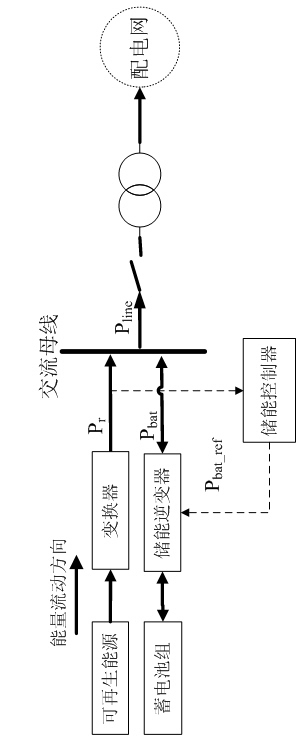
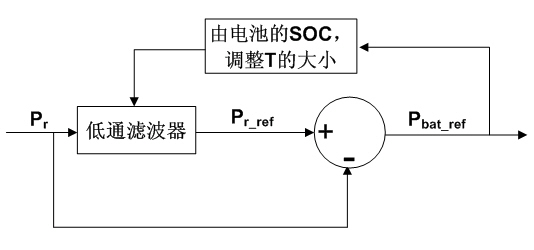
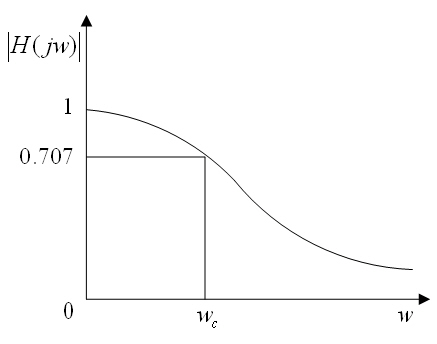
- A control method based on the first-order Butterworth low-pass filter is used to filter the output power of renewable energy, combined with the state of charge (SOC) feedback of the battery energy storage system, to dynamically adjust the filtering time constant to avoid overcharging of the battery. release and keep SOC within a stable range.

Grid Integration Standards for Renewable Systems
The integration of renewable energy systems into existing electrical grids requires adherence to comprehensive technical standards that ensure safe, reliable, and efficient operation. These standards have evolved significantly as renewable penetration levels have increased globally, necessitating more sophisticated control mechanisms such as feedback linearization to maintain grid stability while maximizing renewable energy output.
IEEE 1547 serves as the foundational standard for distributed energy resource interconnection, establishing requirements for voltage regulation, frequency response, and ride-through capabilities during grid disturbances. This standard has undergone substantial revisions to accommodate advanced inverter functions and smart grid capabilities, directly impacting how feedback linearization controllers must be designed to comply with grid codes while optimizing renewable output.
IEC 61400 series standards specifically address wind energy systems, defining power quality requirements, grid connection procedures, and fault ride-through specifications. These standards mandate specific response characteristics during voltage sags and frequency deviations, which feedback linearization controllers must incorporate to ensure compliance while maintaining optimal power extraction from variable wind resources.
Grid codes vary significantly across different regions, with European Network Codes, NERC standards in North America, and national grid codes in emerging markets each presenting unique requirements. These variations create challenges for renewable energy developers implementing feedback linearization control systems, as controllers must be adaptable to different voltage ranges, frequency tolerances, and reactive power requirements while maintaining consistent performance optimization.
Emerging standards focus on grid-forming capabilities for renewable systems, requiring inverters to provide voltage and frequency support rather than merely following grid conditions. This paradigm shift necessitates advanced control strategies where feedback linearization becomes crucial for managing the complex interactions between renewable output optimization and grid support functions.
Power quality standards such as IEEE 519 and IEC 61000 series establish harmonic distortion limits and electromagnetic compatibility requirements that directly influence control system design. Feedback linearization controllers must ensure renewable systems meet these stringent power quality requirements while maximizing energy capture, creating a multi-objective optimization challenge that requires sophisticated control algorithms and real-time adaptation capabilities.
IEEE 1547 serves as the foundational standard for distributed energy resource interconnection, establishing requirements for voltage regulation, frequency response, and ride-through capabilities during grid disturbances. This standard has undergone substantial revisions to accommodate advanced inverter functions and smart grid capabilities, directly impacting how feedback linearization controllers must be designed to comply with grid codes while optimizing renewable output.
IEC 61400 series standards specifically address wind energy systems, defining power quality requirements, grid connection procedures, and fault ride-through specifications. These standards mandate specific response characteristics during voltage sags and frequency deviations, which feedback linearization controllers must incorporate to ensure compliance while maintaining optimal power extraction from variable wind resources.
Grid codes vary significantly across different regions, with European Network Codes, NERC standards in North America, and national grid codes in emerging markets each presenting unique requirements. These variations create challenges for renewable energy developers implementing feedback linearization control systems, as controllers must be adaptable to different voltage ranges, frequency tolerances, and reactive power requirements while maintaining consistent performance optimization.
Emerging standards focus on grid-forming capabilities for renewable systems, requiring inverters to provide voltage and frequency support rather than merely following grid conditions. This paradigm shift necessitates advanced control strategies where feedback linearization becomes crucial for managing the complex interactions between renewable output optimization and grid support functions.
Power quality standards such as IEEE 519 and IEC 61000 series establish harmonic distortion limits and electromagnetic compatibility requirements that directly influence control system design. Feedback linearization controllers must ensure renewable systems meet these stringent power quality requirements while maximizing energy capture, creating a multi-objective optimization challenge that requires sophisticated control algorithms and real-time adaptation capabilities.
Environmental Impact of Advanced Control Systems
The implementation of feedback linearization control systems in renewable energy applications presents both significant environmental benefits and potential concerns that require careful evaluation. Advanced control systems utilizing feedback linearization techniques fundamentally aim to optimize renewable energy output while minimizing environmental disruption through precise mathematical modeling and real-time system adjustments.
From a positive environmental perspective, feedback linearization control systems substantially enhance the efficiency of renewable energy installations. These systems reduce energy waste by maintaining optimal operating conditions across varying environmental parameters, thereby maximizing clean energy generation per unit of installed capacity. The improved efficiency translates directly to reduced land use requirements for achieving equivalent energy output, preserving natural habitats and minimizing ecological footprint.
The precision control capabilities of feedback linearization systems contribute to grid stability, reducing the need for fossil fuel-based backup power generation. By smoothing output fluctuations and providing predictable power delivery, these control systems enable higher renewable energy penetration rates in electrical grids, accelerating the transition away from carbon-intensive energy sources.
However, the environmental impact extends beyond operational benefits to include manufacturing and lifecycle considerations. Advanced control systems require sophisticated electronic components, sensors, and computational hardware that involve rare earth elements and energy-intensive manufacturing processes. The production of high-precision sensors and digital signal processors generates carbon emissions and requires careful material sourcing to avoid environmental degradation in mining operations.
The increased complexity of feedback linearization systems also introduces potential reliability concerns that could impact environmental performance. System failures may result in suboptimal renewable energy operation or increased maintenance requirements, potentially offsetting some environmental benefits. Additionally, the computational demands of real-time feedback linearization algorithms require continuous power consumption, though this is typically minimal compared to the efficiency gains achieved.
Electronic waste management becomes increasingly important as these advanced control systems reach end-of-life, necessitating proper recycling protocols for sophisticated electronic components. The rapid advancement in control technology may also lead to shorter replacement cycles, potentially increasing electronic waste generation if not properly managed through circular economy principles.
From a positive environmental perspective, feedback linearization control systems substantially enhance the efficiency of renewable energy installations. These systems reduce energy waste by maintaining optimal operating conditions across varying environmental parameters, thereby maximizing clean energy generation per unit of installed capacity. The improved efficiency translates directly to reduced land use requirements for achieving equivalent energy output, preserving natural habitats and minimizing ecological footprint.
The precision control capabilities of feedback linearization systems contribute to grid stability, reducing the need for fossil fuel-based backup power generation. By smoothing output fluctuations and providing predictable power delivery, these control systems enable higher renewable energy penetration rates in electrical grids, accelerating the transition away from carbon-intensive energy sources.
However, the environmental impact extends beyond operational benefits to include manufacturing and lifecycle considerations. Advanced control systems require sophisticated electronic components, sensors, and computational hardware that involve rare earth elements and energy-intensive manufacturing processes. The production of high-precision sensors and digital signal processors generates carbon emissions and requires careful material sourcing to avoid environmental degradation in mining operations.
The increased complexity of feedback linearization systems also introduces potential reliability concerns that could impact environmental performance. System failures may result in suboptimal renewable energy operation or increased maintenance requirements, potentially offsetting some environmental benefits. Additionally, the computational demands of real-time feedback linearization algorithms require continuous power consumption, though this is typically minimal compared to the efficiency gains achieved.
Electronic waste management becomes increasingly important as these advanced control systems reach end-of-life, necessitating proper recycling protocols for sophisticated electronic components. The rapid advancement in control technology may also lead to shorter replacement cycles, potentially increasing electronic waste generation if not properly managed through circular economy principles.
Unlock deeper insights with PatSnap Eureka Quick Research — get a full tech report to explore trends and direct your research. Try now!
Generate Your Research Report Instantly with AI Agent
Supercharge your innovation with PatSnap Eureka AI Agent Platform!