

Solid Oxygen in Emergency Breather Systems: Functionality
JAN 30, 20269 MIN READ
Generate Your Research Report Instantly with AI Agent
Patsnap Eureka helps you evaluate technical feasibility & market potential.
Solid Oxygen Emergency Breather Background and Objectives
Emergency breathing systems represent a critical safety technology across multiple high-risk environments, including aviation, maritime operations, mining, firefighting, and confined space work. The fundamental challenge these systems address is providing immediate, reliable oxygen supply when ambient air becomes compromised or unavailable. Traditional compressed gas cylinders, while effective, present significant limitations in weight, bulk, storage requirements, and maintenance complexity. These constraints have driven sustained research into alternative oxygen generation technologies that offer improved portability, extended shelf life, and simplified deployment.
Solid oxygen generation technology emerged as a transformative solution to these challenges, leveraging chemical oxygen generators that produce breathable oxygen through exothermic reactions. The core principle involves oxygen-rich chemical compounds, primarily chlorates and perchlorates, which decompose when activated to release molecular oxygen. This approach eliminates the need for high-pressure storage vessels and offers remarkable stability over extended periods without maintenance. The technology gained prominence following its adoption in commercial aviation and military applications, where space efficiency and reliability under extreme conditions are paramount.
The primary objective of solid oxygen emergency breather systems is to deliver immediate respiratory protection with minimal user intervention. These systems must generate sufficient oxygen flow rates to sustain human respiration under stress conditions, typically 1-3 liters per minute, while maintaining safe temperature levels despite the exothermic nature of the chemical reaction. Duration requirements vary by application, ranging from 15 minutes for aircraft escape scenarios to several hours for mining refuge chambers.
Beyond basic oxygen generation, contemporary research objectives focus on enhancing system responsiveness, improving thermal management to prevent user discomfort or injury, extending operational duration without proportional weight increases, and developing more environmentally benign chemical formulations. Additional goals include creating fail-safe activation mechanisms that function reliably after years of storage, integrating breathing resistance characteristics that match human respiratory patterns, and ensuring compatibility with protective equipment such as hoods or masks. The overarching aim is achieving optimal balance between performance, safety, portability, and cost-effectiveness across diverse emergency scenarios.
Solid oxygen generation technology emerged as a transformative solution to these challenges, leveraging chemical oxygen generators that produce breathable oxygen through exothermic reactions. The core principle involves oxygen-rich chemical compounds, primarily chlorates and perchlorates, which decompose when activated to release molecular oxygen. This approach eliminates the need for high-pressure storage vessels and offers remarkable stability over extended periods without maintenance. The technology gained prominence following its adoption in commercial aviation and military applications, where space efficiency and reliability under extreme conditions are paramount.
The primary objective of solid oxygen emergency breather systems is to deliver immediate respiratory protection with minimal user intervention. These systems must generate sufficient oxygen flow rates to sustain human respiration under stress conditions, typically 1-3 liters per minute, while maintaining safe temperature levels despite the exothermic nature of the chemical reaction. Duration requirements vary by application, ranging from 15 minutes for aircraft escape scenarios to several hours for mining refuge chambers.
Beyond basic oxygen generation, contemporary research objectives focus on enhancing system responsiveness, improving thermal management to prevent user discomfort or injury, extending operational duration without proportional weight increases, and developing more environmentally benign chemical formulations. Additional goals include creating fail-safe activation mechanisms that function reliably after years of storage, integrating breathing resistance characteristics that match human respiratory patterns, and ensuring compatibility with protective equipment such as hoods or masks. The overarching aim is achieving optimal balance between performance, safety, portability, and cost-effectiveness across diverse emergency scenarios.
Market Demand for Emergency Oxygen Systems
The global market for emergency oxygen systems has experienced sustained growth driven by stringent safety regulations across multiple industries and heightened awareness of occupational health standards. Aviation, maritime transport, mining operations, and firefighting services represent the primary demand sectors, where regulatory compliance mandates the availability of reliable emergency breathing apparatus. The increasing frequency of industrial accidents and natural disasters has further amplified the necessity for portable, maintenance-free oxygen supply solutions that can be deployed rapidly in crisis situations.
Solid oxygen generators, particularly those utilizing chemical oxygen generation technology, have gained significant traction due to their operational advantages over compressed gas cylinders. These systems eliminate the risks associated with high-pressure storage, offer extended shelf life without degradation, and require minimal maintenance interventions. The aviation sector remains a dominant consumer, with commercial aircraft mandated to carry emergency oxygen systems for passengers and crew. Similarly, submarine operations and underground mining facilities require compact, reliable oxygen sources that function independently of ambient conditions.
The commercial aviation industry continues to drive substantial demand, particularly as global air traffic recovers and expands in emerging markets. Regulatory bodies such as the Federal Aviation Administration and the European Union Aviation Safety Agency enforce strict requirements for emergency oxygen provision, creating a stable and predictable market foundation. Beyond aviation, the maritime industry has witnessed increased adoption, especially in offshore oil and gas operations where workers face potential exposure to toxic gases and oxygen-deficient atmospheres.
Emerging applications in disaster preparedness and civil defense have opened new market segments. Government agencies and emergency response organizations are investing in stockpiles of portable oxygen systems for deployment during natural disasters, terrorist incidents, and pandemic scenarios. The recent global health crises have underscored the critical importance of emergency respiratory support systems, accelerating procurement initiatives across public safety organizations.
Technological advancements in chemical formulations and activation mechanisms have improved the reliability and user-friendliness of solid oxygen systems, reducing barriers to adoption. Market growth is further supported by the expansion of industrial activities in developing regions, where infrastructure development and resource extraction operations necessitate comprehensive safety equipment. The convergence of regulatory pressure, technological maturation, and expanding application domains positions the emergency oxygen systems market for continued expansion across diverse industrial and civilian sectors.
Solid oxygen generators, particularly those utilizing chemical oxygen generation technology, have gained significant traction due to their operational advantages over compressed gas cylinders. These systems eliminate the risks associated with high-pressure storage, offer extended shelf life without degradation, and require minimal maintenance interventions. The aviation sector remains a dominant consumer, with commercial aircraft mandated to carry emergency oxygen systems for passengers and crew. Similarly, submarine operations and underground mining facilities require compact, reliable oxygen sources that function independently of ambient conditions.
The commercial aviation industry continues to drive substantial demand, particularly as global air traffic recovers and expands in emerging markets. Regulatory bodies such as the Federal Aviation Administration and the European Union Aviation Safety Agency enforce strict requirements for emergency oxygen provision, creating a stable and predictable market foundation. Beyond aviation, the maritime industry has witnessed increased adoption, especially in offshore oil and gas operations where workers face potential exposure to toxic gases and oxygen-deficient atmospheres.
Emerging applications in disaster preparedness and civil defense have opened new market segments. Government agencies and emergency response organizations are investing in stockpiles of portable oxygen systems for deployment during natural disasters, terrorist incidents, and pandemic scenarios. The recent global health crises have underscored the critical importance of emergency respiratory support systems, accelerating procurement initiatives across public safety organizations.
Technological advancements in chemical formulations and activation mechanisms have improved the reliability and user-friendliness of solid oxygen systems, reducing barriers to adoption. Market growth is further supported by the expansion of industrial activities in developing regions, where infrastructure development and resource extraction operations necessitate comprehensive safety equipment. The convergence of regulatory pressure, technological maturation, and expanding application domains positions the emergency oxygen systems market for continued expansion across diverse industrial and civilian sectors.
Current Status and Challenges of Solid Oxygen Technology
Solid oxygen technology for emergency breather systems has achieved significant maturity in certain applications, particularly in aviation, mining, and submarine environments. The technology primarily relies on chemical oxygen generators that produce oxygen through exothermic reactions of alkali metal chlorates or perchlorates with catalysts. These systems have demonstrated reliable performance in controlled environments and have been standardized in commercial aircraft emergency oxygen systems for decades. The global market penetration remains concentrated in developed regions, with North America and Europe leading in both production and deployment.
Despite established applications, several technical challenges continue to constrain broader adoption and performance optimization. The primary concern involves reaction control and heat management, as the exothermic nature of oxygen generation can produce temperatures exceeding 260 degrees Celsius, creating potential safety hazards in confined spaces. Current systems struggle with precise oxygen flow rate regulation, as the chemical reaction, once initiated, cannot be easily modulated or terminated. This limitation poses risks in scenarios requiring variable oxygen delivery rates or extended usage periods.
Material stability and shelf life present ongoing challenges for solid oxygen systems. Chemical compounds used in oxygen generation are susceptible to degradation from moisture exposure and temperature fluctuations, potentially compromising reliability when activation is required after prolonged storage. Manufacturing consistency remains problematic, as variations in chemical composition and canister construction can lead to unpredictable performance characteristics. Quality control protocols require extensive testing, increasing production costs and time-to-market.
Environmental and regulatory pressures have intensified scrutiny of solid oxygen systems. The generation process produces toxic byproducts including barium compounds and chlorine derivatives, necessitating specialized disposal procedures. Regulatory frameworks across different jurisdictions impose varying requirements for testing, certification, and maintenance protocols, complicating international deployment. Additionally, the single-use nature of most solid oxygen generators conflicts with sustainability objectives, driving demand for more environmentally responsible alternatives. These multifaceted challenges necessitate continued research into advanced materials, reaction control mechanisms, and system integration approaches to enhance safety, reliability, and environmental compatibility.
Despite established applications, several technical challenges continue to constrain broader adoption and performance optimization. The primary concern involves reaction control and heat management, as the exothermic nature of oxygen generation can produce temperatures exceeding 260 degrees Celsius, creating potential safety hazards in confined spaces. Current systems struggle with precise oxygen flow rate regulation, as the chemical reaction, once initiated, cannot be easily modulated or terminated. This limitation poses risks in scenarios requiring variable oxygen delivery rates or extended usage periods.
Material stability and shelf life present ongoing challenges for solid oxygen systems. Chemical compounds used in oxygen generation are susceptible to degradation from moisture exposure and temperature fluctuations, potentially compromising reliability when activation is required after prolonged storage. Manufacturing consistency remains problematic, as variations in chemical composition and canister construction can lead to unpredictable performance characteristics. Quality control protocols require extensive testing, increasing production costs and time-to-market.
Environmental and regulatory pressures have intensified scrutiny of solid oxygen systems. The generation process produces toxic byproducts including barium compounds and chlorine derivatives, necessitating specialized disposal procedures. Regulatory frameworks across different jurisdictions impose varying requirements for testing, certification, and maintenance protocols, complicating international deployment. Additionally, the single-use nature of most solid oxygen generators conflicts with sustainability objectives, driving demand for more environmentally responsible alternatives. These multifaceted challenges necessitate continued research into advanced materials, reaction control mechanisms, and system integration approaches to enhance safety, reliability, and environmental compatibility.
Current Solid Oxygen Breather Solutions
01 Solid oxygen generation and release systems
Technologies for generating and releasing oxygen in solid form through chemical reactions or physical processes. These systems typically involve compounds that can decompose or react to produce oxygen gas when triggered by specific conditions such as moisture, heat, or catalysts. The solid oxygen sources are designed for controlled release applications in various environments.- Solid oxygen generation and release systems: Technologies for generating and releasing oxygen in solid form through chemical reactions or physical processes. These systems typically involve compounds that can decompose or react to produce oxygen gas when triggered by specific conditions such as moisture, heat, or catalysts. The solid oxygen sources are designed for controlled release applications in various environments.
- Oxygen-containing functional materials and composites: Development of solid materials incorporating oxygen-functional groups or oxygen-rich compounds to enhance material properties. These materials may include polymers, ceramics, or composite structures with embedded oxygen functionality for improved performance characteristics such as reactivity, stability, or biocompatibility in specific applications.
- Solid peroxide and superoxide compounds: Utilization of solid peroxide or superoxide compounds that provide oxygen functionality through their chemical structure. These compounds can serve as oxygen donors or oxidizing agents in various applications, offering stable storage and controlled oxygen release when needed through decomposition or chemical reaction mechanisms.
- Oxygen storage and delivery devices: Design and construction of devices or apparatus that store oxygen in solid form and deliver it in controlled manner. These systems may incorporate solid oxygen carriers, absorbents, or chemical oxygen generators integrated into portable or stationary units for medical, industrial, or emergency applications requiring reliable oxygen supply.
- Solid oxygen carriers for biological and environmental applications: Development of solid materials capable of carrying and releasing oxygen for biological systems or environmental remediation. These carriers are designed to provide sustained oxygen delivery in aquatic environments, soil treatment, or biomedical applications where dissolved or gaseous oxygen supply is limited or needs to be controlled over extended periods.
02 Oxygen-containing functional materials and composites
Development of solid materials incorporating oxygen-functional groups or oxygen-rich compounds to enhance material properties. These materials may include polymers, ceramics, or composite structures with embedded oxygen functionality for improved performance characteristics such as reactivity, stability, or biocompatibility in specific applications.Expand Specific Solutions03 Oxygen storage and delivery devices
Apparatus and systems designed for storing oxygen in solid state and delivering it in controlled manner. These devices utilize solid oxygen carriers or oxygen-releasing compounds packaged in specific configurations to provide portable, stable, and safe oxygen supply for medical, industrial, or emergency applications.Expand Specific Solutions04 Solid peroxide and superoxide compounds
Chemical compositions based on peroxide or superoxide compounds in solid form that provide oxygen functionality. These compounds can serve as oxygen sources, oxidizing agents, or reactive materials in various chemical processes, with applications ranging from bleaching to energy storage and environmental remediation.Expand Specific Solutions05 Oxygen-functional coatings and surface treatments
Surface modification technologies that introduce oxygen functionality onto solid substrates through coatings, films, or chemical treatments. These treatments enhance surface properties such as wettability, adhesion, corrosion resistance, or biological compatibility by incorporating oxygen-containing functional groups or layers onto the material surface.Expand Specific Solutions
Key Players in Emergency Breather Manufacturing
The emergency breather systems market utilizing solid oxygen technology is experiencing steady growth, driven by increasing safety regulations across aerospace, maritime, and industrial sectors. The industry is in a mature development stage with established players like B/E Aerospace, Hamilton Sundstrand Corp., and Air Products & Chemicals leading the market. Technology maturity varies significantly among participants, with aerospace specialists such as B/E Aerospace and Hamilton Sundstrand demonstrating advanced integration capabilities in aircraft oxygen systems, while companies like Inovytec Medical Solutions and Fisher & Paykel Healthcare are advancing portable emergency respiratory solutions. The competitive landscape shows consolidation trends, particularly in aerospace applications, while emerging players focus on miniaturization and enhanced reliability. Market expansion is supported by growing demand in commercial aviation, defense applications, and emergency medical services, with key technological developments centered on improving oxygen generation efficiency, system compactness, and deployment reliability under extreme conditions.
B/E Aerospace, Inc.
Technical Solution: B/E Aerospace specializes in aircraft cabin interior products and oxygen systems for commercial aviation. Their solid oxygen emergency breather systems utilize chemical oxygen generators containing sodium chlorate or similar compounds that decompose when activated to produce breathable oxygen[1][4]. The system is designed for rapid deployment in emergency depressurization scenarios, providing 12-22 minutes of continuous oxygen supply per passenger. The generators are lightweight, maintenance-free, and strategically positioned throughout the aircraft cabin in overhead compartments. The chemical reaction is initiated by a mechanical pull mechanism that triggers an exothermic decomposition process, generating oxygen at flow rates of 2-4 liters per minute at standard atmospheric pressure[7][9].
Strengths: Proven reliability in commercial aviation with FAA certification, compact design requiring minimal storage space, no pre-flight maintenance required. Weaknesses: Single-use only with no reusability, potential heat generation during activation poses burn risks, limited oxygen duration compared to compressed gas systems.
Hamilton Sundstrand Corp.
Technical Solution: Hamilton Sundstrand, a subsidiary of Collins Aerospace, develops advanced emergency oxygen systems for both military and commercial aircraft applications. Their solid oxygen technology employs potassium superoxide (KO2) or lithium perchlorate-based chemical cartridges that generate oxygen through catalytic decomposition[2][5]. The system features integrated pressure regulators and flow control mechanisms to ensure consistent oxygen delivery across varying altitude conditions. Their emergency breather units are designed with dual-stage activation systems providing enhanced safety margins, delivering oxygen concentrations exceeding 95% purity. The technology incorporates thermal management systems to dissipate heat generated during the exothermic reaction, with typical operational temperatures maintained below 150°C. Each unit provides 15-20 minutes of emergency oxygen supply with flow rates automatically adjusted based on ambient pressure sensors[8][11].
Strengths: Advanced thermal management reduces burn risks, automatic flow adjustment optimizes oxygen conservation, extensive military qualification testing ensures high reliability. Weaknesses: Higher initial cost compared to basic chemical generators, more complex activation mechanism increases potential failure points, heavier weight impacts aircraft payload considerations.
Core Patents in Solid Oxygen Generation Technology
Supplemental oxygen supply system
PatentInactiveUS3615250A
Innovation
- A hermetically sealed system with multiple combustible oxygen-yielding containers and a remotely controlled ignition system, including a test circuit to ensure the operativeness of seals and ignition, distributed throughout the aircraft to minimize centralization and prevent chemical degradation by moisture, with a fusible disc for controlled oxygen release.


Hybrid on-board generation of oxygen for aircraft passengers
PatentActiveUS20150343244A1
Innovation
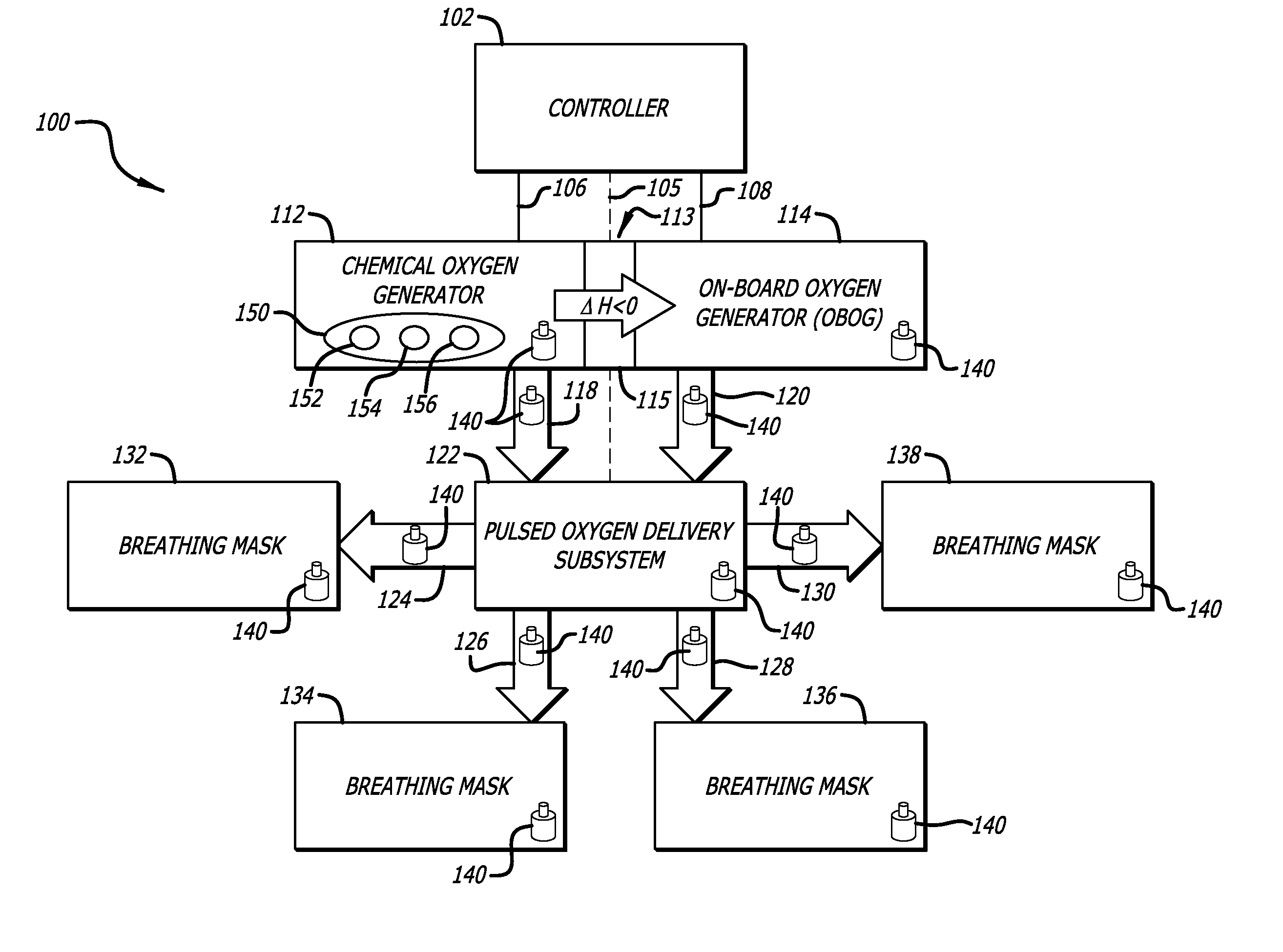
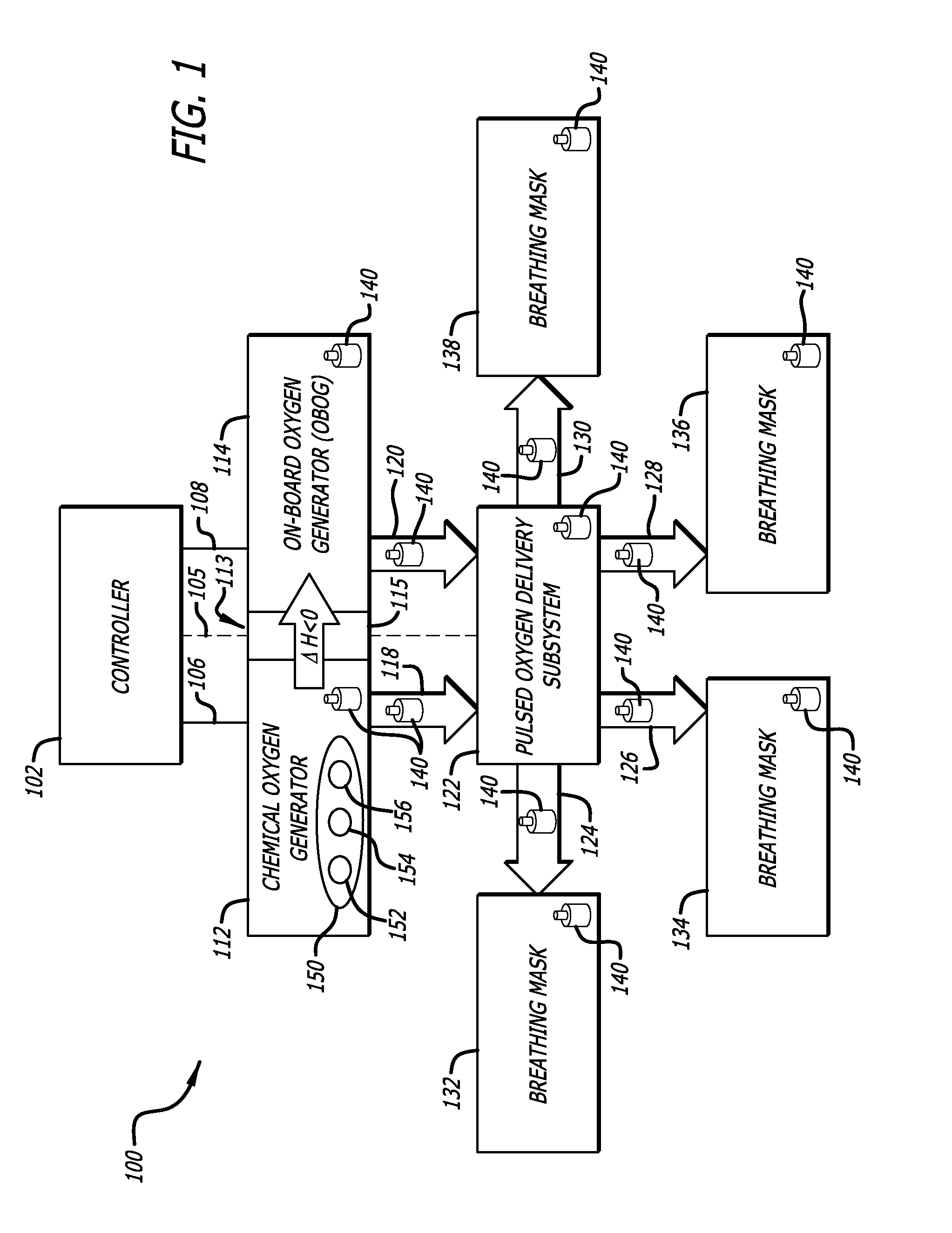
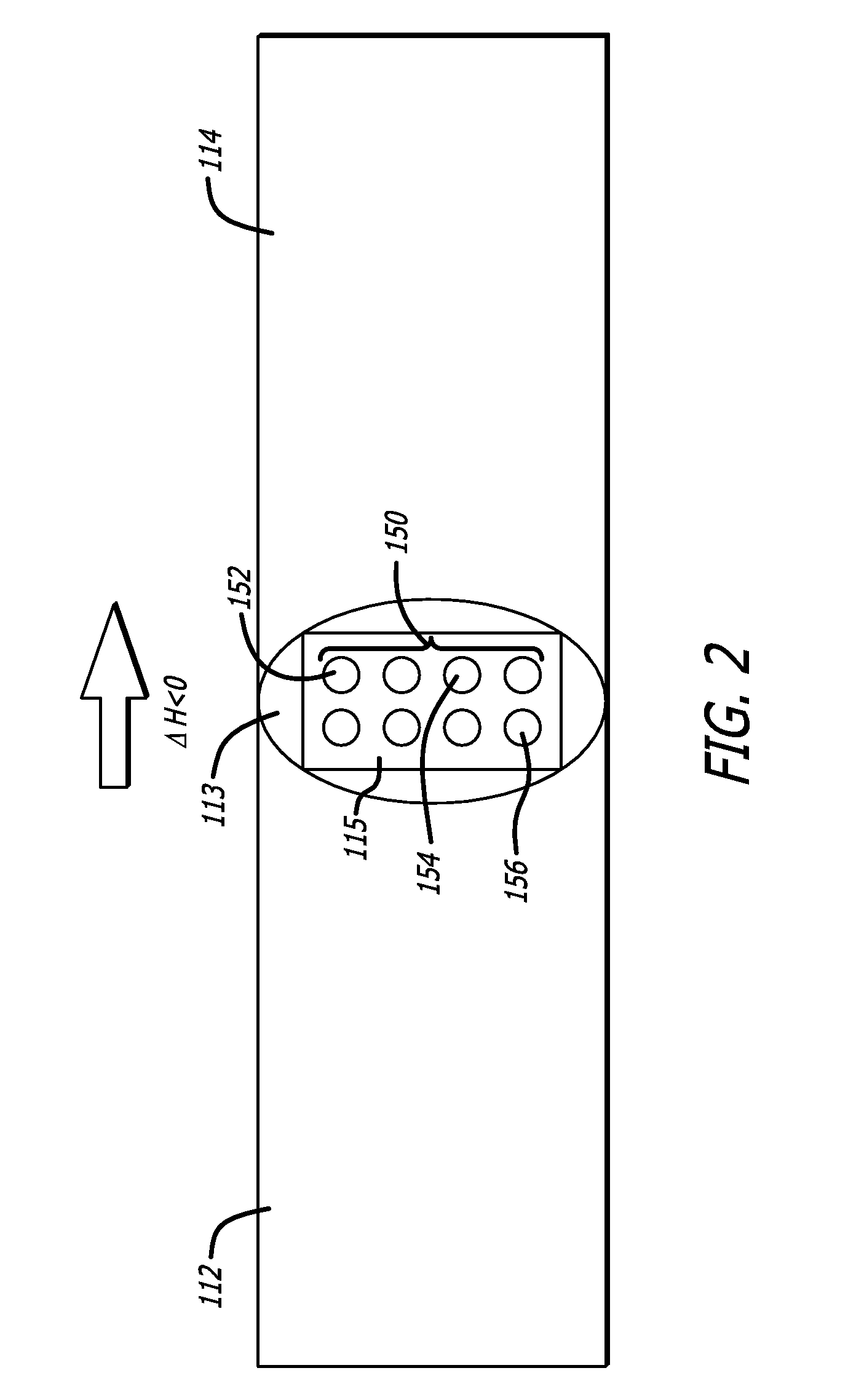
- A hybrid system that combines chemical and ceramic oxygen generators, where excess heat from chemical oxygen generators is used to rapidly heat ceramic membranes, enabling quicker operation of ceramic oxygen generators and providing prompt and intermittent oxygen supply through a heat exchange interface, thereby overcoming the limitations of both technologies.

Safety Standards and Regulatory Requirements
The deployment of solid oxygen emergency breather systems is governed by a comprehensive framework of safety standards and regulatory requirements that span international, national, and industry-specific levels. These regulations are designed to ensure the reliability, safety, and effectiveness of oxygen generation devices in life-threatening situations, particularly in confined spaces, maritime environments, aviation, and mining operations.
International standards organizations such as the International Maritime Organization (IMO) and the International Civil Aviation Organization (ICAO) have established fundamental requirements for emergency breathing apparatus. The IMO's SOLAS Convention mandates specific performance criteria for emergency escape breathing devices (EEBDs) on vessels, including minimum oxygen supply duration, activation time, and environmental resistance. Similarly, ICAO Annex 6 stipulates requirements for portable oxygen equipment in aircraft, emphasizing rapid deployment and consistent oxygen delivery under varying atmospheric conditions.
National regulatory bodies enforce jurisdiction-specific compliance measures. In the United States, the Mine Safety and Health Administration (MSHA) regulates self-contained self-rescuers (SCSRs) used in underground mining, requiring rigorous testing protocols and certification processes. The Occupational Safety and Health Administration (OSHA) establishes workplace safety standards that govern the use of emergency respiratory protection equipment across various industries. European Union directives, particularly the Personal Protective Equipment Regulation (EU) 2016/425, mandate conformity assessment procedures and CE marking for emergency breathing devices marketed within member states.
Industry-specific standards provide detailed technical specifications. The National Fire Protection Association (NFPA) standards, particularly NFPA 1981 and NFPA 1404, define performance requirements for self-contained breathing apparatus used by firefighters. Military specifications such as MIL-PRF-32440 establish stringent criteria for oxygen generation systems in defense applications, addressing factors including shock resistance, temperature extremes, and storage stability.
Certification processes typically involve comprehensive testing protocols that evaluate oxygen generation rate, canister temperature management, breathing resistance, and system integrity under simulated emergency conditions. Manufacturers must demonstrate compliance through third-party testing laboratories accredited by recognized bodies such as the National Institute for Occupational Safety and Health (NIOSH) or equivalent international certification authorities. Regular recertification and batch testing requirements ensure ongoing quality assurance throughout the product lifecycle.
International standards organizations such as the International Maritime Organization (IMO) and the International Civil Aviation Organization (ICAO) have established fundamental requirements for emergency breathing apparatus. The IMO's SOLAS Convention mandates specific performance criteria for emergency escape breathing devices (EEBDs) on vessels, including minimum oxygen supply duration, activation time, and environmental resistance. Similarly, ICAO Annex 6 stipulates requirements for portable oxygen equipment in aircraft, emphasizing rapid deployment and consistent oxygen delivery under varying atmospheric conditions.
National regulatory bodies enforce jurisdiction-specific compliance measures. In the United States, the Mine Safety and Health Administration (MSHA) regulates self-contained self-rescuers (SCSRs) used in underground mining, requiring rigorous testing protocols and certification processes. The Occupational Safety and Health Administration (OSHA) establishes workplace safety standards that govern the use of emergency respiratory protection equipment across various industries. European Union directives, particularly the Personal Protective Equipment Regulation (EU) 2016/425, mandate conformity assessment procedures and CE marking for emergency breathing devices marketed within member states.
Industry-specific standards provide detailed technical specifications. The National Fire Protection Association (NFPA) standards, particularly NFPA 1981 and NFPA 1404, define performance requirements for self-contained breathing apparatus used by firefighters. Military specifications such as MIL-PRF-32440 establish stringent criteria for oxygen generation systems in defense applications, addressing factors including shock resistance, temperature extremes, and storage stability.
Certification processes typically involve comprehensive testing protocols that evaluate oxygen generation rate, canister temperature management, breathing resistance, and system integrity under simulated emergency conditions. Manufacturers must demonstrate compliance through third-party testing laboratories accredited by recognized bodies such as the National Institute for Occupational Safety and Health (NIOSH) or equivalent international certification authorities. Regular recertification and batch testing requirements ensure ongoing quality assurance throughout the product lifecycle.
Environmental Impact of Solid Oxygen Materials
The environmental implications of solid oxygen materials used in emergency breather systems warrant comprehensive examination across their entire lifecycle, from raw material extraction through manufacturing, deployment, and eventual disposal. These materials, primarily composed of alkali metal chlorates and perchlorides, present distinct environmental considerations that differ significantly from traditional compressed gas systems.
During the manufacturing phase, the production of sodium chlorate and potassium chlorate involves electrochemical processes that consume substantial electrical energy and generate chlorine-based byproducts. The synthesis requires careful management of chemical precursors and produces wastewater streams containing residual chlorates and chlorides. Modern production facilities have implemented closed-loop systems to minimize effluent discharge, yet the carbon footprint associated with energy-intensive electrolysis remains a concern. The purification and crystallization stages further contribute to water consumption and thermal energy requirements.
The operational environmental profile of solid oxygen systems demonstrates notable advantages over conventional alternatives. Unlike high-pressure oxygen cylinders that require energy-intensive compression and periodic refilling logistics, solid oxygen generators function as single-use, self-contained units with minimal transportation burden. The chemical reaction produces primarily sodium chloride or potassium chloride as residual products, which exhibit relatively low toxicity compared to many industrial chemicals. However, the irreversible nature of the oxygen generation process means each canister represents a one-time resource utilization.
Post-use disposal presents specific challenges requiring specialized handling protocols. Spent canisters contain metal chloride salts, residual unreacted chemicals, and metal housing components. While the primary reaction products are environmentally benign, trace amounts of unreacted chlorates pose potential oxidative hazards if improperly disposed. Current best practices recommend segregated collection and processing through certified hazardous waste facilities, though the classification varies across regulatory jurisdictions.
The comparative environmental assessment reveals trade-offs between system types. Solid oxygen generators eliminate the greenhouse gas emissions associated with repeated cylinder transportation and the energy costs of gas compression infrastructure. However, their single-use nature generates more material waste per oxygen volume delivered compared to refillable systems. Lifecycle analysis indicates that for emergency applications with infrequent activation, solid oxygen systems may demonstrate favorable environmental profiles, whereas high-frequency use scenarios favor reusable compressed gas systems.
During the manufacturing phase, the production of sodium chlorate and potassium chlorate involves electrochemical processes that consume substantial electrical energy and generate chlorine-based byproducts. The synthesis requires careful management of chemical precursors and produces wastewater streams containing residual chlorates and chlorides. Modern production facilities have implemented closed-loop systems to minimize effluent discharge, yet the carbon footprint associated with energy-intensive electrolysis remains a concern. The purification and crystallization stages further contribute to water consumption and thermal energy requirements.
The operational environmental profile of solid oxygen systems demonstrates notable advantages over conventional alternatives. Unlike high-pressure oxygen cylinders that require energy-intensive compression and periodic refilling logistics, solid oxygen generators function as single-use, self-contained units with minimal transportation burden. The chemical reaction produces primarily sodium chloride or potassium chloride as residual products, which exhibit relatively low toxicity compared to many industrial chemicals. However, the irreversible nature of the oxygen generation process means each canister represents a one-time resource utilization.
Post-use disposal presents specific challenges requiring specialized handling protocols. Spent canisters contain metal chloride salts, residual unreacted chemicals, and metal housing components. While the primary reaction products are environmentally benign, trace amounts of unreacted chlorates pose potential oxidative hazards if improperly disposed. Current best practices recommend segregated collection and processing through certified hazardous waste facilities, though the classification varies across regulatory jurisdictions.
The comparative environmental assessment reveals trade-offs between system types. Solid oxygen generators eliminate the greenhouse gas emissions associated with repeated cylinder transportation and the energy costs of gas compression infrastructure. However, their single-use nature generates more material waste per oxygen volume delivered compared to refillable systems. Lifecycle analysis indicates that for emergency applications with infrequent activation, solid oxygen systems may demonstrate favorable environmental profiles, whereas high-frequency use scenarios favor reusable compressed gas systems.
Unlock deeper insights with Patsnap Eureka Quick Research — get a full tech report to explore trends and direct your research. Try now!
Generate Your Research Report Instantly with AI Agent
Supercharge your innovation with Patsnap Eureka AI Agent Platform!