

Advance Solid Oxygen Storage for Efficient Resource Use
JAN 30, 20269 MIN READ
Generate Your Research Report Instantly with AI Agent
Patsnap Eureka helps you evaluate technical feasibility & market potential.
Solid Oxygen Storage Technology Background and Objectives
Solid oxygen storage technology represents a critical frontier in advanced materials science and energy systems, addressing the fundamental challenge of efficiently storing and utilizing oxygen in its solid state. This technology has evolved from early cryogenic storage methods to sophisticated chemical and physical adsorption systems, driven by the increasing demand for compact, safe, and efficient oxygen delivery solutions across multiple industrial sectors. The historical development traces back to basic metal oxide systems in the mid-20th century, progressing through zeolite-based materials in the 1980s, and advancing to contemporary nanomaterial and metal-organic framework approaches that offer unprecedented storage densities and release kinetics.
The technological evolution has been propelled by critical applications in aerospace propulsion, medical oxygen therapy, environmental remediation, and emerging energy conversion systems. Traditional gaseous and liquid oxygen storage methods present significant limitations including high pressure requirements, substantial energy consumption for liquefaction, and safety concerns related to handling highly reactive oxygen. These constraints have catalyzed research into solid-state alternatives that can reversibly absorb and release oxygen under controlled conditions with minimal energy input.
Current research trajectories focus on developing materials with enhanced oxygen storage capacity, improved cycling stability, and optimized thermodynamic properties for specific application contexts. The primary technical objectives encompass achieving storage densities exceeding 15 weight percent oxygen content, establishing rapid adsorption-desorption kinetics suitable for dynamic operational demands, and ensuring material stability over thousands of charge-discharge cycles. Additionally, cost-effectiveness and scalability for industrial production remain paramount considerations.
The strategic importance of solid oxygen storage technology extends beyond immediate applications, positioning it as an enabling technology for sustainable resource utilization, particularly in closed-loop life support systems, portable medical devices, and next-generation combustion systems. The convergence of nanotechnology, computational materials design, and advanced characterization techniques has opened unprecedented opportunities for breakthrough innovations in this domain, making it a high-priority area for forward-looking research and development initiatives.
The technological evolution has been propelled by critical applications in aerospace propulsion, medical oxygen therapy, environmental remediation, and emerging energy conversion systems. Traditional gaseous and liquid oxygen storage methods present significant limitations including high pressure requirements, substantial energy consumption for liquefaction, and safety concerns related to handling highly reactive oxygen. These constraints have catalyzed research into solid-state alternatives that can reversibly absorb and release oxygen under controlled conditions with minimal energy input.
Current research trajectories focus on developing materials with enhanced oxygen storage capacity, improved cycling stability, and optimized thermodynamic properties for specific application contexts. The primary technical objectives encompass achieving storage densities exceeding 15 weight percent oxygen content, establishing rapid adsorption-desorption kinetics suitable for dynamic operational demands, and ensuring material stability over thousands of charge-discharge cycles. Additionally, cost-effectiveness and scalability for industrial production remain paramount considerations.
The strategic importance of solid oxygen storage technology extends beyond immediate applications, positioning it as an enabling technology for sustainable resource utilization, particularly in closed-loop life support systems, portable medical devices, and next-generation combustion systems. The convergence of nanotechnology, computational materials design, and advanced characterization techniques has opened unprecedented opportunities for breakthrough innovations in this domain, making it a high-priority area for forward-looking research and development initiatives.
Market Demand Analysis for Oxygen Storage Solutions
The global demand for oxygen storage solutions is experiencing significant growth driven by multiple industrial and societal factors. Healthcare systems worldwide require reliable oxygen supply infrastructure, particularly highlighted during recent public health crises when medical oxygen shortages became critical bottlenecks in patient care. Hospitals, emergency medical services, and home healthcare providers constitute a substantial and expanding market segment seeking efficient, safe, and cost-effective oxygen storage technologies.
Industrial applications represent another major demand driver, with sectors including metallurgy, chemical processing, wastewater treatment, and glass manufacturing requiring consistent oxygen supplies for operational efficiency. The aerospace and defense industries also maintain specialized requirements for compact, lightweight oxygen storage systems. Traditional liquid and gaseous oxygen storage methods face limitations in energy consumption, safety concerns, and logistical complexity, creating market opportunities for advanced solid-state alternatives.
Environmental sustainability considerations are reshaping market preferences toward oxygen storage solutions with reduced carbon footprints. Industries are increasingly seeking technologies that minimize energy consumption during storage and transportation while maintaining operational reliability. This shift aligns with global decarbonization initiatives and corporate sustainability commitments, positioning advanced solid oxygen storage as an attractive alternative to conventional methods.
Emerging applications in aquaculture, environmental remediation, and portable life support systems are expanding the addressable market beyond traditional sectors. Remote and off-grid locations present particular challenges where conventional oxygen delivery infrastructure proves impractical or economically unfeasible. The growing emphasis on resource efficiency and circular economy principles further amplifies demand for storage technologies that reduce waste and optimize oxygen utilization rates.
Market growth trajectories indicate sustained expansion across both developed and developing economies. Developing regions experiencing rapid industrialization and healthcare infrastructure development represent high-growth potential markets. Meanwhile, mature markets demonstrate increasing replacement demand as aging infrastructure requires modernization to meet contemporary safety and efficiency standards. The convergence of these factors establishes a robust and diversified market foundation for advanced oxygen storage innovations.
Industrial applications represent another major demand driver, with sectors including metallurgy, chemical processing, wastewater treatment, and glass manufacturing requiring consistent oxygen supplies for operational efficiency. The aerospace and defense industries also maintain specialized requirements for compact, lightweight oxygen storage systems. Traditional liquid and gaseous oxygen storage methods face limitations in energy consumption, safety concerns, and logistical complexity, creating market opportunities for advanced solid-state alternatives.
Environmental sustainability considerations are reshaping market preferences toward oxygen storage solutions with reduced carbon footprints. Industries are increasingly seeking technologies that minimize energy consumption during storage and transportation while maintaining operational reliability. This shift aligns with global decarbonization initiatives and corporate sustainability commitments, positioning advanced solid oxygen storage as an attractive alternative to conventional methods.
Emerging applications in aquaculture, environmental remediation, and portable life support systems are expanding the addressable market beyond traditional sectors. Remote and off-grid locations present particular challenges where conventional oxygen delivery infrastructure proves impractical or economically unfeasible. The growing emphasis on resource efficiency and circular economy principles further amplifies demand for storage technologies that reduce waste and optimize oxygen utilization rates.
Market growth trajectories indicate sustained expansion across both developed and developing economies. Developing regions experiencing rapid industrialization and healthcare infrastructure development represent high-growth potential markets. Meanwhile, mature markets demonstrate increasing replacement demand as aging infrastructure requires modernization to meet contemporary safety and efficiency standards. The convergence of these factors establishes a robust and diversified market foundation for advanced oxygen storage innovations.
Current Status and Challenges in Solid Oxygen Storage
Solid oxygen storage technology has emerged as a critical area of research driven by the increasing demand for efficient oxygen supply systems in aerospace, medical, and industrial applications. Current approaches primarily rely on chemical oxygen generators, oxygen-enriched compounds, and metal oxide-based storage materials. These systems aim to provide compact, safe, and controllable oxygen release mechanisms that surpass traditional cryogenic or high-pressure gas storage methods in terms of energy efficiency and operational convenience.
The predominant technologies in solid oxygen storage include alkali metal peroxides and superoxides, transition metal oxides such as perovskites and spinels, and chemical oxygen candles based on chlorate or perchlorate compounds. Perovskite-structured materials have attracted significant attention due to their reversible oxygen absorption and desorption capabilities at moderate temperatures. However, these materials often suffer from slow kinetics and limited cycling stability, restricting their practical deployment in dynamic operational environments.
Geographically, research and development activities are concentrated in technologically advanced regions including North America, Europe, and East Asia, particularly in countries with robust aerospace and defense industries. The United States, Japan, Germany, and China have established leading positions through substantial investments in materials science and oxygen storage system development. Academic institutions and national laboratories in these regions collaborate closely with industry partners to advance fundamental understanding and accelerate commercialization efforts.
Despite notable progress, several critical challenges impede the widespread adoption of solid oxygen storage systems. The primary technical obstacle involves achieving high oxygen storage capacity while maintaining rapid release kinetics and thermal stability. Many promising materials exhibit trade-offs between storage density and release controllability, complicating system design for specific applications. Material degradation during repeated charge-discharge cycles remains a persistent issue, with structural changes and phase transformations reducing long-term reliability.
Safety concerns constitute another significant challenge, as many oxygen-rich compounds pose explosion or fire hazards under certain conditions. Developing materials with intrinsic safety features while preserving performance characteristics requires sophisticated material engineering and comprehensive safety testing protocols. Additionally, the energy requirements for oxygen loading and the complexity of regeneration processes limit the economic viability of certain solid oxygen storage solutions, particularly for large-scale industrial applications where cost-effectiveness is paramount.
The predominant technologies in solid oxygen storage include alkali metal peroxides and superoxides, transition metal oxides such as perovskites and spinels, and chemical oxygen candles based on chlorate or perchlorate compounds. Perovskite-structured materials have attracted significant attention due to their reversible oxygen absorption and desorption capabilities at moderate temperatures. However, these materials often suffer from slow kinetics and limited cycling stability, restricting their practical deployment in dynamic operational environments.
Geographically, research and development activities are concentrated in technologically advanced regions including North America, Europe, and East Asia, particularly in countries with robust aerospace and defense industries. The United States, Japan, Germany, and China have established leading positions through substantial investments in materials science and oxygen storage system development. Academic institutions and national laboratories in these regions collaborate closely with industry partners to advance fundamental understanding and accelerate commercialization efforts.
Despite notable progress, several critical challenges impede the widespread adoption of solid oxygen storage systems. The primary technical obstacle involves achieving high oxygen storage capacity while maintaining rapid release kinetics and thermal stability. Many promising materials exhibit trade-offs between storage density and release controllability, complicating system design for specific applications. Material degradation during repeated charge-discharge cycles remains a persistent issue, with structural changes and phase transformations reducing long-term reliability.
Safety concerns constitute another significant challenge, as many oxygen-rich compounds pose explosion or fire hazards under certain conditions. Developing materials with intrinsic safety features while preserving performance characteristics requires sophisticated material engineering and comprehensive safety testing protocols. Additionally, the energy requirements for oxygen loading and the complexity of regeneration processes limit the economic viability of certain solid oxygen storage solutions, particularly for large-scale industrial applications where cost-effectiveness is paramount.
Current Solid Oxygen Storage Technical Solutions
01 Chemical looping oxygen storage materials
Solid oxygen storage materials based on chemical looping processes utilize metal oxides that can reversibly release and absorb oxygen through redox reactions. These materials enable efficient oxygen storage and release cycles, improving resource utilization by allowing repeated use without significant degradation. The technology focuses on optimizing the oxygen carrying capacity and cycling stability of the materials to maximize efficiency in various applications including combustion and chemical production processes.- Chemical looping oxygen storage materials: Solid oxygen storage materials based on chemical looping processes utilize metal oxides that can reversibly release and absorb oxygen through redox reactions. These materials enable efficient oxygen storage and release cycles, improving resource utilization by allowing repeated use without significant degradation. The technology focuses on optimizing the oxygen carrying capacity and cycling stability of the storage materials.
- Perovskite-based oxygen storage systems: Perovskite-structured materials serve as effective solid oxygen storage media due to their high oxygen vacancy concentration and mobility. These materials demonstrate excellent oxygen absorption and desorption properties at elevated temperatures, enabling efficient resource utilization through enhanced oxygen transfer kinetics and structural stability during cycling operations.
- Composite oxygen storage materials with enhanced capacity: Composite materials combining multiple metal oxides or incorporating support structures provide improved oxygen storage capacity and utilization efficiency. These composites optimize the distribution of active sites and enhance mass transfer properties, resulting in better resource efficiency through increased oxygen storage density and faster kinetics.
- Regeneration and recycling methods for oxygen carriers: Technologies for regenerating and recycling solid oxygen storage materials focus on restoring the oxygen carrying capacity after multiple cycles. These methods include thermal treatment, chemical activation, and mechanical processing to maintain material performance and extend operational lifetime, thereby improving overall resource use efficiency.
- Nanostructured oxygen storage materials: Nanostructured solid oxygen storage materials with controlled morphology and particle size distribution exhibit enhanced surface area and improved oxygen diffusion characteristics. The nanoscale engineering of these materials leads to superior oxygen storage performance and better resource utilization through optimized reaction kinetics and increased active site accessibility.
02 Perovskite-based oxygen storage systems
Perovskite-structured materials serve as effective solid oxygen storage media due to their high oxygen vacancy concentration and mobility. These materials demonstrate excellent oxygen absorption and desorption characteristics at elevated temperatures, enabling efficient resource utilization through rapid oxygen exchange kinetics. The crystalline structure allows for tunable oxygen storage capacity by adjusting the composition of metal cations, leading to optimized performance for specific applications.Expand Specific Solutions03 Composite oxygen storage materials with enhanced durability
Composite materials combining multiple metal oxides or incorporating support structures provide improved mechanical stability and thermal resistance for oxygen storage applications. These composites enhance resource use efficiency by extending the operational lifetime and maintaining consistent performance over numerous oxygen absorption-desorption cycles. The synergistic effects between different components result in superior oxygen storage capacity and faster kinetics compared to single-component systems.Expand Specific Solutions04 Nanostructured oxygen storage materials
Nanostructured solid oxygen storage materials feature high surface area and reduced diffusion distances, significantly improving oxygen uptake and release rates. The nanoscale architecture enhances resource efficiency by maximizing the utilization of active material and reducing the amount of material required for equivalent storage capacity. These materials demonstrate superior performance in terms of response time and cycling stability compared to conventional bulk materials.Expand Specific Solutions05 Integrated oxygen storage and separation systems
Integrated systems combine oxygen storage materials with separation membranes or reactor designs to optimize overall resource utilization efficiency. These systems enable simultaneous oxygen separation from air or other gas mixtures and storage in solid materials, reducing energy consumption and improving process economics. The integration approach maximizes the effective use of stored oxygen by minimizing losses and enabling direct utilization in downstream processes without intermediate handling steps.Expand Specific Solutions
Major Players in Oxygen Storage Industry
The advanced solid oxygen storage technology field is experiencing early-to-mid stage development, characterized by intensifying competition among diverse players spanning automotive, materials, energy, and research sectors. The market demonstrates significant growth potential driven by clean energy transitions and industrial efficiency demands. Technology maturity varies considerably across participants: established materials leaders like Umicore SA, Air Liquide SA, and LG Chem Ltd. leverage proven chemical engineering capabilities, while automotive giants Toyota Motor Corp. and Samsung Electronics Co., Ltd. focus on application integration. Energy sector players including PetroChina Co., Ltd. and Indian Oil Corp. Ltd. pursue resource optimization, complemented by specialized firms like Form Energy, Inc. advancing novel storage solutions. Leading research institutions such as China University of Mining & Technology, Southeast University, and Northwestern University drive fundamental breakthroughs, while industrial manufacturers including voestalpine AG and The Japan Steel Works Ltd. develop production-scale implementations, collectively advancing this strategically important technology toward commercial viability.
Umicore SA
Technical Solution: Umicore specializes in advanced oxygen storage materials for automotive catalytic applications, developing cerium-based mixed oxide materials with enhanced oxygen storage capacity (OSC). Their proprietary formulations combine cerium oxide with zirconium, praseodymium, and other rare earth elements to create materials with OSC values exceeding 800 μmol O₂/g catalyst. The technology focuses on nanostructured materials with high surface areas (>100 m²/g) and optimized pore structures that facilitate rapid oxygen diffusion and storage. Umicore's materials demonstrate exceptional thermal stability up to 1000°C and maintain performance over 150,000 km vehicle operation. These oxygen storage components are critical for three-way catalysts, enabling efficient conversion of NOx, CO, and hydrocarbons by buffering oxygen concentration fluctuations in exhaust gases, thereby improving emission control efficiency by 25-35% compared to conventional catalysts.
Strengths: Industry-leading expertise in catalytic materials; excellent high-temperature stability and durability; proven performance in millions of vehicles worldwide. Weaknesses: Dependence on rare earth elements creates supply chain vulnerabilities and cost fluctuations; primarily optimized for high-temperature automotive applications rather than ambient conditions.
Toyota Motor Corp.
Technical Solution: Toyota has pioneered solid-state oxygen storage materials based on perovskite-type oxides and mixed ionic-electronic conductors for automotive and fuel cell applications. Their research focuses on oxygen storage capacity materials that can reversibly absorb and release oxygen at moderate temperatures (400-800°C), achieving storage capacities exceeding 5 wt% oxygen. The technology utilizes cerium-zirconium mixed oxides with enhanced oxygen vacancy formation, enabling rapid oxygen uptake and release kinetics essential for three-way catalytic converters and solid oxide fuel cells. Toyota's approach integrates these materials into compact storage modules with thermal management systems, targeting applications in hydrogen fuel cell vehicles where efficient oxygen management directly impacts system efficiency and reduces platinum group metal usage by up to 40%.
Strengths: Deep expertise in automotive catalysis and fuel cell technology; proven materials with excellent cycling stability and fast kinetics. Weaknesses: Operating temperature requirements limit ambient temperature applications; material costs remain relatively high for large-scale deployment beyond automotive sector.
Core Patents in Advanced Solid Oxygen Materials
Oxygen storage capacity substance and method of oxygen storage capacity in three-way catalyst for purifying automotive exhaust gas
PatentInactiveUS20090148369A1
Innovation
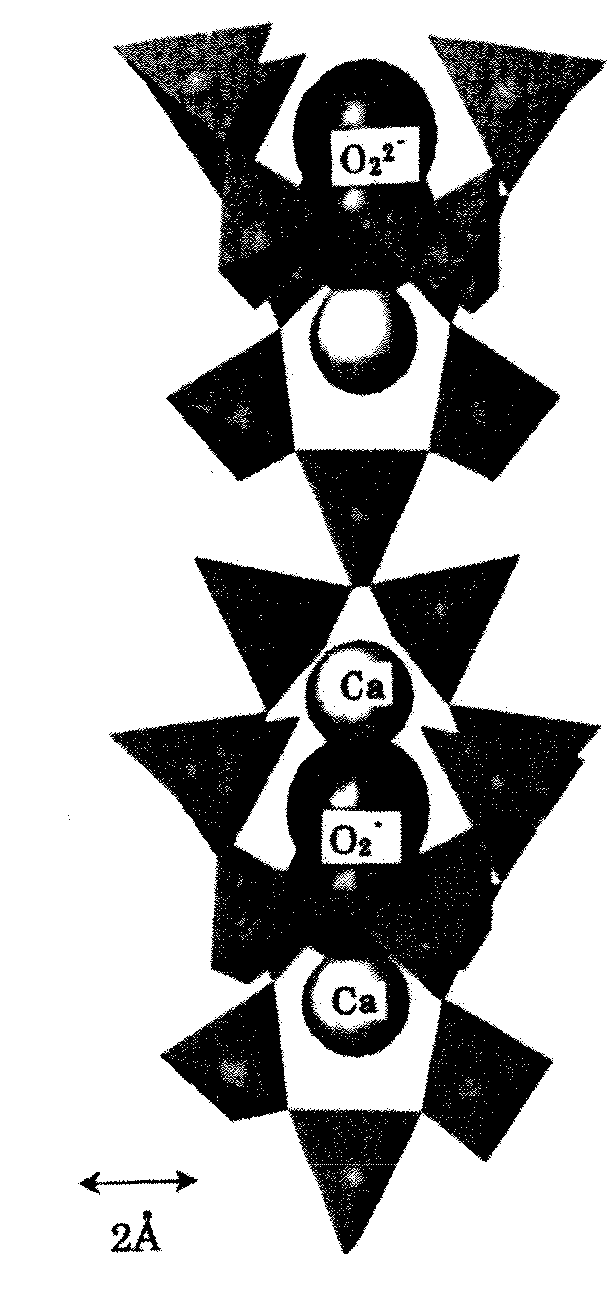
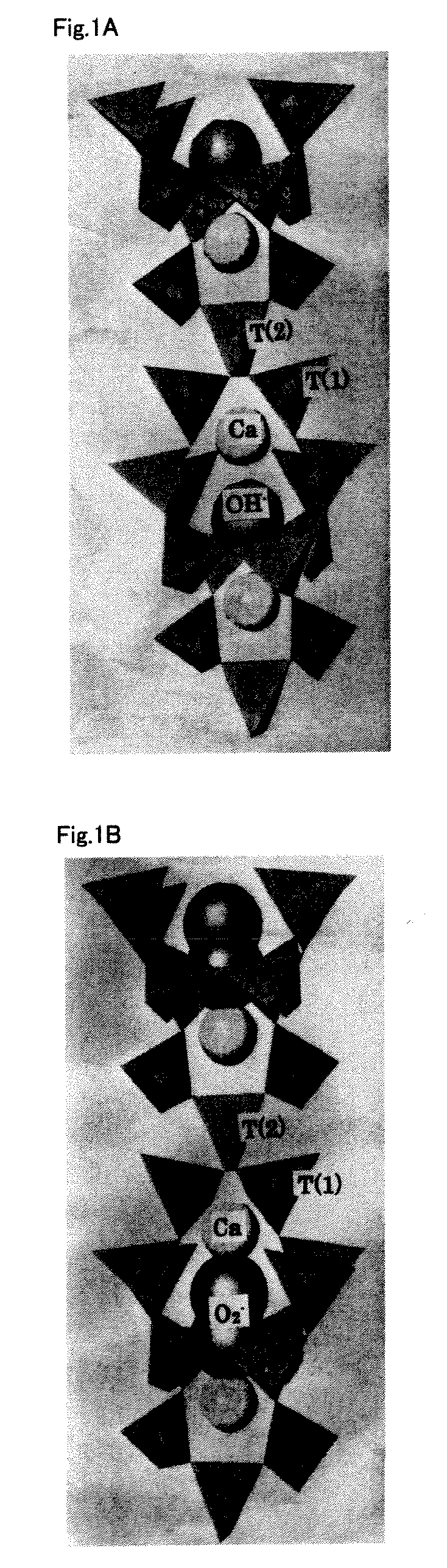
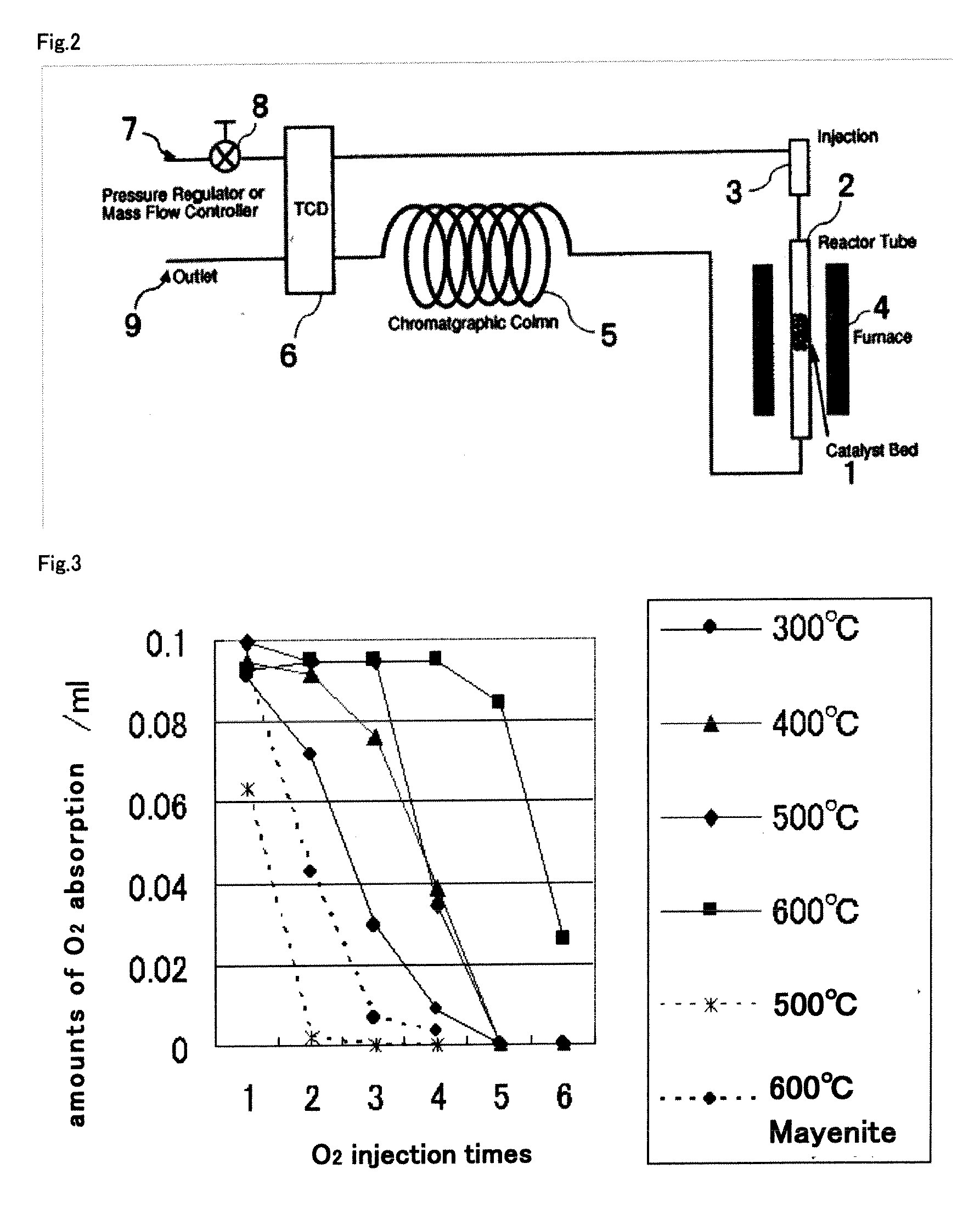
- A transition metal-substituted calcium aluminosilicate with a chemical composition of Ca12(Al14-XSiX)O33+0.5X, where X is between 0 and 4, is used, which occludes oxide anions that are regenerated in an oxidative atmosphere, enhancing oxygen storage capacity and allowing for better air/fuel ratio control in three-way catalysts.

Multi-scaled oxygen storage material based on ceria-zirconia having high oxygen storage and releasing ability and a preparation method thereof
PatentActiveUS9975107B2
Innovation
- A ceria-zirconia-based multi-scaled oxygen storage material is developed by complexing cobalt or cobalt oxide at the atomic or nanometer scale within the ceria-zirconia solid solution, using a single-step glycine nitrate process, which includes cobalt doping and cobalt-based nanoclusters to enhance oxygen storage and release capabilities and maintain structural stability.


Safety Standards and Regulations for Oxygen Storage Systems
The development and deployment of advanced solid oxygen storage systems necessitate adherence to comprehensive safety standards and regulatory frameworks to mitigate risks associated with oxygen handling, storage, and release. Given oxygen's highly reactive nature and its role as a powerful oxidizer, regulatory bodies worldwide have established stringent guidelines governing material selection, system design, operational protocols, and emergency response procedures. These standards are critical for ensuring personnel safety, environmental protection, and system reliability across diverse application scenarios ranging from medical facilities to aerospace operations.
International standards such as ISO 10156 and ISO 11114 provide foundational guidelines for gas cylinder design, material compatibility, and pressure vessel integrity, which directly apply to solid oxygen storage containers and release mechanisms. In the United States, the Occupational Safety and Health Administration (OSHA) enforces regulations under 29 CFR 1910.104, specifying requirements for oxygen storage facilities including minimum separation distances, ventilation standards, and fire prevention measures. Similarly, the National Fire Protection Association (NFPA) codes, particularly NFPA 50 and NFPA 99, establish comprehensive safety protocols for bulk oxygen systems and healthcare applications respectively.
European regulatory frameworks, governed by the Pressure Equipment Directive (PED) 2014/68/EU and ATEX Directive 2014/34/EU, mandate rigorous conformity assessments for pressure-containing equipment and explosion-prevention measures in potentially explosive atmospheres. These directives require manufacturers to demonstrate compliance through detailed risk assessments, material certifications, and third-party verification processes before market entry. Additionally, the European Industrial Gases Association (EIGA) publishes technical guidelines that complement statutory requirements with industry best practices.
Emerging solid oxygen storage technologies face unique regulatory challenges due to their novel chemical compositions and release mechanisms. Current standards primarily address gaseous and cryogenic liquid oxygen systems, creating regulatory gaps for solid-state alternatives. Regulatory authorities are increasingly engaging with technology developers to establish appropriate testing protocols, performance benchmarks, and certification pathways. Key considerations include thermal stability assessment, controlled decomposition characteristics, compatibility with storage materials, and fail-safe mechanisms to prevent uncontrolled oxygen release. As the technology matures, harmonization of international standards will be essential to facilitate global adoption while maintaining rigorous safety assurance.
International standards such as ISO 10156 and ISO 11114 provide foundational guidelines for gas cylinder design, material compatibility, and pressure vessel integrity, which directly apply to solid oxygen storage containers and release mechanisms. In the United States, the Occupational Safety and Health Administration (OSHA) enforces regulations under 29 CFR 1910.104, specifying requirements for oxygen storage facilities including minimum separation distances, ventilation standards, and fire prevention measures. Similarly, the National Fire Protection Association (NFPA) codes, particularly NFPA 50 and NFPA 99, establish comprehensive safety protocols for bulk oxygen systems and healthcare applications respectively.
European regulatory frameworks, governed by the Pressure Equipment Directive (PED) 2014/68/EU and ATEX Directive 2014/34/EU, mandate rigorous conformity assessments for pressure-containing equipment and explosion-prevention measures in potentially explosive atmospheres. These directives require manufacturers to demonstrate compliance through detailed risk assessments, material certifications, and third-party verification processes before market entry. Additionally, the European Industrial Gases Association (EIGA) publishes technical guidelines that complement statutory requirements with industry best practices.
Emerging solid oxygen storage technologies face unique regulatory challenges due to their novel chemical compositions and release mechanisms. Current standards primarily address gaseous and cryogenic liquid oxygen systems, creating regulatory gaps for solid-state alternatives. Regulatory authorities are increasingly engaging with technology developers to establish appropriate testing protocols, performance benchmarks, and certification pathways. Key considerations include thermal stability assessment, controlled decomposition characteristics, compatibility with storage materials, and fail-safe mechanisms to prevent uncontrolled oxygen release. As the technology matures, harmonization of international standards will be essential to facilitate global adoption while maintaining rigorous safety assurance.
Energy Efficiency and Environmental Impact Assessment
Advanced solid oxygen storage technologies present significant opportunities for enhancing energy efficiency across multiple industrial sectors. The fundamental principle of storing oxygen in solid-state materials enables substantial reductions in energy consumption compared to conventional cryogenic or pressure-based storage methods. Traditional oxygen storage systems typically require continuous energy input to maintain low temperatures or high pressures, resulting in parasitic energy losses that can reach 15-25% of total system energy. In contrast, solid oxygen storage materials operate at ambient or moderately elevated temperatures, eliminating the need for continuous refrigeration cycles and reducing auxiliary power requirements by up to 70%. This efficiency gain becomes particularly pronounced in applications requiring intermittent oxygen supply, where conventional systems waste energy maintaining storage conditions during idle periods.
The environmental implications of adopting solid oxygen storage technologies extend beyond direct energy savings. Reduced energy consumption translates to lower greenhouse gas emissions, with lifecycle assessments indicating potential CO2 emission reductions of 40-60% compared to conventional systems when considering the entire value chain from production to disposal. The elimination of high-pressure vessels also reduces the risk of catastrophic failures and associated environmental hazards. Furthermore, many advanced solid storage materials demonstrate excellent recyclability, with regeneration cycles exceeding 1000 iterations while maintaining over 90% of initial capacity, thereby minimizing material waste and resource depletion.
However, comprehensive environmental impact assessment must also consider the manufacturing footprint of these materials. The synthesis of certain metal oxide and perovskite-based oxygen storage compounds involves energy-intensive processes and potentially hazardous precursors. Current research indicates that the environmental payback period, the time required for operational savings to offset manufacturing impacts, ranges from 18 to 36 months depending on application intensity and material selection. Ongoing development efforts focus on green synthesis routes and earth-abundant materials to further improve the overall environmental profile while maintaining performance characteristics essential for practical deployment.
The environmental implications of adopting solid oxygen storage technologies extend beyond direct energy savings. Reduced energy consumption translates to lower greenhouse gas emissions, with lifecycle assessments indicating potential CO2 emission reductions of 40-60% compared to conventional systems when considering the entire value chain from production to disposal. The elimination of high-pressure vessels also reduces the risk of catastrophic failures and associated environmental hazards. Furthermore, many advanced solid storage materials demonstrate excellent recyclability, with regeneration cycles exceeding 1000 iterations while maintaining over 90% of initial capacity, thereby minimizing material waste and resource depletion.
However, comprehensive environmental impact assessment must also consider the manufacturing footprint of these materials. The synthesis of certain metal oxide and perovskite-based oxygen storage compounds involves energy-intensive processes and potentially hazardous precursors. Current research indicates that the environmental payback period, the time required for operational savings to offset manufacturing impacts, ranges from 18 to 36 months depending on application intensity and material selection. Ongoing development efforts focus on green synthesis routes and earth-abundant materials to further improve the overall environmental profile while maintaining performance characteristics essential for practical deployment.
Unlock deeper insights with Patsnap Eureka Quick Research — get a full tech report to explore trends and direct your research. Try now!
Generate Your Research Report Instantly with AI Agent
Supercharge your innovation with Patsnap Eureka AI Agent Platform!