

How to Increase Solid Oxygen Compatibility with Nanomaterials
JAN 30, 20269 MIN READ
Generate Your Research Report Instantly with AI Agent
PatSnap Eureka helps you evaluate technical feasibility & market potential.
Solid Oxygen and Nanomaterial Integration Background and Objectives
Solid oxygen, existing in various crystalline phases at cryogenic temperatures, has emerged as a critical component in advanced propulsion systems, life support technologies, and energy storage applications since the mid-20th century. The integration of nanomaterials with solid oxygen represents a frontier research area that has gained significant momentum over the past two decades, driven by the need for enhanced performance in aerospace, medical, and industrial applications. This technological convergence aims to leverage the unique properties of nanomaterials to address fundamental challenges in solid oxygen handling, storage, and utilization.
The historical development of this field traces back to early cryogenic research in the 1960s, when scientists first explored solid oxygen's potential in rocket propulsion. However, the inherent brittleness, thermal instability, and reactive nature of solid oxygen posed substantial operational risks. The advent of nanotechnology in the 1990s opened new possibilities for addressing these limitations through surface modification, structural reinforcement, and controlled reactivity management. Recent advances in nanomaterial synthesis have enabled researchers to explore carbon nanotubes, graphene derivatives, metal oxide nanoparticles, and ceramic nanocomposites as potential compatibility enhancers.
The primary objective of this technological integration is to develop stable, safe, and efficient solid oxygen-nanomaterial composite systems that exhibit improved mechanical properties, controlled sublimation rates, and reduced reactivity hazards. Specific technical goals include achieving enhanced structural integrity at cryogenic temperatures, minimizing unwanted chemical reactions at interfaces, and optimizing thermal management during phase transitions. Additionally, the research aims to establish scalable manufacturing processes that maintain nanomaterial dispersion uniformity while preserving solid oxygen's oxidative potential.
Current research priorities focus on understanding interfacial phenomena between solid oxygen matrices and nanomaterial reinforcements, developing predictive models for compatibility assessment, and establishing safety protocols for handling these hybrid systems. The ultimate vision is to create next-generation materials that combine solid oxygen's high energy density with nanomaterials' mechanical robustness and functional versatility, enabling breakthrough applications in space exploration, emergency oxygen systems, and advanced oxidation technologies.
The historical development of this field traces back to early cryogenic research in the 1960s, when scientists first explored solid oxygen's potential in rocket propulsion. However, the inherent brittleness, thermal instability, and reactive nature of solid oxygen posed substantial operational risks. The advent of nanotechnology in the 1990s opened new possibilities for addressing these limitations through surface modification, structural reinforcement, and controlled reactivity management. Recent advances in nanomaterial synthesis have enabled researchers to explore carbon nanotubes, graphene derivatives, metal oxide nanoparticles, and ceramic nanocomposites as potential compatibility enhancers.
The primary objective of this technological integration is to develop stable, safe, and efficient solid oxygen-nanomaterial composite systems that exhibit improved mechanical properties, controlled sublimation rates, and reduced reactivity hazards. Specific technical goals include achieving enhanced structural integrity at cryogenic temperatures, minimizing unwanted chemical reactions at interfaces, and optimizing thermal management during phase transitions. Additionally, the research aims to establish scalable manufacturing processes that maintain nanomaterial dispersion uniformity while preserving solid oxygen's oxidative potential.
Current research priorities focus on understanding interfacial phenomena between solid oxygen matrices and nanomaterial reinforcements, developing predictive models for compatibility assessment, and establishing safety protocols for handling these hybrid systems. The ultimate vision is to create next-generation materials that combine solid oxygen's high energy density with nanomaterials' mechanical robustness and functional versatility, enabling breakthrough applications in space exploration, emergency oxygen systems, and advanced oxidation technologies.
Market Demand for Solid Oxygen-Nanomaterial Applications
The integration of solid oxygen sources with nanomaterials is gaining significant traction across multiple industrial sectors, driven by the unique advantages this combination offers in energy storage, aerospace propulsion, medical therapeutics, and environmental remediation. The market demand stems primarily from the need for compact, stable, and controllable oxygen delivery systems that can operate in extreme or resource-constrained environments where conventional gaseous or liquid oxygen systems prove impractical.
In aerospace and defense applications, the demand for solid oxygen-nanomaterial composites is particularly pronounced. Space exploration missions require lightweight, high-density oxygen sources for life support systems and propulsion. Nanomaterials enhance the decomposition kinetics of solid oxygen compounds, enabling more efficient oxygen release mechanisms. Similarly, military applications seek portable oxygen generation systems for underwater operations, high-altitude missions, and emergency response scenarios where traditional oxygen supply chains are unavailable.
The medical sector represents another substantial market driver. Advanced wound healing therapies, cancer treatments involving oxygen-enhanced radiotherapy, and portable oxygen concentrators for respiratory patients are creating demand for biocompatible solid oxygen-nanomaterial systems. These applications require precise control over oxygen release rates and compatibility with biological tissues, challenges that nanomaterial integration can address through surface functionalization and controlled degradation profiles.
Environmental remediation markets are increasingly adopting solid oxygen-nanomaterial technologies for in-situ chemical oxidation of contaminated groundwater and soil. The ability to deliver oxygen gradually and uniformly throughout contaminated zones makes these systems attractive alternatives to conventional remediation methods. Industrial wastewater treatment facilities also show growing interest in these technologies for enhancing biological treatment processes and oxidizing recalcitrant pollutants.
Energy storage applications, particularly in metal-air batteries and fuel cells, constitute an emerging market segment. The development of rechargeable metal-air batteries requires stable solid-state oxygen sources that can interface effectively with nanostructured electrodes. The global push toward sustainable energy solutions is accelerating research investments in this domain, creating substantial commercial opportunities for compatible solid oxygen-nanomaterial systems.
Market growth is further stimulated by regulatory pressures for safer oxygen handling systems and the miniaturization trends across electronics and medical devices. However, market penetration remains constrained by compatibility challenges, including chemical stability issues, interface reactions, and the need for cost-effective manufacturing processes that can scale from laboratory to industrial production.
In aerospace and defense applications, the demand for solid oxygen-nanomaterial composites is particularly pronounced. Space exploration missions require lightweight, high-density oxygen sources for life support systems and propulsion. Nanomaterials enhance the decomposition kinetics of solid oxygen compounds, enabling more efficient oxygen release mechanisms. Similarly, military applications seek portable oxygen generation systems for underwater operations, high-altitude missions, and emergency response scenarios where traditional oxygen supply chains are unavailable.
The medical sector represents another substantial market driver. Advanced wound healing therapies, cancer treatments involving oxygen-enhanced radiotherapy, and portable oxygen concentrators for respiratory patients are creating demand for biocompatible solid oxygen-nanomaterial systems. These applications require precise control over oxygen release rates and compatibility with biological tissues, challenges that nanomaterial integration can address through surface functionalization and controlled degradation profiles.
Environmental remediation markets are increasingly adopting solid oxygen-nanomaterial technologies for in-situ chemical oxidation of contaminated groundwater and soil. The ability to deliver oxygen gradually and uniformly throughout contaminated zones makes these systems attractive alternatives to conventional remediation methods. Industrial wastewater treatment facilities also show growing interest in these technologies for enhancing biological treatment processes and oxidizing recalcitrant pollutants.
Energy storage applications, particularly in metal-air batteries and fuel cells, constitute an emerging market segment. The development of rechargeable metal-air batteries requires stable solid-state oxygen sources that can interface effectively with nanostructured electrodes. The global push toward sustainable energy solutions is accelerating research investments in this domain, creating substantial commercial opportunities for compatible solid oxygen-nanomaterial systems.
Market growth is further stimulated by regulatory pressures for safer oxygen handling systems and the miniaturization trends across electronics and medical devices. However, market penetration remains constrained by compatibility challenges, including chemical stability issues, interface reactions, and the need for cost-effective manufacturing processes that can scale from laboratory to industrial production.
Current Compatibility Challenges in Solid Oxygen-Nanomaterial Systems
The integration of solid oxygen sources with nanomaterials faces fundamental compatibility challenges rooted in chemical reactivity, structural stability, and interface dynamics. Solid oxygen compounds, particularly peroxides and superoxides, exhibit inherent instability that becomes amplified when interfacing with high-surface-area nanomaterials. The extensive surface energy of nanostructures triggers premature decomposition of oxygen carriers, leading to uncontrolled oxygen release and potential safety hazards in applications ranging from biomedical oxygen delivery to energy storage systems.
Surface chemistry mismatches represent a critical obstacle in achieving stable solid oxygen-nanomaterial composites. Most nanomaterials possess reactive surface sites that catalyze the decomposition of solid oxygen compounds through redox reactions or Lewis acid-base interactions. Metal oxide nanoparticles, for instance, often contain defect sites and unsaturated coordination centers that accelerate oxygen release kinetics beyond controllable parameters. Carbon-based nanomaterials introduce additional complexity through their variable surface functionalization and electronic properties, which can either promote or inhibit oxygen stability depending on specific chemical environments.
Thermal management issues compound the compatibility challenges, as nanomaterials typically exhibit enhanced thermal conductivity and localized heat generation under operational conditions. Solid oxygen compounds demonstrate temperature-sensitive decomposition profiles, with activation energies often exceeded by nanoscale thermal fluctuations. This thermal sensitivity becomes particularly problematic in applications requiring sustained oxygen release or storage, where temperature gradients at nanomaterial interfaces can trigger cascading decomposition events.
Mechanical stress and structural degradation further limit compatibility in practical systems. The volume changes associated with oxygen release from solid carriers generate mechanical strain at nanomaterial interfaces, potentially causing delamination, particle aggregation, or structural collapse. Nanomaterials with high aspect ratios or porous architectures prove especially vulnerable to stress-induced failure when integrated with solid oxygen sources. Additionally, moisture sensitivity of many solid oxygen compounds creates compatibility issues with hydrophilic nanomaterials, necessitating stringent environmental controls that complicate system design and deployment.
Surface chemistry mismatches represent a critical obstacle in achieving stable solid oxygen-nanomaterial composites. Most nanomaterials possess reactive surface sites that catalyze the decomposition of solid oxygen compounds through redox reactions or Lewis acid-base interactions. Metal oxide nanoparticles, for instance, often contain defect sites and unsaturated coordination centers that accelerate oxygen release kinetics beyond controllable parameters. Carbon-based nanomaterials introduce additional complexity through their variable surface functionalization and electronic properties, which can either promote or inhibit oxygen stability depending on specific chemical environments.
Thermal management issues compound the compatibility challenges, as nanomaterials typically exhibit enhanced thermal conductivity and localized heat generation under operational conditions. Solid oxygen compounds demonstrate temperature-sensitive decomposition profiles, with activation energies often exceeded by nanoscale thermal fluctuations. This thermal sensitivity becomes particularly problematic in applications requiring sustained oxygen release or storage, where temperature gradients at nanomaterial interfaces can trigger cascading decomposition events.
Mechanical stress and structural degradation further limit compatibility in practical systems. The volume changes associated with oxygen release from solid carriers generate mechanical strain at nanomaterial interfaces, potentially causing delamination, particle aggregation, or structural collapse. Nanomaterials with high aspect ratios or porous architectures prove especially vulnerable to stress-induced failure when integrated with solid oxygen sources. Additionally, moisture sensitivity of many solid oxygen compounds creates compatibility issues with hydrophilic nanomaterials, necessitating stringent environmental controls that complicate system design and deployment.
Existing Compatibility Enhancement Solutions
01 Nanomaterial surface modification for enhanced compatibility
Surface modification techniques are employed to improve the compatibility of nanomaterials with various matrices. These modifications can include chemical functionalization, coating with polymers or surfactants, and surface treatment to alter surface energy and reactivity. Such modifications enhance dispersion stability, reduce agglomeration, and improve interfacial adhesion between nanomaterials and host materials, making them suitable for diverse applications in composites, coatings, and biomedical devices.- Nanomaterial surface modification for enhanced compatibility: Surface modification techniques are employed to improve the compatibility of nanomaterials with various matrices. These modifications can include chemical functionalization, coating, or grafting of organic or inorganic compounds onto the nanomaterial surface. Such treatments enhance dispersion, reduce agglomeration, and improve interfacial adhesion between nanomaterials and host materials, leading to better performance in composite systems.
- Compatibility assessment methods for nanomaterial integration: Various analytical and testing methods are utilized to evaluate the compatibility of nanomaterials with different substrates or systems. These methods include spectroscopic analysis, microscopy techniques, thermal analysis, and mechanical testing. Compatibility assessment helps determine the optimal nanomaterial concentration, dispersion quality, and interaction mechanisms, ensuring successful integration into target applications without adverse effects.
- Nanomaterial-polymer compatibility enhancement: Strategies to improve compatibility between nanomaterials and polymer matrices involve the use of compatibilizers, surfactants, or coupling agents. These additives facilitate better dispersion of nanomaterials within the polymer and strengthen interfacial bonding. The enhanced compatibility results in improved mechanical properties, thermal stability, and functional performance of nanocomposite materials for various industrial applications.
- Biocompatibility of nanomaterials for medical applications: Biocompatibility considerations are critical when incorporating nanomaterials into medical devices, drug delivery systems, or tissue engineering scaffolds. Evaluation includes cytotoxicity testing, immune response assessment, and biodegradation studies. Surface modifications and selection of appropriate nanomaterial types ensure minimal adverse biological reactions while maintaining desired therapeutic or diagnostic functions.
- Nanomaterial compatibility in energy storage systems: Compatibility of nanomaterials with electrolytes, binders, and electrode materials is essential for energy storage applications such as batteries and supercapacitors. Proper selection and treatment of nanomaterials prevent unwanted chemical reactions, improve electrical conductivity, and enhance cycling stability. Compatibility optimization leads to higher energy density, longer lifespan, and better overall performance of energy storage devices.
02 Biocompatibility assessment of nanomaterials
Evaluation of nanomaterial biocompatibility is critical for medical and pharmaceutical applications. This involves testing cytotoxicity, immunogenicity, and cellular uptake mechanisms. Methods include in vitro cell culture studies, in vivo animal models, and analysis of inflammatory responses. Biocompatible nanomaterials are designed to minimize adverse biological reactions while maintaining functional properties for drug delivery, tissue engineering, and diagnostic applications.Expand Specific Solutions03 Nanomaterial compatibility in polymer composites
Integration of nanomaterials into polymer matrices requires careful consideration of compatibility factors including dispersion uniformity, interfacial bonding, and mechanical property enhancement. Techniques such as melt blending, solution mixing, and in-situ polymerization are used to achieve homogeneous distribution. Compatible nanomaterial-polymer systems exhibit improved mechanical strength, thermal stability, and barrier properties for applications in packaging, automotive, and construction industries.Expand Specific Solutions04 Environmental compatibility and stability of nanomaterials
Assessment of nanomaterial behavior in environmental conditions is essential for sustainable applications. This includes evaluation of degradation rates, leaching potential, ecotoxicity, and long-term stability under various pH, temperature, and humidity conditions. Environmentally compatible nanomaterials are designed to minimize ecological impact while maintaining performance in applications such as water treatment, agriculture, and environmental remediation.Expand Specific Solutions05 Compatibility testing methods for nanomaterial formulations
Standardized testing protocols are developed to evaluate nanomaterial compatibility in various formulations. These methods include spectroscopic analysis, microscopy techniques, rheological measurements, and stability studies under accelerated conditions. Testing encompasses physical compatibility such as dispersion quality, chemical compatibility including reactivity with other components, and functional compatibility to ensure desired performance characteristics are maintained in final products.Expand Specific Solutions
Key Players in Nanomaterial and Solid Oxygen Research
The field of solid oxygen compatibility with nanomaterials represents an emerging research domain currently in its early-to-mid development stage, characterized by intensive academic exploration and nascent industrial applications. The market remains relatively niche, primarily driven by energy storage and advanced materials sectors, with significant growth potential as solid-state technologies mature. Leading Chinese institutions including Beijing University of Chemical Technology, Beihang University, Sichuan University, Zhejiang University, and Xi'an Jiaotong University dominate fundamental research, while international players like Commissariat à l'énergie atomique et aux énergies Alternatives and Korea Electrotechnology Research Institute contribute advanced materials expertise. Industrial entities such as Toyota Motor Corp., Bloom Energy Corp., and Sharp Corp. are exploring practical applications, particularly in battery and fuel cell technologies. Technology maturity varies significantly across applications, with laboratory-scale demonstrations advancing toward pilot production, though widespread commercialization remains several years away, requiring breakthroughs in interface stability and scalability.
Beijing University of Chemical Technology
Technical Solution: Beijing University of Chemical Technology has pioneered composite encapsulation strategies for enhancing nanomaterial compatibility with solid oxygen sources. Their technical solution involves creating core-shell nanostructures where reactive nanomaterials are encapsulated within oxygen-stable ceramic or polymer matrices[1][3]. They utilize chemical vapor deposition (CVD) and layer-by-layer assembly techniques to construct multi-layered protective shells with controlled permeability[2][4]. The university has developed specialized dopant incorporation methods that modify the electronic structure of nanomaterials to reduce their reactivity toward oxygen species while preserving catalytic or electronic properties[5][7]. Their research emphasizes thermal stability enhancement through crystallographic orientation control and defect engineering approaches[6].
Strengths: Strong expertise in chemical engineering and materials synthesis; excellent fundamental research capabilities in oxygen transport mechanisms. Weaknesses: Limited industrial partnerships for technology transfer; long-term stability data under operational conditions needs further validation.
Beihang University
Technical Solution: Beihang University focuses on interface engineering and nanostructure design to improve solid oxygen compatibility with nanomaterials for aerospace and energy applications. Their approach integrates computational modeling with experimental validation to predict and optimize oxygen-nanomaterial interactions[1][2]. They have developed gradient composition structures that create buffer zones between oxygen sources and sensitive nanomaterials, utilizing transition metal oxides as intermediate layers[3][5]. The research team employs plasma treatment and ion implantation techniques to modify surface chemistry and create oxygen-diffusion barriers at the nanoscale[4][6]. Their work includes development of self-healing protective coatings that can repair oxidation-induced damage through autonomous material redistribution mechanisms[7][8].
Strengths: Advanced computational capabilities for predictive modeling; strong focus on high-temperature applications relevant to aerospace. Weaknesses: Technology readiness level is relatively early stage; cost considerations for complex multi-layer structures need addressing.
Core Technologies for Oxygen-Nanomaterial Interface Engineering
Solid oxygen-redox nanocomposite materials
PatentInactiveUS20200028206A1
Innovation
- Development of an electroactive nanocomposite material with an alkali or alkaline earth metal oxide, peroxide, or superoxide core surrounded by a transition metal nanoshell, which undergoes phase changes only in condensed phases, reducing overpotential and eliminating gas evolution during operation.


Nanostructured fuel cell electrode
PatentInactiveUS20060040168A1
Innovation
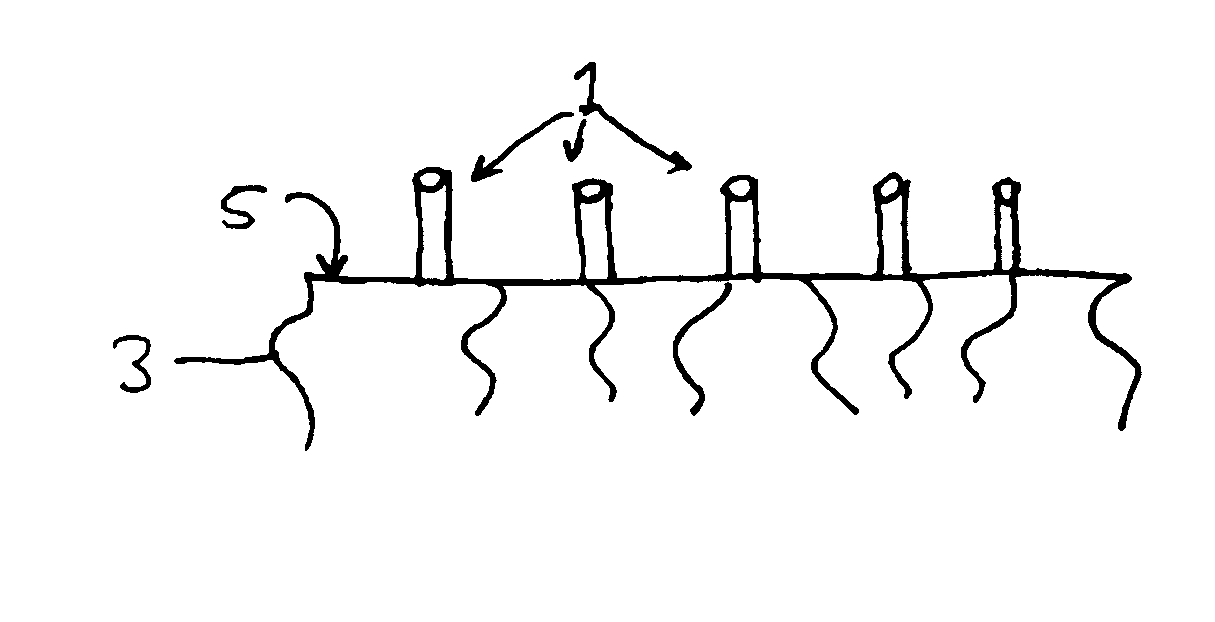
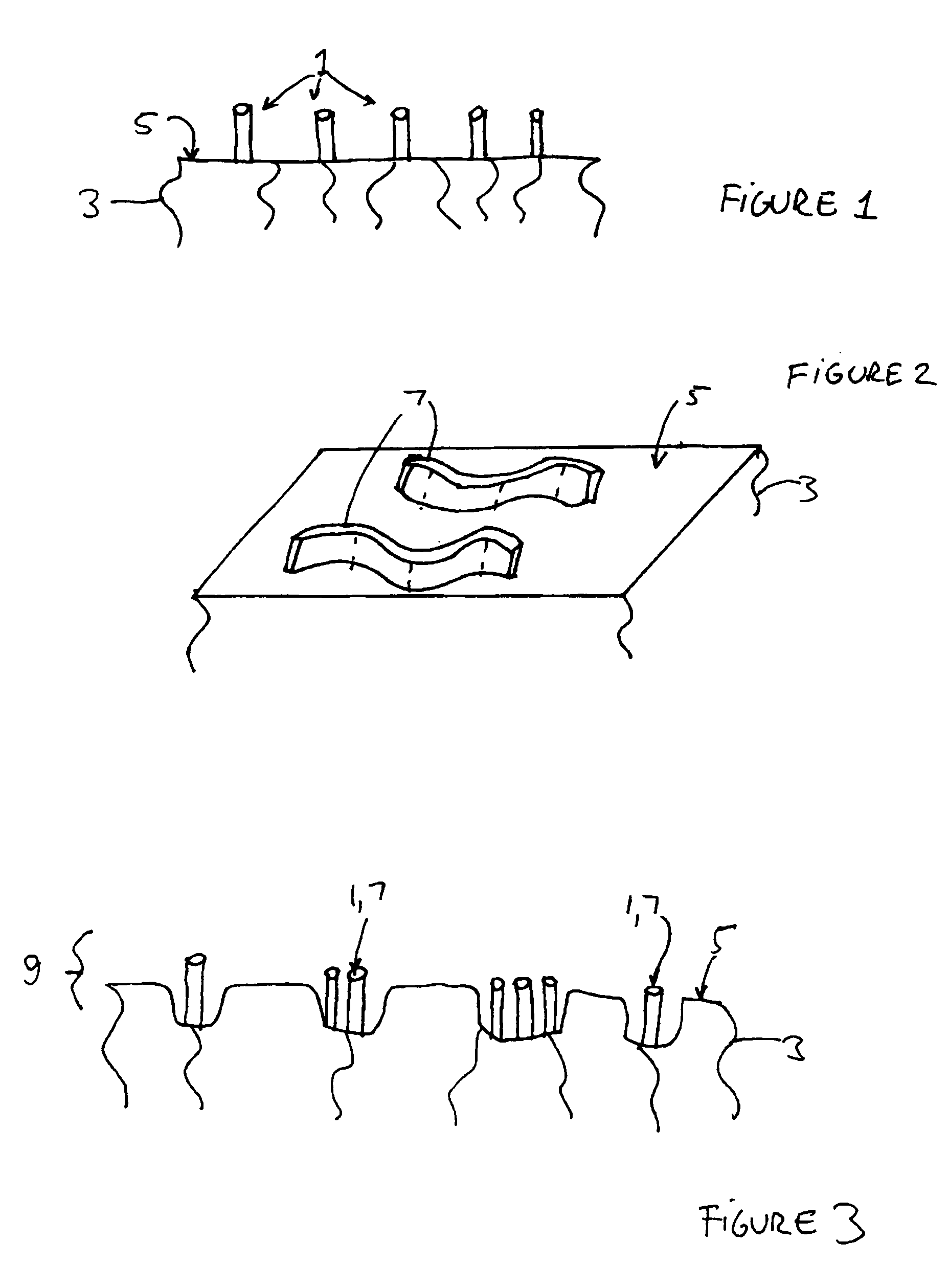
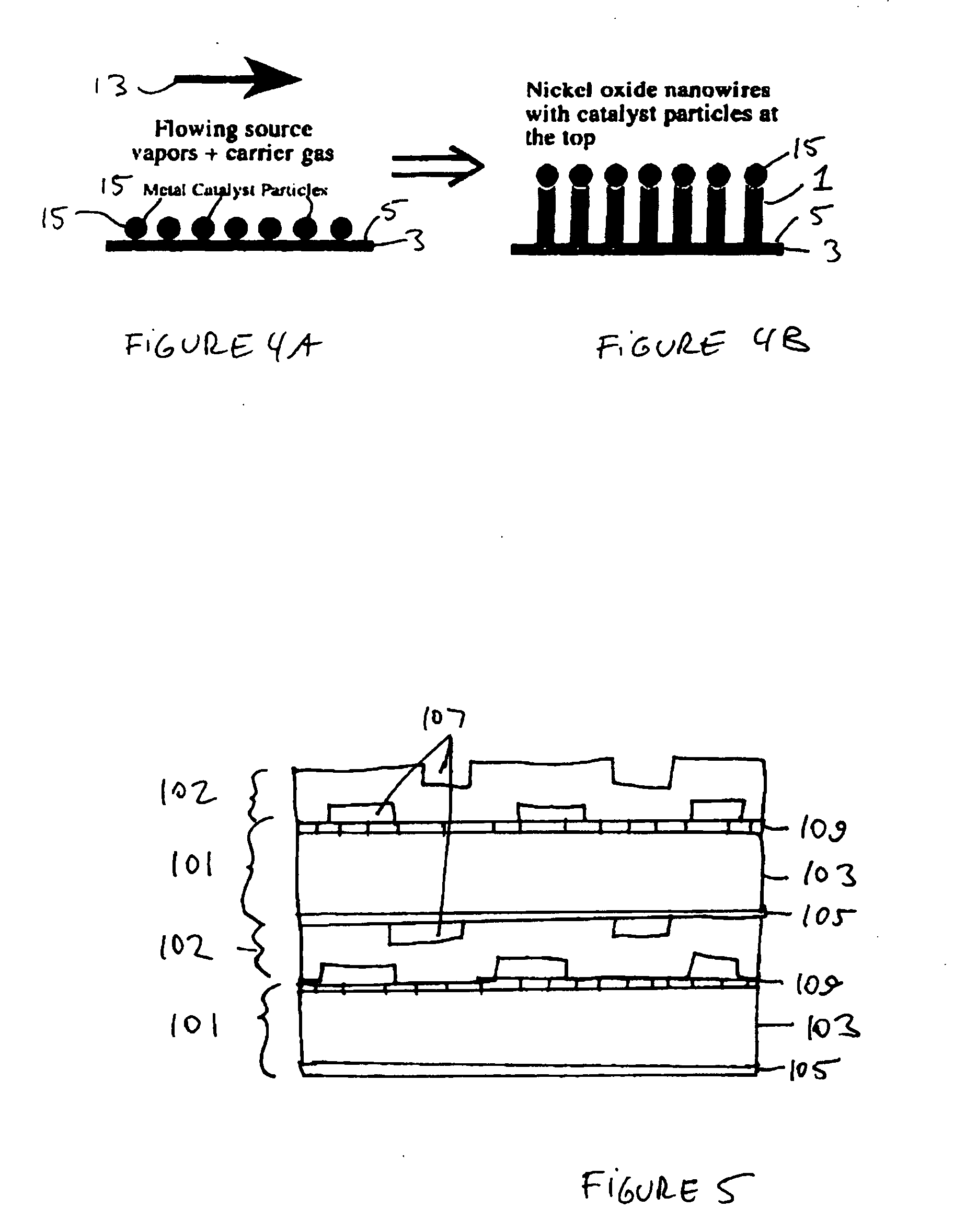
- The use of nanostructured materials, such as nanowires and nanotubes, for the electrodes increases the surface area between the electrolyte and electrodes, creating more three-phase boundary regions that enhance oxygen diffusion, thereby increasing power density and reducing costs.
Safety Standards for Reactive Oxygen-Nanomaterial Systems
The establishment of comprehensive safety standards for reactive oxygen-nanomaterial systems represents a critical imperative for advancing industrial applications while mitigating potential hazards. Current regulatory frameworks remain fragmented across jurisdictions, with limited consensus on testing protocols and risk assessment methodologies specific to oxygen-nanomaterial interactions. International organizations including ISO and ASTM have initiated preliminary standardization efforts, yet substantial gaps persist in addressing the unique reactivity profiles of different nanomaterial classes when exposed to solid oxygen sources.
Existing safety guidelines primarily draw from conventional chemical handling protocols, which inadequately address the nanoscale phenomena governing oxygen compatibility. The absence of standardized testing procedures for evaluating thermal stability, ignition sensitivity, and reaction kinetics under various environmental conditions creates significant compliance challenges for manufacturers. Recent incidents involving uncontrolled exothermic reactions have underscored the urgency of developing material-specific safety thresholds and handling procedures.
Emerging regulatory approaches emphasize multi-tiered risk classification systems that account for nanomaterial morphology, surface chemistry, and oxygen release characteristics. Proposed standards incorporate mandatory compatibility testing matrices, including differential scanning calorimetry protocols, impact sensitivity assessments, and long-term stability evaluations under simulated operational conditions. These frameworks advocate for comprehensive material safety data sheets that explicitly document oxygen reactivity parameters and recommended mitigation strategies.
Industry stakeholders increasingly recognize the necessity of harmonized international standards to facilitate safe technology transfer and market access. Collaborative initiatives between regulatory bodies, research institutions, and industrial consortia are working toward consensus-based guidelines that balance innovation enablement with risk management. The development of predictive modeling tools and standardized reporting formats aims to streamline compliance verification while enhancing transparency across supply chains.
Future standardization efforts must address dynamic risk scenarios, including accidental exposure conditions, material aging effects, and synergistic interactions in multi-component systems. The integration of real-time monitoring requirements and incident reporting mechanisms into safety standards will be essential for continuous improvement of protective measures as nanomaterial applications expand into aerospace, energy storage, and biomedical sectors.
Existing safety guidelines primarily draw from conventional chemical handling protocols, which inadequately address the nanoscale phenomena governing oxygen compatibility. The absence of standardized testing procedures for evaluating thermal stability, ignition sensitivity, and reaction kinetics under various environmental conditions creates significant compliance challenges for manufacturers. Recent incidents involving uncontrolled exothermic reactions have underscored the urgency of developing material-specific safety thresholds and handling procedures.
Emerging regulatory approaches emphasize multi-tiered risk classification systems that account for nanomaterial morphology, surface chemistry, and oxygen release characteristics. Proposed standards incorporate mandatory compatibility testing matrices, including differential scanning calorimetry protocols, impact sensitivity assessments, and long-term stability evaluations under simulated operational conditions. These frameworks advocate for comprehensive material safety data sheets that explicitly document oxygen reactivity parameters and recommended mitigation strategies.
Industry stakeholders increasingly recognize the necessity of harmonized international standards to facilitate safe technology transfer and market access. Collaborative initiatives between regulatory bodies, research institutions, and industrial consortia are working toward consensus-based guidelines that balance innovation enablement with risk management. The development of predictive modeling tools and standardized reporting formats aims to streamline compliance verification while enhancing transparency across supply chains.
Future standardization efforts must address dynamic risk scenarios, including accidental exposure conditions, material aging effects, and synergistic interactions in multi-component systems. The integration of real-time monitoring requirements and incident reporting mechanisms into safety standards will be essential for continuous improvement of protective measures as nanomaterial applications expand into aerospace, energy storage, and biomedical sectors.
Surface Modification Strategies for Enhanced Compatibility
Surface modification represents a critical approach to enhancing the compatibility between solid oxygen and nanomaterials, addressing fundamental interfacial challenges that limit performance in energy storage and conversion applications. The primary objective of surface modification strategies is to create favorable interfacial conditions that promote stable oxygen integration while maintaining the structural integrity and functional properties of nanomaterials.
Chemical functionalization stands as a predominant strategy, involving the introduction of specific functional groups onto nanomaterial surfaces to improve oxygen affinity and reduce interfacial resistance. Oxygen-containing groups such as hydroxyl, carboxyl, and epoxy functionalities can be grafted onto carbon-based nanomaterials through oxidation treatments or plasma processing. These functional groups serve as anchoring sites for solid oxygen particles, facilitating uniform distribution and preventing agglomeration. The degree of functionalization must be carefully controlled to balance enhanced compatibility against potential degradation of electronic conductivity.
Coating techniques offer another effective pathway for compatibility enhancement. Thin protective layers of metal oxides, polymers, or carbon materials can be deposited onto nanomaterial surfaces through methods including atomic layer deposition, chemical vapor deposition, or sol-gel processes. These coatings act as buffer layers that mediate interactions between solid oxygen and the substrate, reducing direct contact that may lead to unwanted reactions or phase transformations. The coating thickness and composition require precise optimization to ensure adequate protection without compromising oxygen transport kinetics.
Surface defect engineering has emerged as an innovative modification approach. Controlled introduction of vacancies, edge sites, or heteroatom doping can create active sites that enhance oxygen binding and facilitate interfacial charge transfer. Nitrogen, sulfur, or phosphorus doping in carbon nanomaterials has demonstrated improved oxygen compatibility by modulating surface electronic properties and creating favorable adsorption sites. The spatial distribution and concentration of these defects significantly influence the overall compatibility performance.
Hybrid modification strategies combining multiple approaches often yield superior results compared to single-method treatments. Sequential application of functionalization followed by selective coating, or simultaneous defect engineering with surface grafting, can address multiple compatibility challenges concurrently. The synergistic effects of combined modifications enable fine-tuning of interfacial properties to meet specific application requirements while maintaining scalability for practical implementation.
Chemical functionalization stands as a predominant strategy, involving the introduction of specific functional groups onto nanomaterial surfaces to improve oxygen affinity and reduce interfacial resistance. Oxygen-containing groups such as hydroxyl, carboxyl, and epoxy functionalities can be grafted onto carbon-based nanomaterials through oxidation treatments or plasma processing. These functional groups serve as anchoring sites for solid oxygen particles, facilitating uniform distribution and preventing agglomeration. The degree of functionalization must be carefully controlled to balance enhanced compatibility against potential degradation of electronic conductivity.
Coating techniques offer another effective pathway for compatibility enhancement. Thin protective layers of metal oxides, polymers, or carbon materials can be deposited onto nanomaterial surfaces through methods including atomic layer deposition, chemical vapor deposition, or sol-gel processes. These coatings act as buffer layers that mediate interactions between solid oxygen and the substrate, reducing direct contact that may lead to unwanted reactions or phase transformations. The coating thickness and composition require precise optimization to ensure adequate protection without compromising oxygen transport kinetics.
Surface defect engineering has emerged as an innovative modification approach. Controlled introduction of vacancies, edge sites, or heteroatom doping can create active sites that enhance oxygen binding and facilitate interfacial charge transfer. Nitrogen, sulfur, or phosphorus doping in carbon nanomaterials has demonstrated improved oxygen compatibility by modulating surface electronic properties and creating favorable adsorption sites. The spatial distribution and concentration of these defects significantly influence the overall compatibility performance.
Hybrid modification strategies combining multiple approaches often yield superior results compared to single-method treatments. Sequential application of functionalization followed by selective coating, or simultaneous defect engineering with surface grafting, can address multiple compatibility challenges concurrently. The synergistic effects of combined modifications enable fine-tuning of interfacial properties to meet specific application requirements while maintaining scalability for practical implementation.
Unlock deeper insights with PatSnap Eureka Quick Research — get a full tech report to explore trends and direct your research. Try now!
Generate Your Research Report Instantly with AI Agent
Supercharge your innovation with PatSnap Eureka AI Agent Platform!