How Do Electrostatics Alter Gel Electrophoresis Perception?
JUL 1, 202510 MIN READ
Generate Your Research Report Instantly with AI Agent
Patsnap Eureka helps you evaluate technical feasibility & market potential.
Electrostatics in Gel Electrophoresis: Background and Objectives
Gel electrophoresis has been a cornerstone technique in molecular biology and biochemistry for decades, enabling the separation and analysis of DNA, RNA, and proteins based on their size and charge. The fundamental principle underlying this technique is the migration of charged molecules through a gel matrix under the influence of an electric field. However, the role of electrostatics in this process extends far beyond this basic concept, significantly impacting the perception and interpretation of gel electrophoresis results.
The historical development of gel electrophoresis can be traced back to the 1930s, with significant advancements occurring in the 1950s and 1960s. As the technique evolved, researchers began to recognize the complex interplay between electrostatic forces and the various components involved in the electrophoresis process. This realization has led to a more nuanced understanding of how electrostatics influence the behavior of molecules during separation, the formation of band patterns, and the overall efficiency of the technique.
Electrostatic interactions in gel electrophoresis occur at multiple levels, including between the charged molecules and the gel matrix, between the molecules themselves, and between the molecules and the buffer solution. These interactions can significantly affect the migration rates, band sharpness, and resolution of separated molecules. Understanding these electrostatic effects is crucial for accurately interpreting gel electrophoresis results and optimizing experimental conditions.
The primary objective of exploring electrostatics in gel electrophoresis is to enhance the technique's precision, reproducibility, and applicability across a wider range of molecular species and experimental conditions. By elucidating the intricate role of electrostatic forces, researchers aim to develop more sophisticated models for predicting molecular behavior during electrophoresis, leading to improved experimental design and data interpretation.
Furthermore, investigating the electrostatic aspects of gel electrophoresis opens up new avenues for innovation in the field. This includes the development of novel gel matrices with tailored electrostatic properties, advanced buffer systems that can modulate electrostatic interactions, and refined analytical methods for extracting more information from electrophoresis results. Such advancements have the potential to extend the capabilities of gel electrophoresis, making it an even more powerful tool for molecular analysis in various scientific disciplines.
As we delve deeper into the electrostatic phenomena underlying gel electrophoresis, we aim to bridge the gap between theoretical understanding and practical application. This exploration not only enhances our fundamental knowledge of molecular behavior in electric fields but also paves the way for innovative applications in fields such as genomics, proteomics, and biomedical research. The ongoing research in this area continues to reveal the subtle yet profound ways in which electrostatics shape our perception and utilization of gel electrophoresis.
The historical development of gel electrophoresis can be traced back to the 1930s, with significant advancements occurring in the 1950s and 1960s. As the technique evolved, researchers began to recognize the complex interplay between electrostatic forces and the various components involved in the electrophoresis process. This realization has led to a more nuanced understanding of how electrostatics influence the behavior of molecules during separation, the formation of band patterns, and the overall efficiency of the technique.
Electrostatic interactions in gel electrophoresis occur at multiple levels, including between the charged molecules and the gel matrix, between the molecules themselves, and between the molecules and the buffer solution. These interactions can significantly affect the migration rates, band sharpness, and resolution of separated molecules. Understanding these electrostatic effects is crucial for accurately interpreting gel electrophoresis results and optimizing experimental conditions.
The primary objective of exploring electrostatics in gel electrophoresis is to enhance the technique's precision, reproducibility, and applicability across a wider range of molecular species and experimental conditions. By elucidating the intricate role of electrostatic forces, researchers aim to develop more sophisticated models for predicting molecular behavior during electrophoresis, leading to improved experimental design and data interpretation.
Furthermore, investigating the electrostatic aspects of gel electrophoresis opens up new avenues for innovation in the field. This includes the development of novel gel matrices with tailored electrostatic properties, advanced buffer systems that can modulate electrostatic interactions, and refined analytical methods for extracting more information from electrophoresis results. Such advancements have the potential to extend the capabilities of gel electrophoresis, making it an even more powerful tool for molecular analysis in various scientific disciplines.
As we delve deeper into the electrostatic phenomena underlying gel electrophoresis, we aim to bridge the gap between theoretical understanding and practical application. This exploration not only enhances our fundamental knowledge of molecular behavior in electric fields but also paves the way for innovative applications in fields such as genomics, proteomics, and biomedical research. The ongoing research in this area continues to reveal the subtle yet profound ways in which electrostatics shape our perception and utilization of gel electrophoresis.
Market Demand for Advanced Electrophoresis Techniques
The market demand for advanced electrophoresis techniques has been steadily growing, driven by the increasing need for more precise and efficient separation methods in various scientific and industrial applications. Gel electrophoresis, a fundamental technique in molecular biology and biochemistry, has seen significant advancements in recent years, particularly in the understanding and manipulation of electrostatic forces.
The pharmaceutical and biotechnology sectors have been major drivers of this demand, as they require more sophisticated tools for drug development, protein analysis, and genetic research. The global market for electrophoresis equipment and supplies is projected to expand substantially, with a compound annual growth rate (CAGR) exceeding industry averages. This growth is fueled by the rising prevalence of chronic diseases, increased funding for proteomics and genomics research, and the expanding applications of electrophoresis in forensic science and food safety.
In the academic and research sectors, there is a growing interest in understanding how electrostatics alter gel electrophoresis perception. This has led to an increased demand for advanced electrophoresis systems that can provide higher resolution, faster separation times, and improved sensitivity. Researchers are seeking techniques that can overcome the limitations of traditional gel electrophoresis, such as band broadening and poor resolution of closely related molecules.
The clinical diagnostics market has also shown a strong appetite for innovative electrophoresis techniques. Hospitals and diagnostic laboratories are adopting more advanced systems for the analysis of proteins, nucleic acids, and other biomolecules. The ability to detect subtle changes in molecular structures with greater accuracy is crucial for early disease detection and personalized medicine approaches.
Environmental and food safety sectors are emerging as significant contributors to the market demand. With increasing concerns about contaminants and genetically modified organisms, there is a growing need for electrophoresis techniques that can provide rapid and reliable analysis of environmental samples and food products.
The biopharmaceutical industry, in particular, has shown a keen interest in advanced electrophoresis techniques for the characterization and quality control of complex biological drugs. As the production of monoclonal antibodies and other biotherapeutics continues to rise, the demand for high-resolution electrophoresis methods capable of detecting minute differences in protein structures has intensified.
In response to these market demands, manufacturers are developing more sophisticated electrophoresis systems that incorporate advanced features such as automated sample loading, real-time monitoring, and integration with mass spectrometry. There is also a growing trend towards miniaturization and portability, with increasing demand for microfluidic electrophoresis devices that offer rapid analysis with minimal sample requirements.
The market is also seeing a shift towards more sustainable and environmentally friendly electrophoresis solutions. This includes the development of gel-free electrophoresis techniques and the use of biodegradable materials in gel production, aligning with the broader trend of green technology in the life sciences industry.
The pharmaceutical and biotechnology sectors have been major drivers of this demand, as they require more sophisticated tools for drug development, protein analysis, and genetic research. The global market for electrophoresis equipment and supplies is projected to expand substantially, with a compound annual growth rate (CAGR) exceeding industry averages. This growth is fueled by the rising prevalence of chronic diseases, increased funding for proteomics and genomics research, and the expanding applications of electrophoresis in forensic science and food safety.
In the academic and research sectors, there is a growing interest in understanding how electrostatics alter gel electrophoresis perception. This has led to an increased demand for advanced electrophoresis systems that can provide higher resolution, faster separation times, and improved sensitivity. Researchers are seeking techniques that can overcome the limitations of traditional gel electrophoresis, such as band broadening and poor resolution of closely related molecules.
The clinical diagnostics market has also shown a strong appetite for innovative electrophoresis techniques. Hospitals and diagnostic laboratories are adopting more advanced systems for the analysis of proteins, nucleic acids, and other biomolecules. The ability to detect subtle changes in molecular structures with greater accuracy is crucial for early disease detection and personalized medicine approaches.
Environmental and food safety sectors are emerging as significant contributors to the market demand. With increasing concerns about contaminants and genetically modified organisms, there is a growing need for electrophoresis techniques that can provide rapid and reliable analysis of environmental samples and food products.
The biopharmaceutical industry, in particular, has shown a keen interest in advanced electrophoresis techniques for the characterization and quality control of complex biological drugs. As the production of monoclonal antibodies and other biotherapeutics continues to rise, the demand for high-resolution electrophoresis methods capable of detecting minute differences in protein structures has intensified.
In response to these market demands, manufacturers are developing more sophisticated electrophoresis systems that incorporate advanced features such as automated sample loading, real-time monitoring, and integration with mass spectrometry. There is also a growing trend towards miniaturization and portability, with increasing demand for microfluidic electrophoresis devices that offer rapid analysis with minimal sample requirements.
The market is also seeing a shift towards more sustainable and environmentally friendly electrophoresis solutions. This includes the development of gel-free electrophoresis techniques and the use of biodegradable materials in gel production, aligning with the broader trend of green technology in the life sciences industry.
Current Challenges in Electrostatic Effects on Gel Electrophoresis
Gel electrophoresis, a fundamental technique in molecular biology, relies heavily on electrostatic interactions for its functionality. However, the current understanding and control of these electrostatic effects present several challenges that hinder the optimization and interpretation of results.
One of the primary challenges is the complex interplay between the gel matrix, buffer ions, and biomolecules. The heterogeneous nature of the gel structure creates localized variations in electric field strength, leading to unpredictable migration patterns. This complexity makes it difficult to develop accurate models for predicting the behavior of different molecules under varying electrostatic conditions.
The influence of pH and ionic strength on electrostatic interactions poses another significant challenge. Changes in these parameters can dramatically alter the net charge of biomolecules and the gel matrix, affecting separation efficiency and resolution. Researchers struggle to maintain consistent results across different buffer conditions, limiting the comparability of experiments performed in different laboratories.
Surface charge effects on the gel matrix itself present additional complications. The charged groups on the gel fibers can interact with biomolecules, causing adsorption or repulsion that deviates from expected migration patterns. This phenomenon is particularly problematic for larger molecules or those with extreme charge characteristics, leading to artifacts in separation and potential misinterpretation of results.
The presence of contaminants or impurities in samples can significantly impact electrostatic interactions during gel electrophoresis. These unwanted components may alter local electric fields or interact with target molecules, causing unexpected migration behaviors. Developing robust methods to account for or eliminate these interfering factors remains a challenge in achieving reliable and reproducible results.
Temperature gradients generated during electrophoresis can also affect electrostatic interactions. Joule heating can create localized changes in viscosity and ion mobility, leading to band distortion and reduced resolution. Controlling and compensating for these thermal effects, especially in high-voltage or extended run times, continues to be a significant challenge in maintaining the accuracy of gel electrophoresis experiments.
Furthermore, the quantification and visualization of electrostatic effects in real-time during gel electrophoresis remain limited. Current techniques lack the spatial and temporal resolution to capture the dynamic nature of these interactions, making it challenging to optimize separation conditions or troubleshoot unexpected results effectively.
Lastly, the development of standardized protocols that account for electrostatic effects across different gel types, buffer systems, and biomolecule classes is an ongoing challenge. The lack of universally applicable guidelines makes it difficult for researchers to compare results or translate optimized conditions between different experimental setups, hindering progress in the field.
One of the primary challenges is the complex interplay between the gel matrix, buffer ions, and biomolecules. The heterogeneous nature of the gel structure creates localized variations in electric field strength, leading to unpredictable migration patterns. This complexity makes it difficult to develop accurate models for predicting the behavior of different molecules under varying electrostatic conditions.
The influence of pH and ionic strength on electrostatic interactions poses another significant challenge. Changes in these parameters can dramatically alter the net charge of biomolecules and the gel matrix, affecting separation efficiency and resolution. Researchers struggle to maintain consistent results across different buffer conditions, limiting the comparability of experiments performed in different laboratories.
Surface charge effects on the gel matrix itself present additional complications. The charged groups on the gel fibers can interact with biomolecules, causing adsorption or repulsion that deviates from expected migration patterns. This phenomenon is particularly problematic for larger molecules or those with extreme charge characteristics, leading to artifacts in separation and potential misinterpretation of results.
The presence of contaminants or impurities in samples can significantly impact electrostatic interactions during gel electrophoresis. These unwanted components may alter local electric fields or interact with target molecules, causing unexpected migration behaviors. Developing robust methods to account for or eliminate these interfering factors remains a challenge in achieving reliable and reproducible results.
Temperature gradients generated during electrophoresis can also affect electrostatic interactions. Joule heating can create localized changes in viscosity and ion mobility, leading to band distortion and reduced resolution. Controlling and compensating for these thermal effects, especially in high-voltage or extended run times, continues to be a significant challenge in maintaining the accuracy of gel electrophoresis experiments.
Furthermore, the quantification and visualization of electrostatic effects in real-time during gel electrophoresis remain limited. Current techniques lack the spatial and temporal resolution to capture the dynamic nature of these interactions, making it challenging to optimize separation conditions or troubleshoot unexpected results effectively.
Lastly, the development of standardized protocols that account for electrostatic effects across different gel types, buffer systems, and biomolecule classes is an ongoing challenge. The lack of universally applicable guidelines makes it difficult for researchers to compare results or translate optimized conditions between different experimental setups, hindering progress in the field.
Existing Solutions for Mitigating Electrostatic Interference
01 Improved gel electrophoresis apparatus design
Advancements in gel electrophoresis apparatus design focus on enhancing separation efficiency and resolution. These improvements include optimized electrode configurations, buffer circulation systems, and temperature control mechanisms. Such designs aim to provide more uniform electric fields and better heat dissipation, resulting in sharper band separation and improved overall performance.- Improved gel electrophoresis apparatus design: Advancements in gel electrophoresis apparatus design focus on enhancing separation efficiency, resolution, and ease of use. These improvements include optimized electrode configurations, innovative gel cassette designs, and integrated cooling systems. Such enhancements allow for better control over the electrophoresis process and improved perception of separated biomolecules.
- Novel gel composition and preparation methods: Development of new gel compositions and preparation techniques aim to improve the separation and visualization of biomolecules. These innovations include the use of specialized polymers, additives, and cross-linking agents to create gels with enhanced properties such as increased resolution, faster run times, and better stability. These advancements contribute to improved perception and analysis of electrophoresis results.
- Integration of detection and imaging systems: Incorporation of advanced detection and imaging systems into gel electrophoresis setups enables real-time monitoring and improved perception of separated molecules. These systems may include fluorescence detection, chemiluminescence imaging, or other spectroscopic techniques. Integration of such technologies allows for more accurate and sensitive analysis of electrophoresis results.
- Microfluidic and miniaturized electrophoresis systems: Development of microfluidic and miniaturized gel electrophoresis systems aims to reduce sample and reagent consumption while improving separation efficiency and analysis speed. These systems often incorporate novel fabrication techniques and materials to create microscale separation channels and integrated detection systems, enhancing the overall perception and analysis of biomolecules.
- Data analysis and interpretation software: Advanced software tools for gel electrophoresis data analysis and interpretation enhance the perception and understanding of separation results. These software solutions may include automated band detection, quantification algorithms, and comparative analysis features. By improving data processing and visualization, these tools contribute to more accurate and efficient analysis of gel electrophoresis experiments.
02 Novel gel compositions for electrophoresis
Development of new gel compositions aims to enhance the separation and visualization of biomolecules. These formulations may include modified polymers, additives, or nanoparticles to improve resolution, reduce background noise, or increase compatibility with specific detection methods. Such innovations can lead to better sensitivity and specificity in gel electrophoresis applications.Expand Specific Solutions03 Integration of detection and imaging systems
Incorporation of advanced detection and imaging systems into gel electrophoresis setups allows for real-time monitoring and analysis of sample separation. These systems may include fluorescence detection, chemiluminescence imaging, or other spectroscopic techniques. Such integrations enable more accurate and efficient data collection, reducing the need for post-electrophoresis staining or imaging steps.Expand Specific Solutions04 Miniaturization and microfluidic approaches
Miniaturization of gel electrophoresis systems and integration with microfluidic devices offer advantages such as reduced sample and reagent consumption, faster analysis times, and potential for high-throughput applications. These approaches often involve the development of lab-on-a-chip devices that combine sample preparation, separation, and detection in a single platform.Expand Specific Solutions05 Automation and robotics in gel electrophoresis
Implementation of automated systems and robotics in gel electrophoresis workflows aims to increase reproducibility, reduce human error, and improve throughput. These innovations may include automated sample loading, gel casting, and post-electrophoresis processing steps. Such advancements contribute to more consistent results and enhanced efficiency in research and clinical laboratories.Expand Specific Solutions
Key Players in Electrophoresis Research and Industry
The electrostatics in gel electrophoresis is a mature technology with widespread applications in molecular biology and biochemistry. The market for this technology is well-established, with steady growth driven by ongoing research and diagnostic needs. Key players like Agilent Technologies, Life Technologies, and Cytiva dominate the field, offering advanced systems and consumables. These companies continually innovate to improve resolution, speed, and automation. The technology's maturity is evident in its integration into standard laboratory workflows, but there's still room for optimization in areas like miniaturization and high-throughput applications. Emerging players such as Expedeon are introducing novel solutions, indicating ongoing evolution in this competitive landscape.
Agilent Technologies, Inc.
Technical Solution: Agilent Technologies has developed advanced gel electrophoresis systems that incorporate electrostatic field manipulation to enhance separation and detection of biomolecules. Their technology utilizes precisely controlled electric fields to alter the migration patterns of charged particles, allowing for improved resolution and sensitivity[1]. The company's systems employ innovative electrode designs and field-switching algorithms to create dynamic electrostatic environments that can be optimized for different sample types and experimental goals[3]. This approach enables researchers to fine-tune separation parameters and achieve better discrimination between closely related molecular species[5].
Strengths: High resolution and sensitivity, customizable separation parameters. Weaknesses: Complexity of operation, potentially higher cost compared to traditional systems.
Cytiva Sweden AB
Technical Solution: Cytiva (formerly GE Healthcare Life Sciences) has pioneered electrostatic gel electrophoresis technologies that leverage charged polymer matrices to enhance biomolecule separation. Their approach involves modifying the gel composition with charged groups that interact electrostatically with target molecules, altering their migration behavior[2]. This technology allows for the creation of "smart" gels that can selectively retard or accelerate specific analytes based on their charge properties[4]. Cytiva's systems also incorporate pulsed-field techniques that periodically alter the electrostatic environment during separation, further improving resolution for complex samples[6].
Strengths: Highly selective separation, adaptable to various biomolecule types. Weaknesses: May require specialized gel formulations, potential for non-specific interactions.
Core Innovations in Electrostatics Management
Electrophoretic in situ tissue staining
PatentInactiveUS20050074890A1
Innovation
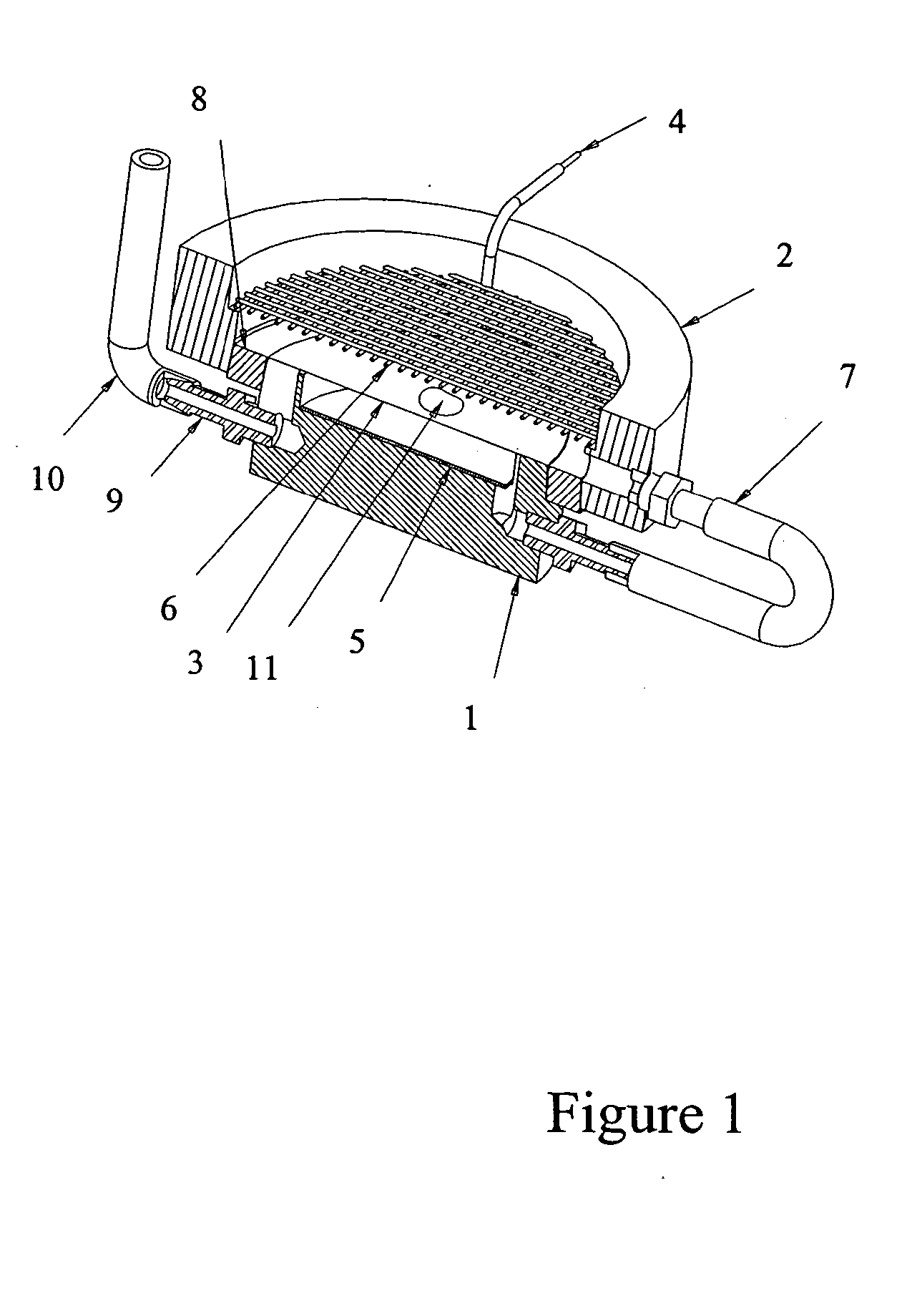
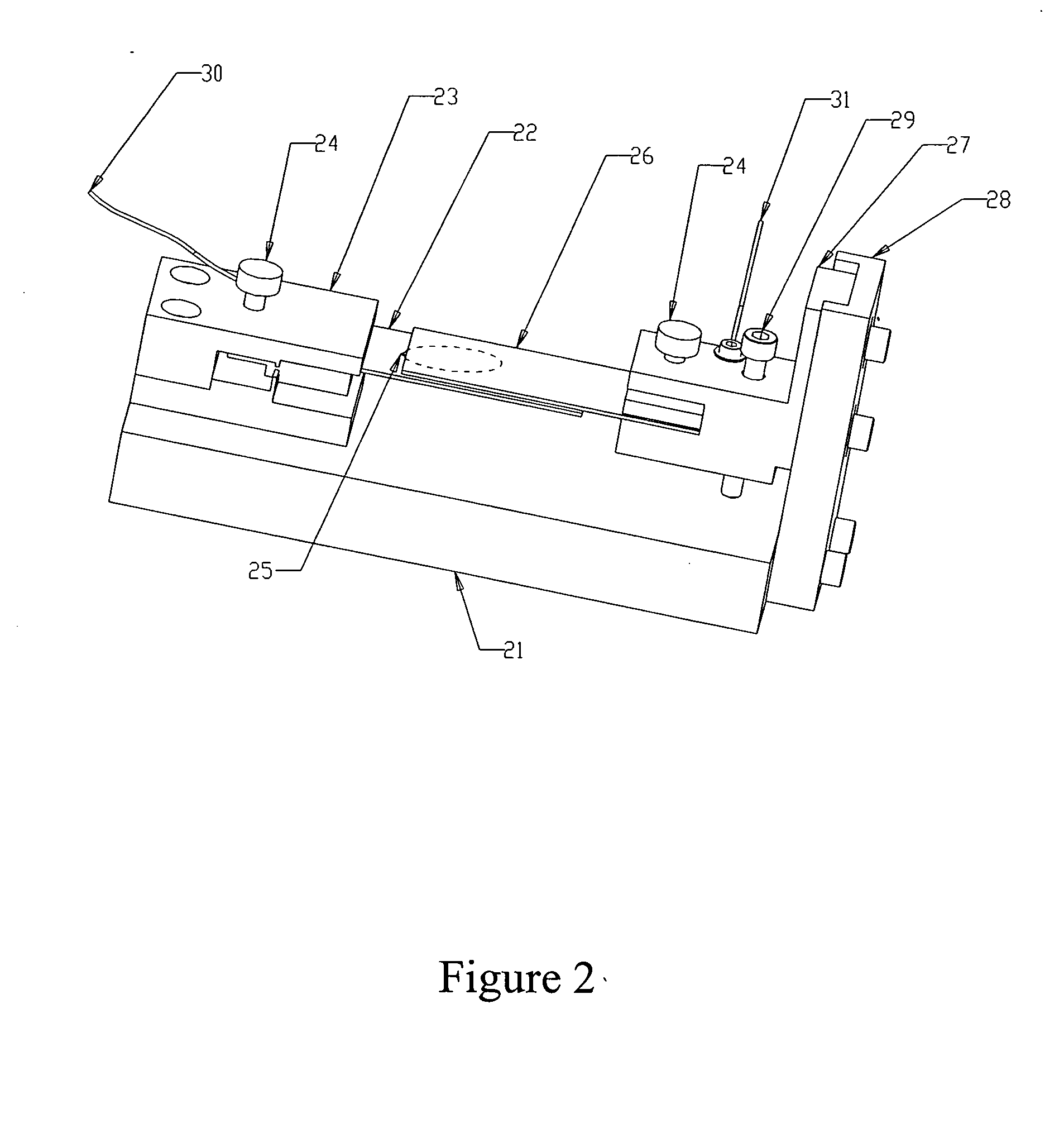
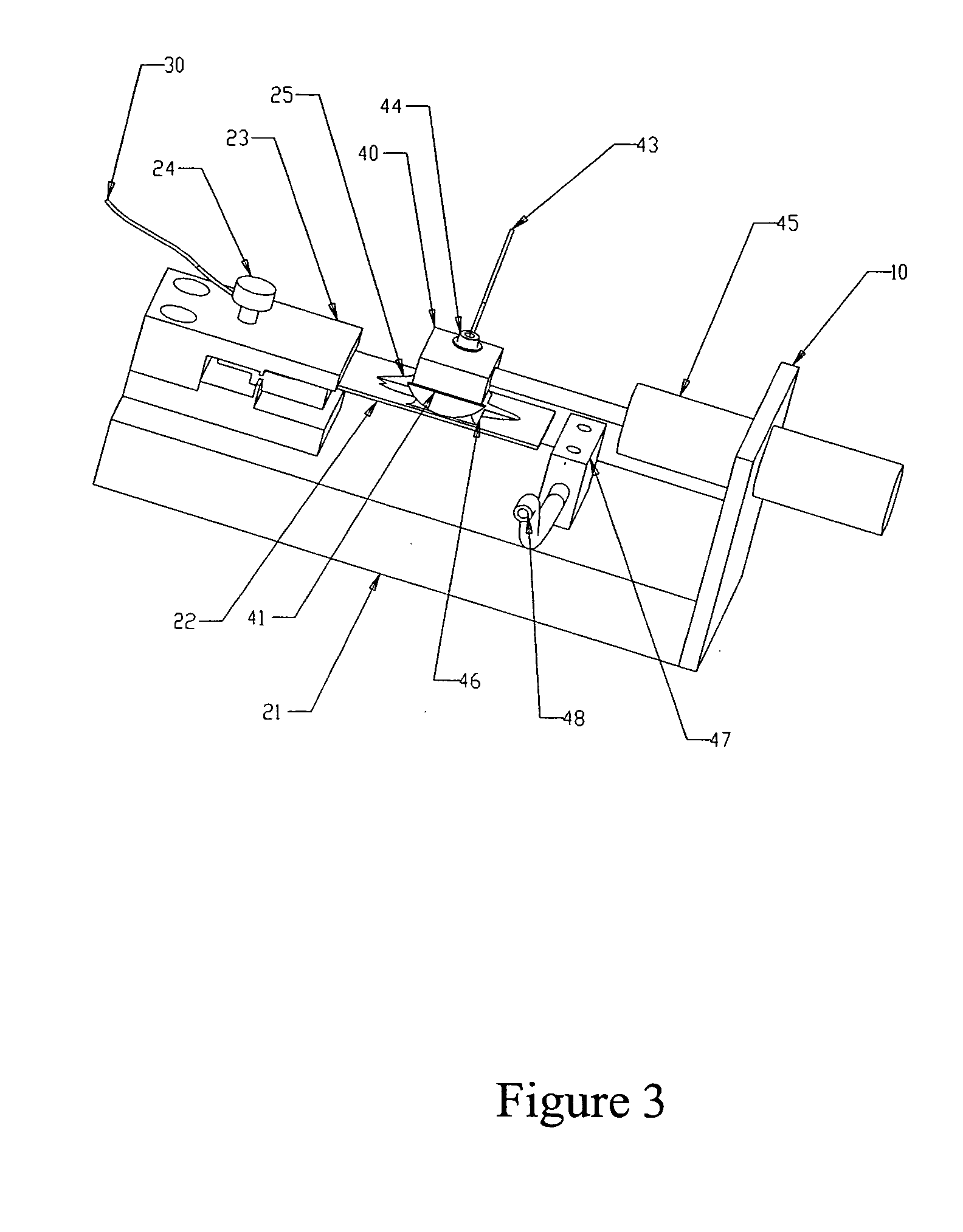
- Applying an electric field across a tissue sample in the presence of an electrolyte and a biomolecular conjugate molecule to accelerate the movement of conjugates into the tissue, reducing staining times to seconds and minimizing background staining.

Electrophoresis controllers, sensors, and methods for controlling electrophoresis processes
PatentActiveUS20170138897A9
Innovation
- An electrophoresis controller system that uses a sensor system with a light emitter and detector to monitor the migration of tracking dyes through the gel matrix, automatically turning off the power supply and alerting the user via audio, visual, or remote messages when the dye reaches a predetermined point, thus ensuring complete separation.


Safety Considerations in Electrophoresis Procedures
Safety considerations are paramount in electrophoresis procedures due to the potential hazards associated with electrical equipment and chemical reagents. Proper training and adherence to safety protocols are essential for all personnel involved in gel electrophoresis experiments. The primary safety concerns include electrical shock, exposure to harmful chemicals, and potential burns from heated equipment.
To mitigate electrical risks, researchers must ensure that all electrical connections are secure and that equipment is properly grounded. Power supplies should be regularly inspected for signs of wear or damage. It is crucial to avoid touching any part of the electrophoresis apparatus while it is connected to a power source. Additionally, researchers should never attempt to open or repair electrical equipment without proper training and authorization.
Chemical safety is another critical aspect of electrophoresis procedures. Many of the reagents used, such as acrylamide and ethidium bromide, are toxic and potentially carcinogenic. Proper personal protective equipment (PPE), including gloves, lab coats, and safety goggles, must be worn at all times when handling these substances. Adequate ventilation is necessary when working with volatile chemicals, and all reagents should be handled in a fume hood when possible.
Proper disposal of electrophoresis waste is essential to prevent environmental contamination and ensure laboratory safety. Used gels, buffers, and other chemical waste must be collected and disposed of according to institutional and regulatory guidelines. Sharps, such as broken glass or needles, should be disposed of in designated containers to prevent accidental injuries.
Thermal burns are a potential risk during gel preparation and post-electrophoresis analysis. When preparing agarose gels, care must be taken when handling hot solutions. Microwave ovens used for melting agarose should be operated with caution, and appropriate heat-resistant gloves should be used when handling hot glassware.
Emergency preparedness is crucial in any laboratory setting. All personnel should be familiar with the location and proper use of safety equipment, including eye wash stations, safety showers, and fire extinguishers. Clear protocols for handling spills, electrical malfunctions, and other emergencies should be established and regularly reviewed.
Regular maintenance and inspection of electrophoresis equipment are essential for ensuring safe operation. This includes checking for frayed wires, loose connections, and proper insulation. Any damaged equipment should be immediately taken out of service and repaired or replaced by qualified personnel.
By implementing comprehensive safety measures and fostering a culture of safety awareness, laboratories can significantly reduce the risks associated with gel electrophoresis procedures. Continuous education and training on safety protocols, coupled with strict adherence to best practices, are key to maintaining a safe working environment in electrophoresis laboratories.
To mitigate electrical risks, researchers must ensure that all electrical connections are secure and that equipment is properly grounded. Power supplies should be regularly inspected for signs of wear or damage. It is crucial to avoid touching any part of the electrophoresis apparatus while it is connected to a power source. Additionally, researchers should never attempt to open or repair electrical equipment without proper training and authorization.
Chemical safety is another critical aspect of electrophoresis procedures. Many of the reagents used, such as acrylamide and ethidium bromide, are toxic and potentially carcinogenic. Proper personal protective equipment (PPE), including gloves, lab coats, and safety goggles, must be worn at all times when handling these substances. Adequate ventilation is necessary when working with volatile chemicals, and all reagents should be handled in a fume hood when possible.
Proper disposal of electrophoresis waste is essential to prevent environmental contamination and ensure laboratory safety. Used gels, buffers, and other chemical waste must be collected and disposed of according to institutional and regulatory guidelines. Sharps, such as broken glass or needles, should be disposed of in designated containers to prevent accidental injuries.
Thermal burns are a potential risk during gel preparation and post-electrophoresis analysis. When preparing agarose gels, care must be taken when handling hot solutions. Microwave ovens used for melting agarose should be operated with caution, and appropriate heat-resistant gloves should be used when handling hot glassware.
Emergency preparedness is crucial in any laboratory setting. All personnel should be familiar with the location and proper use of safety equipment, including eye wash stations, safety showers, and fire extinguishers. Clear protocols for handling spills, electrical malfunctions, and other emergencies should be established and regularly reviewed.
Regular maintenance and inspection of electrophoresis equipment are essential for ensuring safe operation. This includes checking for frayed wires, loose connections, and proper insulation. Any damaged equipment should be immediately taken out of service and repaired or replaced by qualified personnel.
By implementing comprehensive safety measures and fostering a culture of safety awareness, laboratories can significantly reduce the risks associated with gel electrophoresis procedures. Continuous education and training on safety protocols, coupled with strict adherence to best practices, are key to maintaining a safe working environment in electrophoresis laboratories.
Environmental Impact of Electrophoresis Techniques
Gel electrophoresis, a widely used technique in molecular biology and biochemistry, has significant environmental implications that warrant careful consideration. The process involves the use of various chemicals and materials, some of which can have detrimental effects on the environment if not properly managed.
One of the primary environmental concerns associated with gel electrophoresis is the disposal of hazardous materials. The gels used in this technique often contain acrylamide, a neurotoxin that can contaminate soil and water if not disposed of correctly. Additionally, the buffers and staining agents used in the process, such as ethidium bromide, are potentially harmful to aquatic ecosystems and can persist in the environment for extended periods.
The energy consumption of electrophoresis equipment is another environmental factor to consider. Many laboratories run these devices for long periods, contributing to increased electricity usage and, consequently, higher carbon emissions. This impact is particularly significant in regions where electricity is primarily generated from fossil fuels.
Water usage is also a notable environmental aspect of electrophoresis techniques. The preparation of buffers and the cleaning of equipment require substantial amounts of water, which can strain local water resources, especially in water-scarce regions. Furthermore, the wastewater generated from these processes may contain trace amounts of chemicals that require specialized treatment before release into the environment.
The production and disposal of single-use plastics associated with electrophoresis, such as gel trays, combs, and pipette tips, contribute to the growing problem of plastic pollution. These materials often end up in landfills or, worse, in natural ecosystems, where they can harm wildlife and persist for hundreds of years.
To mitigate these environmental impacts, researchers and laboratories are exploring more sustainable alternatives. This includes the development of bio-based gels, less toxic staining methods, and more energy-efficient electrophoresis equipment. Some facilities are implementing recycling programs for plastics and exploring ways to reduce water consumption through improved protocols and equipment design.
The shift towards digital imaging and analysis systems for gel electrophoresis results is also helping to reduce the environmental footprint of this technique. By minimizing the need for physical printouts and chemical development of images, these digital solutions decrease waste generation and chemical usage.
In conclusion, while gel electrophoresis remains an essential tool in scientific research, its environmental impact cannot be overlooked. As the scientific community becomes more aware of these issues, there is a growing trend towards developing and adopting more environmentally friendly practices in laboratory settings. This includes not only improvements in the electrophoresis technique itself but also in the broader context of laboratory waste management and resource conservation.
One of the primary environmental concerns associated with gel electrophoresis is the disposal of hazardous materials. The gels used in this technique often contain acrylamide, a neurotoxin that can contaminate soil and water if not disposed of correctly. Additionally, the buffers and staining agents used in the process, such as ethidium bromide, are potentially harmful to aquatic ecosystems and can persist in the environment for extended periods.
The energy consumption of electrophoresis equipment is another environmental factor to consider. Many laboratories run these devices for long periods, contributing to increased electricity usage and, consequently, higher carbon emissions. This impact is particularly significant in regions where electricity is primarily generated from fossil fuels.
Water usage is also a notable environmental aspect of electrophoresis techniques. The preparation of buffers and the cleaning of equipment require substantial amounts of water, which can strain local water resources, especially in water-scarce regions. Furthermore, the wastewater generated from these processes may contain trace amounts of chemicals that require specialized treatment before release into the environment.
The production and disposal of single-use plastics associated with electrophoresis, such as gel trays, combs, and pipette tips, contribute to the growing problem of plastic pollution. These materials often end up in landfills or, worse, in natural ecosystems, where they can harm wildlife and persist for hundreds of years.
To mitigate these environmental impacts, researchers and laboratories are exploring more sustainable alternatives. This includes the development of bio-based gels, less toxic staining methods, and more energy-efficient electrophoresis equipment. Some facilities are implementing recycling programs for plastics and exploring ways to reduce water consumption through improved protocols and equipment design.
The shift towards digital imaging and analysis systems for gel electrophoresis results is also helping to reduce the environmental footprint of this technique. By minimizing the need for physical printouts and chemical development of images, these digital solutions decrease waste generation and chemical usage.
In conclusion, while gel electrophoresis remains an essential tool in scientific research, its environmental impact cannot be overlooked. As the scientific community becomes more aware of these issues, there is a growing trend towards developing and adopting more environmentally friendly practices in laboratory settings. This includes not only improvements in the electrophoresis technique itself but also in the broader context of laboratory waste management and resource conservation.
Unlock deeper insights with Patsnap Eureka Quick Research — get a full tech report to explore trends and direct your research. Try now!
Generate Your Research Report Instantly with AI Agent
Supercharge your innovation with Patsnap Eureka AI Agent Platform!