How do submersible pumps support ecological conservation efforts?
JUL 15, 20259 MIN READ
Generate Your Research Report Instantly with AI Agent
PatSnap Eureka helps you evaluate technical feasibility & market potential.
Submersible Pump Evolution and Conservation Goals
Submersible pumps have undergone significant evolution since their inception, with their role in ecological conservation becoming increasingly prominent. Initially designed for water extraction and flood control, these pumps have transformed into versatile tools supporting various environmental initiatives. The technological advancements in submersible pump design have aligned with growing global awareness of ecological preservation, creating a synergy between industrial capabilities and conservation goals.
The primary objective of integrating submersible pumps into conservation efforts is to maintain and restore aquatic ecosystems while minimizing environmental impact. These pumps play a crucial role in water management systems, helping to regulate water levels in sensitive habitats, prevent soil erosion, and support the natural flow of water bodies. By enabling precise control over water movement, submersible pumps contribute to the preservation of biodiversity in wetlands, rivers, and coastal areas.
In recent years, the development of energy-efficient and environmentally friendly submersible pump technologies has accelerated. Manufacturers have focused on reducing the carbon footprint of these devices, incorporating materials and designs that minimize ecological disruption. The integration of smart sensors and control systems has enhanced the pumps' ability to adapt to changing environmental conditions, ensuring optimal performance while conserving energy and resources.
Conservation goals have significantly influenced the direction of submersible pump innovation. Engineers and researchers are now prioritizing the development of pumps that can operate in diverse ecological settings without disturbing local flora and fauna. This includes creating quieter pumps to reduce noise pollution in aquatic environments and designing intake systems that prevent the entrainment of small aquatic organisms.
The evolution of submersible pumps has also seen a shift towards modular and scalable designs, allowing for easier deployment in remote or ecologically sensitive areas. This adaptability enables conservationists to implement water management solutions with minimal site disturbance, supporting habitat restoration projects and wildlife protection initiatives.
As climate change continues to impact global ecosystems, the role of submersible pumps in conservation efforts is expected to expand further. Future developments aim to enhance the pumps' capability to handle extreme weather events, support climate adaptation strategies, and contribute to the resilience of vulnerable ecosystems. The ongoing collaboration between pump manufacturers, environmental scientists, and conservation organizations is driving innovation towards more sustainable and ecologically harmonious pump technologies.
The primary objective of integrating submersible pumps into conservation efforts is to maintain and restore aquatic ecosystems while minimizing environmental impact. These pumps play a crucial role in water management systems, helping to regulate water levels in sensitive habitats, prevent soil erosion, and support the natural flow of water bodies. By enabling precise control over water movement, submersible pumps contribute to the preservation of biodiversity in wetlands, rivers, and coastal areas.
In recent years, the development of energy-efficient and environmentally friendly submersible pump technologies has accelerated. Manufacturers have focused on reducing the carbon footprint of these devices, incorporating materials and designs that minimize ecological disruption. The integration of smart sensors and control systems has enhanced the pumps' ability to adapt to changing environmental conditions, ensuring optimal performance while conserving energy and resources.
Conservation goals have significantly influenced the direction of submersible pump innovation. Engineers and researchers are now prioritizing the development of pumps that can operate in diverse ecological settings without disturbing local flora and fauna. This includes creating quieter pumps to reduce noise pollution in aquatic environments and designing intake systems that prevent the entrainment of small aquatic organisms.
The evolution of submersible pumps has also seen a shift towards modular and scalable designs, allowing for easier deployment in remote or ecologically sensitive areas. This adaptability enables conservationists to implement water management solutions with minimal site disturbance, supporting habitat restoration projects and wildlife protection initiatives.
As climate change continues to impact global ecosystems, the role of submersible pumps in conservation efforts is expected to expand further. Future developments aim to enhance the pumps' capability to handle extreme weather events, support climate adaptation strategies, and contribute to the resilience of vulnerable ecosystems. The ongoing collaboration between pump manufacturers, environmental scientists, and conservation organizations is driving innovation towards more sustainable and ecologically harmonious pump technologies.
Ecological Demand for Submersible Pump Applications
The ecological demand for submersible pump applications has grown significantly in recent years, driven by increasing environmental concerns and the need for sustainable water management practices. Submersible pumps play a crucial role in various ecological conservation efforts, particularly in aquatic ecosystems and water resource management.
In wetland restoration projects, submersible pumps are essential for maintaining optimal water levels and circulation. These pumps help recreate natural hydrological conditions, supporting the reestablishment of native plant and animal species. By precisely controlling water flow, submersible pumps enable conservationists to mimic seasonal flooding patterns, which are vital for the health of wetland ecosystems.
Aquaculture and fish conservation efforts also heavily rely on submersible pump technology. These pumps are used to maintain water quality in fish hatcheries and breeding programs for endangered aquatic species. By ensuring proper oxygenation and water circulation, submersible pumps create optimal conditions for fish growth and reproduction, contributing to the preservation of biodiversity in aquatic environments.
In the realm of groundwater management, submersible pumps are employed for sustainable extraction and recharge of aquifers. This application is particularly important in areas facing water scarcity or overexploitation of groundwater resources. By enabling controlled pumping and recharge operations, these pumps help maintain the balance of groundwater systems, preventing land subsidence and saltwater intrusion in coastal areas.
Submersible pumps also play a significant role in wastewater treatment and water reclamation projects. In constructed wetlands and other natural treatment systems, these pumps facilitate the movement of water through various stages of filtration and purification. This application not only helps in treating polluted water but also contributes to the creation of habitats for diverse flora and fauna.
The demand for submersible pumps in ecological applications extends to river and stream restoration projects. These pumps are used to remove sediment, improve water flow, and create habitats for aquatic life. By aiding in the removal of pollutants and excess nutrients, submersible pumps contribute to the overall health of river ecosystems and support the recovery of endangered fish species.
In coastal and marine conservation efforts, submersible pumps are utilized in coral reef restoration projects. They assist in creating controlled environments for coral nurseries and in maintaining water quality in artificial reef structures. This application is crucial in the face of increasing threats to coral reefs from climate change and ocean acidification.
The growing focus on urban ecology and green infrastructure has also increased the demand for submersible pumps. In rain gardens, bioswales, and other urban water management systems, these pumps help in controlling stormwater runoff, reducing pollution, and supporting urban biodiversity. This application is particularly important in mitigating the environmental impact of urbanization and improving the quality of urban ecosystems.
In wetland restoration projects, submersible pumps are essential for maintaining optimal water levels and circulation. These pumps help recreate natural hydrological conditions, supporting the reestablishment of native plant and animal species. By precisely controlling water flow, submersible pumps enable conservationists to mimic seasonal flooding patterns, which are vital for the health of wetland ecosystems.
Aquaculture and fish conservation efforts also heavily rely on submersible pump technology. These pumps are used to maintain water quality in fish hatcheries and breeding programs for endangered aquatic species. By ensuring proper oxygenation and water circulation, submersible pumps create optimal conditions for fish growth and reproduction, contributing to the preservation of biodiversity in aquatic environments.
In the realm of groundwater management, submersible pumps are employed for sustainable extraction and recharge of aquifers. This application is particularly important in areas facing water scarcity or overexploitation of groundwater resources. By enabling controlled pumping and recharge operations, these pumps help maintain the balance of groundwater systems, preventing land subsidence and saltwater intrusion in coastal areas.
Submersible pumps also play a significant role in wastewater treatment and water reclamation projects. In constructed wetlands and other natural treatment systems, these pumps facilitate the movement of water through various stages of filtration and purification. This application not only helps in treating polluted water but also contributes to the creation of habitats for diverse flora and fauna.
The demand for submersible pumps in ecological applications extends to river and stream restoration projects. These pumps are used to remove sediment, improve water flow, and create habitats for aquatic life. By aiding in the removal of pollutants and excess nutrients, submersible pumps contribute to the overall health of river ecosystems and support the recovery of endangered fish species.
In coastal and marine conservation efforts, submersible pumps are utilized in coral reef restoration projects. They assist in creating controlled environments for coral nurseries and in maintaining water quality in artificial reef structures. This application is crucial in the face of increasing threats to coral reefs from climate change and ocean acidification.
The growing focus on urban ecology and green infrastructure has also increased the demand for submersible pumps. In rain gardens, bioswales, and other urban water management systems, these pumps help in controlling stormwater runoff, reducing pollution, and supporting urban biodiversity. This application is particularly important in mitigating the environmental impact of urbanization and improving the quality of urban ecosystems.
Current Challenges in Submersible Pump Technology
Submersible pump technology, while advanced, still faces several challenges in supporting ecological conservation efforts. One of the primary issues is energy efficiency. Despite improvements, many submersible pumps consume significant amounts of electricity, contributing to increased carbon emissions and environmental impact. This challenge is particularly acute in remote or off-grid locations where renewable energy sources may be limited.
Another critical challenge is the potential for environmental contamination. Submersible pumps often operate in sensitive aquatic ecosystems, and there is a risk of oil or lubricant leakage from the pump components. Even small amounts of these substances can have detrimental effects on aquatic life and water quality. Developing completely sealed and environmentally safe pump systems remains an ongoing challenge for manufacturers.
The durability and longevity of submersible pumps in harsh environments present another significant hurdle. Pumps used in ecological conservation often operate in corrosive or abrasive conditions, such as saltwater or sediment-rich waters. This can lead to accelerated wear and tear, reducing the pump's lifespan and efficiency. The need for frequent maintenance or replacement not only increases costs but also disrupts conservation efforts and potentially harms the local ecosystem during servicing.
Adaptability to varying water conditions is another area where current submersible pump technology faces challenges. Conservation efforts often require pumps to operate effectively across a wide range of water depths, temperatures, and qualities. However, many pumps are optimized for specific conditions and may underperform when these conditions change, limiting their usefulness in dynamic ecological environments.
The issue of noise pollution is also a growing concern. Submersible pumps can generate significant underwater noise, which may disrupt marine life and affect ecosystem balance. Developing quieter pump technologies that minimize acoustic impact on aquatic environments is an ongoing challenge for engineers and conservationists alike.
Lastly, the integration of smart technologies and remote monitoring capabilities in submersible pumps for conservation purposes is still in its early stages. While such features could greatly enhance the efficiency and effectiveness of ecological management, challenges remain in developing robust, waterproof sensor systems and reliable long-distance data transmission methods in aquatic environments.
Another critical challenge is the potential for environmental contamination. Submersible pumps often operate in sensitive aquatic ecosystems, and there is a risk of oil or lubricant leakage from the pump components. Even small amounts of these substances can have detrimental effects on aquatic life and water quality. Developing completely sealed and environmentally safe pump systems remains an ongoing challenge for manufacturers.
The durability and longevity of submersible pumps in harsh environments present another significant hurdle. Pumps used in ecological conservation often operate in corrosive or abrasive conditions, such as saltwater or sediment-rich waters. This can lead to accelerated wear and tear, reducing the pump's lifespan and efficiency. The need for frequent maintenance or replacement not only increases costs but also disrupts conservation efforts and potentially harms the local ecosystem during servicing.
Adaptability to varying water conditions is another area where current submersible pump technology faces challenges. Conservation efforts often require pumps to operate effectively across a wide range of water depths, temperatures, and qualities. However, many pumps are optimized for specific conditions and may underperform when these conditions change, limiting their usefulness in dynamic ecological environments.
The issue of noise pollution is also a growing concern. Submersible pumps can generate significant underwater noise, which may disrupt marine life and affect ecosystem balance. Developing quieter pump technologies that minimize acoustic impact on aquatic environments is an ongoing challenge for engineers and conservationists alike.
Lastly, the integration of smart technologies and remote monitoring capabilities in submersible pumps for conservation purposes is still in its early stages. While such features could greatly enhance the efficiency and effectiveness of ecological management, challenges remain in developing robust, waterproof sensor systems and reliable long-distance data transmission methods in aquatic environments.
Existing Eco-friendly Submersible Pump Solutions
01 Design and construction of submersible pumps
Submersible pumps are designed to operate while fully submerged in liquid. They typically consist of a sealed motor coupled to a pump body. The design focuses on efficient operation underwater, including features for heat dissipation, pressure equalization, and protection against liquid ingress.- Design improvements for submersible pumps: Various design improvements have been made to enhance the performance and efficiency of submersible pumps. These include modifications to the pump structure, impeller design, and motor configuration to optimize fluid flow, increase durability, and improve overall pump efficiency in submerged conditions.
- Control systems for submersible pumps: Advanced control systems have been developed for submersible pumps to enhance their operation and monitoring capabilities. These systems may include sensors, data analysis algorithms, and remote monitoring features to optimize pump performance, detect faults, and enable predictive maintenance.
- Energy-efficient submersible pump technologies: Innovations in submersible pump technology have focused on improving energy efficiency. This includes the development of high-efficiency motors, variable speed drives, and optimized hydraulic designs to reduce power consumption while maintaining or improving pump performance in underwater applications.
- Materials and coatings for submersible pumps: Advancements in materials science and coating technologies have led to the development of more durable and corrosion-resistant submersible pumps. These innovations help extend the lifespan of pumps operating in harsh underwater environments and improve their overall reliability.
- Specialized submersible pumps for specific applications: Customized submersible pump designs have been created for specific industries and applications. These specialized pumps may feature unique configurations, materials, or operating parameters tailored to meet the requirements of particular underwater pumping scenarios, such as deep-sea operations or handling abrasive fluids.
02 Control systems for submersible pumps
Advanced control systems are implemented to optimize the performance of submersible pumps. These systems may include sensors for monitoring pump conditions, variable frequency drives for adjusting pump speed, and remote monitoring capabilities for efficient operation and maintenance.Expand Specific Solutions03 Energy efficiency improvements in submersible pumps
Innovations in submersible pump technology focus on improving energy efficiency. This includes the development of high-efficiency motors, optimized impeller designs, and the use of advanced materials to reduce friction and improve overall pump performance.Expand Specific Solutions04 Specialized submersible pumps for specific applications
Submersible pumps are designed for various specialized applications, such as wastewater treatment, oil and gas extraction, and deep-sea operations. These pumps feature specific adaptations to handle different types of fluids, pressures, and environmental conditions.Expand Specific Solutions05 Maintenance and reliability enhancements
Advancements in submersible pump technology focus on improving reliability and ease of maintenance. This includes the development of self-diagnostic systems, modular designs for easy component replacement, and materials resistant to corrosion and wear in harsh underwater environments.Expand Specific Solutions
Key Players in Submersible Pump Industry
The submersible pump market for ecological conservation is in a growth phase, driven by increasing environmental concerns and water management needs. The market size is expanding, with a projected CAGR of 5-7% over the next five years. Technologically, the field is moderately mature, with ongoing innovations focused on energy efficiency and environmental compatibility. Key players like Schlumberger Technologies, Baker Hughes, and Ebara Corp are investing in R&D to develop eco-friendly pump solutions. Emerging companies such as Zhejiang Doyin Technology and See Water, Inc. are also contributing to technological advancements, particularly in areas of water treatment and oil-water separation for environmental protection applications.
Schlumberger Technologies, Inc.
Technical Solution: Schlumberger has developed advanced submersible pump systems that support ecological conservation efforts in various ways. Their REDA Maximus ESP system incorporates intelligent monitoring and control capabilities to optimize pump performance and energy efficiency[1]. This system uses real-time data analytics to adjust pump operations based on changing well conditions, reducing unnecessary energy consumption and minimizing environmental impact. Additionally, Schlumberger's Lift IQ production life cycle management service integrates with submersible pumps to provide predictive maintenance and remote monitoring, which helps prevent equipment failures and potential environmental incidents[2]. The company has also invested in developing eco-friendly pump materials and coatings that resist corrosion and scaling, extending pump life and reducing the need for frequent replacements or interventions that could disturb ecosystems[3].
Strengths: Advanced technology integration, real-time optimization, and predictive maintenance capabilities. Weaknesses: High initial investment costs and potential complexity in implementation for smaller operations.
Baker Hughes Co.
Technical Solution: Baker Hughes has developed the CENtrilift FLEX submersible pumping system, which is designed to support ecological conservation efforts through improved efficiency and adaptability. The system features a modular design that allows for easy customization to specific well conditions, reducing the need for multiple pump installations and minimizing environmental disturbance[4]. The FLEX system incorporates advanced materials and coatings that enhance resistance to corrosion and abrasion, extending pump life and reducing the frequency of interventions in sensitive areas. Baker Hughes has also implemented their ProductionLink remote monitoring and control system, which works in conjunction with submersible pumps to optimize performance and detect potential issues before they lead to failures or spills[5]. Furthermore, the company's AutoTrak eXpress rotary steerable system, when used in conjunction with submersible pumps, enables precise wellbore placement, reducing the environmental footprint of drilling operations[6].
Strengths: Modular design for customization, advanced materials for longevity, and integrated monitoring systems. Weaknesses: May require specialized training for operators to fully utilize advanced features.
Innovative Designs for Ecological Conservation
Esp with improved deployment for live intervention
PatentWO2023177648A1
Innovation
- The system employs a reinforced power cable to support the weight of the motor and pump, with internal compensators for thermal expansion and an internal thrust bearing to manage axial loads, allowing for deployment and retrieval through production tubing using a method that includes connecting the pump to a landing assembly and power cable, and using tethers or pressurized fluid for weight management.
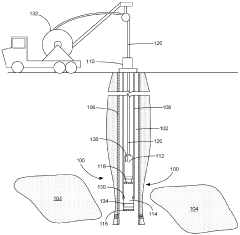
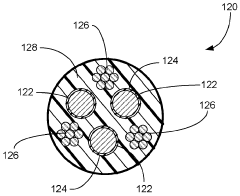
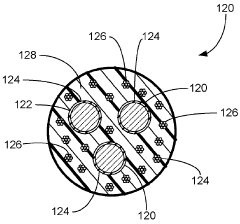
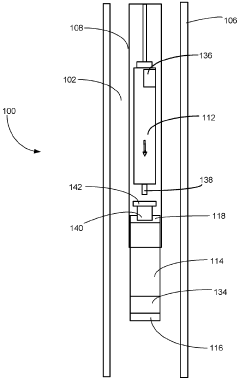
Electric submersible pumping completion flow diverter system
PatentActiveUS20120181043A1
Innovation
- A system combining a flow diverter valve with an electric submersible pumping system, where the flow diverter valve automatically directs well fluid to bypass the ESP when it's not operating and to the ESP when it's operating, extending the ESP's life by ensuring fluid flow only during operation, and includes features like one-way flow restrictors and an automatically shiftable mandrel for fluid control.


Environmental Impact Assessment
Submersible pumps play a significant role in supporting ecological conservation efforts through various applications. These pumps are designed to operate underwater, making them ideal for managing aquatic ecosystems and addressing environmental challenges. In assessing the environmental impact of submersible pumps in conservation, several key factors must be considered.
Firstly, submersible pumps contribute to water quality management in natural habitats. By facilitating the circulation and aeration of water bodies, these pumps help maintain optimal dissolved oxygen levels, crucial for aquatic life. This process can mitigate the effects of eutrophication and prevent algal blooms, which are detrimental to ecosystem health. Additionally, submersible pumps can be used in the treatment of polluted water sources, aiding in the removal of contaminants and restoration of degraded aquatic environments.
In wetland restoration projects, submersible pumps are instrumental in recreating natural hydrological conditions. They enable precise control over water levels, essential for establishing and maintaining diverse plant and animal communities. This capability is particularly valuable in areas affected by altered water regimes due to human activities or climate change.
The use of submersible pumps in flood control systems also contributes to ecological conservation. By managing water levels during extreme weather events, these pumps help prevent erosion and habitat destruction in riparian zones. This protection is crucial for maintaining biodiversity and preserving sensitive ecosystems along waterways.
However, the environmental impact assessment must also consider potential negative effects. The installation and operation of submersible pumps can cause temporary disturbances to aquatic habitats. Careful planning and implementation are necessary to minimize these impacts. Additionally, the energy consumption of these pumps should be evaluated, as it contributes to the overall environmental footprint of conservation projects.
In terms of wildlife protection, submersible pumps can be designed with features to prevent harm to aquatic organisms. Screens and slow-start mechanisms can reduce the risk of entrainment or injury to fish and other aquatic life. When properly implemented, these protective measures ensure that the pumps support rather than hinder conservation goals.
The long-term sustainability of submersible pump use in ecological conservation depends on ongoing monitoring and adaptive management. Regular assessments of water quality, habitat conditions, and species populations are essential to evaluate the effectiveness of pump-based interventions and make necessary adjustments.
In conclusion, the environmental impact assessment of submersible pumps in ecological conservation efforts reveals both significant benefits and potential challenges. When thoughtfully applied and managed, these pumps serve as valuable tools in supporting aquatic ecosystem health, habitat restoration, and biodiversity conservation. Their role in water management and environmental protection underscores the importance of technological solutions in addressing complex ecological challenges.
Firstly, submersible pumps contribute to water quality management in natural habitats. By facilitating the circulation and aeration of water bodies, these pumps help maintain optimal dissolved oxygen levels, crucial for aquatic life. This process can mitigate the effects of eutrophication and prevent algal blooms, which are detrimental to ecosystem health. Additionally, submersible pumps can be used in the treatment of polluted water sources, aiding in the removal of contaminants and restoration of degraded aquatic environments.
In wetland restoration projects, submersible pumps are instrumental in recreating natural hydrological conditions. They enable precise control over water levels, essential for establishing and maintaining diverse plant and animal communities. This capability is particularly valuable in areas affected by altered water regimes due to human activities or climate change.
The use of submersible pumps in flood control systems also contributes to ecological conservation. By managing water levels during extreme weather events, these pumps help prevent erosion and habitat destruction in riparian zones. This protection is crucial for maintaining biodiversity and preserving sensitive ecosystems along waterways.
However, the environmental impact assessment must also consider potential negative effects. The installation and operation of submersible pumps can cause temporary disturbances to aquatic habitats. Careful planning and implementation are necessary to minimize these impacts. Additionally, the energy consumption of these pumps should be evaluated, as it contributes to the overall environmental footprint of conservation projects.
In terms of wildlife protection, submersible pumps can be designed with features to prevent harm to aquatic organisms. Screens and slow-start mechanisms can reduce the risk of entrainment or injury to fish and other aquatic life. When properly implemented, these protective measures ensure that the pumps support rather than hinder conservation goals.
The long-term sustainability of submersible pump use in ecological conservation depends on ongoing monitoring and adaptive management. Regular assessments of water quality, habitat conditions, and species populations are essential to evaluate the effectiveness of pump-based interventions and make necessary adjustments.
In conclusion, the environmental impact assessment of submersible pumps in ecological conservation efforts reveals both significant benefits and potential challenges. When thoughtfully applied and managed, these pumps serve as valuable tools in supporting aquatic ecosystem health, habitat restoration, and biodiversity conservation. Their role in water management and environmental protection underscores the importance of technological solutions in addressing complex ecological challenges.
Regulatory Framework for Ecological Pump Use
The regulatory framework for ecological pump use plays a crucial role in ensuring that submersible pumps contribute positively to conservation efforts while minimizing potential environmental impacts. This framework typically encompasses a range of laws, regulations, and guidelines at local, national, and international levels.
At the core of these regulations are environmental protection acts that set standards for water quality, habitat preservation, and species conservation. These laws often require environmental impact assessments before the installation and operation of submersible pumps in sensitive ecosystems. Such assessments evaluate the potential effects on local flora and fauna, water tables, and overall ecosystem health.
Specific regulations often address the design and operation of submersible pumps to prevent harm to aquatic life. These may include requirements for fish-friendly intake screens, limitations on pumping rates and volumes, and restrictions on the timing of pump operations to avoid disrupting critical life cycle stages of local species.
Water resource management regulations also play a significant role in governing the use of submersible pumps for ecological purposes. These regulations typically focus on sustainable water extraction practices, ensuring that pump operations do not deplete water sources or alter natural flow regimes to the detriment of ecosystems.
Many jurisdictions have implemented permitting systems for the installation and use of submersible pumps in ecological contexts. These permits often require detailed operational plans, monitoring protocols, and reporting mechanisms to ensure compliance with environmental standards and to track the long-term impacts of pump use on local ecosystems.
Energy efficiency standards are increasingly being incorporated into the regulatory framework, promoting the use of pumps that minimize power consumption and reduce the carbon footprint of conservation operations. This aligns with broader sustainability goals and helps to mitigate the indirect environmental impacts of pump use.
International agreements and conventions, such as the Ramsar Convention on Wetlands, also influence the regulatory landscape for ecological pump use, especially in transboundary water systems. These agreements often necessitate collaborative approaches to water management and conservation, impacting how submersible pumps are deployed and operated across borders.
As technology advances, regulations are evolving to incorporate new monitoring and control systems. Smart pumps with real-time data collection and adaptive operation capabilities are becoming more prevalent, allowing for more precise regulation and management of ecological pump use.
At the core of these regulations are environmental protection acts that set standards for water quality, habitat preservation, and species conservation. These laws often require environmental impact assessments before the installation and operation of submersible pumps in sensitive ecosystems. Such assessments evaluate the potential effects on local flora and fauna, water tables, and overall ecosystem health.
Specific regulations often address the design and operation of submersible pumps to prevent harm to aquatic life. These may include requirements for fish-friendly intake screens, limitations on pumping rates and volumes, and restrictions on the timing of pump operations to avoid disrupting critical life cycle stages of local species.
Water resource management regulations also play a significant role in governing the use of submersible pumps for ecological purposes. These regulations typically focus on sustainable water extraction practices, ensuring that pump operations do not deplete water sources or alter natural flow regimes to the detriment of ecosystems.
Many jurisdictions have implemented permitting systems for the installation and use of submersible pumps in ecological contexts. These permits often require detailed operational plans, monitoring protocols, and reporting mechanisms to ensure compliance with environmental standards and to track the long-term impacts of pump use on local ecosystems.
Energy efficiency standards are increasingly being incorporated into the regulatory framework, promoting the use of pumps that minimize power consumption and reduce the carbon footprint of conservation operations. This aligns with broader sustainability goals and helps to mitigate the indirect environmental impacts of pump use.
International agreements and conventions, such as the Ramsar Convention on Wetlands, also influence the regulatory landscape for ecological pump use, especially in transboundary water systems. These agreements often necessitate collaborative approaches to water management and conservation, impacting how submersible pumps are deployed and operated across borders.
As technology advances, regulations are evolving to incorporate new monitoring and control systems. Smart pumps with real-time data collection and adaptive operation capabilities are becoming more prevalent, allowing for more precise regulation and management of ecological pump use.
Unlock deeper insights with PatSnap Eureka Quick Research — get a full tech report to explore trends and direct your research. Try now!
Generate Your Research Report Instantly with AI Agent
Supercharge your innovation with PatSnap Eureka AI Agent Platform!