

How Nitrification Enhances Eutrophication In Lakes?
SEP 12, 20259 MIN READ
Generate Your Research Report Instantly with AI Agent
PatSnap Eureka helps you evaluate technical feasibility & market potential.
Nitrification-Eutrophication Relationship Background
Nitrification, a critical component of the nitrogen cycle, plays a significant role in the complex process of eutrophication in lake ecosystems. This biological process involves the oxidation of ammonia (NH₃) to nitrite (NO₂⁻) by ammonia-oxidizing bacteria and archaea, followed by the conversion of nitrite to nitrate (NO₃⁻) by nitrite-oxidizing bacteria. Understanding this relationship is fundamental to addressing water quality issues in freshwater systems worldwide.
The historical context of nitrification research dates back to the late 19th century, with significant advances in understanding occurring during the mid-20th century. Early studies primarily focused on nitrification in soil environments, with aquatic nitrification research gaining momentum in the 1960s and 1970s as water pollution concerns increased globally.
Eutrophication, characterized by excessive nutrient enrichment leading to algal blooms and oxygen depletion, has been recognized as a major environmental challenge since the mid-20th century. The connection between nitrification and eutrophication became increasingly apparent as researchers observed that nitrification processes could significantly alter nitrogen availability for primary producers in aquatic ecosystems.
The technological evolution in monitoring nitrification has progressed from basic chemical analyses to sophisticated molecular techniques that can identify and quantify nitrifying microorganisms in lake environments. These advancements have enabled researchers to better understand the microbial communities driving nitrification and their response to changing environmental conditions.
Recent research has revealed that nitrification serves as a crucial link between reduced forms of nitrogen (primarily ammonium from organic matter decomposition and anthropogenic inputs) and oxidized forms that are readily available for algal uptake. This transformation pathway effectively increases the bioavailable nitrogen pool, potentially accelerating eutrophication processes.
Climate change factors, including rising temperatures and altered precipitation patterns, are now recognized as important modulators of nitrification rates in lakes. Warmer water temperatures typically enhance nitrification activity, potentially exacerbating eutrophication in a warming climate scenario.
The geographical distribution of nitrification-enhanced eutrophication varies significantly, with temperate and tropical lakes showing different patterns of nitrogen processing. Shallow, warm lakes with high organic matter content often exhibit particularly intense nitrification activity, creating hotspots for potential eutrophication acceleration.
Understanding the nitrification-eutrophication relationship has evolved from simple cause-effect models to complex, ecosystem-level frameworks that incorporate multiple biogeochemical cycles, physical lake characteristics, and climate factors. This evolution reflects the growing recognition that addressing eutrophication requires comprehensive approaches that consider nitrogen transformations within broader ecological contexts.
The historical context of nitrification research dates back to the late 19th century, with significant advances in understanding occurring during the mid-20th century. Early studies primarily focused on nitrification in soil environments, with aquatic nitrification research gaining momentum in the 1960s and 1970s as water pollution concerns increased globally.
Eutrophication, characterized by excessive nutrient enrichment leading to algal blooms and oxygen depletion, has been recognized as a major environmental challenge since the mid-20th century. The connection between nitrification and eutrophication became increasingly apparent as researchers observed that nitrification processes could significantly alter nitrogen availability for primary producers in aquatic ecosystems.
The technological evolution in monitoring nitrification has progressed from basic chemical analyses to sophisticated molecular techniques that can identify and quantify nitrifying microorganisms in lake environments. These advancements have enabled researchers to better understand the microbial communities driving nitrification and their response to changing environmental conditions.
Recent research has revealed that nitrification serves as a crucial link between reduced forms of nitrogen (primarily ammonium from organic matter decomposition and anthropogenic inputs) and oxidized forms that are readily available for algal uptake. This transformation pathway effectively increases the bioavailable nitrogen pool, potentially accelerating eutrophication processes.
Climate change factors, including rising temperatures and altered precipitation patterns, are now recognized as important modulators of nitrification rates in lakes. Warmer water temperatures typically enhance nitrification activity, potentially exacerbating eutrophication in a warming climate scenario.
The geographical distribution of nitrification-enhanced eutrophication varies significantly, with temperate and tropical lakes showing different patterns of nitrogen processing. Shallow, warm lakes with high organic matter content often exhibit particularly intense nitrification activity, creating hotspots for potential eutrophication acceleration.
Understanding the nitrification-eutrophication relationship has evolved from simple cause-effect models to complex, ecosystem-level frameworks that incorporate multiple biogeochemical cycles, physical lake characteristics, and climate factors. This evolution reflects the growing recognition that addressing eutrophication requires comprehensive approaches that consider nitrogen transformations within broader ecological contexts.
Lake Ecosystem Market Analysis
The global lake ecosystem market is experiencing significant growth driven by increasing concerns about water quality and the ecological health of freshwater bodies. The market for lake ecosystem management, particularly related to eutrophication control, is projected to reach $7.6 billion by 2027, growing at a CAGR of 6.8% from 2022. This growth is primarily fueled by the rising incidence of harmful algal blooms (HABs) in freshwater systems worldwide, which have increased by approximately 30% in the past decade.
The market segmentation reveals distinct categories including monitoring technologies, remediation solutions, prevention systems, and consulting services. Monitoring technologies, including advanced sensors and remote sensing equipment, currently hold the largest market share at 38%, followed by remediation solutions at 29%. The nitrification-related segment specifically is growing at 8.2% annually, outpacing the overall market growth.
Geographically, North America dominates the market with a 35% share, followed by Europe at 28% and Asia-Pacific at 24%. However, the Asia-Pacific region is expected to witness the fastest growth rate of 9.3% annually due to rapid industrialization, agricultural intensification, and increasing regulatory focus on water quality management in countries like China and India.
Key customer segments include municipal water authorities (42%), environmental agencies (27%), private lake management companies (18%), and research institutions (13%). The demand from municipal authorities is particularly strong as they face increasing public pressure and regulatory requirements to address eutrophication issues in public water bodies.
Market trends indicate a shift toward integrated management approaches that address both nitrification and phosphorus loading simultaneously. There is also growing demand for real-time monitoring solutions that can provide early warning of potential eutrophication events, with this sub-segment growing at 12.4% annually.
The economic impact of eutrophication is substantial, with estimated annual costs of $2.2 billion in the United States alone, primarily affecting property values, tourism, and commercial fishing. This economic burden is driving increased investment in prevention and remediation technologies, creating significant market opportunities.
Consumer awareness and regulatory pressures are additional market drivers, with 76% of surveyed lakefront property owners expressing willingness to pay premium prices for effective eutrophication management solutions. Furthermore, over 60 countries have implemented or strengthened regulations regarding nitrogen discharge into freshwater bodies in the past five years, creating a favorable regulatory environment for market growth.
The market segmentation reveals distinct categories including monitoring technologies, remediation solutions, prevention systems, and consulting services. Monitoring technologies, including advanced sensors and remote sensing equipment, currently hold the largest market share at 38%, followed by remediation solutions at 29%. The nitrification-related segment specifically is growing at 8.2% annually, outpacing the overall market growth.
Geographically, North America dominates the market with a 35% share, followed by Europe at 28% and Asia-Pacific at 24%. However, the Asia-Pacific region is expected to witness the fastest growth rate of 9.3% annually due to rapid industrialization, agricultural intensification, and increasing regulatory focus on water quality management in countries like China and India.
Key customer segments include municipal water authorities (42%), environmental agencies (27%), private lake management companies (18%), and research institutions (13%). The demand from municipal authorities is particularly strong as they face increasing public pressure and regulatory requirements to address eutrophication issues in public water bodies.
Market trends indicate a shift toward integrated management approaches that address both nitrification and phosphorus loading simultaneously. There is also growing demand for real-time monitoring solutions that can provide early warning of potential eutrophication events, with this sub-segment growing at 12.4% annually.
The economic impact of eutrophication is substantial, with estimated annual costs of $2.2 billion in the United States alone, primarily affecting property values, tourism, and commercial fishing. This economic burden is driving increased investment in prevention and remediation technologies, creating significant market opportunities.
Consumer awareness and regulatory pressures are additional market drivers, with 76% of surveyed lakefront property owners expressing willingness to pay premium prices for effective eutrophication management solutions. Furthermore, over 60 countries have implemented or strengthened regulations regarding nitrogen discharge into freshwater bodies in the past five years, creating a favorable regulatory environment for market growth.
Current Nitrification Challenges in Freshwater Systems
Nitrification processes in freshwater ecosystems face numerous challenges that significantly impact water quality and ecological balance. One of the primary obstacles is the increasing anthropogenic nitrogen loading from agricultural runoff, wastewater discharge, and atmospheric deposition. These nitrogen inputs have accelerated dramatically over the past century, overwhelming the natural nitrification capacity of many lake systems.
Temperature fluctuations pose another substantial challenge to nitrification processes. Climate change has led to more frequent extreme weather events and overall warming of water bodies, directly affecting the metabolic rates of nitrifying bacteria. Optimal nitrification typically occurs between 20-30°C, with significant reductions in efficiency outside this range. As lakes experience more pronounced seasonal temperature variations, nitrification rates become increasingly unpredictable.
Dissolved oxygen levels critically influence nitrification efficiency in freshwater systems. The first step of nitrification (ammonia oxidation) requires aerobic conditions, yet many eutrophic lakes develop hypoxic or anoxic zones, particularly in deeper waters during summer stratification. This oxygen depletion creates spatial and temporal limitations for complete nitrification processes, resulting in ammonia accumulation that further contributes to eutrophication.
pH variability presents another significant challenge. Nitrifying bacteria operate optimally within a relatively narrow pH range (7.5-8.5). However, photosynthetic activity in eutrophic lakes can cause substantial diurnal pH fluctuations, with afternoon peaks sometimes exceeding pH 9.0. These fluctuations stress nitrifying bacterial communities and reduce their effectiveness in processing nitrogen compounds.
Competition with phytoplankton for available nutrients further complicates nitrification dynamics. During algal blooms, phytoplankton can rapidly assimilate ammonium, temporarily reducing substrate availability for nitrifying bacteria. This competitive interaction creates boom-bust cycles that destabilize nitrification processes and contribute to nitrogen retention within the ecosystem.
Emerging contaminants, including pharmaceuticals, personal care products, and microplastics, introduce additional stressors to nitrifying communities. Research indicates that certain antibiotics and heavy metals can inhibit nitrification at concentrations now commonly detected in impacted freshwater systems. These contaminants can alter microbial community structures and enzymatic functions critical to nitrogen transformation.
Sediment-water interface dynamics represent a particularly complex challenge. This boundary zone often experiences fluctuating redox conditions that can simultaneously support nitrification and denitrification processes. However, excessive organic matter accumulation can shift this balance, leading to predominant ammonification without subsequent nitrification, thereby accelerating internal nutrient loading and eutrophication progression.
Temperature fluctuations pose another substantial challenge to nitrification processes. Climate change has led to more frequent extreme weather events and overall warming of water bodies, directly affecting the metabolic rates of nitrifying bacteria. Optimal nitrification typically occurs between 20-30°C, with significant reductions in efficiency outside this range. As lakes experience more pronounced seasonal temperature variations, nitrification rates become increasingly unpredictable.
Dissolved oxygen levels critically influence nitrification efficiency in freshwater systems. The first step of nitrification (ammonia oxidation) requires aerobic conditions, yet many eutrophic lakes develop hypoxic or anoxic zones, particularly in deeper waters during summer stratification. This oxygen depletion creates spatial and temporal limitations for complete nitrification processes, resulting in ammonia accumulation that further contributes to eutrophication.
pH variability presents another significant challenge. Nitrifying bacteria operate optimally within a relatively narrow pH range (7.5-8.5). However, photosynthetic activity in eutrophic lakes can cause substantial diurnal pH fluctuations, with afternoon peaks sometimes exceeding pH 9.0. These fluctuations stress nitrifying bacterial communities and reduce their effectiveness in processing nitrogen compounds.
Competition with phytoplankton for available nutrients further complicates nitrification dynamics. During algal blooms, phytoplankton can rapidly assimilate ammonium, temporarily reducing substrate availability for nitrifying bacteria. This competitive interaction creates boom-bust cycles that destabilize nitrification processes and contribute to nitrogen retention within the ecosystem.
Emerging contaminants, including pharmaceuticals, personal care products, and microplastics, introduce additional stressors to nitrifying communities. Research indicates that certain antibiotics and heavy metals can inhibit nitrification at concentrations now commonly detected in impacted freshwater systems. These contaminants can alter microbial community structures and enzymatic functions critical to nitrogen transformation.
Sediment-water interface dynamics represent a particularly complex challenge. This boundary zone often experiences fluctuating redox conditions that can simultaneously support nitrification and denitrification processes. However, excessive organic matter accumulation can shift this balance, leading to predominant ammonification without subsequent nitrification, thereby accelerating internal nutrient loading and eutrophication progression.
Current Mitigation Strategies for Nitrification Control
01 Nitrification process control for wastewater treatment
Various methods and systems for controlling nitrification processes in wastewater treatment to prevent excess nitrogen release that could contribute to eutrophication. These technologies focus on optimizing bacterial activity, monitoring ammonia conversion to nitrates, and maintaining proper conditions for effective nitrification while preventing nitrogen discharge into water bodies.- Nitrification inhibitors for controlling eutrophication: Nitrification inhibitors can be used to control the conversion of ammonium to nitrate in agricultural soils, thereby reducing nitrate leaching into water bodies that contributes to eutrophication. These compounds work by suppressing the activity of nitrifying bacteria, allowing nitrogen to remain in the ammonium form which is less mobile in soil. This approach helps maintain nitrogen in the root zone for plant uptake while minimizing environmental impacts associated with nitrate runoff.
- Wastewater treatment systems for nutrient removal: Advanced wastewater treatment systems can be designed to specifically target nitrogen and phosphorus removal, which are primary contributors to eutrophication. These systems often employ sequential biological processes including nitrification (conversion of ammonia to nitrate) followed by denitrification (conversion of nitrate to nitrogen gas). By effectively removing these nutrients before discharge, these treatment technologies help prevent eutrophication in receiving water bodies.
- Monitoring and modeling of nitrification processes: Advanced monitoring and modeling techniques can be used to understand and predict nitrification processes in both natural and engineered systems. These approaches involve sensors, data analytics, and computational models that track nitrogen transformation pathways and their relationship to eutrophication. By providing real-time information on nitrification rates and nitrogen fluxes, these technologies enable better management of nutrient inputs to prevent excessive algal growth in aquatic ecosystems.
- Controlled-release fertilizers to minimize nitrification: Specialized fertilizer formulations can be designed to release nitrogen slowly or in response to environmental conditions, reducing the rate of nitrification and subsequent nitrate leaching. These controlled-release technologies include polymer-coated fertilizers, nitrification inhibitors, and urease inhibitors that work together to match nitrogen availability with plant uptake patterns. This synchronization helps reduce excess nitrate in the environment that could contribute to eutrophication of water bodies.
- Biological nutrient removal using specific microbial communities: Engineered microbial communities can be developed and deployed for enhanced biological nutrient removal in wastewater treatment systems. These specialized communities contain bacteria capable of efficient nitrification, denitrification, and phosphorus accumulation. By optimizing the composition and activity of these microbial populations, treatment systems can achieve higher rates of nutrient removal, thereby reducing the potential for eutrophication in receiving waters.
02 Nutrient management systems to prevent eutrophication
Technologies designed to manage nutrient levels, particularly nitrogen and phosphorus, in agricultural runoff and wastewater to prevent eutrophication of water bodies. These systems include monitoring tools, treatment processes, and management strategies that reduce the risk of excessive nutrient loading that can trigger algal blooms and oxygen depletion in aquatic environments.Expand Specific Solutions03 Biological denitrification techniques
Biological methods for removing nitrates from water through denitrification processes, which convert nitrates back to nitrogen gas. These techniques are crucial for preventing excess nitrates from contributing to eutrophication in receiving water bodies. The innovations include specialized bacterial cultures, carbon source management, and reactor designs that optimize the denitrification process.Expand Specific Solutions04 Monitoring and modeling systems for eutrophication prediction
Advanced monitoring technologies and predictive modeling systems designed to assess the risk of eutrophication in water bodies. These innovations include sensors, data analytics, and simulation tools that track nutrient levels, algal growth indicators, and environmental conditions to provide early warnings of potential eutrophication events and guide intervention strategies.Expand Specific Solutions05 Integrated watershed management approaches
Comprehensive approaches to managing entire watersheds to control nutrient inputs and prevent eutrophication. These systems integrate agricultural practices, urban runoff management, and wastewater treatment within a holistic framework to reduce nutrient loading across multiple sources. The technologies include land use planning tools, buffer zone designs, and coordinated monitoring systems that address the full spectrum of eutrophication drivers.Expand Specific Solutions
Key Organizations in Lake Management Research
The eutrophication market is in a growth phase, driven by increasing water pollution concerns globally. The technical maturity landscape shows varied approaches to nitrification management in lakes, with academic institutions like Nanjing University, Northwestern University, and Harbin Institute of Technology leading fundamental research, while companies develop practical applications. Kurita Water Industries, Beijing Orient Landscape & Environment, and Yara International represent the commercial vanguard, offering chemical treatments and water management solutions. The market is characterized by a blend of established water treatment corporations and specialized environmental technology firms, with increasing collaboration between academic research and industrial implementation to address this growing environmental challenge.
Nanjing University
Technical Solution: Nanjing University has developed an ecological engineering approach to managing nitrification-enhanced eutrophication in lakes. Their research team has created a comprehensive lake restoration system called "NitriBio-Shield" that specifically targets the nitrification pathway. This technology employs engineered microbial communities that compete with nitrifying bacteria for ammonia substrates, effectively reducing the conversion rate of ammonia to nitrate without disrupting overall ecosystem function. The university's approach includes specialized floating wetland systems with plant species selected for their ability to preferentially uptake ammonium over nitrate, thereby reducing substrate availability for nitrification. Their monitoring platform incorporates novel molecular techniques to quantify nitrifier abundance and activity through functional gene analysis, providing real-time assessment of intervention effectiveness. Field trials in Lake Taihu and other eutrophic lakes in eastern China have demonstrated 35-50% reductions in nitrification rates and subsequent decreases in algal bloom frequency and intensity. The university's research has particularly advanced understanding of how nitrification processes interact with phosphorus cycling to accelerate eutrophication, leading to targeted intervention strategies that address both nutrient cycles simultaneously.
Strengths: Ecologically integrated approach with minimal disruption to natural systems; addresses multiple nutrient cycles simultaneously; backed by extensive research and field validation. Weaknesses: Requires longer implementation timeframe to achieve full effectiveness; seasonal variations in performance; requires specialized expertise for implementation and monitoring.
Chinese Research Academy of Environmental Sciences
Technical Solution: The Chinese Research Academy of Environmental Sciences has developed an integrated lake restoration approach addressing nitrification-driven eutrophication. Their technology combines in-situ nutrient interception systems with ecological floating beds that utilize specific plant species to absorb excess nitrogen compounds. The academy has implemented a three-stage treatment process: (1) source control through advanced monitoring networks that identify nitrogen input hotspots, (2) water column treatment using proprietary microbial consortia that regulate nitrification processes while minimizing harmful byproducts, and (3) sediment remediation techniques that prevent nitrogen release from lake bottoms. Field trials in several Chinese lakes have demonstrated up to 60% reduction in nitrification rates and subsequent algal bloom formation. Their approach particularly focuses on the relationship between ammonia oxidation and nitrate accumulation, employing selective inhibitors to manage the nitrification pathway at critical seasonal transition points when eutrophication risk is highest.
Strengths: Comprehensive approach addressing multiple aspects of the nitrogen cycle; demonstrated effectiveness in field conditions; integration with ecological restoration principles. Weaknesses: Requires significant technical expertise for implementation; effectiveness varies with lake characteristics; ongoing maintenance needed to sustain results.
Critical Nitrogen Cycle Mechanisms in Lakes
Microbial consortium for nitrate and phosphate sequestration for environmental sustenance
PatentWO2015056185A1
Innovation
- A microbial consortium comprising Bacillus sp MCC0008, Bacillus sp MCC2071, and Bacillus sp MCC2059 strains is used to sequester nitrate and phosphate from wastewater effluent, forming a biofilm in a bioreactor that achieves efficient removal and reuse of these nutrients, preventing eutrophication and promoting soil fertility.


Remediation and/or restoration of an anoxic body of water
PatentActiveUS20210269336A1
Innovation
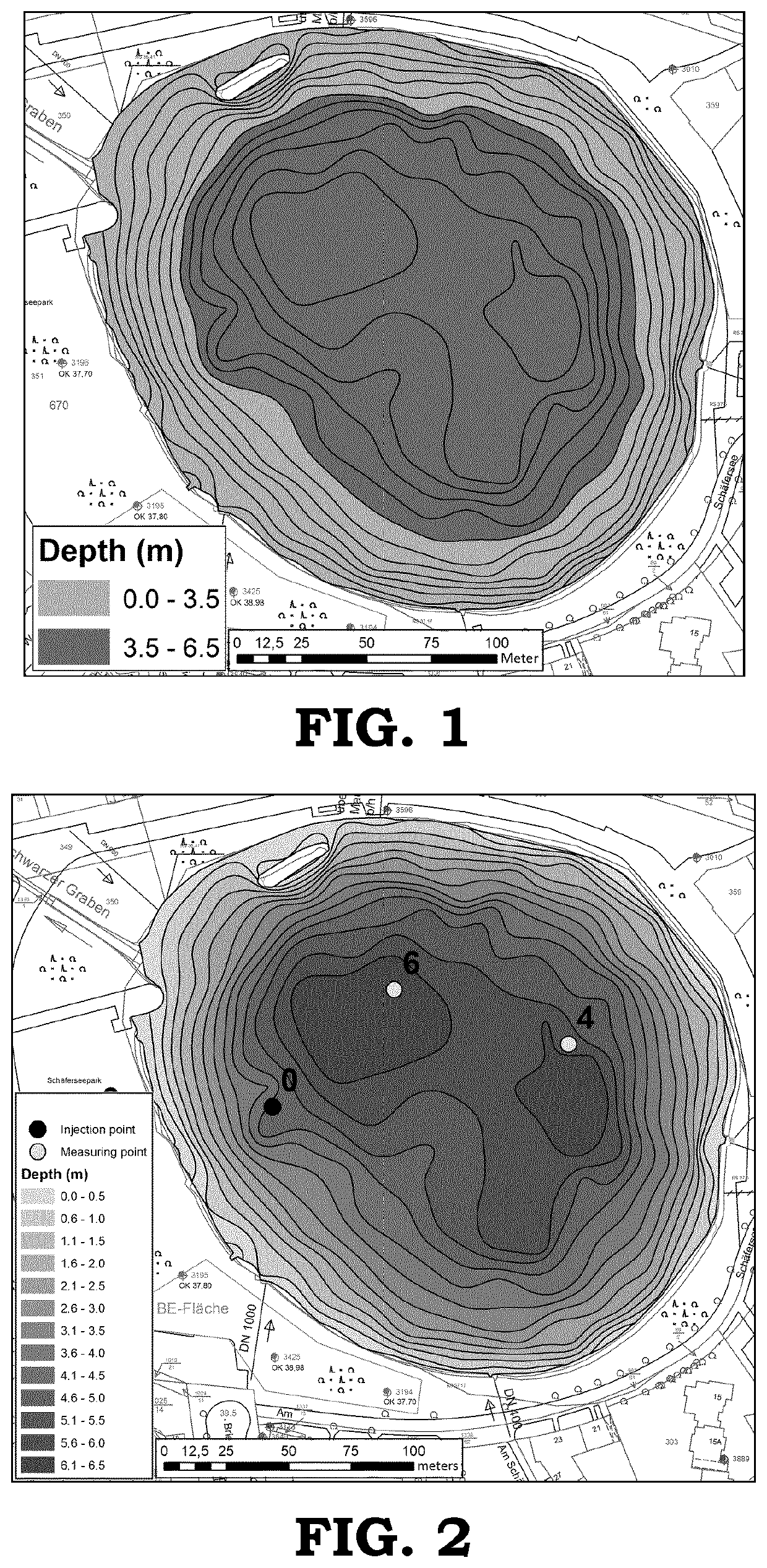
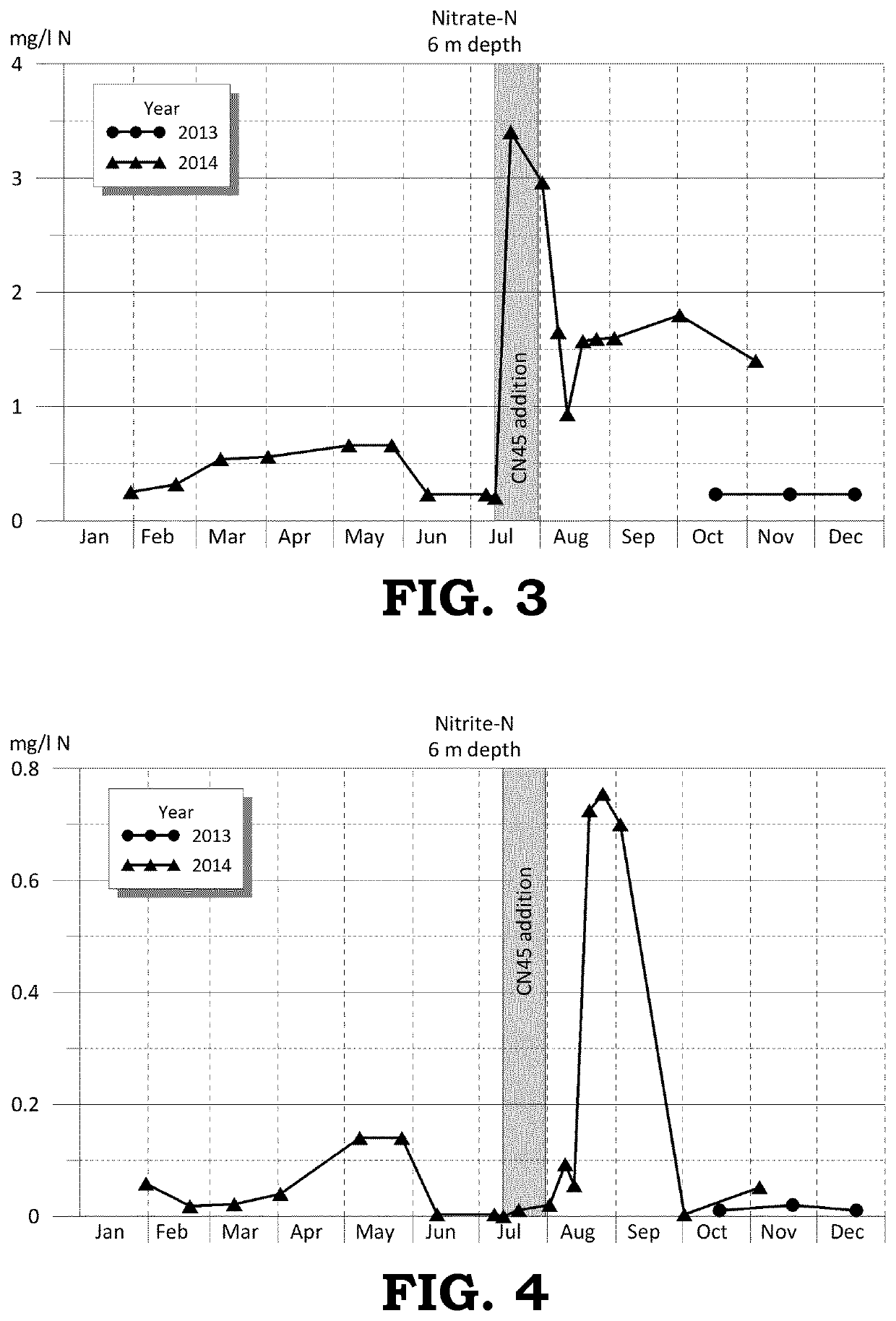
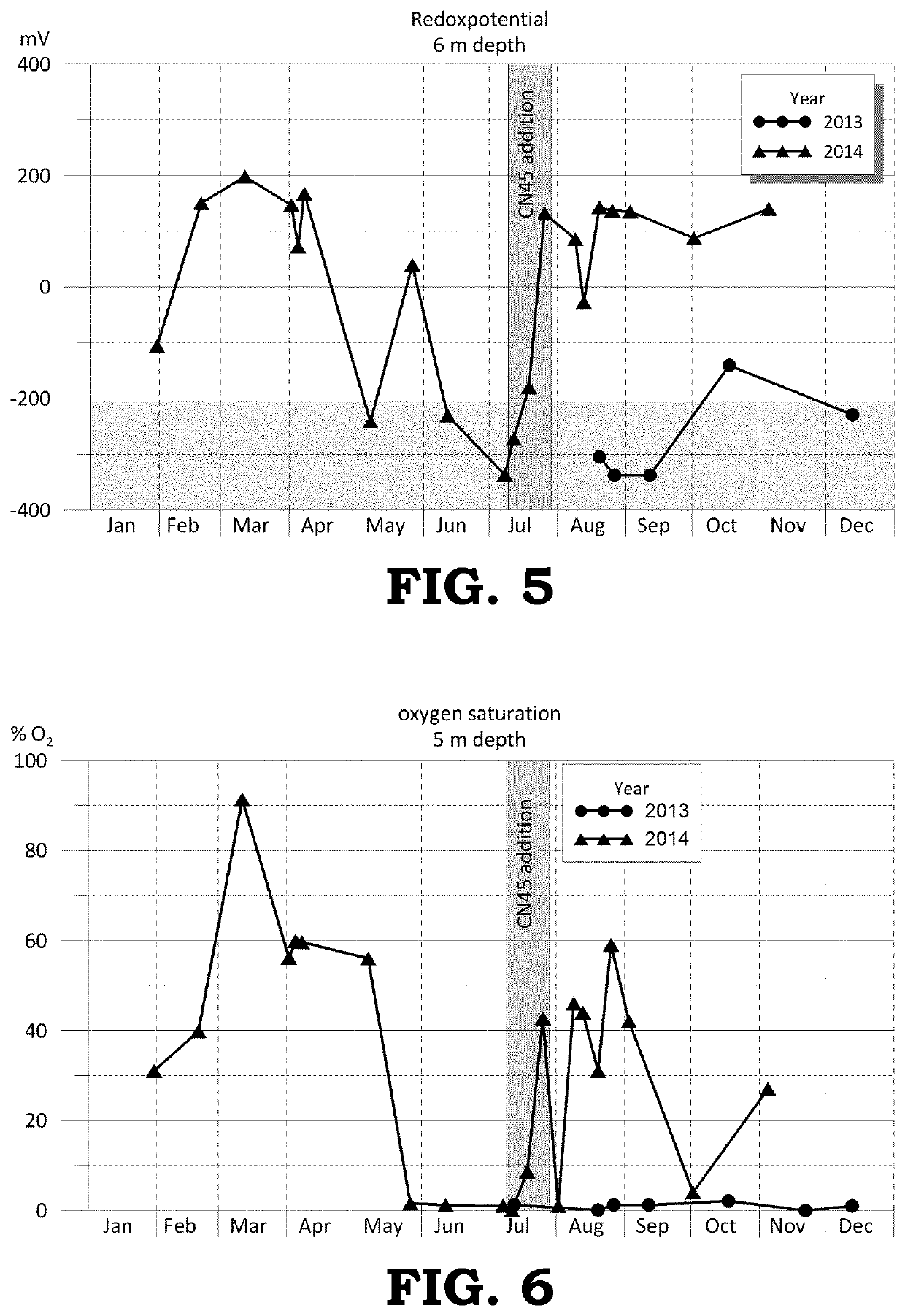
- A method involving the mixing of a calcium nitrate solution with water having an oxygen saturation of 50-150% to create a mixture that is pumped into anoxic bodies of water, maintaining natural stratification and binding phosphorus, thereby promoting aerobic processes and reducing nutrient remobilization.
Climate Change Impacts on Nitrification Processes
Climate change is significantly altering nitrification processes in lake ecosystems, with profound implications for eutrophication dynamics. Rising global temperatures directly accelerate microbial activity, including that of nitrifying bacteria such as Nitrosomonas and Nitrobacter, which convert ammonia to nitrite and subsequently to nitrate. Research indicates that nitrification rates can increase by 5-15% for each degree Celsius rise in water temperature, potentially doubling the conversion rate in some temperate lakes by mid-century.
Altered precipitation patterns associated with climate change further complicate nitrification processes. Increased rainfall events transport greater quantities of nitrogen-rich runoff from agricultural and urban areas into lake systems, providing additional substrate for nitrification. Conversely, drought conditions concentrate nutrients in shrinking water bodies, creating ideal conditions for nitrification and subsequent eutrophication.
Climate-induced changes in lake stratification patterns also significantly impact nitrification. Warmer surface waters strengthen thermal stratification, extending stratified periods and expanding anoxic hypolimnion zones. This shift creates more extensive habitat for anaerobic processes like denitrification while simultaneously limiting nitrification in deeper waters. However, increased mixing events from extreme weather can temporarily disrupt these patterns, redistributing nutrients throughout the water column and stimulating nitrification pulses.
The seasonal timing of nitrification is increasingly disrupted by climate change. Earlier spring warming and later fall cooling extend the period of peak nitrification activity, allowing for greater annual nitrate production. Studies from northern hemisphere lakes document a 2-4 week extension of the nitrification season over the past three decades, directly correlating with longer growing seasons and warmer shoulder-season temperatures.
Climate change also affects the microbial communities responsible for nitrification. Warming waters favor different bacterial strains with varying nitrification efficiencies and temperature optima. Research using metagenomic analysis reveals shifts in ammonia-oxidizing bacteria and archaea populations in response to warming trends, with potential implications for nitrification rates and pathways. Some emerging dominant strains demonstrate higher temperature tolerance and greater nitrification efficiency, accelerating the conversion of ammonia to nitrate.
These climate-driven modifications to nitrification processes ultimately enhance eutrophication potential in lake ecosystems. The increased availability of nitrate from accelerated nitrification, combined with phosphorus inputs, creates ideal conditions for algal proliferation, particularly harmful cyanobacterial blooms that thrive in warmer waters. This represents a dangerous positive feedback loop where climate change enhances nitrification, which in turn worsens eutrophication impacts.
Altered precipitation patterns associated with climate change further complicate nitrification processes. Increased rainfall events transport greater quantities of nitrogen-rich runoff from agricultural and urban areas into lake systems, providing additional substrate for nitrification. Conversely, drought conditions concentrate nutrients in shrinking water bodies, creating ideal conditions for nitrification and subsequent eutrophication.
Climate-induced changes in lake stratification patterns also significantly impact nitrification. Warmer surface waters strengthen thermal stratification, extending stratified periods and expanding anoxic hypolimnion zones. This shift creates more extensive habitat for anaerobic processes like denitrification while simultaneously limiting nitrification in deeper waters. However, increased mixing events from extreme weather can temporarily disrupt these patterns, redistributing nutrients throughout the water column and stimulating nitrification pulses.
The seasonal timing of nitrification is increasingly disrupted by climate change. Earlier spring warming and later fall cooling extend the period of peak nitrification activity, allowing for greater annual nitrate production. Studies from northern hemisphere lakes document a 2-4 week extension of the nitrification season over the past three decades, directly correlating with longer growing seasons and warmer shoulder-season temperatures.
Climate change also affects the microbial communities responsible for nitrification. Warming waters favor different bacterial strains with varying nitrification efficiencies and temperature optima. Research using metagenomic analysis reveals shifts in ammonia-oxidizing bacteria and archaea populations in response to warming trends, with potential implications for nitrification rates and pathways. Some emerging dominant strains demonstrate higher temperature tolerance and greater nitrification efficiency, accelerating the conversion of ammonia to nitrate.
These climate-driven modifications to nitrification processes ultimately enhance eutrophication potential in lake ecosystems. The increased availability of nitrate from accelerated nitrification, combined with phosphorus inputs, creates ideal conditions for algal proliferation, particularly harmful cyanobacterial blooms that thrive in warmer waters. This represents a dangerous positive feedback loop where climate change enhances nitrification, which in turn worsens eutrophication impacts.
Watershed Management Policy Frameworks
Watershed management policy frameworks represent critical governance structures for addressing lake eutrophication exacerbated by nitrification processes. These frameworks typically operate across multiple jurisdictional levels, from international agreements to local ordinances, creating a complex regulatory environment that requires careful coordination.
At the international level, agreements such as the Convention on Biological Diversity and the Ramsar Convention on Wetlands provide broad guidelines for protecting aquatic ecosystems from nutrient pollution. These frameworks establish baseline expectations for signatory nations but often lack specific enforcement mechanisms for nitrification control.
National policies vary significantly in their approach to watershed management. Countries with advanced environmental governance systems, such as Denmark, Sweden, and the Netherlands, have implemented comprehensive nutrient reduction strategies that specifically target nitrogen inputs to water bodies. These policies typically combine regulatory limits on agricultural fertilizer application with incentive programs for implementing best management practices.
Regional watershed authorities serve as crucial intermediaries between national policy and local implementation. The European Water Framework Directive represents one of the most sophisticated regional approaches, requiring member states to achieve "good ecological status" for all water bodies, with specific attention to nutrient loading. Similarly, the Great Lakes Water Quality Agreement between the United States and Canada establishes targets for phosphorus reduction while increasingly addressing nitrogen concerns.
State and provincial governments often bear primary responsibility for translating broader policy frameworks into actionable regulations. These entities typically establish water quality standards, issue permits for point source discharges, and develop nutrient criteria specific to different lake types. The effectiveness of these frameworks varies considerably based on monitoring capacity, enforcement resources, and political will.
Local governments implement watershed protection through zoning ordinances, stormwater management requirements, and land use planning. These localized approaches can be particularly effective at addressing non-point source pollution from urban and suburban development, which contributes significantly to nitrification processes in lakes.
Successful policy frameworks increasingly incorporate adaptive management principles, recognizing that effective control of nitrification requires ongoing monitoring, assessment, and policy adjustment. This approach allows for the integration of new scientific understanding about nitrogen cycling and its relationship to eutrophication, ensuring that management strategies evolve with the science.
At the international level, agreements such as the Convention on Biological Diversity and the Ramsar Convention on Wetlands provide broad guidelines for protecting aquatic ecosystems from nutrient pollution. These frameworks establish baseline expectations for signatory nations but often lack specific enforcement mechanisms for nitrification control.
National policies vary significantly in their approach to watershed management. Countries with advanced environmental governance systems, such as Denmark, Sweden, and the Netherlands, have implemented comprehensive nutrient reduction strategies that specifically target nitrogen inputs to water bodies. These policies typically combine regulatory limits on agricultural fertilizer application with incentive programs for implementing best management practices.
Regional watershed authorities serve as crucial intermediaries between national policy and local implementation. The European Water Framework Directive represents one of the most sophisticated regional approaches, requiring member states to achieve "good ecological status" for all water bodies, with specific attention to nutrient loading. Similarly, the Great Lakes Water Quality Agreement between the United States and Canada establishes targets for phosphorus reduction while increasingly addressing nitrogen concerns.
State and provincial governments often bear primary responsibility for translating broader policy frameworks into actionable regulations. These entities typically establish water quality standards, issue permits for point source discharges, and develop nutrient criteria specific to different lake types. The effectiveness of these frameworks varies considerably based on monitoring capacity, enforcement resources, and political will.
Local governments implement watershed protection through zoning ordinances, stormwater management requirements, and land use planning. These localized approaches can be particularly effective at addressing non-point source pollution from urban and suburban development, which contributes significantly to nitrification processes in lakes.
Successful policy frameworks increasingly incorporate adaptive management principles, recognizing that effective control of nitrification requires ongoing monitoring, assessment, and policy adjustment. This approach allows for the integration of new scientific understanding about nitrogen cycling and its relationship to eutrophication, ensuring that management strategies evolve with the science.
Unlock deeper insights with PatSnap Eureka Quick Research — get a full tech report to explore trends and direct your research. Try now!
Generate Your Research Report Instantly with AI Agent
Supercharge your innovation with PatSnap Eureka AI Agent Platform!