

How Persistent Memory Improves Log Management in IoT Sensors
MAY 13, 20269 MIN READ
Generate Your Research Report Instantly with AI Agent
PatSnap Eureka helps you evaluate technical feasibility & market potential.
Persistent Memory and IoT Log Management Background
Persistent memory represents a revolutionary storage technology that bridges the gap between volatile memory and traditional storage devices, offering both the speed of RAM and the durability of storage. This emerging technology combines byte-addressable access patterns with non-volatile characteristics, enabling data to persist across power cycles while maintaining near-DRAM performance levels. Technologies such as Intel's 3D XPoint, phase-change memory, and resistive RAM have matured significantly over the past decade, transitioning from laboratory concepts to commercially viable solutions.
The Internet of Things ecosystem has experienced unprecedented growth, with billions of connected sensors generating continuous streams of operational data, environmental measurements, and system diagnostics. These IoT sensors, often deployed in remote or resource-constrained environments, face unique challenges in data management due to limited processing power, restricted memory capacity, and intermittent connectivity. Traditional logging mechanisms struggle to balance the competing demands of real-time data capture, storage efficiency, and system reliability in these constrained environments.
Log management in IoT sensors encompasses the systematic collection, storage, and retrieval of operational data critical for device monitoring, fault diagnosis, and performance optimization. Conventional approaches rely on volatile memory buffers combined with periodic writes to flash storage, creating potential data loss scenarios during unexpected power interruptions or system failures. The write endurance limitations of NAND flash memory further complicate log management strategies, particularly in high-frequency logging scenarios common in industrial IoT applications.
The convergence of persistent memory technology with IoT log management represents a paradigm shift in how sensor devices handle critical operational data. Persistent memory's unique characteristics address fundamental limitations of traditional storage hierarchies by eliminating the volatile-to-non-volatile data transfer bottleneck. This technological intersection enables new architectural approaches that can significantly improve data reliability, reduce power consumption, and enhance overall system performance.
Current market drivers include the increasing demand for edge computing capabilities, stricter regulatory requirements for data integrity in industrial applications, and the growing complexity of IoT deployments requiring sophisticated monitoring and diagnostics. The evolution toward more intelligent and autonomous IoT systems necessitates robust logging mechanisms capable of supporting advanced analytics and machine learning workloads at the edge, making persistent memory integration increasingly attractive for next-generation sensor platforms.
The Internet of Things ecosystem has experienced unprecedented growth, with billions of connected sensors generating continuous streams of operational data, environmental measurements, and system diagnostics. These IoT sensors, often deployed in remote or resource-constrained environments, face unique challenges in data management due to limited processing power, restricted memory capacity, and intermittent connectivity. Traditional logging mechanisms struggle to balance the competing demands of real-time data capture, storage efficiency, and system reliability in these constrained environments.
Log management in IoT sensors encompasses the systematic collection, storage, and retrieval of operational data critical for device monitoring, fault diagnosis, and performance optimization. Conventional approaches rely on volatile memory buffers combined with periodic writes to flash storage, creating potential data loss scenarios during unexpected power interruptions or system failures. The write endurance limitations of NAND flash memory further complicate log management strategies, particularly in high-frequency logging scenarios common in industrial IoT applications.
The convergence of persistent memory technology with IoT log management represents a paradigm shift in how sensor devices handle critical operational data. Persistent memory's unique characteristics address fundamental limitations of traditional storage hierarchies by eliminating the volatile-to-non-volatile data transfer bottleneck. This technological intersection enables new architectural approaches that can significantly improve data reliability, reduce power consumption, and enhance overall system performance.
Current market drivers include the increasing demand for edge computing capabilities, stricter regulatory requirements for data integrity in industrial applications, and the growing complexity of IoT deployments requiring sophisticated monitoring and diagnostics. The evolution toward more intelligent and autonomous IoT systems necessitates robust logging mechanisms capable of supporting advanced analytics and machine learning workloads at the edge, making persistent memory integration increasingly attractive for next-generation sensor platforms.
Market Demand for Enhanced IoT Data Logging Solutions
The global IoT ecosystem is experiencing unprecedented growth, with billions of connected sensors generating massive volumes of operational data across industrial, smart city, healthcare, and consumer applications. This exponential data generation has created significant challenges in traditional logging systems, where conventional storage solutions struggle to meet the demanding requirements of real-time data capture, processing, and retention in resource-constrained IoT environments.
Current IoT sensor deployments face critical limitations in data logging capabilities, particularly in scenarios requiring high-frequency data collection, extended operational periods without maintenance, and reliable data persistence during power interruptions. Traditional flash-based storage solutions exhibit performance bottlenecks, limited write endurance, and significant power consumption that directly impacts sensor battery life and operational costs.
The market demand for enhanced IoT data logging solutions is driven by several key factors. Industrial IoT applications require continuous monitoring of critical parameters with minimal data loss, as even brief interruptions can result in substantial operational inefficiencies or safety concerns. Smart infrastructure deployments demand robust logging capabilities to support predictive maintenance algorithms and real-time decision-making systems that rely on comprehensive historical data analysis.
Edge computing architectures are increasingly pushing data processing capabilities closer to IoT sensors, creating additional requirements for high-performance local storage solutions that can support both rapid data ingestion and complex analytical workloads. This trend amplifies the need for storage technologies that can bridge the performance gap between volatile memory and traditional non-volatile storage while maintaining cost-effectiveness at scale.
Regulatory compliance requirements across various industries are establishing stricter data retention and audit trail standards, necessitating more sophisticated logging capabilities that ensure data integrity and accessibility over extended periods. Healthcare IoT devices, environmental monitoring systems, and financial transaction sensors must maintain comprehensive logs that meet regulatory scrutiny while operating within strict power and space constraints.
The convergence of artificial intelligence and IoT applications is creating new demands for enhanced data logging solutions that can support machine learning model training and inference at the edge. These applications require storage systems capable of handling diverse data types, supporting rapid model updates, and maintaining consistent performance under varying computational loads.
Current IoT sensor deployments face critical limitations in data logging capabilities, particularly in scenarios requiring high-frequency data collection, extended operational periods without maintenance, and reliable data persistence during power interruptions. Traditional flash-based storage solutions exhibit performance bottlenecks, limited write endurance, and significant power consumption that directly impacts sensor battery life and operational costs.
The market demand for enhanced IoT data logging solutions is driven by several key factors. Industrial IoT applications require continuous monitoring of critical parameters with minimal data loss, as even brief interruptions can result in substantial operational inefficiencies or safety concerns. Smart infrastructure deployments demand robust logging capabilities to support predictive maintenance algorithms and real-time decision-making systems that rely on comprehensive historical data analysis.
Edge computing architectures are increasingly pushing data processing capabilities closer to IoT sensors, creating additional requirements for high-performance local storage solutions that can support both rapid data ingestion and complex analytical workloads. This trend amplifies the need for storage technologies that can bridge the performance gap between volatile memory and traditional non-volatile storage while maintaining cost-effectiveness at scale.
Regulatory compliance requirements across various industries are establishing stricter data retention and audit trail standards, necessitating more sophisticated logging capabilities that ensure data integrity and accessibility over extended periods. Healthcare IoT devices, environmental monitoring systems, and financial transaction sensors must maintain comprehensive logs that meet regulatory scrutiny while operating within strict power and space constraints.
The convergence of artificial intelligence and IoT applications is creating new demands for enhanced data logging solutions that can support machine learning model training and inference at the edge. These applications require storage systems capable of handling diverse data types, supporting rapid model updates, and maintaining consistent performance under varying computational loads.
Current IoT Logging Challenges and PM Technology Status
IoT sensors face significant logging challenges that stem from their inherent resource constraints and operational environments. Traditional logging mechanisms struggle with limited memory capacity, where sensors typically operate with kilobytes to megabytes of volatile memory. This constraint forces frequent data transmission or selective logging, potentially losing critical diagnostic information during network outages or system failures.
Power consumption represents another critical challenge in IoT logging systems. Conventional flash memory requires substantial energy for write operations, with each program-erase cycle consuming considerable power. This energy overhead becomes particularly problematic for battery-powered sensors deployed in remote locations where power efficiency directly impacts operational lifespan and maintenance costs.
Data persistence issues plague current IoT logging implementations, especially during unexpected power losses or system crashes. Volatile memory loses all logged data during power interruptions, while traditional non-volatile storage introduces latency and wear concerns. The frequent write operations typical in logging applications accelerate flash memory degradation, reducing device reliability and increasing replacement frequency.
Persistent Memory technology has emerged as a transformative solution addressing these fundamental limitations. PM combines the speed characteristics of DRAM with the non-volatility of traditional storage, offering byte-addressable access with nanosecond-level latency. Current PM technologies include Intel Optane DC Persistent Memory, which provides up to 512GB capacity per module, and emerging technologies like Phase Change Memory and Resistive RAM.
The technology landscape shows rapid advancement in PM integration capabilities. Modern PM solutions support direct CPU access through memory mapping, eliminating the traditional storage stack overhead. This architecture enables IoT sensors to maintain persistent logs without the performance penalties associated with conventional storage systems, while consuming significantly less power than flash-based alternatives.
Manufacturing scalability has improved substantially, with major semiconductor companies investing in PM production facilities. Cost trajectories indicate continued price reductions as production volumes increase, making PM technology increasingly viable for IoT applications. Current implementations demonstrate endurance levels exceeding traditional flash memory by orders of magnitude, addressing long-term reliability concerns in sensor deployments.
Power consumption represents another critical challenge in IoT logging systems. Conventional flash memory requires substantial energy for write operations, with each program-erase cycle consuming considerable power. This energy overhead becomes particularly problematic for battery-powered sensors deployed in remote locations where power efficiency directly impacts operational lifespan and maintenance costs.
Data persistence issues plague current IoT logging implementations, especially during unexpected power losses or system crashes. Volatile memory loses all logged data during power interruptions, while traditional non-volatile storage introduces latency and wear concerns. The frequent write operations typical in logging applications accelerate flash memory degradation, reducing device reliability and increasing replacement frequency.
Persistent Memory technology has emerged as a transformative solution addressing these fundamental limitations. PM combines the speed characteristics of DRAM with the non-volatility of traditional storage, offering byte-addressable access with nanosecond-level latency. Current PM technologies include Intel Optane DC Persistent Memory, which provides up to 512GB capacity per module, and emerging technologies like Phase Change Memory and Resistive RAM.
The technology landscape shows rapid advancement in PM integration capabilities. Modern PM solutions support direct CPU access through memory mapping, eliminating the traditional storage stack overhead. This architecture enables IoT sensors to maintain persistent logs without the performance penalties associated with conventional storage systems, while consuming significantly less power than flash-based alternatives.
Manufacturing scalability has improved substantially, with major semiconductor companies investing in PM production facilities. Cost trajectories indicate continued price reductions as production volumes increase, making PM technology increasingly viable for IoT applications. Current implementations demonstrate endurance levels exceeding traditional flash memory by orders of magnitude, addressing long-term reliability concerns in sensor deployments.
Current PM-based Log Management Solutions
01 Log structure optimization for persistent memory
Techniques for optimizing log structures specifically designed for persistent memory systems to improve write performance and reduce latency. These methods focus on organizing log entries in ways that take advantage of persistent memory characteristics such as byte-addressability and non-volatility. The optimization includes efficient log entry formatting, sequential write patterns, and minimizing metadata overhead to maximize throughput in persistent memory environments.- Log structure optimization for persistent memory: Techniques for optimizing log structures specifically designed for persistent memory systems to improve write performance and reduce latency. These methods focus on organizing log entries in a way that takes advantage of the unique characteristics of persistent memory, such as byte-addressability and non-volatility, while minimizing write amplification and ensuring data consistency.
- Transaction logging and recovery mechanisms: Methods for implementing transaction logging systems that ensure atomicity, consistency, isolation, and durability in persistent memory environments. These approaches include techniques for maintaining transaction logs, implementing rollback mechanisms, and ensuring system recovery after failures while leveraging the persistence characteristics of the memory technology.
- Memory allocation and garbage collection for logs: Strategies for managing memory allocation and implementing garbage collection specifically for log management in persistent memory systems. These techniques address the challenges of memory fragmentation, log compaction, and efficient space reclamation while maintaining the integrity and accessibility of historical log data.
- Concurrent access and synchronization: Mechanisms for handling concurrent access to persistent memory logs while maintaining data consistency and system performance. These solutions include lock-free algorithms, atomic operations, and synchronization primitives designed to manage multiple threads or processes accessing log data simultaneously without compromising data integrity.
- Log compression and storage optimization: Techniques for compressing log data and optimizing storage utilization in persistent memory systems. These methods focus on reducing the storage footprint of logs through various compression algorithms, deduplication strategies, and intelligent data organization schemes while maintaining fast access times and ensuring data retrievability.
02 Transaction logging and recovery mechanisms
Systems and methods for implementing transaction logging in persistent memory with robust recovery capabilities. These approaches ensure data consistency and durability by maintaining transaction logs that can survive system failures. The mechanisms include checkpoint strategies, rollback procedures, and atomic operations that leverage persistent memory properties to provide faster recovery times compared to traditional storage systems.Expand Specific Solutions03 Memory allocation and garbage collection for logs
Advanced memory management techniques specifically designed for log management in persistent memory systems. These methods handle dynamic allocation of log space, efficient garbage collection of obsolete log entries, and memory compaction strategies. The approaches optimize memory utilization while maintaining high performance and ensuring that log management operations do not interfere with application performance.Expand Specific Solutions04 Concurrent access control and synchronization
Mechanisms for managing concurrent access to persistent memory logs in multi-threaded and distributed environments. These solutions provide thread-safe operations, lock-free algorithms, and synchronization primitives that ensure data integrity while allowing multiple processes to read and write log data simultaneously. The methods are designed to minimize contention and maximize parallelism in persistent memory log operations.Expand Specific Solutions05 Log compression and storage efficiency
Techniques for compressing log data and improving storage efficiency in persistent memory systems. These methods include various compression algorithms optimized for log data patterns, deduplication strategies, and space-efficient encoding schemes. The approaches balance compression ratios with access performance, ensuring that compressed logs can be quickly accessed and decompressed when needed while maximizing the effective storage capacity of persistent memory.Expand Specific Solutions
Key Players in Persistent Memory and IoT Sectors
The persistent memory technology for IoT sensor log management represents a rapidly evolving market in its growth phase, driven by increasing IoT deployments and demand for efficient data handling. The market demonstrates significant expansion potential as organizations seek to optimize sensor data storage and processing capabilities. Technology maturity varies considerably across key players, with established semiconductor companies like Micron Technology and IBM leading in memory innovation, while tech giants such as Huawei, Microsoft, and Sony integrate these solutions into broader IoT ecosystems. Academic institutions including Tsinghua University and Princeton University contribute foundational research, while specialized firms like NetApp and VMware provide enterprise storage solutions. The competitive landscape shows a convergence of hardware manufacturers, software developers, and system integrators working to address the growing need for persistent, efficient log management in resource-constrained IoT environments.
Huawei Technologies Co., Ltd.
Technical Solution: Huawei has implemented persistent memory-based log management systems in their IoT sensor platforms, utilizing Intel Optane and proprietary memory technologies. Their solution features intelligent log compression algorithms that leverage persistent memory's byte-addressability to reduce storage overhead by up to 60% while maintaining instant access capabilities. The system incorporates adaptive buffering mechanisms that automatically adjust log retention policies based on sensor criticality and available persistent memory capacity. Huawei's implementation includes distributed log synchronization across sensor networks, ensuring data consistency and fault tolerance through persistent memory's durability characteristics.
Strengths: Comprehensive IoT ecosystem integration with advanced compression algorithms. Weaknesses: Dependency on third-party persistent memory hardware and complex deployment requirements.
Micron Technology, Inc.
Technical Solution: Micron has developed advanced persistent memory solutions including 3D XPoint technology and storage-class memory (SCM) specifically designed for IoT applications. Their persistent memory modules provide byte-addressable non-volatile storage that enables IoT sensors to maintain log data integrity during power failures while offering DRAM-like performance. The technology supports real-time log buffering with microsecond-level latency, allowing continuous data logging without traditional storage bottlenecks. Micron's solutions integrate wear-leveling algorithms and error correction codes optimized for frequent write operations typical in sensor logging scenarios.
Strengths: Industry-leading persistent memory technology with proven reliability and performance. Weaknesses: Higher cost compared to traditional storage solutions and limited capacity options for large-scale deployments.
Core PM Technologies for IoT Data Persistence
Persistent memory storage engine device based on log structure and control method thereof
PatentActiveUS11269772B2
Innovation
- A log-structured persistent memory key-value storage engine is designed with persistent memory allocators, compact log entries, and a volatile index structure, utilizing batch persistency and pipeline batch persistence technology to reduce CPU overhead and latency, while ensuring high system throughput by synchronizing processor cores and optimizing memory allocation and indexing.
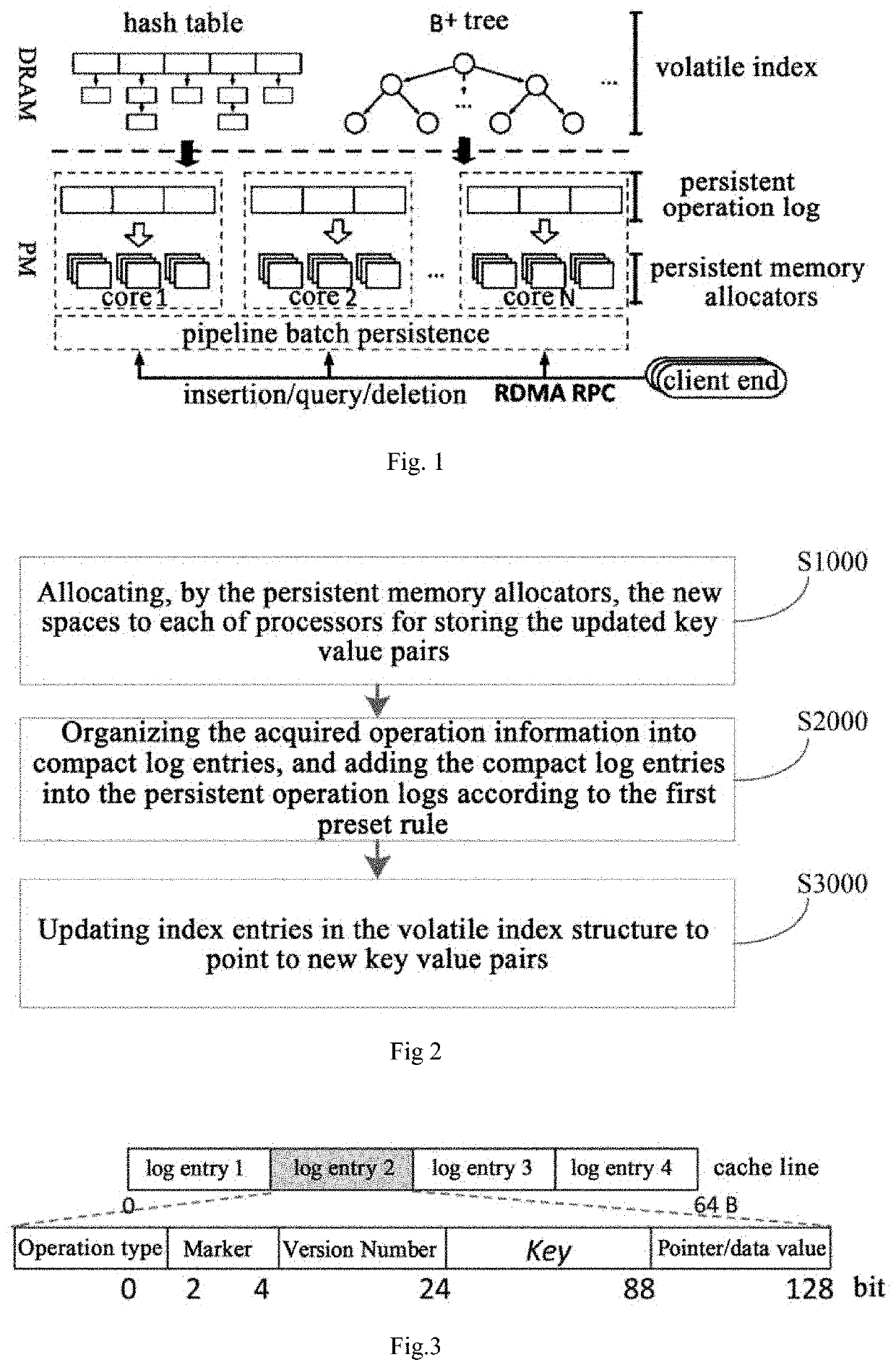
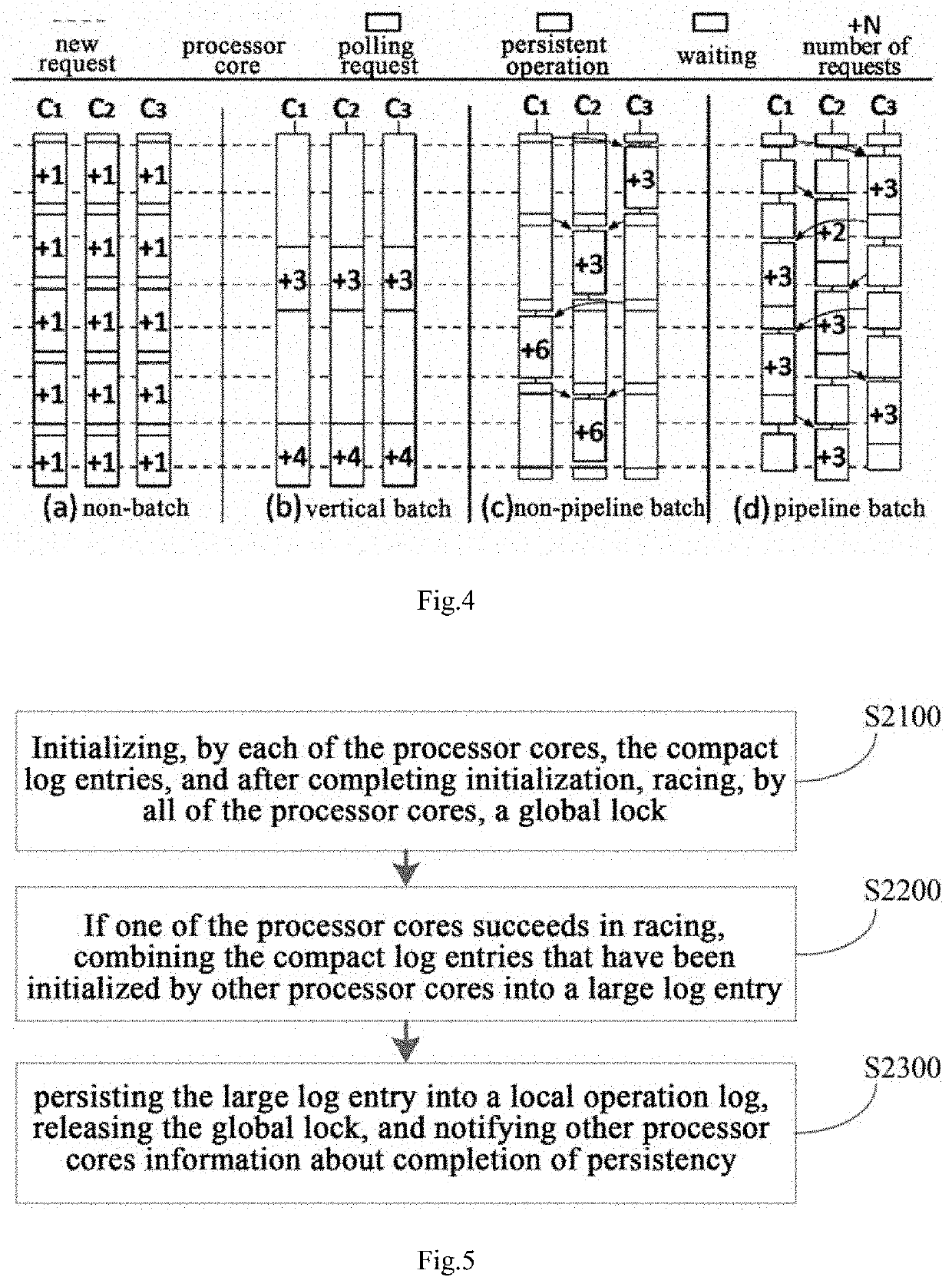
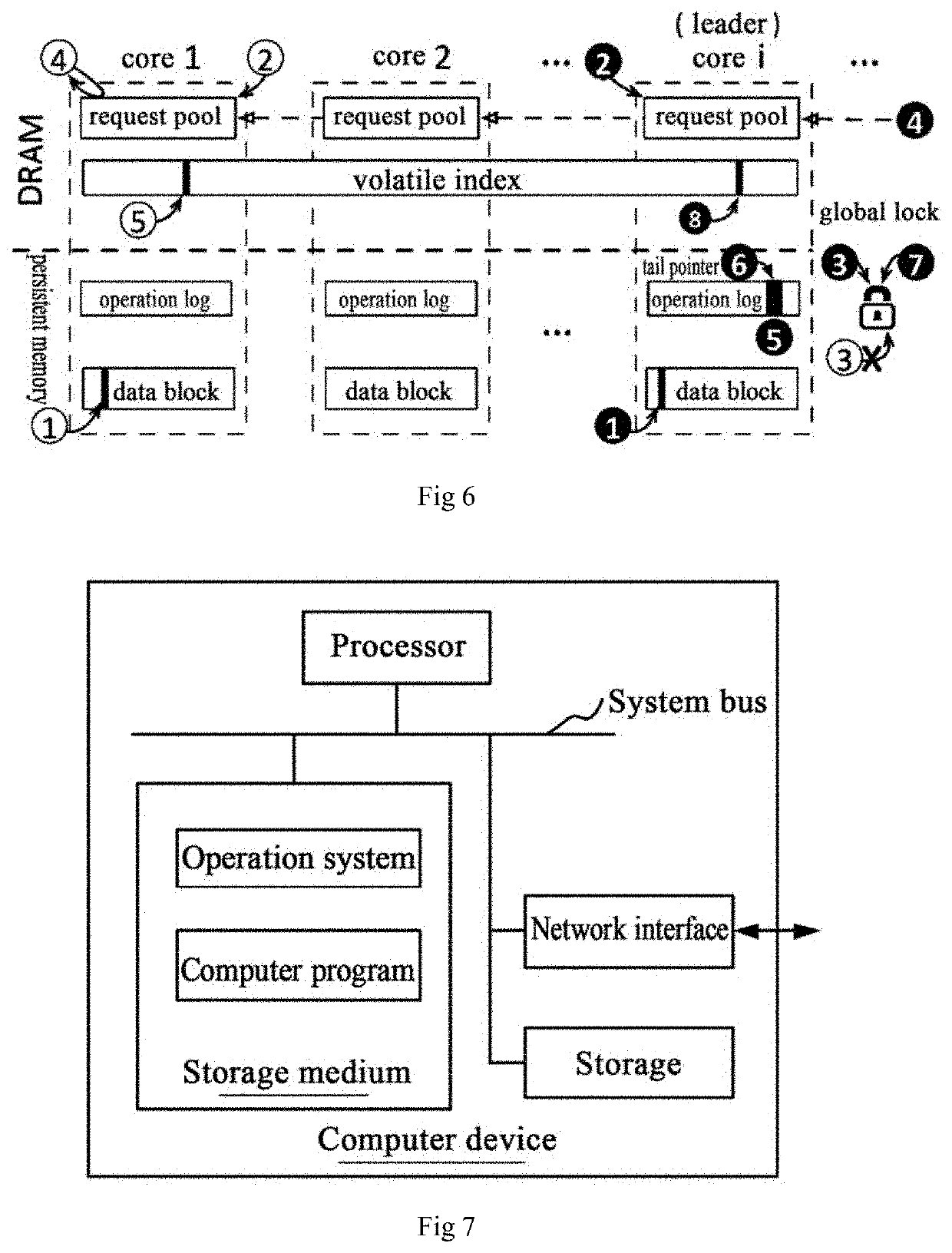
Electronic device and control method therefor, and computer-readable recording medium
PatentActiveUS20200388406A1
Innovation
- An electronic device with a communicator, processor, and memory that transmits control commands to IoT devices, acquires and analyzes log information, and identifies error sources among the electronic device, IoT server, and IoT device based on this information, allowing for error detection and resolution guidance.


IoT Data Privacy and Security Regulations
The integration of persistent memory technology in IoT sensor log management operates within a complex regulatory landscape that governs data privacy and security across multiple jurisdictions. The General Data Protection Regulation (GDPR) in Europe establishes stringent requirements for personal data processing, mandating explicit consent mechanisms and data minimization principles that directly impact how IoT sensors collect, store, and manage log data. Similarly, the California Consumer Privacy Act (CCPA) and its amendment, the California Privacy Rights Act (CPRA), impose comprehensive obligations on organizations handling personal information from IoT devices, including requirements for data transparency and consumer control rights.
Sector-specific regulations further complicate the compliance landscape for IoT deployments utilizing persistent memory solutions. The Health Insurance Portability and Accountability Act (HIPAA) governs healthcare IoT applications, requiring robust safeguards for protected health information stored in sensor logs. Financial services face additional constraints under regulations such as the Payment Card Industry Data Security Standard (PCI DSS) and the Gramm-Leach-Bliley Act, which mandate specific encryption and access control measures for financial data captured by IoT sensors.
Emerging regulatory frameworks specifically targeting IoT ecosystems are reshaping compliance requirements for persistent memory implementations. The European Union's Cybersecurity Act and the proposed Cyber Resilience Act introduce mandatory security standards for connected devices, including requirements for secure boot processes, encrypted data storage, and vulnerability management protocols. These regulations directly influence how persistent memory technologies must be configured to ensure compliance while maintaining performance benefits.
Data localization requirements present additional challenges for IoT sensor networks employing persistent memory solutions. Countries including Russia, China, and India have implemented data residency laws requiring certain categories of data to be stored within national borders. This regulatory requirement affects the design of distributed IoT architectures, necessitating careful consideration of where persistent memory-enhanced log data is processed and stored.
Cross-border data transfer regulations, particularly following the invalidation of Privacy Shield and subsequent adequacy decisions, create operational complexities for multinational IoT deployments. Organizations must implement appropriate safeguards such as Standard Contractual Clauses or Binding Corporate Rules when transferring sensor log data between jurisdictions, regardless of the underlying storage technology employed.
The regulatory emphasis on data breach notification requirements significantly impacts IoT sensor log management strategies. Most privacy regulations mandate notification of data breaches within specific timeframes, typically 72 hours for regulatory authorities and without undue delay for affected individuals. Persistent memory's enhanced data integrity and faster access capabilities can facilitate more rapid breach detection and response, supporting compliance with these stringent notification requirements while minimizing potential regulatory penalties and reputational damage.
Sector-specific regulations further complicate the compliance landscape for IoT deployments utilizing persistent memory solutions. The Health Insurance Portability and Accountability Act (HIPAA) governs healthcare IoT applications, requiring robust safeguards for protected health information stored in sensor logs. Financial services face additional constraints under regulations such as the Payment Card Industry Data Security Standard (PCI DSS) and the Gramm-Leach-Bliley Act, which mandate specific encryption and access control measures for financial data captured by IoT sensors.
Emerging regulatory frameworks specifically targeting IoT ecosystems are reshaping compliance requirements for persistent memory implementations. The European Union's Cybersecurity Act and the proposed Cyber Resilience Act introduce mandatory security standards for connected devices, including requirements for secure boot processes, encrypted data storage, and vulnerability management protocols. These regulations directly influence how persistent memory technologies must be configured to ensure compliance while maintaining performance benefits.
Data localization requirements present additional challenges for IoT sensor networks employing persistent memory solutions. Countries including Russia, China, and India have implemented data residency laws requiring certain categories of data to be stored within national borders. This regulatory requirement affects the design of distributed IoT architectures, necessitating careful consideration of where persistent memory-enhanced log data is processed and stored.
Cross-border data transfer regulations, particularly following the invalidation of Privacy Shield and subsequent adequacy decisions, create operational complexities for multinational IoT deployments. Organizations must implement appropriate safeguards such as Standard Contractual Clauses or Binding Corporate Rules when transferring sensor log data between jurisdictions, regardless of the underlying storage technology employed.
The regulatory emphasis on data breach notification requirements significantly impacts IoT sensor log management strategies. Most privacy regulations mandate notification of data breaches within specific timeframes, typically 72 hours for regulatory authorities and without undue delay for affected individuals. Persistent memory's enhanced data integrity and faster access capabilities can facilitate more rapid breach detection and response, supporting compliance with these stringent notification requirements while minimizing potential regulatory penalties and reputational damage.
Energy Efficiency Standards for IoT Devices
The integration of persistent memory technologies in IoT sensors has created new imperatives for establishing comprehensive energy efficiency standards. As IoT devices increasingly rely on persistent memory for enhanced log management capabilities, regulatory bodies and industry consortiums are developing specialized standards that address the unique power consumption patterns associated with these memory technologies.
Current energy efficiency standards for IoT devices are evolving to accommodate persistent memory implementations. The IEEE 802.11 working group has introduced amendments specifically addressing power management in memory-intensive IoT applications. These standards define maximum power consumption thresholds for different operational modes, including active logging, standby, and deep sleep states when persistent memory is engaged.
The Energy Star program has expanded its IoT device certification criteria to include persistent memory power efficiency metrics. Devices utilizing persistent memory for log management must demonstrate at least 30% improvement in energy efficiency compared to traditional flash-based logging systems. This standard considers both the reduced write amplification and lower voltage requirements of persistent memory technologies.
International standards organizations have established testing protocols for measuring energy consumption in persistent memory-enabled IoT sensors. The IEC 62430 standard now includes specific methodologies for evaluating power efficiency during continuous logging operations, burst logging scenarios, and memory retention periods. These protocols ensure consistent measurement across different persistent memory technologies including FRAM, MRAM, and emerging storage-class memory solutions.
Regional compliance frameworks are also adapting to persistent memory adoption. The European Union's Ecodesign Directive has introduced energy labeling requirements for IoT sensors that specify persistent memory power consumption characteristics. Similarly, the US Department of Energy has established voluntary guidelines encouraging manufacturers to optimize persistent memory implementations for maximum energy efficiency.
Industry-specific standards are emerging for critical applications where persistent memory-based log management is essential. The automotive sector has developed ISO 26262 extensions that mandate specific energy efficiency benchmarks for persistent memory in vehicle IoT sensors, while the healthcare industry follows FDA guidelines that balance logging reliability with power consumption constraints.
Current energy efficiency standards for IoT devices are evolving to accommodate persistent memory implementations. The IEEE 802.11 working group has introduced amendments specifically addressing power management in memory-intensive IoT applications. These standards define maximum power consumption thresholds for different operational modes, including active logging, standby, and deep sleep states when persistent memory is engaged.
The Energy Star program has expanded its IoT device certification criteria to include persistent memory power efficiency metrics. Devices utilizing persistent memory for log management must demonstrate at least 30% improvement in energy efficiency compared to traditional flash-based logging systems. This standard considers both the reduced write amplification and lower voltage requirements of persistent memory technologies.
International standards organizations have established testing protocols for measuring energy consumption in persistent memory-enabled IoT sensors. The IEC 62430 standard now includes specific methodologies for evaluating power efficiency during continuous logging operations, burst logging scenarios, and memory retention periods. These protocols ensure consistent measurement across different persistent memory technologies including FRAM, MRAM, and emerging storage-class memory solutions.
Regional compliance frameworks are also adapting to persistent memory adoption. The European Union's Ecodesign Directive has introduced energy labeling requirements for IoT sensors that specify persistent memory power consumption characteristics. Similarly, the US Department of Energy has established voluntary guidelines encouraging manufacturers to optimize persistent memory implementations for maximum energy efficiency.
Industry-specific standards are emerging for critical applications where persistent memory-based log management is essential. The automotive sector has developed ISO 26262 extensions that mandate specific energy efficiency benchmarks for persistent memory in vehicle IoT sensors, while the healthcare industry follows FDA guidelines that balance logging reliability with power consumption constraints.
Unlock deeper insights with PatSnap Eureka Quick Research — get a full tech report to explore trends and direct your research. Try now!
Generate Your Research Report Instantly with AI Agent
Supercharge your innovation with PatSnap Eureka AI Agent Platform!