

Quantifying Cost Savings with Persistent Memory in Data Centers
MAY 13, 20269 MIN READ
Generate Your Research Report Instantly with AI Agent
PatSnap Eureka helps you evaluate technical feasibility & market potential.
Persistent Memory Technology Background and Cost Objectives
Persistent memory represents a revolutionary storage technology that bridges the traditional gap between volatile memory and non-volatile storage, fundamentally transforming data center architectures. This technology combines the speed characteristics of DRAM with the persistence capabilities of traditional storage devices, creating a new memory hierarchy tier that enables unprecedented performance improvements while potentially reducing overall infrastructure costs.
The evolution of persistent memory technology began with early research into phase-change memory and memristor technologies in the 2000s, progressing through various implementations including Intel's 3D XPoint technology and Storage Class Memory solutions. These developments have matured into commercially viable products such as Intel Optane DC Persistent Memory and emerging alternatives from manufacturers like Samsung and Micron, establishing persistent memory as a critical component in modern data center optimization strategies.
Current persistent memory implementations operate at speeds significantly faster than traditional NAND flash storage while maintaining data persistence across power cycles. This unique positioning enables applications to access large datasets directly in memory space, eliminating traditional I/O bottlenecks and reducing the need for complex caching mechanisms that typically consume substantial system resources and increase operational complexity.
The primary cost optimization objectives for persistent memory deployment in data centers focus on several key areas. Infrastructure consolidation represents a major target, where persistent memory can reduce the total number of servers required for specific workloads by enabling higher memory-to-compute ratios and eliminating storage performance bottlenecks that traditionally necessitated scale-out architectures.
Energy efficiency improvements constitute another critical objective, as persistent memory consumes less power per bit compared to traditional DRAM while reducing the energy overhead associated with frequent data movement between memory and storage tiers. This efficiency translates directly into reduced operational expenses through lower electricity consumption and cooling requirements.
Application performance acceleration objectives aim to quantify cost savings through reduced transaction processing times, improved database query performance, and enhanced analytics capabilities. These improvements can translate into measurable business value through increased throughput, reduced infrastructure scaling requirements, and improved service level agreement compliance, ultimately justifying persistent memory investments through demonstrable return on investment metrics.
The evolution of persistent memory technology began with early research into phase-change memory and memristor technologies in the 2000s, progressing through various implementations including Intel's 3D XPoint technology and Storage Class Memory solutions. These developments have matured into commercially viable products such as Intel Optane DC Persistent Memory and emerging alternatives from manufacturers like Samsung and Micron, establishing persistent memory as a critical component in modern data center optimization strategies.
Current persistent memory implementations operate at speeds significantly faster than traditional NAND flash storage while maintaining data persistence across power cycles. This unique positioning enables applications to access large datasets directly in memory space, eliminating traditional I/O bottlenecks and reducing the need for complex caching mechanisms that typically consume substantial system resources and increase operational complexity.
The primary cost optimization objectives for persistent memory deployment in data centers focus on several key areas. Infrastructure consolidation represents a major target, where persistent memory can reduce the total number of servers required for specific workloads by enabling higher memory-to-compute ratios and eliminating storage performance bottlenecks that traditionally necessitated scale-out architectures.
Energy efficiency improvements constitute another critical objective, as persistent memory consumes less power per bit compared to traditional DRAM while reducing the energy overhead associated with frequent data movement between memory and storage tiers. This efficiency translates directly into reduced operational expenses through lower electricity consumption and cooling requirements.
Application performance acceleration objectives aim to quantify cost savings through reduced transaction processing times, improved database query performance, and enhanced analytics capabilities. These improvements can translate into measurable business value through increased throughput, reduced infrastructure scaling requirements, and improved service level agreement compliance, ultimately justifying persistent memory investments through demonstrable return on investment metrics.
Data Center Market Demand for Memory Cost Optimization
The global data center industry faces mounting pressure to optimize operational costs while maintaining performance standards, with memory-related expenses representing a significant portion of total infrastructure investments. Traditional DRAM-based memory architectures consume substantial power and require frequent replacement cycles, driving organizations to seek alternative solutions that can deliver both performance and cost efficiency.
Enterprise data centers are experiencing exponential growth in data processing requirements, particularly driven by artificial intelligence workloads, real-time analytics, and cloud computing services. This surge in computational demand has created an urgent need for memory technologies that can bridge the performance gap between volatile DRAM and non-volatile storage while reducing total cost of ownership.
Hyperscale cloud providers and enterprise IT departments are increasingly prioritizing memory cost optimization as a strategic initiative. The demand stems from the need to support larger datasets in memory while controlling capital expenditure and operational costs. Organizations are seeking solutions that can reduce memory footprint requirements, lower power consumption, and extend hardware refresh cycles without compromising application performance.
The market demand for persistent memory solutions has intensified due to several converging factors. Data-intensive applications require faster access to larger datasets, while budget constraints limit traditional scaling approaches. Additionally, sustainability initiatives are driving organizations to adopt more energy-efficient technologies, making persistent memory an attractive option for reducing both costs and environmental impact.
Financial institutions, telecommunications companies, and technology firms are leading the adoption of memory optimization strategies. These sectors handle massive data volumes and require high-performance computing capabilities while operating under strict cost management frameworks. The demand is particularly strong for solutions that can demonstrate measurable return on investment through reduced infrastructure requirements and improved operational efficiency.
Market research indicates growing interest in quantifiable cost savings methodologies that can accurately assess the financial benefits of persistent memory deployment. Organizations require comprehensive cost models that account for hardware acquisition, power consumption, cooling requirements, and maintenance expenses to make informed investment decisions in next-generation memory technologies.
Enterprise data centers are experiencing exponential growth in data processing requirements, particularly driven by artificial intelligence workloads, real-time analytics, and cloud computing services. This surge in computational demand has created an urgent need for memory technologies that can bridge the performance gap between volatile DRAM and non-volatile storage while reducing total cost of ownership.
Hyperscale cloud providers and enterprise IT departments are increasingly prioritizing memory cost optimization as a strategic initiative. The demand stems from the need to support larger datasets in memory while controlling capital expenditure and operational costs. Organizations are seeking solutions that can reduce memory footprint requirements, lower power consumption, and extend hardware refresh cycles without compromising application performance.
The market demand for persistent memory solutions has intensified due to several converging factors. Data-intensive applications require faster access to larger datasets, while budget constraints limit traditional scaling approaches. Additionally, sustainability initiatives are driving organizations to adopt more energy-efficient technologies, making persistent memory an attractive option for reducing both costs and environmental impact.
Financial institutions, telecommunications companies, and technology firms are leading the adoption of memory optimization strategies. These sectors handle massive data volumes and require high-performance computing capabilities while operating under strict cost management frameworks. The demand is particularly strong for solutions that can demonstrate measurable return on investment through reduced infrastructure requirements and improved operational efficiency.
Market research indicates growing interest in quantifiable cost savings methodologies that can accurately assess the financial benefits of persistent memory deployment. Organizations require comprehensive cost models that account for hardware acquisition, power consumption, cooling requirements, and maintenance expenses to make informed investment decisions in next-generation memory technologies.
Current State and Challenges of Persistent Memory Adoption
Persistent memory technology has reached a critical juncture in data center adoption, with Intel's Optane DC Persistent Memory leading commercial deployment since 2019. Current adoption rates remain relatively low, with industry estimates suggesting less than 15% of enterprise data centers have implemented persistent memory solutions. Major cloud providers including Microsoft Azure, Google Cloud, and AWS have begun offering persistent memory instances, yet widespread enterprise adoption faces significant barriers.
The technology landscape reveals a fragmented ecosystem where different persistent memory technologies compete for market share. Intel's 3D XPoint technology dominated early adoption phases, while emerging alternatives like Storage Class Memory (SCM) and next-generation NVDIMM solutions are gaining traction. Current implementations primarily focus on database acceleration, in-memory computing, and high-performance computing workloads where the performance benefits justify the premium costs.
Technical integration challenges represent the most significant barrier to widespread adoption. Legacy applications require substantial modifications to leverage persistent memory's unique characteristics, as traditional storage paradigms assume volatile memory and persistent storage operate as separate tiers. Software stack compatibility issues persist across operating systems, with Linux showing better support than Windows environments. Database management systems have varying degrees of persistent memory optimization, creating inconsistent performance benefits across different platforms.
Cost considerations continue to impede broader deployment despite declining prices. Persistent memory modules typically cost 3-5 times more per gigabyte than traditional DRAM, while offering only 2-3 times the capacity density. This economic equation challenges traditional TCO models, requiring organizations to quantify intangible benefits like reduced downtime, faster application restart times, and improved data consistency. Many enterprises struggle to develop comprehensive cost-benefit analyses that account for these complex value propositions.
Skill gaps within IT organizations present another substantial challenge. Data center administrators and application developers often lack the specialized knowledge required to optimize persistent memory deployments. The technology demands new approaches to memory management, data placement strategies, and application architecture design. Training programs and best practice documentation remain limited, creating a knowledge barrier that slows adoption rates.
Reliability and standardization concerns also influence adoption decisions. While persistent memory technologies demonstrate impressive durability metrics, long-term reliability data remains limited due to the technology's relative novelty. Industry standards for persistent memory interfaces and protocols continue evolving, creating uncertainty about future compatibility and vendor lock-in risks. These factors contribute to a cautious approach among enterprise decision-makers who prioritize stability and predictability in critical infrastructure investments.
The technology landscape reveals a fragmented ecosystem where different persistent memory technologies compete for market share. Intel's 3D XPoint technology dominated early adoption phases, while emerging alternatives like Storage Class Memory (SCM) and next-generation NVDIMM solutions are gaining traction. Current implementations primarily focus on database acceleration, in-memory computing, and high-performance computing workloads where the performance benefits justify the premium costs.
Technical integration challenges represent the most significant barrier to widespread adoption. Legacy applications require substantial modifications to leverage persistent memory's unique characteristics, as traditional storage paradigms assume volatile memory and persistent storage operate as separate tiers. Software stack compatibility issues persist across operating systems, with Linux showing better support than Windows environments. Database management systems have varying degrees of persistent memory optimization, creating inconsistent performance benefits across different platforms.
Cost considerations continue to impede broader deployment despite declining prices. Persistent memory modules typically cost 3-5 times more per gigabyte than traditional DRAM, while offering only 2-3 times the capacity density. This economic equation challenges traditional TCO models, requiring organizations to quantify intangible benefits like reduced downtime, faster application restart times, and improved data consistency. Many enterprises struggle to develop comprehensive cost-benefit analyses that account for these complex value propositions.
Skill gaps within IT organizations present another substantial challenge. Data center administrators and application developers often lack the specialized knowledge required to optimize persistent memory deployments. The technology demands new approaches to memory management, data placement strategies, and application architecture design. Training programs and best practice documentation remain limited, creating a knowledge barrier that slows adoption rates.
Reliability and standardization concerns also influence adoption decisions. While persistent memory technologies demonstrate impressive durability metrics, long-term reliability data remains limited due to the technology's relative novelty. Industry standards for persistent memory interfaces and protocols continue evolving, creating uncertainty about future compatibility and vendor lock-in risks. These factors contribute to a cautious approach among enterprise decision-makers who prioritize stability and predictability in critical infrastructure investments.
Existing Cost Quantification Methods for Persistent Memory
01 Memory management optimization techniques
Various techniques for optimizing memory management to reduce costs include efficient allocation algorithms, garbage collection improvements, and memory pooling strategies. These methods help minimize memory waste and improve overall system performance while reducing the overhead associated with memory operations.- Memory management optimization techniques: Various techniques for optimizing memory management to reduce costs associated with persistent memory systems. These approaches focus on efficient allocation, deallocation, and garbage collection strategies that minimize memory overhead and improve system performance while reducing operational expenses.
- Data compression and storage efficiency: Methods for implementing data compression algorithms and storage optimization techniques in persistent memory systems. These solutions reduce the amount of physical memory required by compressing data before storage and implementing efficient data structures that minimize space utilization.
- Tiered storage and caching strategies: Implementation of hierarchical storage systems that utilize different memory types based on access patterns and cost considerations. These strategies involve intelligent caching mechanisms and data migration between storage tiers to optimize cost-performance ratios in persistent memory architectures.
- Power management and energy efficiency: Techniques for reducing power consumption in persistent memory systems through advanced power management algorithms and energy-efficient operation modes. These methods focus on minimizing energy costs while maintaining data persistence and system reliability.
- Resource allocation and virtualization: Systems and methods for dynamic resource allocation and virtualization of persistent memory resources to maximize utilization efficiency. These approaches enable better resource sharing, reduce hardware requirements, and optimize cost through improved memory utilization across multiple applications or virtual environments.
02 Data compression and deduplication methods
Implementation of advanced compression algorithms and deduplication techniques to reduce the amount of physical storage required for persistent memory systems. These approaches identify redundant data patterns and eliminate duplicates, significantly reducing storage costs while maintaining data integrity and access performance.Expand Specific Solutions03 Tiered storage architectures
Development of hierarchical storage systems that automatically move data between different storage tiers based on access patterns and cost considerations. This approach places frequently accessed data in faster, more expensive storage while moving less critical data to cheaper storage options, optimizing overall cost efficiency.Expand Specific Solutions04 Power management and energy efficiency
Implementation of sophisticated power management strategies to reduce energy consumption in persistent memory systems. These techniques include dynamic voltage scaling, sleep mode optimization, and intelligent power gating to minimize operational costs while maintaining system reliability and performance requirements.Expand Specific Solutions05 Virtualization and resource sharing
Utilization of virtualization technologies and resource sharing mechanisms to maximize hardware utilization and reduce per-unit costs. These solutions enable multiple applications or users to share persistent memory resources efficiently, reducing the total cost of ownership through improved resource allocation and management.Expand Specific Solutions
Key Players in Persistent Memory and Data Center Industry
The persistent memory technology in data centers represents a rapidly evolving market currently in its growth phase, driven by increasing demand for high-performance computing and real-time data processing. The market demonstrates significant expansion potential as organizations seek cost-effective solutions for memory-intensive workloads. Technology maturity varies considerably across market players, with established giants like Intel, Samsung Electronics, and IBM leading through advanced persistent memory solutions and extensive R&D investments. Companies such as MemVerge specialize in Memory-Converged Infrastructure, while traditional storage leaders like Western Digital Technologies and SanDisk Technologies are adapting their portfolios. Cloud infrastructure providers including Microsoft Technology Licensing and VMware are integrating persistent memory into their platforms. The competitive landscape also features emerging players from China like Huawei Technologies and various research institutions, indicating global interest and diverse technological approaches to quantifying and realizing cost savings in data center operations.
International Business Machines Corp.
Technical Solution: IBM has implemented persistent memory solutions across their Power Systems and Z mainframe platforms, focusing on quantifying cost savings through reduced data movement and improved application restart times. Their approach emphasizes workload-specific optimizations for enterprise databases like DB2 and analytics platforms. IBM's research demonstrates cost savings of 15-25% in enterprise environments through reduced backup windows, faster disaster recovery, and improved memory utilization efficiency. The company provides comprehensive cost modeling tools that account for reduced power consumption, improved server consolidation ratios, and decreased storage infrastructure requirements. Their solutions integrate with existing enterprise software stacks to minimize migration costs while maximizing persistent memory benefits.
Strengths: Strong enterprise integration capabilities, comprehensive cost modeling tools, proven mainframe and server platform support. Weaknesses: Limited to IBM hardware ecosystems, higher implementation complexity, premium pricing model.
Samsung Electronics Co., Ltd.
Technical Solution: Samsung has developed Z-NAND and Storage Class Memory solutions that bridge the gap between DRAM and NAND flash, enabling significant cost optimizations in data center environments. Their persistent memory technologies focus on reducing total cost of ownership through improved performance per dollar metrics and reduced power consumption. Samsung's solutions demonstrate cost savings of 10-20% in cloud and enterprise environments through reduced DRAM requirements and improved storage tier efficiency. The company provides detailed cost analysis frameworks that quantify benefits including reduced cooling costs, improved server density, and enhanced application performance. Their memory-centric computing initiatives target specific use cases like in-memory computing, real-time analytics, and high-performance computing workloads where persistent memory can deliver measurable cost advantages.
Strengths: Advanced memory technology innovation, competitive pricing strategies, strong manufacturing scale advantages. Weaknesses: Limited software ecosystem compared to competitors, newer market presence in persistent memory, dependency on third-party platform integration.
Core Innovations in Persistent Memory Cost Analysis
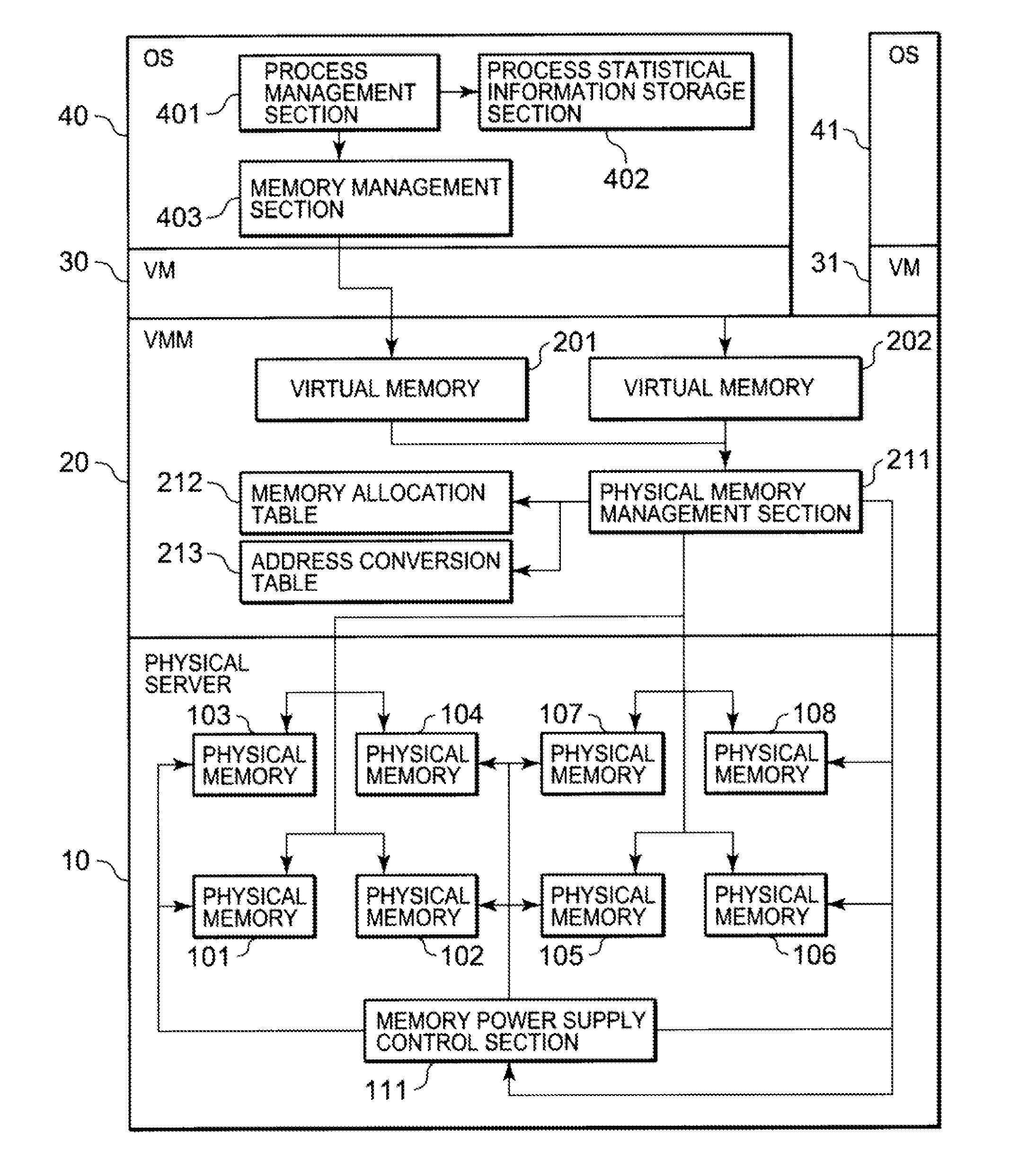
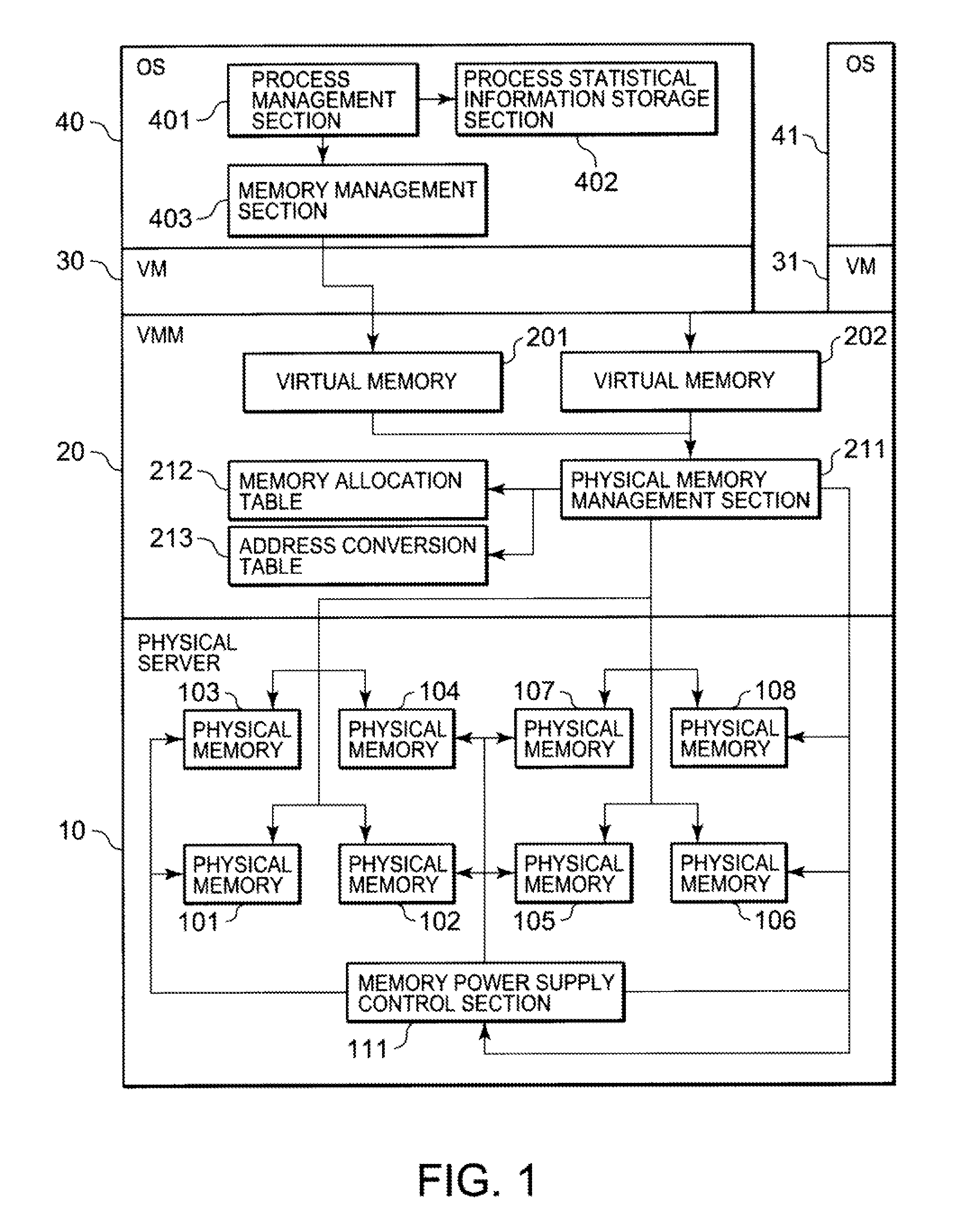
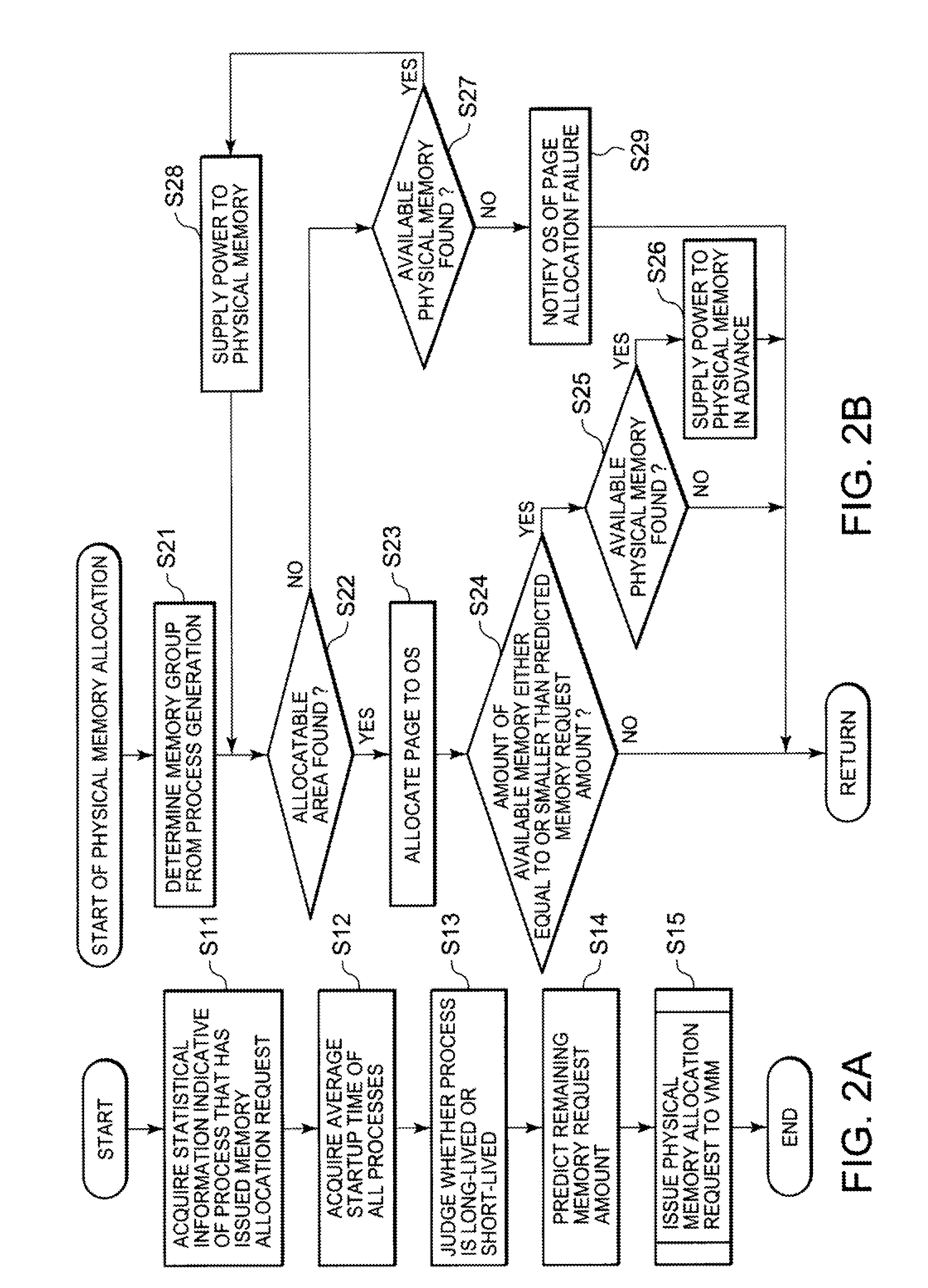
Memory power consumption reduction system, and method and program therefor
PatentInactiveUS20100235669A1
Innovation
- A memory power consumption reduction system that includes a memory allocation section, a memory compaction section, and a power supply control section, which allocates physical memory areas to virtual machines, performs memory compaction upon deallocation, and shuts off power to unused physical memory, distinguishing between short-lived and long-lived processes to optimize memory usage.

Multi-mode tiered memory cache controller
PatentActiveEP4407471A9
Innovation
- A hardware-based tiered memory cache controller (TMCC) is introduced, which operates in multiple modes to manage memory hierarchy effectively, including caching, migration, and statistics collection, using a fully associative lookup and address map component and a transfer transaction dictionary to reduce tag collisions and decouple cache capacity management from lookup and allocation.


Energy Efficiency Standards for Data Center Memory Systems
The establishment of comprehensive energy efficiency standards for data center memory systems has become increasingly critical as organizations seek to quantify and maximize cost savings through persistent memory deployment. Current regulatory frameworks primarily focus on server-level power consumption metrics, leaving significant gaps in memory-specific efficiency requirements that directly impact the economic viability of persistent memory technologies.
International standards organizations, including the International Electrotechnical Commission and ASHRAE, have begun developing specialized benchmarks for memory subsystem energy consumption. These emerging standards emphasize dynamic power scaling capabilities, idle state efficiency, and thermal management protocols specifically tailored to persistent memory architectures. The standards framework incorporates both absolute power consumption limits and performance-per-watt ratios to ensure holistic efficiency evaluation.
Key performance indicators within these standards include memory access energy per operation, standby power consumption during idle periods, and thermal dissipation efficiency under varying workload conditions. Persistent memory technologies demonstrate superior performance in standby power metrics, consuming up to 75% less energy than traditional DRAM during idle states, which directly translates to measurable cost reductions in large-scale deployments.
Compliance certification processes require comprehensive testing protocols that evaluate memory systems across diverse operational scenarios. These assessments include sustained workload simulations, peak performance stress testing, and long-term reliability evaluations under controlled thermal conditions. The certification framework ensures that claimed efficiency improvements can be accurately quantified and validated in real-world data center environments.
Regional variations in energy efficiency requirements reflect local power costs and environmental regulations. European Union directives emphasize carbon footprint reduction, while North American standards focus on peak demand management and grid stability considerations. These regional differences significantly influence the economic calculations for persistent memory adoption, as compliance requirements directly affect operational cost structures and potential savings calculations.
Future standard developments anticipate integration with artificial intelligence-driven power management systems and real-time efficiency monitoring protocols. These advanced frameworks will enable dynamic optimization of memory subsystem performance based on instantaneous workload requirements and energy pricing fluctuations, maximizing the quantifiable cost benefits of persistent memory technologies in modern data center operations.
International standards organizations, including the International Electrotechnical Commission and ASHRAE, have begun developing specialized benchmarks for memory subsystem energy consumption. These emerging standards emphasize dynamic power scaling capabilities, idle state efficiency, and thermal management protocols specifically tailored to persistent memory architectures. The standards framework incorporates both absolute power consumption limits and performance-per-watt ratios to ensure holistic efficiency evaluation.
Key performance indicators within these standards include memory access energy per operation, standby power consumption during idle periods, and thermal dissipation efficiency under varying workload conditions. Persistent memory technologies demonstrate superior performance in standby power metrics, consuming up to 75% less energy than traditional DRAM during idle states, which directly translates to measurable cost reductions in large-scale deployments.
Compliance certification processes require comprehensive testing protocols that evaluate memory systems across diverse operational scenarios. These assessments include sustained workload simulations, peak performance stress testing, and long-term reliability evaluations under controlled thermal conditions. The certification framework ensures that claimed efficiency improvements can be accurately quantified and validated in real-world data center environments.
Regional variations in energy efficiency requirements reflect local power costs and environmental regulations. European Union directives emphasize carbon footprint reduction, while North American standards focus on peak demand management and grid stability considerations. These regional differences significantly influence the economic calculations for persistent memory adoption, as compliance requirements directly affect operational cost structures and potential savings calculations.
Future standard developments anticipate integration with artificial intelligence-driven power management systems and real-time efficiency monitoring protocols. These advanced frameworks will enable dynamic optimization of memory subsystem performance based on instantaneous workload requirements and energy pricing fluctuations, maximizing the quantifiable cost benefits of persistent memory technologies in modern data center operations.
ROI Assessment Framework for Persistent Memory Investment
A comprehensive ROI assessment framework for persistent memory investment requires establishing clear financial metrics and evaluation methodologies that capture both direct and indirect cost benefits. The framework should incorporate total cost of ownership calculations that extend beyond initial hardware acquisition costs to include operational expenses, energy consumption, maintenance requirements, and infrastructure optimization savings over the technology lifecycle.
The assessment methodology must establish baseline performance metrics from existing storage infrastructure, including current DRAM and traditional storage costs, power consumption patterns, and operational overhead expenses. These baseline measurements serve as reference points for calculating incremental improvements achieved through persistent memory deployment. Key performance indicators should encompass memory bandwidth utilization, application response times, and system availability metrics that directly correlate with business value generation.
Financial modeling within the framework should account for persistent memory's unique value propositions, including reduced data movement overhead, elimination of cold restart penalties, and decreased backup and recovery time requirements. The model must quantify savings from reduced server sprawl, as persistent memory enables higher consolidation ratios and more efficient resource utilization across data center environments.
Risk assessment components should evaluate technology maturity factors, vendor ecosystem stability, and potential obsolescence timelines that could impact long-term investment returns. The framework must incorporate sensitivity analysis to understand how varying adoption scenarios, workload characteristics, and scaling patterns influence overall ROI calculations.
Implementation cost considerations should include staff training requirements, application modification expenses, and potential downtime during migration phases. The framework should establish clear breakeven analysis methodologies that help organizations determine optimal deployment scales and timing strategies for persistent memory adoption.
Regular reassessment mechanisms must be integrated to track actual performance against projected benefits, enabling continuous refinement of ROI models and supporting data-driven decisions for future persistent memory investments across expanding data center operations.
The assessment methodology must establish baseline performance metrics from existing storage infrastructure, including current DRAM and traditional storage costs, power consumption patterns, and operational overhead expenses. These baseline measurements serve as reference points for calculating incremental improvements achieved through persistent memory deployment. Key performance indicators should encompass memory bandwidth utilization, application response times, and system availability metrics that directly correlate with business value generation.
Financial modeling within the framework should account for persistent memory's unique value propositions, including reduced data movement overhead, elimination of cold restart penalties, and decreased backup and recovery time requirements. The model must quantify savings from reduced server sprawl, as persistent memory enables higher consolidation ratios and more efficient resource utilization across data center environments.
Risk assessment components should evaluate technology maturity factors, vendor ecosystem stability, and potential obsolescence timelines that could impact long-term investment returns. The framework must incorporate sensitivity analysis to understand how varying adoption scenarios, workload characteristics, and scaling patterns influence overall ROI calculations.
Implementation cost considerations should include staff training requirements, application modification expenses, and potential downtime during migration phases. The framework should establish clear breakeven analysis methodologies that help organizations determine optimal deployment scales and timing strategies for persistent memory adoption.
Regular reassessment mechanisms must be integrated to track actual performance against projected benefits, enabling continuous refinement of ROI models and supporting data-driven decisions for future persistent memory investments across expanding data center operations.
Unlock deeper insights with PatSnap Eureka Quick Research — get a full tech report to explore trends and direct your research. Try now!
Generate Your Research Report Instantly with AI Agent
Supercharge your innovation with PatSnap Eureka AI Agent Platform!