

Optimizing Persistent Memory for Low-Power Computational Tasks
MAY 13, 20269 MIN READ
Generate Your Research Report Instantly with AI Agent
PatSnap Eureka helps you evaluate technical feasibility & market potential.
Persistent Memory Background and Low-Power Computing Goals
Persistent memory represents a revolutionary storage technology that bridges the traditional gap between volatile memory and non-volatile storage systems. This emerging technology combines the speed characteristics of dynamic random-access memory (DRAM) with the data persistence capabilities of traditional storage devices such as solid-state drives and hard disk drives. The fundamental architecture enables data to remain intact even when power is removed, while maintaining access speeds significantly faster than conventional storage solutions.
The evolution of persistent memory technologies has been driven by the increasing demand for high-performance computing systems that require both rapid data access and reliable data retention. Key technologies in this domain include Intel's 3D XPoint memory, phase-change memory (PCM), resistive random-access memory (ReRAM), and magnetoresistive random-access memory (MRAM). These technologies utilize different physical principles to achieve non-volatile storage with near-DRAM performance characteristics.
Low-power computational tasks have become increasingly critical in modern computing environments, particularly with the proliferation of edge computing, Internet of Things (IoT) devices, and mobile computing platforms. The primary objective in this domain is to minimize energy consumption while maintaining acceptable performance levels for computational workloads. This challenge is particularly acute in battery-powered devices, data centers seeking to reduce operational costs, and embedded systems with strict power budgets.
The convergence of persistent memory and low-power computing presents unique opportunities for system optimization. Traditional computing architectures often suffer from significant power overhead associated with frequent data transfers between volatile memory and persistent storage. By leveraging persistent memory technologies, systems can potentially eliminate or reduce these power-intensive operations while maintaining data integrity and system responsiveness.
Current research objectives focus on developing optimization strategies that maximize the benefits of persistent memory in power-constrained environments. These goals include reducing write amplification effects, minimizing memory controller power consumption, optimizing data placement algorithms, and developing energy-efficient wear leveling techniques. Additionally, there is significant emphasis on creating programming models and system architectures that can effectively exploit the unique characteristics of persistent memory while meeting stringent power requirements for various computational workloads.
The evolution of persistent memory technologies has been driven by the increasing demand for high-performance computing systems that require both rapid data access and reliable data retention. Key technologies in this domain include Intel's 3D XPoint memory, phase-change memory (PCM), resistive random-access memory (ReRAM), and magnetoresistive random-access memory (MRAM). These technologies utilize different physical principles to achieve non-volatile storage with near-DRAM performance characteristics.
Low-power computational tasks have become increasingly critical in modern computing environments, particularly with the proliferation of edge computing, Internet of Things (IoT) devices, and mobile computing platforms. The primary objective in this domain is to minimize energy consumption while maintaining acceptable performance levels for computational workloads. This challenge is particularly acute in battery-powered devices, data centers seeking to reduce operational costs, and embedded systems with strict power budgets.
The convergence of persistent memory and low-power computing presents unique opportunities for system optimization. Traditional computing architectures often suffer from significant power overhead associated with frequent data transfers between volatile memory and persistent storage. By leveraging persistent memory technologies, systems can potentially eliminate or reduce these power-intensive operations while maintaining data integrity and system responsiveness.
Current research objectives focus on developing optimization strategies that maximize the benefits of persistent memory in power-constrained environments. These goals include reducing write amplification effects, minimizing memory controller power consumption, optimizing data placement algorithms, and developing energy-efficient wear leveling techniques. Additionally, there is significant emphasis on creating programming models and system architectures that can effectively exploit the unique characteristics of persistent memory while meeting stringent power requirements for various computational workloads.
Market Demand for Energy-Efficient Memory Solutions
The global memory market is experiencing unprecedented demand for energy-efficient solutions, driven by the exponential growth of data-intensive applications and the urgent need for sustainable computing infrastructure. Edge computing, Internet of Things deployments, and mobile computing platforms are creating substantial pressure for memory technologies that can deliver high performance while minimizing power consumption. This demand is particularly acute in battery-powered devices, autonomous systems, and data centers where energy costs represent a significant operational expense.
Enterprise data centers are increasingly prioritizing energy efficiency as a key procurement criterion, with memory subsystems accounting for a substantial portion of total system power consumption. The proliferation of artificial intelligence workloads, real-time analytics, and in-memory computing applications has intensified the need for persistent memory solutions that can maintain data integrity while operating under strict power budgets. Cloud service providers are actively seeking memory technologies that can reduce their carbon footprint while supporting growing computational demands.
The automotive industry represents a rapidly expanding market segment for low-power persistent memory solutions. Advanced driver assistance systems, autonomous vehicle platforms, and connected car applications require memory technologies that can operate reliably in harsh environments while maintaining minimal power draw to preserve battery life. These applications demand instant-on capabilities and data persistence that traditional volatile memory cannot provide.
Mobile and wearable device manufacturers face increasing consumer expectations for longer battery life while supporting more sophisticated applications. The integration of machine learning capabilities, augmented reality features, and continuous health monitoring in portable devices creates substantial demand for memory solutions that can store and process data efficiently without compromising device longevity.
Industrial automation and smart manufacturing applications are driving demand for ruggedized, low-power persistent memory solutions that can operate in challenging environments while maintaining data integrity. These applications require memory technologies that can support real-time processing, predictive maintenance algorithms, and quality control systems without introducing significant power overhead to industrial systems.
The telecommunications sector is experiencing growing demand for energy-efficient memory solutions to support 5G infrastructure, network function virtualization, and edge computing deployments. Base stations, network appliances, and telecommunications equipment require memory technologies that can handle high-throughput data processing while operating within strict thermal and power constraints imposed by remote deployment scenarios.
Enterprise data centers are increasingly prioritizing energy efficiency as a key procurement criterion, with memory subsystems accounting for a substantial portion of total system power consumption. The proliferation of artificial intelligence workloads, real-time analytics, and in-memory computing applications has intensified the need for persistent memory solutions that can maintain data integrity while operating under strict power budgets. Cloud service providers are actively seeking memory technologies that can reduce their carbon footprint while supporting growing computational demands.
The automotive industry represents a rapidly expanding market segment for low-power persistent memory solutions. Advanced driver assistance systems, autonomous vehicle platforms, and connected car applications require memory technologies that can operate reliably in harsh environments while maintaining minimal power draw to preserve battery life. These applications demand instant-on capabilities and data persistence that traditional volatile memory cannot provide.
Mobile and wearable device manufacturers face increasing consumer expectations for longer battery life while supporting more sophisticated applications. The integration of machine learning capabilities, augmented reality features, and continuous health monitoring in portable devices creates substantial demand for memory solutions that can store and process data efficiently without compromising device longevity.
Industrial automation and smart manufacturing applications are driving demand for ruggedized, low-power persistent memory solutions that can operate in challenging environments while maintaining data integrity. These applications require memory technologies that can support real-time processing, predictive maintenance algorithms, and quality control systems without introducing significant power overhead to industrial systems.
The telecommunications sector is experiencing growing demand for energy-efficient memory solutions to support 5G infrastructure, network function virtualization, and edge computing deployments. Base stations, network appliances, and telecommunications equipment require memory technologies that can handle high-throughput data processing while operating within strict thermal and power constraints imposed by remote deployment scenarios.
Current State and Challenges of Persistent Memory Power Optimization
Persistent memory technologies have reached a critical juncture where power optimization has become the primary bottleneck for widespread adoption in low-power computational environments. Current implementations of technologies such as Intel Optane DC Persistent Memory, Storage Class Memory (SCM), and emerging Phase Change Memory (PCM) solutions demonstrate significant power consumption challenges that limit their deployment in edge computing, mobile devices, and battery-powered systems.
The fundamental power consumption characteristics of persistent memory stem from the inherent physics of non-volatile storage mechanisms. Phase change materials require substantial energy for crystalline state transitions, while resistive RAM technologies face challenges in maintaining data integrity without continuous refresh operations. Current generation persistent memory modules typically consume 15-25% more power than traditional DRAM during active operations, with standby power consumption remaining problematic for always-on applications.
Memory controller inefficiencies represent another significant challenge in the current landscape. Existing controllers lack sophisticated power management algorithms specifically designed for persistent memory workloads. The absence of workload-aware power scaling mechanisms results in suboptimal energy utilization, particularly during mixed read-write operations common in computational tasks. Current implementations often operate at fixed voltage levels without dynamic adjustment capabilities based on data access patterns or computational intensity.
Thermal management issues compound the power optimization challenges. Persistent memory devices generate considerable heat during write operations, necessitating additional cooling mechanisms that further increase overall system power consumption. The thermal cycling effects also impact device longevity and reliability, creating a complex optimization problem where power reduction must be balanced against performance and durability requirements.
Geographic distribution of persistent memory development reveals concentrated efforts in specific regions, with leading research primarily conducted in North America, South Korea, and select European facilities. This concentration has resulted in limited diversity in power optimization approaches, with most solutions following similar architectural paradigms that may not address the full spectrum of low-power computational requirements.
The integration challenges between persistent memory and existing system architectures present additional obstacles. Current motherboard designs and chipset implementations were not originally optimized for persistent memory power characteristics, leading to inefficient power delivery and management. Legacy software stacks also lack awareness of persistent memory power states, resulting in missed opportunities for dynamic power optimization during computational workloads.
The fundamental power consumption characteristics of persistent memory stem from the inherent physics of non-volatile storage mechanisms. Phase change materials require substantial energy for crystalline state transitions, while resistive RAM technologies face challenges in maintaining data integrity without continuous refresh operations. Current generation persistent memory modules typically consume 15-25% more power than traditional DRAM during active operations, with standby power consumption remaining problematic for always-on applications.
Memory controller inefficiencies represent another significant challenge in the current landscape. Existing controllers lack sophisticated power management algorithms specifically designed for persistent memory workloads. The absence of workload-aware power scaling mechanisms results in suboptimal energy utilization, particularly during mixed read-write operations common in computational tasks. Current implementations often operate at fixed voltage levels without dynamic adjustment capabilities based on data access patterns or computational intensity.
Thermal management issues compound the power optimization challenges. Persistent memory devices generate considerable heat during write operations, necessitating additional cooling mechanisms that further increase overall system power consumption. The thermal cycling effects also impact device longevity and reliability, creating a complex optimization problem where power reduction must be balanced against performance and durability requirements.
Geographic distribution of persistent memory development reveals concentrated efforts in specific regions, with leading research primarily conducted in North America, South Korea, and select European facilities. This concentration has resulted in limited diversity in power optimization approaches, with most solutions following similar architectural paradigms that may not address the full spectrum of low-power computational requirements.
The integration challenges between persistent memory and existing system architectures present additional obstacles. Current motherboard designs and chipset implementations were not originally optimized for persistent memory power characteristics, leading to inefficient power delivery and management. Legacy software stacks also lack awareness of persistent memory power states, resulting in missed opportunities for dynamic power optimization during computational workloads.
Existing Power Optimization Solutions for Persistent Memory
01 Power management circuits for persistent memory devices
Specialized power management circuits are designed to optimize power consumption in persistent memory systems. These circuits include voltage regulators, power switches, and control logic that can dynamically adjust power delivery based on memory access patterns and operational states. The circuits help reduce standby power consumption while maintaining data integrity during power transitions.- Power management circuits and voltage regulation for persistent memory: Implementation of specialized power management circuits that regulate voltage supply to persistent memory devices. These circuits include voltage regulators, power switches, and control logic that optimize power delivery during different operational states. The circuits can dynamically adjust voltage levels based on memory access patterns and operational requirements to minimize power consumption while maintaining data integrity.
- Low-power memory cell architectures and design optimization: Development of memory cell structures and architectures specifically designed to reduce power consumption in persistent memory applications. These designs incorporate optimized transistor configurations, reduced leakage current paths, and efficient charge storage mechanisms. The architectures focus on minimizing static and dynamic power consumption while maintaining non-volatile data storage capabilities.
- Power-aware memory access and control algorithms: Implementation of intelligent algorithms and control methods that manage memory access patterns to reduce overall power consumption. These methods include adaptive refresh schemes, selective memory activation, and predictive power management based on usage patterns. The algorithms optimize the timing and frequency of memory operations to achieve maximum energy efficiency.
- Sleep and standby power optimization techniques: Techniques for minimizing power consumption during idle or standby states of persistent memory systems. These approaches include deep sleep modes, power gating strategies, and retention voltage optimization. The methods ensure that data is preserved while significantly reducing power draw during periods of inactivity, extending battery life in portable applications.
- Thermal management and power efficiency correlation: Integration of thermal management systems with power optimization strategies for persistent memory devices. These solutions address the relationship between temperature and power consumption, implementing cooling techniques and thermal-aware power management. The approaches help maintain optimal operating temperatures while reducing overall system power requirements and improving reliability.
02 Low-power memory cell architectures
Memory cell designs that minimize power consumption through optimized transistor configurations and reduced leakage currents. These architectures employ techniques such as multi-threshold voltage devices, body biasing, and specialized cell layouts to achieve lower operating and standby power while preserving non-volatile characteristics.Expand Specific Solutions03 Dynamic power scaling and sleep modes
Implementation of various power states and dynamic scaling mechanisms that allow persistent memory to operate at different power levels based on usage requirements. These techniques include deep sleep modes, partial array shutdown, and adaptive voltage scaling to minimize power consumption during idle periods while enabling rapid wake-up capabilities.Expand Specific Solutions04 Write operation power optimization
Techniques for reducing power consumption during write operations in persistent memory through optimized write algorithms, selective programming schemes, and efficient charge pump designs. These methods focus on minimizing the energy required for data programming while maintaining write reliability and endurance characteristics.Expand Specific Solutions05 Thermal and power monitoring systems
Integrated monitoring systems that track power consumption and thermal characteristics of persistent memory devices to enable intelligent power management decisions. These systems include sensors, feedback control loops, and predictive algorithms that help optimize power usage based on operating conditions and performance requirements.Expand Specific Solutions
Key Players in Persistent Memory and Low-Power Computing Industry
The persistent memory optimization landscape for low-power computational tasks represents a rapidly evolving sector driven by increasing demand for energy-efficient computing solutions across mobile, edge, and IoT applications. The market demonstrates significant growth potential as organizations prioritize power efficiency alongside performance. Technology maturity varies considerably among key players, with established semiconductor leaders like Intel, Qualcomm, and Micron Technology advancing sophisticated memory architectures and power management solutions. Companies such as IBM and Google contribute through software optimization frameworks, while emerging players like Deepx specialize in ultra-low-power AI accelerators. Academic institutions including Shanghai Jiao Tong University and Rice University provide foundational research in memory system optimization. The competitive landscape spans from mature hardware manufacturers to innovative startups, indicating a dynamic ecosystem where both incremental improvements and breakthrough technologies coexist to address diverse low-power computing requirements.
Micron Technology, Inc.
Technical Solution: Micron focuses on developing next-generation persistent memory technologies including Storage Class Memory (SCM) and advanced NAND flash optimizations. Their approach emphasizes power-efficient memory controllers and adaptive wear leveling algorithms specifically designed for computational workloads. Micron's persistent memory solutions incorporate dynamic power scaling, intelligent prefetching mechanisms, and workload-aware data management that can reduce overall system power consumption by 25-35% in typical computational scenarios while maintaining high performance and data persistence guarantees.
Strengths: Strong memory manufacturing expertise, cost-effective solutions, broad compatibility with existing systems. Weaknesses: Less mature ecosystem compared to competitors, limited high-performance options for demanding applications.
International Business Machines Corp.
Technical Solution: IBM has developed advanced persistent memory architectures focusing on Power Systems integration and enterprise-grade reliability. Their approach combines hardware-software co-design with intelligent memory management algorithms, including predictive data placement and energy-aware scheduling mechanisms. IBM's solutions feature adaptive power management that dynamically adjusts memory subsystem power based on computational workload characteristics, achieving up to 30% power reduction in typical enterprise computational tasks while ensuring data consistency and system reliability through advanced error correction and recovery mechanisms.
Strengths: Enterprise-grade reliability, strong integration with Power architecture, advanced error correction capabilities. Weaknesses: Limited consumer market presence, higher implementation complexity, primarily focused on high-end enterprise solutions.
Core Innovations in Low-Power Persistent Memory Design
Persistent memory storage engine device based on log structure and control method thereof
PatentActiveUS20210019257A1
Innovation
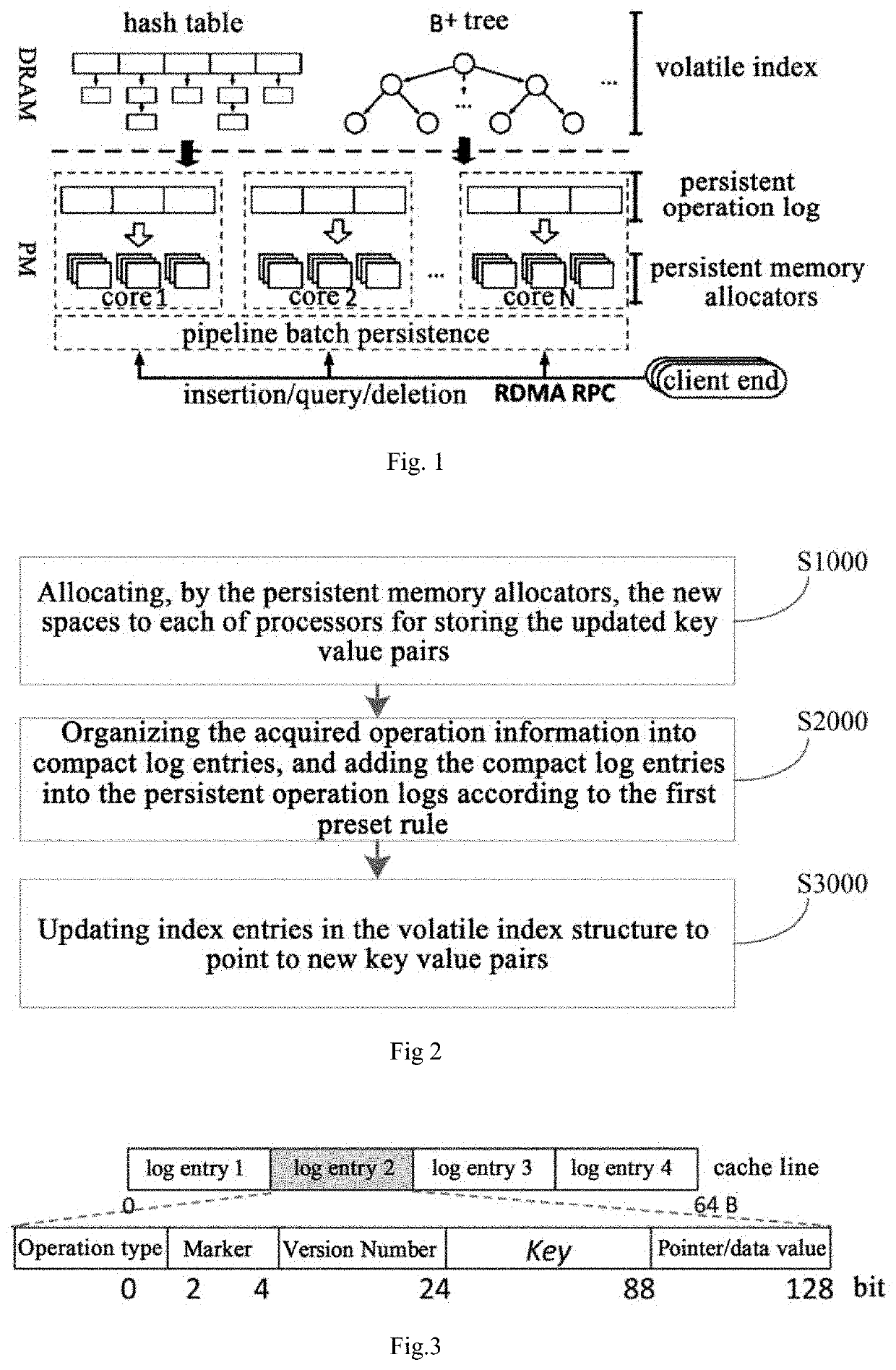
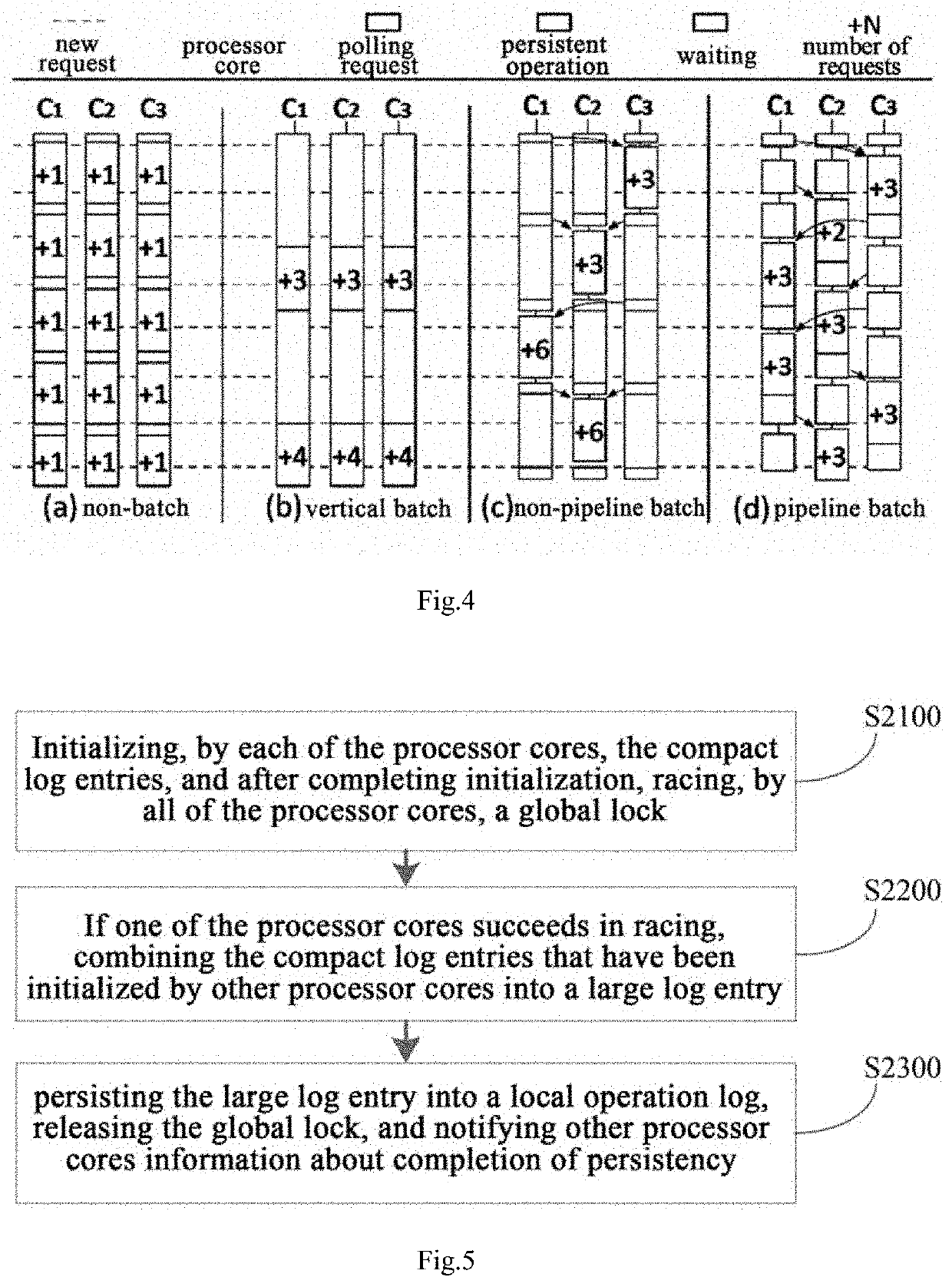
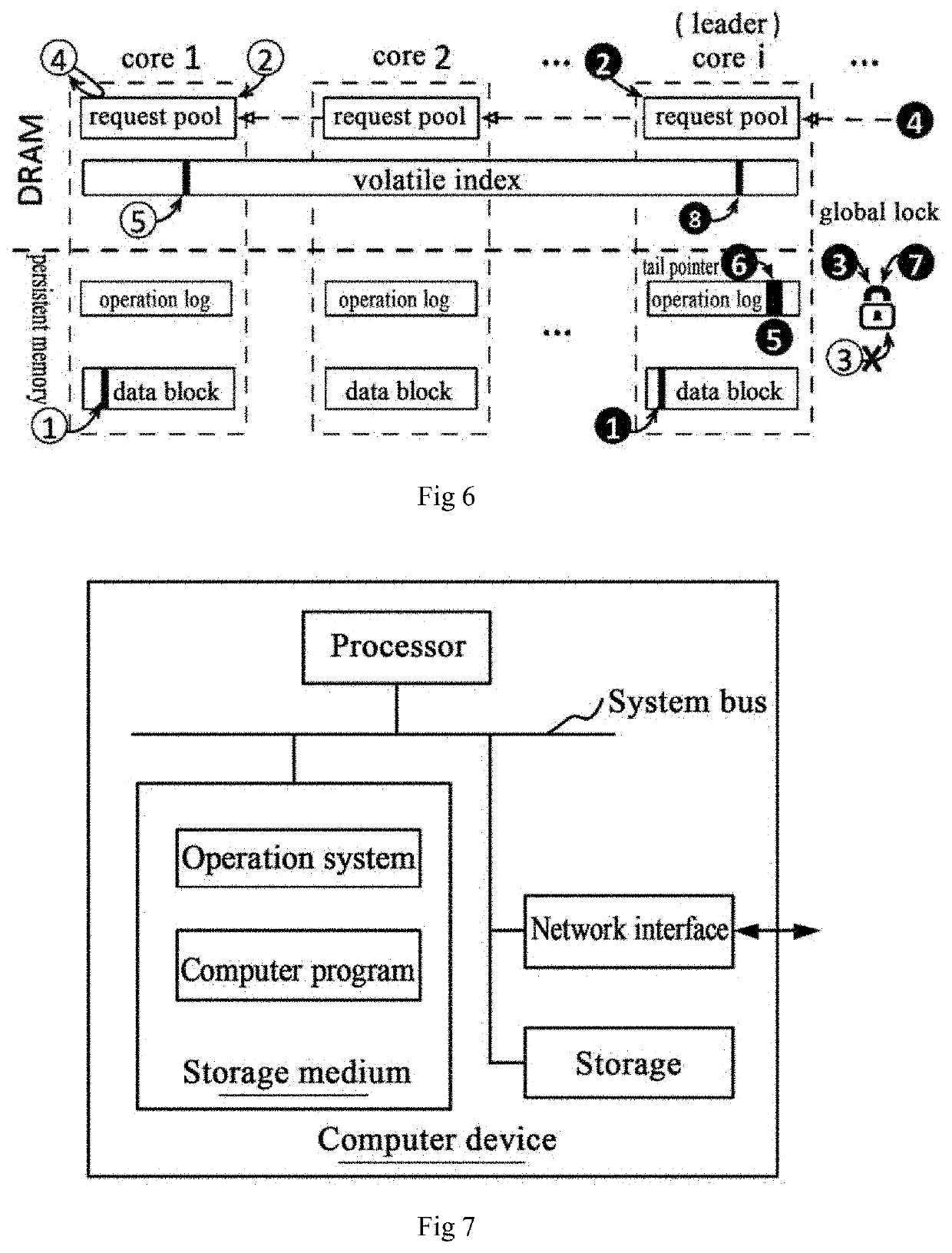
- A redesigned log-structured persistent memory key-value storage engine that includes persistent memory allocators, operation logs, and a volatile index structure, utilizing batch persistency and pipeline batch persistence technology to reduce latency while maintaining high system throughput, with global locking and memory region management to synchronize processor cores and optimize memory allocation.
Computer processing unit (CPU) architecture for controlled and low power save of CPU data to persistent memory
PatentInactiveUS20190129836A1
Innovation
- Implementing a power shutdown controller that provides separate auxiliary power lines to CPU components, allowing for controlled shutdown and deferring cache flush to persistent memory until power failure, thereby eliminating the need for synchronization points and enabling higher CPU speeds.


Hardware-Software Co-design for Memory Power Management
Hardware-software co-design represents a paradigm shift in memory power management, where traditional boundaries between hardware architecture and software optimization dissolve to create unified, energy-efficient solutions. This integrated approach recognizes that persistent memory power optimization cannot be achieved through isolated hardware or software improvements alone, but requires coordinated design decisions across both domains from the earliest development stages.
The foundation of effective co-design lies in establishing shared power management objectives between hardware designers and software developers. Hardware components such as memory controllers, power management units, and voltage regulators must be designed with software-visible interfaces that enable dynamic power state transitions. Simultaneously, software layers including operating systems, runtime environments, and applications must be architected to leverage these hardware capabilities intelligently, creating feedback loops that optimize power consumption based on real-time computational demands.
Modern co-design methodologies employ unified modeling frameworks that simulate both hardware power characteristics and software execution patterns simultaneously. These frameworks enable designers to evaluate trade-offs between memory access latency, power consumption, and computational throughput before committing to specific implementation choices. Advanced simulation environments can predict how software workload patterns will interact with hardware power management features, identifying optimal configurations for specific low-power computational scenarios.
Cross-layer optimization techniques form the core of successful co-design implementations. At the hardware level, this includes designing memory subsystems with multiple power states, adaptive voltage scaling capabilities, and intelligent prefetching mechanisms. The software layer complements these features through power-aware memory allocation strategies, workload scheduling algorithms that consider memory power states, and application-level optimizations that minimize unnecessary memory accesses during low-power operation modes.
Emerging co-design approaches leverage machine learning algorithms to create adaptive power management systems that learn from application behavior patterns. These systems can predict future memory access requirements and proactively adjust hardware power states, while software components adapt their execution strategies based on current power constraints and performance requirements, achieving optimal energy efficiency for persistent memory systems in low-power computational environments.
The foundation of effective co-design lies in establishing shared power management objectives between hardware designers and software developers. Hardware components such as memory controllers, power management units, and voltage regulators must be designed with software-visible interfaces that enable dynamic power state transitions. Simultaneously, software layers including operating systems, runtime environments, and applications must be architected to leverage these hardware capabilities intelligently, creating feedback loops that optimize power consumption based on real-time computational demands.
Modern co-design methodologies employ unified modeling frameworks that simulate both hardware power characteristics and software execution patterns simultaneously. These frameworks enable designers to evaluate trade-offs between memory access latency, power consumption, and computational throughput before committing to specific implementation choices. Advanced simulation environments can predict how software workload patterns will interact with hardware power management features, identifying optimal configurations for specific low-power computational scenarios.
Cross-layer optimization techniques form the core of successful co-design implementations. At the hardware level, this includes designing memory subsystems with multiple power states, adaptive voltage scaling capabilities, and intelligent prefetching mechanisms. The software layer complements these features through power-aware memory allocation strategies, workload scheduling algorithms that consider memory power states, and application-level optimizations that minimize unnecessary memory accesses during low-power operation modes.
Emerging co-design approaches leverage machine learning algorithms to create adaptive power management systems that learn from application behavior patterns. These systems can predict future memory access requirements and proactively adjust hardware power states, while software components adapt their execution strategies based on current power constraints and performance requirements, achieving optimal energy efficiency for persistent memory systems in low-power computational environments.
Thermal Management Considerations in Persistent Memory Systems
Thermal management represents a critical design consideration in persistent memory systems optimized for low-power computational tasks. Unlike traditional volatile memory, persistent memory technologies such as 3D XPoint, STT-MRAM, and ReRAM exhibit unique thermal characteristics that directly impact both performance and data retention capabilities. The inherent write mechanisms in these technologies generate localized heat during programming operations, creating thermal hotspots that can compromise system reliability and energy efficiency.
The thermal behavior of persistent memory differs significantly from conventional DRAM due to the physical processes involved in data storage. Phase-change memory technologies require precise temperature control during crystalline state transitions, while resistive memory variants experience thermal-induced resistance drift that affects data integrity. These thermal sensitivities become particularly pronounced in low-power environments where cooling resources are constrained and thermal budgets are strictly limited.
Power density considerations in persistent memory arrays create complex thermal gradients that influence access patterns and wear leveling algorithms. High-density 3D stacking architectures, commonly employed to maximize storage capacity, exacerbate thermal challenges by concentrating heat generation in confined spaces. The resulting temperature variations across memory cells can lead to non-uniform performance characteristics and accelerated aging in thermally stressed regions.
Effective thermal management strategies must address both steady-state and transient thermal conditions. Dynamic thermal throttling mechanisms can regulate write operations to prevent excessive temperature buildup, while intelligent data placement algorithms can distribute thermal loads across memory arrays. Advanced packaging solutions incorporating micro-channel cooling and thermal interface materials offer hardware-level thermal mitigation for high-performance applications.
The integration of thermal sensors and predictive thermal modeling enables proactive thermal management in persistent memory systems. Real-time temperature monitoring allows for adaptive power scaling and workload distribution, optimizing the balance between computational performance and thermal constraints. These thermal-aware management techniques become essential for maintaining data reliability and extending device lifespan in resource-constrained computing environments where persistent memory serves as the primary storage medium.
The thermal behavior of persistent memory differs significantly from conventional DRAM due to the physical processes involved in data storage. Phase-change memory technologies require precise temperature control during crystalline state transitions, while resistive memory variants experience thermal-induced resistance drift that affects data integrity. These thermal sensitivities become particularly pronounced in low-power environments where cooling resources are constrained and thermal budgets are strictly limited.
Power density considerations in persistent memory arrays create complex thermal gradients that influence access patterns and wear leveling algorithms. High-density 3D stacking architectures, commonly employed to maximize storage capacity, exacerbate thermal challenges by concentrating heat generation in confined spaces. The resulting temperature variations across memory cells can lead to non-uniform performance characteristics and accelerated aging in thermally stressed regions.
Effective thermal management strategies must address both steady-state and transient thermal conditions. Dynamic thermal throttling mechanisms can regulate write operations to prevent excessive temperature buildup, while intelligent data placement algorithms can distribute thermal loads across memory arrays. Advanced packaging solutions incorporating micro-channel cooling and thermal interface materials offer hardware-level thermal mitigation for high-performance applications.
The integration of thermal sensors and predictive thermal modeling enables proactive thermal management in persistent memory systems. Real-time temperature monitoring allows for adaptive power scaling and workload distribution, optimizing the balance between computational performance and thermal constraints. These thermal-aware management techniques become essential for maintaining data reliability and extending device lifespan in resource-constrained computing environments where persistent memory serves as the primary storage medium.
Unlock deeper insights with PatSnap Eureka Quick Research — get a full tech report to explore trends and direct your research. Try now!
Generate Your Research Report Instantly with AI Agent
Supercharge your innovation with PatSnap Eureka AI Agent Platform!