How Pulsed Electromagnetic Field Reduces Swelling Post-Surgery
MAR 7, 20268 MIN READ
Generate Your Research Report Instantly with AI Agent
PatSnap Eureka helps you evaluate technical feasibility & market potential.
PEMF Technology Background and Therapeutic Goals
Pulsed Electromagnetic Field (PEMF) therapy represents a non-invasive therapeutic modality that utilizes time-varying electromagnetic fields to stimulate biological processes at the cellular level. The technology emerged from early observations of electromagnetic field effects on biological systems in the 1960s, with subsequent development focusing on optimizing field parameters including frequency, intensity, waveform, and pulse duration to achieve specific therapeutic outcomes.
The fundamental principle underlying PEMF therapy involves the application of electromagnetic pulses that penetrate tissue and induce weak electrical currents within cells. These induced currents can influence cellular membrane potential, ion transport mechanisms, and intracellular signaling pathways. The technology has evolved from simple sinusoidal waveforms to complex pulse patterns designed to target specific biological responses, with modern systems capable of delivering precisely controlled electromagnetic fields ranging from extremely low frequencies to radio frequencies.
PEMF technology development has been driven by the understanding that electromagnetic fields can modulate various physiological processes including cellular metabolism, protein synthesis, and inflammatory responses. Research has demonstrated that specific electromagnetic field parameters can influence calcium ion channels, adenosine triphosphate production, and nitric oxide synthesis, all of which play crucial roles in tissue healing and inflammation regulation.
The primary therapeutic goal of PEMF therapy in post-surgical applications centers on accelerating tissue recovery while minimizing adverse effects associated with traditional pharmaceutical interventions. Specifically, the technology aims to reduce post-operative swelling through multiple mechanisms including enhanced lymphatic drainage, improved microcirculation, and modulation of inflammatory mediator release. These effects collectively contribute to faster resolution of edema and reduced patient discomfort.
Contemporary PEMF systems target the reduction of pro-inflammatory cytokines such as tumor necrosis factor-alpha and interleukin-1 beta, while promoting anti-inflammatory pathways. The technology seeks to optimize the balance between necessary inflammatory responses for healing and excessive inflammation that contributes to prolonged swelling and delayed recovery.
The therapeutic objectives extend beyond immediate swelling reduction to encompass broader recovery enhancement goals. These include accelerated wound healing, reduced pain perception, improved tissue oxygenation, and restoration of normal tissue function. Modern PEMF protocols are designed to complement conventional post-surgical care by providing a non-pharmacological intervention that can be safely integrated into existing treatment regimens without significant contraindications or adverse effects.
The fundamental principle underlying PEMF therapy involves the application of electromagnetic pulses that penetrate tissue and induce weak electrical currents within cells. These induced currents can influence cellular membrane potential, ion transport mechanisms, and intracellular signaling pathways. The technology has evolved from simple sinusoidal waveforms to complex pulse patterns designed to target specific biological responses, with modern systems capable of delivering precisely controlled electromagnetic fields ranging from extremely low frequencies to radio frequencies.
PEMF technology development has been driven by the understanding that electromagnetic fields can modulate various physiological processes including cellular metabolism, protein synthesis, and inflammatory responses. Research has demonstrated that specific electromagnetic field parameters can influence calcium ion channels, adenosine triphosphate production, and nitric oxide synthesis, all of which play crucial roles in tissue healing and inflammation regulation.
The primary therapeutic goal of PEMF therapy in post-surgical applications centers on accelerating tissue recovery while minimizing adverse effects associated with traditional pharmaceutical interventions. Specifically, the technology aims to reduce post-operative swelling through multiple mechanisms including enhanced lymphatic drainage, improved microcirculation, and modulation of inflammatory mediator release. These effects collectively contribute to faster resolution of edema and reduced patient discomfort.
Contemporary PEMF systems target the reduction of pro-inflammatory cytokines such as tumor necrosis factor-alpha and interleukin-1 beta, while promoting anti-inflammatory pathways. The technology seeks to optimize the balance between necessary inflammatory responses for healing and excessive inflammation that contributes to prolonged swelling and delayed recovery.
The therapeutic objectives extend beyond immediate swelling reduction to encompass broader recovery enhancement goals. These include accelerated wound healing, reduced pain perception, improved tissue oxygenation, and restoration of normal tissue function. Modern PEMF protocols are designed to complement conventional post-surgical care by providing a non-pharmacological intervention that can be safely integrated into existing treatment regimens without significant contraindications or adverse effects.
Market Demand for Post-Surgical Swelling Management
The global market for post-surgical swelling management represents a substantial and rapidly expanding segment within the broader healthcare industry. Post-operative edema affects virtually all surgical patients to varying degrees, creating a universal need for effective management solutions across multiple surgical specialties including orthopedics, plastic surgery, cardiovascular procedures, and general surgery.
Traditional approaches to post-surgical swelling management have primarily relied on pharmaceutical interventions, compression therapy, elevation techniques, and cryotherapy. However, these conventional methods often present limitations including incomplete efficacy, patient compliance challenges, and potential side effects. The growing awareness of these shortcomings has created significant market demand for innovative, non-invasive therapeutic alternatives.
The aging global population serves as a primary driver for market expansion, as elderly patients typically experience more pronounced post-operative swelling and slower recovery times. Additionally, the increasing volume of elective surgeries, particularly cosmetic and orthopedic procedures, has substantially broadened the target patient population requiring effective swelling management solutions.
Healthcare providers are increasingly seeking evidence-based technologies that can demonstrate measurable improvements in patient outcomes while reducing overall treatment costs. The demand for solutions that can accelerate recovery times, minimize complications, and enhance patient satisfaction has intensified as healthcare systems face mounting pressure to optimize resource utilization and improve quality metrics.
Pulsed electromagnetic field therapy addresses several critical market needs by offering a non-pharmacological approach that can be easily integrated into existing post-operative care protocols. The technology appeals to both healthcare providers seeking to differentiate their services and patients who prefer non-invasive treatment options with minimal side effects.
The market demand is further amplified by the growing emphasis on outpatient surgical procedures and accelerated recovery protocols. As healthcare systems shift toward value-based care models, technologies that can demonstrably reduce recovery times and improve patient outcomes while maintaining cost-effectiveness become increasingly attractive to healthcare decision-makers.
Regulatory acceptance and clinical validation of electromagnetic field therapies have contributed to growing confidence among healthcare providers, leading to increased adoption rates across various medical specialties. The convergence of technological advancement, clinical evidence, and market need has created a favorable environment for innovative swelling management solutions.
Traditional approaches to post-surgical swelling management have primarily relied on pharmaceutical interventions, compression therapy, elevation techniques, and cryotherapy. However, these conventional methods often present limitations including incomplete efficacy, patient compliance challenges, and potential side effects. The growing awareness of these shortcomings has created significant market demand for innovative, non-invasive therapeutic alternatives.
The aging global population serves as a primary driver for market expansion, as elderly patients typically experience more pronounced post-operative swelling and slower recovery times. Additionally, the increasing volume of elective surgeries, particularly cosmetic and orthopedic procedures, has substantially broadened the target patient population requiring effective swelling management solutions.
Healthcare providers are increasingly seeking evidence-based technologies that can demonstrate measurable improvements in patient outcomes while reducing overall treatment costs. The demand for solutions that can accelerate recovery times, minimize complications, and enhance patient satisfaction has intensified as healthcare systems face mounting pressure to optimize resource utilization and improve quality metrics.
Pulsed electromagnetic field therapy addresses several critical market needs by offering a non-pharmacological approach that can be easily integrated into existing post-operative care protocols. The technology appeals to both healthcare providers seeking to differentiate their services and patients who prefer non-invasive treatment options with minimal side effects.
The market demand is further amplified by the growing emphasis on outpatient surgical procedures and accelerated recovery protocols. As healthcare systems shift toward value-based care models, technologies that can demonstrably reduce recovery times and improve patient outcomes while maintaining cost-effectiveness become increasingly attractive to healthcare decision-makers.
Regulatory acceptance and clinical validation of electromagnetic field therapies have contributed to growing confidence among healthcare providers, leading to increased adoption rates across various medical specialties. The convergence of technological advancement, clinical evidence, and market need has created a favorable environment for innovative swelling management solutions.
Current State of PEMF Anti-Inflammatory Applications
Pulsed Electromagnetic Field therapy has gained significant traction in clinical applications for managing post-surgical inflammation and swelling. Current medical practice demonstrates PEMF's effectiveness across multiple surgical specialties, with orthopedic procedures showing particularly promising results. Clinical studies indicate that PEMF treatment can reduce post-operative edema by 30-50% compared to conventional treatment protocols alone.
The technology is currently implemented through various delivery systems, ranging from portable consumer devices operating at 1-100 Hz frequencies to clinical-grade equipment capable of generating field strengths up to 20 Gauss. Most anti-inflammatory applications utilize low-frequency PEMF protocols, typically between 10-50 Hz, with treatment durations spanning 20-60 minutes per session. These parameters have been optimized through extensive clinical trials focusing on cellular membrane stabilization and enhanced lymphatic drainage.
Regulatory approval status varies globally, with the FDA having cleared several PEMF devices for post-surgical pain and edema management under 510(k) pathways. European CE marking has been obtained for numerous systems, facilitating broader clinical adoption across EU healthcare facilities. The regulatory landscape continues to evolve as more clinical evidence emerges supporting PEMF's anti-inflammatory mechanisms.
Current clinical protocols integrate PEMF therapy into standard post-operative care pathways, typically initiating treatment within 24-48 hours following surgery. Healthcare providers report improved patient outcomes when PEMF is combined with traditional anti-inflammatory interventions, including reduced reliance on pharmaceutical pain management and accelerated recovery timelines.
The technology faces implementation challenges including standardization of treatment protocols, training requirements for healthcare personnel, and cost-effectiveness considerations within existing healthcare budgets. Despite these obstacles, adoption rates continue to increase as clinical evidence strengthens and device costs decrease through technological advancement and market competition.
Research institutions are actively investigating optimal dosing parameters, with ongoing studies examining frequency-specific responses and patient-specific treatment customization. The current evidence base supports PEMF's role as a complementary therapy rather than a standalone treatment, emphasizing its integration within comprehensive post-surgical care protocols.
The technology is currently implemented through various delivery systems, ranging from portable consumer devices operating at 1-100 Hz frequencies to clinical-grade equipment capable of generating field strengths up to 20 Gauss. Most anti-inflammatory applications utilize low-frequency PEMF protocols, typically between 10-50 Hz, with treatment durations spanning 20-60 minutes per session. These parameters have been optimized through extensive clinical trials focusing on cellular membrane stabilization and enhanced lymphatic drainage.
Regulatory approval status varies globally, with the FDA having cleared several PEMF devices for post-surgical pain and edema management under 510(k) pathways. European CE marking has been obtained for numerous systems, facilitating broader clinical adoption across EU healthcare facilities. The regulatory landscape continues to evolve as more clinical evidence emerges supporting PEMF's anti-inflammatory mechanisms.
Current clinical protocols integrate PEMF therapy into standard post-operative care pathways, typically initiating treatment within 24-48 hours following surgery. Healthcare providers report improved patient outcomes when PEMF is combined with traditional anti-inflammatory interventions, including reduced reliance on pharmaceutical pain management and accelerated recovery timelines.
The technology faces implementation challenges including standardization of treatment protocols, training requirements for healthcare personnel, and cost-effectiveness considerations within existing healthcare budgets. Despite these obstacles, adoption rates continue to increase as clinical evidence strengthens and device costs decrease through technological advancement and market competition.
Research institutions are actively investigating optimal dosing parameters, with ongoing studies examining frequency-specific responses and patient-specific treatment customization. The current evidence base supports PEMF's role as a complementary therapy rather than a standalone treatment, emphasizing its integration within comprehensive post-surgical care protocols.
Existing PEMF Solutions for Post-Operative Recovery
01 PEMF therapy devices for reducing post-operative and injury-related swelling
Pulsed electromagnetic field therapy devices are designed to treat swelling following surgical procedures or physical injuries. These devices apply specific electromagnetic frequencies and pulse patterns to affected tissues to reduce inflammation and edema. The therapy promotes cellular healing processes and improves lymphatic drainage, thereby decreasing swelling in targeted areas. Treatment protocols typically involve specific duration and intensity parameters optimized for post-traumatic or post-surgical applications.- PEMF devices for reducing post-operative and injury-related swelling: Pulsed electromagnetic field therapy devices are designed to treat swelling following surgical procedures or physical injuries. These devices apply specific electromagnetic frequencies and pulse patterns to affected tissues to reduce inflammation and edema. The therapy promotes cellular healing processes and improves lymphatic drainage, thereby decreasing swelling in targeted areas. Treatment protocols typically involve specific duration and intensity parameters optimized for post-traumatic or post-surgical applications.
- PEMF treatment parameters and waveform configurations for anti-inflammatory effects: Specific electromagnetic field parameters including frequency ranges, pulse durations, and waveform shapes are optimized to achieve anti-swelling effects. The therapy utilizes particular signal characteristics such as burst patterns, duty cycles, and field intensities that target inflammatory pathways at the cellular level. These configurations are designed to modulate ion channels and cellular signaling mechanisms that contribute to edema formation. The treatment protocols may involve varying the electromagnetic parameters based on the severity and location of swelling.
- Portable and wearable PEMF devices for localized swelling treatment: Compact electromagnetic field therapy devices are designed for convenient application to specific body regions experiencing swelling. These portable units incorporate coil arrangements and power systems that allow for targeted treatment of localized edema in joints, limbs, or other affected areas. The devices feature adjustable positioning mechanisms and conformable applicators that maintain proper contact with swollen tissues during treatment sessions. Battery-powered or rechargeable configurations enable home-based therapy and continuous treatment protocols.
- PEMF therapy combined with other modalities for enhanced swelling reduction: Therapeutic systems integrate pulsed electromagnetic field treatment with complementary therapies to achieve synergistic anti-swelling effects. These combination approaches may incorporate thermal therapy, mechanical compression, or pharmacological agents alongside electromagnetic stimulation. The integrated treatment protocols are designed to address multiple physiological mechanisms contributing to edema formation and resolution. Multi-modal devices provide coordinated delivery of different therapeutic energies to optimize tissue healing and fluid resorption.
- PEMF applicators and coil designs for deep tissue penetration in swollen areas: Specialized electromagnetic coil configurations and applicator geometries are engineered to deliver therapeutic fields to deeper tissue layers affected by swelling. These designs optimize magnetic field distribution and penetration depth to reach inflamed tissues beneath the skin surface. The applicator structures may include multiple coil arrangements, specific winding patterns, and core materials that enhance field uniformity and intensity in target regions. Advanced designs account for tissue impedance and anatomical variations to ensure effective treatment of deep-seated edema.
02 PEMF waveform parameters and pulse characteristics for anti-inflammatory effects
The effectiveness of pulsed electromagnetic field therapy in reducing swelling depends on specific waveform characteristics including frequency, amplitude, pulse duration, and duty cycle. Optimized pulse parameters can modulate cellular responses to reduce inflammatory mediators and cytokines responsible for swelling. Different waveform configurations target specific biological pathways involved in edema formation and resolution. The pulse characteristics are carefully calibrated to penetrate tissues at appropriate depths while minimizing adverse effects.Expand Specific Solutions03 Portable and wearable PEMF devices for continuous swelling management
Portable and wearable electromagnetic field therapy devices enable continuous or frequent treatment of swelling in ambulatory settings. These compact devices incorporate flexible coils or applicators that can be positioned directly over swollen areas for extended periods. The portability allows patients to receive therapy during daily activities, improving treatment compliance and outcomes. Battery-powered designs and programmable controllers enable customized treatment schedules for managing chronic or acute swelling conditions.Expand Specific Solutions04 Combination of PEMF with other therapeutic modalities for enhanced swelling reduction
Pulsed electromagnetic field therapy can be combined with other treatment modalities such as compression therapy, cold therapy, or pharmacological agents to enhance swelling reduction. Integrated systems deliver multiple therapeutic mechanisms simultaneously to address different aspects of edema pathophysiology. The synergistic effects of combined therapies can accelerate resolution of swelling compared to single-modality approaches. Multi-modal devices are designed with coordinated control systems to optimize the timing and intensity of each therapeutic component.Expand Specific Solutions05 PEMF applicator designs and coil configurations for targeted swelling treatment
Specialized applicator designs and electromagnetic coil configurations enable targeted delivery of pulsed fields to specific anatomical regions affected by swelling. Coil geometries are optimized to generate uniform field distributions over treatment areas while maximizing penetration depth. Flexible and conformable applicators adapt to body contours for improved coupling and treatment efficacy. Multi-coil arrays and phased configurations allow for adjustable field patterns to accommodate different swelling locations and tissue types.Expand Specific Solutions
Key Players in PEMF Medical Device Industry
The pulsed electromagnetic field (PEMF) technology for post-surgical swelling reduction represents a mature therapeutic approach in an established medical device market. The industry has progressed beyond early development stages, with several established players offering commercial solutions. Market leaders include Medtronic and Boston Scientific, leveraging their extensive medical device portfolios, while specialized companies like Regenesis Biomedical focus specifically on PEMF therapy systems such as the Provant Therapy System. Emerging players including Pulse Biosciences, EMKinetics, and various Chinese manufacturers like Shanghai MicroPort EP MedTech and Xinhang Medical Technology are advancing next-generation pulsed field technologies. The technology demonstrates high maturity with proven clinical efficacy, regulatory approvals, and widespread adoption across healthcare facilities, indicating a stable competitive landscape with opportunities for innovation in delivery mechanisms and treatment protocols.
Medtronic, Inc.
Technical Solution: Medtronic has developed advanced pulsed electromagnetic field (PEMF) therapy systems that utilize low-frequency electromagnetic pulses to stimulate cellular repair mechanisms and reduce post-surgical inflammation. Their technology operates at specific frequencies between 1-100 Hz to optimize tissue healing and minimize swelling through enhanced microcirculation and lymphatic drainage. The system incorporates proprietary algorithms that adjust field intensity based on treatment area and patient response, ensuring optimal therapeutic outcomes while maintaining safety standards for post-operative care.
Strengths: Established medical device leader with extensive clinical validation and regulatory approvals. Weaknesses: High cost systems may limit accessibility for smaller healthcare facilities.
Regenesis Biomedical, Inc.
Technical Solution: Regenesis Biomedical specializes in PEMF technology specifically designed for post-surgical recovery applications. Their devices generate targeted electromagnetic fields that penetrate tissue depths of 8-15 cm, promoting cellular ATP production and reducing inflammatory cytokine expression. The technology employs burst-modulated signals with precise timing sequences to maximize anti-inflammatory effects while accelerating tissue repair processes. Their systems feature patient-specific treatment protocols that can be customized based on surgical type and individual healing responses.
Strengths: Specialized focus on post-surgical applications with targeted treatment protocols. Weaknesses: Limited market presence compared to larger medical device manufacturers.
Core Mechanisms of PEMF-Induced Edema Reduction
Methods and devices for using pulsed radiofrequency electromagnetic field stimulation to reduce inflammation
PatentActiveUS20220370819A1
Innovation
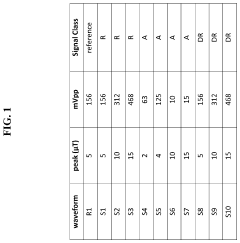
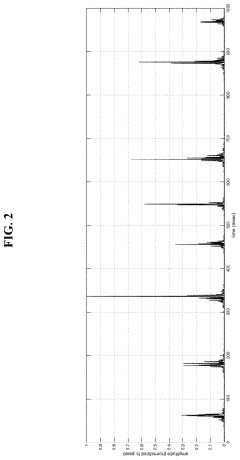
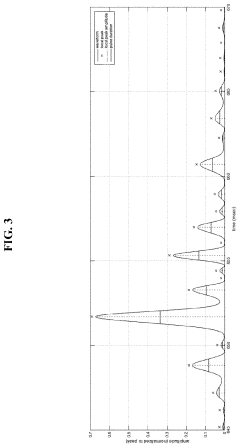
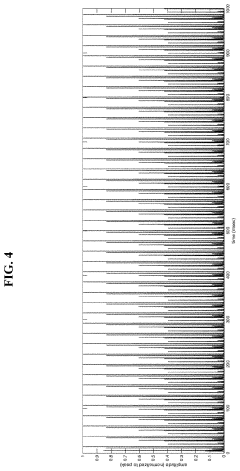
- The development of pulsed electromagnetic field (PEMF) signals and devices that generate aperiodic continuous waveforms or pulse trains, which are delivered using a device comprising a power supply, amplifier, and antenna, to reduce pro-inflammatory cytokine expression and inflammation in mammalian cells by modulating biological responses.


Methods and systems of using PEMF stimulation to reduce inflammation and increase heat shock protein expression in a mammal
PatentPendingUS20220370815A1
Innovation
- The use of pulsed electromagnetic fields (PEMF) with specific waveform features and signal parameters to reduce pro-inflammatory cytokine expression and increase heat shock protein expression, delivered through a device comprising a power supply, amplifier, antenna, and waveform generator, which generates aperiodic continuous waveforms or pulse trains.
Medical Device Regulations for PEMF Therapy
The regulatory landscape for PEMF therapy devices varies significantly across different jurisdictions, with each region maintaining distinct classification systems and approval pathways. In the United States, the FDA categorizes PEMF devices primarily as Class II medical devices under 21 CFR 890.5850 for non-invasive bone growth stimulators, though classification may vary depending on intended use and specific therapeutic claims. Devices targeting post-surgical swelling reduction typically require 510(k) premarket notification, demonstrating substantial equivalence to existing predicate devices.
European Union regulations under the Medical Device Regulation (MDR 2017/745) classify PEMF therapy devices generally as Class IIa or IIb, depending on their intended purpose and risk profile. Post-surgical applications often fall under Class IIb due to their therapeutic nature and potential impact on healing processes. Manufacturers must obtain CE marking through notified body assessment, including comprehensive clinical evaluation and post-market surveillance plans.
The regulatory approval process typically requires extensive clinical evidence demonstrating both safety and efficacy for specific indications. For post-surgical swelling applications, clinical trials must establish clear endpoints measuring edema reduction, pain relief, and healing acceleration while documenting any adverse events. Regulatory bodies increasingly demand randomized controlled trials with appropriate statistical power and follow-up periods.
Quality management systems compliance is mandatory across all major markets, with ISO 13485 serving as the international standard. Manufacturing facilities must maintain detailed documentation of design controls, risk management processes, and production quality assurance. Regular audits and post-market surveillance reporting ensure ongoing compliance throughout the device lifecycle.
Emerging markets including Canada, Australia, and Japan have developed harmonized approaches largely aligned with FDA or EU frameworks, though specific requirements may differ. The International Medical Device Regulators Forum continues working toward global harmonization, potentially streamlining future approval processes for PEMF therapy devices targeting post-surgical applications.
European Union regulations under the Medical Device Regulation (MDR 2017/745) classify PEMF therapy devices generally as Class IIa or IIb, depending on their intended purpose and risk profile. Post-surgical applications often fall under Class IIb due to their therapeutic nature and potential impact on healing processes. Manufacturers must obtain CE marking through notified body assessment, including comprehensive clinical evaluation and post-market surveillance plans.
The regulatory approval process typically requires extensive clinical evidence demonstrating both safety and efficacy for specific indications. For post-surgical swelling applications, clinical trials must establish clear endpoints measuring edema reduction, pain relief, and healing acceleration while documenting any adverse events. Regulatory bodies increasingly demand randomized controlled trials with appropriate statistical power and follow-up periods.
Quality management systems compliance is mandatory across all major markets, with ISO 13485 serving as the international standard. Manufacturing facilities must maintain detailed documentation of design controls, risk management processes, and production quality assurance. Regular audits and post-market surveillance reporting ensure ongoing compliance throughout the device lifecycle.
Emerging markets including Canada, Australia, and Japan have developed harmonized approaches largely aligned with FDA or EU frameworks, though specific requirements may differ. The International Medical Device Regulators Forum continues working toward global harmonization, potentially streamlining future approval processes for PEMF therapy devices targeting post-surgical applications.
Clinical Evidence Standards for PEMF Efficacy
The establishment of robust clinical evidence standards for PEMF efficacy in post-surgical swelling reduction requires adherence to internationally recognized research methodologies and regulatory frameworks. Current evidence evaluation primarily follows guidelines established by the FDA, EMA, and other regulatory bodies, which mandate randomized controlled trials as the gold standard for therapeutic efficacy assessment.
Clinical trial design for PEMF anti-swelling applications must incorporate specific outcome measures including volumetric swelling assessment, pain scales, functional recovery metrics, and inflammatory biomarker analysis. The most rigorous studies employ double-blind, placebo-controlled designs with sham devices that replicate PEMF units without electromagnetic field generation, ensuring proper blinding of both patients and investigators.
Sample size calculations for PEMF swelling studies typically require 80-120 participants per treatment arm to achieve statistical power of 80% or greater, based on expected effect sizes derived from preliminary studies. Patient stratification by surgical type, baseline inflammation levels, and demographic factors enhances the validity of results and enables subgroup analysis for specific surgical populations.
Primary endpoints in high-quality PEMF studies focus on objective swelling measurements using techniques such as bioimpedance analysis, ultrasound assessment, or circumferential measurements at standardized time points. Secondary endpoints include patient-reported outcome measures, time to functional recovery, and analgesic consumption patterns, providing comprehensive efficacy evaluation.
Regulatory agencies increasingly demand long-term safety data spanning 6-12 months post-treatment, with particular attention to potential electromagnetic field exposure effects and device-related adverse events. This requirement has elevated the importance of extended follow-up protocols in PEMF clinical trials.
The integration of biomarker analysis, including inflammatory cytokines, prostaglandins, and cellular signaling molecules, represents an emerging standard for mechanistic validation of PEMF anti-inflammatory effects. These molecular endpoints provide crucial supporting evidence for the biological plausibility of observed clinical improvements in post-surgical swelling reduction.
Clinical trial design for PEMF anti-swelling applications must incorporate specific outcome measures including volumetric swelling assessment, pain scales, functional recovery metrics, and inflammatory biomarker analysis. The most rigorous studies employ double-blind, placebo-controlled designs with sham devices that replicate PEMF units without electromagnetic field generation, ensuring proper blinding of both patients and investigators.
Sample size calculations for PEMF swelling studies typically require 80-120 participants per treatment arm to achieve statistical power of 80% or greater, based on expected effect sizes derived from preliminary studies. Patient stratification by surgical type, baseline inflammation levels, and demographic factors enhances the validity of results and enables subgroup analysis for specific surgical populations.
Primary endpoints in high-quality PEMF studies focus on objective swelling measurements using techniques such as bioimpedance analysis, ultrasound assessment, or circumferential measurements at standardized time points. Secondary endpoints include patient-reported outcome measures, time to functional recovery, and analgesic consumption patterns, providing comprehensive efficacy evaluation.
Regulatory agencies increasingly demand long-term safety data spanning 6-12 months post-treatment, with particular attention to potential electromagnetic field exposure effects and device-related adverse events. This requirement has elevated the importance of extended follow-up protocols in PEMF clinical trials.
The integration of biomarker analysis, including inflammatory cytokines, prostaglandins, and cellular signaling molecules, represents an emerging standard for mechanistic validation of PEMF anti-inflammatory effects. These molecular endpoints provide crucial supporting evidence for the biological plausibility of observed clinical improvements in post-surgical swelling reduction.
Unlock deeper insights with PatSnap Eureka Quick Research — get a full tech report to explore trends and direct your research. Try now!
Generate Your Research Report Instantly with AI Agent
Supercharge your innovation with PatSnap Eureka AI Agent Platform!