How Steering Wheel Integration Improves Urban Mobility Solutions?
JUL 18, 20259 MIN READ
Generate Your Research Report Instantly with AI Agent
PatSnap Eureka helps you evaluate technical feasibility & market potential.
Steering Wheel Tech Evolution and Objectives
The evolution of steering wheel technology in urban mobility solutions has been marked by significant advancements aimed at improving safety, efficiency, and user experience. Initially, steering wheels were purely mechanical devices, designed for basic directional control. As automotive technology progressed, power steering systems were introduced, reducing the physical effort required to maneuver vehicles in urban environments.
The integration of electronic systems marked a pivotal moment in steering wheel evolution. This led to the development of Electric Power Steering (EPS), which offered more precise control and adaptability to different driving conditions. EPS systems have become increasingly sophisticated, incorporating sensors and algorithms to adjust steering assistance based on vehicle speed, road conditions, and driver input.
In recent years, the focus has shifted towards creating intelligent steering systems that can interface with other vehicle technologies. This includes the integration of advanced driver assistance systems (ADAS) directly into the steering wheel. Features such as lane keeping assist, collision avoidance, and adaptive cruise control now work in tandem with steering systems to enhance urban mobility and safety.
The advent of drive-by-wire technology has further revolutionized steering wheel design and functionality. This technology replaces traditional mechanical linkages with electronic controls, allowing for more flexible steering ratios and improved responsiveness in urban driving scenarios. It also enables the implementation of steer-by-wire systems, which can potentially eliminate the physical connection between the steering wheel and the wheels, opening up new possibilities for vehicle design and control.
Looking ahead, the objectives for steering wheel technology in urban mobility solutions are multifaceted. One primary goal is to further enhance safety through the integration of haptic feedback systems and advanced sensors directly into the steering wheel. These technologies aim to provide drivers with immediate, tactile information about road conditions and potential hazards, crucial for navigating complex urban environments.
Another key objective is to improve the adaptability of steering systems to different urban driving scenarios. This includes developing steering wheels that can adjust their sensitivity and feedback based on traffic conditions, parking situations, and even driver preferences. The ultimate aim is to create a more intuitive and less stressful driving experience in congested urban areas.
As autonomous driving technology advances, steering wheel design is also evolving to accommodate both manual and autonomous modes. Future steering wheels may be retractable or transformable, adapting to different levels of vehicle autonomy and allowing for a seamless transition between driver-controlled and autonomous operation. This flexibility is particularly relevant for urban environments where varying levels of autonomy may be required depending on traffic conditions and infrastructure.
The integration of electronic systems marked a pivotal moment in steering wheel evolution. This led to the development of Electric Power Steering (EPS), which offered more precise control and adaptability to different driving conditions. EPS systems have become increasingly sophisticated, incorporating sensors and algorithms to adjust steering assistance based on vehicle speed, road conditions, and driver input.
In recent years, the focus has shifted towards creating intelligent steering systems that can interface with other vehicle technologies. This includes the integration of advanced driver assistance systems (ADAS) directly into the steering wheel. Features such as lane keeping assist, collision avoidance, and adaptive cruise control now work in tandem with steering systems to enhance urban mobility and safety.
The advent of drive-by-wire technology has further revolutionized steering wheel design and functionality. This technology replaces traditional mechanical linkages with electronic controls, allowing for more flexible steering ratios and improved responsiveness in urban driving scenarios. It also enables the implementation of steer-by-wire systems, which can potentially eliminate the physical connection between the steering wheel and the wheels, opening up new possibilities for vehicle design and control.
Looking ahead, the objectives for steering wheel technology in urban mobility solutions are multifaceted. One primary goal is to further enhance safety through the integration of haptic feedback systems and advanced sensors directly into the steering wheel. These technologies aim to provide drivers with immediate, tactile information about road conditions and potential hazards, crucial for navigating complex urban environments.
Another key objective is to improve the adaptability of steering systems to different urban driving scenarios. This includes developing steering wheels that can adjust their sensitivity and feedback based on traffic conditions, parking situations, and even driver preferences. The ultimate aim is to create a more intuitive and less stressful driving experience in congested urban areas.
As autonomous driving technology advances, steering wheel design is also evolving to accommodate both manual and autonomous modes. Future steering wheels may be retractable or transformable, adapting to different levels of vehicle autonomy and allowing for a seamless transition between driver-controlled and autonomous operation. This flexibility is particularly relevant for urban environments where varying levels of autonomy may be required depending on traffic conditions and infrastructure.
Urban Mobility Market Analysis
The urban mobility market has experienced significant growth and transformation in recent years, driven by increasing urbanization, technological advancements, and changing consumer preferences. As cities continue to expand and face challenges related to congestion, pollution, and accessibility, the demand for innovative mobility solutions has surged.
The global urban mobility market size was valued at approximately $100 billion in 2020 and is projected to reach $200 billion by 2025, growing at a CAGR of 15%. This growth is primarily fueled by the rising adoption of smart transportation systems, electric vehicles, and shared mobility services. The market encompasses various segments, including ride-hailing, car-sharing, bike-sharing, and micro-mobility solutions.
One of the key trends shaping the urban mobility landscape is the integration of advanced technologies, such as artificial intelligence, Internet of Things (IoT), and big data analytics. These technologies enable more efficient route optimization, real-time traffic management, and personalized mobility services. The steering wheel, as a crucial interface between the driver and the vehicle, plays a significant role in this technological evolution.
The steering wheel integration market is expected to witness substantial growth, with a projected market value of $5 billion by 2025. This growth is driven by the increasing demand for advanced driver assistance systems (ADAS) and the development of autonomous vehicles. Steering wheel integration technologies, such as haptic feedback systems and touch-sensitive controls, are becoming increasingly popular among automotive manufacturers and consumers alike.
In terms of regional analysis, North America and Europe currently dominate the urban mobility market, accounting for over 60% of the global market share. However, Asia-Pacific is expected to emerge as the fastest-growing region, driven by rapid urbanization, government initiatives promoting smart cities, and increasing investments in transportation infrastructure.
The COVID-19 pandemic has had a significant impact on the urban mobility market, accelerating certain trends while disrupting others. While shared mobility services initially experienced a decline in ridership due to safety concerns, the pandemic has also led to increased interest in personal mobility solutions and contactless technologies. This shift has created new opportunities for steering wheel integration technologies that enhance safety and hygiene in vehicles.
Looking ahead, the urban mobility market is poised for continued growth and innovation. The integration of steering wheel technologies with other smart mobility solutions, such as connected car platforms and mobility-as-a-service (MaaS) offerings, is expected to drive further market expansion. As cities strive to create more sustainable and efficient transportation systems, the role of steering wheel integration in improving urban mobility solutions will become increasingly crucial.
The global urban mobility market size was valued at approximately $100 billion in 2020 and is projected to reach $200 billion by 2025, growing at a CAGR of 15%. This growth is primarily fueled by the rising adoption of smart transportation systems, electric vehicles, and shared mobility services. The market encompasses various segments, including ride-hailing, car-sharing, bike-sharing, and micro-mobility solutions.
One of the key trends shaping the urban mobility landscape is the integration of advanced technologies, such as artificial intelligence, Internet of Things (IoT), and big data analytics. These technologies enable more efficient route optimization, real-time traffic management, and personalized mobility services. The steering wheel, as a crucial interface between the driver and the vehicle, plays a significant role in this technological evolution.
The steering wheel integration market is expected to witness substantial growth, with a projected market value of $5 billion by 2025. This growth is driven by the increasing demand for advanced driver assistance systems (ADAS) and the development of autonomous vehicles. Steering wheel integration technologies, such as haptic feedback systems and touch-sensitive controls, are becoming increasingly popular among automotive manufacturers and consumers alike.
In terms of regional analysis, North America and Europe currently dominate the urban mobility market, accounting for over 60% of the global market share. However, Asia-Pacific is expected to emerge as the fastest-growing region, driven by rapid urbanization, government initiatives promoting smart cities, and increasing investments in transportation infrastructure.
The COVID-19 pandemic has had a significant impact on the urban mobility market, accelerating certain trends while disrupting others. While shared mobility services initially experienced a decline in ridership due to safety concerns, the pandemic has also led to increased interest in personal mobility solutions and contactless technologies. This shift has created new opportunities for steering wheel integration technologies that enhance safety and hygiene in vehicles.
Looking ahead, the urban mobility market is poised for continued growth and innovation. The integration of steering wheel technologies with other smart mobility solutions, such as connected car platforms and mobility-as-a-service (MaaS) offerings, is expected to drive further market expansion. As cities strive to create more sustainable and efficient transportation systems, the role of steering wheel integration in improving urban mobility solutions will become increasingly crucial.
Current Challenges in Steering Wheel Integration
The integration of steering wheels in urban mobility solutions faces several significant challenges that hinder widespread adoption and optimal performance. One of the primary obstacles is the complexity of integrating advanced steering systems with existing vehicle architectures. Many urban mobility solutions, such as shared vehicles or autonomous shuttles, require flexible steering configurations that can adapt to various user needs and driving scenarios. This adaptability often conflicts with traditional steering column designs, necessitating innovative approaches to steering wheel integration.
Another challenge lies in the realm of user interface and experience. As vehicles become more technologically advanced, steering wheels are increasingly expected to serve as multifunctional control hubs. This evolution demands seamless integration of various controls, displays, and haptic feedback systems within the steering wheel, while maintaining ergonomic comfort and safety standards. Balancing these requirements with cost-effective manufacturing processes presents a significant hurdle for designers and engineers.
Safety considerations also pose substantial challenges in steering wheel integration. With the rise of semi-autonomous and autonomous driving technologies, steering wheels must be designed to facilitate smooth transitions between manual and automated control. This includes developing reliable handover mechanisms and ensuring that drivers remain engaged and ready to take control when necessary. Additionally, integrating airbag systems and other safety features into increasingly complex steering wheel designs adds another layer of technical difficulty.
The diversity of urban mobility solutions further complicates steering wheel integration. From compact electric vehicles to larger public transportation systems, each application demands unique steering configurations. This variety makes it challenging to develop standardized solutions, leading to increased development costs and longer time-to-market for new mobility concepts.
Regulatory compliance presents yet another hurdle. As steering systems become more advanced, they must adhere to evolving safety standards and regulations across different regions. This often requires extensive testing and certification processes, which can delay the implementation of innovative steering wheel designs in urban mobility solutions.
Lastly, the integration of steering wheels faces challenges related to sustainability and environmental concerns. As urban mobility shifts towards more eco-friendly solutions, steering wheel materials and manufacturing processes must align with these goals. This includes developing recyclable or biodegradable components and reducing the carbon footprint of production, all while maintaining the durability and performance required for daily use in urban environments.
Another challenge lies in the realm of user interface and experience. As vehicles become more technologically advanced, steering wheels are increasingly expected to serve as multifunctional control hubs. This evolution demands seamless integration of various controls, displays, and haptic feedback systems within the steering wheel, while maintaining ergonomic comfort and safety standards. Balancing these requirements with cost-effective manufacturing processes presents a significant hurdle for designers and engineers.
Safety considerations also pose substantial challenges in steering wheel integration. With the rise of semi-autonomous and autonomous driving technologies, steering wheels must be designed to facilitate smooth transitions between manual and automated control. This includes developing reliable handover mechanisms and ensuring that drivers remain engaged and ready to take control when necessary. Additionally, integrating airbag systems and other safety features into increasingly complex steering wheel designs adds another layer of technical difficulty.
The diversity of urban mobility solutions further complicates steering wheel integration. From compact electric vehicles to larger public transportation systems, each application demands unique steering configurations. This variety makes it challenging to develop standardized solutions, leading to increased development costs and longer time-to-market for new mobility concepts.
Regulatory compliance presents yet another hurdle. As steering systems become more advanced, they must adhere to evolving safety standards and regulations across different regions. This often requires extensive testing and certification processes, which can delay the implementation of innovative steering wheel designs in urban mobility solutions.
Lastly, the integration of steering wheels faces challenges related to sustainability and environmental concerns. As urban mobility shifts towards more eco-friendly solutions, steering wheel materials and manufacturing processes must align with these goals. This includes developing recyclable or biodegradable components and reducing the carbon footprint of production, all while maintaining the durability and performance required for daily use in urban environments.
Existing Steering Wheel Integration Solutions
01 Integration of advanced control systems in steering wheels
Modern steering wheels are being equipped with advanced control systems to enhance urban mobility. These systems include touch-sensitive surfaces, gesture recognition, and voice control interfaces. They allow drivers to access various vehicle functions and infotainment systems without taking their hands off the wheel, improving safety and convenience in urban driving environments.- Integration of steering wheel controls for urban mobility: Steering wheels in urban mobility vehicles are being integrated with advanced control systems to enhance driver interaction and vehicle functionality. These systems may include touch-sensitive surfaces, gesture recognition, or embedded displays to provide easy access to various vehicle functions and information relevant to urban driving scenarios.
- Adaptive steering systems for urban environments: Adaptive steering systems are being developed to improve maneuverability in urban settings. These systems can adjust steering sensitivity and response based on vehicle speed, road conditions, and driving mode, making it easier to navigate through tight city streets and parking spaces.
- Integration of driver assistance features in steering wheels: Steering wheels are being equipped with driver assistance features to enhance safety and convenience in urban mobility. These may include lane departure warnings, collision avoidance alerts, and autonomous driving mode activation, all accessible through the steering wheel interface.
- Ergonomic design for urban driving comfort: Steering wheel designs are being optimized for urban driving scenarios, focusing on ergonomics and comfort during frequent stops and starts. This includes adjustable steering columns, grip-enhancing materials, and customizable shapes to reduce driver fatigue in city traffic.
- Connectivity and infotainment integration in steering wheels: Steering wheels are becoming hubs for connectivity and infotainment in urban mobility vehicles. They may incorporate voice control, smartphone integration, and access to navigation systems, allowing drivers to stay connected and informed while maintaining focus on the road in busy urban environments.
02 Adaptive steering systems for urban environments
Adaptive steering systems are being developed to optimize steering response in urban settings. These systems adjust steering sensitivity and feedback based on vehicle speed, road conditions, and driving mode. This technology enhances maneuverability in tight urban spaces and improves overall driving comfort and safety in city environments.Expand Specific Solutions03 Integration of mobility assistance features in steering wheels
Steering wheels are being designed with integrated mobility assistance features to aid drivers in urban settings. These features include haptic feedback for navigation cues, lane departure warnings, and collision avoidance alerts. By incorporating these assistive technologies directly into the steering wheel, drivers can receive critical information without diverting their attention from the road.Expand Specific Solutions04 Ergonomic design for improved urban driving comfort
Steering wheel designs are evolving to provide better ergonomics for urban driving scenarios. This includes adjustable steering columns, customizable grip contours, and integrated hand rests. These ergonomic improvements aim to reduce driver fatigue and enhance comfort during frequent stops and starts typical in urban traffic.Expand Specific Solutions05 Integration of sustainable materials in steering wheel manufacturing
There is a growing trend towards using sustainable and eco-friendly materials in steering wheel manufacturing for urban mobility vehicles. This includes the use of recycled plastics, bio-based materials, and low-carbon footprint production processes. These initiatives align with the broader sustainability goals of urban mobility solutions and appeal to environmentally conscious urban consumers.Expand Specific Solutions
Key Players in Smart Steering Systems
The steering wheel integration market for urban mobility solutions is in a growth phase, driven by increasing demand for smart and connected vehicles. The market size is expanding rapidly, with major automotive manufacturers and technology companies investing heavily in this area. The technology maturity varies, with established players like Audi AG, Mercedes-Benz Group AG, and Volkswagen AG leading in traditional automotive integration, while companies such as Huawei Technologies and BYD Co., Ltd. are pushing boundaries in smart connectivity. Emerging players like Xiaomi Automobile Technology Co., Ltd. are also entering the market, indicating a dynamic and competitive landscape. The integration of advanced technologies from companies like Robert Bosch GmbH and Siemens Corp. is further accelerating innovation in this sector.
Mercedes-Benz Group AG
Technical Solution: Mercedes-Benz has developed an innovative steering wheel integration system to enhance urban mobility solutions. Their technology features a capacitive steering wheel that can detect whether the driver's hands are on the wheel, improving the effectiveness of driver assistance systems[1]. The steering wheel incorporates touch control buttons that respond to swiping gestures, allowing drivers to control various vehicle functions without taking their hands off the wheel. Mercedes has also implemented a steering wheel-mounted biometric sensor that can monitor the driver's vital signs and stress levels, adjusting vehicle settings accordingly to enhance comfort and safety[2]. Additionally, their system includes an augmented reality heads-up display that projects navigation information and hazard warnings directly onto the windshield, working in tandem with the steering wheel controls[3].
Strengths: Advanced driver monitoring capabilities, intuitive touch controls, and integration with augmented reality display. Weaknesses: Potential for information overload and driver distraction if not carefully implemented.
GM Global Technology Operations LLC
Technical Solution: GM has developed a cutting-edge steering wheel integration system aimed at improving urban mobility. Their solution incorporates a shape-shifting steering wheel that can transform between manual and autonomous driving modes[1]. In manual mode, the wheel provides traditional controls, while in autonomous mode, it retracts into the dashboard, creating more cabin space. GM's system also features advanced haptic feedback technology that provides tactile alerts for navigation, safety warnings, and vehicle status information[2]. The steering wheel is equipped with an array of touch-sensitive controls that adapt based on the driving context, displaying only relevant information and functions. Furthermore, GM has integrated voice command capabilities and a heads-up display that projects critical information onto the windshield, allowing drivers to keep their eyes on the road[3].
Strengths: Innovative shape-shifting design, seamless transition between manual and autonomous modes, and context-aware interface. Weaknesses: Complexity of the system may lead to higher maintenance costs and potential reliability issues in the long term.
Innovative Steering Wheel Technologies
Steering wheel assembly for a motor vehicle
PatentInactiveEP1838550A1
Innovation
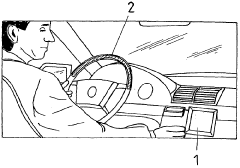
- A steering wheel assembly with integrated sensor means and display devices that provide real-time vehicle state information, allowing drivers to adjust settings without removing their hands from the wheel, using a functional unit like cruise control or automatic parking systems, with the display positioned for optimal visibility and minimal distraction.
Steering wheel for motor vehicles
PatentWO2004091994A1
Innovation
- The steering wheel is designed as a communication interface with integrated light, display, and vibration elements that provide information from sensors and systems without diverting the driver's attention from the road, allowing for hands-free operation and intuitive feedback on traffic conditions and system alerts.



Impact on Traffic Management and Safety
The integration of steering wheel technology in urban mobility solutions has a profound impact on traffic management and safety. This advanced technology enhances the overall efficiency of urban transportation systems while significantly reducing the risk of accidents and improving road safety.
One of the primary benefits of steering wheel integration is its ability to optimize traffic flow. By incorporating sensors and real-time data processing capabilities, these systems can analyze traffic patterns and adjust vehicle movements accordingly. This results in smoother traffic flow, reduced congestion, and improved overall mobility in urban areas. The technology enables vehicles to maintain optimal distances from one another, reducing the likelihood of sudden braking and potential collisions.
Furthermore, steering wheel integration plays a crucial role in enhancing driver awareness and response times. Advanced driver assistance systems (ADAS) integrated into the steering wheel provide real-time feedback and alerts to drivers. These systems can detect potential hazards, such as pedestrians or obstacles, and warn drivers or even initiate automatic corrective actions. This proactive approach to safety significantly reduces the risk of accidents caused by human error or distraction.
The technology also contributes to more efficient use of road infrastructure. By enabling better coordination between vehicles and traffic management systems, steering wheel integration helps optimize the use of available road space. This can lead to reduced traffic congestion, shorter travel times, and lower fuel consumption, all of which contribute to improved urban mobility and reduced environmental impact.
In terms of safety, steering wheel integration technology incorporates features such as lane departure warnings, collision avoidance systems, and adaptive cruise control. These features work in tandem to create a safer driving environment, particularly in complex urban settings where multiple factors can contribute to accidents. The technology's ability to assist drivers in maintaining proper lane positioning and safe distances from other vehicles is especially valuable in preventing common urban traffic incidents.
Moreover, the data collected through integrated steering wheel systems can be invaluable for urban planners and traffic management authorities. This information can be used to identify traffic hotspots, optimize traffic light timings, and develop more effective urban mobility strategies. By providing a comprehensive view of traffic patterns and driver behaviors, the technology enables data-driven decision-making in urban planning and traffic management.
As cities continue to grow and face increasing mobility challenges, the role of steering wheel integration in improving traffic management and safety becomes even more critical. This technology not only enhances the individual driving experience but also contributes to the overall efficiency and safety of urban transportation systems, paving the way for smarter, more sustainable cities.
One of the primary benefits of steering wheel integration is its ability to optimize traffic flow. By incorporating sensors and real-time data processing capabilities, these systems can analyze traffic patterns and adjust vehicle movements accordingly. This results in smoother traffic flow, reduced congestion, and improved overall mobility in urban areas. The technology enables vehicles to maintain optimal distances from one another, reducing the likelihood of sudden braking and potential collisions.
Furthermore, steering wheel integration plays a crucial role in enhancing driver awareness and response times. Advanced driver assistance systems (ADAS) integrated into the steering wheel provide real-time feedback and alerts to drivers. These systems can detect potential hazards, such as pedestrians or obstacles, and warn drivers or even initiate automatic corrective actions. This proactive approach to safety significantly reduces the risk of accidents caused by human error or distraction.
The technology also contributes to more efficient use of road infrastructure. By enabling better coordination between vehicles and traffic management systems, steering wheel integration helps optimize the use of available road space. This can lead to reduced traffic congestion, shorter travel times, and lower fuel consumption, all of which contribute to improved urban mobility and reduced environmental impact.
In terms of safety, steering wheel integration technology incorporates features such as lane departure warnings, collision avoidance systems, and adaptive cruise control. These features work in tandem to create a safer driving environment, particularly in complex urban settings where multiple factors can contribute to accidents. The technology's ability to assist drivers in maintaining proper lane positioning and safe distances from other vehicles is especially valuable in preventing common urban traffic incidents.
Moreover, the data collected through integrated steering wheel systems can be invaluable for urban planners and traffic management authorities. This information can be used to identify traffic hotspots, optimize traffic light timings, and develop more effective urban mobility strategies. By providing a comprehensive view of traffic patterns and driver behaviors, the technology enables data-driven decision-making in urban planning and traffic management.
As cities continue to grow and face increasing mobility challenges, the role of steering wheel integration in improving traffic management and safety becomes even more critical. This technology not only enhances the individual driving experience but also contributes to the overall efficiency and safety of urban transportation systems, paving the way for smarter, more sustainable cities.
Regulatory Framework for Smart Steering Systems
The regulatory framework for smart steering systems is a critical aspect of urban mobility solutions, as it governs the development, implementation, and operation of advanced steering technologies. This framework encompasses a wide range of regulations, standards, and guidelines that ensure the safety, reliability, and interoperability of smart steering systems in urban environments.
At the national level, transportation authorities play a crucial role in establishing overarching regulations for smart steering systems. These regulations typically address safety requirements, performance standards, and certification processes for new steering technologies. They also outline the necessary testing procedures and validation methods to ensure compliance with established safety norms.
Local governments and municipal authorities often supplement national regulations with specific guidelines tailored to their urban contexts. These may include restrictions on the use of certain steering technologies in specific areas, requirements for data sharing and privacy protection, and protocols for integrating smart steering systems with existing urban infrastructure.
International standards organizations, such as ISO and SAE, contribute to the regulatory framework by developing technical standards for smart steering systems. These standards provide a common language and set of specifications for manufacturers, developers, and regulators, facilitating global interoperability and consistency in system design and performance.
The regulatory framework also addresses the cybersecurity aspects of smart steering systems, recognizing the potential vulnerabilities associated with connected and automated technologies. Regulations in this area focus on protecting steering systems from unauthorized access, ensuring the integrity of data transmission, and establishing protocols for responding to potential security breaches.
Environmental considerations form another important component of the regulatory framework. Regulations may specify energy efficiency requirements for smart steering systems, promote the use of sustainable materials in their construction, and outline guidelines for the disposal or recycling of components at the end of their lifecycle.
As smart steering technologies continue to evolve, the regulatory framework must remain adaptable and forward-looking. Many jurisdictions have established mechanisms for regular review and updating of regulations to keep pace with technological advancements and emerging challenges in urban mobility.
The implementation of the regulatory framework often involves collaboration between various stakeholders, including government agencies, industry representatives, academic institutions, and consumer advocacy groups. This collaborative approach helps ensure that regulations are comprehensive, practical, and aligned with the needs of all parties involved in the development and use of smart steering systems.
At the national level, transportation authorities play a crucial role in establishing overarching regulations for smart steering systems. These regulations typically address safety requirements, performance standards, and certification processes for new steering technologies. They also outline the necessary testing procedures and validation methods to ensure compliance with established safety norms.
Local governments and municipal authorities often supplement national regulations with specific guidelines tailored to their urban contexts. These may include restrictions on the use of certain steering technologies in specific areas, requirements for data sharing and privacy protection, and protocols for integrating smart steering systems with existing urban infrastructure.
International standards organizations, such as ISO and SAE, contribute to the regulatory framework by developing technical standards for smart steering systems. These standards provide a common language and set of specifications for manufacturers, developers, and regulators, facilitating global interoperability and consistency in system design and performance.
The regulatory framework also addresses the cybersecurity aspects of smart steering systems, recognizing the potential vulnerabilities associated with connected and automated technologies. Regulations in this area focus on protecting steering systems from unauthorized access, ensuring the integrity of data transmission, and establishing protocols for responding to potential security breaches.
Environmental considerations form another important component of the regulatory framework. Regulations may specify energy efficiency requirements for smart steering systems, promote the use of sustainable materials in their construction, and outline guidelines for the disposal or recycling of components at the end of their lifecycle.
As smart steering technologies continue to evolve, the regulatory framework must remain adaptable and forward-looking. Many jurisdictions have established mechanisms for regular review and updating of regulations to keep pace with technological advancements and emerging challenges in urban mobility.
The implementation of the regulatory framework often involves collaboration between various stakeholders, including government agencies, industry representatives, academic institutions, and consumer advocacy groups. This collaborative approach helps ensure that regulations are comprehensive, practical, and aligned with the needs of all parties involved in the development and use of smart steering systems.
Unlock deeper insights with PatSnap Eureka Quick Research — get a full tech report to explore trends and direct your research. Try now!
Generate Your Research Report Instantly with AI Agent
Supercharge your innovation with PatSnap Eureka AI Agent Platform!