
Steering Wheel Systems: Revolutionizing Driving Experience
JUL 18, 20259 MIN READ
Generate Your Research Report Instantly with AI Agent
Patsnap Eureka helps you evaluate technical feasibility & market potential.
Steering Wheel Evolution
The steering wheel has undergone a remarkable evolution since its inception, transforming from a simple mechanical device to a sophisticated interface that integrates advanced technologies. This evolution reflects the changing demands of drivers and the automotive industry's pursuit of enhanced safety, comfort, and functionality.
In the early days of automobiles, steering wheels were rudimentary controls, often made of wood or metal, designed solely for directional control. As vehicles became more complex, so did the steering wheel. The introduction of power steering in the 1950s marked a significant milestone, reducing the physical effort required to steer and improving maneuverability.
The 1960s and 1970s saw the integration of additional controls into the steering wheel, such as horn buttons and cruise control switches. This trend continued into the 1980s and 1990s, with the incorporation of audio controls and early driver assistance features. These additions aimed to enhance driver convenience and reduce distractions by centralizing controls.
The turn of the millennium brought about a revolution in steering wheel design with the widespread adoption of airbags. This safety feature necessitated a complete redesign of the steering wheel's internal structure and exterior form. Simultaneously, the increasing computerization of vehicles led to the integration of more sophisticated controls and displays within the steering wheel.
Recent years have witnessed a surge in the development of multifunctional steering wheels. These modern iterations often feature touch-sensitive surfaces, haptic feedback, and customizable displays. They serve as command centers for various vehicle systems, including infotainment, navigation, and advanced driver assistance systems (ADAS).
The advent of autonomous driving technologies is pushing the boundaries of steering wheel design even further. Concepts such as retractable or foldaway steering wheels are being explored for vehicles capable of both manual and autonomous operation. Some futuristic designs even propose the elimination of the traditional steering wheel in favor of joysticks or other control interfaces.
As we look to the future, the steering wheel continues to evolve. Emerging technologies like gesture control, augmented reality displays, and biometric sensors are being integrated to create more intuitive and personalized driving experiences. The steering wheel of tomorrow may not only control the vehicle but also adapt to individual drivers, monitor their health, and provide an immersive interface with the vehicle's AI systems.
In the early days of automobiles, steering wheels were rudimentary controls, often made of wood or metal, designed solely for directional control. As vehicles became more complex, so did the steering wheel. The introduction of power steering in the 1950s marked a significant milestone, reducing the physical effort required to steer and improving maneuverability.
The 1960s and 1970s saw the integration of additional controls into the steering wheel, such as horn buttons and cruise control switches. This trend continued into the 1980s and 1990s, with the incorporation of audio controls and early driver assistance features. These additions aimed to enhance driver convenience and reduce distractions by centralizing controls.
The turn of the millennium brought about a revolution in steering wheel design with the widespread adoption of airbags. This safety feature necessitated a complete redesign of the steering wheel's internal structure and exterior form. Simultaneously, the increasing computerization of vehicles led to the integration of more sophisticated controls and displays within the steering wheel.
Recent years have witnessed a surge in the development of multifunctional steering wheels. These modern iterations often feature touch-sensitive surfaces, haptic feedback, and customizable displays. They serve as command centers for various vehicle systems, including infotainment, navigation, and advanced driver assistance systems (ADAS).
The advent of autonomous driving technologies is pushing the boundaries of steering wheel design even further. Concepts such as retractable or foldaway steering wheels are being explored for vehicles capable of both manual and autonomous operation. Some futuristic designs even propose the elimination of the traditional steering wheel in favor of joysticks or other control interfaces.
As we look to the future, the steering wheel continues to evolve. Emerging technologies like gesture control, augmented reality displays, and biometric sensors are being integrated to create more intuitive and personalized driving experiences. The steering wheel of tomorrow may not only control the vehicle but also adapt to individual drivers, monitor their health, and provide an immersive interface with the vehicle's AI systems.
Market Demand Analysis
The market demand for advanced steering wheel systems has been experiencing significant growth, driven by the increasing focus on enhancing driver experience and vehicle safety. As automobiles evolve towards greater connectivity and automation, steering wheel systems are becoming a crucial interface between drivers and their vehicles, offering more than just directional control.
Consumer expectations for a more intuitive and responsive driving experience are fueling the demand for innovative steering wheel technologies. Modern drivers seek systems that provide enhanced feedback, improved handling, and seamless integration with other vehicle systems. This shift in consumer preferences is pushing manufacturers to invest in research and development of steering wheel systems that can deliver a more engaging and personalized driving experience.
The automotive industry's transition towards electric and autonomous vehicles is also creating new opportunities for steering wheel system manufacturers. As traditional mechanical linkages are replaced by electronic systems, there is a growing demand for steer-by-wire technologies that offer greater flexibility in vehicle design and improved space utilization. These systems also enable advanced driver assistance features and are essential for the development of fully autonomous vehicles.
Safety considerations are another key driver of market demand. Regulatory bodies worldwide are implementing stricter safety standards, prompting automakers to incorporate advanced steering systems that can actively assist in collision avoidance and maintain vehicle stability. This has led to increased adoption of technologies such as electric power steering (EPS) and adaptive steering systems.
The luxury and premium vehicle segments are particularly driving the demand for sophisticated steering wheel systems. High-end automakers are incorporating features such as haptic feedback, touch-sensitive controls, and customizable displays directly into the steering wheel, catering to consumers who value cutting-edge technology and personalization in their vehicles.
Furthermore, the growing emphasis on sustainability is influencing market trends. There is an increasing demand for steering systems that contribute to overall vehicle efficiency by reducing weight and power consumption. This aligns with the broader automotive industry trend towards lighter, more fuel-efficient vehicles.
Market analysts project a compound annual growth rate (CAGR) for the steering wheel systems market that reflects the strong demand and technological advancements in this sector. The Asia-Pacific region is expected to witness the highest growth rate, driven by the rapid expansion of automotive production and increasing consumer purchasing power in countries like China and India.
In conclusion, the market demand for revolutionary steering wheel systems is robust and multifaceted, driven by technological advancements, changing consumer preferences, safety regulations, and the broader evolution of the automotive industry. As vehicles become more sophisticated, the steering wheel's role as a critical component in the human-machine interface is set to expand, promising continued growth and innovation in this market segment.
Consumer expectations for a more intuitive and responsive driving experience are fueling the demand for innovative steering wheel technologies. Modern drivers seek systems that provide enhanced feedback, improved handling, and seamless integration with other vehicle systems. This shift in consumer preferences is pushing manufacturers to invest in research and development of steering wheel systems that can deliver a more engaging and personalized driving experience.
The automotive industry's transition towards electric and autonomous vehicles is also creating new opportunities for steering wheel system manufacturers. As traditional mechanical linkages are replaced by electronic systems, there is a growing demand for steer-by-wire technologies that offer greater flexibility in vehicle design and improved space utilization. These systems also enable advanced driver assistance features and are essential for the development of fully autonomous vehicles.
Safety considerations are another key driver of market demand. Regulatory bodies worldwide are implementing stricter safety standards, prompting automakers to incorporate advanced steering systems that can actively assist in collision avoidance and maintain vehicle stability. This has led to increased adoption of technologies such as electric power steering (EPS) and adaptive steering systems.
The luxury and premium vehicle segments are particularly driving the demand for sophisticated steering wheel systems. High-end automakers are incorporating features such as haptic feedback, touch-sensitive controls, and customizable displays directly into the steering wheel, catering to consumers who value cutting-edge technology and personalization in their vehicles.
Furthermore, the growing emphasis on sustainability is influencing market trends. There is an increasing demand for steering systems that contribute to overall vehicle efficiency by reducing weight and power consumption. This aligns with the broader automotive industry trend towards lighter, more fuel-efficient vehicles.
Market analysts project a compound annual growth rate (CAGR) for the steering wheel systems market that reflects the strong demand and technological advancements in this sector. The Asia-Pacific region is expected to witness the highest growth rate, driven by the rapid expansion of automotive production and increasing consumer purchasing power in countries like China and India.
In conclusion, the market demand for revolutionary steering wheel systems is robust and multifaceted, driven by technological advancements, changing consumer preferences, safety regulations, and the broader evolution of the automotive industry. As vehicles become more sophisticated, the steering wheel's role as a critical component in the human-machine interface is set to expand, promising continued growth and innovation in this market segment.
Technical Challenges
The development of steering wheel systems faces several significant technical challenges as the automotive industry strives to revolutionize the driving experience. One of the primary obstacles is the integration of advanced driver assistance systems (ADAS) and autonomous driving technologies into traditional steering mechanisms. This requires a delicate balance between maintaining driver control and implementing automated steering functions, which demands sophisticated algorithms and sensor fusion techniques.
Another major challenge lies in the development of steer-by-wire systems, which eliminate the physical connection between the steering wheel and the wheels. While these systems offer enhanced flexibility and customization of steering feel, they must overcome issues related to system reliability, fail-safe mechanisms, and the simulation of realistic feedback to the driver. Ensuring the safety and reliability of these systems under various driving conditions and potential failure scenarios remains a critical concern.
The incorporation of haptic feedback and force feedback technologies into steering wheels presents another technical hurdle. Engineers must design systems that can accurately convey road conditions and vehicle dynamics to the driver through the steering wheel, enhancing situational awareness without causing distraction or fatigue. This requires advanced actuators, precise control systems, and careful calibration to provide a natural and intuitive driving experience.
As vehicles become more connected, cybersecurity emerges as a significant challenge for steering wheel systems. Protecting these critical components from potential hacking attempts or malicious interference is crucial, necessitating robust encryption protocols and secure communication channels between the steering system and other vehicle subsystems.
Weight reduction and energy efficiency also pose challenges in steering wheel system design. As automakers strive to improve fuel economy and extend the range of electric vehicles, developing lightweight yet durable steering components becomes essential. This often involves the use of advanced materials and innovative manufacturing techniques to maintain structural integrity while reducing mass.
Furthermore, the integration of multiple functions into the steering wheel, such as touch-sensitive controls, display screens, and biometric sensors, creates complexity in design and manufacturing. Ensuring the durability and reliability of these integrated systems while maintaining an ergonomic and user-friendly interface requires careful engineering and extensive testing.
Lastly, the challenge of standardization and regulatory compliance cannot be overlooked. As steering wheel technologies advance, keeping pace with evolving safety standards and regulations across different markets becomes increasingly complex. Manufacturers must navigate a landscape of varying requirements while striving for global compatibility in their steering system designs.
Another major challenge lies in the development of steer-by-wire systems, which eliminate the physical connection between the steering wheel and the wheels. While these systems offer enhanced flexibility and customization of steering feel, they must overcome issues related to system reliability, fail-safe mechanisms, and the simulation of realistic feedback to the driver. Ensuring the safety and reliability of these systems under various driving conditions and potential failure scenarios remains a critical concern.
The incorporation of haptic feedback and force feedback technologies into steering wheels presents another technical hurdle. Engineers must design systems that can accurately convey road conditions and vehicle dynamics to the driver through the steering wheel, enhancing situational awareness without causing distraction or fatigue. This requires advanced actuators, precise control systems, and careful calibration to provide a natural and intuitive driving experience.
As vehicles become more connected, cybersecurity emerges as a significant challenge for steering wheel systems. Protecting these critical components from potential hacking attempts or malicious interference is crucial, necessitating robust encryption protocols and secure communication channels between the steering system and other vehicle subsystems.
Weight reduction and energy efficiency also pose challenges in steering wheel system design. As automakers strive to improve fuel economy and extend the range of electric vehicles, developing lightweight yet durable steering components becomes essential. This often involves the use of advanced materials and innovative manufacturing techniques to maintain structural integrity while reducing mass.
Furthermore, the integration of multiple functions into the steering wheel, such as touch-sensitive controls, display screens, and biometric sensors, creates complexity in design and manufacturing. Ensuring the durability and reliability of these integrated systems while maintaining an ergonomic and user-friendly interface requires careful engineering and extensive testing.
Lastly, the challenge of standardization and regulatory compliance cannot be overlooked. As steering wheel technologies advance, keeping pace with evolving safety standards and regulations across different markets becomes increasingly complex. Manufacturers must navigate a landscape of varying requirements while striving for global compatibility in their steering system designs.
Current Solutions
01 Adaptive steering systems
Adaptive steering systems enhance driving experience by adjusting steering response based on vehicle speed, road conditions, and driver input. These systems can provide easier maneuvering at low speeds and increased stability at high speeds, improving overall control and comfort for the driver.- Adaptive steering systems: Adaptive steering systems enhance driving experience by adjusting steering response based on vehicle speed, road conditions, and driver input. These systems can provide easier maneuvering at low speeds and increased stability at high speeds, improving overall control and comfort for the driver.
- Haptic feedback in steering wheels: Incorporation of haptic feedback mechanisms in steering wheels provides drivers with tactile information about road conditions, potential hazards, or navigation cues. This technology enhances situational awareness and improves the overall driving experience without requiring visual attention from the driver.
- Steer-by-wire systems: Steer-by-wire technology replaces traditional mechanical linkages with electronic controls, allowing for more precise steering control and customizable steering feel. This system can adapt to different driving modes and conditions, enhancing both performance and comfort for the driver.
- Ergonomic steering wheel designs: Advanced ergonomic designs for steering wheels focus on improving grip, reducing fatigue, and enhancing overall comfort during long drives. These designs may include contoured shapes, textured surfaces, and adjustable features to accommodate different hand sizes and driving styles.
- Integration of vehicle controls in steering wheels: Modern steering wheels often integrate various vehicle controls, such as audio system management, cruise control, and communication features. This integration allows drivers to access essential functions without removing their hands from the wheel, improving safety and convenience during operation.
02 Haptic feedback in steering wheels
Incorporation of haptic feedback mechanisms in steering wheels provides drivers with tactile information about road conditions, potential hazards, or navigation cues. This technology enhances situational awareness and improves the overall driving experience without requiring visual attention from the driver.Expand Specific Solutions03 Steer-by-wire systems
Steer-by-wire technology replaces traditional mechanical linkages with electronic controls, allowing for more precise steering and customizable steering feel. This system can adapt to different driving modes and conditions, enhancing both performance and comfort for the driver.Expand Specific Solutions04 Ergonomic steering wheel design
Advanced ergonomic designs for steering wheels focus on improving grip, reducing fatigue, and enhancing overall comfort during long drives. These designs may incorporate adjustable features, specialized materials, or contoured shapes to accommodate various hand sizes and driving styles.Expand Specific Solutions05 Integration of vehicle controls in steering wheels
Modern steering wheels often integrate various vehicle controls, such as audio system management, cruise control, and communication features. This integration allows drivers to access essential functions without removing their hands from the wheel, improving safety and convenience during operation.Expand Specific Solutions
Key Industry Players
The steering wheel systems market is in a dynamic growth phase, driven by technological advancements and increasing demand for enhanced driving experiences. Major players like Toyota, BYD, BMW, and Mercedes-Benz are investing heavily in innovative steering technologies, including electric power steering and steer-by-wire systems. The market is characterized by intense competition and rapid technological evolution, with companies like JTEKT, Bosch, and Continental leading in specialized steering components. As the automotive industry shifts towards electric and autonomous vehicles, steering system manufacturers are focusing on integrating advanced driver assistance systems (ADAS) and developing solutions for future mobility concepts, indicating a market poised for significant expansion and technological breakthroughs.
Mercedes-Benz Group AG
Technical Solution: Mercedes-Benz has introduced the Intelligent Drive system, which includes advanced steering features such as Active Steering Assist. This system can automatically maintain the vehicle's lane position and assist with steering during evasive maneuvers[12]. The company's Drive Pilot system, designed for SAE Level 3 autonomous driving, incorporates sophisticated steering control algorithms to handle complex traffic situations[13]. Mercedes-Benz is also developing steer-by-wire technology for future electric vehicles, which will allow for more responsive steering and enable new interior design concepts[14].
Strengths: Luxury-oriented features, high level of refinement, and integration with other vehicle systems. Weaknesses: High cost of implementation, potentially limiting widespread adoption.
GM Global Technology Operations LLC
Technical Solution: General Motors has developed the Super Cruise hands-free driving system, which incorporates advanced steering control technologies. The system uses precision LiDAR map data, high-precision GPS, and a driver attention system to enable hands-free driving on compatible highways[9]. GM's Ultra Cruise system, an expansion of Super Cruise, aims to enable hands-free driving in 95% of all driving scenarios, utilizing advanced steering control algorithms and sensor fusion technology[10]. The company is also working on steer-by-wire systems for future electric and autonomous vehicles, which will allow for more flexible vehicle design and enhanced control in autonomous driving modes[11].
Strengths: Strong integration with advanced driver assistance systems, extensive real-world testing. Weaknesses: Current systems still limited to specific driving scenarios, potential for driver overreliance on automated features.
Core Technologies
Steering wheel
PatentWO2024046626A1
Innovation
- A steering wheel design featuring at least three telescopic adjustment elements connected to each handle via 3D bearings, allowing for independent adjustment in all spatial dimensions, with optional electromotive, pneumatic, or hydraulic drives for precise length adjustment, and a worm drive for precise control, enabling various positioning options including radial, vertical, and tilting movements.
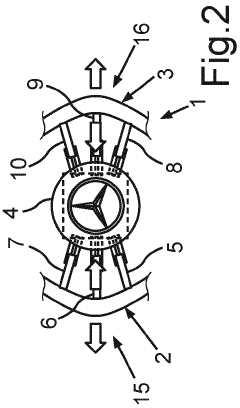
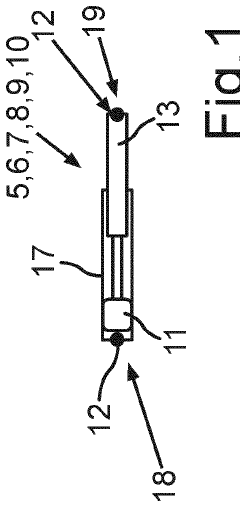
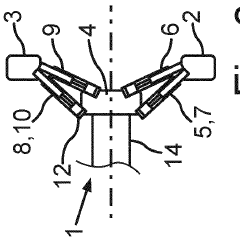
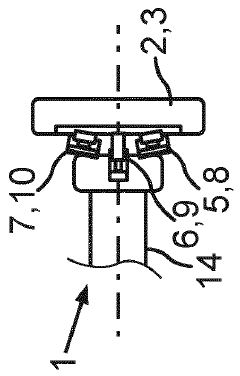
Steering wheel for motor vehicles
PatentWO2004091994A1
Innovation
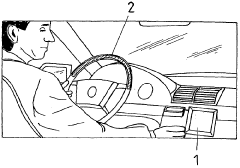
- The steering wheel is designed as a communication interface with integrated light, display, and vibration elements that provide information from sensors and systems without diverting the driver's attention from the road, allowing for hands-free operation and intuitive feedback on traffic conditions and system alerts.



Safety Regulations
Safety regulations play a crucial role in the development and implementation of steering wheel systems, ensuring that these innovative technologies prioritize driver and passenger safety. As steering wheel systems continue to evolve, regulatory bodies worldwide are adapting their guidelines to address the unique challenges posed by advanced driver assistance systems (ADAS) and autonomous driving technologies.
The National Highway Traffic Safety Administration (NHTSA) in the United States has been at the forefront of establishing safety standards for steering wheel systems. Their Federal Motor Vehicle Safety Standards (FMVSS) include specific requirements for steering control systems, such as FMVSS No. 203 and 204, which address impact protection for drivers from the steering control system. These regulations are continuously updated to accommodate new technologies and ensure their safe integration into vehicles.
In the European Union, the United Nations Economic Commission for Europe (UNECE) has developed regulations that address steering equipment safety. Regulation No. 79 specifically covers steering equipment and its requirements for different vehicle categories. This regulation has been amended several times to include provisions for advanced driver assistance systems and automated steering functions.
As steering wheel systems incorporate more electronic components and software-driven features, cybersecurity has become a significant concern. Regulatory bodies are now developing standards to address potential vulnerabilities in these systems. For instance, the UN Regulation No. 155 on Cyber Security and Cyber Security Management System provides a framework for ensuring the cybersecurity of vehicle systems, including steering controls.
The integration of steer-by-wire technology, which replaces mechanical linkages with electronic controls, has prompted regulators to reassess existing safety standards. These systems must demonstrate fail-safe mechanisms and redundancy to ensure driver safety in case of system failures. The ISO 26262 standard for functional safety of electrical and electronic systems in production automobiles provides guidelines for developing and implementing such safety-critical systems.
As autonomous driving technologies advance, regulators are grappling with the concept of steering wheels that can be retracted or removed entirely. The NHTSA has begun to address this by granting exemptions to certain autonomous vehicle manufacturers, allowing them to test vehicles without traditional steering wheels. However, comprehensive regulations for fully autonomous vehicles are still in development.
Regulatory bodies are also focusing on human-machine interface (HMI) aspects of steering wheel systems. This includes standards for haptic feedback, gesture controls, and other interactive features to ensure they do not distract drivers or compromise safety. The International Organization for Standardization (ISO) has developed several standards, such as ISO 15005, which provides ergonomic principles for road vehicle information and control systems.
As steering wheel systems continue to revolutionize the driving experience, close collaboration between industry stakeholders and regulatory bodies will be essential. This cooperation will ensure that safety regulations evolve in tandem with technological advancements, striking a balance between innovation and driver safety.
The National Highway Traffic Safety Administration (NHTSA) in the United States has been at the forefront of establishing safety standards for steering wheel systems. Their Federal Motor Vehicle Safety Standards (FMVSS) include specific requirements for steering control systems, such as FMVSS No. 203 and 204, which address impact protection for drivers from the steering control system. These regulations are continuously updated to accommodate new technologies and ensure their safe integration into vehicles.
In the European Union, the United Nations Economic Commission for Europe (UNECE) has developed regulations that address steering equipment safety. Regulation No. 79 specifically covers steering equipment and its requirements for different vehicle categories. This regulation has been amended several times to include provisions for advanced driver assistance systems and automated steering functions.
As steering wheel systems incorporate more electronic components and software-driven features, cybersecurity has become a significant concern. Regulatory bodies are now developing standards to address potential vulnerabilities in these systems. For instance, the UN Regulation No. 155 on Cyber Security and Cyber Security Management System provides a framework for ensuring the cybersecurity of vehicle systems, including steering controls.
The integration of steer-by-wire technology, which replaces mechanical linkages with electronic controls, has prompted regulators to reassess existing safety standards. These systems must demonstrate fail-safe mechanisms and redundancy to ensure driver safety in case of system failures. The ISO 26262 standard for functional safety of electrical and electronic systems in production automobiles provides guidelines for developing and implementing such safety-critical systems.
As autonomous driving technologies advance, regulators are grappling with the concept of steering wheels that can be retracted or removed entirely. The NHTSA has begun to address this by granting exemptions to certain autonomous vehicle manufacturers, allowing them to test vehicles without traditional steering wheels. However, comprehensive regulations for fully autonomous vehicles are still in development.
Regulatory bodies are also focusing on human-machine interface (HMI) aspects of steering wheel systems. This includes standards for haptic feedback, gesture controls, and other interactive features to ensure they do not distract drivers or compromise safety. The International Organization for Standardization (ISO) has developed several standards, such as ISO 15005, which provides ergonomic principles for road vehicle information and control systems.
As steering wheel systems continue to revolutionize the driving experience, close collaboration between industry stakeholders and regulatory bodies will be essential. This cooperation will ensure that safety regulations evolve in tandem with technological advancements, striking a balance between innovation and driver safety.
Human-Machine Interface
The human-machine interface (HMI) in steering wheel systems plays a crucial role in revolutionizing the driving experience. As vehicles become more advanced and automated, the steering wheel has evolved from a simple mechanical control device to a sophisticated interface that integrates multiple functions and provides seamless interaction between the driver and the vehicle.
Modern steering wheel systems incorporate a wide range of features to enhance driver comfort, safety, and control. Touch-sensitive surfaces and haptic feedback mechanisms allow drivers to access various vehicle functions without taking their hands off the wheel. These interfaces often include controls for audio systems, climate control, cruise control, and even advanced driver assistance systems (ADAS).
Voice recognition technology has been integrated into steering wheel systems, enabling drivers to issue voice commands for various vehicle functions. This hands-free operation significantly reduces driver distraction and improves overall safety. Additionally, customizable displays embedded in the steering wheel provide real-time information about vehicle status, navigation, and other critical data directly in the driver's line of sight.
Adaptive steering systems have further enhanced the human-machine interface by adjusting steering response based on driving conditions and driver preferences. These systems can modify steering ratio and effort to optimize control in different scenarios, such as low-speed maneuvering or high-speed highway driving.
The integration of biometric sensors in steering wheels has opened up new possibilities for personalized driving experiences and enhanced safety features. These sensors can monitor driver fatigue, stress levels, and even health conditions, potentially alerting the driver or initiating safety protocols when necessary.
As autonomous driving technology advances, steering wheel interfaces are being designed to seamlessly transition between manual and autonomous modes. This includes clear visual and haptic cues to indicate the current driving mode and the level of driver engagement required.
The future of steering wheel HMI is likely to see further innovations, such as augmented reality displays projected onto the windshield, more advanced haptic feedback systems, and even shape-shifting steering wheels that can retract or transform based on the driving mode. These advancements aim to create a more intuitive, safe, and enjoyable driving experience while accommodating the evolving nature of vehicle control in the age of autonomous driving.
Modern steering wheel systems incorporate a wide range of features to enhance driver comfort, safety, and control. Touch-sensitive surfaces and haptic feedback mechanisms allow drivers to access various vehicle functions without taking their hands off the wheel. These interfaces often include controls for audio systems, climate control, cruise control, and even advanced driver assistance systems (ADAS).
Voice recognition technology has been integrated into steering wheel systems, enabling drivers to issue voice commands for various vehicle functions. This hands-free operation significantly reduces driver distraction and improves overall safety. Additionally, customizable displays embedded in the steering wheel provide real-time information about vehicle status, navigation, and other critical data directly in the driver's line of sight.
Adaptive steering systems have further enhanced the human-machine interface by adjusting steering response based on driving conditions and driver preferences. These systems can modify steering ratio and effort to optimize control in different scenarios, such as low-speed maneuvering or high-speed highway driving.
The integration of biometric sensors in steering wheels has opened up new possibilities for personalized driving experiences and enhanced safety features. These sensors can monitor driver fatigue, stress levels, and even health conditions, potentially alerting the driver or initiating safety protocols when necessary.
As autonomous driving technology advances, steering wheel interfaces are being designed to seamlessly transition between manual and autonomous modes. This includes clear visual and haptic cues to indicate the current driving mode and the level of driver engagement required.
The future of steering wheel HMI is likely to see further innovations, such as augmented reality displays projected onto the windshield, more advanced haptic feedback systems, and even shape-shifting steering wheels that can retract or transform based on the driving mode. These advancements aim to create a more intuitive, safe, and enjoyable driving experience while accommodating the evolving nature of vehicle control in the age of autonomous driving.
Unlock deeper insights with Patsnap Eureka Quick Research — get a full tech report to explore trends and direct your research. Try now!
Generate Your Research Report Instantly with AI Agent
Supercharge your innovation with Patsnap Eureka AI Agent Platform!