How Steering Wheel Systems Elevate Digital Connectivity?
JUL 18, 20259 MIN READ
Generate Your Research Report Instantly with AI Agent
PatSnap Eureka helps you evaluate technical feasibility & market potential.
Steering Wheel Evolution
The steering wheel has undergone a remarkable evolution since its inception, transforming from a simple mechanical device to a sophisticated hub of digital connectivity. This evolution can be traced through several key stages, each marking significant advancements in automotive technology and user interaction.
In the early days of automobiles, steering wheels were purely mechanical, designed solely for directional control. As vehicles became more complex, the steering wheel began to incorporate additional functionalities. The introduction of horn buttons and turn signal controls in the mid-20th century marked the first step towards the steering wheel becoming a multifunctional interface.
The late 20th century saw the integration of cruise control buttons, further expanding the steering wheel's role in vehicle operation. This period also witnessed the advent of airbags, which necessitated a redesign of steering wheel structures to accommodate these crucial safety features.
The dawn of the digital age in the automotive industry brought about a paradigm shift in steering wheel design. The early 2000s saw the introduction of audio control buttons, allowing drivers to manage their entertainment systems without taking their hands off the wheel. This was quickly followed by the integration of voice command buttons, marking the beginning of hands-free communication systems in vehicles.
As smartphones became ubiquitous, steering wheels evolved to include phone control buttons, enabling drivers to answer calls and manage basic phone functions safely. This period also saw the rise of multi-function displays within the steering wheel, providing drivers with essential vehicle information at a glance.
The most recent phase of steering wheel evolution has been driven by the rapid advancement of digital connectivity. Modern steering wheels now incorporate touch-sensitive surfaces, gesture recognition capabilities, and even biometric sensors. These features allow for more intuitive control of increasingly complex infotainment systems and vehicle settings.
Furthermore, the steering wheel has become a key component in advanced driver assistance systems (ADAS). It now houses sensors that can detect driver alertness and engagement, playing a crucial role in semi-autonomous driving technologies. Some cutting-edge designs even incorporate small displays directly into the steering wheel, providing real-time navigation information and vehicle status updates.
Looking ahead, the steering wheel is poised to play an even more significant role in the era of autonomous vehicles. While its primary function of directional control may diminish, its importance as a central hub for human-machine interface is likely to grow. Concepts for future steering wheels include shape-shifting designs that can retract during autonomous operation and deploy for manual control, as well as advanced haptic feedback systems for enhanced driver awareness.
In the early days of automobiles, steering wheels were purely mechanical, designed solely for directional control. As vehicles became more complex, the steering wheel began to incorporate additional functionalities. The introduction of horn buttons and turn signal controls in the mid-20th century marked the first step towards the steering wheel becoming a multifunctional interface.
The late 20th century saw the integration of cruise control buttons, further expanding the steering wheel's role in vehicle operation. This period also witnessed the advent of airbags, which necessitated a redesign of steering wheel structures to accommodate these crucial safety features.
The dawn of the digital age in the automotive industry brought about a paradigm shift in steering wheel design. The early 2000s saw the introduction of audio control buttons, allowing drivers to manage their entertainment systems without taking their hands off the wheel. This was quickly followed by the integration of voice command buttons, marking the beginning of hands-free communication systems in vehicles.
As smartphones became ubiquitous, steering wheels evolved to include phone control buttons, enabling drivers to answer calls and manage basic phone functions safely. This period also saw the rise of multi-function displays within the steering wheel, providing drivers with essential vehicle information at a glance.
The most recent phase of steering wheel evolution has been driven by the rapid advancement of digital connectivity. Modern steering wheels now incorporate touch-sensitive surfaces, gesture recognition capabilities, and even biometric sensors. These features allow for more intuitive control of increasingly complex infotainment systems and vehicle settings.
Furthermore, the steering wheel has become a key component in advanced driver assistance systems (ADAS). It now houses sensors that can detect driver alertness and engagement, playing a crucial role in semi-autonomous driving technologies. Some cutting-edge designs even incorporate small displays directly into the steering wheel, providing real-time navigation information and vehicle status updates.
Looking ahead, the steering wheel is poised to play an even more significant role in the era of autonomous vehicles. While its primary function of directional control may diminish, its importance as a central hub for human-machine interface is likely to grow. Concepts for future steering wheels include shape-shifting designs that can retract during autonomous operation and deploy for manual control, as well as advanced haptic feedback systems for enhanced driver awareness.
Connected Car Market Trends
The connected car market is experiencing rapid growth and transformation, driven by advancements in digital connectivity and the increasing demand for seamless integration between vehicles and digital ecosystems. This trend is reshaping the automotive industry, with steering wheel systems playing a crucial role in elevating digital connectivity within vehicles.
The global connected car market is projected to expand significantly in the coming years, with a compound annual growth rate (CAGR) exceeding 20% through 2025. This growth is fueled by several factors, including the rising consumer expectations for in-vehicle connectivity, the proliferation of IoT devices, and the development of advanced driver assistance systems (ADAS).
One of the key trends in the connected car market is the integration of smart technologies directly into steering wheel systems. These advanced steering wheels are becoming central hubs for vehicle control and information display, offering drivers intuitive access to a wide range of connected features. Manufacturers are incorporating touch-sensitive surfaces, haptic feedback, and voice recognition capabilities into steering wheels, allowing drivers to control infotainment systems, navigate, and access vehicle diagnostics without taking their hands off the wheel.
Another significant trend is the development of personalized user experiences through connected steering wheel systems. By leveraging artificial intelligence and machine learning algorithms, these systems can learn driver preferences and habits, adjusting vehicle settings and providing tailored recommendations for routes, music, and other in-car experiences.
The increasing focus on safety and regulatory compliance is also driving innovation in connected steering wheel systems. Advanced sensors integrated into the steering wheel can monitor driver alertness, detect signs of fatigue or distraction, and provide haptic warnings when necessary. This technology not only enhances safety but also aligns with evolving regulations aimed at reducing accidents caused by driver inattention.
Furthermore, the connected car market is seeing a shift towards over-the-air (OTA) updates for vehicle systems, including steering wheel interfaces. This capability allows manufacturers to continuously improve functionality, add new features, and address security concerns without requiring physical vehicle modifications.
As the automotive industry moves towards autonomous driving, steering wheel systems are evolving to accommodate both manual and autonomous modes. Retractable steering wheels and adaptive interfaces that can seamlessly transition between different levels of autonomy are becoming more prevalent, preparing vehicles for a future where driver involvement may vary depending on road conditions and personal preference.
The global connected car market is projected to expand significantly in the coming years, with a compound annual growth rate (CAGR) exceeding 20% through 2025. This growth is fueled by several factors, including the rising consumer expectations for in-vehicle connectivity, the proliferation of IoT devices, and the development of advanced driver assistance systems (ADAS).
One of the key trends in the connected car market is the integration of smart technologies directly into steering wheel systems. These advanced steering wheels are becoming central hubs for vehicle control and information display, offering drivers intuitive access to a wide range of connected features. Manufacturers are incorporating touch-sensitive surfaces, haptic feedback, and voice recognition capabilities into steering wheels, allowing drivers to control infotainment systems, navigate, and access vehicle diagnostics without taking their hands off the wheel.
Another significant trend is the development of personalized user experiences through connected steering wheel systems. By leveraging artificial intelligence and machine learning algorithms, these systems can learn driver preferences and habits, adjusting vehicle settings and providing tailored recommendations for routes, music, and other in-car experiences.
The increasing focus on safety and regulatory compliance is also driving innovation in connected steering wheel systems. Advanced sensors integrated into the steering wheel can monitor driver alertness, detect signs of fatigue or distraction, and provide haptic warnings when necessary. This technology not only enhances safety but also aligns with evolving regulations aimed at reducing accidents caused by driver inattention.
Furthermore, the connected car market is seeing a shift towards over-the-air (OTA) updates for vehicle systems, including steering wheel interfaces. This capability allows manufacturers to continuously improve functionality, add new features, and address security concerns without requiring physical vehicle modifications.
As the automotive industry moves towards autonomous driving, steering wheel systems are evolving to accommodate both manual and autonomous modes. Retractable steering wheels and adaptive interfaces that can seamlessly transition between different levels of autonomy are becoming more prevalent, preparing vehicles for a future where driver involvement may vary depending on road conditions and personal preference.
Current Challenges in Steering Wheel Connectivity
The integration of digital connectivity into steering wheel systems presents several significant challenges that manufacturers and developers must address. One of the primary obstacles is ensuring driver safety while incorporating advanced technological features. As steering wheels become more sophisticated, there is a risk of driver distraction, which could compromise road safety. Balancing the need for enhanced connectivity with the paramount importance of driver focus requires careful design considerations and rigorous testing protocols.
Another challenge lies in the seamless integration of multiple technologies within the limited space of a steering wheel. Manufacturers must find innovative ways to incorporate touch-sensitive controls, haptic feedback systems, and display screens without compromising the wheel's ergonomics or functionality. This spatial constraint often leads to complex engineering solutions and may result in increased production costs.
Durability and reliability pose additional hurdles in steering wheel connectivity. The steering wheel is subject to constant use and various environmental conditions, necessitating robust designs that can withstand prolonged exposure to temperature fluctuations, humidity, and physical stress. Ensuring the longevity of integrated electronic components while maintaining the structural integrity of the steering wheel is a significant engineering challenge.
Compatibility and standardization issues also present obstacles in the development of connected steering wheel systems. With the rapid evolution of automotive technology and the variety of infotainment systems across different vehicle models and brands, creating universally compatible solutions is complex. This lack of standardization can lead to fragmentation in the market and potential interoperability issues between vehicles and mobile devices.
Data security and privacy concerns are increasingly critical as steering wheels become more connected. The integration of personal information and vehicle data through these systems creates potential vulnerabilities to cyber attacks. Manufacturers must implement robust security measures to protect sensitive information and prevent unauthorized access to vehicle systems, adding another layer of complexity to the development process.
Power management and energy efficiency represent further challenges in steering wheel connectivity. The incorporation of multiple electronic components and displays increases power consumption, which can impact the vehicle's overall energy efficiency, particularly in electric and hybrid vehicles where power management is crucial.
Lastly, regulatory compliance and certification processes pose significant hurdles. As steering wheel systems become more technologically advanced, they must adhere to a growing number of safety regulations and standards across different regions. Navigating these complex regulatory landscapes while pushing the boundaries of innovation requires substantial resources and expertise from manufacturers.
Another challenge lies in the seamless integration of multiple technologies within the limited space of a steering wheel. Manufacturers must find innovative ways to incorporate touch-sensitive controls, haptic feedback systems, and display screens without compromising the wheel's ergonomics or functionality. This spatial constraint often leads to complex engineering solutions and may result in increased production costs.
Durability and reliability pose additional hurdles in steering wheel connectivity. The steering wheel is subject to constant use and various environmental conditions, necessitating robust designs that can withstand prolonged exposure to temperature fluctuations, humidity, and physical stress. Ensuring the longevity of integrated electronic components while maintaining the structural integrity of the steering wheel is a significant engineering challenge.
Compatibility and standardization issues also present obstacles in the development of connected steering wheel systems. With the rapid evolution of automotive technology and the variety of infotainment systems across different vehicle models and brands, creating universally compatible solutions is complex. This lack of standardization can lead to fragmentation in the market and potential interoperability issues between vehicles and mobile devices.
Data security and privacy concerns are increasingly critical as steering wheels become more connected. The integration of personal information and vehicle data through these systems creates potential vulnerabilities to cyber attacks. Manufacturers must implement robust security measures to protect sensitive information and prevent unauthorized access to vehicle systems, adding another layer of complexity to the development process.
Power management and energy efficiency represent further challenges in steering wheel connectivity. The incorporation of multiple electronic components and displays increases power consumption, which can impact the vehicle's overall energy efficiency, particularly in electric and hybrid vehicles where power management is crucial.
Lastly, regulatory compliance and certification processes pose significant hurdles. As steering wheel systems become more technologically advanced, they must adhere to a growing number of safety regulations and standards across different regions. Navigating these complex regulatory landscapes while pushing the boundaries of innovation requires substantial resources and expertise from manufacturers.
Advanced Steering Wheel Solutions
01 Digital connectivity in steering wheel systems
Modern steering wheel systems incorporate digital connectivity features to enhance driver interaction and vehicle control. These systems integrate various technologies to provide seamless communication between the steering wheel and other vehicle systems, improving overall functionality and user experience.- Digital connectivity in steering wheel systems: Modern steering wheel systems incorporate digital connectivity features to enhance driver interaction and vehicle control. These systems integrate various technologies to provide seamless communication between the driver, vehicle, and external networks, improving safety, convenience, and overall driving experience.
- Steering wheel-mounted controls and displays: Advanced steering wheel systems feature integrated controls and displays, allowing drivers to access various vehicle functions without taking their hands off the wheel. These may include touchscreens, buttons, or gesture recognition technologies for controlling infotainment, navigation, and vehicle settings.
- Adaptive steering and driver assistance integration: Steering wheel systems are increasingly integrated with adaptive steering and driver assistance technologies. These systems can adjust steering response based on driving conditions, speed, and driver preferences, while also incorporating features like lane keeping assist and collision avoidance.
- Biometric sensors and personalization: Modern steering wheels may incorporate biometric sensors to monitor driver health, alertness, and identity. These sensors can personalize vehicle settings, enhance security, and provide valuable data for improving driver safety and comfort.
- Wireless connectivity and over-the-air updates: Steering wheel systems with digital connectivity capabilities can receive over-the-air updates and connect wirelessly to various devices and networks. This allows for continuous improvement of functionality, integration with smartphones and other personal devices, and real-time data exchange with vehicle systems and external services.
02 Steering wheel-mounted controls and displays
Advanced steering wheel systems feature integrated controls and displays, allowing drivers to access various vehicle functions without taking their hands off the wheel. These may include touchscreens, buttons, or gesture recognition technologies to control infotainment, navigation, and vehicle settings.Expand Specific Solutions03 Adaptive steering and driver assistance integration
Steering wheel systems are increasingly integrated with adaptive steering and driver assistance technologies. These systems adjust steering response based on driving conditions and can provide haptic feedback or alerts to enhance safety and driving performance.Expand Specific Solutions04 Biometric sensors and personalization
Modern steering wheels incorporate biometric sensors to monitor driver health and alertness. These systems can detect grip strength, heart rate, and other vital signs, enabling personalized settings and enhancing safety features by detecting driver fatigue or medical emergencies.Expand Specific Solutions05 Wireless connectivity and data transmission
Steering wheel systems now feature wireless connectivity capabilities, allowing for seamless data transmission between the steering wheel and other vehicle systems or external devices. This enables over-the-air updates, remote diagnostics, and integration with mobile devices for enhanced functionality.Expand Specific Solutions
Key Automotive Tech Players
The steering wheel systems market for digital connectivity is in a growth phase, driven by increasing demand for connected vehicles and advanced driver assistance systems. The market size is expanding rapidly, with major automotive manufacturers and suppliers investing heavily in this technology. The competitive landscape is diverse, featuring established automotive giants like BMW, Mercedes-Benz, and Ford, alongside specialized suppliers such as Continental Automotive and Robert Bosch. These companies are at various stages of technological maturity, with some offering advanced solutions integrating AI and IoT, while others are still developing their capabilities. The market is characterized by intense competition and rapid innovation, as players strive to differentiate their offerings and capture market share in this evolving sector.
Bayerische Motoren Werke AG
Technical Solution: BMW has developed an innovative steering wheel system that significantly enhances digital connectivity in their vehicles. Their system, part of the iDrive interface, incorporates multi-function buttons and touch-sensitive surfaces directly into the steering wheel[1]. These controls allow drivers to manage various vehicle functions, including infotainment, navigation, and driver assistance systems, without taking their hands off the wheel[2]. BMW's steering wheel also features a unique "Boost/Charge" display integrated into the rim, providing instant feedback on the vehicle's energy consumption or regeneration in electric and hybrid models[3]. The company has also implemented gesture control technology, allowing drivers to perform certain functions with simple hand movements near the steering wheel[4]. Additionally, BMW's steering wheel system is designed to work seamlessly with their advanced driver assistance systems, incorporating sensors that detect whether the driver's hands are on the wheel[5].
Strengths: Intuitive multi-function controls, innovative energy feedback display, and integration with advanced gesture control. Weaknesses: Potential for feature overload and a steeper learning curve for new users.
Continental Automotive GmbH
Technical Solution: Continental has developed a sophisticated steering wheel system that enhances digital connectivity through its "Smart Control" technology. This system integrates touch-sensitive controls directly into the steering wheel surface, allowing drivers to manage various vehicle functions with intuitive swipe and tap gestures[1]. The steering wheel also features customizable LED light strips that provide visual feedback and alerts to the driver[2]. Continental's system incorporates advanced haptic feedback technology, providing tactile responses to user inputs, which enhances the user experience while minimizing driver distraction[3]. The steering wheel is also equipped with hands-on detection sensors, crucial for semi-autonomous driving systems, ensuring the driver remains engaged when necessary[4]. Furthermore, Continental's steering wheel system is designed to be highly modular, allowing for easy customization and integration of additional features as technology evolves[5].
Strengths: Intuitive user interface, advanced haptic feedback, and modular design for future upgrades. Weaknesses: Potential learning curve for users accustomed to traditional controls and higher production costs.
Innovative Connectivity Features
Assembly for the wireless transmission of electrical signals in a motor vehicle
PatentActiveEP2680375A2
Innovation
- A cassette with a stator and rotor is integrated into the steering wheel, where the transmitter is mounted near the stator and the receiver is attached to the rotor, utilizing the existing electrical line for power supply and minimizing interference by keeping the transmitter and receiver close, with the receiver connected to a display for real-time signal processing and visualization.


Steering wheel having operator control elements, and method for setting a function for a vehicle
PatentWO2017211438A1
Innovation
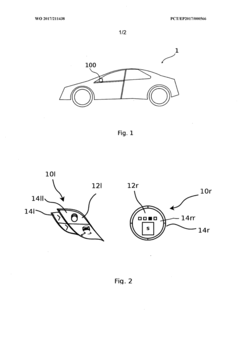
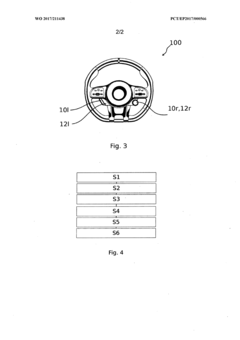
- A steering wheel with integrated first and second control elements and displays allows drivers to select and confirm main and sub-function alternatives without taking their hands off the wheel, using actuating devices that transmit user inputs to a computing unit, enabling intuitive operation of vehicle settings like adaptive chassis and entertainment systems.
Safety and Regulatory Landscape
The integration of advanced steering wheel systems with digital connectivity has brought significant changes to the automotive safety landscape, necessitating a comprehensive regulatory framework to ensure driver and passenger safety. As these systems become more sophisticated, incorporating features such as touch-sensitive controls, haptic feedback, and integrated displays, regulatory bodies worldwide are adapting their guidelines to address the unique challenges posed by this technology.
One of the primary concerns in the safety and regulatory landscape is the potential for driver distraction. Regulatory agencies, such as the National Highway Traffic Safety Administration (NHTSA) in the United States, have established guidelines for in-vehicle electronic devices to minimize driver distraction. These guidelines emphasize the importance of limiting the time a driver's eyes are off the road and restricting certain types of interactions while the vehicle is in motion.
The European New Car Assessment Programme (Euro NCAP) has also introduced protocols for assessing in-vehicle infotainment systems, including those integrated into steering wheels. These protocols evaluate factors such as the accessibility of controls, the clarity of information presented, and the system's overall impact on driver attention. Manufacturers must demonstrate compliance with these standards to achieve high safety ratings.
In addition to distraction concerns, regulatory bodies are focusing on the reliability and durability of steering wheel systems with enhanced digital connectivity. Standards are being developed to ensure these systems can withstand the rigors of daily use and maintain functionality over the vehicle's lifetime. This includes requirements for electromagnetic compatibility to prevent interference with other vehicle systems and safety-critical components.
Cybersecurity has emerged as another critical aspect of the safety and regulatory landscape for connected steering wheel systems. As these systems become more integrated with vehicle networks and potentially connected to external data sources, they present new attack vectors for malicious actors. Regulatory frameworks, such as the UN Regulation No. 155 on Cyber Security and Cyber Security Management Systems, are being implemented to address these risks and ensure the integrity of vehicle systems.
The regulatory landscape is also evolving to accommodate the transition towards autonomous vehicles. As steering wheel systems increasingly incorporate features that support semi-autonomous driving, regulations are being developed to define the handover process between automated systems and human drivers. This includes requirements for clear and timely notifications to the driver when manual intervention is necessary.
As the technology continues to advance, regulatory bodies are adopting a more collaborative approach with industry stakeholders. This includes establishing forums for dialogue between manufacturers, technology providers, and regulators to ensure that safety standards keep pace with technological innovations. The goal is to create a regulatory environment that fosters innovation while maintaining the highest standards of safety for all road users.
One of the primary concerns in the safety and regulatory landscape is the potential for driver distraction. Regulatory agencies, such as the National Highway Traffic Safety Administration (NHTSA) in the United States, have established guidelines for in-vehicle electronic devices to minimize driver distraction. These guidelines emphasize the importance of limiting the time a driver's eyes are off the road and restricting certain types of interactions while the vehicle is in motion.
The European New Car Assessment Programme (Euro NCAP) has also introduced protocols for assessing in-vehicle infotainment systems, including those integrated into steering wheels. These protocols evaluate factors such as the accessibility of controls, the clarity of information presented, and the system's overall impact on driver attention. Manufacturers must demonstrate compliance with these standards to achieve high safety ratings.
In addition to distraction concerns, regulatory bodies are focusing on the reliability and durability of steering wheel systems with enhanced digital connectivity. Standards are being developed to ensure these systems can withstand the rigors of daily use and maintain functionality over the vehicle's lifetime. This includes requirements for electromagnetic compatibility to prevent interference with other vehicle systems and safety-critical components.
Cybersecurity has emerged as another critical aspect of the safety and regulatory landscape for connected steering wheel systems. As these systems become more integrated with vehicle networks and potentially connected to external data sources, they present new attack vectors for malicious actors. Regulatory frameworks, such as the UN Regulation No. 155 on Cyber Security and Cyber Security Management Systems, are being implemented to address these risks and ensure the integrity of vehicle systems.
The regulatory landscape is also evolving to accommodate the transition towards autonomous vehicles. As steering wheel systems increasingly incorporate features that support semi-autonomous driving, regulations are being developed to define the handover process between automated systems and human drivers. This includes requirements for clear and timely notifications to the driver when manual intervention is necessary.
As the technology continues to advance, regulatory bodies are adopting a more collaborative approach with industry stakeholders. This includes establishing forums for dialogue between manufacturers, technology providers, and regulators to ensure that safety standards keep pace with technological innovations. The goal is to create a regulatory environment that fosters innovation while maintaining the highest standards of safety for all road users.
User Experience and Ergonomics
The integration of advanced steering wheel systems with digital connectivity has revolutionized the driving experience, placing a strong emphasis on user experience and ergonomics. These systems are designed to enhance driver comfort, safety, and interaction with the vehicle's digital interfaces while minimizing distractions.
Modern steering wheel designs incorporate intuitive controls that allow drivers to access various vehicle functions without taking their hands off the wheel. Touch-sensitive surfaces, haptic feedback, and voice recognition technologies are seamlessly integrated into the steering wheel structure, enabling effortless navigation through infotainment systems, climate controls, and driver assistance features.
Ergonomic considerations play a crucial role in the development of these systems. The placement of buttons, switches, and touch-sensitive areas is carefully optimized to ensure natural hand positioning and easy reach. This thoughtful design reduces driver fatigue and enhances overall comfort during long journeys. Additionally, customizable steering wheel profiles allow drivers to adjust the position, sensitivity, and functionality of controls to suit their individual preferences.
The user interface of steering wheel systems is designed with simplicity and clarity in mind. High-resolution displays integrated into the steering wheel provide essential information at a glance, such as speed, navigation directions, and vehicle status. These displays are often customizable, allowing drivers to prioritize the information most relevant to their needs.
Haptic feedback technology in steering wheels provides tactile responses to user inputs, enhancing the overall user experience. This feature not only confirms successful interactions but also helps drivers maintain focus on the road by reducing the need for visual confirmation of their actions.
Voice control capabilities integrated into steering wheel systems further enhance user experience and safety. Drivers can issue voice commands to control various vehicle functions, make phone calls, or adjust settings without taking their eyes off the road or hands off the wheel. Natural language processing algorithms continually improve the accuracy and responsiveness of these voice-activated features.
As vehicle connectivity advances, steering wheel systems are becoming increasingly intelligent. They can now adapt to driving conditions, user preferences, and even the driver's emotional state. For instance, some systems can detect signs of driver fatigue or distraction and provide appropriate alerts or adjust vehicle settings accordingly.
The evolution of steering wheel systems in the context of digital connectivity demonstrates a clear focus on creating a seamless, intuitive, and safe driving experience. By prioritizing user experience and ergonomics, these systems not only enhance the functionality of modern vehicles but also contribute significantly to driver comfort and road safety.
Modern steering wheel designs incorporate intuitive controls that allow drivers to access various vehicle functions without taking their hands off the wheel. Touch-sensitive surfaces, haptic feedback, and voice recognition technologies are seamlessly integrated into the steering wheel structure, enabling effortless navigation through infotainment systems, climate controls, and driver assistance features.
Ergonomic considerations play a crucial role in the development of these systems. The placement of buttons, switches, and touch-sensitive areas is carefully optimized to ensure natural hand positioning and easy reach. This thoughtful design reduces driver fatigue and enhances overall comfort during long journeys. Additionally, customizable steering wheel profiles allow drivers to adjust the position, sensitivity, and functionality of controls to suit their individual preferences.
The user interface of steering wheel systems is designed with simplicity and clarity in mind. High-resolution displays integrated into the steering wheel provide essential information at a glance, such as speed, navigation directions, and vehicle status. These displays are often customizable, allowing drivers to prioritize the information most relevant to their needs.
Haptic feedback technology in steering wheels provides tactile responses to user inputs, enhancing the overall user experience. This feature not only confirms successful interactions but also helps drivers maintain focus on the road by reducing the need for visual confirmation of their actions.
Voice control capabilities integrated into steering wheel systems further enhance user experience and safety. Drivers can issue voice commands to control various vehicle functions, make phone calls, or adjust settings without taking their eyes off the road or hands off the wheel. Natural language processing algorithms continually improve the accuracy and responsiveness of these voice-activated features.
As vehicle connectivity advances, steering wheel systems are becoming increasingly intelligent. They can now adapt to driving conditions, user preferences, and even the driver's emotional state. For instance, some systems can detect signs of driver fatigue or distraction and provide appropriate alerts or adjust vehicle settings accordingly.
The evolution of steering wheel systems in the context of digital connectivity demonstrates a clear focus on creating a seamless, intuitive, and safe driving experience. By prioritizing user experience and ergonomics, these systems not only enhance the functionality of modern vehicles but also contribute significantly to driver comfort and road safety.
Unlock deeper insights with PatSnap Eureka Quick Research — get a full tech report to explore trends and direct your research. Try now!
Generate Your Research Report Instantly with AI Agent
Supercharge your innovation with PatSnap Eureka AI Agent Platform!