

How to Adjust RISC Architectures for Dynamic Workloads
MAR 26, 20269 MIN READ
Generate Your Research Report Instantly with AI Agent
PatSnap Eureka helps you evaluate technical feasibility & market potential.
RISC Architecture Dynamic Workload Challenges and Goals
RISC (Reduced Instruction Set Computer) architectures have evolved significantly since their inception in the 1980s, fundamentally transforming the landscape of processor design through their emphasis on simplicity and efficiency. The original RISC philosophy, pioneered by researchers at UC Berkeley and Stanford, advocated for streamlined instruction sets that could execute faster and more predictably than their Complex Instruction Set Computer (CISC) counterparts. This approach proved particularly effective in static computing environments where workloads remained relatively consistent and predictable.
However, the contemporary computing landscape presents unprecedented challenges that strain traditional RISC design principles. Modern applications exhibit highly dynamic behavior patterns, with workloads that can shift dramatically between compute-intensive tasks, memory-bound operations, and I/O-heavy processes within milliseconds. Cloud computing environments, edge computing scenarios, and mobile platforms demand processors that can efficiently handle everything from machine learning inference to real-time data processing, often simultaneously.
The evolution toward dynamic workload handling represents a paradigm shift from the original RISC design philosophy. Early RISC processors excelled in environments where performance optimization could be achieved through compile-time analysis and static scheduling. Today's requirements demand runtime adaptability, where processors must intelligently reconfigure their execution strategies based on real-time workload characteristics and system conditions.
Current technological trends indicate a convergence toward heterogeneous computing architectures that combine RISC cores with specialized processing units. The integration of AI accelerators, vector processing units, and adaptive cache hierarchies within RISC-based systems reflects the industry's response to dynamic workload challenges. This evolution maintains RISC's core efficiency principles while extending capabilities to handle diverse computational demands.
The primary technical objectives for modern RISC architectures center on achieving optimal performance across varying workload types without sacrificing energy efficiency. Key goals include developing intelligent resource allocation mechanisms that can dynamically redistribute computational resources based on real-time demand analysis. This involves implementing sophisticated prediction algorithms that can anticipate workload transitions and preemptively adjust processor configurations.
Another critical objective involves enhancing instruction-level parallelism through adaptive scheduling mechanisms that can optimize execution pipelines for different workload characteristics. This requires developing hardware-software co-design approaches that enable seamless communication between application-level workload information and processor-level optimization strategies.
Power efficiency remains paramount, particularly in mobile and edge computing contexts where thermal constraints and battery life considerations directly impact system viability. The challenge lies in maintaining RISC's traditional power advantages while incorporating the additional complexity required for dynamic adaptation capabilities.
However, the contemporary computing landscape presents unprecedented challenges that strain traditional RISC design principles. Modern applications exhibit highly dynamic behavior patterns, with workloads that can shift dramatically between compute-intensive tasks, memory-bound operations, and I/O-heavy processes within milliseconds. Cloud computing environments, edge computing scenarios, and mobile platforms demand processors that can efficiently handle everything from machine learning inference to real-time data processing, often simultaneously.
The evolution toward dynamic workload handling represents a paradigm shift from the original RISC design philosophy. Early RISC processors excelled in environments where performance optimization could be achieved through compile-time analysis and static scheduling. Today's requirements demand runtime adaptability, where processors must intelligently reconfigure their execution strategies based on real-time workload characteristics and system conditions.
Current technological trends indicate a convergence toward heterogeneous computing architectures that combine RISC cores with specialized processing units. The integration of AI accelerators, vector processing units, and adaptive cache hierarchies within RISC-based systems reflects the industry's response to dynamic workload challenges. This evolution maintains RISC's core efficiency principles while extending capabilities to handle diverse computational demands.
The primary technical objectives for modern RISC architectures center on achieving optimal performance across varying workload types without sacrificing energy efficiency. Key goals include developing intelligent resource allocation mechanisms that can dynamically redistribute computational resources based on real-time demand analysis. This involves implementing sophisticated prediction algorithms that can anticipate workload transitions and preemptively adjust processor configurations.
Another critical objective involves enhancing instruction-level parallelism through adaptive scheduling mechanisms that can optimize execution pipelines for different workload characteristics. This requires developing hardware-software co-design approaches that enable seamless communication between application-level workload information and processor-level optimization strategies.
Power efficiency remains paramount, particularly in mobile and edge computing contexts where thermal constraints and battery life considerations directly impact system viability. The challenge lies in maintaining RISC's traditional power advantages while incorporating the additional complexity required for dynamic adaptation capabilities.
Market Demand for Adaptive RISC Processors
The global semiconductor market is experiencing unprecedented demand for processors capable of handling diverse and rapidly changing computational workloads. Traditional fixed-architecture processors struggle to maintain optimal performance across varying application requirements, creating a significant market opportunity for adaptive RISC processors that can dynamically reconfigure their execution characteristics.
Data centers represent the largest market segment driving demand for adaptive RISC processors. Cloud service providers require processors that can efficiently handle mixed workloads ranging from web serving and database operations to machine learning inference and batch processing. The ability to dynamically adjust instruction scheduling, cache configurations, and execution unit allocation based on real-time workload characteristics offers substantial operational cost savings and improved resource utilization.
Edge computing applications constitute another rapidly expanding market segment. Internet of Things devices, autonomous vehicles, and industrial automation systems require processors that can adapt to varying computational demands while maintaining strict power consumption constraints. Adaptive RISC architectures enable these systems to optimize performance-per-watt ratios dynamically, extending battery life and reducing thermal management requirements.
The artificial intelligence and machine learning sector presents significant growth opportunities for adaptive RISC processors. Modern AI workloads exhibit highly variable computational patterns, alternating between intensive matrix operations, sparse data processing, and control-flow intensive tasks. Processors capable of reconfiguring their architectural features to match these diverse computational patterns can deliver superior performance compared to static architectures.
Mobile computing continues to drive demand for adaptive processors as applications become increasingly sophisticated. Smartphones and tablets require processors that can seamlessly transition between low-power idle states, burst performance for user interactions, and sustained performance for multimedia processing. Dynamic architectural adaptation enables optimal user experience while maximizing battery life.
High-performance computing markets are increasingly interested in adaptive RISC processors for scientific and engineering applications. These workloads often exhibit distinct phases with different computational characteristics, making dynamic architectural adaptation particularly valuable for maintaining high utilization rates across diverse algorithmic patterns.
The automotive industry represents an emerging market segment as vehicles incorporate more sophisticated computing systems. Advanced driver assistance systems and autonomous driving platforms require processors that can adapt to varying sensor processing loads, real-time control requirements, and infotainment processing demands while meeting strict safety and reliability standards.
Data centers represent the largest market segment driving demand for adaptive RISC processors. Cloud service providers require processors that can efficiently handle mixed workloads ranging from web serving and database operations to machine learning inference and batch processing. The ability to dynamically adjust instruction scheduling, cache configurations, and execution unit allocation based on real-time workload characteristics offers substantial operational cost savings and improved resource utilization.
Edge computing applications constitute another rapidly expanding market segment. Internet of Things devices, autonomous vehicles, and industrial automation systems require processors that can adapt to varying computational demands while maintaining strict power consumption constraints. Adaptive RISC architectures enable these systems to optimize performance-per-watt ratios dynamically, extending battery life and reducing thermal management requirements.
The artificial intelligence and machine learning sector presents significant growth opportunities for adaptive RISC processors. Modern AI workloads exhibit highly variable computational patterns, alternating between intensive matrix operations, sparse data processing, and control-flow intensive tasks. Processors capable of reconfiguring their architectural features to match these diverse computational patterns can deliver superior performance compared to static architectures.
Mobile computing continues to drive demand for adaptive processors as applications become increasingly sophisticated. Smartphones and tablets require processors that can seamlessly transition between low-power idle states, burst performance for user interactions, and sustained performance for multimedia processing. Dynamic architectural adaptation enables optimal user experience while maximizing battery life.
High-performance computing markets are increasingly interested in adaptive RISC processors for scientific and engineering applications. These workloads often exhibit distinct phases with different computational characteristics, making dynamic architectural adaptation particularly valuable for maintaining high utilization rates across diverse algorithmic patterns.
The automotive industry represents an emerging market segment as vehicles incorporate more sophisticated computing systems. Advanced driver assistance systems and autonomous driving platforms require processors that can adapt to varying sensor processing loads, real-time control requirements, and infotainment processing demands while meeting strict safety and reliability standards.
Current State and Limitations of Static RISC Designs
Traditional RISC architectures have been designed with a fundamental philosophy of simplicity and uniformity, employing fixed instruction sets and static pipeline configurations. These designs prioritize predictable performance through consistent instruction execution times and straightforward decode mechanisms. However, this static approach creates inherent limitations when confronting the diverse computational demands of modern applications.
Current RISC implementations typically utilize fixed-width instruction formats, uniform register allocation schemes, and predetermined execution unit configurations. While this design philosophy ensures reliable performance for traditional workloads, it fails to adapt efficiently to varying computational patterns. The static nature of these architectures means that resources remain allocated uniformly regardless of actual workload requirements, leading to suboptimal utilization across different application scenarios.
One significant limitation lies in the inflexible pipeline structure of conventional RISC designs. These architectures maintain constant pipeline depths and execution unit allocations, which cannot dynamically adjust to workload characteristics. For instance, compute-intensive applications may benefit from deeper pipelines and more arithmetic logic units, while memory-bound workloads require enhanced cache hierarchies and prefetch mechanisms. Static designs cannot provide such adaptive optimizations.
The instruction set architecture itself presents another constraint. Traditional RISC processors execute instructions with predetermined complexity levels, lacking the ability to modify instruction behavior based on runtime conditions. This rigidity prevents optimization opportunities that could emerge from workload-specific instruction customization or dynamic instruction fusion techniques.
Memory hierarchy management in static RISC designs also demonstrates inflexibility. Cache configurations, replacement policies, and prefetch strategies remain fixed throughout execution, regardless of application memory access patterns. This static approach often results in cache misses and memory bandwidth underutilization when workload characteristics change dynamically.
Furthermore, existing RISC architectures struggle with power efficiency optimization across varying workloads. Static voltage and frequency scaling mechanisms cannot respond rapidly enough to dynamic computational demands, leading to either performance degradation or unnecessary power consumption. The lack of fine-grained, workload-aware power management capabilities represents a critical limitation in modern computing environments.
Branch prediction mechanisms in current RISC designs also exhibit static characteristics, employing fixed algorithms that cannot adapt to different control flow patterns. This limitation becomes particularly problematic when applications exhibit varying branching behaviors, resulting in prediction accuracy degradation and performance penalties.
Current RISC implementations typically utilize fixed-width instruction formats, uniform register allocation schemes, and predetermined execution unit configurations. While this design philosophy ensures reliable performance for traditional workloads, it fails to adapt efficiently to varying computational patterns. The static nature of these architectures means that resources remain allocated uniformly regardless of actual workload requirements, leading to suboptimal utilization across different application scenarios.
One significant limitation lies in the inflexible pipeline structure of conventional RISC designs. These architectures maintain constant pipeline depths and execution unit allocations, which cannot dynamically adjust to workload characteristics. For instance, compute-intensive applications may benefit from deeper pipelines and more arithmetic logic units, while memory-bound workloads require enhanced cache hierarchies and prefetch mechanisms. Static designs cannot provide such adaptive optimizations.
The instruction set architecture itself presents another constraint. Traditional RISC processors execute instructions with predetermined complexity levels, lacking the ability to modify instruction behavior based on runtime conditions. This rigidity prevents optimization opportunities that could emerge from workload-specific instruction customization or dynamic instruction fusion techniques.
Memory hierarchy management in static RISC designs also demonstrates inflexibility. Cache configurations, replacement policies, and prefetch strategies remain fixed throughout execution, regardless of application memory access patterns. This static approach often results in cache misses and memory bandwidth underutilization when workload characteristics change dynamically.
Furthermore, existing RISC architectures struggle with power efficiency optimization across varying workloads. Static voltage and frequency scaling mechanisms cannot respond rapidly enough to dynamic computational demands, leading to either performance degradation or unnecessary power consumption. The lack of fine-grained, workload-aware power management capabilities represents a critical limitation in modern computing environments.
Branch prediction mechanisms in current RISC designs also exhibit static characteristics, employing fixed algorithms that cannot adapt to different control flow patterns. This limitation becomes particularly problematic when applications exhibit varying branching behaviors, resulting in prediction accuracy degradation and performance penalties.
Existing Solutions for RISC Dynamic Workload Adaptation
01 RISC processor pipeline architecture and instruction execution
RISC architectures utilize pipelined instruction execution to improve processing efficiency. The pipeline stages include instruction fetch, decode, execute, memory access, and write-back. This design allows multiple instructions to be processed simultaneously at different stages, maximizing throughput. Advanced pipeline techniques include branch prediction, out-of-order execution, and speculative execution to minimize pipeline stalls and improve overall performance.- RISC processor pipeline architecture and instruction execution: RISC architectures utilize pipelined instruction execution to improve performance by allowing multiple instructions to be processed simultaneously at different stages. The pipeline typically includes stages such as instruction fetch, decode, execute, memory access, and write-back. This approach enables higher throughput and efficient utilization of processor resources. Advanced pipeline designs incorporate techniques like branch prediction, out-of-order execution, and speculative execution to further enhance performance.
- RISC instruction set design and encoding: RISC architectures feature simplified instruction sets with fixed-length instructions that can be decoded and executed efficiently. The instruction set typically includes load-store operations, arithmetic and logical operations, and branch instructions. The uniform instruction format simplifies the decoding logic and enables faster instruction processing. Modern RISC designs incorporate extensions for specialized operations while maintaining the core principles of simplicity and regularity.
- RISC register file organization and management: RISC processors employ large register files to minimize memory access and improve performance. The register architecture typically includes general-purpose registers, special-purpose registers, and floating-point registers. Register renaming and register windowing techniques are used to reduce data dependencies and enable parallel execution. Efficient register allocation and management strategies are critical for optimizing code execution and reducing pipeline stalls.
- RISC memory hierarchy and cache systems: RISC architectures implement sophisticated memory hierarchies with multiple levels of cache to bridge the speed gap between processors and main memory. Cache designs include instruction caches, data caches, and unified caches with various associativity levels. Memory management units handle virtual-to-physical address translation and memory protection. Advanced techniques such as prefetching, cache coherence protocols, and non-blocking caches are employed to optimize memory access patterns and reduce latency.
- RISC processor extensions and specialized units: Modern RISC architectures incorporate specialized functional units and instruction set extensions to handle specific workloads efficiently. These extensions include vector processing units, cryptographic accelerators, digital signal processing capabilities, and machine learning accelerators. The modular design allows for customization based on application requirements while maintaining compatibility with the base instruction set. These enhancements enable RISC processors to compete in diverse application domains from embedded systems to high-performance computing.
02 Register file organization and management in RISC processors
RISC architectures employ large register files to reduce memory access frequency and improve execution speed. The register file organization includes general-purpose registers, special-purpose registers, and register windows. Efficient register allocation and management strategies are crucial for optimizing instruction execution. Techniques such as register renaming and register banking are used to eliminate data dependencies and increase instruction-level parallelism.Expand Specific Solutions03 Memory hierarchy and cache design for RISC systems
RISC architectures implement sophisticated memory hierarchies including multi-level caches to bridge the speed gap between processors and main memory. Cache design considerations include cache size, associativity, replacement policies, and coherence protocols. Advanced techniques such as prefetching, write buffers, and non-blocking caches are employed to minimize memory latency and maximize bandwidth utilization.Expand Specific Solutions04 Instruction set architecture and encoding for RISC processors
RISC instruction set architectures feature fixed-length instructions with simple encoding formats to facilitate fast decoding and execution. The instruction set typically includes load-store operations, arithmetic and logical operations, and branch instructions. Design principles emphasize regularity, orthogonality, and efficient use of opcode space. Extensions may include specialized instructions for multimedia processing, cryptography, and vector operations.Expand Specific Solutions05 Power management and energy efficiency in RISC architectures
Modern RISC architectures incorporate power management techniques to optimize energy efficiency while maintaining performance. Strategies include dynamic voltage and frequency scaling, clock gating, power gating, and adaptive pipeline depth adjustment. Hardware and software co-design approaches enable fine-grained power control based on workload characteristics. Advanced implementations support multiple power domains and sleep states for different processor components.Expand Specific Solutions
Key Players in RISC Processor and Adaptive Computing
The RISC architecture adaptation for dynamic workloads represents a rapidly evolving market segment currently in its growth phase, driven by increasing demand for energy-efficient computing solutions across AI, edge computing, and cloud applications. The market demonstrates significant expansion potential, valued at several billion dollars with projected double-digit growth rates. Technology maturity varies considerably among key players: established giants like Intel, IBM, and Samsung leverage decades of processor expertise, while specialized companies such as Tenstorrent focus specifically on AI-optimized RISC-V implementations. Academic institutions including University of Washington and Technical University of Berlin contribute foundational research, while technology leaders like Huawei, Microsoft, and Amazon drive practical applications. The competitive landscape shows a mix of mature semiconductor companies with proven architectures and emerging players developing novel adaptive solutions, indicating a dynamic ecosystem where both established expertise and innovative approaches coexist to address the growing complexity of workload optimization challenges.
International Business Machines Corp.
Technical Solution: IBM's approach focuses on cognitive computing integration with RISC architectures, implementing dynamic workload adaptation through AI-driven resource management. Their Power architecture derivatives incorporate real-time workload classification systems that can identify and adapt to different computational patterns within microseconds. The solution features dynamic instruction scheduling, adaptive cache management, and workload-specific pipeline optimization. IBM's technology includes hardware accelerators for common dynamic workload patterns and implements predictive scaling based on historical workload analysis, demonstrating significant improvements in enterprise-level dynamic computing environments with reduced latency and improved throughput.
Strengths: Strong enterprise computing expertise, advanced AI integration, robust scalability solutions. Weaknesses: Limited consumer market presence, higher cost structure, complex deployment requirements.
Huawei Technologies Co., Ltd.
Technical Solution: Huawei has developed Kunpeng processor architectures with dynamic workload adaptation capabilities, featuring intelligent resource allocation and real-time performance optimization. Their solution implements adaptive voltage and frequency scaling combined with workload-aware task scheduling across multiple cores. The architecture includes dedicated hardware units for workload pattern recognition and dynamic reconfiguration of execution units based on computational demands. Huawei's approach integrates cloud-edge collaboration for workload prediction and implements hierarchical power management strategies that can adapt to varying performance requirements while maintaining energy efficiency, particularly optimized for telecommunications and data center applications.
Strengths: Strong telecommunications domain expertise, integrated cloud-edge solutions, competitive performance metrics. Weaknesses: Limited global market access, dependency on proprietary ecosystems, regulatory constraints in some markets.
Core Innovations in Dynamic RISC Architecture Design
A computer processor
PatentPendingUS20250238395A1
Innovation
- A processor architecture and instruction set that facilitates RISC-like programming by distributing instructions to a spatial array of processing elements, allowing simple fetching and decoding, with dataflow and control flow coordination through target instruction pointers, and enabling dynamic tiling for efficient execution of fragments.


High-performance superscalar-based computer system with out-of-order instruction execution and concurrent results distribution
PatentInactiveUS7555632B2
Innovation
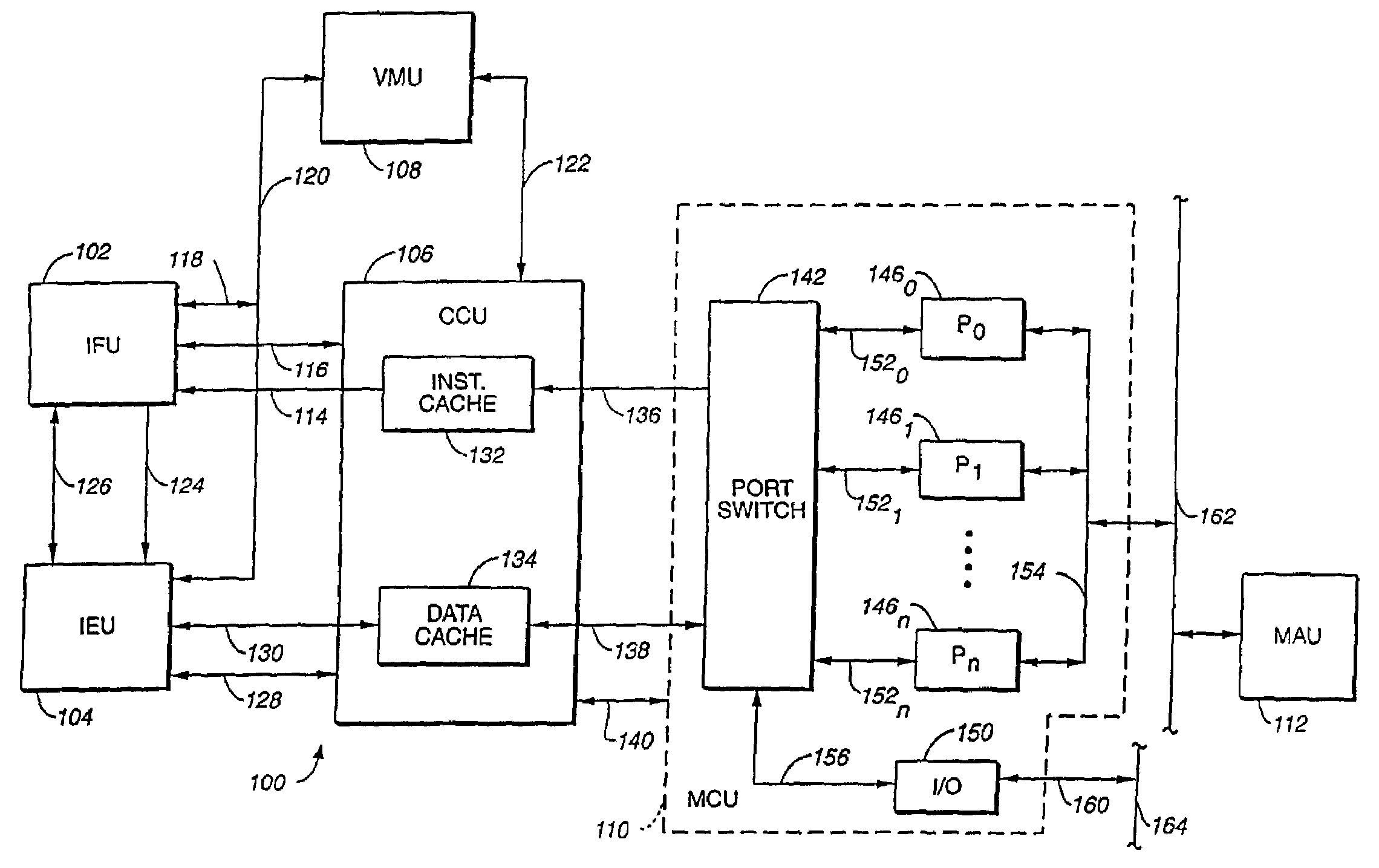
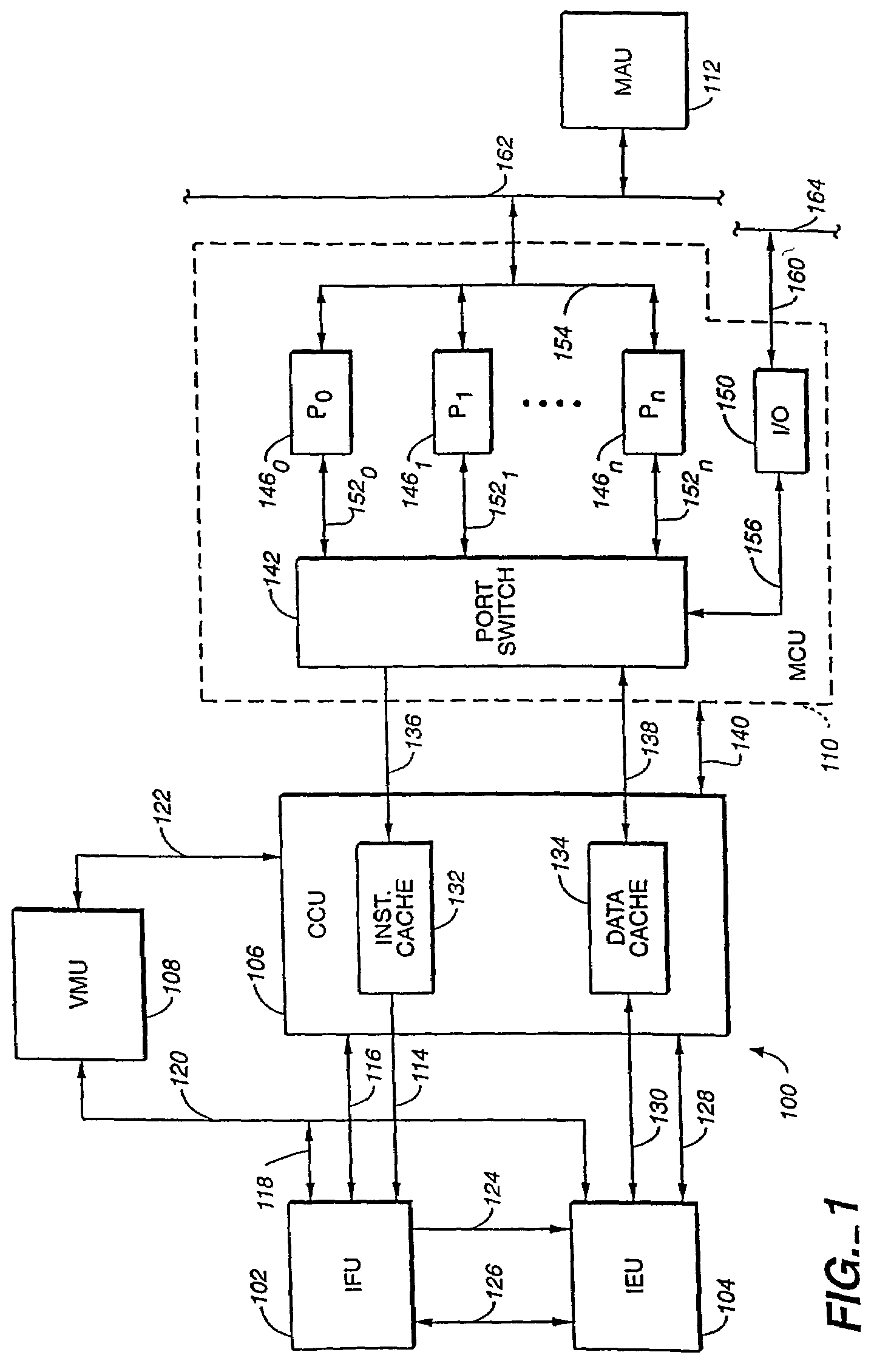
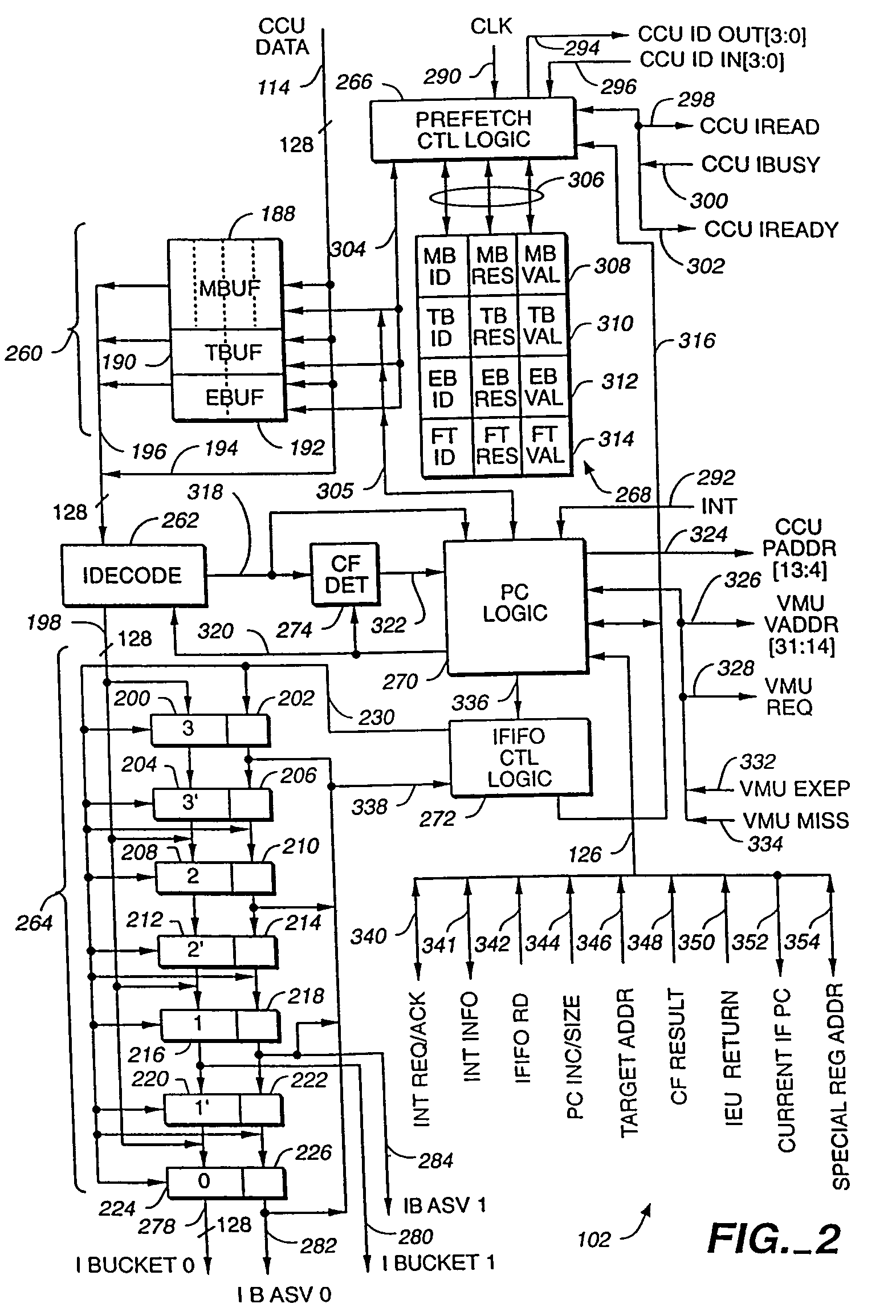
- A high-performance RISC-based superscalar processor architecture with an instruction fetch unit and execution unit that includes an instruction selection unit and multiple functional units, allowing for concurrent execution of instructions and flexible modification of functional units, along with an instruction scheduler to optimize execution paths.

Power Efficiency Standards for Dynamic RISC Processors
The establishment of power efficiency standards for dynamic RISC processors has become increasingly critical as computing systems face mounting pressure to balance performance demands with energy consumption constraints. Current industry standards primarily focus on static power measurements, which fail to capture the complex power dynamics inherent in workload-adaptive RISC architectures. The IEEE 1801 standard for power intent specification and the JEDEC low-power DDR standards provide foundational frameworks, yet they lack specific provisions for processors that dynamically reconfigure their architectural components based on workload characteristics.
Dynamic RISC processors require specialized power efficiency metrics that account for transition overhead between different operational modes. Traditional metrics such as performance-per-watt become insufficient when processors frequently switch between high-performance and energy-efficient configurations. The development of new standards must incorporate temporal power profiling methodologies that measure power consumption across various workload transition scenarios, including the energy costs associated with architectural reconfiguration.
Emerging standards frameworks are beginning to address dynamic voltage and frequency scaling (DVFS) integration with architectural adaptability. The proposed RISC-V power management extension specification introduces standardized interfaces for power state transitions, enabling more accurate power efficiency measurements across different operational modes. These standards emphasize the importance of measuring not only steady-state power consumption but also the transient power spikes that occur during architectural reconfiguration events.
Industry consortiums are developing benchmark suites specifically designed to evaluate power efficiency in dynamic RISC environments. These benchmarks incorporate realistic workload transition patterns and measure the effectiveness of power management strategies across diverse application scenarios. The standards define minimum efficiency thresholds for different workload categories, ensuring that dynamic adaptations provide measurable power savings rather than merely redistributing energy consumption across time.
Future power efficiency standards for dynamic RISC processors will likely incorporate machine learning-based power prediction models and real-time power budgeting mechanisms. These advanced standards will enable more sophisticated power management strategies that can anticipate workload changes and proactively adjust architectural configurations to optimize energy efficiency while maintaining performance requirements.
Dynamic RISC processors require specialized power efficiency metrics that account for transition overhead between different operational modes. Traditional metrics such as performance-per-watt become insufficient when processors frequently switch between high-performance and energy-efficient configurations. The development of new standards must incorporate temporal power profiling methodologies that measure power consumption across various workload transition scenarios, including the energy costs associated with architectural reconfiguration.
Emerging standards frameworks are beginning to address dynamic voltage and frequency scaling (DVFS) integration with architectural adaptability. The proposed RISC-V power management extension specification introduces standardized interfaces for power state transitions, enabling more accurate power efficiency measurements across different operational modes. These standards emphasize the importance of measuring not only steady-state power consumption but also the transient power spikes that occur during architectural reconfiguration events.
Industry consortiums are developing benchmark suites specifically designed to evaluate power efficiency in dynamic RISC environments. These benchmarks incorporate realistic workload transition patterns and measure the effectiveness of power management strategies across diverse application scenarios. The standards define minimum efficiency thresholds for different workload categories, ensuring that dynamic adaptations provide measurable power savings rather than merely redistributing energy consumption across time.
Future power efficiency standards for dynamic RISC processors will likely incorporate machine learning-based power prediction models and real-time power budgeting mechanisms. These advanced standards will enable more sophisticated power management strategies that can anticipate workload changes and proactively adjust architectural configurations to optimize energy efficiency while maintaining performance requirements.
Hardware-Software Co-design for Dynamic RISC Optimization
Hardware-software co-design represents a paradigm shift in optimizing RISC architectures for dynamic workloads, where traditional boundaries between hardware and software development dissolve to create synergistic solutions. This approach recognizes that neither pure hardware acceleration nor software optimization alone can adequately address the complexity and variability of modern computational demands.
The co-design methodology begins with unified profiling frameworks that simultaneously capture hardware performance metrics and software execution patterns. These frameworks enable real-time correlation between application behavior and underlying architectural responses, providing insights that inform both compiler optimizations and hardware reconfiguration decisions. Advanced profiling tools now integrate machine learning algorithms to predict workload transitions and preemptively adjust system parameters.
Compiler-hardware interaction mechanisms form the cornerstone of effective co-design implementations. Modern compilers incorporate hardware awareness through direct communication channels with reconfigurable processing elements, enabling dynamic instruction scheduling, register allocation optimization, and memory hierarchy management. These compilers can issue hardware reconfiguration commands based on detected code patterns, effectively creating application-specific processor variants during runtime.
Runtime adaptation engines serve as the orchestration layer between software demands and hardware capabilities. These engines continuously monitor system performance indicators, workload characteristics, and resource utilization patterns to make informed decisions about architectural adjustments. They employ sophisticated algorithms to balance performance gains against reconfiguration overhead, ensuring that dynamic adaptations provide net positive benefits.
Cross-layer optimization strategies leverage information sharing across multiple system abstraction levels, from application semantics down to transistor-level power management. This holistic approach enables coordinated optimizations that consider thermal constraints, power budgets, and performance targets simultaneously. For instance, application-level loop structures can inform cache configuration decisions while influencing voltage-frequency scaling policies.
The integration of specialized accelerators through co-design principles allows RISC systems to dynamically incorporate domain-specific processing units. Software frameworks can automatically detect computation patterns suitable for acceleration and seamlessly offload tasks to appropriate specialized hardware, while maintaining the flexibility to reclaim resources when workload characteristics change.
The co-design methodology begins with unified profiling frameworks that simultaneously capture hardware performance metrics and software execution patterns. These frameworks enable real-time correlation between application behavior and underlying architectural responses, providing insights that inform both compiler optimizations and hardware reconfiguration decisions. Advanced profiling tools now integrate machine learning algorithms to predict workload transitions and preemptively adjust system parameters.
Compiler-hardware interaction mechanisms form the cornerstone of effective co-design implementations. Modern compilers incorporate hardware awareness through direct communication channels with reconfigurable processing elements, enabling dynamic instruction scheduling, register allocation optimization, and memory hierarchy management. These compilers can issue hardware reconfiguration commands based on detected code patterns, effectively creating application-specific processor variants during runtime.
Runtime adaptation engines serve as the orchestration layer between software demands and hardware capabilities. These engines continuously monitor system performance indicators, workload characteristics, and resource utilization patterns to make informed decisions about architectural adjustments. They employ sophisticated algorithms to balance performance gains against reconfiguration overhead, ensuring that dynamic adaptations provide net positive benefits.
Cross-layer optimization strategies leverage information sharing across multiple system abstraction levels, from application semantics down to transistor-level power management. This holistic approach enables coordinated optimizations that consider thermal constraints, power budgets, and performance targets simultaneously. For instance, application-level loop structures can inform cache configuration decisions while influencing voltage-frequency scaling policies.
The integration of specialized accelerators through co-design principles allows RISC systems to dynamically incorporate domain-specific processing units. Software frameworks can automatically detect computation patterns suitable for acceleration and seamlessly offload tasks to appropriate specialized hardware, while maintaining the flexibility to reclaim resources when workload characteristics change.
Unlock deeper insights with PatSnap Eureka Quick Research — get a full tech report to explore trends and direct your research. Try now!
Generate Your Research Report Instantly with AI Agent
Supercharge your innovation with PatSnap Eureka AI Agent Platform!