

How to Balance Microgrid Supply and Demand Dynamically
MAR 18, 20269 MIN READ
Generate Your Research Report Instantly with AI Agent
PatSnap Eureka helps you evaluate technical feasibility & market potential.
Microgrid Dynamic Balance Background and Objectives
Microgrids represent a paradigm shift in electrical power systems, emerging as localized energy networks capable of operating independently or in conjunction with the main electrical grid. The evolution of microgrid technology traces back to the early 2000s when distributed energy resources began gaining prominence as alternatives to centralized power generation. Initially conceived as backup power solutions for critical facilities, microgrids have evolved into sophisticated energy management systems that integrate renewable energy sources, energy storage, and intelligent control mechanisms.
The historical development of microgrid technology has been driven by several key factors including increasing concerns about grid reliability, the proliferation of renewable energy sources, and the need for energy independence in remote locations. Early implementations focused primarily on military installations and critical infrastructure, where power reliability was paramount. As technology matured and costs decreased, applications expanded to include commercial buildings, industrial facilities, university campuses, and residential communities.
The fundamental challenge in microgrid operation lies in maintaining real-time equilibrium between energy supply and demand within a constrained network environment. Unlike traditional power grids that benefit from large-scale generation diversity and extensive transmission networks, microgrids operate with limited resources and must respond rapidly to fluctuations in both generation and consumption. This challenge is particularly acute when renewable energy sources constitute a significant portion of the generation mix, as their inherent variability introduces additional complexity to the balancing equation.
The primary objective of dynamic supply-demand balancing in microgrids is to ensure continuous power quality and system stability while maximizing the utilization of renewable energy resources and minimizing operational costs. This involves developing sophisticated control algorithms that can predict, respond to, and compensate for variations in both supply and demand in real-time. The system must maintain voltage and frequency within acceptable limits while optimizing the dispatch of various distributed energy resources including solar panels, wind turbines, battery storage systems, and conventional generators.
Advanced microgrid systems aim to achieve seamless transitions between grid-connected and islanded modes of operation, ensuring uninterrupted power supply regardless of external grid conditions. The integration of artificial intelligence and machine learning technologies has become increasingly important in achieving these objectives, enabling predictive analytics for load forecasting, renewable energy output prediction, and optimal resource scheduling. These technological advancements are essential for creating resilient, efficient, and economically viable microgrid systems that can support the transition toward a more distributed and sustainable energy future.
The historical development of microgrid technology has been driven by several key factors including increasing concerns about grid reliability, the proliferation of renewable energy sources, and the need for energy independence in remote locations. Early implementations focused primarily on military installations and critical infrastructure, where power reliability was paramount. As technology matured and costs decreased, applications expanded to include commercial buildings, industrial facilities, university campuses, and residential communities.
The fundamental challenge in microgrid operation lies in maintaining real-time equilibrium between energy supply and demand within a constrained network environment. Unlike traditional power grids that benefit from large-scale generation diversity and extensive transmission networks, microgrids operate with limited resources and must respond rapidly to fluctuations in both generation and consumption. This challenge is particularly acute when renewable energy sources constitute a significant portion of the generation mix, as their inherent variability introduces additional complexity to the balancing equation.
The primary objective of dynamic supply-demand balancing in microgrids is to ensure continuous power quality and system stability while maximizing the utilization of renewable energy resources and minimizing operational costs. This involves developing sophisticated control algorithms that can predict, respond to, and compensate for variations in both supply and demand in real-time. The system must maintain voltage and frequency within acceptable limits while optimizing the dispatch of various distributed energy resources including solar panels, wind turbines, battery storage systems, and conventional generators.
Advanced microgrid systems aim to achieve seamless transitions between grid-connected and islanded modes of operation, ensuring uninterrupted power supply regardless of external grid conditions. The integration of artificial intelligence and machine learning technologies has become increasingly important in achieving these objectives, enabling predictive analytics for load forecasting, renewable energy output prediction, and optimal resource scheduling. These technological advancements are essential for creating resilient, efficient, and economically viable microgrid systems that can support the transition toward a more distributed and sustainable energy future.
Market Demand for Smart Microgrid Solutions
The global energy landscape is experiencing unprecedented transformation, driven by the urgent need for sustainable and resilient power systems. Smart microgrid solutions have emerged as a critical technology to address the growing challenges of energy security, grid stability, and environmental sustainability. The market demand for these advanced systems is accelerating rapidly across multiple sectors and geographical regions.
Industrial and commercial sectors represent the largest demand drivers for smart microgrid solutions. Manufacturing facilities, data centers, hospitals, and educational institutions increasingly require uninterrupted power supply with enhanced reliability and cost efficiency. These entities face mounting pressure to reduce operational costs while meeting stringent environmental regulations and sustainability targets. Smart microgrids offer the capability to integrate renewable energy sources, optimize energy consumption patterns, and provide backup power during grid outages.
Residential communities and remote areas constitute another significant market segment experiencing substantial growth. Rural and island communities, particularly in developing regions, lack access to reliable centralized grid infrastructure. Smart microgrids provide these communities with autonomous energy systems that can operate independently while incorporating local renewable resources such as solar panels and wind turbines.
The military and defense sector demonstrates strong demand for portable and deployable microgrid solutions. Forward operating bases, emergency response operations, and critical infrastructure protection require robust energy systems that can function in challenging environments while maintaining operational security and reliability.
Utility companies are increasingly adopting smart microgrid technologies to enhance grid resilience and accommodate distributed energy resources. The integration of electric vehicles, energy storage systems, and renewable generation creates complex supply-demand dynamics that require sophisticated balancing mechanisms. Utilities recognize that microgrids can serve as building blocks for future smart grid infrastructure.
Government initiatives and regulatory frameworks worldwide are accelerating market adoption through incentives, mandates, and funding programs. Climate change commitments and renewable energy targets create favorable policy environments that encourage investment in smart microgrid technologies. Emergency preparedness requirements following natural disasters further drive demand for resilient energy infrastructure.
The market exhibits strong growth potential across developed and emerging economies, with particular emphasis on regions experiencing rapid urbanization, industrial development, and renewable energy deployment. Technology costs continue to decline while performance capabilities improve, making smart microgrid solutions increasingly accessible to diverse market segments.
Industrial and commercial sectors represent the largest demand drivers for smart microgrid solutions. Manufacturing facilities, data centers, hospitals, and educational institutions increasingly require uninterrupted power supply with enhanced reliability and cost efficiency. These entities face mounting pressure to reduce operational costs while meeting stringent environmental regulations and sustainability targets. Smart microgrids offer the capability to integrate renewable energy sources, optimize energy consumption patterns, and provide backup power during grid outages.
Residential communities and remote areas constitute another significant market segment experiencing substantial growth. Rural and island communities, particularly in developing regions, lack access to reliable centralized grid infrastructure. Smart microgrids provide these communities with autonomous energy systems that can operate independently while incorporating local renewable resources such as solar panels and wind turbines.
The military and defense sector demonstrates strong demand for portable and deployable microgrid solutions. Forward operating bases, emergency response operations, and critical infrastructure protection require robust energy systems that can function in challenging environments while maintaining operational security and reliability.
Utility companies are increasingly adopting smart microgrid technologies to enhance grid resilience and accommodate distributed energy resources. The integration of electric vehicles, energy storage systems, and renewable generation creates complex supply-demand dynamics that require sophisticated balancing mechanisms. Utilities recognize that microgrids can serve as building blocks for future smart grid infrastructure.
Government initiatives and regulatory frameworks worldwide are accelerating market adoption through incentives, mandates, and funding programs. Climate change commitments and renewable energy targets create favorable policy environments that encourage investment in smart microgrid technologies. Emergency preparedness requirements following natural disasters further drive demand for resilient energy infrastructure.
The market exhibits strong growth potential across developed and emerging economies, with particular emphasis on regions experiencing rapid urbanization, industrial development, and renewable energy deployment. Technology costs continue to decline while performance capabilities improve, making smart microgrid solutions increasingly accessible to diverse market segments.
Current Challenges in Real-time Supply-Demand Matching
Real-time supply-demand matching in microgrids faces significant technical and operational challenges that stem from the inherent variability and unpredictability of both generation and consumption patterns. The intermittent nature of renewable energy sources, particularly solar photovoltaic and wind generation, creates substantial fluctuations in power supply that can occur within seconds to minutes. These rapid changes are difficult to predict accurately, especially during weather transitions or cloud cover variations that can cause generation to drop by 50-80% within minutes.
Demand-side variability presents equally complex challenges, as consumer behavior patterns are increasingly difficult to forecast with the proliferation of electric vehicles, heat pumps, and other high-power appliances. The coincidence of multiple high-demand devices operating simultaneously can create sudden load spikes that exceed forecasted consumption by significant margins. Traditional load forecasting models often fail to capture these non-linear consumption patterns, particularly in residential microgrids where individual user behavior has outsized impacts on overall system balance.
Communication latency and data quality issues further complicate real-time matching efforts. Many existing microgrid systems rely on communication networks with delays ranging from 100 milliseconds to several seconds, which is insufficient for managing rapid supply-demand imbalances. Additionally, sensor accuracy and data transmission errors can lead to incorrect system state assessments, resulting in inappropriate control actions that exacerbate rather than resolve imbalances.
Energy storage system limitations pose another critical challenge in achieving effective real-time balance. Current battery technologies face constraints in both response time and cycling capabilities, with many systems requiring 1-3 seconds to respond to control signals. The limited cycle life of batteries also restricts their use for frequent charge-discharge operations needed for continuous balancing, creating a trade-off between system responsiveness and asset longevity.
Control algorithm complexity represents a fundamental technical barrier, as real-time optimization requires solving multi-objective problems with numerous constraints within millisecond timeframes. The computational burden of considering multiple generation sources, storage systems, controllable loads, and grid interconnection limits often exceeds the processing capabilities of existing microgrid controllers, forcing operators to rely on simplified heuristic approaches that may not achieve optimal balance.
Demand-side variability presents equally complex challenges, as consumer behavior patterns are increasingly difficult to forecast with the proliferation of electric vehicles, heat pumps, and other high-power appliances. The coincidence of multiple high-demand devices operating simultaneously can create sudden load spikes that exceed forecasted consumption by significant margins. Traditional load forecasting models often fail to capture these non-linear consumption patterns, particularly in residential microgrids where individual user behavior has outsized impacts on overall system balance.
Communication latency and data quality issues further complicate real-time matching efforts. Many existing microgrid systems rely on communication networks with delays ranging from 100 milliseconds to several seconds, which is insufficient for managing rapid supply-demand imbalances. Additionally, sensor accuracy and data transmission errors can lead to incorrect system state assessments, resulting in inappropriate control actions that exacerbate rather than resolve imbalances.
Energy storage system limitations pose another critical challenge in achieving effective real-time balance. Current battery technologies face constraints in both response time and cycling capabilities, with many systems requiring 1-3 seconds to respond to control signals. The limited cycle life of batteries also restricts their use for frequent charge-discharge operations needed for continuous balancing, creating a trade-off between system responsiveness and asset longevity.
Control algorithm complexity represents a fundamental technical barrier, as real-time optimization requires solving multi-objective problems with numerous constraints within millisecond timeframes. The computational burden of considering multiple generation sources, storage systems, controllable loads, and grid interconnection limits often exceeds the processing capabilities of existing microgrid controllers, forcing operators to rely on simplified heuristic approaches that may not achieve optimal balance.
Existing Dynamic Balancing Solutions
01 Energy storage systems for microgrid balance
Energy storage systems, such as batteries and supercapacitors, are integrated into microgrids to store excess energy during periods of low demand and release it during peak demand. These systems help maintain supply-demand equilibrium by providing buffer capacity and enabling load shifting. Advanced battery management systems optimize charging and discharging cycles to maximize efficiency and lifespan while ensuring grid stability.- Energy storage systems for microgrid balance: Energy storage systems, such as batteries and supercapacitors, are integrated into microgrids to store excess energy during periods of low demand and release it during peak demand. These systems help maintain supply-demand equilibrium by providing buffer capacity and smoothing out fluctuations in renewable energy generation. Advanced battery management systems optimize charging and discharging cycles to maximize efficiency and lifespan while ensuring grid stability.
- Demand response and load management strategies: Demand response mechanisms enable dynamic adjustment of energy consumption based on supply availability. Smart load management systems can automatically shift or reduce non-critical loads during supply shortages and increase consumption when excess generation is available. These strategies involve real-time monitoring and control of various loads to maintain balance between generation and consumption in the microgrid.
- Predictive control and optimization algorithms: Advanced control algorithms utilize machine learning and predictive analytics to forecast energy supply and demand patterns. These systems analyze historical data, weather conditions, and consumption trends to optimize energy dispatch and resource allocation. The algorithms enable proactive adjustments to generation and storage operations, minimizing imbalances and improving overall microgrid efficiency.
- Renewable energy integration and hybrid generation: Microgrids incorporate multiple renewable energy sources such as solar, wind, and biomass along with conventional generators to create a diversified energy portfolio. Hybrid generation systems combine different energy sources to compensate for the intermittent nature of renewables. Power conditioning and conversion systems ensure seamless integration of various generation sources while maintaining power quality and stability.
- Grid-connected and islanded operation modes: Microgrids are designed to operate in both grid-connected and islanded modes to ensure continuous supply-demand balance. Seamless transition mechanisms enable automatic switching between modes based on grid conditions. In islanded mode, local generation and storage resources are coordinated to maintain balance, while grid-connected mode allows energy exchange with the main grid to optimize operations and economic benefits.
02 Demand response and load management strategies
Demand response mechanisms enable dynamic adjustment of energy consumption based on supply availability. Load management systems prioritize critical loads and implement load shedding or shifting strategies during supply constraints. Smart control algorithms analyze consumption patterns and automatically adjust loads to maintain balance, reducing peak demand and improving overall grid efficiency.Expand Specific Solutions03 Renewable energy forecasting and optimization
Predictive algorithms forecast renewable energy generation from solar and wind sources to anticipate supply fluctuations. Machine learning models analyze weather patterns, historical data, and real-time conditions to optimize energy dispatch and scheduling. These forecasting systems enable proactive adjustments to maintain supply-demand balance and reduce reliance on backup power sources.Expand Specific Solutions04 Distributed generation coordination and control
Coordination systems manage multiple distributed generation sources including solar panels, wind turbines, and diesel generators to ensure balanced power supply. Advanced control strategies synchronize generation units and optimize their operation based on demand profiles and resource availability. Hierarchical control architectures enable seamless integration of diverse energy sources while maintaining voltage and frequency stability.Expand Specific Solutions05 Real-time monitoring and intelligent scheduling systems
Real-time monitoring platforms collect data from sensors throughout the microgrid to track generation, consumption, and storage status. Intelligent scheduling algorithms process this data to optimize energy dispatch, coordinate multiple resources, and predict imbalances before they occur. These systems enable automated decision-making and rapid response to changing conditions, ensuring continuous supply-demand equilibrium.Expand Specific Solutions
Key Players in Microgrid and Energy Management
The microgrid supply-demand balancing technology is in a rapidly evolving growth stage, driven by increasing renewable energy integration and grid modernization needs. The market demonstrates significant expansion potential as utilities and industrial sectors seek enhanced energy resilience and efficiency. Technology maturity varies considerably across market participants, with established infrastructure giants like State Grid Corp. of China, ABB Ltd., and Schneider Electric leading in traditional grid management solutions, while companies such as Origami Energy Ltd. and Budderfly Inc. pioneer advanced AI-driven optimization platforms. Japanese corporations including Toshiba Corp., NEC Corp., and Mitsubishi Electric Corp. contribute sophisticated automation and control systems, whereas emerging players like NuriFlex Co. Ltd. and East Group Co. Ltd. focus on IoT-enabled smart metering and energy management solutions. This competitive landscape reflects a technology transition from conventional centralized control to distributed, intelligent microgrid management systems.
State Grid Corp. of China
Technical Solution: State Grid Corporation of China implements large-scale microgrid management systems utilizing advanced SCADA technology and distributed control algorithms. Their approach focuses on hierarchical control structures that coordinate multiple microgrids within regional networks. The system employs real-time data analytics and machine learning algorithms to predict energy demand and optimize generation scheduling. Their solution includes automated load balancing, renewable energy integration, and energy storage coordination through centralized control centers. The technology features advanced communication networks that enable rapid response to supply-demand imbalances, utilizing smart grid infrastructure and IoT devices to monitor and control distributed energy resources across vast geographical areas.
Strengths: Massive operational experience, extensive grid infrastructure, strong government support. Weaknesses: Limited international market presence, potential technology transfer restrictions, focus primarily on utility-scale applications.
ABB Ltd.
Technical Solution: ABB develops advanced microgrid control systems utilizing distributed energy management algorithms and real-time optimization techniques. Their solution integrates predictive analytics with machine learning to forecast demand patterns and renewable energy generation. The system employs hierarchical control architecture with primary frequency control, secondary voltage regulation, and tertiary economic dispatch. ABB's microgrid controllers feature adaptive load shedding mechanisms and energy storage optimization algorithms that can respond to supply-demand imbalances within milliseconds, ensuring grid stability while maximizing renewable energy utilization and minimizing operational costs through intelligent scheduling of distributed energy resources.
Strengths: Proven track record in power systems, comprehensive portfolio covering generation to consumption, strong R&D capabilities. Weaknesses: High implementation costs, complex integration requirements for legacy systems.
Core Algorithms for Real-time Energy Optimization
Supply-and-demand control system of distributed and coordinated type, for use in power systems
PatentInactiveUS20100191996A1
Innovation
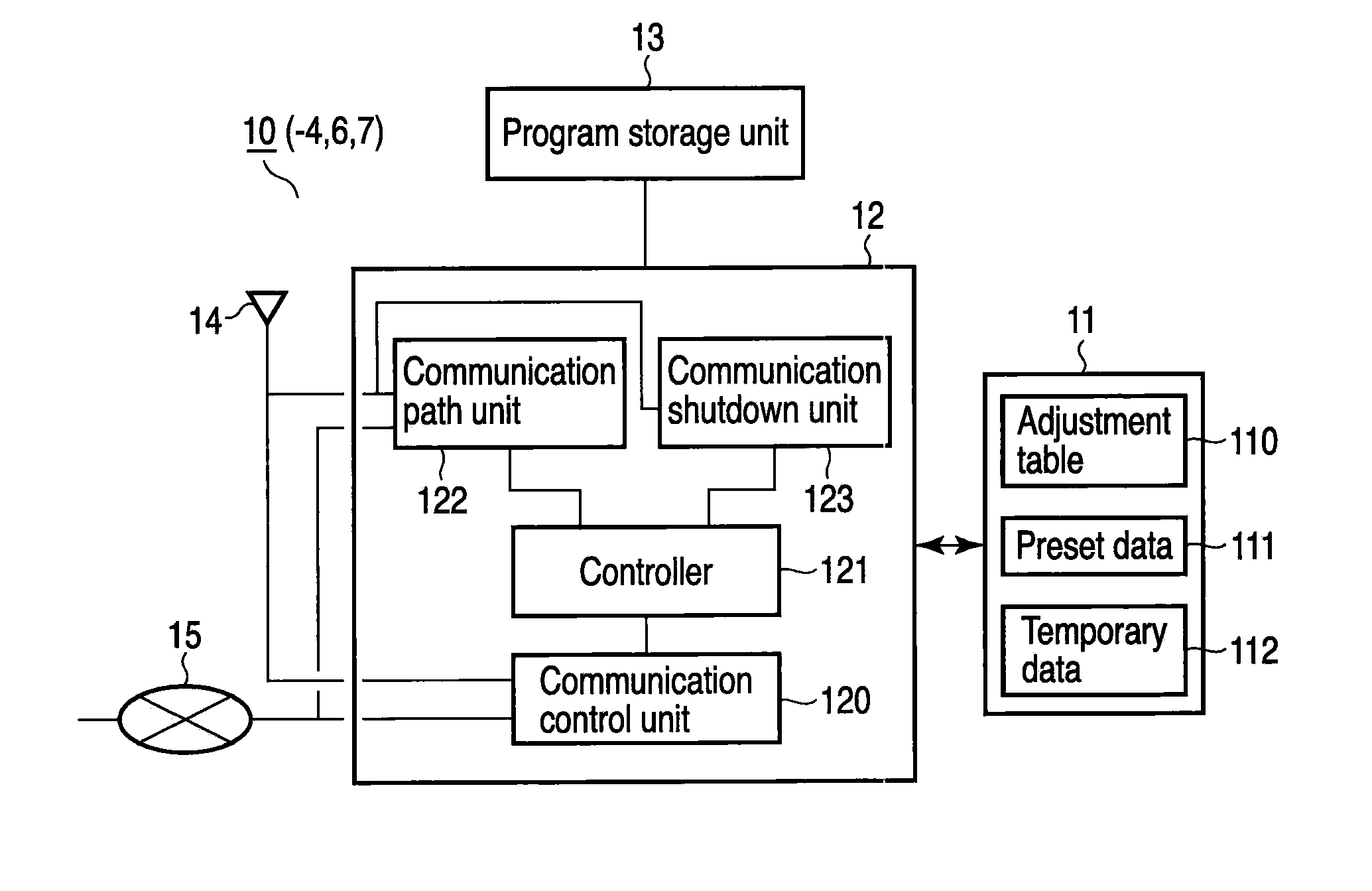
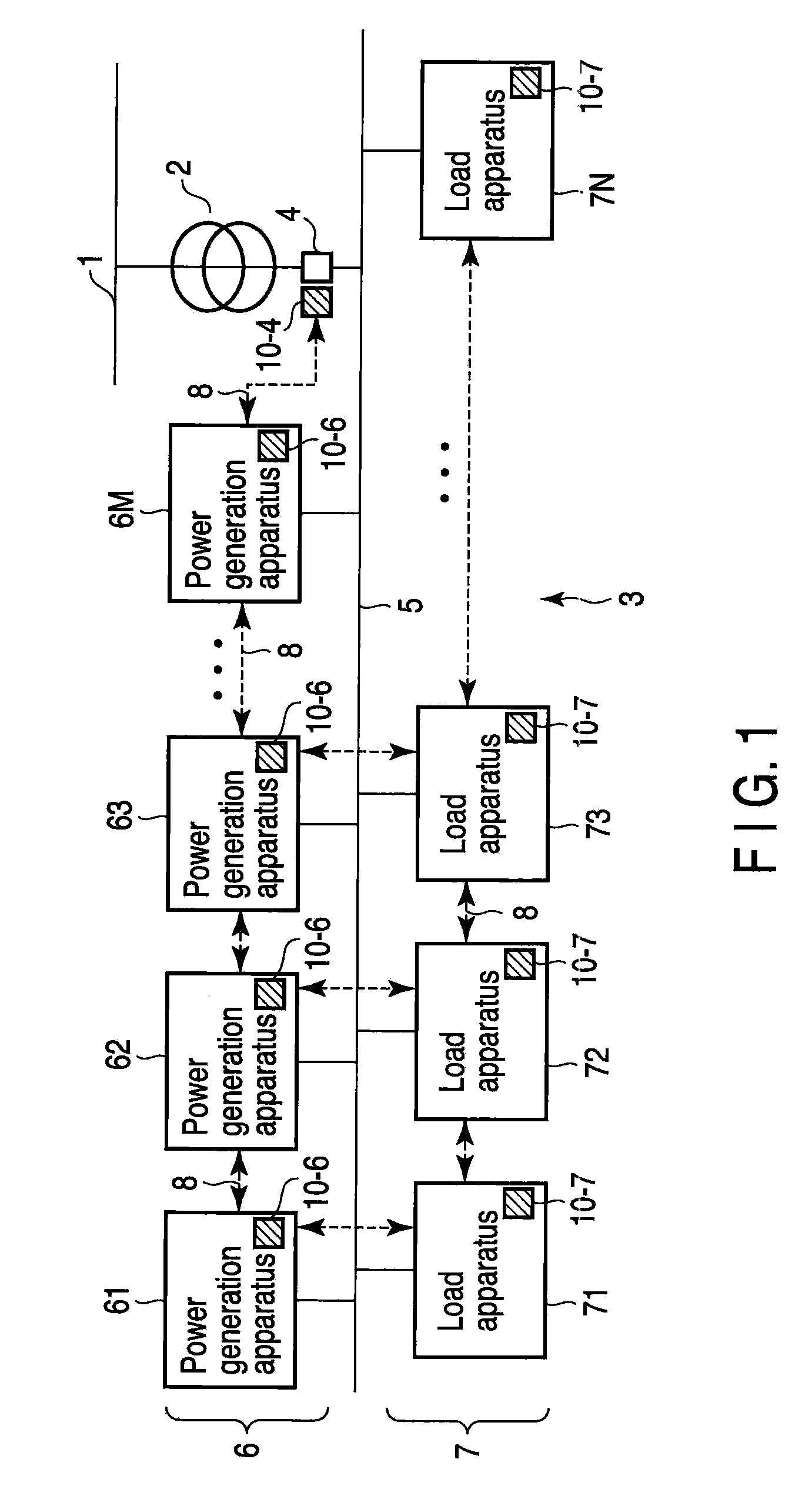
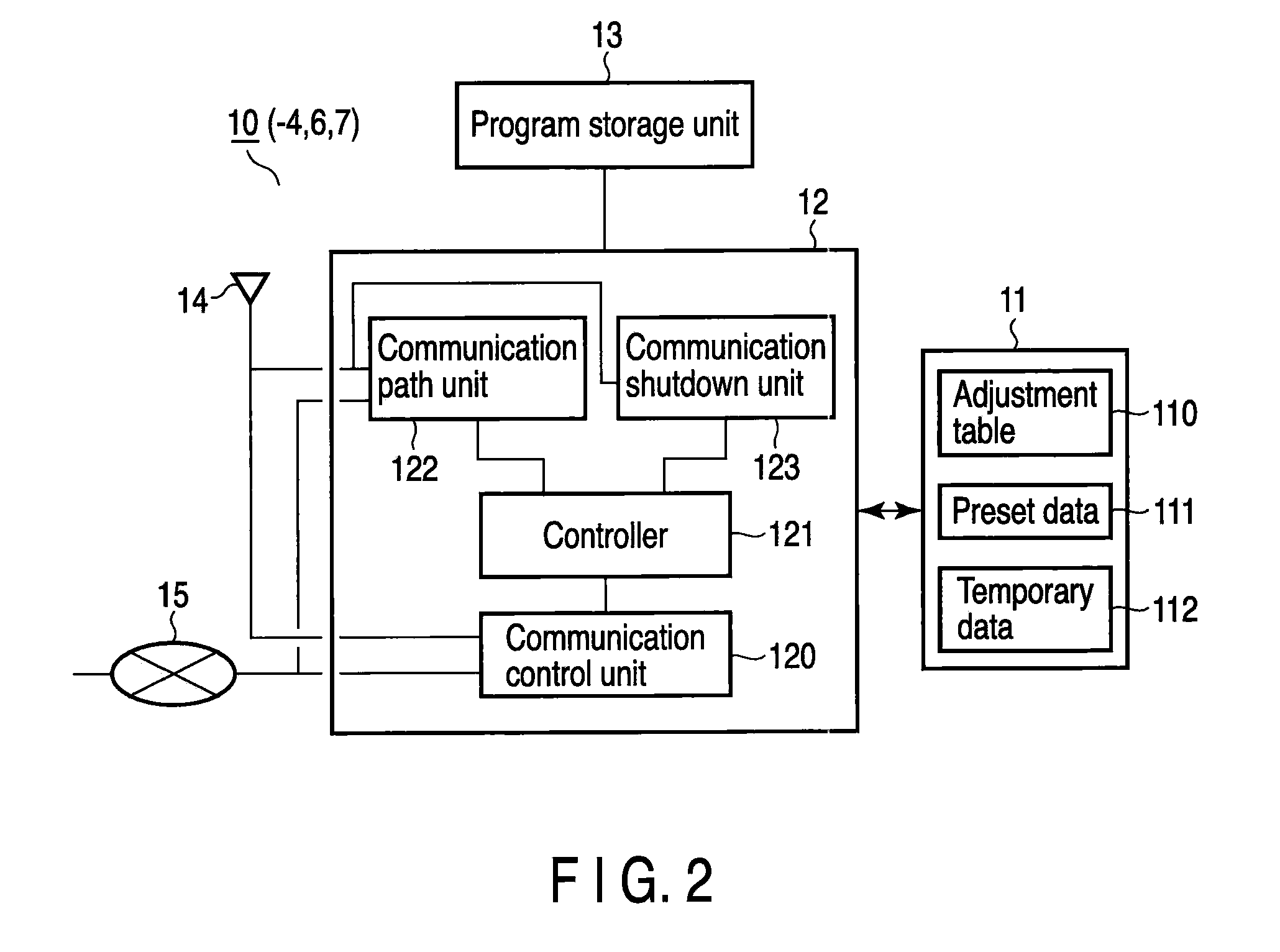
- A distributed and coordinated supply-and-demand control system where nodes in power generation and load apparatuses communicate to adjust power generation or consumption based on average supply-and-demand state data, using a consensus algorithm to achieve balance without a central server, reducing the need for complex communication protocols and infrastructure.

Power supply and demand control apparatus and power supply and demand control method
PatentInactiveUS20110137482A1
Innovation
- A power supply and demand control apparatus and method that includes a power generation planning unit, long-cycle and short-cycle control units, supply-demand balancing control units, load power estimating, non-variable output estimating, and economical load dispatching to adjust power outputs of distributed power sources, ensuring supply-demand balancing in both long and short cycles.


Grid Integration Standards and Regulations
The regulatory landscape for microgrid integration presents a complex framework that directly impacts dynamic supply-demand balancing capabilities. Current grid codes primarily focus on traditional centralized generation models, creating significant gaps when addressing distributed energy resources and real-time balancing requirements. IEEE 1547 standards provide foundational guidelines for distributed energy resource interconnection, yet these standards often lack specific provisions for dynamic microgrid operations and autonomous balancing mechanisms.
Interconnection standards vary significantly across jurisdictions, with some regions implementing progressive frameworks that accommodate bidirectional power flows and grid-forming capabilities essential for dynamic balancing. The Federal Energy Regulatory Commission's Order 2222 in the United States represents a pivotal advancement, enabling distributed energy resource aggregation and participation in wholesale markets, thereby facilitating more sophisticated supply-demand coordination strategies.
European regulations under the Clean Energy Package have established more comprehensive frameworks for microgrid operations, including provisions for energy communities and collective self-consumption. These regulations explicitly address dynamic balancing through market mechanisms and grid service provisions, creating clearer pathways for microgrid operators to implement real-time optimization strategies while maintaining grid stability.
Technical standards for communication protocols and data exchange remain fragmented, hindering seamless integration of dynamic balancing systems. IEC 61850 and IEEE 2030.5 standards provide partial solutions, but comprehensive interoperability requirements for real-time supply-demand coordination are still evolving. This regulatory uncertainty creates implementation challenges for advanced control systems and predictive balancing algorithms.
Emerging regulatory trends indicate movement toward performance-based standards that focus on grid service delivery rather than prescriptive technical requirements. This shift enables greater flexibility in implementing innovative dynamic balancing solutions while maintaining system reliability and safety standards. However, the transition period creates compliance uncertainties that may impact technology deployment timelines and investment decisions in advanced microgrid balancing systems.
Interconnection standards vary significantly across jurisdictions, with some regions implementing progressive frameworks that accommodate bidirectional power flows and grid-forming capabilities essential for dynamic balancing. The Federal Energy Regulatory Commission's Order 2222 in the United States represents a pivotal advancement, enabling distributed energy resource aggregation and participation in wholesale markets, thereby facilitating more sophisticated supply-demand coordination strategies.
European regulations under the Clean Energy Package have established more comprehensive frameworks for microgrid operations, including provisions for energy communities and collective self-consumption. These regulations explicitly address dynamic balancing through market mechanisms and grid service provisions, creating clearer pathways for microgrid operators to implement real-time optimization strategies while maintaining grid stability.
Technical standards for communication protocols and data exchange remain fragmented, hindering seamless integration of dynamic balancing systems. IEC 61850 and IEEE 2030.5 standards provide partial solutions, but comprehensive interoperability requirements for real-time supply-demand coordination are still evolving. This regulatory uncertainty creates implementation challenges for advanced control systems and predictive balancing algorithms.
Emerging regulatory trends indicate movement toward performance-based standards that focus on grid service delivery rather than prescriptive technical requirements. This shift enables greater flexibility in implementing innovative dynamic balancing solutions while maintaining system reliability and safety standards. However, the transition period creates compliance uncertainties that may impact technology deployment timelines and investment decisions in advanced microgrid balancing systems.
Energy Storage Integration Strategies
Energy storage systems serve as the cornerstone for achieving dynamic supply-demand balance in microgrids, providing essential flexibility to accommodate renewable energy variability and load fluctuations. The integration of diverse storage technologies creates a multi-layered approach that addresses both short-term power quality issues and long-term energy management requirements.
Battery energy storage systems represent the most prevalent integration strategy, with lithium-ion technologies leading deployment due to their high energy density and rapid response capabilities. These systems are typically configured in distributed architectures across the microgrid, enabling localized energy management while maintaining grid-wide coordination. Advanced battery management systems incorporate predictive algorithms that optimize charging and discharging cycles based on forecasted supply and demand patterns.
Hybrid storage integration strategies combine multiple technologies to leverage complementary characteristics. Supercapacitors provide instantaneous power delivery for frequency regulation, while batteries handle medium-term energy shifting, and pumped hydro or compressed air systems manage long-duration storage needs. This tiered approach optimizes both technical performance and economic efficiency across different operational timeframes.
Smart integration protocols utilize advanced control algorithms to coordinate storage operations with real-time grid conditions. Machine learning models analyze historical consumption patterns, weather forecasts, and market signals to optimize storage dispatch strategies. These systems implement dynamic pricing mechanisms that incentivize storage utilization during peak demand periods while maximizing renewable energy absorption during surplus generation.
Grid-forming inverter technologies enable storage systems to provide essential grid services beyond energy arbitrage. These inverters can establish voltage and frequency references, supporting microgrid islanding capabilities and enhancing overall system resilience. Virtual power plant concepts aggregate distributed storage resources, creating scalable solutions that can participate in broader energy markets while maintaining local grid stability.
Emerging integration strategies focus on sector coupling, where storage systems bridge electrical, thermal, and transportation energy domains. Power-to-X technologies convert excess renewable electricity into hydrogen, synthetic fuels, or thermal energy, providing seasonal storage capabilities that complement traditional battery systems and expand the temporal scope of supply-demand balancing strategies.
Battery energy storage systems represent the most prevalent integration strategy, with lithium-ion technologies leading deployment due to their high energy density and rapid response capabilities. These systems are typically configured in distributed architectures across the microgrid, enabling localized energy management while maintaining grid-wide coordination. Advanced battery management systems incorporate predictive algorithms that optimize charging and discharging cycles based on forecasted supply and demand patterns.
Hybrid storage integration strategies combine multiple technologies to leverage complementary characteristics. Supercapacitors provide instantaneous power delivery for frequency regulation, while batteries handle medium-term energy shifting, and pumped hydro or compressed air systems manage long-duration storage needs. This tiered approach optimizes both technical performance and economic efficiency across different operational timeframes.
Smart integration protocols utilize advanced control algorithms to coordinate storage operations with real-time grid conditions. Machine learning models analyze historical consumption patterns, weather forecasts, and market signals to optimize storage dispatch strategies. These systems implement dynamic pricing mechanisms that incentivize storage utilization during peak demand periods while maximizing renewable energy absorption during surplus generation.
Grid-forming inverter technologies enable storage systems to provide essential grid services beyond energy arbitrage. These inverters can establish voltage and frequency references, supporting microgrid islanding capabilities and enhancing overall system resilience. Virtual power plant concepts aggregate distributed storage resources, creating scalable solutions that can participate in broader energy markets while maintaining local grid stability.
Emerging integration strategies focus on sector coupling, where storage systems bridge electrical, thermal, and transportation energy domains. Power-to-X technologies convert excess renewable electricity into hydrogen, synthetic fuels, or thermal energy, providing seasonal storage capabilities that complement traditional battery systems and expand the temporal scope of supply-demand balancing strategies.
Unlock deeper insights with PatSnap Eureka Quick Research — get a full tech report to explore trends and direct your research. Try now!
Generate Your Research Report Instantly with AI Agent
Supercharge your innovation with PatSnap Eureka AI Agent Platform!